


How to Tell a Real Seed Bank From a Pretty Website
Best Seed Bank Canada 2026 is not a trophy a homepage can award itself. It is a score you can check before you pay. A pretty site can rent the same stock photos, the same gold badge, and the same “trusted since forever” line as a shop that has actually mailed seed for years. You are trying to tell those two apart while you still have your money.
Green Avenger Seeds wrote this scorecard, and we sell seeds, so use the same checks on us. If a line here and a live policy page ever disagree, the policy page wins. The public Canada guide on this site has been up since 2020. That is a year you can count. It is not a crown.
Audience is both countries. The pack is the same. The mailbox is not. A Hamilton order rides Canada Post after a short pack window. A Denver order is packed in Eastern Canada, then USPS, and you should plan on a longer trip. Named feminized marijuana seeds sit near four dollars CAD a seed. A mixed feminized bag sits near a dollar and it is not a named plan. Weed seeds in the cart do not change the test.
What “Best” Should Mean in 2026

Search “best seed bank” in 2026 and you mostly get roundups. They praise domestic shipping, a germ number, Interac, and a long menu, then they name the shop that paid for the article. The checks inside those pieces are often fair. The ranking at the bottom is an ad. Best, for a buyer with a real room, means the shop fits the job you actually have. The homepage will call every job “best” in one headline. You have to split them.
Best for a first tent is not best for a pheno hunt
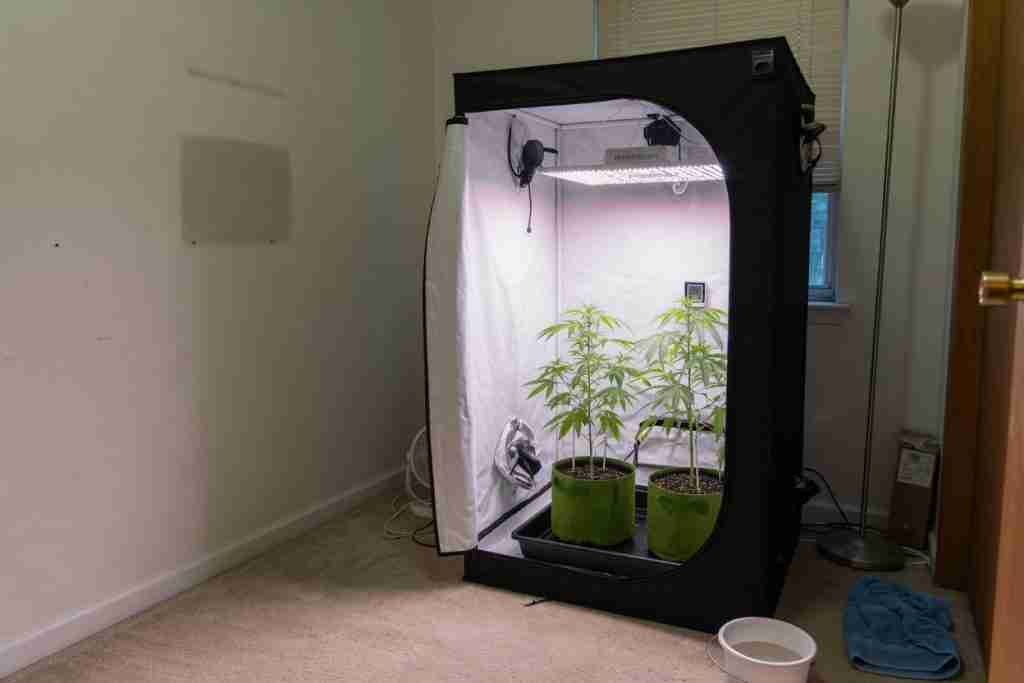
A first tent wants a few named feminized packs you can tell apart, a written germ habit, and a ship date that matches your calendar. You are not shopping two hundred names. You are shopping one or two plants you can finish. The feminized packs page is that kind of list, and why a 5-pack is the default order explains the usual start. A pheno hunt wants the opposite shape: many siblings, notes, and time. A short Canadian catalog will bore that project on purpose. Say the job out loud before you fall in love with a menu.
Best for Canada Post is not best for a 200-strain catalog

Canada Post is a clock. Once the carrier has the parcel, Ontario and Quebec often move in about two to four business days. Atlantic is often quicker. The Prairies and British Columbia take longer. The North takes what the weather allows. Those windows sit on the Canada seed guide, and they start after the pack, not after you click pay in your head. A 200-strain catalog optimizes for browsing. A Canada Post shop optimizes for a plain mailer that leaves Eastern Canada on a weekday. Giant menus are often other people’s stock in a pretty grid. For a Canadian mailbox, a smaller named list that actually ships is the better score.
Best for a US mailbox is a shop that already crosses the border on purpose
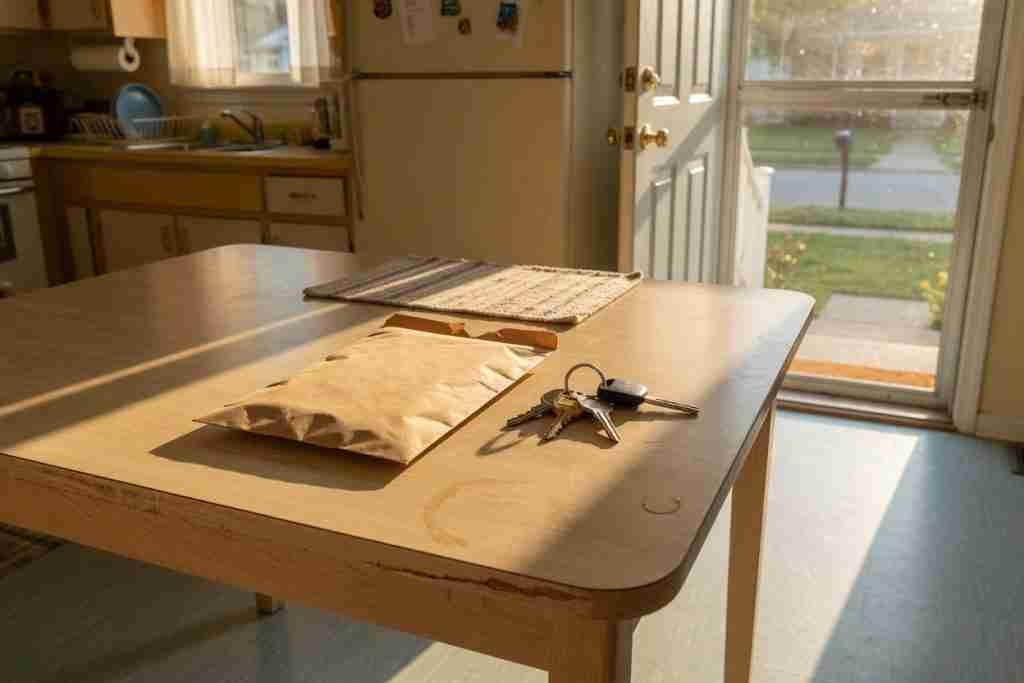
“We ship worldwide” is not a plan. Best for a US mailbox is a shop that already crosses the border on purpose, says where the parcel starts, names the carrier, and gives a range you can live with. Ours is packed in Eastern Canada and then moves by USPS. Typical transit is 7 to 16 business days. Allow 30. That is not the Canadian week. Bring the pack inside the day it lands. A hot step or a frozen porch is handling, not a verdict on the genetics, and the longer US trip is why the habit matters more in Denver than in Hamilton. The door is ordering from a Canadian seed bank in the States.
Five Checks That Separate a Shop From a Landing Page

A landing page can be built in a weekend. A shop leaves a trail. If you only have time for five checks, use these and skip the badge row.
Years you can count
Ask for a year you can find without trusting the About blurb. Old pages, a shipping note that mentions a real season, a date you can click. “Family owned since the nineties,” with nothing older than last March, is a costume. On this site the Canada buyer guide dates to 2020, and the shop has sold direct from the breeder since then. That does not make every pack perfect. It means the store was not invented for this year’s roundup. Also watch the clock they still print. Same week is common in Canada. Overnight is a story, and that split is written on same week is common, overnight is a story. A real bank revises the fairy tale. A landing page leaves it up because it converts.
Named genetics you can plan a room around
You should be able to say the pack name out loud and know what you meant to grow. Named feminized packs are that promise. The strain is on the label. A mixed bag is a different product: about a dollar CAD, unlabeled, no strain promise. It can be a cheap experiment. It cannot be the plan for the room. If the menu is mostly “exclusive” names that exist nowhere else and carry no breeder note, slow down. Exclusive can be a real cross. It can also be a white label with a new sticker. You need a name you still remember after the tab is closed.
A germ habit written down

A germ habit is a number, a method, and a photo rule. Ours is a 70 percent floor on the paper-towel method for named packs. Stock is checked on a cadence. If a named pack lands under that floor, you photograph the towel and you write in. Mixed feminized bags are outside that floor. The plain-English version is what a germination guarantee actually covers, and the short line is on the seed FAQ. If this scorecard and the FAQ ever part ways, follow the FAQ. Fresh seed on a damp towel, held around 21 to 26°C, is a 24 to 96 hour conversation. Do not email at hour thirty and call it a failure. Older seed can take longer. Roundup sites love a higher round badge with no towel and no exception list. A floor you can test is worth more than a slogan.
More than one way to pay

Cards decline. A shop with one rail stalls the order on the worst afternoon. Canadians can pay by Interac e-Transfer, card, or crypto. Interac is Canada-only. US buyers use card or crypto, in CAD, and the card statement shows N.G.S. The memo rule and what not to type in a transfer live on paying for seeds the Canadian way. A US card will convert. We do not invent a side exchange rate. You should see which rail works in your country before checkout. Crypto-only or wire-only is a red flag further down. A normal shop lets you finish with a method your bank already understands, and it keeps a second door for the day the first one sticks.
A human if the envelope never lands
Mail fails. A porch thief, a wrong unit number, a scan that never updates. The test is whether a person can see the order. Optional guaranteed shipping here is a $15 CAD reship if the parcel is lost. It is a delivery promise, not a second germination promise. Details sit on the shipping page. Free regular shipping starts at $150 CAD after coupons, for Canada, the USA, and Europe. Express is extra. When you write, send the order number, the pack name, the city, and what the tracking actually shows. A landing page offers a form that never replies. A shop matches your note to a pack that left the bench.
Canadian Shop Versus Overseas Shop Versus US Catalog

Three kinds of sites wear the same costume. A Canadian shop packs in Canada and hands a domestic parcel to Canada Post. An overseas shop packs somewhere else and hopes the parcel clears. A US catalog might pack in the States, or it might be a storefront for a warehouse you have never heard of. The beans can be fine in all three. The week you wait, and the payment that works, will not be.
Transit time into a Canadian mailbox
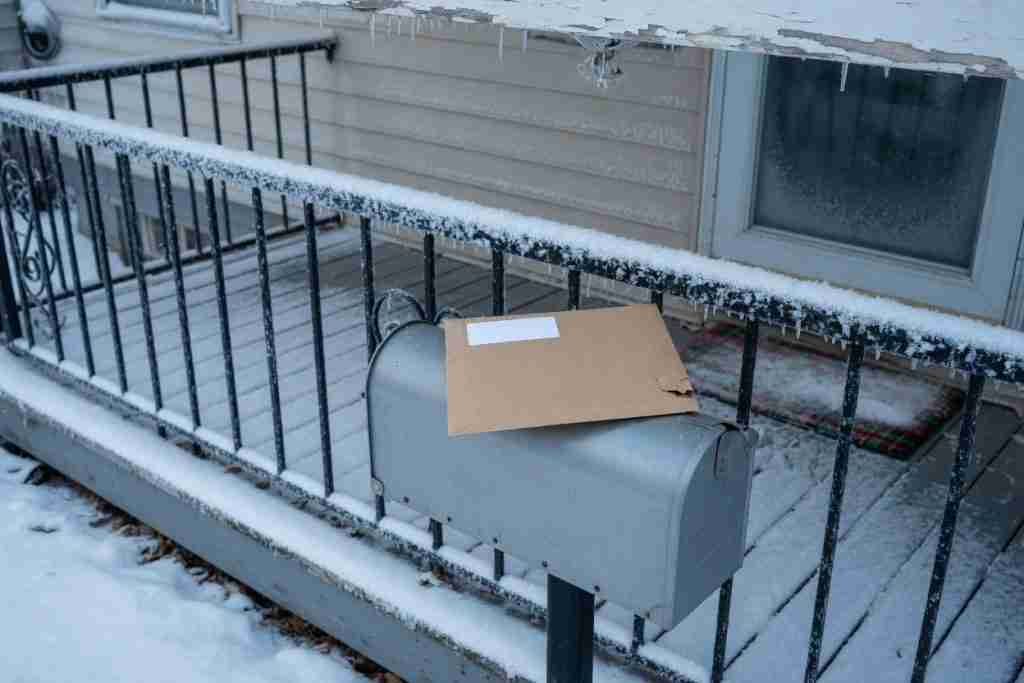
Weekday orders here are packed about 48 to 72 hours after payment clears. Holidays and weekends sit outside that. After Canada Post has the parcel, Hamilton is an Ontario address, so you are in the Central window: often two to four business days. Winter can add a day. A wrong buzzer code can add a week. There is no customs desk on a Canadian address when the parcel started in Canada. An overseas parcel into the same mailbox is a different sport. Public roundups put those trips in a wide band, often more than a week. If your tent is going up this month, a domestic pack is the score that matters. If you are hunting a name nobody in Canada stocks, you already chose the slower door.
Transit time into a US mailbox

A Denver mailbox does not get the Ontario window. The pack still starts on the same Eastern Canada bench, then it crosses. Plan on 7 to 16 business days, and allow 30 before you decide the parcel is lost. Express is on the shipping page and it costs more. Do not tell a friend in Colorado that “it comes in a couple of days.” That sentence is often fair in southern Ontario. It is a fib in Denver. A domestic US catalog can be faster if it truly packs in the States. A site with a US footer and a ship-from line in Spain is an overseas shop with better marketing. Faster is only better when the genetics, the payment, and the germ note survive the comparison.
Currency, card declines, and “where did this ship from”
Checkout currency tells you who the shop is built for. CAD prices fit a Canadian card and make a US card do the conversion. That is normal here. It is a surprise only if the site pretended to be a Denver shop until the last screen. Interac will not appear for a US buyer. If a site demands a wire in a third currency, or only a coin you have to buy first, you have left an ordinary seed order. Card declines happen on these carts even when you did nothing wrong. A second rail is how you finish. And the ship-from line should be visible before you pay, not buried in a tracking email three countries later.
Why origin matters more than the homepage banner
A maple leaf on the hero does not prove the vial was packed in Canada. A stars-and-stripes banner does not prove it was packed in Colorado. Origin is the city on the first carrier scan, the currency you were charged, and the payment rails that match that country. Banner art is the costume. This shop’s origin is Eastern Canada, on purpose, for both audiences. Canadian addresses stay in the country. US addresses leave after the pack. If another bank will not say the city, believe the silence. Pretty sites get quiet right where a real bank gets specific.
Price Per Seed Is Not the Whole Score

A cheap pack that never sprouts is the most expensive seed you will buy, because the tent, the light, and the month are already spent. A pricey pack with no method is the same trick in a nicer box. Score what the number buys. Then look at the gear, which will dwarf it.
What a $4 named fem actually buys
About four dollars CAD a seed, on a named feminized pack, buys a labeled line you can plan around, inside a shop with a written 70 percent paper-towel floor. It does not buy a promise that every bean pops, and it does not buy a cup trophy. Check the live price in the cannabis seeds store before you budget. A 3-pack and a 15-pack are not the same line item, so do not freeze an old screenshot. What you should feel is a small vial, a name you chose, a mailer that does not announce itself, a way to show the towel if the pack misses the floor, and a way to ask about the parcel if the carrier never delivers it. The plant, if you are allowed to start one, is a separate project.
What an $18 hype pack is charging for

An eighteen-dollar hype pack, often priced in US dollars on a giant menu, is usually charging for the story. A limited drop, a box, a clip, a name you saw once. Sometimes the beans are excellent. Sometimes you paid extra for foil. If the only promise is “premium genetics” and a countdown timer, you are buying a mood. Put it on the same scorecard as the four-dollar named fem. Does it name a method? Does it say what happens when two seeds in a five stay quiet? Does a ship-from line exist? If the answers are thin, the extra money is the ad budget coming back as a price. You can still want the name. Do not pretend the box is a lab.
Lights and months still cost more than the beans

A modest tent and a real light cost more than a 5-pack before you flip a switch. Power for a couple of months costs more again. Arguing for an hour over two dollars a seed, then guessing the light, is backwards. Buy seed you can name. Spend the serious money on the room that has to run every day. A lost week also hurts more than a lost bean, because the gear sits while the calendar slips. A late parcel is a shipping problem. A quiet bean on a proper towel is a germ problem. Mixing those complaints is how people end up angry at the wrong desk.
Red Flags That Still Show Up

The 2026 red flags are not new. They are just better dressed. You can spot most of them before you create an account. One odd choice can be a style. Two together are a landing page.
Stock photos only
Every pack on seamless white, every plant a perfect cola with no room around it, no mailer, no bench, no towel. That is a catalog of rented pictures. One studio shot is not a crime. A whole site with no object you could recognize from an actual order is a costume. Look for a plain mailer, a vial, or a germ photo that shows a method. If the only images could sell shoes tomorrow, you are on a theme.
Crypto-only or wire-only
Crypto is a fair second rail when a card declines. Wire can be fair for a wholesale invoice you already understand. Crypto-only, or wire-only, on a consumer seed cart is a way to make a refund impossible. You should be able to pay with something your bank already does, plus a backup. If the only button is a coin or a SWIFT form, the shop is selecting for people who cannot complain easily. That is the opposite of a human when the envelope fails.
Guarantee language with no method

“Guaranteed,” with no percent, no towel, no photo, and no exception for the dollar mix bag, is a blank seal. So is a huge percent with a method they never describe, so every failure becomes “you did it wrong” after the fact. Ask three things. What number? What test? What do you send? If the page cannot answer in a paragraph, the seal is decoration. Also split delivery reship from germination. A shop can replace a parcel that never arrives and still refuse a seed you drowned in a cup. Those are different promises. Ours are written in two places on purpose. “We guarantee everything” means you will not know which desk to write.
Review pages that all sound like the same intern
Five “best of 2026” articles, same adjectives, same order of shops, same button. That is one brief sold five times. The tells are a tiny disclosure, no ship-from city, and a germ line copied from the winner’s banner. How to read that mill, including the part where this shop is also trying to sell you something, is how to read a seed bank review written to sell you. A real note mentions a city, a week, and a problem. A mill mentions vibes.
A Scorecard You Can Reuse in Either Country
Five lines. Any shop. Either country. If you cannot fill a line, that line is a zero until the site gets specific. Do it before you enter a card.
Shipping origin and carrier
City or region it leaves from. Carrier that scans it. A range in business days, plus the extra you allow for the long tail. Separate pack time from transit time. For us that is Eastern Canada, Canada Post on Canadian addresses, USPS after the border on US addresses, about 48 to 72 hours to pack on weekdays, then the regional or US range above. “Fast discreet shipping,” and nothing else, is a zero.
Genetics clarity
Named packs versus a mix. Feminized versus regular, if you need males for a project. A short list you can finish versus a warehouse you are browsing for sport. You should know which product is in the cart without a legend. If the thumbnail is a cola and the title is a pun, you do not yet know what you bought.
Payments that work where you bank
At least two rails. One of them should be ordinary for your country. Interac if you are in Canada. Card if you are in the States, with crypto as the backup, not the tollbooth. Currency shown before you confirm. A statement name you will recognize, here N.G.S. If you have to email a stranger to ask how to pay, the checkout is not finished.
Support
A way to send an order number and a straight question. A delivery reship priced in the open, if they sell one. A germ path that says what photo to take. Silence, a chatbot loop, or a guarantee that covers anything and then nothing, all fail this line. You are not looking for a pen pal. You are looking for a person who can see the order.
Price honesty
A per-seed ballpark you can check on the live product, not a crossed-out fake comparison price. The free-shipping threshold stated after coupons, not before. Mix bags priced like mix bags. Hype priced like hype. If the only number on the homepage is a percent off, you have not seen the price. You have seen a sale costume.
Two Worked Examples
Same scorecard. Two mailboxes. Hamilton is the Canadian example. Denver is the American example. The beans can be the same vial. The week, the payment, and the plant cap are not.
First tent in Ontario

Say you are in Hamilton and you want a first tent, not a breeding project. Ontario follows the federal household cap: four plants, not four per adult. The age in Ontario is 19. A lease can still say no. Quebec is a different rule, and Hamilton is not Quebec. The four-plant line is Cannabis Act section 12. The local door after this scorecard is buy cannabis seeds in Ontario.
You pay in CAD. Interac is open to you, and so are card and crypto. The weekday pack is about 48 to 72 hours, then Canada Post usually needs about two to four business days to reach an Ontario mailbox. You bring the mailer inside when it lands. You buy one named feminized 5-pack near four dollars CAD a seed, not a 200-strain tour. Four plants is the household ceiling. A spare seed is the point of the fifth bean. What “best” means on this block is boring, and boring is the compliment: a shop public since 2020, a name on the pack, a 70 percent towel floor, a payment your Canadian bank already speaks, and a person if the scan goes quiet.
First tent in Colorado or Michigan

Say you are in Denver and you are 21, because that is the adult-use age there. Colorado says a resident may grow up to six plants, with as many as three flowering at one time, in an enclosed locked space that is not openly viewed. Denver adds a residence ceiling of 12 plants no matter how many adults live there, and Denver does not allow outdoor plants. Check the city again before you count pots. A landlord can still refuse. This shop sells seed. It does not give you permission.
The worked buy is still a named feminized pack. You pay by card or crypto, in CAD, and you recognize N.G.S. on the statement. Interac is not your rail. You allow 7 to 16 business days and you do not panic at day nine. You allow 30 before you call it lost. You bring the mailer inside the day it hits the step, because high-altitude sun and a cold night are handling. The germ test is the same towel as Hamilton. The beans did not become a different product because they crossed a border.
Michigan is the other half of this heading, not a second novel. Adult-use there is a household cap of 12 plants for people 21 and older, not four, and not a stack of 12 for every adult in the house. The scorecard does not change. Origin, name on the pack, germ habit, payment, and a human. Only the number of plants you are allowed to finish is different, and you confirm it locally before you order a second pack “just in case.”
What changes when your state cap is not four plants
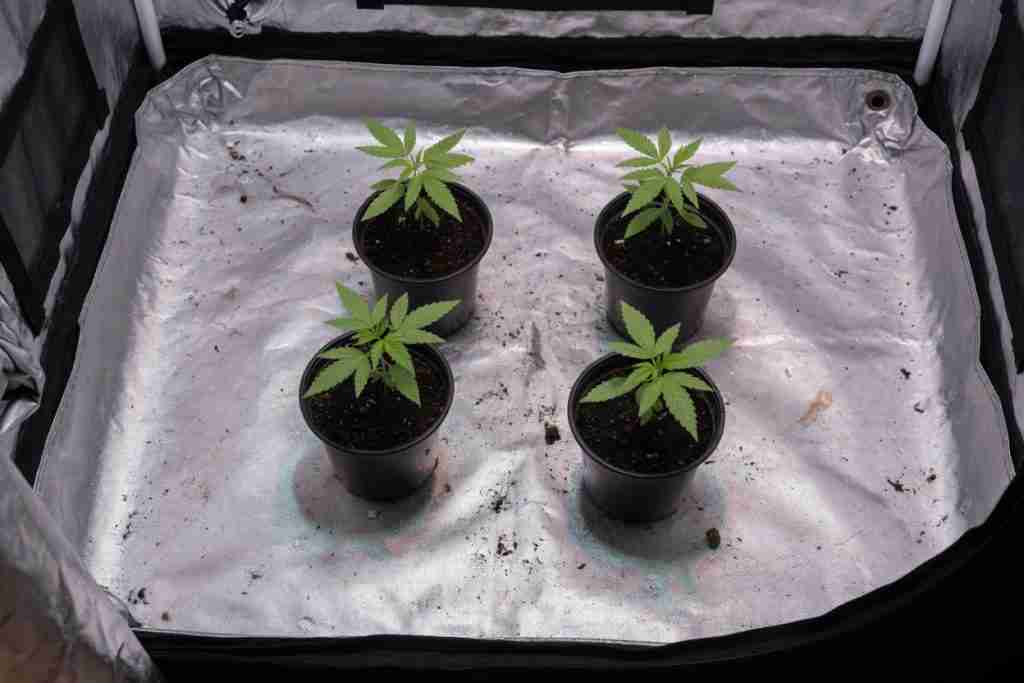
Hamilton stops at four plants in the household. Denver can hold more than that, inside the six-per-person rule, the three-flowering slice, and the 12-plant residence cap, and only in a locked indoor space. Michigan’s household number is higher again. What changes is how many seeds it is rational to start, not which shop tricks are suddenly fine. A bigger legal cap is not a reason to buy a mystery mix, skip the germ photo, or ignore where the parcel ships from. Lights and months still cost more than the beans. A second named pack can make sense when the residence is actually allowed to finish it. A twelfth strain name does not. Buy the pack that fits the cap you have, then stop.
Pros and Cons of a Smaller Canadian Catalog

This shop is the smaller catalog in the comparison. That is a choice. It helps some buyers and it fails others. If you need every hype name on earth, the scorecard will send you away honestly.
Pros
You can learn the names. A short list of feminized packs is something a first tent can finish. Canadian buyers get Canada Post after a weekday pack, with no customs desk on a domestic parcel. Interac works. Prices are CAD. The germ floor is written, with a method and a photo, and the mix bag is labeled as the exception instead of being quietly included. If the envelope never lands, there is a priced reship and a person who can read an order number. The same beans and the same towel apply in Denver. You are not maintaining two catalogs and two promises.
Cons
You will not find a 200-strain afternoon here. A pheno hunt will feel boxed in. A US buyer waits longer than they would for a true domestic US drop, and they pay a conversion on a CAD cart. The dollar mix is unlabeled and sits outside the germ floor, so it is a poor place to hunt “more genetics.” We do not stock every overseas exclusive, and we should not pretend a 2026 roundup crown is ours to give. If your scorecard wants the widest menu on earth, a smaller Canadian catalog loses that line on purpose.
Questions Growers Ask When They Compare Banks
Is the biggest catalog the safest bet
No. A big catalog is a browsing tool. Safety is origin, a carrier, a name on the pack, a germ habit, a payment you can finish, and a human. More SKUs raise the chance that some of them are stale listings or white labels with a fresh photo. If you want one tent in Hamilton, the safer bet is a short named list that leaves Canada this week. If you want a library, buy the library from a shop that still answers the five checks. Size is not the check.
Do freebies mean better genetics
A free seed is a gift, not a lab result. It can be a nice extra on a named pack. It can also be a way to move a mix bag that was never inside the germ floor. Ask the same questions. Is it named? Is it inside the written test? Or is it an unlabeled extra the guarantee page carved out? Better genetics show up as a name you can run again, not as a bonus counter. The marijuana plant still has to finish in your room. A weed seed that arrived free does not skip the towel.
Should a US buyer only use a US storefront
Only if the storefront packs in the United States and says so. A .com with American slang can still ship from Europe. A Canadian shop that already crosses the border on purpose can be the clearer path, as long as you accept the 7 to 16 business day range and you pay in CAD. Denver buyers are not required to pretend a dispensary seed shelf and a mail-order vial are the same product. Score the ship-from line. If it is Eastern Canada and USPS, you know the week. If it is “worldwide,” you do not.
Best Seed Bank Canada 2026, for a buyer who actually has to receive a parcel, is the shop that survives this page. Years you can count. Named marijuana seeds. A germ habit with a method. More than one way to pay. A human if the weed pack never lands. Hamilton and Denver can both use that list. They just should not share a fairy tale about how fast the mailer moves.
