How to Get the Most Cannabinoid-Rich Cannabis Flowers

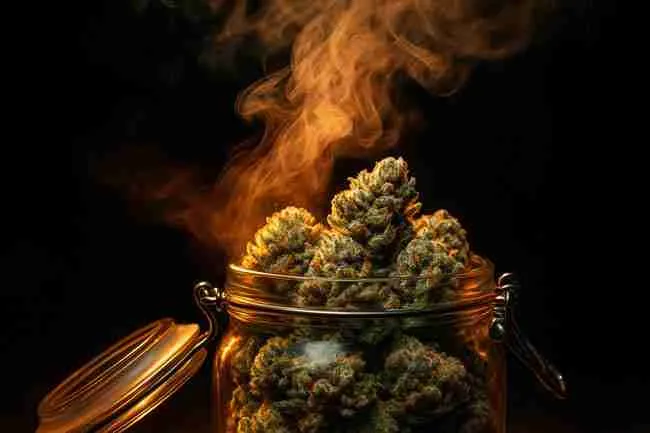
Picture this: you crack open a curing jar and—boom—an avalanche of candy-sweet, skunky perfume leaps out and socks you in the nose. The buds inside glisten like fresh snow under a streetlight, each sugar-coated calyx stuffed with THC, CBD, and a sprinkle of rare minor cannabinoids. Growing flowers that ooze that sort of power isn’t rocket science—but, buddy, it does demand a purposeful game plan from seed to storage. Below is your punchy, plain-English blueprint for coaxing the richest possible cannabinoid soup from every plant you raise.
Quick Potency Checklist

- Pick proven genetics bred for sky-high cannabinoid ceilings.
- Blast plants with 800–1,000 PPFD of full-spectrum LED light during bloom.
- Feed plenty of potassium, magnesium, and sulfur through late flower.
- Add short UV-B bursts or other gentle stresses to goose resin.
- Run 800–1,000 ppm carbon dioxide once light and nutrients are already maxed.
- Harvest at cloudy-with-a-kiss-of-amber trichomes for peak potency.
- Cure for 21 days at 60 % RH and 18–21 °C to lock in cannabinoids.
Tack those bullets to your tent door and you’re already miles ahead of most growers.
Your Quest for Cannabinoid Treasure
You’re an explorer hunting botanical gold. Every choice—seed pack, light-knob twist, nutrient scoop—nudges the plant’s chemistry. Genetics lay the treasure map, environment supplies the shovel, and timing hands you the key. Walk through the steps below and watch potency climb like ivy on a summer fence.
Starting Strong: Pick Genetics That Pack Cannabinoids

Reading Seed Labels Like a Detective
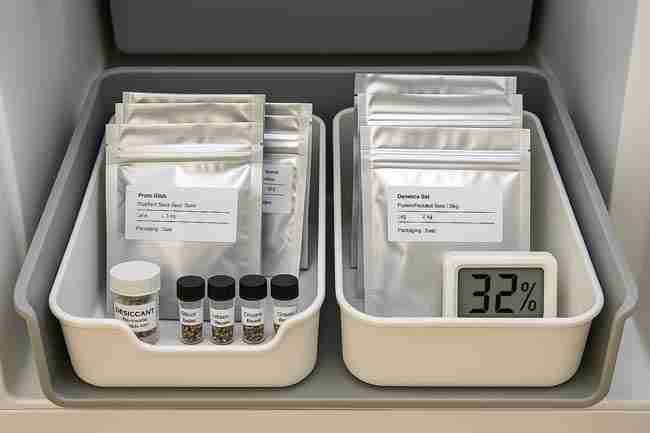
Cannabinoid content is largely baked into a plant’s DNA. You can’t squeeze oranges from a lemon tree, right? So grab cultivars with verified lab results—not just fancy strain names on a glossy sticker. Look for breeders who post certificates of analysis and who stand behind their numbers season after season.
Table 1 – Popular High-Potency Choices
| Cultivar | Dominant Cannabinoid | Typical Lab Range | Flower Time | Difficulty |
|---|---|---|---|---|
| Willie Wonka | THC | 22–24 % | 7–8 weeks | Easy |
| Gelato #41 | THC | 24–26 % | 8–9 weeks | Medium |
| Harle-TSU | CBD | 10–12 % | 8–9 weeks | Easy |
| CBG Force | CBG | 8–10 % | 7–8 weeks | Easy |
Pros & Cons of Chasing Rare Genetics
- Pros: Unique chemical profiles, higher market buzz, major bragging rights.
- Cons: Pricier seeds, time-consuming phenotype hunts, occasional mislabeled clones.
Environment: Craft the Ultimate Potency Playground

Lighting That Feeds Resin
Full-spectrum LEDs pushing 800–1,000 PPFD have outperformed old-school high-pressure sodium lamps in head-to-head tests. Why? Because modern diodes deliver photons in the exact colors your plants crave. Blue light keeps leaf blades thick and terpene precursors humming; red and far-red wavelengths drive flower density. But hold your horses—too much intensity bleaches trichomes. Keep fixtures about 45 centimeters above the canopy and dim if leaves start taco-curling.
Table 2 – Spectrum Tweaks and Cannabinoid Bumps
| Spectrum Trick | Typical Increase | Watch-Out |
|---|---|---|
| 1 : 1 blue : red during veg | Extra terpene precursors | Slower plant stretch |
| Far-red (700–750 nm) in bloom | Denser colas, ~10 % more THC | Longer node spacing |
| UV-B bursts (280–315 nm) weeks 4–6 | Up to 30 % more THC | Leaf-burn risk if overdone |
CO₂ & Fresh Air
Photosynthesis hits a wall when carbon dioxide bottoms out. Crank ambient CO₂ to around 1,000 ppm during peak lighting and you can score a 10–25 % bump in dry weight. More grams at the same potency means more cannabinoids per square foot—simple math.
Temperature & Humidity Sweet Spot
Shoot for 24 °C days and 20 °C nights with 60 % relative humidity early in bloom. Ease humidity down to 50 % by week 7 to head off mold. Watch out for heat waves above 30 °C—they slash total cannabinoids faster than you can say “sunburn.” Conversely, extreme cold barely nudges potency but can stall growth, so keep nights just a hair cooler than days.
Feed the Beast: Nutrition for Cannabinoid Synthesis

Cannabinoid factories run on potassium, sulfur, and magnesium. Modern side-by-side trials show custom bloom formulas lifting total cannabinoids by roughly 18 % over generic feeds that lean too heavy on nitrogen.
Macro Meets Micro
- Magnesium (Mg): Builds chlorophyll to catch more photons.
- Sulfur (S): Links terpene molecules that ride shotgun with cannabinoids.
- Potassium (K): Ferries sugars to swelling trichomes.
Pros & Cons – Organic vs. Synthetic
| Approach | Upside | Downside |
|---|---|---|
| Organic | Microbe synergy, richer terpene flavor | Slower release, variable N-P-K |
| Synthetic | Pin-point EC control, lightning-fast fixes | Salt buildup, blander taste if overused |
Training & Stress: Tap the Plant’s Survival Reflex

Low-Stress Training (LST)
Bend branches outward so every budding site basks in light. A single round of LST can add a half-ounce of top-shelf per plant because those lower branches finally make the A-team.
High-Risk, High-Reward Tricks
- UV-B Flashing: Fifteen-minute pulses during weeks 4–6 trick the plant into making “sunscreen” in the form of extra THC.
- Drought-Lite Finale: Let your pots dry until leaves just start to droop one time near harvest. Mild water stress flips on cannabinoid genes, but go too far and you’ll crash potency instead of pumping it.
- Stem Splitting (advanced): Some old-school growers drive a sterile stake through the main stem three days before harvest. The plant panics and floods colas with resin. Attempt at your own risk—botched attempts can invite infection.
Keep stress controlled—too much and you’re pruning potency, not boosting it.
Timing Is Everything: Harvest Windows That Lock in Cannabinoids

Trichomes are crystal balls. Clear heads mean immature cannabinoids. Cloudy heads signal peak potency. When about one in ten turns amber, THC is just starting to degrade into CBN—sedative, sleepy vibes. Cut when the ratio lines up with your desired effect. A pocket microscope at 60× magnification is worth every penny.
Curing & Storage: Guarding the Treasure

Fast-dried buds lose volatile terpenes and can shed nearly one-fifth of their cannabinoid content compared with a slow, three-week cure. Here’s your gold-standard cure:
- Hang whole branches at 18–21 °C and 60 % RH until small stems snap, not bend.
- Jar and burp daily for the first week, releasing stale air and moisture for five minutes.
- Burp every other day in week two; once a week after that.
- Store long-term in airtight glass at 15 °C in the dark.
Keep jars away from sunlight—UV converts THC to CBN in a hurry.
Common Mistakes That Rob Potency

- Light Burn: Overpowered LEDs bleach trichomes and knock THC.
- Early Harvest: Clear trichomes are half-baked cannabinoids.
- Nitrogen Overload in Late Bloom: Excess N bulks leaves, dilutes resin.
- Skipping the Cure: Harsh chlorophyll taste, terpene loss, cannabinoid drop.
- Hot Storage: Temps above 30 °C accelerate THC breakdown like a runaway train.
FAQ – Cannabinoid-Rich Cannabis Flowers
Does more light always mean stronger buds?
Beyond roughly 900 PPFD, THC percentage plateaus; spectrum tweaks and CO₂ matter more after that.
Can foliar sprays raise cannabinoids?
Silica or kelp foliar sprays beef up leaf strength and pest resistance, but they haven’t shown direct potency gains. Use them for plant health, not cannabinoid spikes.
Is CO₂ worth it for a two-by-four-foot tent?
Only if your LEDs already push at least 600 PPFD and your nutrients are dialed in. Otherwise spend your cash on better lighting first.
Do cold nights pump cannabinoids?
Not really—big temperature drops influence color more than potency. Keep nights just four degrees cooler than days for a safe middle ground.
How long can I store cured buds before strength fades?
Cool, dark storage keeps more than 90 % of THC for a year. Freezing extends life even longer but dulls aroma a bit.
Final Thoughts

Growing cannabinoid-rich cannabis flowers is a dance of genetics, light, food, and timing. Follow the map: start with verified high-potency seeds, bathe them in strong full-spectrum light, feed them precisely, flirt with gentle stress, and harvest when trichomes cloud over. Cure slow, store cool, and you’ll unlock jars that sparkle like rock candy and hit like a freight train. Treat every grow as an experiment, keep notes, and let curiosity lead the way—your buds (and your taste buds) will thank you. Happy growing, trailblazer!