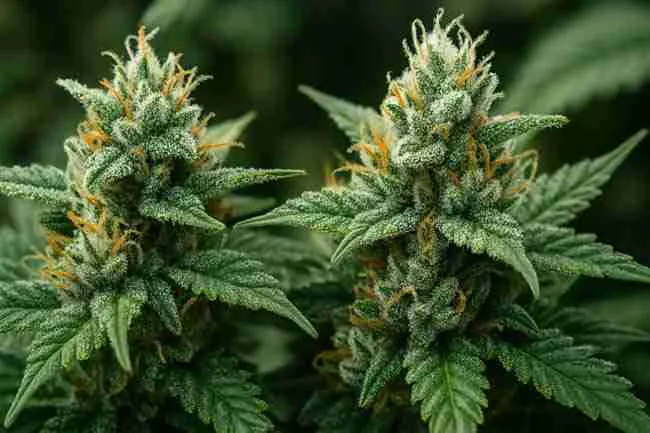
How to Avoid Heavy Metals in Cannabis Cultivation and Bud Development

Heavy metals in a cannabis cola got there while the plant was alive. They rode in with mix, water, fertilizer, a hose fitting, or a foliar spray. They stay in the flower through dry and trim. A pretty jar can still carry cadmium from a cheap phosphate, lead from an old bib, or mercury from a fish bottle you liked because it smelled like the ocean.
This page is for a four-plant grower who wants to avoid heavy metals in cannabis cultivation before the first watering. Recreational cultivation in Canada is four live plants per household, Cannabis Act s.12. A seedling counts. Quebec still prohibits recreational cultivation. Manitoba has been indoor-only since 1 May 2025. Age is 19 in most provinces, 18 in Alberta, 21 in Quebec. A lease and a city bylaw still sit on top. You are not a licensed flower lab. You still pick the bag, the hose, and the bottle. The household year lives on cannabis cultivation in Canada.
Hardness and ppm live on water hardness and cannabis. The nutrient band lives on soil pH for cannabis. Cleaner plants and sunflower tables live on phytoremediation for cannabis soils. Seed production labels live on organic vs non-organic cannabis seeds. You are here for the chain that puts arsenic, cadmium, lead, mercury, and nickel into marijuana flower, and the jobs that keep them out of a four-plant room.
Heavy metals in cannabis cultivation ride in with the inputs
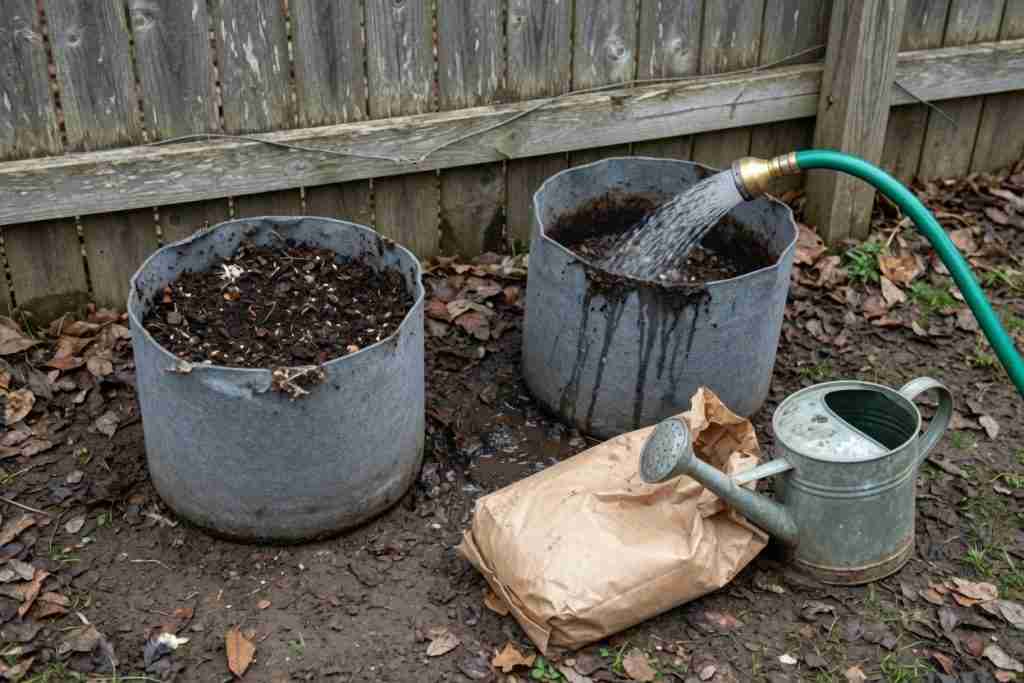
Weed is a hungry plant. Roots take what looks like a nutrient. Arsenic can travel the same door as phosphorus. Cadmium can travel the same door as zinc. A plant that is short of those meals will take the analog metal and keep growing. Leaves stay green. Colas still stack. The jar still smells like the catalog. The metals are already in the tissue. Licensed flower in some markets later fails a Big Four screen for that reason. A rec household never sees that screen. The work is upstream.
Write the recipe on a card. Mix. Water. Fertilizer. Hardware. Foliar. Those five are how you avoid heavy metals in cannabis cultivation as a four-plant grower. Indoor still uses a bib, a tank, and a bottle. Outdoor still uses a hose and a bag. A tent is a smaller set of doors, not a clean room. Media, watering, and pot size as a system: environment, media, watering, pot sizes. First grow walk: growing weed.
The plant stays pretty while roots load
Roots hold most of the metal load. Flower still takes a share. Nickel and cadmium move into inflorescences more readily than lead. A 2026 irrigation study on cannabis showed modest metal cocktails in the water were enough to push cadmium and nickel in the heads past the World Health Organization herbal numbers some licensed labs still cite. The plants looked fine. That is the trap. You cannot eye-test a cola for cadmium. You can refuse the cheap phosphate, the peeling-paint bed, and the first litre out of a dead hose.
What a four-plant grower can actually control
You pick the bag. You pick the water. You pick the bottle. You pick the fitting. You pick whether a kelp spray ever touches a cola. You can send mix and well water to an agricultural lab before the first seed hits a paper towel. Ask for plant-available metals, DTPA or Mehlich-3, plus a total digest if you want the whole pile. A four-plant household does not need a licensed cannabis flower lab. It needs a boring input sheet. A 5-pack is spare seed, about four dollars CAD a named seed, about a dollar a mix seed: why a 5-pack is the default order. Spare seed is cheap next to a season of dirty mix.
The four metals that actually matter in a four-plant room

Labs that test licensed marijuana flower keep coming back to four names: arsenic, cadmium, lead, and mercury. Growers call them the Big Four. Nickel shows up in research as a fifth traveler because it moves into heads. Chromium and cobalt sit in some soils. For a tent or a backyard, manage the Big Four first, watch nickel in fertilizer sheets, and treat everything else as a reason to keep the same discipline.
Cadmium rides with phosphate
Cadmium is the troublemaker in cannabis rooms. Phosphate rock carries it. Superphosphate and some bone meals carry it. Tobacco taught this story decades ago: the plant takes cadmium, holds it, and the smoke still has it. Cannabis behaves like that. A bloom bottle that promises huge colas on cheap phosphorus is the first sheet to read. Ask the maker for a heavy-metal analysis. If they shrug, pick another bottle. Organic bloom recipes still use rock phosphate. The word organic on the label is a feed story. Cadmium still needs a number. Bloom jobs outdoors: best fertilizer for outdoor cannabis grow bloom. Bottled salt: synthetic cannabis fertilizers.
Lead rides with plumbing, paint, and roads
Lead in a four-plant grow is usually hardware and history. Old copper with lead solder. Brass hose bibs. Galvanized fittings. A rain barrel with flashing solder. Peeling exterior paint on a fence the pot sits against. Soil beside a road that took leaded gasoline for fifty years. Lead is heavy. A lot of it stays in roots. Enough still moves, and enough sits on dust that a foliar spray or a splash can park it on a bract. Keep pots off painted wood. Run the tap or hose for a minute before the first watering of the day. Replace the mystery brass splitter you found in a garage bin.
Arsenic and mercury have quieter doors
Arsenic shows up in some old orchard soils, some well water, and some phosphate sources. The plant can mistake it for phosphate when phosphorus is short. Mercury is rarer in a tent and still walks in with fish emulsion, fish hydrolysate, some marine kelp, and some manure. A little mercury goes a long way in tissue. If the bottle smells like a dock, ask for a metals sheet before you pour it on flower. Amendments as a class: organic growing amendments for cannabis.
Nickel still moves into flower
Nickel is a micronutrient in tiny amounts and a contaminant when a fertilizer or a mix overdoes it. Research on cannabis translocation often ranks nickel ahead of cadmium, then cobalt, then lead. That ranking is why a “complete” micronutrient cocktail deserves the same reading as a bloom bottle. Feed the meal the plant asked for. Skip the kitchen-sink additive that lists every metal on the periodic table.
Soil and mix: organic is a feed story, metals still need a sheet
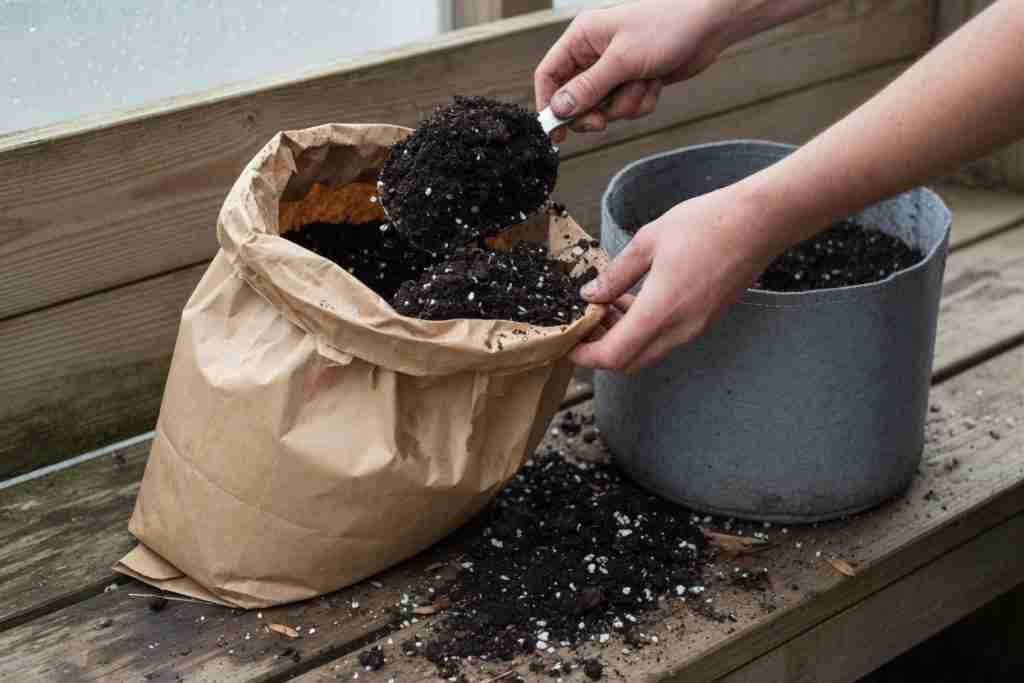
Bagged “organic cannabis mix” is compost, peat or coco, bark, and a handful of meals. Compost inherits whatever the feedstock held. Manure can carry cadmium and copper. Some municipal biosolids carry a metal stack you would never put under a cola. Bone meal and rock phosphate bring cadmium. Fish meals bring mercury. The bag can still grow a beautiful plant. Beauty is the wrong test. Dirt versus a living mix: dirt vs living soil. A first bag: best soil for growing cannabis. Cost of fill: cheapest grow medium for cannabis.
Bagged mix is a batch
Two lots from the same brand can differ. Compost piles are not a factory with one recipe. If you reuse mix, you also reuse last year’s metals plus this year’s feed. Reuse is fine when the starting batch was clean and you top-dress with known meals. Reuse of mystery yard dirt, roadside fill, or a neighbour’s “super compost” is how a four-plant tent inherits a farm problem. Worm castings from a bin you feed yourself are a known stream: worm castings. Compost you built from your own waste is a known stream: composting for cannabis growers. City compost of unknown origin is a lab sample, or it stays out of the pot.
Coco, perlite, and vermiculite still come from somewhere
Soilless media feel clean because they look inert. Coco coir is a plant product. A HortScience coir study on cannabis found cadmium uptake outran arsenic, and arsenic outran lead. Coco is a decent medium. It is still an input. Rinse, buffer, and buy a lot with a salt and metals sheet when you can. Perlite is volcanic glass; the issue is dust and cheap bags of unknown origin, not a magic metals sponge. Vermiculite is a mined mineral; buy horticultural grade from a named source. How you run coco: growing cannabis in coco coir. Soilless as a method: soilless cannabis cultivation. How the mix holds cations: cation exchange capacity.
What a home test actually buys you
A strip from a hardware store reads pH, not cadmium. Send a bag of mix to an ag lab before you fill four 19-litre pots. Ask for plant-available metals. Total digest tells you the whole pile, including metals locked in particles the root may never see. Plant-available tells you what this crop can drink. Do both if the site is an old yard, an orchard, or a roadside. Test before filling, not after week six of flower. The microbiome in a living mix is a separate job: cannabis microbiome.
Water, pipes, and rain barrels
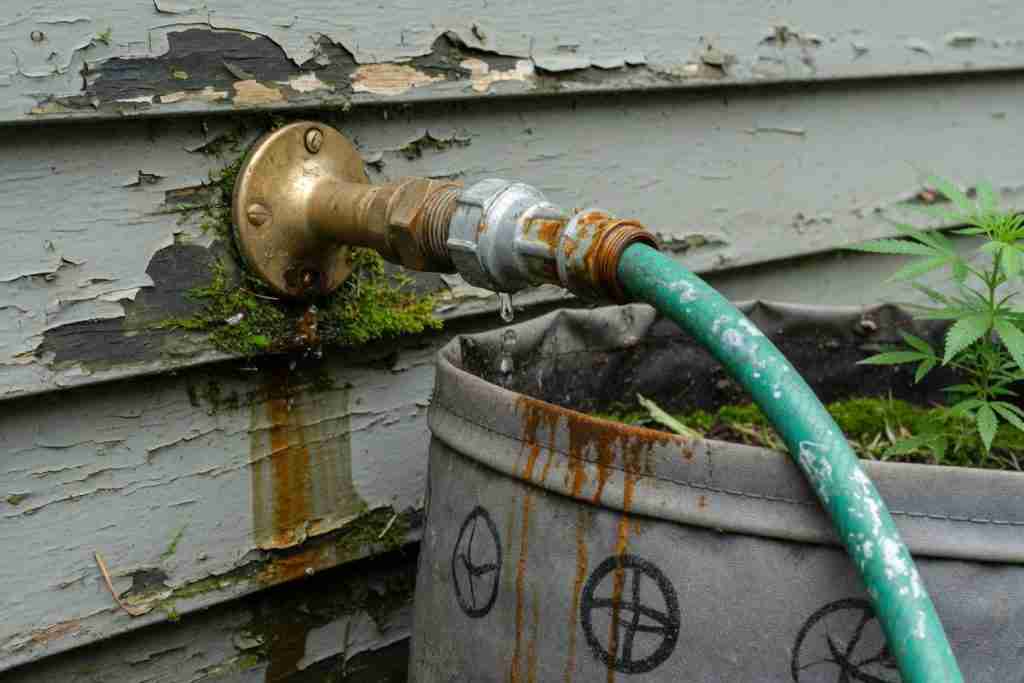
Municipal water is a known chemistry in most Canadian towns. Ask the utility for the latest metals report. Well water is a private chemistry. Test it. First-draw well water after the pump sat overnight is the sample that shows lead from plumbing. Rain looks pure and still picks up roof flashing, solder, atmospheric dust, and whatever sat in the barrel. Recycled runoff from yesterday’s feed is yesterday’s metals plus today’s. Hardness, calcium, and magnesium are a different file: does water hardness affect cannabis crops. How you water: water cannabis plants.
The hose bib is part of the recipe
Brass fittings can leach lead, especially new cheap brass in the first weeks. Galvanized steel is zinc over steel; the coating can carry cadmium. Old copper soldered with lead is a classic well-house problem. A dedicated watering line with PEX or a known lead-free bib is a one-time job. A rain barrel with a galvanized screen and leaded flashing is a metals dispenser. Indoor still uses a tap. Run it. Fill the jug from a known fixture, not from a decorative kitchen tap with unknown solder.
Rain still needs a first flush
Roof dust, bird film, and flashing sit in the first minutes of a storm. Divert that. Collect after. A food-grade barrel beats a mystery drum. Keep the lid on so the barrel does not become a mosquito pond and a dust trap. Rain is a gift in a hard-water town. It is still an input. Test a sample once if you water four plants from that barrel all summer.
Flush the line, then water the plant
Irrigation tubing grows biofilm. Metals settle in that slime. A dripper that sat in the sun for a month can dump a brown first shot. Run the line into a bucket until the water looks like water, then put it on the pot. Indoor recirculating systems concentrate whatever you already poured in. That is efficient for fertilizer. It is also efficient for cadmium. Clean the reservoir on a schedule. The contaminants walk-through: protecting your cannabis grow from contaminants.
Fertilizer, compost, and foliar
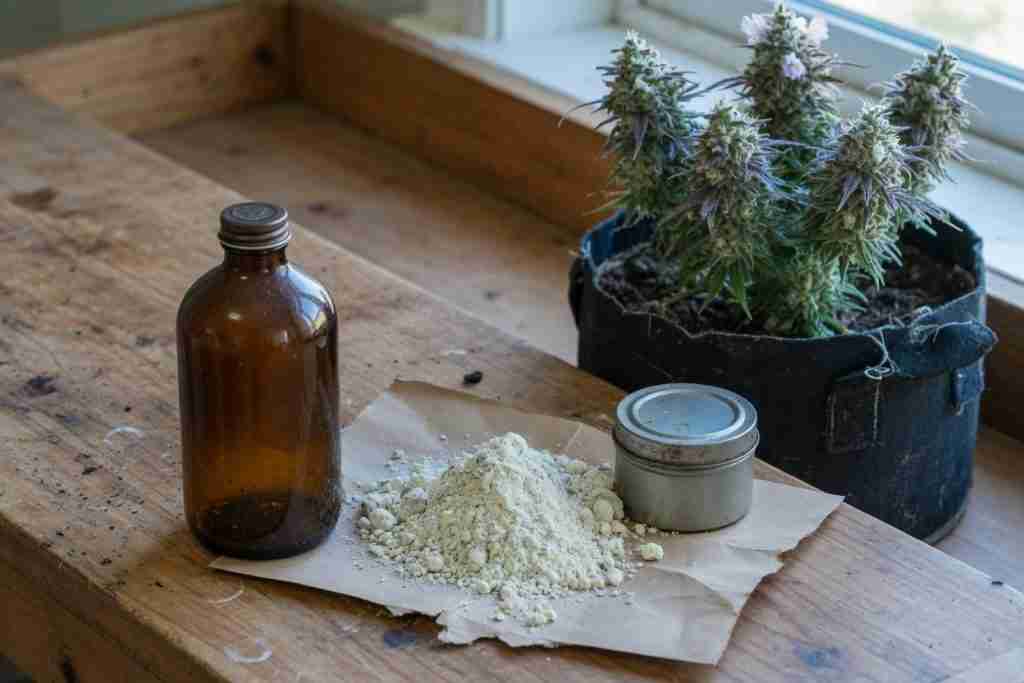
Feed the plant so it does not grab analog metals. Phosphorus on the menu lowers the odds that arsenic walks in as a fake phosphate. Zinc on the menu lowers the odds that cadmium walks in as fake zinc. Hunger is a metals door. A light, honest feed through veg and a measured bloom recipe beats a starve-and-spike. How you think about bottles and soil meals: organic marijuana fertilizer. Fine control: advanced nutrient management. Alfalfa as a meal: alfalfa for cannabis.
Bone meal and rock phosphate
These are the cadmium pair. They are also useful phosphorus sources in living soil. Buy named lots. Ask for a cadmium number. A cheap 20-kilogram sack from a farm co-op that never tested metals is a gamble under a smoke crop. Mix a small measured amount into a tested base. Skip the extra handful “for bigger buds.” Phosphorus has a ceiling. The extra is often cadmium with a marketing story.
Fish, kelp, and manure
Fish emulsion and hydrolysate can carry mercury. Kelp can carry whatever the ocean held, including arsenic in some harvests. Manure depends on the animal’s feed and the barn’s history. Copper from foot baths. Cadmium from phosphate in the grain. These meals still have a place in a living mix when the source is known. They are a poor foliar on a ripe cola. Compost and manure as bulk: keep them in the root zone of a tested bed, off the flower. Certified organic on a seed pack is how the mother was grown, a different claim: certified organic cannabis seeds.
Foliar is a direct deposit on the cola
A spray lands on trichomes. Metals in that spray stay on the surface you later grind. Kelp, fish, compost tea, and neem oil all have a foliar story. Use them in veg if you use them. Keep them off ripe flower. If a pest forces a late spray, you are choosing pest damage against a residue. That choice lives on the pest page. Foliar technique: foliar feeding cannabis. Flower itself: cannabis flowering stage.
Outdoor dirt, roads, and old paint
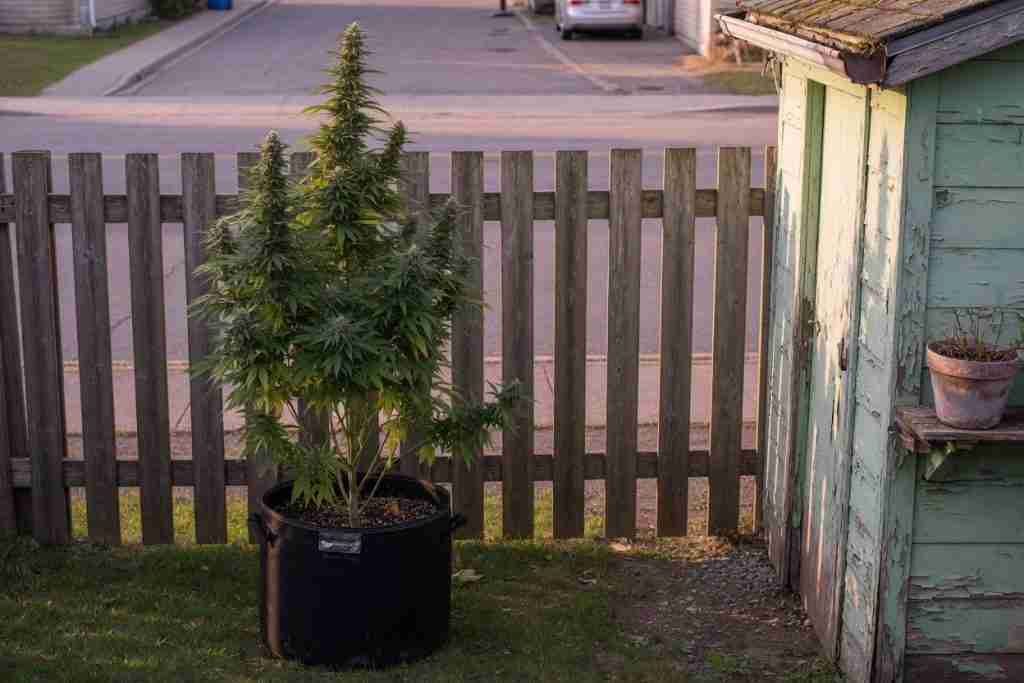
Outdoor weed drinks the yard. Leaded gasoline left a stripe along old roads. Peeling paint leaves a stripe along fences and sheds. Old orchards sometimes hold arsenic and lead from sprays that were legal when your grandparents farmed. A fabric pot on a pad of known mix is the simple outdoor answer. The plant still sits in dust. Distance helps. A few metres off the fence, off the curb, off the shed. Outdoor method: growing cannabis outdoors. Indoor versus outdoor seed choice: indoor vs outdoor cannabis seeds in Canada.
Distance from paint and pavement
Put the four pots in the quietest corner you have. Mulch the surface so splash-back is mix, not painted dirt. Cover crops on a future bed can hold soil in place while you wait on a lab: cover crops for outdoor cannabis. In-ground beds belong to people who tested the dirt. Manitoba rec growers stay indoors anyway. Quebec rec growers stay out of cultivation. Everyone else still has four holes and a yard with a history.
Phytoremediation is a soil job
Cannabis can pull metals. Penn State work on hyperaccumulation is real. That makes the plant useful for cleaning a bed. The plant that did that work is a hazardous crop, not a jar. Breed lines sold as remediators are a farm tool. Hang a different plant, from a tested mix, after the bed is actually clean. Sunflower tables and cleaner-plant how-to live on phytoremediation for cannabis soils. Fiber hemp as a field crop is a different job and a different licence: differences between cannabis and hemp. Smoke flower comes from flower seed in a clean pot.
pH, hunger, and why the plant looks fine
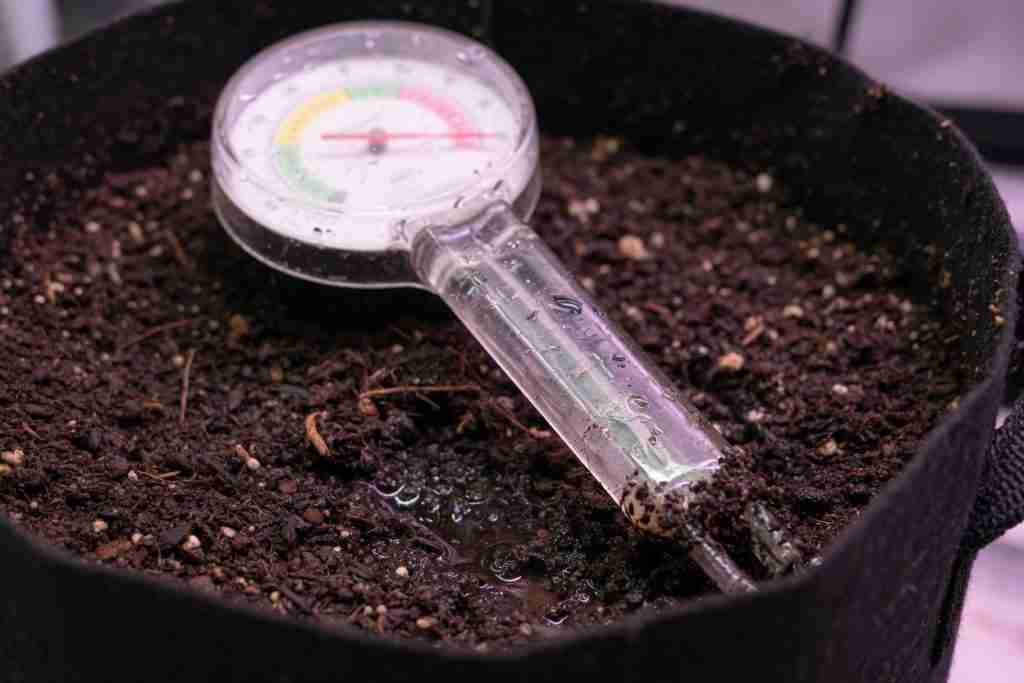
Acid water and acid mix dissolve more metal. Soil growers keep the root zone near 6 to 7. Soilless growers keep it near 5.5 to 6.5. Those bands are also the nutrient bands. The same dial that keeps phosphorus available keeps a pile of cadmium from coming unbound. Drift acid on purpose “to unlock nutrients” and you unlock the wrong things. The full pH file: optimum soil pH for cannabis. When the plant stops eating: cannabis nutrient lockout.
Keep the band, keep the meal
pH the jug. pH the runoff once in a while. Feed a complete recipe at a modest strength. A hungry cannabis plant in week three of flower will take cadmium because zinc is missing, or arsenic because phosphorus is missing. That plant can still look like a magazine cover. Veg still needs a meal: cannabis vegetative stage. Seedlings are the same plant, smaller: cannabis seedling stage.
A late flush leaves the metals in the tissue
Flushing can lower leftover salt in a soilless pot. It does not pull cadmium out of a bract. Plan the inputs. Then dry like you mean it: dry, cure, and store cannabis buds. Flushing as a salt job: flushing cannabis. Things that actually move a crop: most important things growing cannabis.
This week, in order: pick a known mix or send the bag to a lab. Pick a known tap and run it. Read the fertilizer sheet for cadmium, lead, arsenic, mercury, and nickel. Swap mystery brass. Keep foliar off flower. Move outdoor pots off paint and curb. Keep four plants. Hang the cola you grew on purpose.
Avoid heavy metals in cannabis cultivation questions that keep coming up

Does drying or trimming remove heavy metals from cannabis?
No. Water leaves the flower. Leaf leaves the jar. Cadmium, lead, arsenic, mercury, and nickel stay in the tissue. Dry and trim are quality jobs. They are not a metals filter.
Do I need a licensed flower lab as a four-plant grower?
Canadian rec households are not selling licensed flower. You still control inputs. An agricultural lab on mix and well water is the useful spend. A full cannabis flower panel is optional curiosity, not a legal step for four plants in a dwelling.
Is organic soil enough to avoid heavy metals in cannabis cultivation?
Organic describes the feed. Phosphate rock, bone meal, fish, manure, and some composts still carry metals. Read the sheet. Test the batch. Organic seed is how the mother ate, on organic vs non-organic cannabis seeds.
Can I phytoremediate a bed, then flower the same plants?
Use a remediator crop, remove it, test the bed, then plant flower seed in clean mix. The plant that pulled the metals is the waste stream. Details sit on the phytoremediation page.
What should I test first?
Mix if it is yard dirt, roadside fill, or mystery compost. Well water if you are on a well. Fertilizer if the maker will not share a metals sheet and you still want that bottle. Hardware if the house is old and the bib is brass. Start with the largest mass: the potting mix.
Does indoor cultivation dodge heavy metals?
Indoor drops road dust and peeling fences. It keeps the tap, the bottle, the coco, and the foliar. Those four still write the flower. A tent is easier to audit. It is still an audit.
What about Quebec and Manitoba?
Quebec prohibits recreational home cultivation. Age there is 21. Manitoba allows up to four plants per household indoors only, since 1 May 2025, in a space people under 19 cannot reach. Indoor metals jobs still apply in Manitoba: mix, tap, bottle, foliar. Quebec readers can use this as horticulture literacy. Possession and ordering: cannabis seeds from Canada and buy cannabis seeds in Canada. The live catalog: cannabis seeds store. More grow notes: cannabis cultivation blog. Photoperiod versus auto as a clock: photoperiod vs autoflower.