How Soil Microbes Interact with Cannabis Roots for Optimal Growth

Soil Microbes are the living film on a cannabis root, and they work only while that root is leaking sugar and the pot still has air. A marijuana plant in a sterile, salty mix is feeding itself from the bottle alone. A weed plant left standing in a saucer of runoff has already fired the crew that was supposed to help. The trade is simple. The root pays carbon. Some of the neighbors bring minerals the root hair cannot reach, and some of them just occupy the spot a rot fungus wanted. None of them photosynthesize. None of them fix a dark tent.
What people sell as a microbe boost is usually one piece of that trade, dried in a pouch. The pouch can help on the day the root touches it. It cannot replace oxygen, a mix with something to eat, or a pot that is allowed to lighten. Brown, mushy roots are a water and air failure first. How to read that damage is the healthy roots page. This page is the bargain happening in the millimeter of soil stuck to a living root.
Soil Microbes live on sugar the root gives away
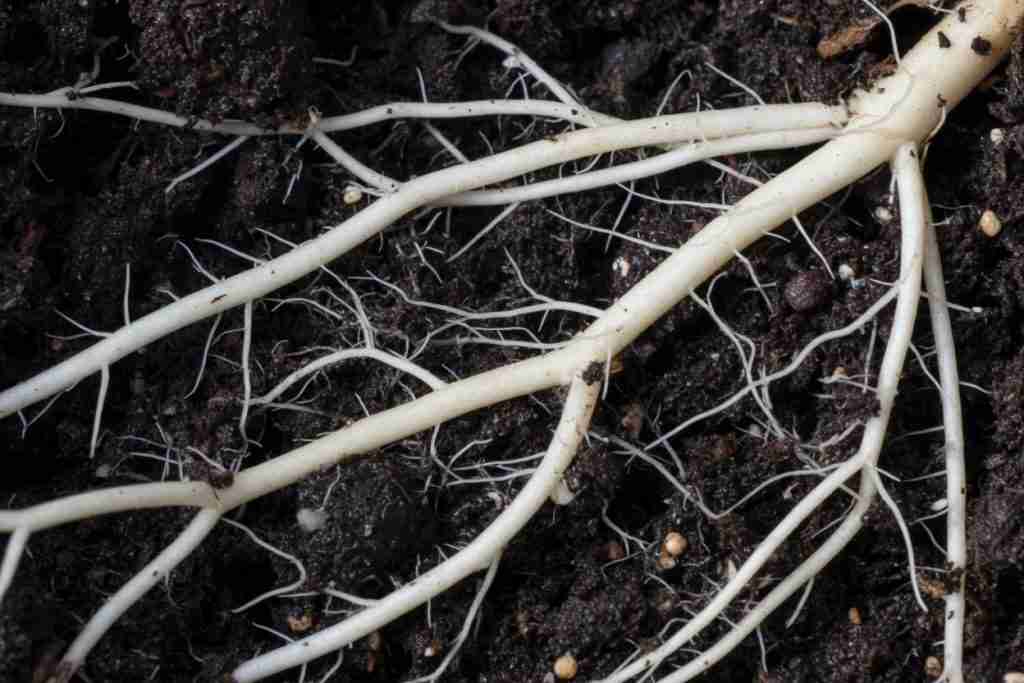
A root is not a straw. The white tips in a healthy pot are also spending energy. They push sugars, amino acids, and organic acids out through the tip and the finest hairs. That leak is on purpose. It is how the plant recruits a neighborhood. Researchers who trapped hemp roots against soil minerals found a long list of those compounds, including acids and amino acids, not a single magic syrup. You will never see the leak. You see the result when the soil glued to a white root smells like a forest floor instead of a swamp.
The plant can change the recipe when it is short of a mineral, especially phosphorus, which barely creeps through soil on its own. Hunger shifts the leak. Stress shifts it too. A root sitting in cold, sour, airless mud does not write the same invitation as a root that is extending into damp, crumbly mix. You do not steer that chemistry with a slogan on a bottle. You keep new white tips coming, because the leak is strongest where the root is still growing.
Most of the useful life is not spread evenly through the pot. It crowds the sleeve of mix that stays moist against the root. People call that sleeve the rhizosphere. Bulk mix an inch away can be almost quiet. That is why a powder scattered on a dry crust does so little, and why a handful of finished compost in the planting hole does more than the same handful left on top. The root has to be the one handing out the sugar. Dead roots leak for a while as they rot, and that crowd is a different, less friendly one.
The sleeve around the root is the whole market
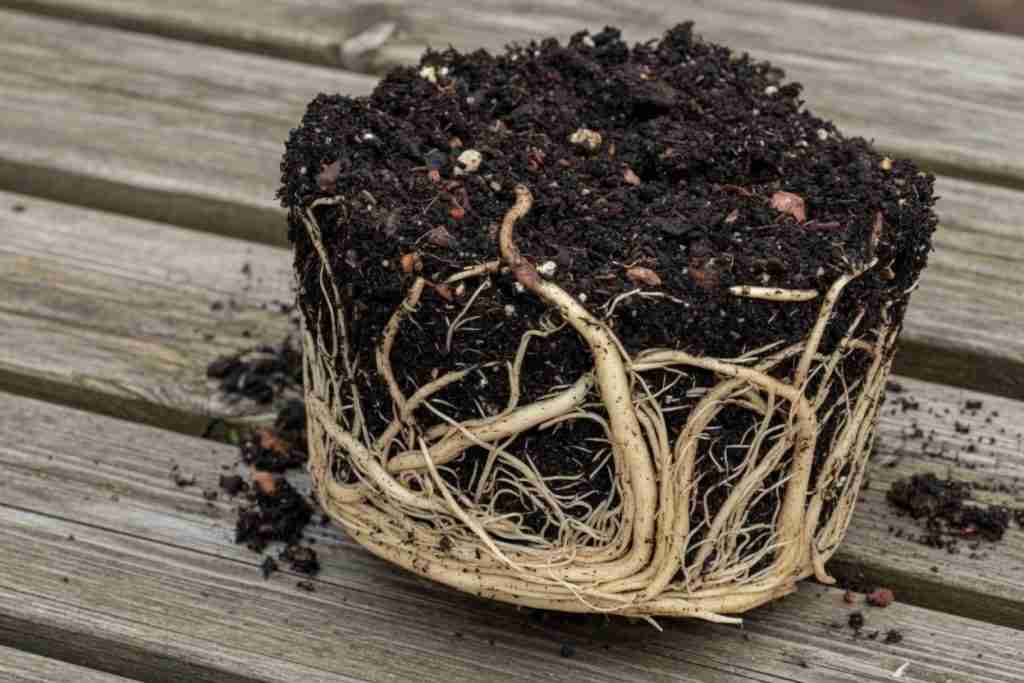
Lift a plant that has been grown in a real mix and the soil that stays stuck to the roots is the market. The loose crumbs that fall on the bench are the rest of the pot. If nothing clings, the root may have been sitting in a mix that never formed that sleeve, or the ball was so wet it slumped off. A sleeve you can see is not proof the right organisms are there. It is proof the root and the mix have been in contact long enough to glue. That glue is gels and hyphae and bacterial films, not a product you can photograph on a label.
A few organisms cross the surface and live inside the root. Those are endophytes. Some of them help. Some are hitchhikers, including fungi that rot a plant once the root is weak. Surveys of cannabis keep finding the same pattern. The soil holds the widest crowd. The root interior is a smaller set. Stems, leaves, and flowers hold less again. You do not manage flower microbes by spraying the cola. You manage the pot, and what is inside the root mostly follows. A home grower has no honest way to sort the helpful interior ones from the hitchhikers. Oxygen and a root that keeps growing are the sort.
Genotype changes the guest list a little. The mix and the tissue change it more. Two sisters in two different bags will not recruit the same film. That is another reason a bottle that “matches your strain” is advertising. The root recruits from whatever is already in the pot and from whatever you put on the root the day you transplant. After that, water, salt, and air decide who stays.
Fungi reach what a root hair misses
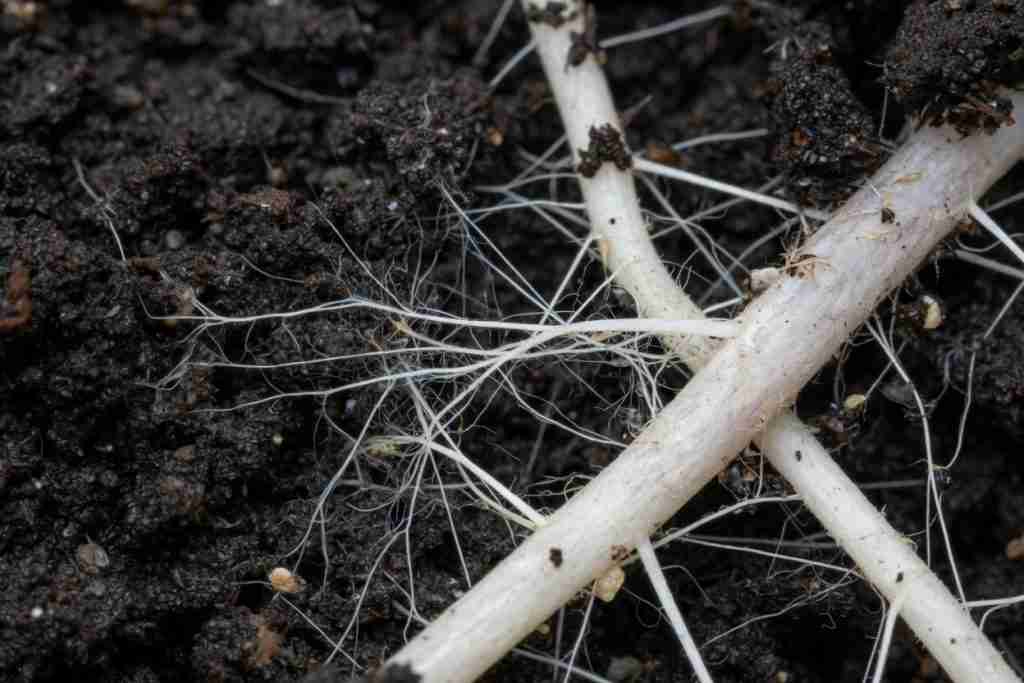
The fungi that matter here are the ones that enter the root, not the ones that sheath the outside of a tree root in a forest. Cannabis, like most crops, partners with arbuscular mycorrhizae. The fungus crosses into the root cells, takes sugar, and sends a thread network out through pores a root hair never enters. Phosphorus, zinc, and copper move so poorly in soil that a hair sitting a few millimeters away can miss them. The thread can fetch them. If the plant is not making sugar, because the lamp is too far or the leaves are failing, the fungus has less reason to stay. The deal is paid daily.
You will rarely see that network as a white web you can point at. Fine threads in a macro photo can be root hairs. Real hyphae are thinner and they run off into the crumb. A fruiting mushroom in the pot is usually a different fungus eating wood or a wet pocket. It is not proof you have the root partnership, and it is not a crop to encourage. How phosphorus itself should be fed, when the fungus is not doing the fetching, is the phosphorus page. How to place a mycorrhizae product so it actually touches the root is the mycorrhizal fungi page. Dust the root ball or the hole. A scoop on dry mulch is a wish. This page will not invent a gram rate.
A white cobweb on dead leaves or on a chunk of bark is usually a fungus eating the dead stuff. That worker belongs in a compost pile. It is not the partner that enters a living root. Leave it on the mulch if the plant is fine, and do not scrape the ball apart to hunt for threads. If the cobweb is climbing a wet stem at the soil line, the stalk is buried or the surface never dries. Pull mulch back from the stem. The partnership you want stays on white tips underground, and it does not announce itself with a mushroom.
Catalogues like to say the network multiplies the root many times over. Treat that as a direction, not a measurement you can take to the bank. A longer reach is real. A second plant is not. Inoculated hemp in pot trials has grown more root and more leaf than uninoculated sisters, and the size of that gap depends on the strain of fungus and on whether the pot was already stuffed with salt fertilizer. Sterile, heavily fed plants often show a smaller benefit because the root is already bathing in dissolved minerals and has less reason to pay the fungus. If your program is a hot bottle in a soilless mix, do not expect the packet to perform the way it does in a compost-based pot.
Bacteria unlock minerals and crowd out rot
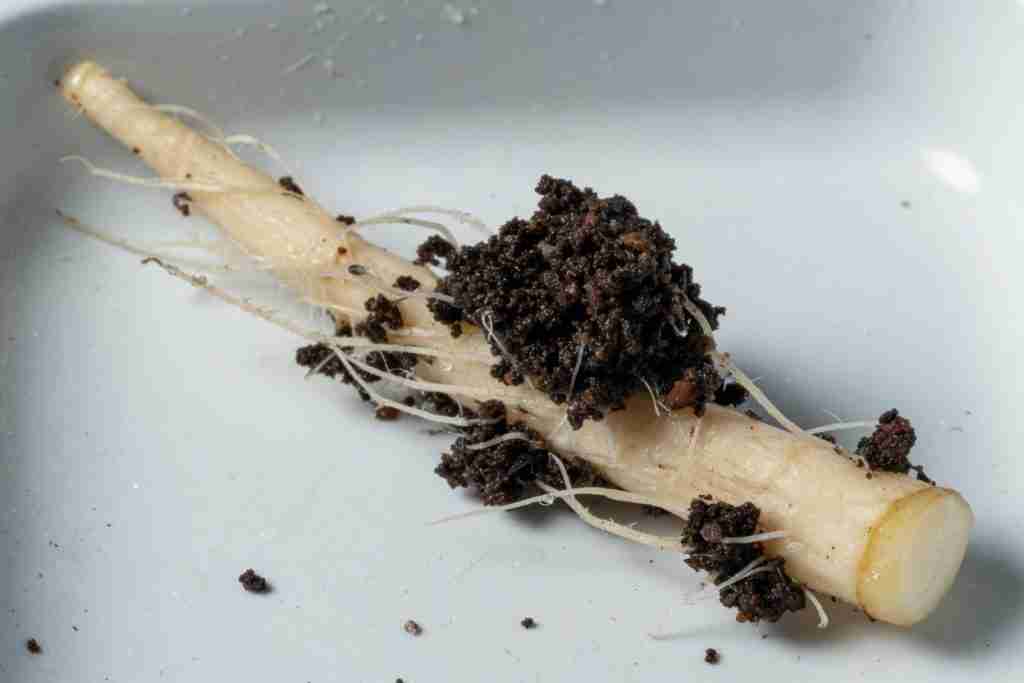
Bacteria take the sugar and the dead bits and do two useful jobs. Some release acids that pry phosphorus and micronutrients off soil minerals the root cannot dissolve alone. Some make a hormone, the same family as the rooting compounds growers already know, that nudges more tips. On a label you will mostly see Bacillus and Pseudomonas. Those are groups, not a guarantee. One strain in a pouch is not the whole sleeve. Which bottle is worth opening, and which claim is just a species name, is the microbial inoculants page. The job, here, is the one in the pot.
There is a second loop that sounds crude because it is. Protozoa, and some nematodes, eat bacteria. When they do, nitrogen those bacteria had locked up is released in a form a root can take. That only runs if there are bacteria, and the bacteria only thrive if there is carbon to eat. Finished compost, old root hairs, and a living mix supply that carbon. A clear salt solution does not. The kitchen bucket, if you use one, is food and a little biology together. How to brew that bucket without turning it into a stink is the fertilizer from scratch page. A pre-measured organic dry feed is a different rhythm again, on the Gaia Green page. Do not stack all three and call it a microbe strategy.
Reuse a mix only when the last plant finished healthy. Threads and films from that run are still in the pot, which is a head start, not a reset you have to buy. A plant that rotted does not get a second season under a sprinkle of inoculant. Bag that mix, wash the pot, and start clean. A pouch poured onto a sour, airless ball mostly feeds whoever already won.
Cannabis does not grow the nodules beans use to house nitrogen-fixing bacteria. Copying a legume story onto this crop will not hang fertilizer factories on the roots. Some free-living bacteria can contribute a little nitrogen. They are not a feeding plan. If the plant is pale in veg, look at the bag, the light, and the water before you buy a fourth microbe. Rot organisms such as pythium and fusarium like the same wet sleeve. A crowd of ordinary bacteria can occupy the surface first and make that real estate harder to take. They do not rescue a pot that never dries. They lose that fight every time the air is gone.
Air and moisture decide who wins
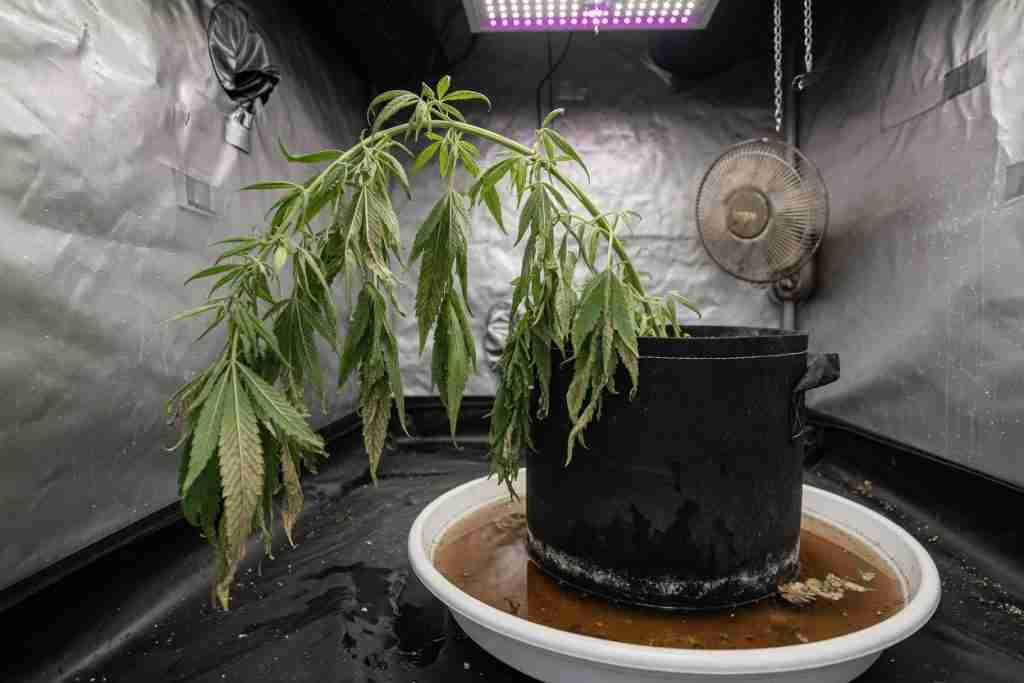
Roots and the fungi that enter them need oxygen. A pot that stays saturated swaps the crew. The organisms that like no air take the sleeve, root tips turn tan, and the leaves droop even though the pot is heavy. That hang is not hunger and it is not a missing inoculant. Empty the saucer. If the mix still shines and smells sharp the next morning, you watered a pot that could not drain. The lift test, and how long to wait, lives on the watering page. Let the pot lighten. The sleeve wants moisture films, not a flood.
The other kill is a bone-dry pot. Hyphae and bacterial films die back when the crumb goes to dust, then you rewet it and wonder why the plant sulks for a week. A mix that holds some moisture while still shedding the rest is the whole physical requirement. Peat, coco, and a compost-based soil do that job differently. Which bag fits how often you can water is the growing medium page. Dirt from the yard and a built living soil are not the same thing either. That choice is the dirt versus living soil page. A quiet bag can become a living pot. A swamp cannot.
Cold slows the trade even when the mix is right. A fabric pot on a freezing floor, or a basement run that keeps the root zone far below the air the leaves enjoy, grows a plant that looks fed and still will not extend roots. Get the pot off the cold slab. A wild swing in acidity changes which minerals are even in solution, which changes who can live on what is left. The ranges for soil, coco, and hydro sit on the pH page. Chase a stable soil, not a new decimal every morning.
A salty bottle can fire the crew
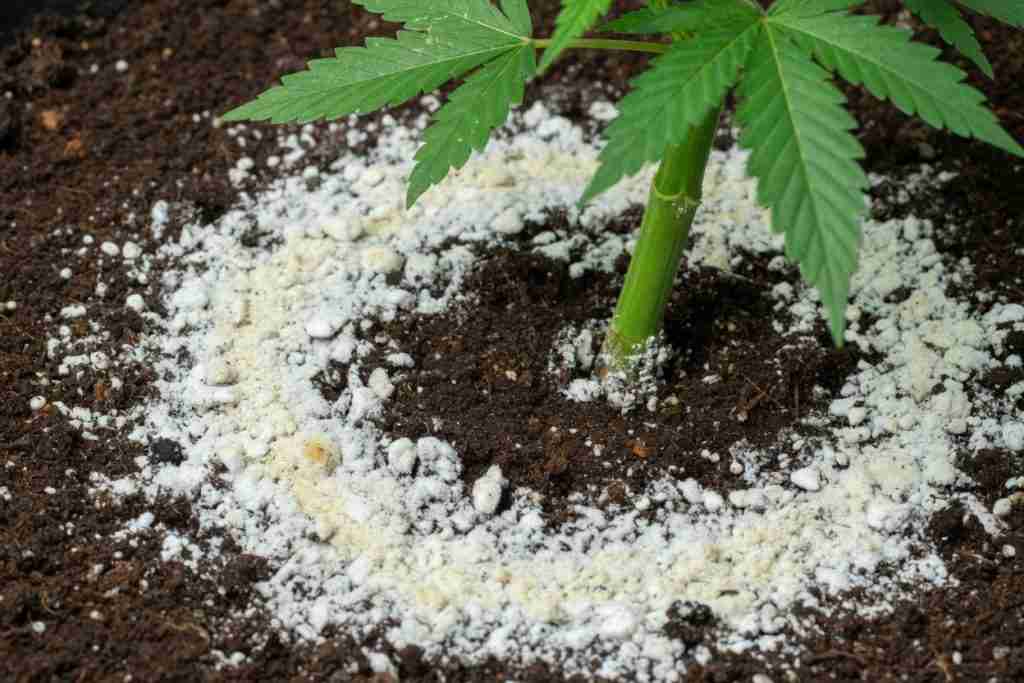
A strong salt feed is food the root can take without paying anyone. Used hard, it also leaves a pale crust, burns tips, and makes the sleeve a harsher place for the films and the fungi. The root then depends on the next watering can. That is a legitimate way to grow. It is not the same system as a compost pot. Soil versus a sterile recirculating bucket is the soil versus hydro page. Hydro has almost none of this sleeve. Pouring a mycorrhizae packet into a sterile bucket does not create one.
Peroxide drenches and “keep the root zone sterile” advice erase the trade and then sell it back. Skip them as a routine. If a disease has already taken the pot, a reset may be the honest move, and you should admit you are starting the sleeve over. Do not sterilize on Tuesday and expect the fungi from last month to still be employed on Wednesday. A pale crust that is only perlite you top-dressed is not salt. Perlite belongs mixed through the pot, not painted on the stem. A crust that reforms after you scratch it off, with crispy tips above it, is leftover fertilizer. Water so that some solution leaves the drainage hole, then stop leaving that solution in the saucer where it wicks back up.
Organic bottles can overdo it too. A sweet, anaerobic tea that smells rotten is not a microbial gift. It is a load of organisms that liked a sealed jar without air. If you would not put your face in it, do not pour it on the sleeve. Finished compost smells like a woods after rain. That is the standard, and the pile that gets you there is the composting page. A cup of that compost in the hole feeds the bacteria. A cup of sludge feeds the problem.
Put the life where the root can touch it
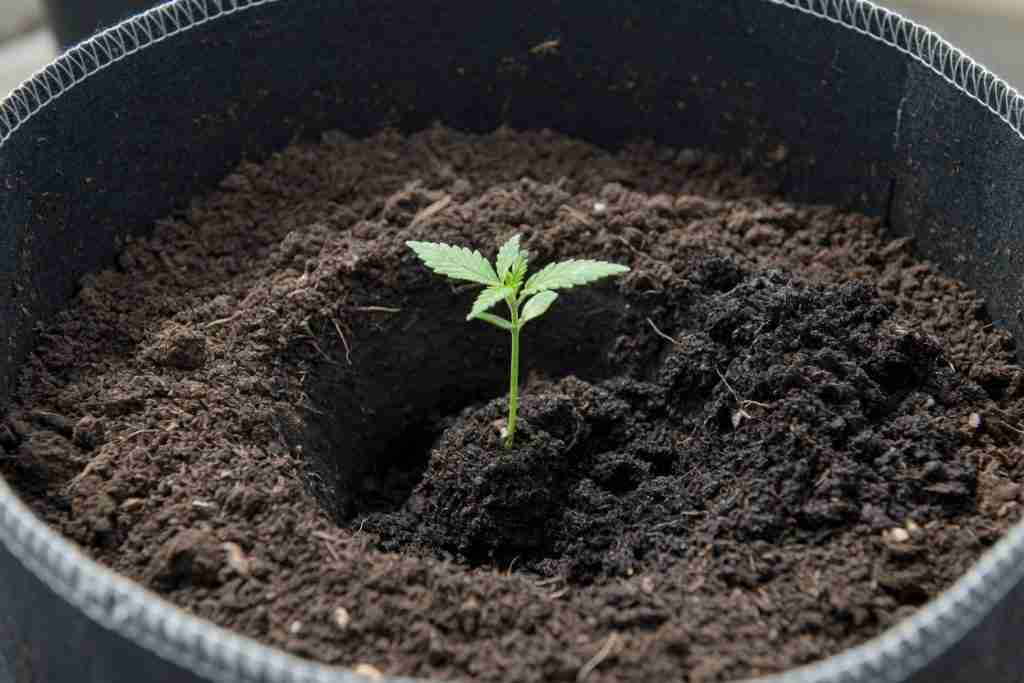
Inoculant works by contact. The day you move a seedling into the final pot is the day that matters. Set the root ball into a hole that already has a pinch of the product and a little finished compost against the roots, then water once so the sleeve settles. Watering a powder over mulch three weeks later misses the tips that have already grown past it. A coco or peat bag that was heat-treated is a clean slate. It can host the fungi if you introduce them at the root and then stop trying to sterilize the pot. It will not invent them from a fluorescent light.
If the plant was healthy, think twice before you rip the ball apart at transplant. Those threads, once they exist, are the reach you already paid for in sugar. Chopping them to “spread the roots” throws away the network and asks the plant to build it again. In a bed, tilling does the same cut at field scale. Leaving the bed intact between runs is the no-till page. In a pot you mostly avoid dumping a healthy root ball into the trash and buying the biology back. A plant that rotted is the exception. That mix does not get reused as if the sleeve were fine.
Colonizing takes days to weeks, not one watering. A packet poured on in late flower is a late ticket. The root is finishing, not building a network you will harvest. Do the introduction at transplant, then judge veg by white tips and the smell of the sleeve. If veg was sour and wet, flower will not renegotiate the deal.
Give the new pot one living start, then leave it alone. A different bottle every week is how people stack species that never meet a root. One introduction at transplant, compost or a real mix as the food, and a watering habit that returns air, is the whole program. Yellow leaves after that are light, water, pH, or the bag. They are not a sign that the microbes “wore off” on day ten. The films do not expire on a calendar if the root is still leaking and the pot is still breathing.
Four plants still share one living pot
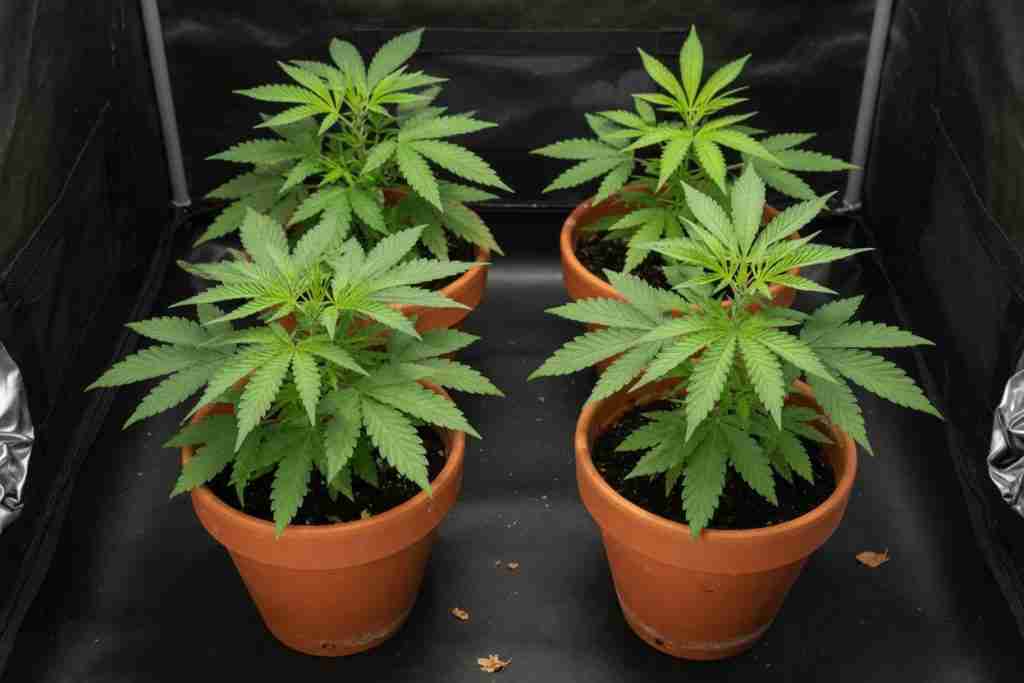
In Canada the home limit is four plants per household, and a seedling counts. Quebec prohibits recreational home growing. Manitoba has been indoor-only since 1 May 2025. Four pots do not need four microbe programs. They need the same mix, the same contact at transplant, and the same rule about the saucer. A product aisle that implies each deficiency has its own bacteria is selling you the sleeve in pieces. Buy seed that fits the tent, put the life on the root once, and spend the season on air and water.
If one plant yellows and its three sisters do not, the sleeve is probably not the difference. Those four pots share the bottle and the bag. The odd plant has a wet pocket, a buried stem, a closer lamp, or a root that never left the cube. Dig into the cause before you pour a rescue culture over all four. A culture is not a diagnosis. The sisters are the control. Use them.
The useful habit is small enough to finish this run. Transplant into a mix that has something for bacteria to eat. Put any fungal inoculant on the root, not on the mulch. Water so the pot lightens and the saucer does not stay full. Skip the sterile drench. Do not expect a pouch to replace a lamp or to turn a hydro bucket into soil. When the root tips stay white and the soil that clings to them smells like a forest floor, the trade is already running. That is the whole underground job. The rest of the plant is what you do in the light.