How Microclimates Affect Cannabis Growing in Outdoor Settings


When you’re growing cannabis outdoors, you might not realize that tiny pockets of weather—called microclimates—can make a huge difference in your plants’ lives. In this guide, you’ll dive deep into how microclimates affect cannabis growing, learn about the best climates and conditions, and pick up plenty of tips to get the most out of your outdoor grow. So, buckle up and get ready to explore everything from temperature swings to the perfect nighttime chill!
Introduction: How Microclimates Affect Cannabis Growing in Outdoor Settings

Imagine you’re on a little adventure, and every step you take changes the scenery just a bit. That’s what microclimates are all about! They’re the small pockets of weather that can be different from the surrounding area. These changes—whether in temperature, sunlight, or humidity—can have a big impact on your cannabis plants. By learning about microclimates cannabis, you can adjust your growing practices to suit your plants’ needs perfectly.
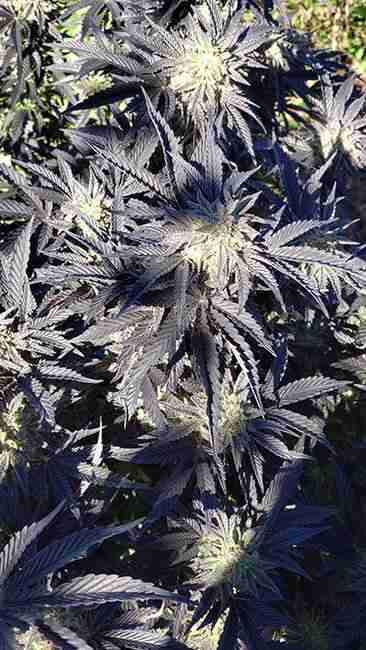
When you’re out in nature, you may come across sunny spots, shady nooks, or breezy patches—all of which are microclimates. Each spot gives your cannabis plants different advantages and challenges. In this guide, you’ll find detailed sections on the best climate for outdoor cannabis, the best conditions for your plants, and how different temperatures and environments affect growth. Let’s dig in and discover what works best for your green friends!
What is the Best Climate for Outdoor Cannabis?

When you’re setting up your outdoor cannabis garden, the climate is like the stage for a great play. The right stage makes your plants perform better, and the wrong one can leave them struggling.
Key Factors for a Great Climate
- Sunlight: Cannabis loves the sun! Ideally, your plants should get at least 6–8 hours of direct sunlight each day. More sun means more energy for growth.
- Temperature: Cannabis thrives in warm, but not too hot, conditions. Think of it like Goldilocks—conditions should be just right.
- Humidity: Moderate humidity is key. Too much moisture can lead to mold, while too little can dry out the plants.
- Wind: A gentle breeze helps keep your plants strong by mimicking nature’s natural push, but strong winds might damage delicate branches.
Why Light and Sun Are Important

Sunlight is your cannabis plant’s best friend. It acts like food, helping the plant turn water and carbon dioxide into the energy it needs to grow. When you’re choosing a spot for your garden, look for areas that get plenty of sun but also offer some protection from overly harsh conditions. A sunny hilltop might be great for one part of your garden, while a spot near trees could offer a mix of sun and shade—a perfect microclimate!
A Table of Ideal Climate Conditions

Below is a simple table comparing different climate conditions to help you see what might work best for your grow:
| Climate Factor Ideal Range | ||
|---|---|---|
| Sunlight | 6–8+ hours of direct sun | Fuels photosynthesis and growth |
| Temperature | 70°F–85°F (21°C–29°C) | Optimizes growth without stressing plants |
| Humidity | 40%–60% | Prevents mold and keeps plants hydrated |
| Wind | Light breeze (5–10 mph) | Strengthens stems without damage |
Using this table, you can quickly assess if your garden spot meets these conditions or if you need to make some changes.
What are the Best Conditions for Outdoor Cannabis Plants?

Your cannabis plants aren’t just sitting in the dirt—they’re part of a whole ecosystem! Here are the essential conditions that make a perfect home for them:
Soil and Water Conditions
- Well-Draining Soil: Your cannabis plants need soil that doesn’t hold too much water. When water stands around, roots can rot, and that’s a big no-no.
- Nutrients: Good soil should be rich in organic matter. Compost or natural fertilizers can give your plants the vitamins they need.
- Watering: Regular watering is important. Too little water makes the plants thirsty; too much water can drown the roots.
- pH Balance: Cannabis prefers a slightly acidic to neutral pH (around 6.0 to 7.0). Testing your soil’s pH and adjusting it is crucial.
Wind, Humidity, and Other Factors

- Wind Protection: While a light breeze is great, strong winds can whip your plants around. Use natural windbreaks like hedges or even garden screens.
- Pest Management: Outdoor settings come with natural pests. Having a plan for organic pest control can keep your plants healthy.
- Frost and Rain: Be aware of your local weather patterns. Sudden frosts or heavy rains can be a threat if your garden isn’t protected.
A Quick Checklist for the Best Conditions
- ☑ Well-draining soil
- ☑ Sufficient nutrients
- ☑ Regular, balanced watering
- ☑ Optimal pH level (6.0–7.0)
- ☑ Adequate sunlight (6–8+ hours)
- ☑ Moderate humidity (40%–60%)
- ☑ Light, non-destructive wind
Following this checklist can help you create a mini-paradise for your cannabis plants.
How Does Temperature Affect Cannabis Plants?

Temperature is one of the most important parts of microclimates cannabis. It’s like the thermostat for your garden, and getting it just right is key to a successful grow.
Temperature Ranges and Their Effects
- Optimal Growth: Cannabis grows best when daytime temperatures are between 70°F and 85°F (21°C–29°C). In this range, the plant can make the most of its energy.
- High Temperatures: When temperatures soar above 90°F (32°C), your plants may experience heat stress. They might wilt, and their leaves could become scorched.
- Low Temperatures: If it gets too cold, say below 50°F (10°C), the plant’s metabolism slows down. This can stunt growth and make the plants more vulnerable to pests.
- Temperature Swings: Large differences between day and night temperatures can shock the plant. However, a slight drop at night can be beneficial as it signals the plant to prepare for the next day.
Day vs. Night Temperature Differences

The difference between day and night temperatures is crucial. During the day, cannabis plants are busy photosynthesizing and growing. At night, they need to rest and rebuild. A small temperature drop at night—about 10°F (5°C) cooler than the day—can actually help the plants recover and prepare for another round of growth. However, if the drop is too large, it might slow down growth or even damage the plant.
Real-Life Example: A Day in the Life of Your Cannabis Plant

Think of your cannabis plant as a little athlete. During the day, it’s like they’re running a race—they need energy from the sun to sprint ahead. Then, when the night comes, it’s time for a cool-down period. A gentle drop in temperature at night helps them relax and get ready to perform again the next day. If you’re growing in a spot where the temperature drops too sharply, it’s like trying to run a race in flip-flops on ice—your plant might just lose its balance!
What is the Minimum Temperature for Outdoor Cannabis Plants?
It’s important to know the cold limits of your cannabis plants. Just like you wouldn’t want to be out in a blizzard without a coat, your plants need a little warmth to thrive.
Minimum Temperature Guidelines
- Critical Threshold: Generally, cannabis plants can start to struggle when temperatures dip below 50°F (10°C). Once you get closer to 32°F (0°C), you risk frost damage, which can be fatal.
- Frost Protection: If you live in an area that can hit freezing, you might need to use covers or even move your plants indoors during the coldest nights.
- Gradual Exposure: Sudden drops in temperature can shock your plants. It’s better if the temperature decline happens gradually, giving your cannabis a chance to adjust.
Tips for Managing Cold Spells

- Use Mulch: A layer of mulch around your plants can help insulate the soil.
- Windbreaks: Setting up windbreaks not only protects against harsh winds but can also keep the area slightly warmer.
- Row Covers: Lightweight fabric covers can provide an extra layer of protection during unexpected cold snaps.
What is the Best Environment to Grow Cannabis In?
When you think about the best environment for cannabis, picture a place where everything works together in harmony. From the soil to the air, every element should be just right for your plants.
Key Elements of an Ideal Environment
- Sunlight Exposure: Look for spots that receive plenty of direct sunlight without being scorched by excessive heat.
- Soil Quality: The soil should be rich in organic matter, well-draining, and have a balanced pH.
- Moisture Control: Good irrigation systems or natural rainfall patterns that don’t overwhelm the plants.
- Wind and Airflow: Gentle winds can be beneficial, but make sure your grow is sheltered from extreme weather.
- Pest and Disease Management: An environment that naturally discourages pests and diseases will save you a lot of headaches.
Creating a Mini-Climate

Sometimes, you can even create your own microclimate. For instance, you can build a small windbreak with tall plants or fences, use reflective materials to direct sunlight, or even set up water features that moderate temperature. These small changes can help tailor the environment to suit your cannabis perfectly.
What is the Best Temperature for Cannabis Plants at Night?
Nighttime isn’t just for sleeping—it’s also a crucial part of your cannabis plant’s daily routine. The right nighttime temperature can make all the difference in how well your plants recover and prepare for the next day.
Why Night Temperature Matters

- Cooling Off: After a day full of energy from the sun, your plants need a break. A cooler night helps them relax and repair any stress from the day.
- Metabolic Reset: A slight dip in temperature (about 10°F or 5°C lower than daytime) signals your plant to shift its energy towards recovery and growth.
- Consistency is Key: Keeping a consistent nighttime temperature helps prevent stress. If the temperature keeps bouncing all over the place, your plant might get confused and slow down its growth.
Recommended Nighttime Temperature
For most outdoor cannabis plants, keeping the temperature around 60°F to 70°F (15°C–21°C) at night is ideal. This range gives your plants the cool-down they need without being so cold that it harms them.
Other Important Factors in Microclimates Cannabis
Beyond the basics of sunlight, water, and temperature, several other factors contribute to a healthy outdoor cannabis grow. Let’s take a closer look at these often-overlooked elements.
Understanding Microclimate Variations
- Topography: Hills, valleys, and even the orientation of your garden can create unique microclimates. For example, a south-facing slope might get more sun, while a low-lying area might be more prone to frost.
- Vegetation: Nearby trees and shrubs can create shade, moderate temperatures, and even affect wind patterns.
- Water Bodies: Ponds, streams, or even a small puddle can impact the humidity and temperature around your plants.
Tools and Techniques for Adjusting Your Microclimate

You don’t have to leave your plants at the mercy of nature. Here are some practical tips to manage your microclimate:
- Greenhouses and Tunnels: Even a small greenhouse can help maintain a stable temperature and protect your plants from sudden weather changes.
- Reflective Mulches: These can help direct sunlight to your plants and keep the soil warm.
- Portable Heaters or Fans: In cooler areas, a small heater might help; in windy areas, fans or windbreaks can keep the conditions just right.
Pros and Cons of Different Microclimates
Every microclimate has its strengths and weaknesses. Let’s break them down so you know what to expect when choosing your garden spot.
Pros

- Enhanced Sunlight: Areas with plenty of sunlight boost photosynthesis and energy production.
- Natural Wind Strength: A gentle breeze helps strengthen stems and improves air circulation.
- Soil Diversity: Microclimates can offer rich, varied soil types that provide unique nutrient profiles.
- Pest Resistance: Some microclimates naturally discourage pests and fungal diseases, reducing the need for chemical interventions.
Cons
- Extreme Temperature Swings: Some microclimates experience big shifts between day and night, which can stress the plants.
- Unpredictable Weather: Localized weather patterns might lead to unexpected frost, rain, or wind.
- Limited Space: In highly variable areas, finding a uniform growing area might be challenging.
- Pest Hotspots: While some microclimates repel pests, others might attract them, requiring extra vigilance.
Specifications of Ideal Cannabis Growing Conditions
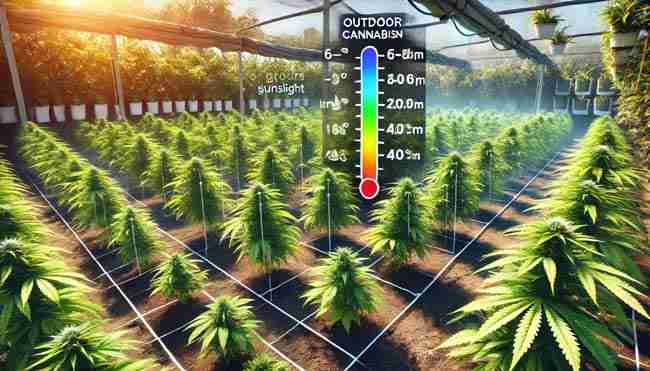
Let’s sum up the specifics for those who like to see everything in detail:
- Sunlight: Minimum of 6–8 hours of direct sun daily.
- Day Temperature: Ideal range of 70°F–85°F (21°C–29°C).
- Night Temperature: Aim for 60°F–70°F (15°C–21°C).
- Soil pH: Keep between 6.0 and 7.0.
- Humidity: Maintain 40%–60% to avoid mold or dryness.
- Wind Speed: Light breezes around 5–10 mph are best.
- Watering: Regular, balanced watering with good drainage.
- Nutrients: Organic matter-rich soil with periodic natural fertilizer applications.
This breakdown can act as a checklist to ensure your outdoor setup is perfect for your cannabis garden.
FAQ Section
Here are some frequently asked questions to help you navigate the world of microclimates cannabis growing:
What exactly are microclimates, and why do they matter for cannabis growing?
A: Microclimates are small areas where weather conditions differ from the surrounding region. They matter because even slight differences in sunlight, temperature, and humidity can affect how your cannabis plants grow.
How can I create a better microclimate in my outdoor garden?
A: You can use windbreaks, reflective mulches, and even portable greenhouses to adjust the microclimate. Planting companion plants or setting up small water features can also help stabilize conditions.
What should I do if my outdoor garden faces a sudden frost?
A: Cover your plants with row covers or garden fabric, use mulch to protect the roots, and consider moving smaller plants indoors if possible.
Can I use microclimates to my advantage when growing different cannabis strains?
A: Absolutely! Some strains do better in cooler, shadier conditions while others thrive in intense sunlight. Matching the strain to your microclimate can boost growth and yield.
How important is humidity in outdoor cannabis growing?
A: Very important! Too much humidity can lead to mold, and too little can dry out your plants. Aim for a moderate range of 40%–60% for optimal growth.
Is it necessary to monitor night temperatures closely?
A: Yes, because a slight drop (about 10°F cooler than daytime) is beneficial for recovery, but too cold can stress the plants. Consistency is key!
What are the pros and cons of using a greenhouse to control microclimates?
A:
- Pros: More control over temperature, humidity, and pest protection.
- Cons: Higher setup costs and the need for careful ventilation to avoid overheating.
Bringing It All Together: Your Microclimates Cannabis Roadmap

Now that you know all about microclimates, the best conditions for your outdoor cannabis garden, and how temperature plays a role in every aspect of growth, you’re well on your way to success. Think of your garden as a living puzzle where each piece—sunlight, temperature, soil, wind, and humidity—must fit perfectly to create a thriving environment.
Here’s a quick list of things to remember:
- Choose a spot with plenty of sunlight.
- Ensure your soil is well-draining and nutrient-rich.
- Keep temperatures within the ideal range, both day and night.
- Use windbreaks and mulches to protect against extreme conditions.
- Regularly check your garden’s microclimate and adjust as needed.
With these tips, you can fine-tune your outdoor garden to suit the natural rhythms of your cannabis plants. It’s like being a maestro, orchestrating nature’s elements to create a harmonious and fruitful environment.
Final Thoughts

Outdoor cannabis growing isn’t just about planting seeds and waiting—it’s about understanding the tiny, powerful variations in your environment. When you harness the power of microclimates cannabis, you’re not only protecting your plants but also setting them up for an abundant yield. Every degree, every ray of sunlight, and every gust of wind plays a role in your plant’s journey from a seedling to a mature, thriving cannabis plant.
By taking a proactive approach and tailoring your garden to meet these ideal conditions, you’re giving your plants the best chance to flourish. Remember, nature is full of surprises, but with a bit of planning and the right knowledge, you can turn even the smallest microclimate into a powerhouse for cannabis growth.