How long does it take to grow a full cannabis plant?


You want a straight answer, so here it is. Most of the time it takes about 3 to 5 months to grow a full cannabis plant indoors, from the day the seed cracks to the day you cut it. An autoflower is often ready to cut in about 8 to 12 weeks. A full-season plant outside usually needs about 5 to 7 months. After the cut, you still dry the branches for about 7 to 14 days, and you cure the flowers in jars for another 2 to 4 weeks before they smoke the way you hoped.
That spread is wide on purpose. However, it is not a mystery once you split the life into pieces. A seed wakes up, a seedling finds its feet, and veg is the only stretch you really lengthen or shorten. Flower runs on the plant’s clock. Well, the “9 weeks” on a pack usually means flower only, not the sprout and not the jar. Oh, a rough month will not hit a circled date. You read the plant.
If you want to grow a full marijuana plant that actually fills a tent, you plan the weeks before you wet the seed. If you want to grow a full weed plant in a backyard, you plan around frost, not around a kitchen timer. Same family of plant. Different clocks. The long and short of it is this: seed to cut is one date, and seed to a jar you are proud of is a later date.
How long it takes to grow a full cannabis plant
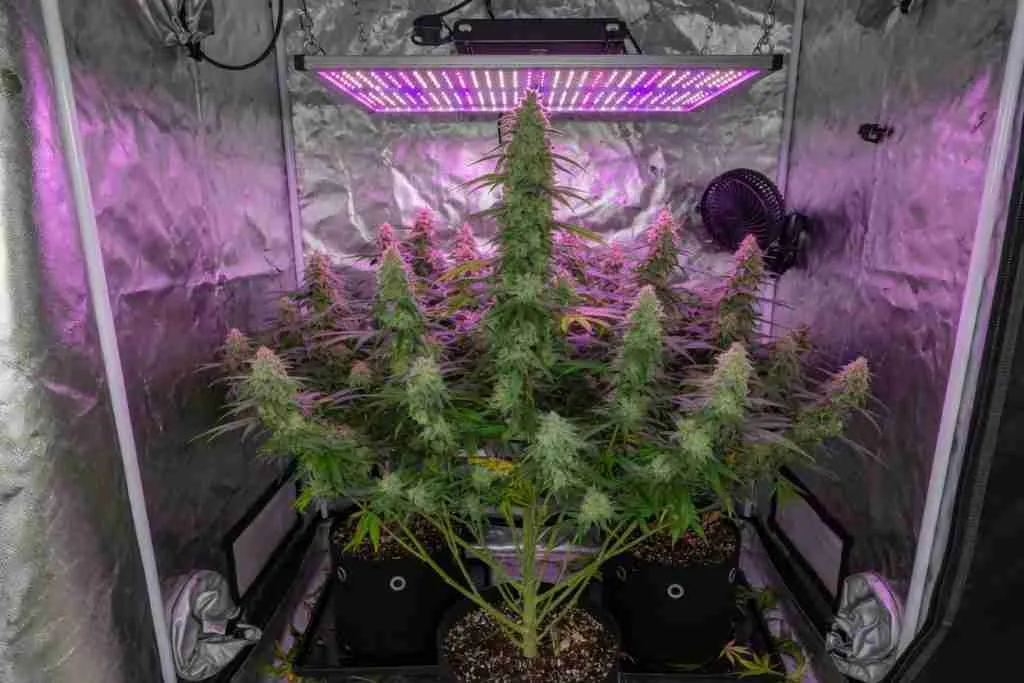
Count five jobs, not one. Germination is the seed cracking and pushing a little white root. That often takes 2 to 7 days. A stubborn seed can sit for up to 10 days if the towel stays damp and the spot stays warm, so do not toss it on day four. The seedling stage is the next 2 to 3 weeks, while the plant is small, slow, and easy to drown. Veg is the fast leafy time. Indoors, on a plant that flowers when you change the light, you often keep veg going for about 3 to 8 weeks. Flower is the bud-building time. An indica-leaning plant often finishes flower in about 7 to 9 weeks. A hybrid often needs about 8 to 11. A sativa-leaning plant can take about 10 to 14. Then come the dry and the cure.
Add those up and the famous “8 weeks” falls apart. Eight weeks of flower, plus a real seedling and a real veg, is already about four months. A short veg of about three weeks can land nearer three months. A long veg, because you want a big plant, pushes you toward five before you hang anything.
Here is a worked indoor example, and it is an example, not a contract. Say you start a photoperiod seed on a Saturday. Photoperiod is the plain word for a plant that flowers when the nights get long. It cracks by Tuesday. You spend about two weeks with a seedling in a little cup. You veg for about five weeks, until the plant is bushy and still has headroom under the lamp. You switch the timer to 12 hours on and 12 hours off. Flower runs about nine weeks. You cut near the end of week 16 from the sprout. That is about four months. Then you dry for about ten days and cure for about three weeks. The jar you actually want to open is closer to week 20. Boy, that is longer than the meme, and it is also how the flower tastes like something.
An auto example is shorter. It cracks in a few days, vegs for about three weeks, flowers for about seven, and you cut around week 10. Some bigger autos run to 13 or 14 weeks. Hungry for a faster jar, an autoflower is the plant most people reach for. You trade away the chance to keep it in veg until the tent is full. A clone skips the seed and most of the seedling, which saves roughly 2 to 3 weeks, and you still flower and dry. If the pack is regular seed, about half the plants may be male. A male makes pollen, not the buds you want, and it can seed the females nearby. Feminized seed is the usual pick when you want bud plants, and you still look.
Indoor, autoflower, and outdoor side by side
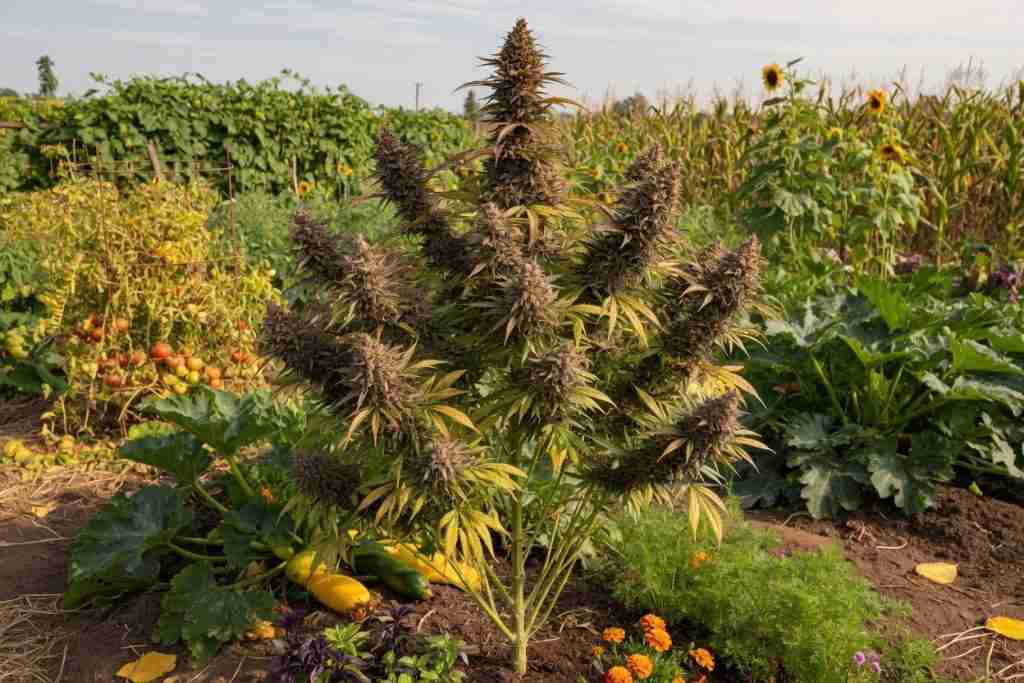
Indoors, you own the clock. Eighteen hours of light and six hours of dark is the usual veg day. Autos can stay on that 18/6 rhythm the whole way. You do not need the lamp on all night. A photoperiod plant stays in veg on long days, and it flowers when the night becomes a solid 12 hours. That is the whole trick of the type. The plant times its flower off the length of the night.
Outdoors, the sun does that job. You start the seed indoors about 4 to 6 weeks before your last frost, so the plant is sturdy before it meets the weather. You move it outside when nights hold about 10°C, which is about 50°F. It vegs through the long days of early summer. It flowers when the days shorten, and you cut in the fall when the heads are ripe, before a hard frost or a week of cold rain. That is why a full outdoor plant is often a 5 to 7 month project from spring seed to fall cut. A fast indica in a long summer can finish a bit sooner. A long sativa in a short season can run out of weather before it is done. Match the plant to the season. Do not pick a 14 week flower for a yard that freezes in September and then act surprised.
An autoflower is about 8 to 12 weeks to the cut, and some bigger ones run 13 or 14. It flowers by age, so you do not flip a timer, and you also cannot pause it while you go on holiday. A mistake in week two is hard to outgrow. In a long summer you can sometimes run two auto rounds outside. In a short summer, one well-timed round is the realistic plan. An outdoor photoperiod is the long one, about 5 to 7 months. The sun is free and the plant can get huge. Weather, mold, and an early frost are the price. In Canada a home is allowed four plants, so the size of each one matters more than starting a crowd.
Seed to smokeable is a different question from seed to cut. After a proper dry, you can smoke it. It will often taste green and harsh. Two to four weeks in a jar, with the lid cracked on a schedule at the start, is when the smell settles and the harsh edge drops. Some people cure longer. Do not count your chickens on harvest day.
The sprout and the first month
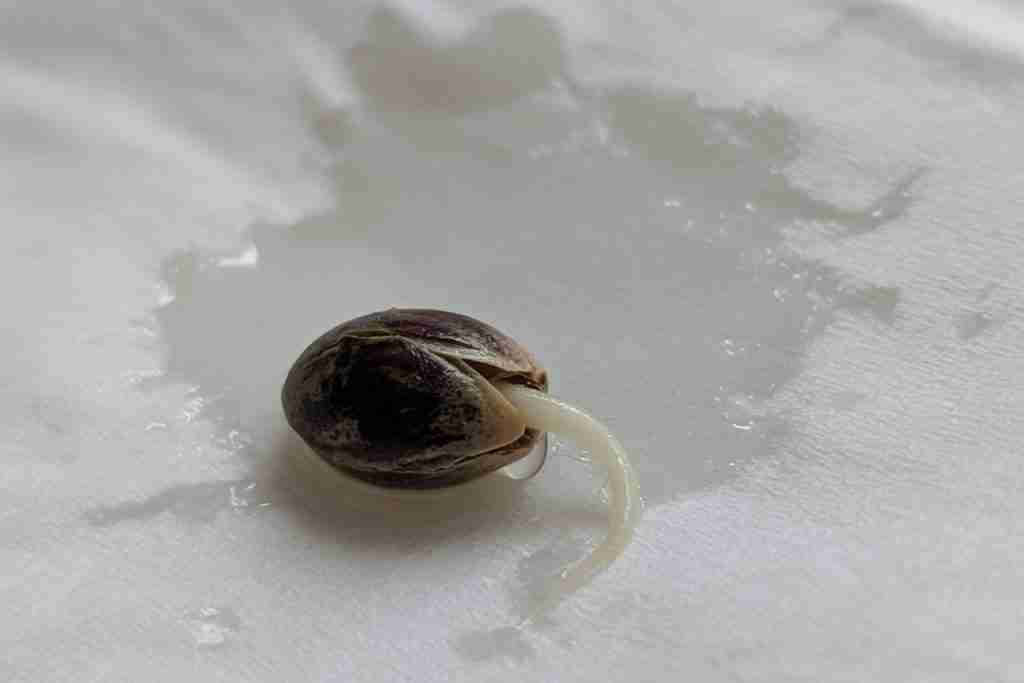
The clock starts when the seed wakes. A healthy seed is firm and dark. You can sow it straight into a light mix, or use a paper towel so you see the root first. Two plain towels, wrung damp, not dripping. Seeds spaced apart. A warm dark cupboard, not a sealed swamp. Fresh seed often shows a white tail in 24 to 72 hours. Plant when that tail is about a quarter inch to a half inch, root down, and do not pinch the tip. A long worm stuck to the paper will rip, and that rip costs the week you were trying to save.
Direct into a cup is fine too. You just cannot see a fail until the surface stays bare. Cover the seed about as deep as the seed is thick. Light does not make a buried seed hurry. Warmth, air, and a little moisture do. Week one gives you a pair of round seed leaves, called cotyledons. True leaves come next, often one blade, then three, then five. If you are still staring at round leaves at the end of week three, something is off. Cold, a soaked cup, or a lamp scorching the tip are the usual suspects. Hey, do not pour a bottle of “grow” on it to make up the time. The seed still holds the first meal. Extra fertilizer now burns roots and adds weeks.
Life in the little cup
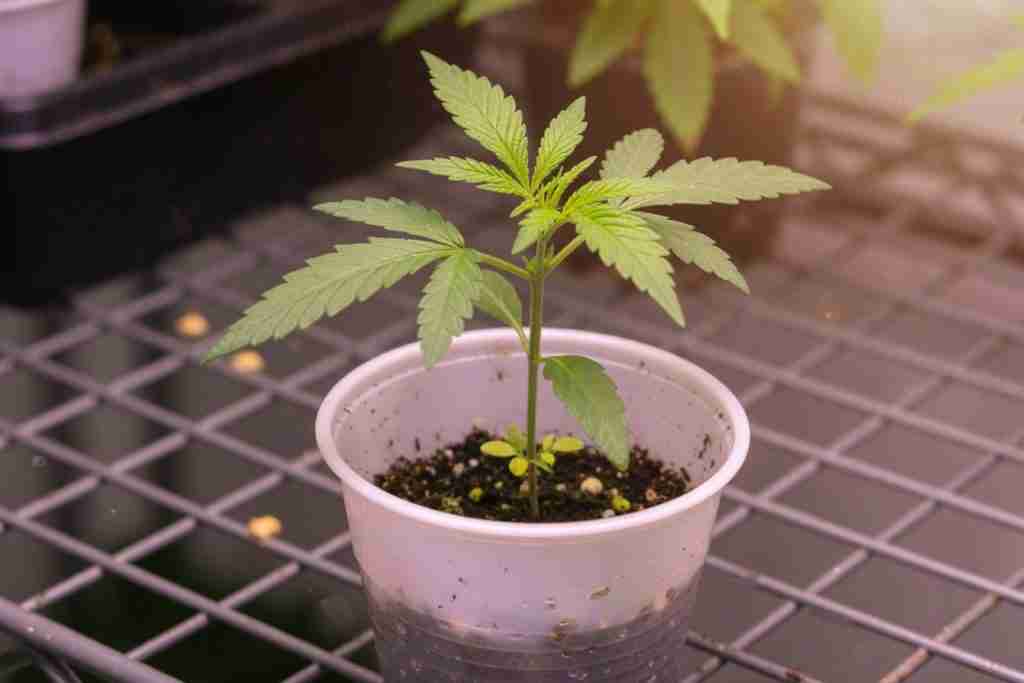
Keep the cup small at first. A big pot of wet soil stays wet for too long, and the root sits in it. Drainage holes are not optional. Water in a small ring, or mist, and then leave it alone until the cup feels light. Lifting the cup is the real meter. Heavy means wait. Light means water. A saucer full of water, day after day, is how you grow a sad stem.
Once the plant is up, give it a gentle light for about 18 hours a day. Too far and the stem stretches into a pale noodle. Too close and the leaves taco or bleach. A small fan in the room, not a gale on the seedling, thickens the stem. Stale wet air is how damping-off pinches the stem at the soil. If the seedling falls over with a brown pinch, that cup is done.
Soil likes a pH around 6.0 to 6.8. Coco likes about 5.6 to 6.2. A hydro setup likes about 5.8 to 6.2. A plant that cannot eat will sit still for weeks while you blame the seed. In a decent soil you can often wait on bottles until a few sets of true leaves. Coco is not a pantry, so a very light feed starts sooner. Keep the cup in a comfortable room, a bit warm, and a little more humid than a flowering tent. Once the plant is growing every day, aim for the low-to-mid 70s °F and about 55 to 65 percent humidity. A cold windowsill stalls the month. A heater on the cup cooks it. Slow and steady beats a drama.
Move to a bigger pot when roots circle the cup or the plant drinks the cup dry in a day. Do that move before you flip a photoperiod into flower. A root-bound plant in a tiny cup will flower, and it will stay small. You wanted a full plant. Give the roots a home while the plant is still allowed to grow leaves.
Veg is the only stretch you control
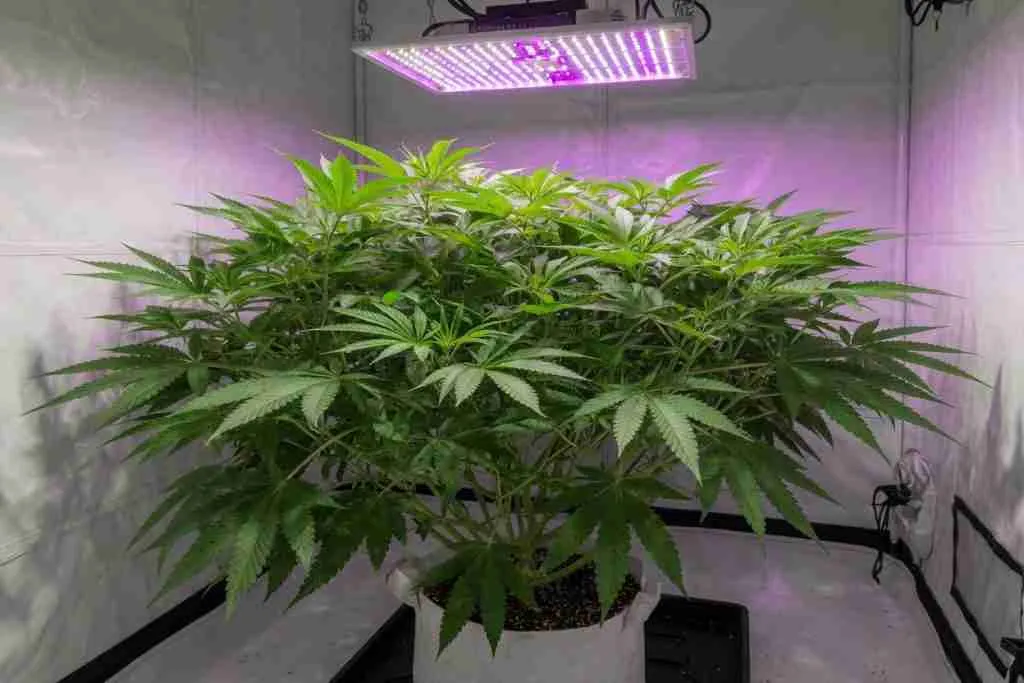
This is the part people skip in the “how long” argument, and it is the part that decides whether the plant is full. On a photoperiod, veg lasts until you make the nights long. Two weeks of veg can give you a little plant and a little harvest. Four to six weeks is a common middle. Eight weeks or more fills a tent, and it also adds those weeks to the calendar. You are choosing size, not hacking the flower clock.
You grow a full marijuana plant by letting veg run long enough to fill the pot, then leaving the flower clock alone. Topping or bending during veg can add a few recovery days, and it can also turn one cola into several. Do the hard training while the plant is healthy and leafy. Do not top a plant the day you flip, and do not top an auto late in its short life. An auto has a built-in veg of only a few weeks. Train it gently and early, or skip the training and let it be.
Keep veg in that same mild room, low-to-mid 70s °F and about 55 to 65 percent humidity once the plant is drinking. Burned tips mean too much food. Pale new growth means hunger or a pH miss. Big gaps between leaves mean the lamp is too far. Fix the cause. Do not add a random week of “extra veg” and hope. Water by weight. Overwatering is the quiet week-thief: the plant looks tired, you water it again, and the roots never get air. Start feed around half the label. A burned plant spends the next week recovering instead of stacking nodes.
How you know it is time to flip
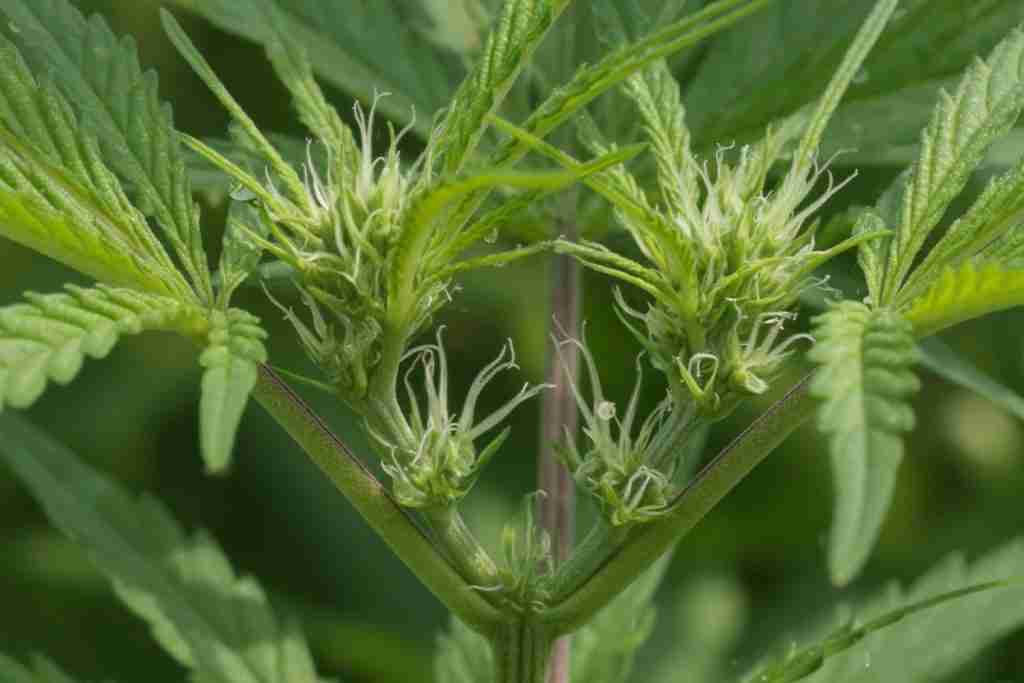
Flip means you change a photoperiod tent from about 18 hours of light to 12 hours on and 12 hours off. You do it when the plant is the size you want, minus the stretch. In the first weeks of flower, a lot of plants roughly double in height. A plant that is already kissing the lamp will hit it, bleach, and grow foxtails. Flip earlier. It feels early. It is correct.
Flip for the space you have, not because a forum said week six. White pistils at the nodes mean the plant can flower. They do not mean you are late. The dark half of 12/12 has to be real. A door crack or a bright indicator light can stall the finish for weeks. Checking the calendar every morning, the plant still finishes when the nights are actually dark. Autos do not get this flip. Dropping them to 12/12 mostly shrinks the harvest. Leave them on 18/6. Their flower starts on its own, often around week 3 to 5, whether you feel ready or not.
If the plant is still tiny
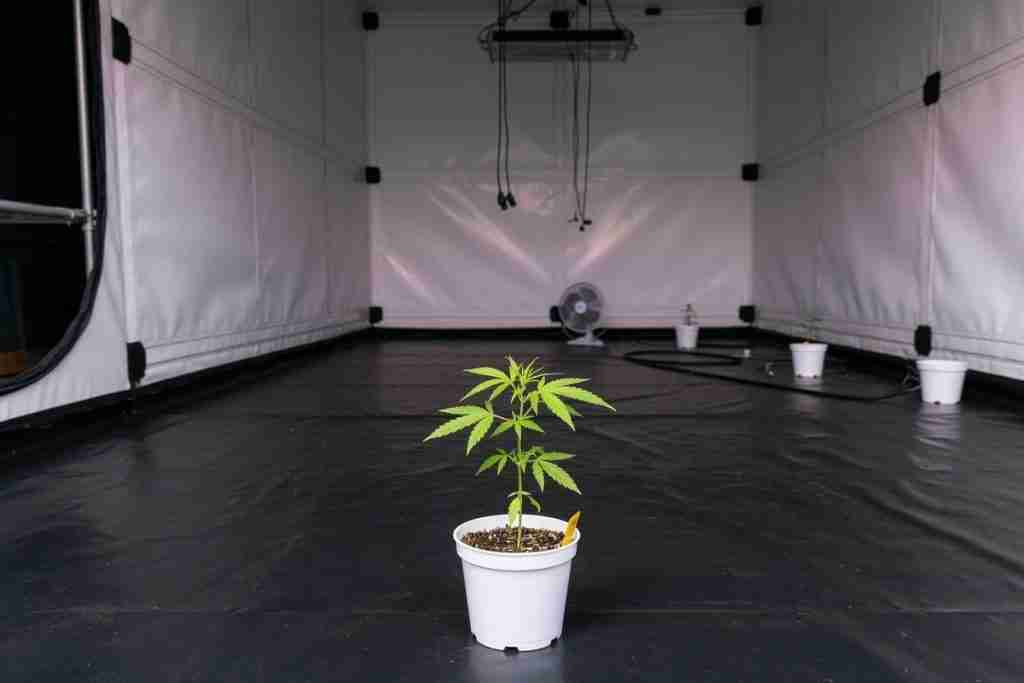
Do not flip a tiny photoperiod if you wanted a full plant. Four leaves on 12/12 gives you a thumb-sized bud and a story about a dud strain. Give it more veg, stop before you have a jungle you cannot cool, and get the roots into the finish pot first. An auto that is still tiny at week five is not waiting for permission. It is already flowering, usually because of a cold start, a soaked cup, or a lamp that was miles away. Protect the first three weeks. On an auto, they nearly are the crop.
Flower, the cut, and the jar
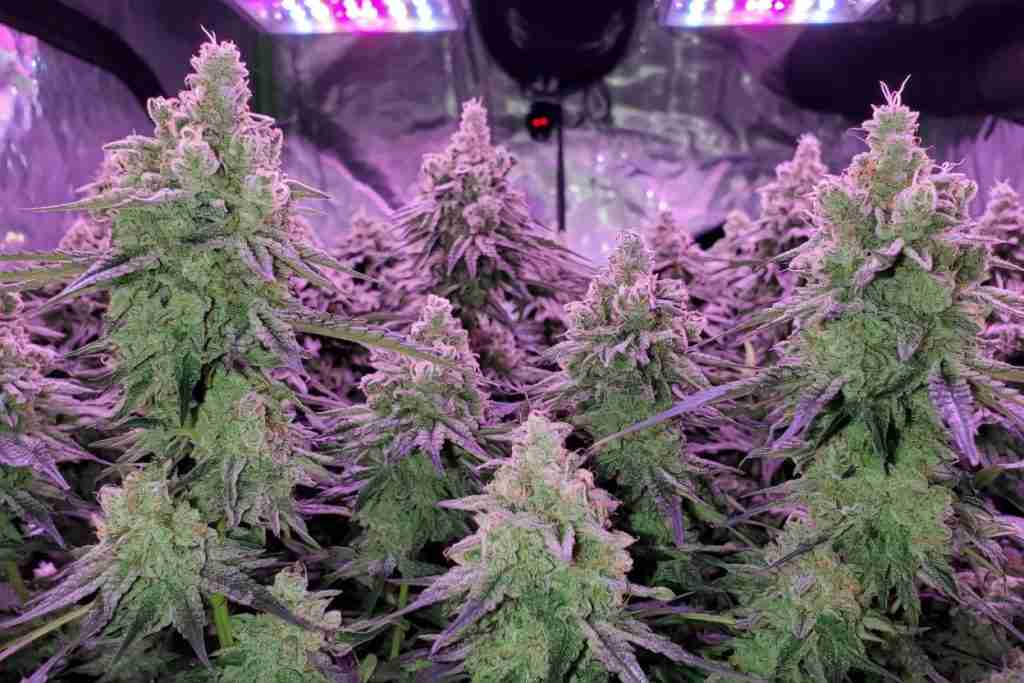
Flower is the home stretch, and you cannot honestly rush it. The weeks on the pack are a window, not a court order. Start looking a week before the printed flower time. Trichomes are the tiny crystal hairs on the bud. Clear means young. Mostly cloudy, with a little amber on the calyx, is the usual cut. The calyx is the little swollen pod that makes the bud, not the sugar leaf, and sugar leaves amber early and lie. Orange pistils are only a hint. A cheap loupe on the bud tells you more than the hairs you can see from the door.
The same tent can hold two finish dates. Cut the ripe plant and leave the other. Harvesting everything because one top looks done is how you jar unripe weed. During flower, keep days around the low-to-mid 70s °F if you can, and walk humidity down to about 40 to 50 percent late. Wet air in a dense cola grows mold and loses the month. Move air through the canopy without blasting one bud. Keep nights dark and a bit cooler, without a crash into the 50s. Do not drought the plant, ice the roots, or black out a weekend and expect a miracle. Stress mostly adds time.
Why some plants flower longer
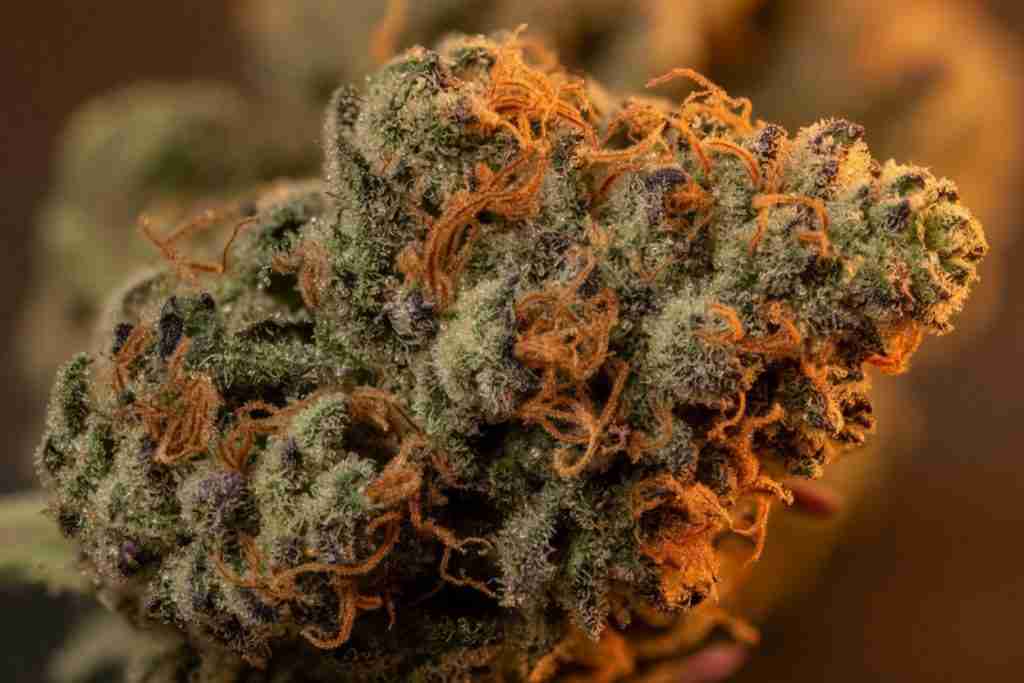
Genetics come first. If the parents were a long equatorial type, the kids often take longer. The pack should have warned you. A hybrid can also throw one plant that finishes two weeks after its sister. That is normal, not a broken timer. Label the pots if you run two names, so you do not cut the slow one to match the fast one.
Light leaks stretch the finish. So does a weak lamp, heat, a wild pH, or nights that are actually cold. The fix is the cause. Seal the tent, correct the feed, and wait. Another booster on a late plant usually burns tips and adds a recovery week. You are in the same boat as every grower who has stared at week ten and wanted a shortcut. There isn’t a good one.
Drying and curing still count
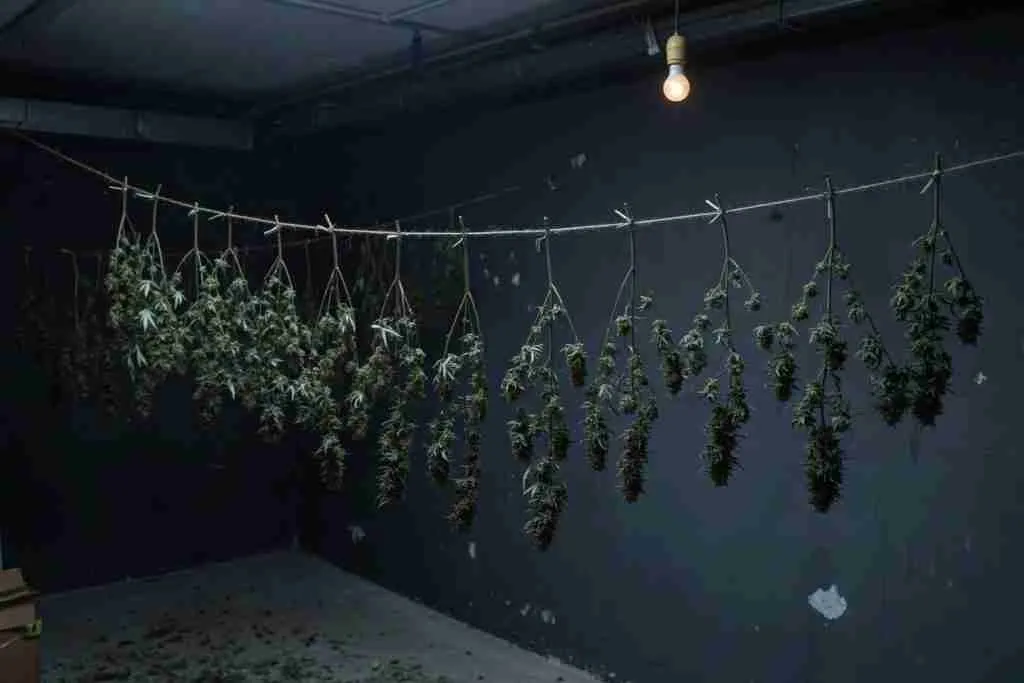
Cut day is not smoke day. Hang the branches, or the whole plant, in the dark. A lot of growers aim for a cool room, around 60°F, with humidity near 60 percent, if the room can hold it. Gentle air in the room, not a fan pointed at the buds. Too fast, in a hot room, and the outside crisps while the inside stays wet. That is the hay smell. Too slow, in a wet closet, and you risk mold. Most home drys land around 7 to 14 days. You are done drying when small stems snap instead of bend, and the buds feel dry on the outside without turning to dust.
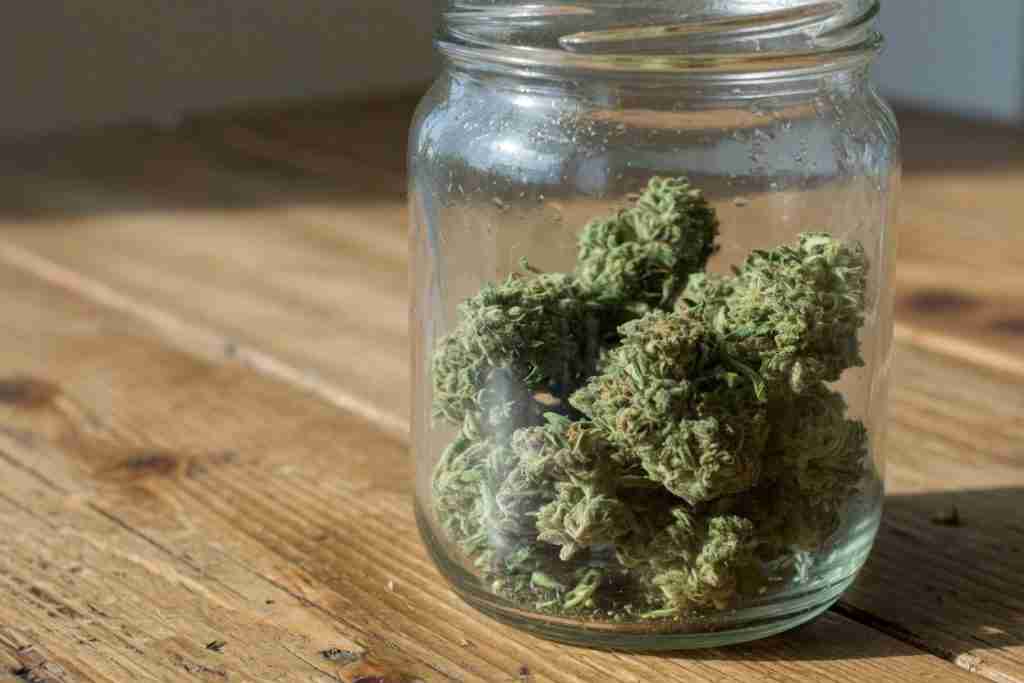
Then the jars. Fill them loosely. For the first week, open them once a day. If the buds feel wet again, they needed more dry time. After that, open less often. Two to four weeks of cure is the usual minimum, and longer is often better. Skipping it for a party makes the flower harsher. You did not save the grow. You threw away the last bit. The jar is part of the clock.
Pros, cons, and the specs
A fast auto has real pros. You are often cutting in about two to three months, you never flip a timer, and it fits a short summer or a first try. The cons are just as real. You cannot veg it bigger in week six, an early mistake stays on a small plant, and a rough first month can finish airy. A photoperiod lets you choose the size, take a clone in veg, and fill the space. The cons are the months, the strict dark period, and a jungle you cannot cool if you veg too long. Outdoors you get free sun and a real bush. You also get weather, a wet fall, and a harvest that waits for autumn.
Specs worth taping inside the tent door:
- Most plants, seed to cut: about 8 to 20 weeks, depending on type.
- Indoor photoperiod: about 3 to 5 months to the cut.
- Autoflower: about 8 to 12 weeks to the cut, and some run 13 to 14.
- Outdoor photoperiod: about 5 to 7 months, from a spring start to a fall cut.
- Germination: often 2 to 7 days, and sometimes up to 10.
- Seedling: about 2 to 3 weeks.
- Veg you control, indoors: often 3 to 8 weeks.
- Flower: about 7 to 9 weeks for indica-leaning plants, 8 to 11 for hybrids, and 10 to 14 for sativa-leaning plants. Autos often flower for 5 to 8 weeks.
- Veg light: 18 hours on and 6 off. Autos can keep that the whole run.
- Photoperiod flower light: 12 on and 12 off, with a real dark period.
- Established veg room: low-to-mid 70s °F, and about 55 to 65 percent humidity.
- Late flower humidity: about 40 to 50 percent.
- Soil pH: about 6.0 to 6.8. Coco: about 5.6 to 6.2. Hydro: about 5.8 to 6.2.
- Dry: about 7 to 14 days, in the dark. Cure: often 2 to 4 weeks or more.
- Early flower stretch: many plants roughly double, so flip with headroom.
None of those lines is a reason to cut on a Tuesday because the list said Tuesday. They are how you shop for a strain, set a timer, and notice when something is wrong.
Mistakes that quietly add weeks
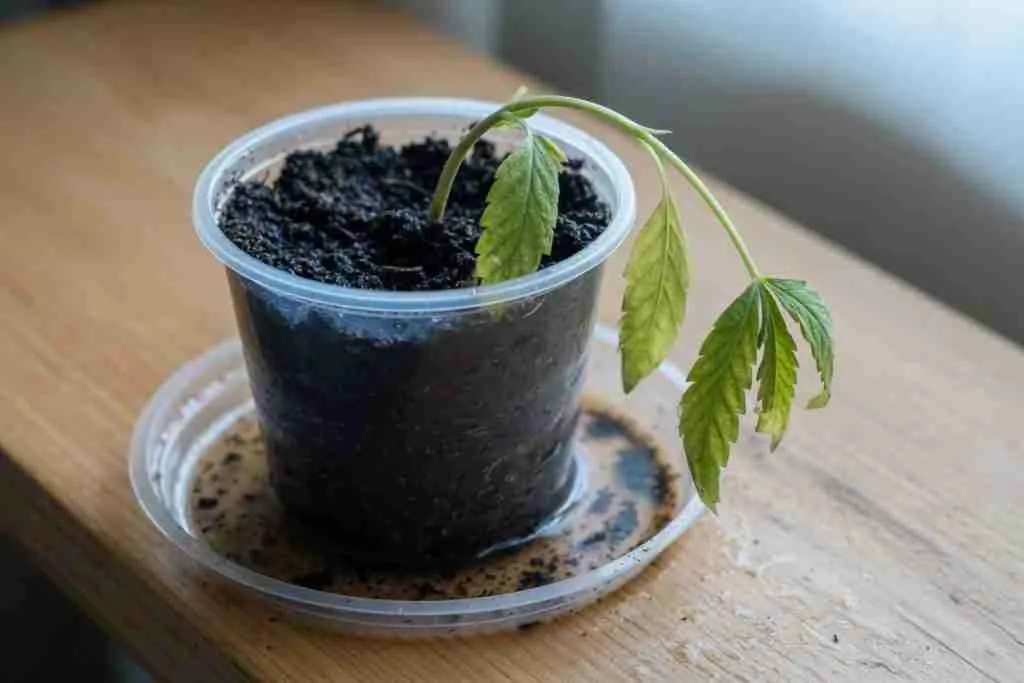
Overwatering is the champion. The plant droops, you add water, and it droops more. A heavy cup needs air, not another drink. Underwatering looks similar on a hot afternoon, so check the weight first. Flipping too early gives you a small plant. Flipping too late burns the top. Light leaks in flower add weeks and can push a plant back toward leaves. A heater on the seedlings, a frozen porch, a hot tent with no exhaust, a pH you never checked, or a double-strength feed “to speed growth” will each steal time.
Harvesting because the pack said week eight, while the trichomes are still clear, is the last quiet mistake. Clear means not ready. All amber means you waited a long time, and the effect often feels heavier. Mostly cloudy, with a little amber on the calyx, is the ordinary target. The printed week is a window. It is not the cut.
You can shorten the calendar in exactly one honest place. Veg less, start from a clone, or choose an auto. You cannot shorten flower by much without cutting unripe plants. You should not shorten the dry into a two-day crisp unless you like hay. Outdoors, you grow a full weed plant by starting ahead of the last frost and cutting when fall ripens the heads, not by sowing in July and hoping a long-flower type beats the cold.
Call it a day when the plant is ripe, the dry is even, and the jar has had its weeks. That is how long it takes. The rest is you keeping the simple things steady, so the plant can spend those weeks growing instead of recovering.