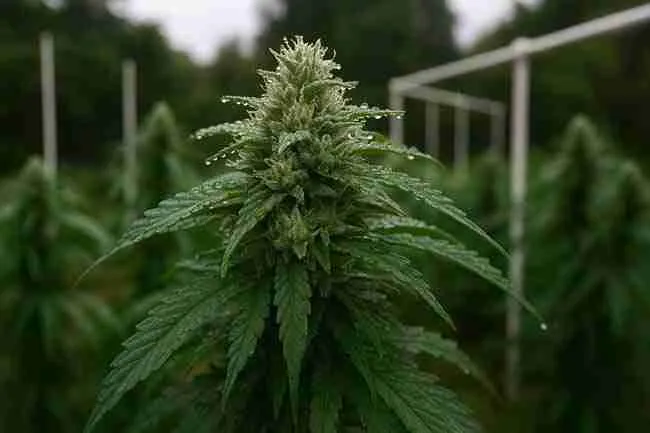
How Leaf Size Can Tell You Where Cannabis Will Grow Best

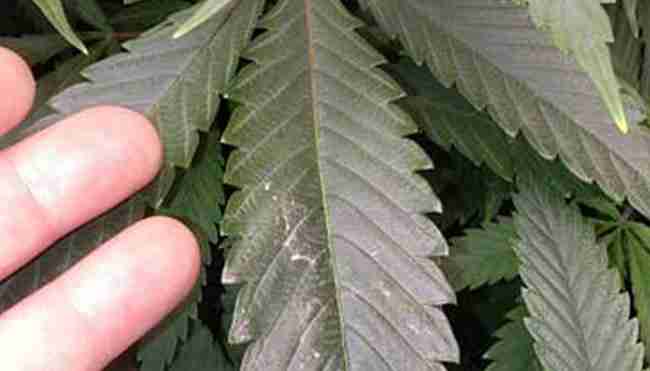
Have you ever wondered if your cannabis plants could speak to you? Well, guess what? They do, in their own leafy way! Yup, by simply looking at the leaves, you can tell a lot about the environment that suits your cannabis plants best. This article will walk you through everything you need to know about leaf size and how it relates to the perfect environment for growing your cannabis. So buckle up, because we’re diving into some real green thumb magic here!
What the Leaf Size Tells You About Cannabis Environment

The leaves of a cannabis plant can be like nature’s little road map. By observing the size and shape of the leaves, you’re actually getting hints about what kind of climate the plant prefers. It’s like a survival guide that has evolved over the years, helping the plant thrive. So let’s get down to it and understand what these leaf characteristics really mean.
Broad, Wide Leaves: Chill and Relax
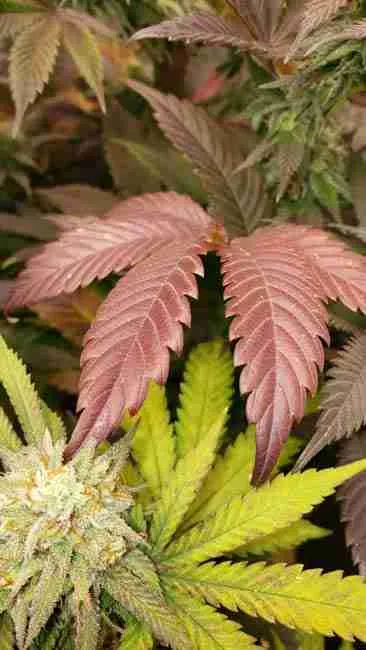
Some cannabis plants have broad, wide leaves that almost look like fans. These wide leaves usually belong to Indica-dominant strains, and these plants like to keep things a bit on the cooler side.
- What Does It Mean? If your cannabis plant has these broad leaves, it means it comes from a place with a cooler climate. Think of places like the mountains in Afghanistan or somewhere with mild, relaxing weather.
- Growing Conditions: These plants need cooler temperatures (between 20-26°C or 68-79°F) and don’t require super strong sunlight. If you’re growing them indoors, make sure the temperature stays comfortable, not too hot, and give them moderate lighting.
Why Broad Leaves Help Cannabis Grow

Broad leaves are like solar panels that collect sunlight—the bigger the panel, the more light it can collect, right? That’s exactly why these plants have broad leaves! They maximize the amount of sunlight they can absorb, especially in environments where the sun isn’t shining too brightly. Broad leaves help to maximize photosynthesis by capturing every bit of available sunlight.
However, this also means they can’t handle too much direct light. If they’re under intense heat, they’re like that person at the beach who needs to keep putting on sunscreen—they just want to avoid getting burned!
Growing Tips for Broad-Leaf Cannabis
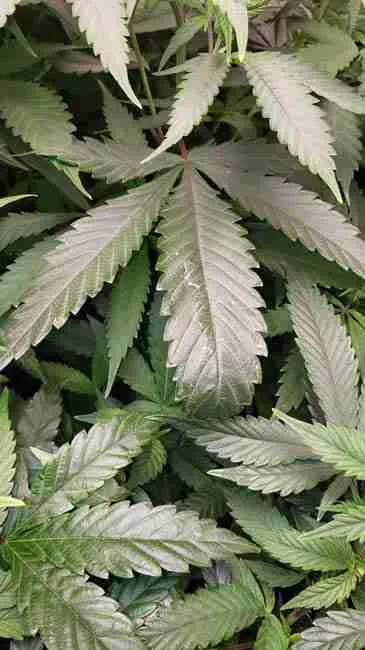
- Lighting: Use medium light. High-intensity grow lights can stress the plant.
- Temperature: Keep things nice and cool, but not cold. Think comfortable sweater weather!
- Humidity: Maintain a higher level of humidity, especially during the vegetative stage.
Narrow, Finger-Like Leaves: Sun Chasers

Then there are those cannabis plants with long, thin leaves—like they’re reaching up, giving high-fives to the sun! These are usually Sativa-dominant strains, and they’re all about warm, sunny days.
- What Does It Mean? Narrow leaves tell you that the plant thrives in warm, sunny environments—think of tropical regions like Thailand or Colombia. These plants need lots of direct sunlight, just like those people who love a good tanning session. A strain that for example that does very well in hot climates because of this is Freak Show.
- Growing Conditions: If you’re working with these types of plants, keep them in warmer temperatures, ideally between 25-30°C (77-86°F). They’ll also love high light intensity, so give them the brightest light you’ve got.
Why Narrow Leaves Help Cannabis Grow
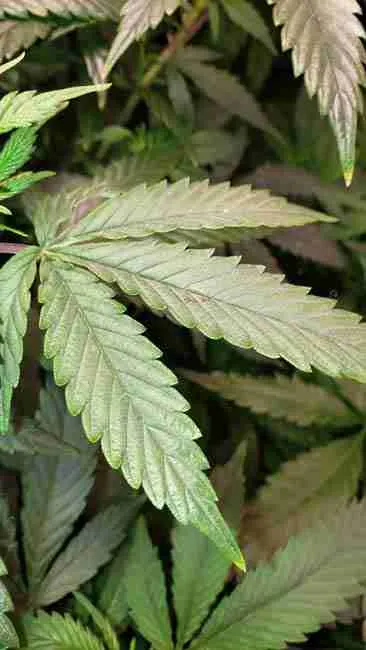
Narrow leaves are designed to handle a lot of sun and heat without losing too much water. Imagine you’re wearing a hat on a hot day to protect yourself from the sun—narrow leaves do something similar by reducing their surface area. This adaptation keeps the plant from getting too hot and helps manage water loss.
These plants are like those friends who thrive at the beach, and they can handle bright sun all day long. They’re the sun-worshippers of the cannabis world!
Growing Tips for Narrow-Leaf Cannabis
- Lighting: Use high-intensity lights for these sun-loving beauties.
- Temperature: Let things stay warm—they love tropical temperatures.
- Humidity: Keep humidity levels lower compared to Indica-dominant plants to avoid issues like mold.
Leaf Size as an Evolutionary Adaptation

Now, let’s dig a bit deeper—why are these leaves different, anyway? Well, it’s all about evolution. Cannabis plants have adapted to different environments around the world, and leaf size is a big clue into these adaptations.
Broad vs. Narrow Leaves: Evolutionary Differences

- Broad Leaves: Evolved to gather as much sunlight as possible in environments with limited light. This is why they’re seen more in cooler, mountainous regions.
- Narrow Leaves: Evolved to protect the plant from extreme heat and sunlight, which is why they’re adapted to tropical climates.
The evolution of leaf size is a direct response to the plant’s need to survive in various climates. If you think about it, it’s almost like cannabis has been experimenting with different “outfits” to suit its environment—like wearing a sweater in the mountains or a swimsuit on the beach!
Hybrid Strains: Somewhere In Between
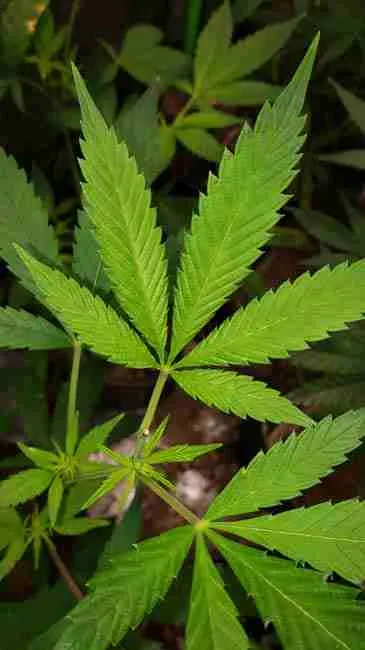
Not all cannabis plants fit neatly into the Indica or Sativa categories—many are hybrids, which means they have mixed traits. Hybrids can have leaves that are in between broad and narrow, making it tricky to understand their preferred growing environment at first glance.
Recognizing Hybrid Leaf Patterns
- Mixed Leaves: Hybrid strains might have medium-width leaves that are neither too broad nor too narrow. This often means the plant can adapt to a wider range of environments, making hybrids a bit easier to grow.
- Adapting Growing Conditions: With hybrids, you’ll need to observe the plant’s response to your growing conditions and make adjustments. They might prefer moderate temperatures and medium light intensity.
How Leaf Size Helps Cannabis Grow: The Science Behind It
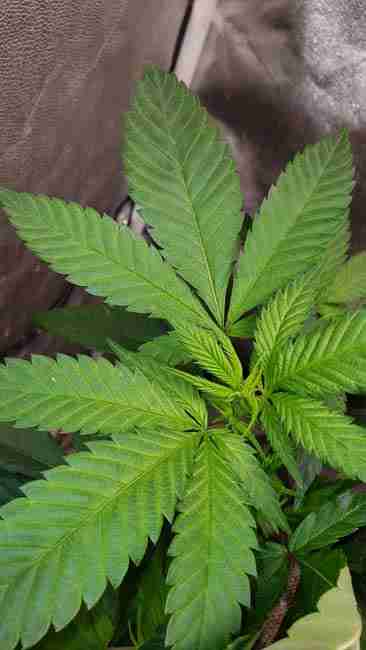
The magic of leaf size and shape is all about photosynthesis and water regulation. Each type of leaf has its own tricks for helping the plant grow, and understanding these can make your life as a grower much easier.
Broad Leaves: Maximizing Photosynthesis
Broad leaves are big and flat, which means they have a larger surface area to catch sunlight. They’re like solar panels on a cloudy day—working to grab every bit of sunlight. These leaves allow Indica strains to maximize their energy production, even in cooler environments with less light.
Narrow Leaves: Conserving Water
Narrow leaves have less surface area, which helps them reduce water loss through transpiration. They’re perfect for hot climates where the sun can be intense and the risk of dehydration is high. By limiting water loss, narrow leaves keep Sativa strains hydrated and healthy.
Table: Comparison of Broad vs. Narrow Leaves
| Leaf Type | Climate Preference | Light Intensity | Temperature Range | Key Adaptation |
|---|---|---|---|---|
| Broad Leaves | Cool, Temperate | Medium | 20-26°C (68-79°F) | Maximize light capture |
| Narrow Leaves | Warm, Tropical | High | 25-30°C (77-86°F) | Reduce water loss |
Growing Indoors vs. Outdoors: Leaf Size and the Ideal Environment

Leaf size can also help you decide whether a particular cannabis plant will do better indoors or outdoors. The environment plays a key role in the health and yield of your plant.
Indoor Growing: Controlled Environment
- Broad Leaf Plants: Indoors is often ideal for broad-leafed plants, especially if you live in a warmer climate that might be too much for them. You can control the temperature, light, and humidity to keep things at just the right level.
- Narrow Leaf Plants: While narrow-leaf plants can grow indoors, they do need a lot of intense light. You’ll need to invest in powerful grow lights to simulate their natural environment.
Outdoor Growing: Natural Environment
- Broad Leaf Plants: If you live in a cooler climate with mild summers, broad-leafed Indica strains will do well outdoors. They’ll soak up all the available sunlight without getting stressed.
- Narrow Leaf Plants: These plants are perfect for outdoor growing in hot climates. If you live in a place with long, sunny summers, narrow-leafed plants will thrive outdoors, enjoying all that natural sunlight.
Tips for Identifying Leaf Types Early On

Being able to identify the type of leaf your cannabis plant has will help you adjust its growing environment early, ensuring it grows strong and healthy.
Steps to Identify Leaf Type
- Look at the Shape: Are the leaves broad and wide or narrow and thin?
- Count the Fingers: Indica leaves often have fewer fingers (7 or less) compared to Sativa leaves (9 or more).
- Observe the Color: Indica leaves are often darker green, while Sativa leaves are lighter.
By taking a close look at your plant’s leaves, you’ll be able to tell what kind of environment it needs and make changes before any problems arise.
Pros and Cons of Growing Broad vs. Narrow Leaf Cannabis
Broad Leaves (Indica)

- Pros: Thrives in cooler climates, easier to grow indoors, fast flowering.
- Cons: Sensitive to intense light, prone to mold in high humidity.
Narrow Leaves (Sativa)

- Pros: Loves direct sunlight, less susceptible to mold.
- Cons: Requires more space, longer flowering time, sensitive to temperature fluctuations.
FAQ Section
How can you tell if your cannabis will grow best indoors or outdoors?
By looking at the leaf size. Broad leaves grow best indoors or in cooler climates, while narrow leaves grow best outdoors in warm climates.
Can you grow narrow-leafed cannabis indoors?
Yes, but you’ll need high-intensity lights to mimic their natural, sunny environment.
Why do some cannabis plants have broad leaves while others have narrow ones?
It’s an evolutionary adaptation. Broad leaves are designed for cooler climates, while narrow leaves are adapted for warmer, sunnier climates.
What temperature range is best for Indica plants?
Indica plants with broad leaves grow best in temperatures between 20-26°C (68-79°F).
Do hybrid strains require special care?
Hybrid strains are adaptable, but you should monitor their leaf traits to determine if they prefer cooler or warmer conditions.
Conclusion: Listen to Your Leaves
Your cannabis leaves are telling you everything you need to know about how to help them grow best. Whether your plant has broad leaves or narrow ones, you can use that knowledge to create the ideal environment for a healthy, happy harvest. So, take a close look, make a plan, and let those green beauties thrive!
Quick Recap
- Broad Leaves: Prefer cooler climates and moderate light—great for indoor or temperate outdoor growing.
- Narrow Leaves: Thrive in warmer, sunnier environments—ideal for outdoor growing in tropical or warm climates.
- Hybrids: Need a bit of attention to understand their specific needs but generally adaptable.
Final Thoughts: Grow With Confidence
Growing cannabis can be as easy as reading what your plant is telling you. The leaves are like the plant’s language, giving you clues on how to adjust its environment for the best growth. Whether you’re dealing with Indica, Sativa, or a hybrid, recognizing the signs through leaf size and shape will guide you to success.
So, don’t stress if things aren’t perfect right away—growing cannabis is all about learning and observing. Take the time to understand your plant, and it will reward you with a beautiful, healthy yield. Happy growing!