How Are Cannabis Seeds Made? From Breeding to Packaging

You crack open a shiny seed packet and think, “Cool—plant, water, wait.” But behind that tiny shell sits a months-long adventure of science, art, and downright dirty work. Ready to peel back the curtain? Let’s walk through every gritty step so you can appreciate (and maybe one day replicate) how cannabis seeds are made.
Why Should You Care How Seeds Are Made?
- Strain reliability. Knowing the process helps you avoid “mystery beans.”
- Bigger, better harvests. When you grasp genetic stability, your buds perform like champs.
- Cost savings. Breeding your own line lets you skip endless seed orders.
- Creative freedom. Fancy a chocolate-mint terp profile? DIY breeding opens that door.
Laying the Groundwork: Picking Rockstar Parents

Hunt for Phenotypes That Shine
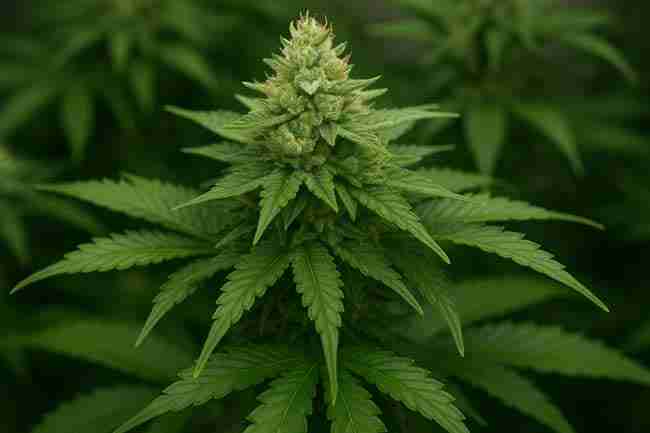
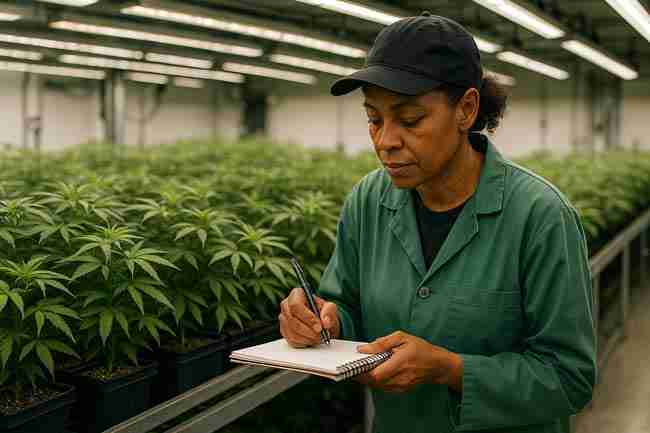
You start by germinating dozens—or hundreds—of seeds from promising strains. Each seedling shows a slightly different phenotype (height, aroma, yield). Over several weeks you sniff, poke, and jot notes like a detective.
Pro tip: Keep clones (cuttings) of every standout plant. If a keeper reveals herself, you still have her “backup copy.”
Stabilize Those Genetics
Once you’ve found two winners—a mom and a dad—you grow multiple generations (F1, F2, backcrosses) to lock in traits like:
- Short 7–8-week flowering (great for cold climates—see our “Best Cannabis Strains for Hot/Cold Climates” article for timing hacks).
- 23 % THC with rich chocolate terpenes (think our own Willie Wonka cross).
- Disease resistance (nobody wants powdery mildew dramas).
Every generation, you cull plants that drift from the goal. It’s ruthless, but hey, that’s how legends are born.
Pollination: Love in a Controlled Environment
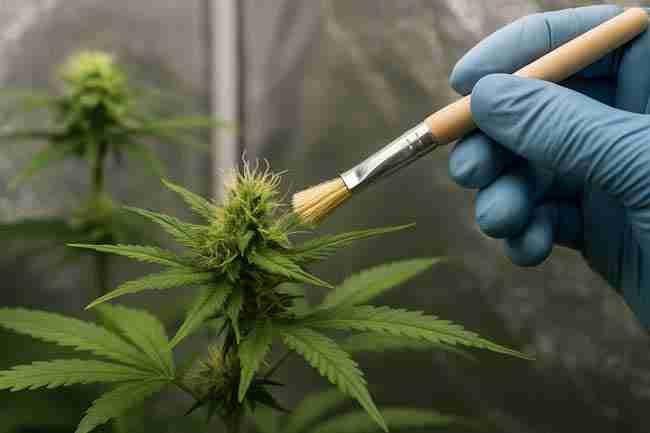
Separate Rooms or Bust
Accidental pollen in your main flower room? Yikes! Use dedicated tents with carbon filters so male pollen can’t Houdini its way into female space.
The Timing Sweet Spot
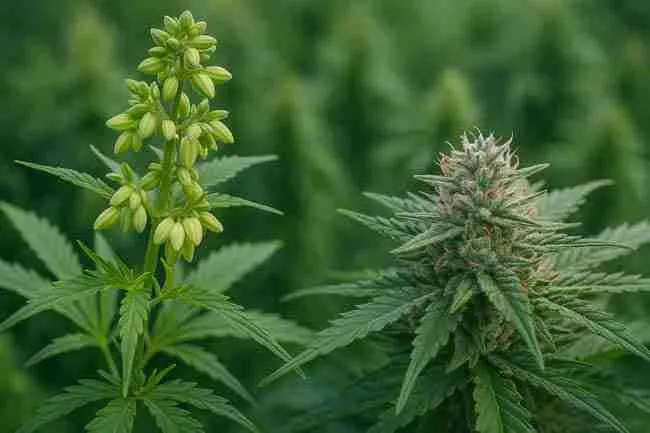
- Male pollen sacks mature first. When they open, tap them over wax paper to collect dust.
- Female flowers are ready when white pistils stand straight. Dust them gently with a fine brush or puff of air.
Keyword reminder: How Are Cannabis Seeds Made? By delivering pollen exactly when pistils are hungry.
Seed Development & Maturation
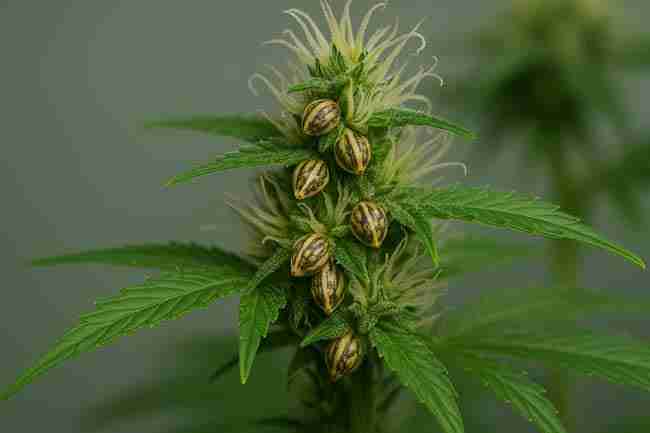
Watch the Belly Grow
Over the next 4–6 weeks the calyxes swell like tiny balloons. You’ll notice:
- Color shift from lime green to mottled tiger stripes
- Calyxes harden—you can tap them, they feel like pepitas
Leave seeds on the branch until the plant itself fades. Pulling early = soft, non-viable seeds. Patience is the name of the game.
Harvesting Seeds Without Hurting Buds
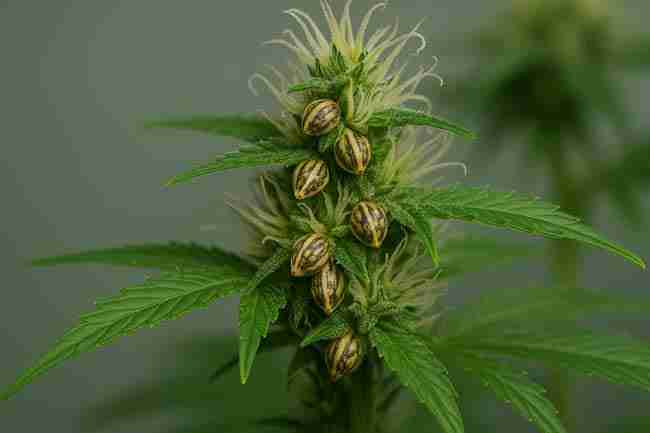
When trichomes hit peak cloudiness, you cut entire branches and dry them upside-down. Once crisp, rub the buds over a clean mesh screen. Seeds rain down; plant matter stays above.
Cleaning, Sorting, and Grading
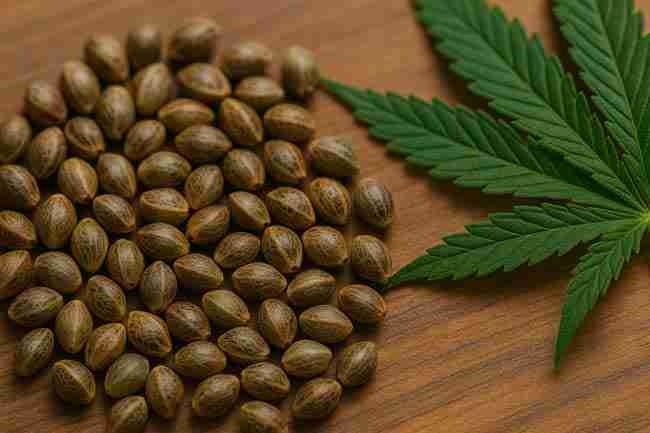
- Winnow with a gentle fan—husks blow away; hefty seeds drop.
- Hand-sort for cracks, odd shapes, or pale color (reject pile!).
- Size-grade with calibrated screens so every retail pack looks uniform and sows evenly.
Internal link tip: Pair this step with our “What Makes a High-Quality Marijuana Seed?” checklist for visual cues.
Drying & Curing: The Hidden Shelf-Life Booster
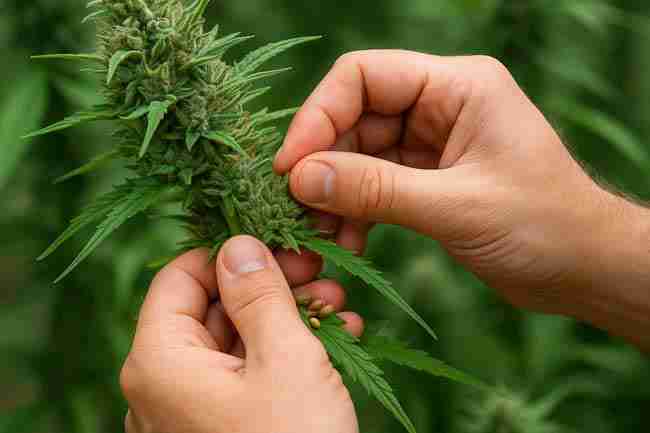
Fresh seeds hold ~50 % moisture—way too soggy. Spread them on parchment in a dark, 20 °C room with 30–40 % RH for 7–10 days. Aim for 8–10 % moisture before storage.
Quality Control Testing
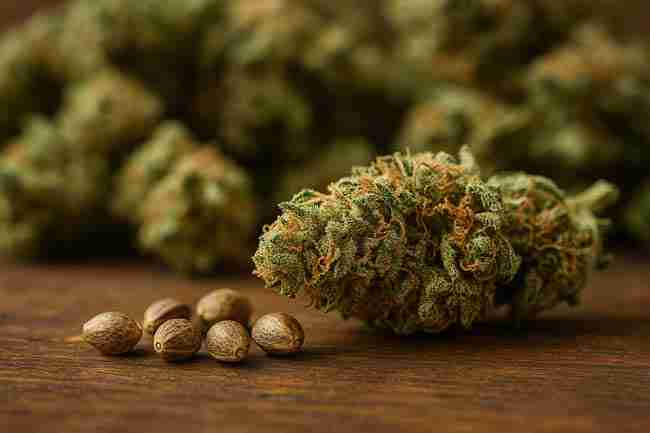
Below is a quick reference of must-run tests before any seed sees a shelf:
| Test | Target Result | Why It Matters |
|---|---|---|
| Germination (100-seed sample) | ≥ 95 % pop rate in 72 h | Guarantees happy customers |
| Feminization (if advertised) | ≥ 99 % female ratio | Prevents accidental males |
| Pathogen PCR (BOT, HLV, PM) | “Not detected” | Protects entire grow ops |
| Moisture Content | 8–10 % | Stops mold in the mail |
Packaging & Storage—Looks Cool, Keeps Alive
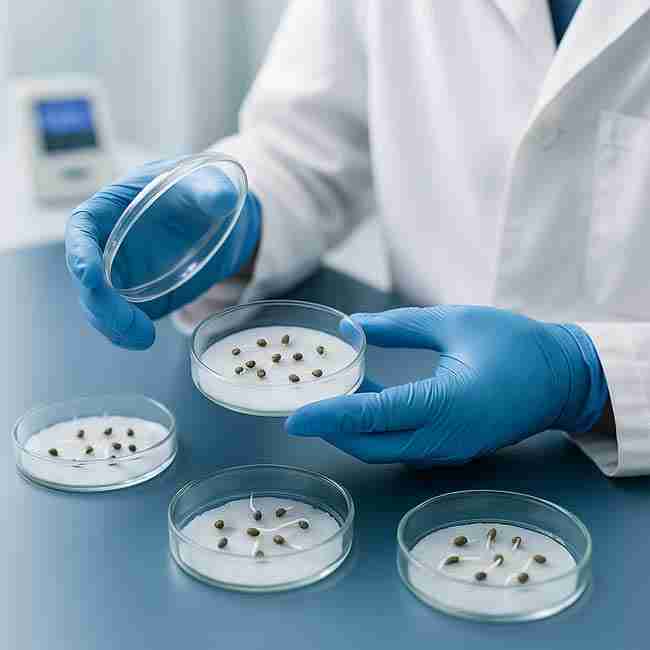
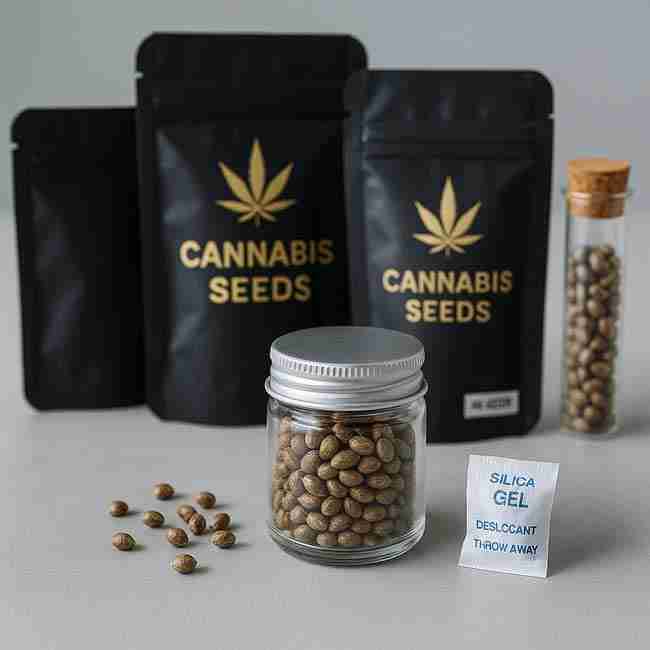
Choose Smart Materials
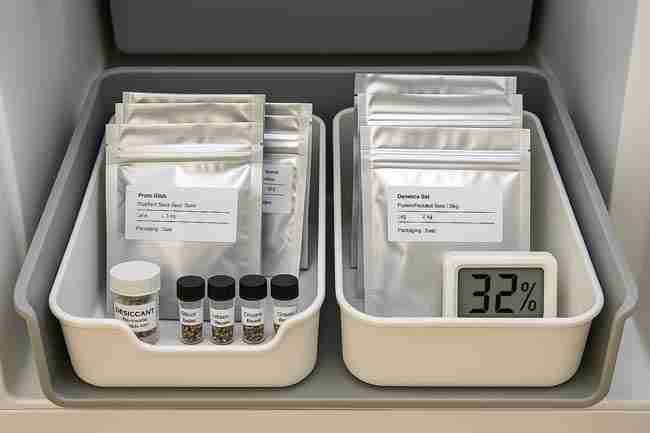
- Foil zip pouches block light and oxygen.
- Glass vials scream boutique quality but need blackout tubes.
Add Desiccants & Nitrogen Flush
Tiny silica packs + inert gas keep humidity near 0 %—seeds can nap for a decade.
Label Everything
- Strain name + batch ID
- Harvest date
- THC/CBD lab results
- Breeder contact (builds trust—and repeat buyers)
Specs Cheat Sheet
- Ideal storage temp: 4–8 °C (fridge door)
- Moisture sweet spot: 8–10 %
- Viability window: 5 years common, 10 + with perfect conditions
- Pack sizes: 3, 5, 10, and 25 count remain industry standard
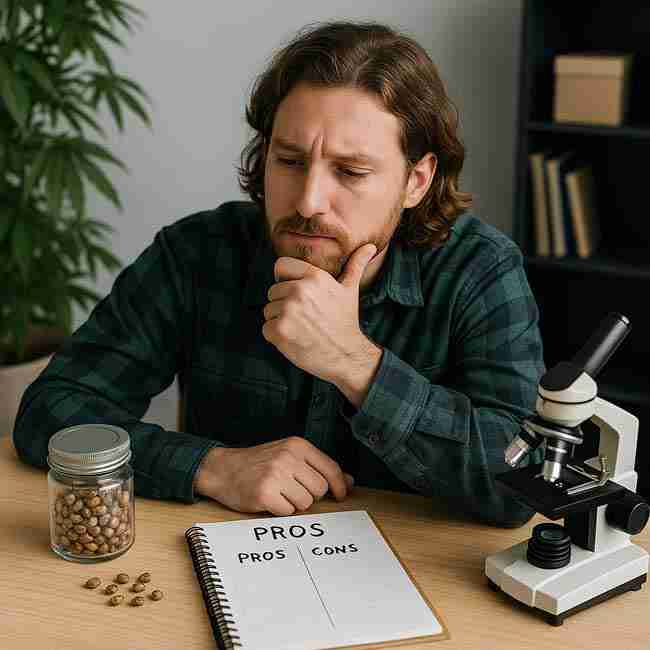
Pros & Cons of Making Seeds Yourself
| Pros | Cons |
|---|---|
| Total control over genetics | Time-intensive (6–24 months) |
| Lower per-seed cost long-term | Requires separate pollination space |
| Unique boutique strains boost brand value | Risk of genetic drift if records sloppy |
| Can select traits for your exact climate | Need legal compliance for pollen handling |
From Seed to Shelf: Your Next Move
Now that you know How Are Cannabis Seeds Made, consider running a micro-breeding project in a spare tent:
- Clone your current favorite female.
- Buy pollen—or swap cuts—with a trusted breeder (outbound reading: International Seed Testing Association guidelines).
- Document every cross in a cheap spreadsheet or—shameless plug—our upcoming StrainSnap app.
- Store seeds with oxygen absorbers and date labels.
- Trial a 10-seed germ test every six months. Toss losers, keep champs.
Frequently Asked Questions
How are cannabis seeds made feminized?
Breeders spray females with colloidal silver or STS, forcing them to make pollen that lacks the Y chromosome. That pollen fertilizes another female, and voilà—almost all-girl seeds.
Can I breed with autoflowers?
Yes, but autos flower on a timer, so synchronize males and females carefully. Expect slightly longer stabilization timelines.
Is home breeding legal?
Depends on your region. In many Canadian provinces it’s allowed for personal use, but always check local regs.
How long can seeds stay viable in the fridge?
With 8 % moisture and 4 °C, you’ll hit 90 % germ rates for 5 years. Freeze-dried seeds—done right—can last 10-plus.
Do I need lab equipment to test seeds?
Not necessarily. A 100-seed germ test and a $20 moisture meter cover the basics. Labs give extra peace of mind for pathogens and cannabinoid ratios.
Internal & External Links You’ll Love
- Internal: Dive deeper into storage with “How to Store Cannabis Seeds for 10+ Years Without Losing Viability.”
- Internal: Nail grow-room cleanliness after pollination with “Homemade Fungicides for Cannabis Plants.”
- External: Check the ISTA for global seed-testing standards (trust badges build SEO authority).
Wrap-Up—But No Summary, Promise!
You’ve marched from phenotype hunts to fancy foil pouches. Each phase—selection, pollination, maturation, testing, and packaging—makes or breaks the little powerhouse you drop into soil. Armed with this knowledge, you can judge seed quality at a glance or even craft your own signature line. Now get out there and start popping beans!