Hop Latent Viroid Cannabis Management: Protect Your Garden from This Silent Yield Killer


You pour time, money, and care into your plants, and you deserve harvests that actually deliver on potency, flavor, and weight. Lately though, a quiet problem has been showing up in more and more gardens. It doesn’t always turn leaves bright yellow or cover everything in webs. Instead it just makes everything a little weaker, a little smaller, and a whole lot less rewarding. That problem is hop latent viroid cannabis, and it has become one of the biggest silent yield killers around.
The good news? Once you understand exactly what it is, how it moves, and what you can do about it, you can protect your garden and keep growing strong. This guide gives you the full picture in plain language so you can spot trouble early, test smart, prevent disasters, and handle things if they ever show up. Let’s dive in and get your grow room working for you instead of against you.
What Is Hop Latent Viroid and Why It Spreads So Easily Through Clones and Shared Tools

Hop latent viroid, often called HLVd or HpLVd, is a tiny circular piece of RNA. It isn’t even a full virus, yet it can quietly take over parts of your cannabis plants and cause real damage. It first showed up in hops, where it caused something called “dudding” — flowers that never really filled out. Around 2019 it jumped into cannabis, and since then it has spread fast across North America and into Canada.
What makes it so sneaky is how easily it moves. The main way it spreads is through mechanical transmission. That means sap from an infected plant gets on your pruning shears, scissors, or even your hands and then moves straight into the next plant when you make a cut or take a clone. Clones are especially risky because you’re literally taking living tissue and rooting it. If the mother plant carries the viroid, every single clone from her will too.
On top of that, the viroid can hang around on surfaces for hours or longer. It has been found in dried cannabis flowers and even in some resin extracts. That’s why shared tools between plants or between growers can turn one infected plant into a whole room full of problems. It doesn’t rely much on insects to move around, although poor hygiene can make everything worse. Once inside, it travels through the plant’s vascular system and can hide in roots, stems, leaves, and flowers.
Here’s the thing that catches a lot of new growers off guard. Cannabis seeds usually carry very low or no risk of passing it on. That’s one big reason many experienced folks prefer starting from quality seeds when they can. Clones from unknown or untested sources are basically rolling the dice with your entire season.
The Science Made Simple – How This Tiny RNA Particle Wrecks Your Yields

Once the viroid gets comfortable inside your plant, it messes with normal growth and the production of the good stuff you actually want. Studies have measured drops in flower weight anywhere from 12 to 42 percent, and in tougher cases up to 50 percent less overall yield. THC and terpene levels can fall sharply too. The trichomes themselves often end up smaller with shorter stalks and smaller heads, so you get less resin and weaker effects.
On top of lower numbers, infected plants tend to become more sensitive to other problems. They can struggle more with things like powdery mildew or certain root issues because their natural defenses take a hit. The viroid doesn’t kill the plant outright in most cases, but it quietly steals the vigor and quality you worked so hard to build.
Spotting Subtle HpLVd Cannabis Symptoms in Vegetative Growth Before Disaster Strikes

One of the hardest parts about hop latent viroid cannabis is that it often stays quiet for a long time. You might not see dramatic leaf spots or obvious bugs. Instead your plants just seem a bit off. They grow slower than they should, make shorter internodes, and put out smaller leaves. Stems can feel more brittle and snap easier than normal. Sometimes you’ll notice mild leaf curling, twisting, or a faint mottled look, but it rarely matches the classic patterns of a nutrient problem.
The symptoms often stay subtle in the vegetative stage and then hit harder once you flip to flower. That’s when the “dudding” really shows up — buds stay small and loose, trichome coverage looks thin, and the whole plant just doesn’t bulk the way healthy ones do. By then you’ve already invested months of light, nutrients, and time.
Key Signs That Set Hop Latent Viroid Apart from Nutrient Deficiencies or Spider Mites
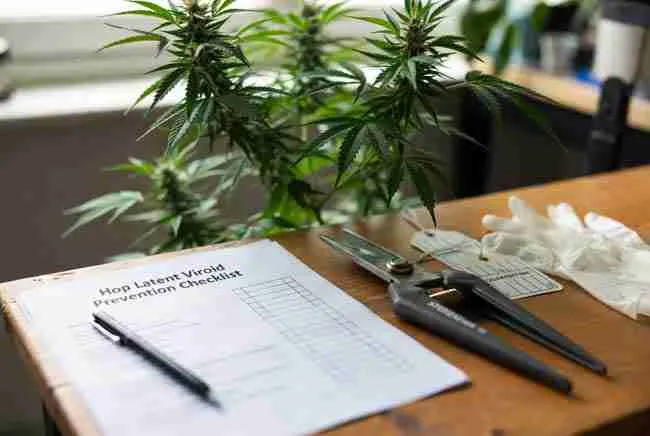
Learning the differences saves you from chasing the wrong fix. Nutrient problems usually follow clear patterns. Magnesium deficiency, for example, shows yellowing between the veins while the veins themselves stay green. Spider mites leave tiny white or yellow stipple marks, fine webbing, and you can actually see the little pests with a loupe or on the undersides of leaves.
Hop latent viroid symptoms feel more general. The plant just lacks the lush, vigorous look you expect. Growth lags behind sisters from the same strain. Stems feel weaker. When you get to flower the buds never reach their full potential even though you did everything else right. That combination of subtle vegetative signs plus disappointing flower development is a classic red flag.
Here’s a handy comparison to help you diagnose faster:
| Issue | Leaf Symptoms | Growth & Stem Impact | Other Important Clues | How It Responds to Fixes |
|---|---|---|---|---|
| Hop Latent Viroid | Mild curl, twist, faint mottling, or almost nothing obvious | Stunted overall, short internodes, brittle stems, reduced branching | Lower potency and terps later, thin trichomes, plants lag behind healthy ones | Does not fully recover with nutes or pest control alone |
| Nutrient Deficiency | Specific patterns (interveinal yellowing, spotting, edge burn) | Can look weak but usually corrects when you adjust feed | Improves within days to a week after correction | Responds well to proper nutrients |
| Spider Mites | Tiny dots/stippling, yellowing, possible bronzing | Can defoliate badly if ignored | Webbing visible, mites seen under magnification | Improves once mites are eliminated |
Use this table as a quick reference when you’re walking your garden. If things don’t match the usual nutrient or pest picture and your plants just feel “meh,” it’s smart to test rather than guess.
Hop Latent Viroid Testing for Home Growers – Simple Steps to Know for Sure

You cannot rely on your eyes alone. Symptoms are too inconsistent. The only reliable way to know is testing. Good news for home growers: options have gotten more accessible. Some rapid molecular kits now exist that work a bit like a home pregnancy test but for plant pathogens. Labs also accept samples from hobbyists and hobby-scale growers.
Choosing the Right Test Method and Sampling Like an Expert
Rapid onsite kits (things like certain isothermal amplification kits) let you swab plant tissue, run a short process, and read results in under an hour in many cases. They’re convenient for quick checks. For the most accurate picture, especially with valuable mother plants, sending samples to a proper qPCR lab is still the gold standard. Roots and crown tissue often show higher levels early on, while young leaves and petioles work well for routine checks.
Here’s a practical step-by-step you can follow:
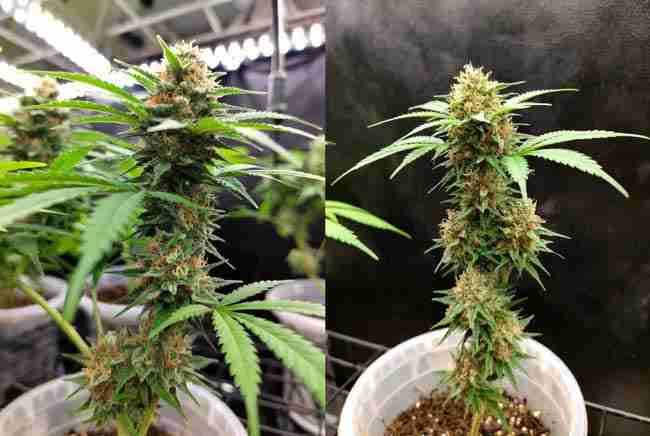
- Decide what you’re testing. Prioritize mother plants first, then any new clones or plants that look even slightly off.
- Collect samples from several spots on the plant. Take young leaves, petioles, or a small root sample. Use clean gloves and tools for each plant so you don’t accidentally spread anything.
- Label everything clearly with plant ID and date.
- If using a rapid kit, follow the kit instructions exactly — usually swab, mix with buffer, add to the device, and wait for the color or line change.
- For lab testing, place samples in the provided bags or tubes, fill out the submission form, and ship according to the lab’s guidelines. Many labs now cater to smaller growers.
- Wait for results (rapid kits are fast, labs usually 3–7 days).
- If positive, isolate that plant immediately and decide on next steps.
Test new arrivals after their quarantine period and re-test mother plants every four to six weeks during heavy cloning seasons. It sounds like extra work, but catching one infected plant early can save your whole garden and months of effort.
Proven Prevention Practices That Actually Work Against Hop Latent Viroid Cannabis
Prevention beats recovery every single time. Once the viroid is in a plant it is very hard to remove without advanced techniques. The smartest growers build habits that keep it out in the first place.
Sterilizing Tools – Your First Line of Defense Done Right

This one step stops more spread than almost anything else. Get in the habit of cleaning tools between every single plant or at least between mothers and clones.
Best options include 70% or higher isopropyl alcohol with at least 30 seconds of contact time, or a fresh 10% bleach solution (one part bleach to nine parts water). Some growers dedicate separate scissors or shears for each mother plant so cross-contamination becomes almost impossible. Wipe or dip, let it sit, then rinse if using bleach so you don’t damage the next plant. Keep a spray bottle and clean rags right in your grow space so it becomes automatic.
Quarantine Protocols That Keep Threats Out of Your Main Garden
Never drop new plants straight into your main room. Set up a separate quarantine area — even a small tent or corner with its own airflow and tools. Keep new plants there for 21 to 30 days. During that time watch for any signs of trouble and test them before you move anything into your main garden. This single habit has saved countless grows.
Sourcing Clean Genetics – Seeds, Clones, and Why It Matters Big Time

This is where you make the biggest difference before anything even enters your space. Quality seeds from reputable sources carry the lowest risk because seed transmission of hop latent viroid appears rare. Clones are convenient but only as safe as the mother they came from. If you buy clones, ask about testing history and consider quarantining and testing them anyway.
Pros of starting from seed: lower pathogen risk, genetic diversity, often cheaper long term. Cons: longer time to harvest, less uniformity than clones from a great mother. Pros of clones: faster, known phenotype, can preserve a favorite plant. Cons: higher risk of bringing in viroids or other issues if the source isn’t clean.
Many growers now keep a small “clean stock” of tested mothers and only take clones from those. Others rotate in fresh seed starts regularly to reset risk.
Realistic Recovery Strategies for Mildly Infected HPLVD Infected Plants

If you catch a mild case early, you have some options, but be realistic. There is no simple spray or drench that wipes out the viroid inside the plant. The goal becomes keeping the plant as healthy and productive as possible while protecting everything else.
Reducing Stress and Boosting Resilience – What Supports Your Plants
Focus hard on perfect environmental conditions. Dial in temperature, humidity, and VPD so the plant isn’t fighting extra battles. Make sure nutrition stays balanced, especially calcium and magnesium, because stressed plants can have uptake issues. Some growers add beneficial microbes or silica supplements to support stronger cell walls. Remove any badly affected leaves or branches if it helps airflow, but remember the viroid is systemic.
You might still get a usable harvest, just smaller and less potent than a clean plant would give. Many experienced growers choose to cull confirmed positive plants rather than risk spreading it further, especially if they have backups or can start fresh. It feels harsh at first, but it protects your future grows and your time investment.
Why Tissue Culture and Clean Stock Programs Matter More Than Ever for Cannabis Virus Management
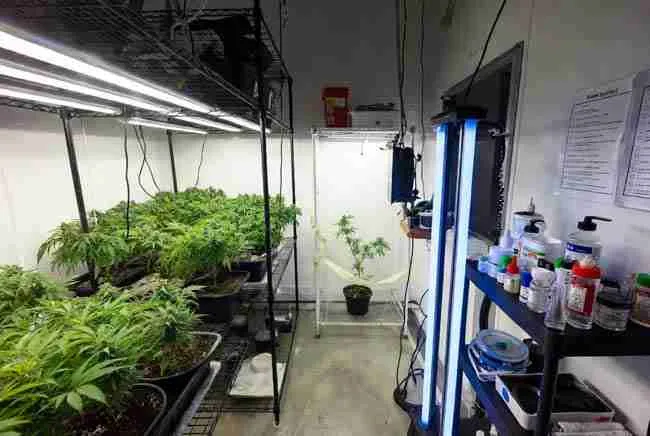
For anyone who has a special keeper strain or wants to build a truly clean garden long term, tissue culture is becoming essential. Labs and some advanced growers use meristem tip culture, sometimes combined with careful heat treatment, to produce new plants that test negative for the viroid even when the original mother was positive. Success rates in studies have been high across multiple varieties.
It takes time and specialized equipment or a good lab partner, but it lets you keep the genetics you love without carrying the problem forward. Clean stock programs are basically organized versions of this idea — they maintain and sell tested, cleaned plant material so you start with the best possible foundation. For serious home growers or small caregivers, using clean stock or sending favorites out for cleaning is one of the smartest long-term moves you can make.
Your Printable Hop Latent Viroid Cannabis Management Checklist
Print this out, stick it on your grow room wall, and check things off. It turns good intentions into real habits.
- Test all mother plants every 4–6 weeks during active cloning periods
- Sterilize every tool between plants (70%+ IPA or fresh bleach solution)
- Set up a dedicated quarantine space for all new plants
- Keep new plants in quarantine 21–30 days and test before moving them in
- Source genetics from tested clean stock or quality seeds whenever possible
- Never share tools or clones without testing and sterilizing first
- Walk your garden weekly looking for subtle stunting or off-looking plants
- Keep grow room surfaces, floors, and equipment clean and organized
- Have a plan ready for isolating or culling any confirmed positive plants
- Consider tissue culture or clean stock services for your most valuable keepers
- Document testing dates and results so you can spot patterns over time
- Educate anyone who helps in your garden about tool hygiene and quarantine rules
Use this checklist every single cycle. It takes just a few minutes but saves you from the heartbreak of a silent dud harvest.
Frequently Asked Questions About Hop Latent Viroid Cannabis
What exactly does hop latent viroid do to cannabis plants?
It lives inside the plant cells and interferes with normal growth and the production of cannabinoids and terpenes. You often see reduced vigor, smaller flowers, lower potency, and weaker overall performance, especially once plants reach flowering.
Can I still get decent buds from plants that test positive for hop latent viroid?
Mild cases sometimes still produce usable flower, but expect noticeably smaller yields and lower cannabinoid and terpene levels. Many growers report the quality just isn’t the same as clean plants. It’s your call whether to keep or cull.
Is it safe to smoke or use product from HpLVd infected plants?
The viroid itself isn’t known to cause issues for human consumers the way some other plant pathogens might. However, the reduced potency and altered terpene profile mean the experience won’t be as good as from healthy plants.
Do cannabis seeds carry hop latent viroid?
Current research suggests seed transmission is rare or nonexistent for this particular viroid. Starting from quality seeds is generally much safer than taking clones from untested mothers.
How often should home growers test for hop latent viroid?
Test mother plants every four to six weeks if you’re actively taking clones. Always test new plants after quarantine and before they join your main garden. Testing is cheap insurance compared to losing a whole cycle.
What’s the best way to sterilize tools against hop latent viroid?
70% or higher isopropyl alcohol with at least 30 seconds contact time works very well. A fresh 10% bleach solution is also effective. Many growers keep dedicated tools per mother plant to make life even safer.
Can tissue culture really clean an infected plant?
Yes. Meristem tip culture, sometimes with thermotherapy, has successfully produced clean plants from infected mothers in multiple studies. It’s not a quick home fix, but lab services and clean stock programs make it accessible.
What should I do if one of my plants tests positive?
Isolate it immediately. Decide whether to try supportive care for a mild case or cull it to protect the rest of your garden. Have backup genetics ready so you’re never starting from zero.
You now have everything you need to understand, spot, test for, prevent, and manage hop latent viroid cannabis. The growers who stay on top of this are the ones still getting excellent harvests year after year while others wonder why their plants just aren’t performing. Build these habits into your routine, use the checklist, and test when something feels off. Your garden will thank you with bigger, better, more potent buds.