Homemade Fungicides for Cannabis Plants: Keep Your Green Ladies Happy, Healthy, and Mold‑Free


You want sticky buds, not fuzzy ones. When mold sneaks in, it can trash months of care faster than a kid spills milk. Good news—you don’t need pricey store bottles. You can whip up strong, safe, and penny‑pinching fixes right in your kitchen. Stick with me, and you’ll learn every trick in the book.
What Is a Cannabis Fungicide, and What Is It Used For?
A fungicide is anything that stops or kills fungi. When you spray it on a cannabis plant, it does three simple jobs:
- Protect – it coats leaves and buds so spores can’t settle.
- Cure – it slows or stops an infection that’s already chewing on your crop.
- Prevent Spread – it keeps sick leaves from passing trouble to healthy ones.
Without a fungicide, mildew chomps through sugar leaves, bud rot eats your cola cores, and roots drown in brown goo. Yuck!
Common Types of Fungi in Cannabis Plants
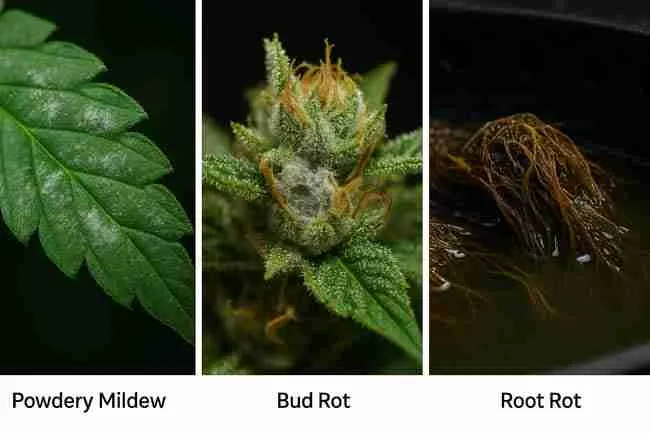
Powdery Mildew (PM)
Light, dusty, and white—like someone flung flour on your foliage. It loves dry leaves, cool nights, and tight plant spacing.
Botrytis (Bud Rot)
Gray, spongy, and wet. Sneaks into fat buds after a rain or heavy dew. Inside looks like soggy bread—smells even worse.
Pythium (Root Rot)
Lives in water and soil. Roots turn slimy, brown, then mush. Seedlings keel over, and adults wilt like hot lettuce.
Fusarium Wilt
This one clogs the plant’s plumbing. Leaves yellow from the bottom up, and stalks show brown streaks if you slice them.
However, you can knock all these nasties out with homemade brews you find below.
Why Is It Important to Use Cannabis Fungicides?
- Save Your Yield – mold can wipe 60 % of buds in a single humid week.
- Boost Potency – sick plants divert energy from resin to survival.
- Keep Terpenes Sweet – mildew leaves musty flavors; healthy flowers smell true.
- Stay Legal – contaminated bud fails microbial tests in many provinces and states.
- Protect Your Health – smoking mold spores can storm your lungs.
Ignoring fungus is like leaving the barn door open—critters will come running.
Benefits of Using Homemade Cannabis Fungicides

- Cost‑Cutter – kitchen staples beat $30 bottle sprays hands down.
- Organic Vibes – no harsh residues, so your flower stays clean and market‑ready.
- Quick Mix – make a batch in five minutes flat.
- Control Ingredients – you know every drop that hits your garden.
- Eco‑Friendly – many recipes break down harmlessly in soil.
Dangling on a shoestring budget? Homemade brews have your back.
Pros
- Cheap to produce
- Easy to adjust strength
- Readily available ingredients
- Gentle on beneficial bugs when used right
Cons
- Short shelf life (mix fresh)
- Need frequent re‑application after rain
- Over‑strong mixes can burn leaves
What Is a Natural Fungicide for Cannabis?
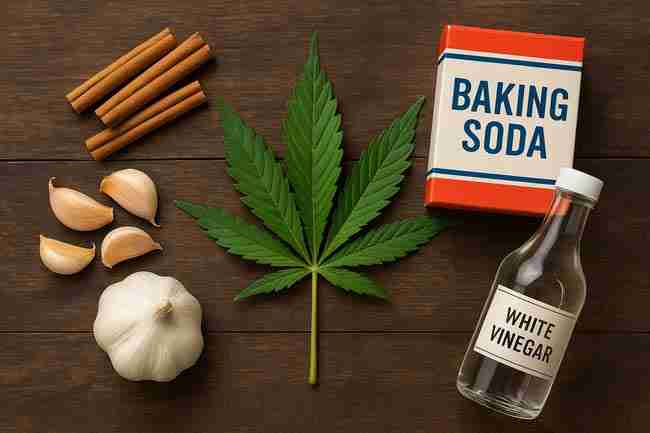
A natural fungicide comes from plants or minerals you can pronounce—garlic, baking soda, vinegar, neem oil, horsetail tea, milk, cinnamon, and copper soap. You avoid synthetic chemicals like chlorothalonil, thereby keeping your buds and the planet safer.
What Is the Best Homemade Fungicide?

Truth bomb—no single spray rules every fungus. You pick the right horse for the right course. Still, if I had to grab one go‑to, I’d choose baking soda + Castile soap + water. It’s cheap, works on mildew, and rarely burns leaves when mixed right.
Old growers say: “If it’s good enough for grandma’s roses, it’s good enough for ganja.”
How Do You Make Homemade Fungicidal Drench?
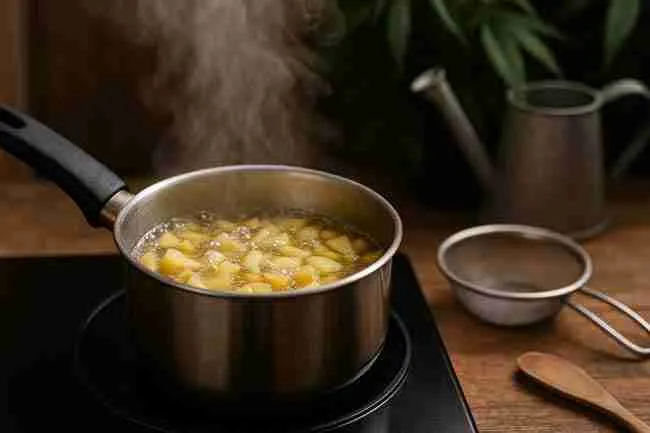
A drench soaks the root zone rather than coats the leaves. Try this garlic‑ginger powerhouse:
- Chop one full garlic bulb and a thumb of fresh ginger.
- Simmer in 1 L of water for 20 minutes.
- Cool then strain through cheesecloth.
- Dilute 1:5 with room‑temp water.
- Add 1 tsp molasses (this feeds good microbes that fight fungus).
- Pour slowly at the base of each plant until the root ball is moist but not flooded.
Repeat every 10 days while infection persists.
Does Vinegar Work as Fungicide for Plants?
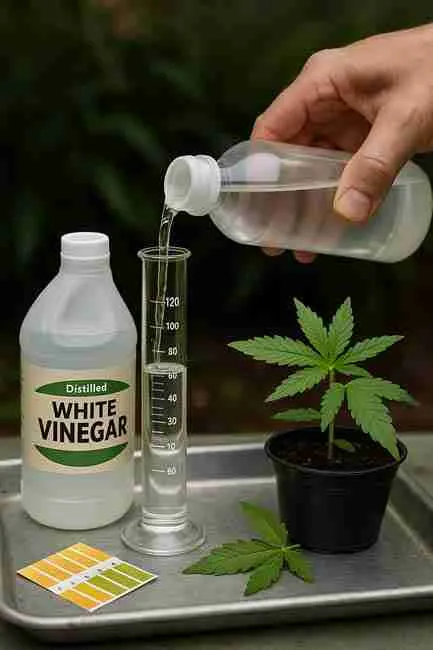
Yes. Household white vinegar (5 % acetic acid) drops pH on contact, poking holes in fungal cell walls. Still, straight vinegar will torch leaves.
What Does Vinegar Do to Cannabis Plants?
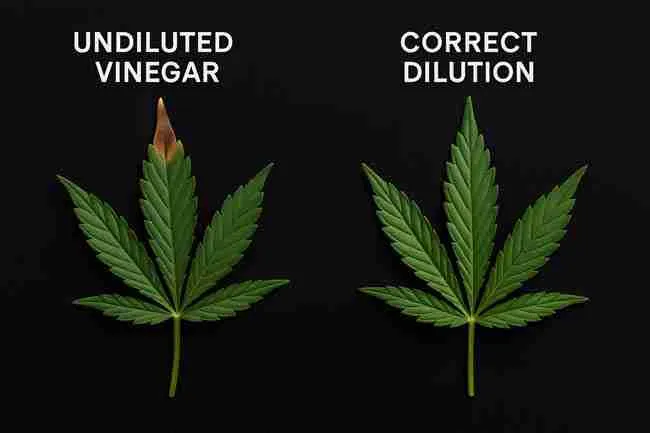
- Diluted (1 tbsp per quart of water) – it zaps spores on stems and pots without leaf burn.
- Undiluted – it fries foliage and can stunt growth like nobody’s business.
Use it on hard surfaces, tent walls, and tools more than on living tissue.
How to Use Baking Soda as Fungicide?
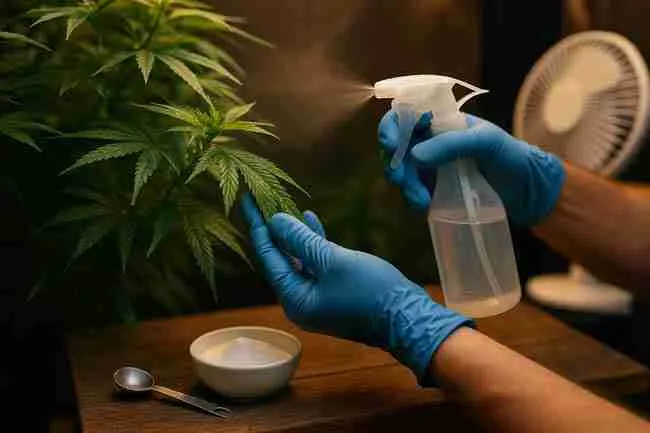
- Mix 1 tsp baking soda + 1 L water.
- Add 3 drops liquid Castile or unscented dish soap (helps it stick).
- Spray tops and bottoms of leaves at lights‑off.
- Repeat twice per week until mildew is gone.
Baking soda shifts leaf surface pH above 8, a zone fungi hate. Boom—spores stop germinating.
What Is a Natural Fungus Killer?
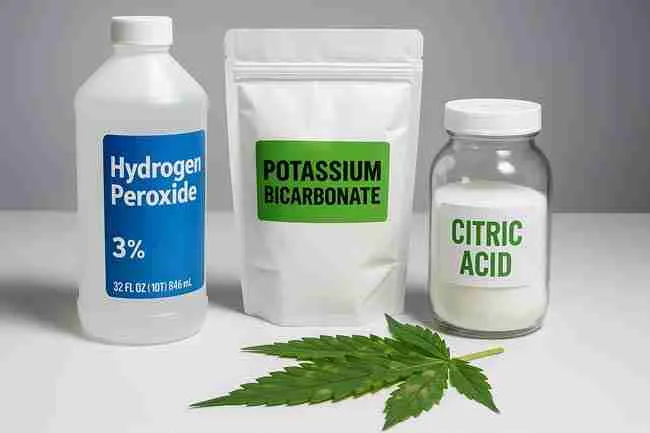
A killer strikes existing fungus hard. Hydrogen peroxide (3 %), potassium bicarbonate, and citric acid sprays wreck spores fast. Combine them wisely, though, because too much can bleach trichomes.
Is Cinnamon a Fungicide?

Bingo. Cinnamon holds cinnamaldehyde, an oil that tears fungal membranes. Brew 2 tbsp ground cinnamon in 1 L hot water, steep overnight, strain, then mist infected buds. It smells like cookies and fights like a champ.
What Is Garlic Fungicide for Cannabis and How Do You Make It?
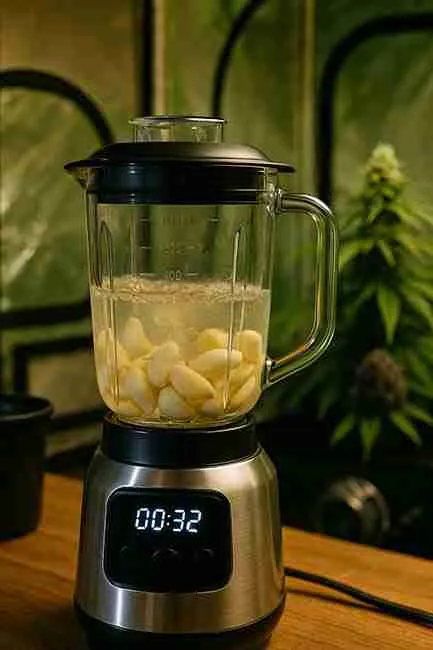
Garlic oozes allicin, a broad‑spectrum fungicide.
Quick Recipe
- Blend 10 peeled cloves with 500 ml water.
- Let sit 24 hours (letting the allicin develop).
- Strain, then dilute 1:10 with water.
- Add a squirt of mild soap to stick.
- Spray twice weekly.
Keep leftovers in the fridge for up to five days.
Is Copper Fungicide Good for Cannabis?

Copper ions punch holes in fungal enzymes. A homemade copper soap (copper sulfate + fatty acid) works, yet overdoing copper can build up in soil and lock out iron. Use once a month at half the label rate and flush beds at season’s end.
Pros: strong, rain‑fast, handles blight. Cons: potential phytotoxicity, heavy‑metal buildup.
Fungicide Comparison
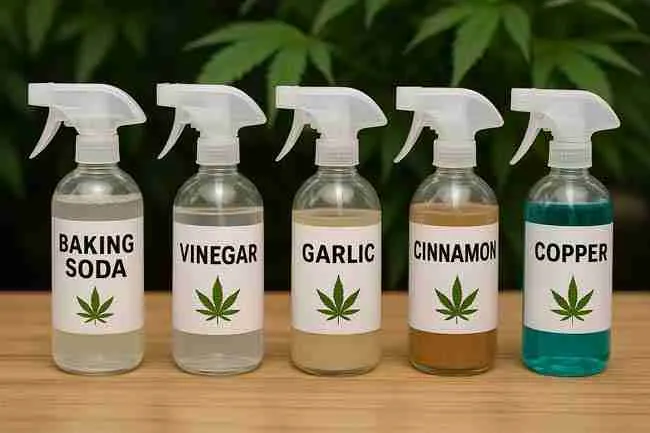
| Recipe | Main Ingredient | Use Rate | Pros | Cons |
|---|---|---|---|---|
| Baking Soda Spray | Sodium bicarbonate | 1 tsp/L | Cheap, safe, PM control | Needs frequent re‑spray |
| Vinegar Solution | Acetic acid | 1 tbsp/L | Disinfects surfaces | Leaf burn risk |
| Garlic Tea | Allicin | 1:10 dilution | Broad spectrum, leaves aroma | Short shelf life |
| Cinnamon Brew | Cinnamaldehyde | 2 tbsp/L | Smells nice, fights rot | May clog sprayers |
| Copper Soap | CuSO₄ + Fatty acids | Half‑label | Rain‑fast, strong | Heavy‑metal buildup |
How to Properly Apply Homemade Cannabis Fungicides
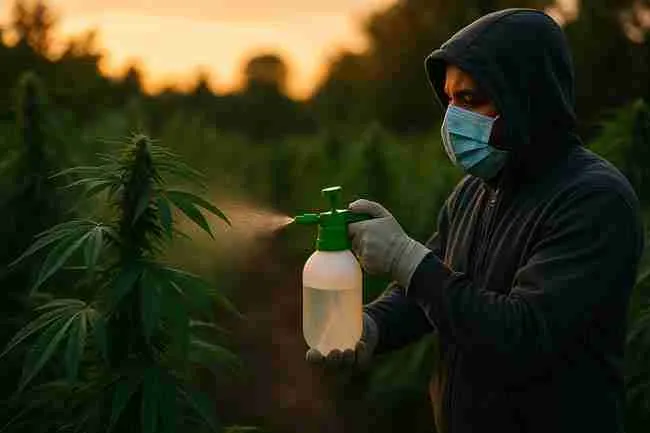
- Test First – spray one leaf, wait 24 hours. No burn? Proceed.
- Spray at Dusk – strong sun + sprays = leaf scorch.
- Reach All Sides – lift leaves, hit undersides where spores hide.
- Mind the Buds – keep heavy liquids off dense flowers after week six of bloom; use fine mist instead.
- Wear Gloves & Mask – protect your skin and lungs.
- Rotate Recipes – swap active ingredients weekly so fungus can’t adapt.
- Record Everything – note date, mix, and result. That’s how pros dial in success.
When Should You Apply?

- Preventive – start weekly at the first sign of humid weather or when switching to bloom.
- Curative – spray at first fuzzy spot; act fast, because hours matter.
- After Rain – water washes off films; re‑coat once leaves dry.
Rain knocked your spray off? No worries—hit ’em again as soon as the sun pops out.
Final Thoughts
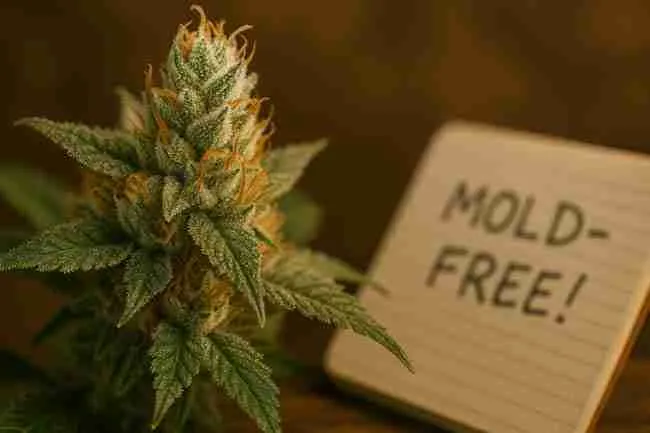
Healthy cannabis speaks through shiny leaves, strong stems, and sweet smells. Fungus mutes that song. You now hold a full toolbox of homemade fungicides for cannabis plants—cheap, cheerful, and effective. Mix small, test first, stay consistent, and you’ll dodge mold like a pro. Your buds will thank you with crystal coats, rich aromas, and top‑shelf potency. So grab that kitchen gear, whip up a batch, and give your green ladies the mold‑free life they deserve.
FAQ – Fungicides for Cannabis Plants
Q: Can I mix baking soda and vinegar together?
A: Don’t. They cancel each other out and turn into salty water.
Q: Will these sprays hurt my beneficial microbes?
A: Gentle recipes (garlic, cinnamon) are microbe‑friendly when diluted; peroxide and copper can harm soil life, so drench with compost tea afterward.
Q: How long before harvest can I spray?
A: Stop foliar sprays two weeks before chop to keep flavors pure. Switch to dry dusting or remove infected buds by hand.
Q: Do I need surfactant?
A: A drop of soap helps any spray stick better, especially on waxy leaves.
Q: What’s the safest option for indoor tents?
A: Baking soda solution—low odor, low residue, easy cleanup.
Q: Can I store leftover spray?
A: Most mixes lose strength fast. Make what you need, dump the rest on weeds in the driveway.
Q: Will homemade sprays show up on lab tests?
A: Dilute mixes rarely leave detectable residues, but always run a small batch through testing if you sell commercially.