High THC Cannabis Seeds


You searched for a stronger pack, and the pages that came up stacked familiar names, printed a percent, and moved on. That percent is a dried-flower result from a plant somebody already grew. The seed in the mail is the start of the story: the instructions, still sealed.
High THC Cannabis Seeds are genetics that can reach a high test when the plant is the right phenotype and the room lets her finish. Shoppers treat the printed number like a receipt. Growers treat it like a ceiling: the best a line has shown, usually on a selected plant, after a real dry. Your tent can land under it. Landing over it because a webpage was loud is rare.
Ask a narrower question than “which pack wins.” What does this pack claim, what part of the plant was tested, and can you give her the weeks and the light. Marijuana in a retail jar was flower that already finished. Weed you grow from seed is still months away from anything a lab would weigh. This is how to read the claim, how the harvest and the dry move the result, and how to buy a pack that fits the tent you have.
High THC Cannabis Seeds Are a Ceiling
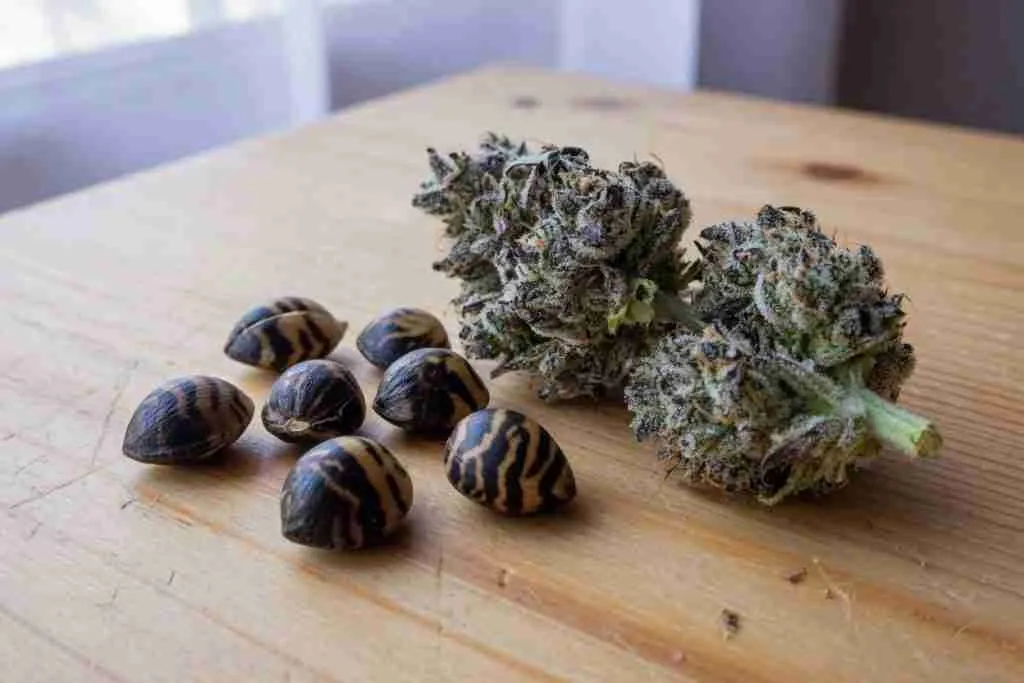
A seed bank prints a number because shoppers sort by it. The pages ranking on Google and Bing right now are mostly catalogs: feminized packs, a figure in the twenties, and the words “up to” doing the heavy lifting. Browse names there. Learn what the figure means before you let it pick the pack.
Dried flower around 20 percent THC and above is what growers call high. Verified flower that a lab report can stand behind often sits in the mid-twenties, and selected plants sometimes push around 30 percent. A single plant can spike above her sisters. A whole pack will not spike together. A banner in the mid-thirties, or a shout in the forties, is usually one lucky test, a math trick, or marketing.
Genetics still decide how much resin the plant can stack. A mild line, grown with care, stays mild. A strong line, grown lazy, misses the number on the pack. Percent is also concentration, while dose is how much you smoke. A small bowl of flower in the mid-twenties and a large bowl of something milder can feel similar on the same night. Tolerance moves the session more than a one-point gap on a webpage.
The Seed Itself Has No THC
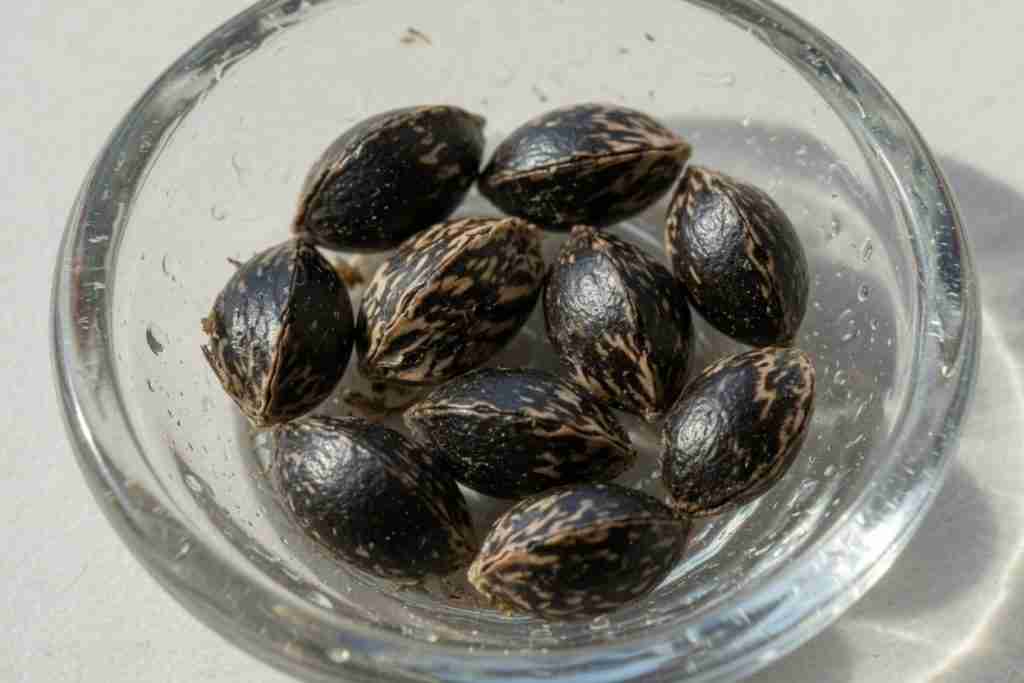
Crack a seed and you find an embryo and a food store, wrapped in a shell built for a mailbox. THC shows up later, in gland heads on the flowers, after weeks in bloom. The seed carries the recipe. The plant has to cook it.
People say “high THC seed” to mean the parents tested strong and the offspring have a shot at a similar range. Each seed is still its own plant. One sister stacks thick resin. Another stretches, finishes airy, and tests a few points lower. Both came out of the packet. The spread is wider on a fresh cross than on a line a breeder has worked for years. Pop them when you can actually flower the plants, and judge the pack by the flowers you finish.
The Flower Is What Gets Tested

Labs weigh dried flower. Fan leaves, stems, and seeds are a different sample, and a proper number is THC as a share of dry bud weight. Wet flower looks weaker on a test because water is still in the sample, then the same plant reads denser once that water is gone. The percent people quote lives after the dry. Sugar leaves can glitter and still dilute a ground sample. Compare bud to bud.
Most of what sits in raw flower is THCA, the acid form. A flame or a vaporizer converts it to THC. An honest total THC line multiplies THCA by about 0.877 and adds the small amount of THC already active. A label that adds the THCA percent to the THC percent, with no conversion, prints a bigger number than the smoke. If you hold a lab sheet, read total THC, the lab name, the date, and the sample type. A sheet from another batch, years ago, is history. Total cannabinoids is a fatter column because it rolls in CBD, CBG, and the rest. No batch number on the pack means the figure is a heritage claim from a breeding plant, and your seeds are a step removed from that day.
Read the Pack Like a Grower
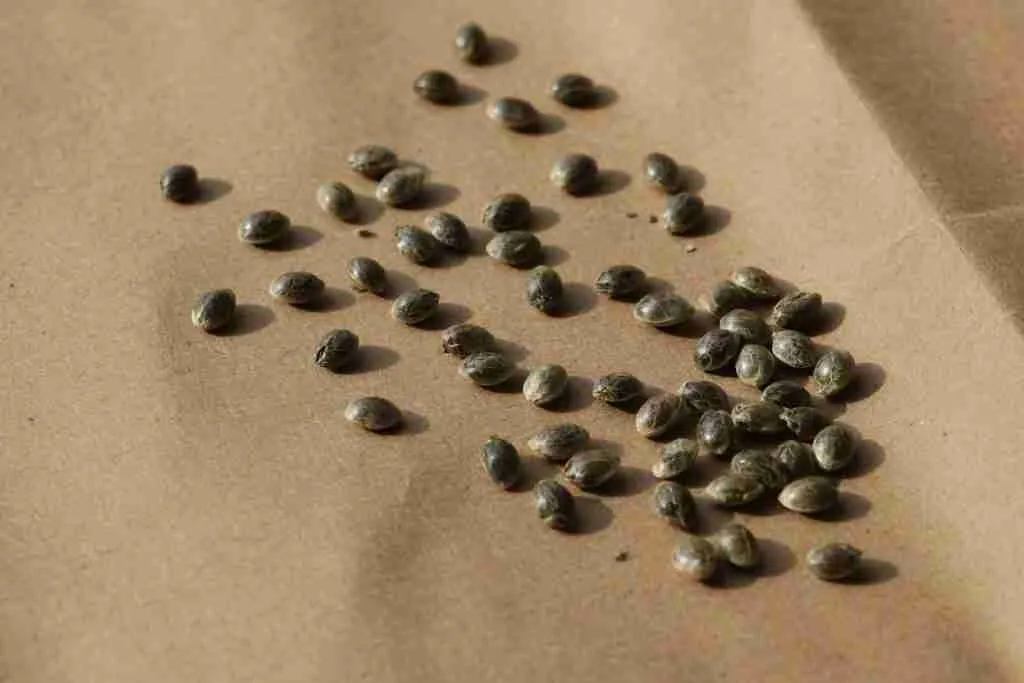
Seeds on a plain surface tell you they finished on the mother and dried hard enough to store. They tell you nothing about potency. Read the printing around them: the name, the seed type, a range or a single hero number, and whether the parents are named.
A range is the adult version of the claim. A band in the low-to-mid twenties on selected plants says where the line tends to live. “Up to” says the best day they will advertise. GG4, Wedding Cake, and Bruce Banner show up on strongest-strain lists because people recognize the families. The pack in your hand is one version of a family, or a cross that borrowed the fame. A named cross with both parents you can look up beats a renamed cut and a trophy number. The family hints at stretch, bloom length, and smell. The percent hints at the best day they measured.
Up To Means One Lucky Plant
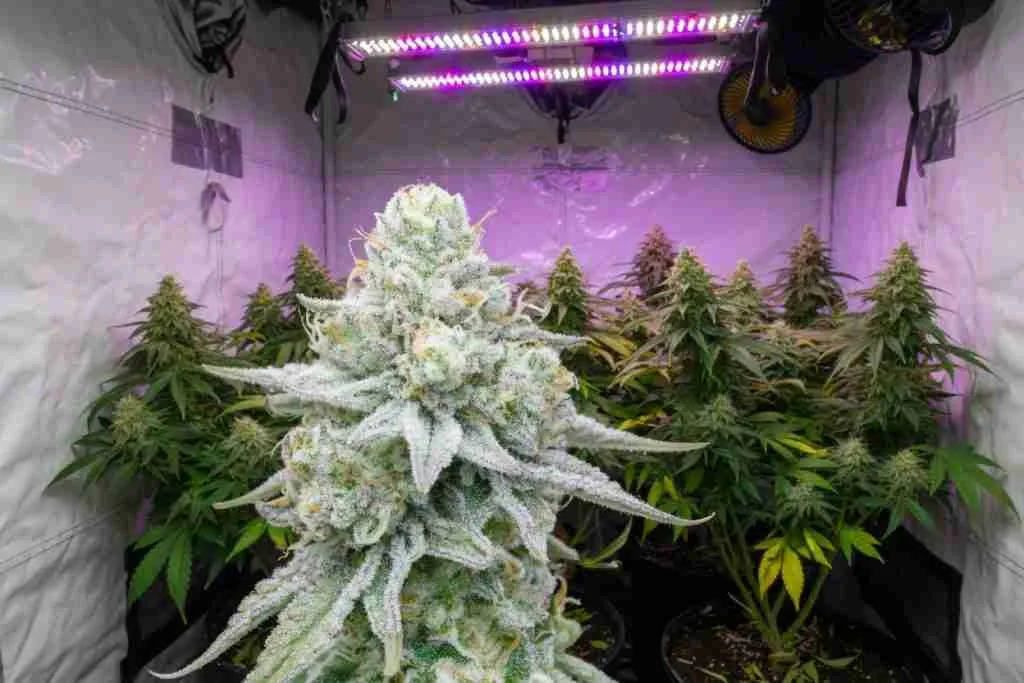
“Up to” is the breeder’s best plant, measured once, then printed as if it were the pack. One cola in front can be caked while the plants behind it are merely good. That front plant becomes the catalog number. The row behind it is closer to a normal run. If your keeper lands a few points under the banner, the seeds may still be exactly what they claimed. The banner described their selected plant, a ceiling you might touch on a great run.
Phenotype is the plant you actually got. The genotype is the genetic hand. A fresh cross throws a wide hand: one keeper, a couple of middles, and one you will not run again. A worked line clusters, and that cluster is what the years of selection are for. I will take a stable line in the mid-twenties over a sketchy figure in the mid-thirties on a site that will not show a batch. The mid-twenties plant, finished clean, is smoke you can replace.
Terpenes Decide How It Feels
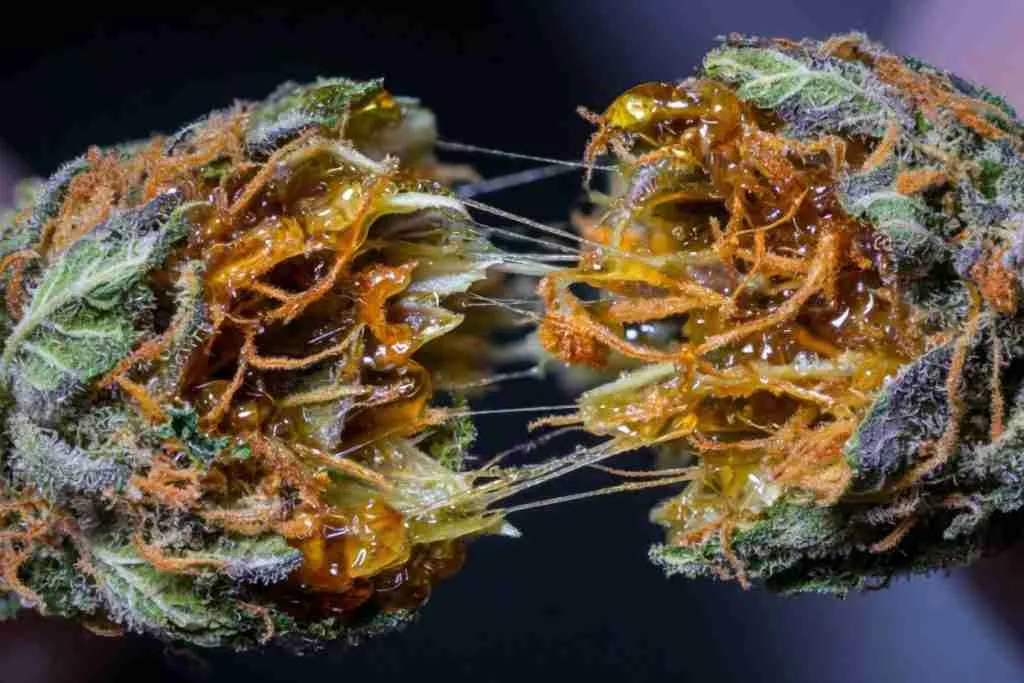
Two flowers can print the same THC number and feel different in the jar. Break a bud and the smell is mostly terpenes: myrcene, limonene, caryophyllene, pinene, and a long tail of smaller ones. They shape flavor and the character of the effect. A gassy, heavy flower and a bright, sharp flower can both sit near 24 percent. Your nose already sorted them.
If the breeder prints a terpene profile from a real batch, read it the way you read total THC. If they only print THC, treat the little effect icons as a guess. A hot, fast dry blows the top notes off and leaves the flower flatter even when the THC number barely budges. The highest number in the shop, stuck to a smell you dislike, becomes a jar you avoid.
Same Percent, Different Lean
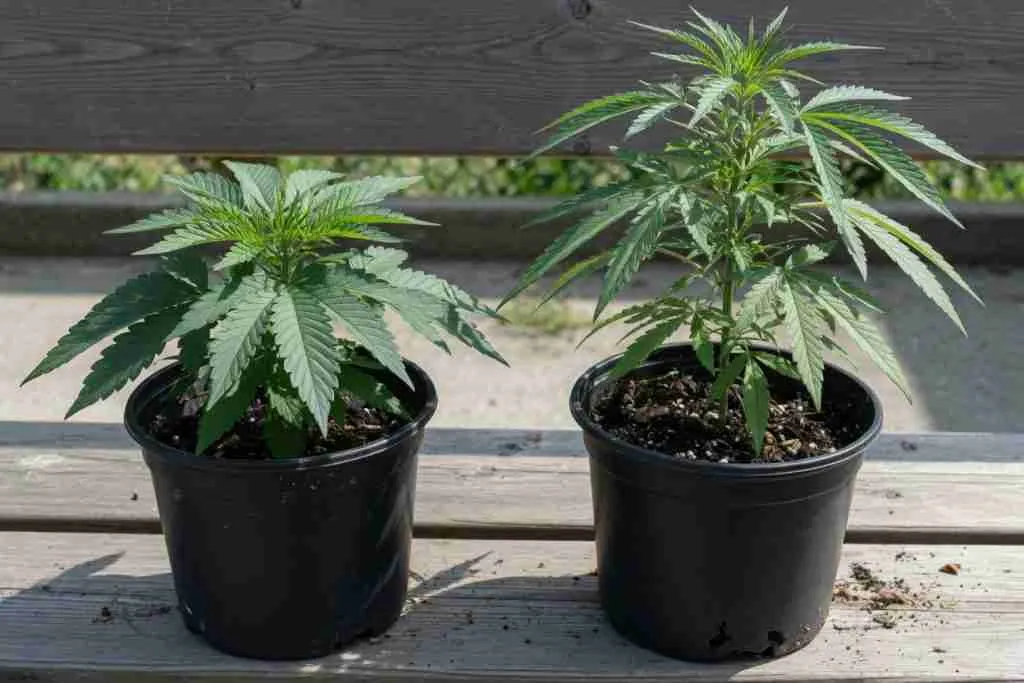
Indica and sativa describe leaf shape and growth better than they describe the high. A short, broad-leaf plant and a taller, narrow-leaf plant can carry similar THC and still behave differently in the tent. The broad-leaf plant often stays shorter and stacks denser. The narrow-leaf plant often wants height and a longer bloom. What people call a heavy stone or a bright lift is mostly the cannabinoid mix, the terpenes, and the tolerance of the person smoking. Evening smokers can find 22 percent ordinary. Someone who rarely smokes can find a milder flower like plenty. The indica and sativa comparison is the longer read on how those plants grow. For potency, stay with the resin, the dry weight, and the nose.
The Room Has to Let It Happen

Genetics set the ceiling. The room decides whether you get near it. A flowering canopy under a real light, with air moving and the tops intact, is the minimum version of giving the pack a chance. Dim light grows leaves and leaves the calyxes loose. If the plant stretches toward the lamp and the buds stay airy, fix the light before you blame the seeds.
A workable flower room sits around the mid-twenties Celsius by day, a little cooler at night, with humidity stepped down as the colas tighten. By the last weeks, many growers want the air nearer the low forties so a dense bud is not wet in the core. Those are working ranges, and a city apartment will drift. A room that runs much hotter, or stays muggy through late flower, gives up smell and invites rot before genetics deserve the blame. Feed a plain bloom diet. There is no bottle that turns a mild genotype into a 30 percent jar. The flowering stage guide walks the weeks if you want the timeline. Potency still comes back to resin on the bud.
Sisters From the Same Pack

Several seeds means several sisters. In one canopy you will see a cola that frosts early, a neighbor that stays greener, and a lower site that yellows because it lost the light. Pick the keeper by smell, resin, and how clean she finished. One plant in the tent is one card from the hand. She might be the best seed in the pack or the forgettable one, so a single run is a thin review of the line.
Mark them with tape and a number. When one plant smells like the reason you bought the pack, take a cut if she is a photoperiod and you have a corner for a mother. The others can still be good smoke.
Cloudy Trichomes, Not a Calendar
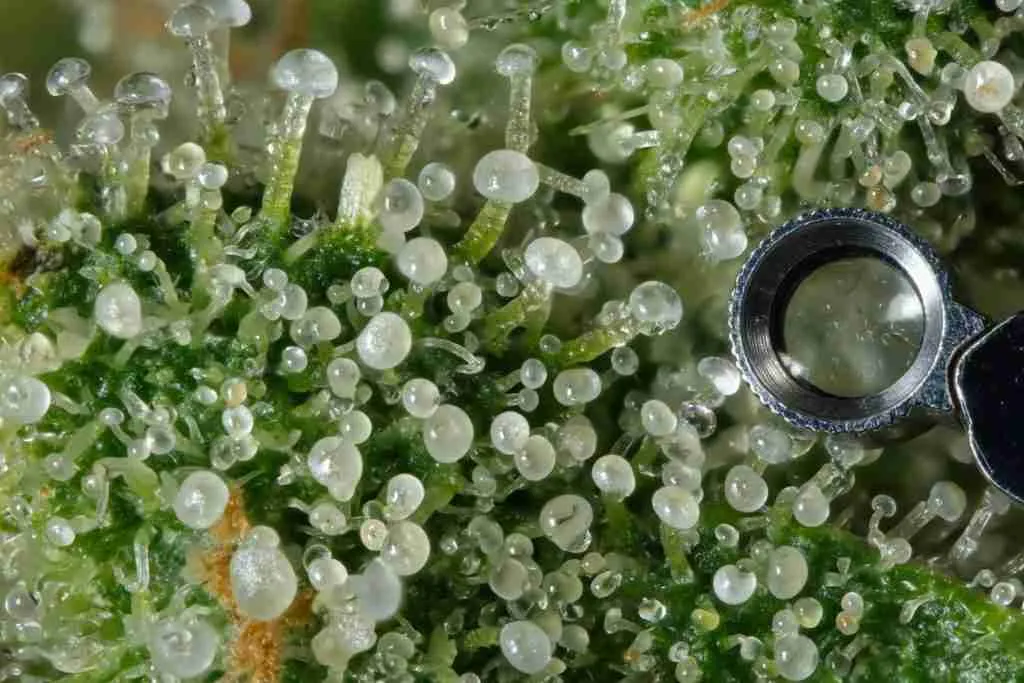
A printed bloom length is an average on the breeder’s clock. Eight weeks, or about 56 days, is a hint. Look at the gland heads on the bud, not on the sugar leaves, which amber early and talk people into an early chop. Clear heads are early. Cloudy heads are the window most people want for a strong, bright effect. A mix of cloudy and amber leans heavier. Mostly amber means more of the THC has shifted toward CBN, and the jar usually feels sleepier.
A loupe or a steady phone macro is enough. You are watching the color of the heads. The thickness of that forest is the genetics and the light you already gave them. Cut only because a site said day 56 and you can miss in either direction: still clear, or so late the mold risk climbed with the amber. The harvest and cure walkthrough covers the chop. On the morning you cut, trust the heads.
Heat and a Wet Finish
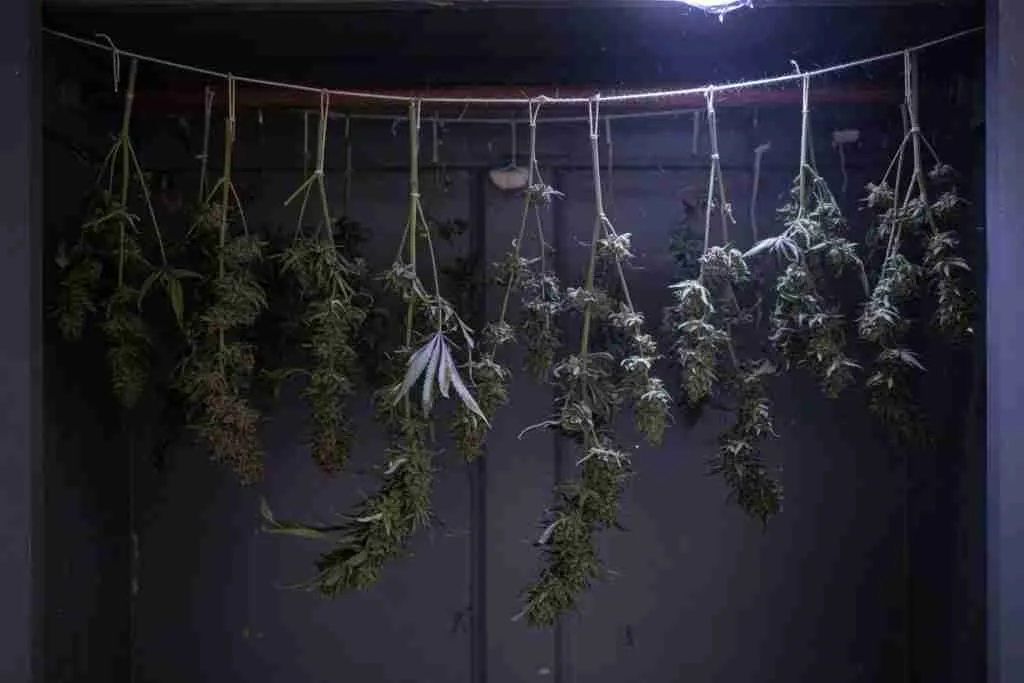
Late flower punishes heat and a wet finish. Hot nights push foxtails, thin the smell, and loosen buds that should have stayed tight. A soggy tent in the last two weeks invites rot in the densest colas, the flowers you were counting on. Hang plants or branches in the dark, spaced, with air that moves and does not blast them. The hang-drying comparison lays out whole plant, branch, and rack.
A cool room often wants something like ten to fourteen days. Judge by a stem that snaps, a core that is dry, and a smell that is still the plant. Three hot days in a closet lock in a hay smell. The genotype can be excellent and the jar can still smoke green. The number you feel is the number after this step.
Seed Type and the Ceiling
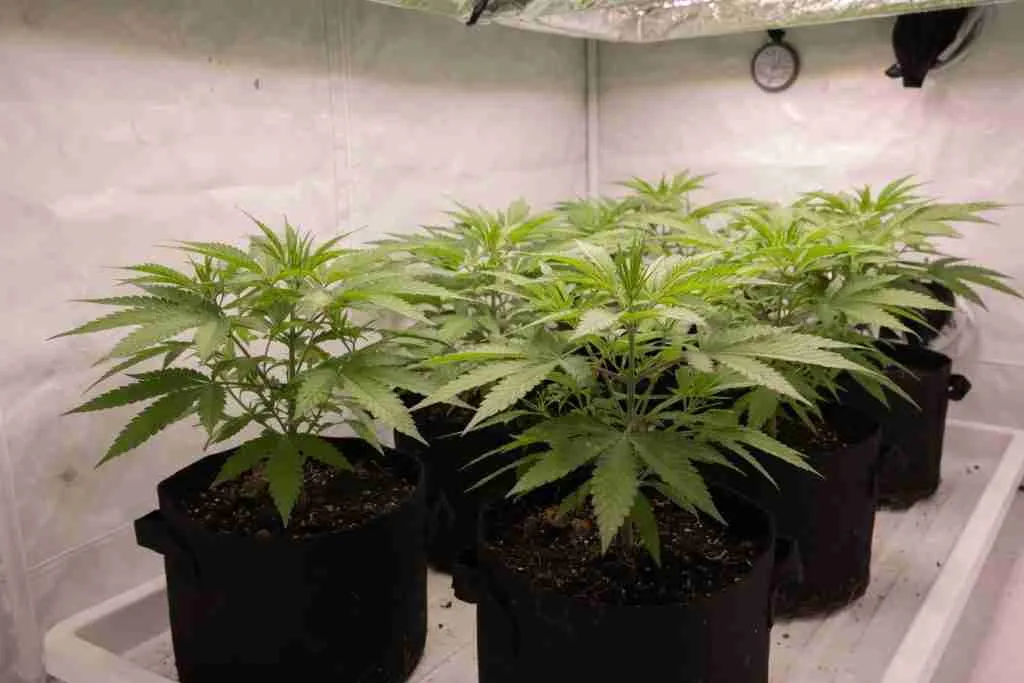
The ceiling is genetic. The seed type is the clock you get while you chase it. Photoperiod feminized, autoflower, and regular seed can all look like ordinary weed in veg. The schedules split the week you wish they were the same plant. Shops push feminized photoperiods for the highest-THC lists because a breeder can veg them, flip them on a timer, and select for resin. Autos can still test into the twenties, and selected plants go higher than that floor. Regulars are how you hunt a male and a female on purpose. The feminized versus autoflower breakdown is the decision page if this is your first pack. Your calendar, your tent height, and whether a male would ruin the run are the real filters.
Photoperiod Feminized Packs
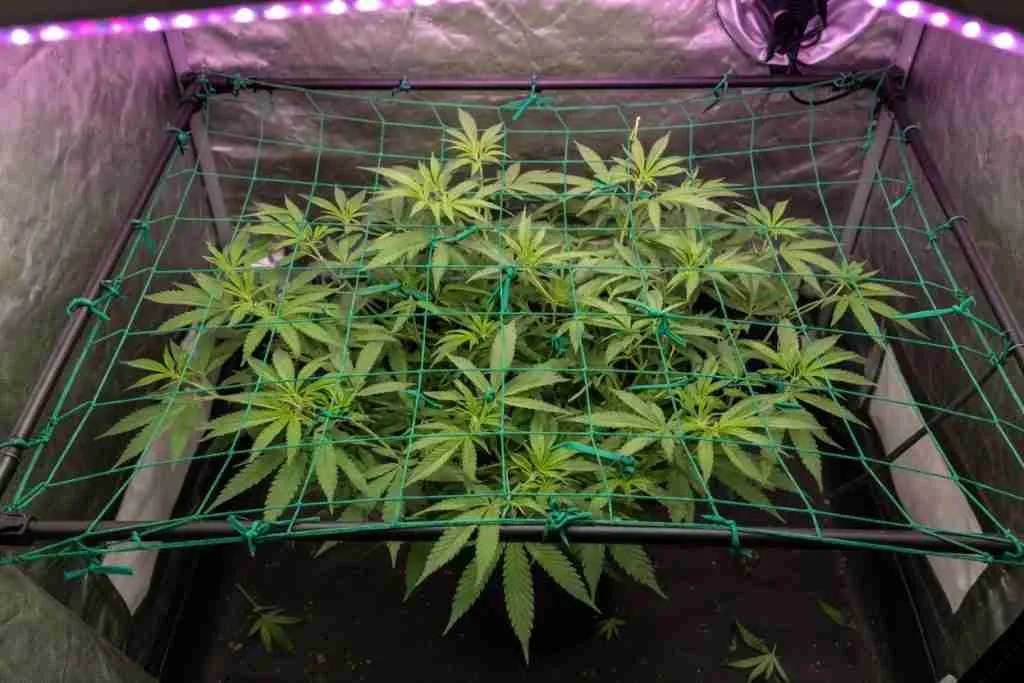
A feminized photoperiod stays in veg under a long day and flowers when you shorten it. Top her, spread her under a net, and fill the footprint before the flip. More bud sites under a decent light is how a strong genotype gets to show her resin. A plant flipped at a few inches tall never had the structure of the catalog photo.
Feminized means you should get females, which is what a seedless run wants. It is a sex trait, separate from potency. A feminized seed of a mild line is still mild. Read the parents, then use the clock. The photoperiod flowering guide goes through the flip. High-testing flower is usually a plant that was allowed to build, flowered hard, and came down when the heads said so.
Autos Finish on Age
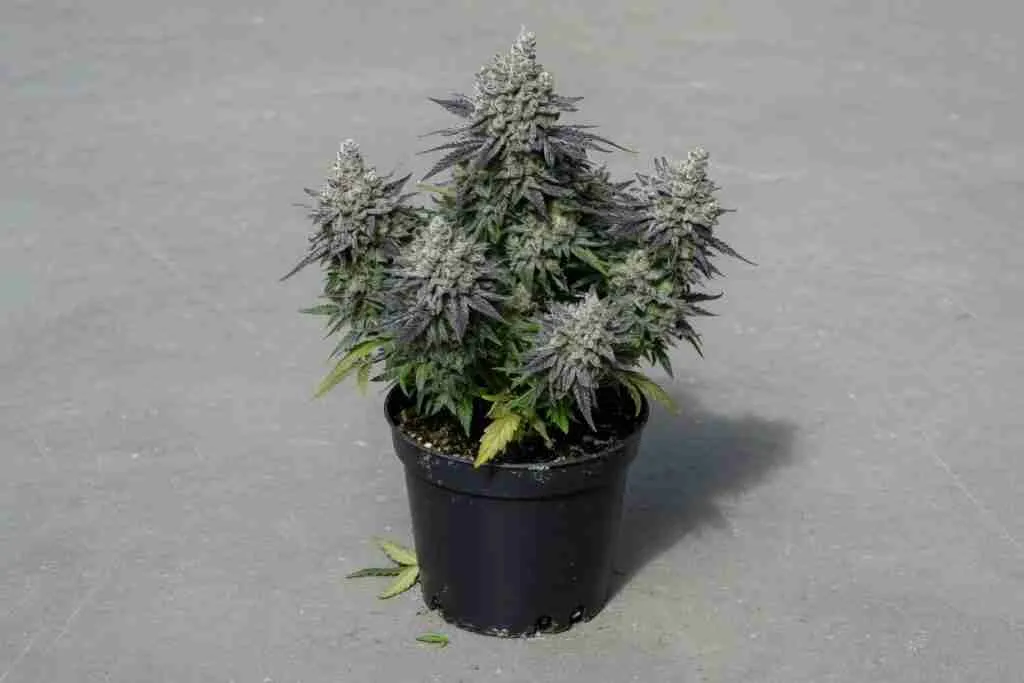
An auto flowers because she gets old enough, usually a few weeks after sprout, whether the tent is ready or not. You cannot park her in veg until the lamp arrives. Stress in those early weeks costs bud you cannot veg back. That single clock is why autos picked up a weak reputation. Older lines earned some of it. A lot of the flat jars since then were a tiny pot, a late transplant, and a plant already flowering while the grower was still shopping for a light.
Give her the final container early, a steady light, and a quiet life once she is rolling. Some tested autos clear 20 percent, and some selected plants sit higher. They will not all do it. The word on the label is the clock. The parents are the ceiling. Read how autoflower seeds work before you pop one beside a photoperiod and expect them to share a harvest day.
A Male Ends the Seedless Run
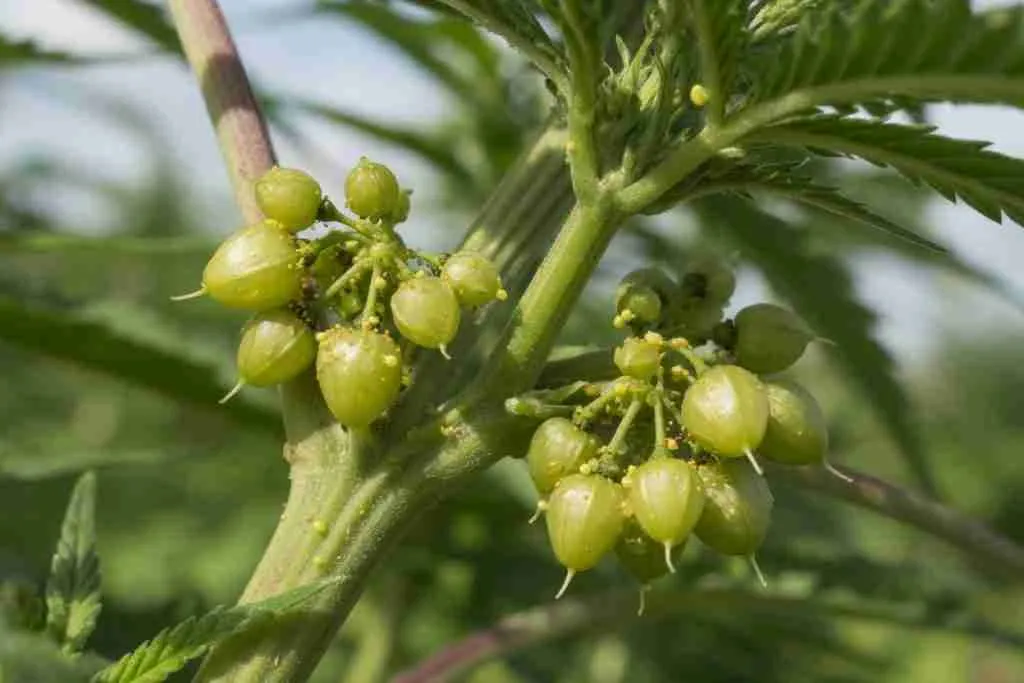
Regular seed gives you males and females. A male shows pollen sacs, small balls on short stems, and he skips the white pistils a female pushes. If a sac opens in a room of females, the buds set seed. Seeded flower is a different product from the seedless flower behind a pretty THC number. The plant spends energy on seed, and the jar is full of them. For a seedless run, he leaves as soon as you are sure.
Regular seed still has a job: a male worth keeping, a female worth cloning, a line somebody can actually breed. Run that project away from any room you plan to smoke as seedless flower. If the project is jars, buy feminized and spend the weeks on the canopy. Why regular seeds still matter is the fair version of that choice.
After the Chop

The number people quote is a dry-weight number. A fresh cola still holds water, chlorophyll that has not broken down, and terpenes that will stay or leave over the next two weeks. Smell the stem on chop day if you want. Smell it again after the cure. The second smell is the one you live with.
A lot of the frost is loose. Rough trimming knocks gland heads onto the tray, and those heads were potency and smell. Trim enough to make the flower pleasant. Shaving every sugar leaf so the bud looks like a retail photo throws resin away. Keep a trim jar if you want the leftovers. Leave the frost on the flower you plan to smoke.
Dry Before You Call It Strong

A cola can look huge on the branch and shrink to a modest jar, because water was a lot of that bulk. Wait until the flower is dry before you call the pack strong, average, or a miss.
Then use your nose and your fingers. The bud should still smell like itself, the heads should still cloud the surface, and the core should be dry. A damp middle jars up green and sharp. Burp the jars early in the cure so leftover moisture can leave. Rushing this is the usual way a good genotype gets a bad story.
Store It Cold and Dark
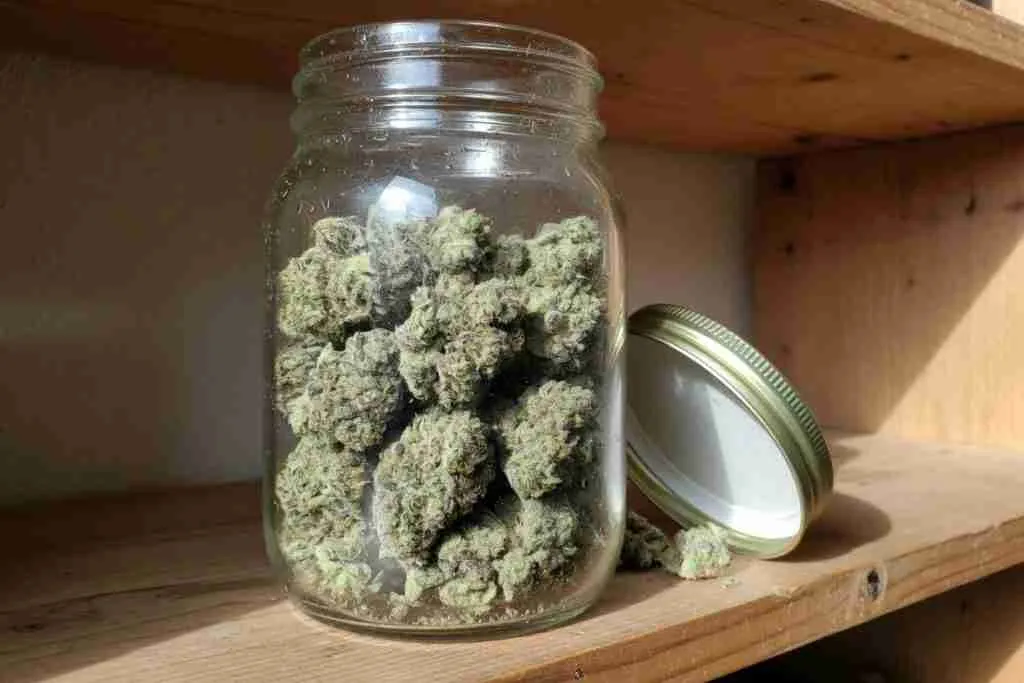
Light and heat break THC down, and a share of what it becomes is CBN, heavier and sleepier than the pack advertised. A clear jar in a sunny window is a bad cabinet. An unlabeled jar, lid on, in a cool dark cupboard is the ordinary way to keep flower. A personal stash needs the sun off it and the heat of the kitchen off it.
Too much moisture in the jar grows mold. Too little and the flower crumbles while the smell thins. Add a small humidity pack in the curing range only after the buds are actually dry. The long storage guide covers keeping flower for months. Open the jar about a week in. Ammonia or wet grass means it went in early. Spread it back out. Once you should not smoke it, the THC number is irrelevant.
Buy for the Tent You Have
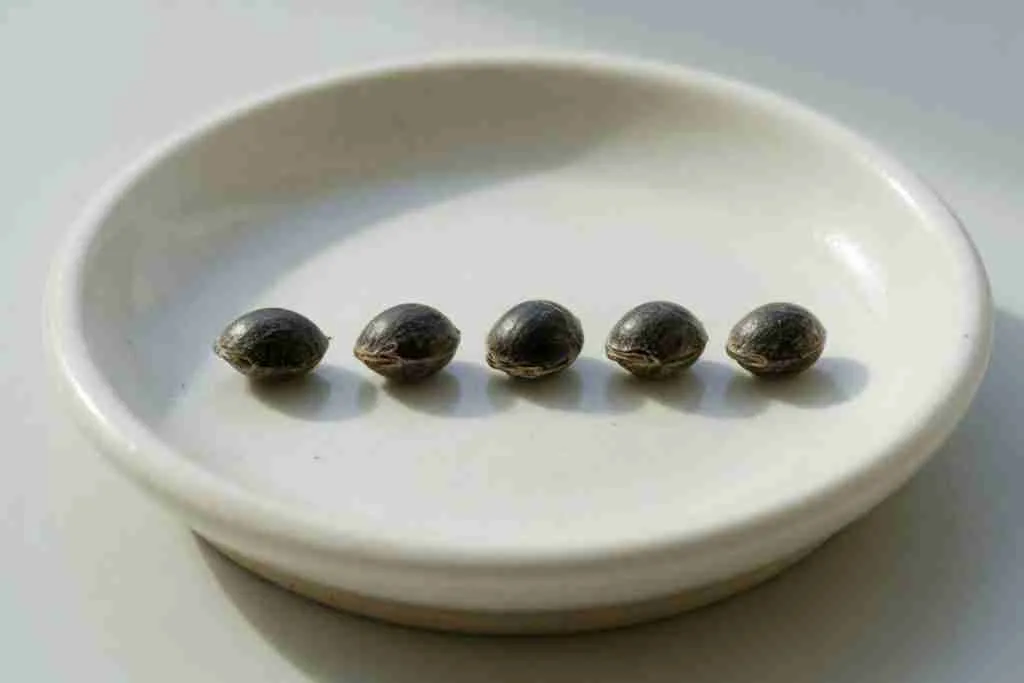
Buy the run you can finish. A five-pack of one named line shows you that line’s range. Five different “highest in the shop” packs change every variable at once, so nothing you learn repeats. The five-pack habit is enough sisters to spot a keeper, without a surprise pollen donor filling the tent.
In Canada, the federal baseline for non-medical growing is four plants per household, not per adult. Provinces, cities, and leases can be stricter. Quebec still prohibits recreational home growing. Manitoba allows adults 19 and older up to four plants indoors, with rules about kids and rental buildings. Seeds are meant to come from a legal source. The Canada seeds page is the map if you are sorting the where. Match the pack to the plant count you are allowed to flower. A ten-plant daydream in a four-plant household gets abandoned halfway, and an abandoned run never touches the ceiling.
Start With One Named Pack
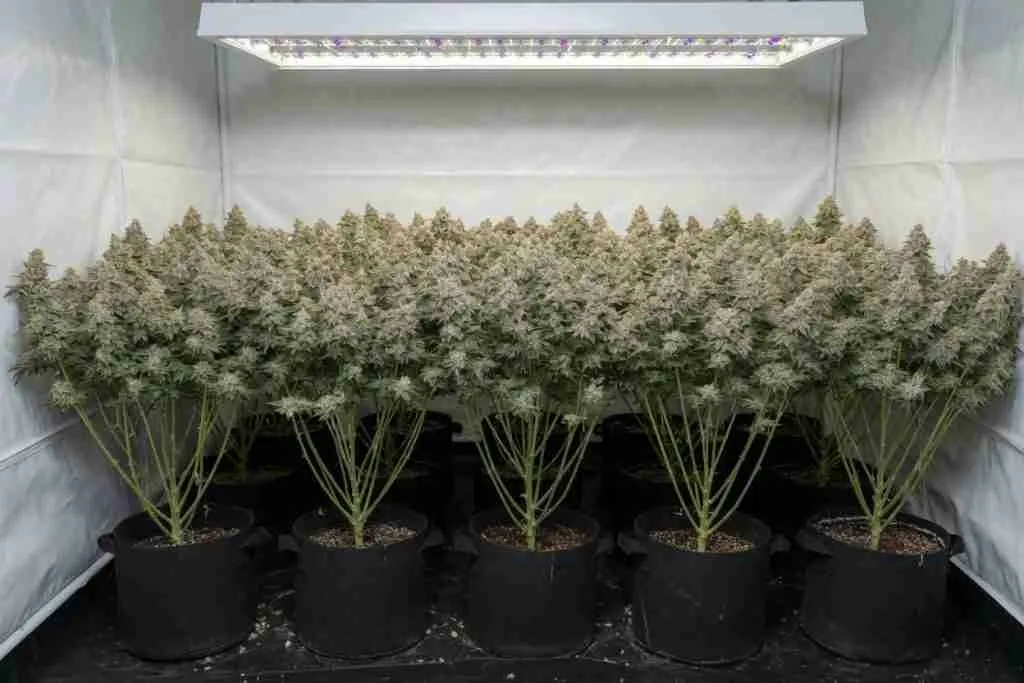
Pick one name. Read the seed type and whether they printed a range. Treat bloom length as a hint, not a court date. Grow that pack under the best light you can run without cooking the room, and write down smell, finish, and which plant you would run again.
A first run that is good, and still short of the myth on the website, taught you the line. Run it again, or take a cut when she is a photoperiod worth keeping. Switching packs every cycle because a new page claimed two more percent is how a grower stays new for years. The plant in the tent is the data. The grid of jars is an advertisement with a sort button.
Ignore the Forty Percent Banner
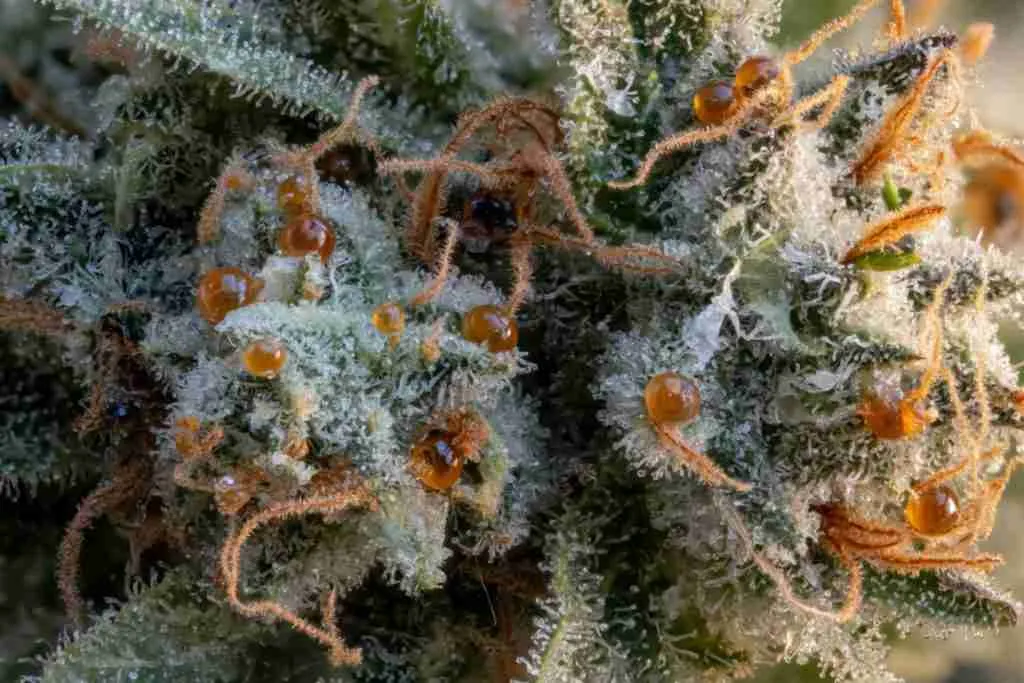
A number in the forties deserves three questions before it goes in the cart. Whose lab measured it. Was the sample one selected plant, or the pack you can buy. Is the figure total THC, or did they stack THCA on top of THC to fatten the sticker. A resinous cola is already a crowd of gland heads. She is worth the months on her own terms.
Flower that honestly tests in the mid-twenties, dried slowly and kept in the dark, is what most people wanted from a strong pack. Buy the line whose parents you can name, whose seed type matches the clock you can run, and whose claim is a range you might touch. Grow it well enough that the ceiling had a chance.
High THC Cannabis Seeds are that chance. The jar is still yours to finish: the right sisters, the right chop, a dry that keeps the smell, and a cupboard that keeps the light off the flower.