Hermaphroditism Risk in Feminized Seeds: Causes, Myths, Prevention


You’re cruising through week three of flower. Pistils are dancing, resin is waking up, and then—bam—you spot a tiny yellow “banana” tucked in a bud. Your stomach flips. Is this hermaphroditism? Is this because you’re running feminized seeds? Take a breath. You’re about to learn exactly what’s going on, what’s not, and how you keep your grow on the rails. We’ll unpack the real feminized seeds herm risk, separate myths from facts, and give you a practical, step-by-step prevention plan you can run every single grow.
What “hermaphroditism” actually means in cannabis
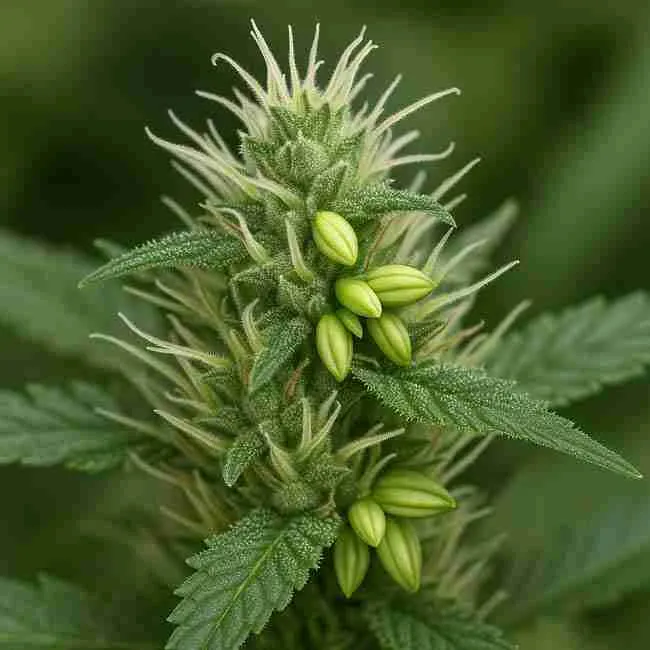
Female flowers, male parts—at the same time
Cannabis plants are normally dioecious: female plants make flowers with pistils (white hairs), and male plants make clusters of round balls (pollen sacs). Hermaphroditism is when a single plant shows male reproductive parts on an otherwise female plant. That can look like:
- “Nanners” (anthers): thin, yellow banana-shaped parts that pop out of a developing bud.
- Pollen sacs: small round/oval balls (like a bunch of grapes) that appear at nodes or in flowers.
Either can release pollen and seed your crop if you don’t catch them.
Two flavors of herms you’ll see
- Stress-induced herms: environmental or handling stress triggers male parts on a genetic female.
- Rodelization (late-flower herm): toward the end of bloom, some plants throw a few nanners as a last-ditch “make seeds before I die” move.
Both can create seeds, but stress-induced herms are the big yield/thc/quality killer because they can happen earlier.
Where the feminized seeds herm risk really comes from
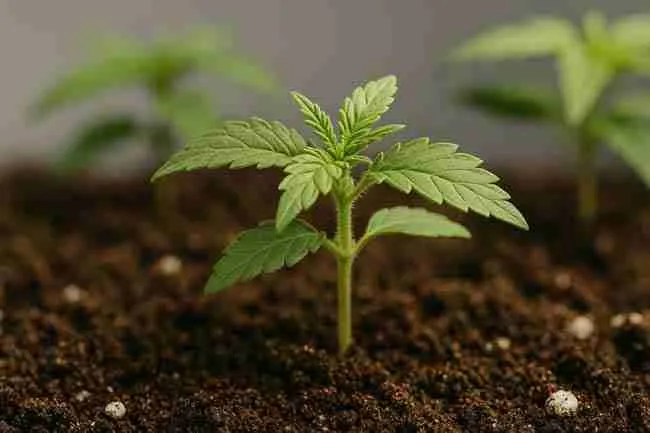
Feminized seeds are bred by reversing a female (using silver sprays or similar methods) to produce pollen, then pollinating another female. That’s how you end up with seeds that almost always grow into females. The feminized seeds herm risk comes from two main sources:
1) Genetics and breeder selection
- Good selection = low risk. Breeders who stress-test parents (light leaks, heat, overfeeds, timer glitches) and cull anything intersex build lines that are far more stable.
- Poor selection = higher risk. If the reversed mom or pollen donor had a tendency to throw nanners under mild stress, that trait can pass on.
- Line history matters. Some heirloom or hype lines carry intersex tendencies. If the source plants are touchy, the offspring might be too—feminized or regular.
2) Environment and handling in your room
Even rock-solid genetics can throw a tantrum if you push them hard enough. The usual landmines:
- Light leaks or photoperiod errors: pinholes, open zippers, faulty timers, sunrise peeking through the tent—classic early-flower herm trigger.
- Heat spikes & RH crashes: big swings (e.g., 26°C to 33°C) or extreme VPD stress.
- Overfeeding/underfeeding & pH whiplash: dramatic EC spikes or pH drifts stress plants hormonally.
- Rootbound pots & late transplants: root pressure + restricted oxygen = stress hormones.
- Hard pruning super late: heavy defol in early flower can be fine; doing it too late or too aggressively can spark nanners.
- Pests & pathogens: mites, thrips, powdery mildew—constant assault equals chronic stress.
- Overzealous training: accidental stem snaps, rough LST/HST at the wrong time.
Bottom line: genetics decide the threshold; your environment decides whether you cross it. That’s the honest picture of feminized seeds herm risk.
Myths you can toss in the compost
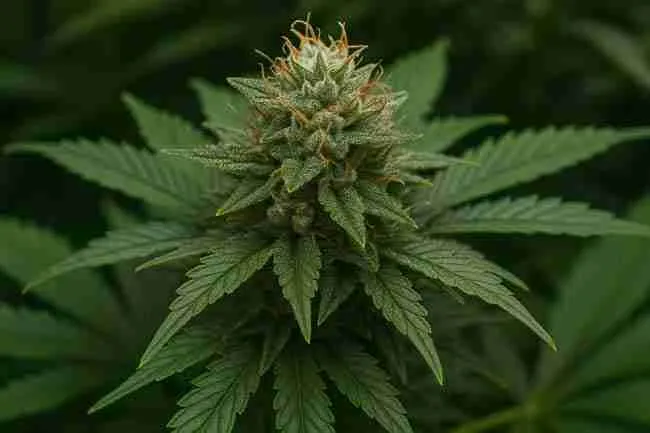
“All feminized seeds will herm.”
Nope. High-quality feminized lines are very resistant when run in stable rooms. The feminized seeds herm risk is not automatic—it’s conditional.
“If you see one nanner, your whole crop is ruined.”
Also no. A single nanner plucked early often means no noticeable seeding. The key is early detection and removal.
“Feminized seeds are always worse than regular for herm risk.”
Not necessarily. Plenty of regular lines carry intersex traits, too. Well-bred fems often outperform sketchy regulars under normal stress.
“A quick mist during lights-on causes herms.”
Water on leaves isn’t the herm trigger; chronic stress is. Humidity spikes and mold risks are issues, but mist itself ≠ intersex.
“UV or far-red light causes herms by itself.”
Light spectrum can influence stress, but it’s rarely the sole cause. It’s over-intensity, heat, or photoperiod mistakes that usually push plants over the edge.
Early detection: how you spot trouble before it costs you yield
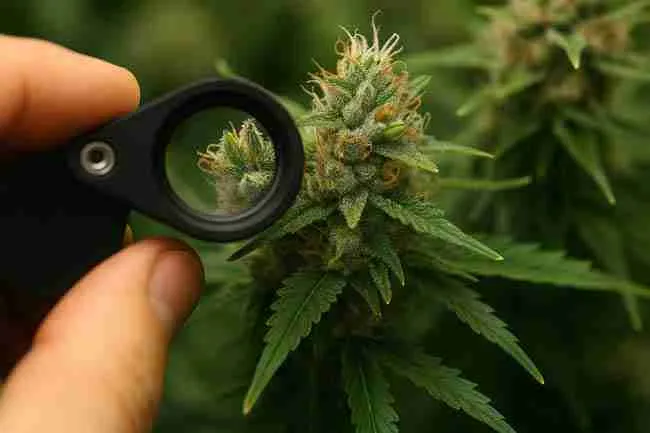
The weekly scouting rhythm
- Week 2–4 of flower: check every other day, especially inner nodes and lower branch junctions.
- Week 5–6: scan colas for yellow flecks (nanners) hiding in calyx clusters.
- End of bloom: expect the odd rodelization nanner; decide whether to pluck or ride it out.
Tools that pay for themselves
- 10–30× loupe or a macro phone lens.
- Headlamp so you can see inside bud clusters.
- Small tweezers to pluck nanners cleanly.
What to look for
- Nanners: thin yellow “banana” poking through a bud—often single and sneaky.
- Pollen sacs: round balls on a mini stem (pedicel), usually clustered at a node, sometimes under bracts.
Prevention plan: how you lower feminized seeds herm risk to near zero
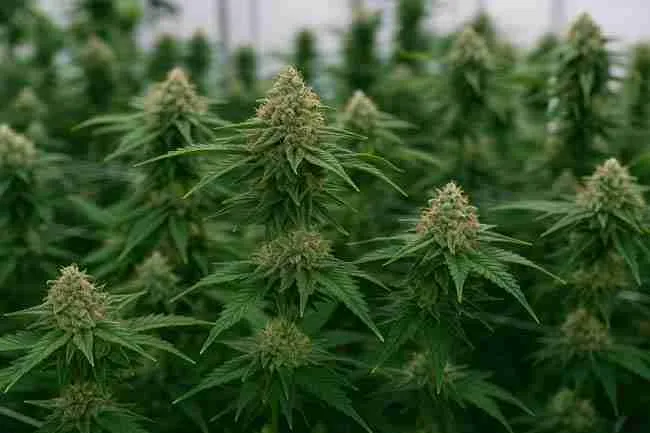
Pre-grow checklist (before you flip)
- Timer test: simulate a few days; confirm exact 12/12 with no surprise power blips.
- Light-proof the room: sit inside the tent at lights-off for 10 minutes; no pinholes, LEDs, or door glows.
- Environmental control: aim for 24–28°C lights-on, 18–22°C lights-off; RH 45–55% early flower, 40–50% mid/late.
- Transplant timing: up-pot before flip to avoid rootbound stress.
- Baseline nutrition: steady EC (e.g., 1.2–1.8 depending on medium/line) and pH control (soil: 6.2–6.8; coco/hydro: 5.8–6.2).
Veg best practices
- Train early (LST, topping) before flower.
- Keep pests out; use sticky traps and a weekly leaf check.
- Keep VPD in the sweet spot; avoid wild swings.
Flower weeks 1–3 (critical)
- No heavy surgery now. Light leaf thinning only.
- Keep temps steady; avoid >30–31°C spikes.
- Double-check light distance/PPFD (600–900 PPFD is a safe band for many lines early bloom).
Flower weeks 4–6
- Maintain 12/12 with zero light leaks.
- Watch feed strength; don’t suddenly jump EC.
- Continue gentle airflow; avoid hurricane winds that stress tops.
Flower weeks 7–end
- Expect occasional rodelization nanners on some lines. Pluck calmly.
- Don’t dramatically change schedules (no random 36-hr dark unless you understand the risk).
Quick reference: triggers, early signs, immediate fixes
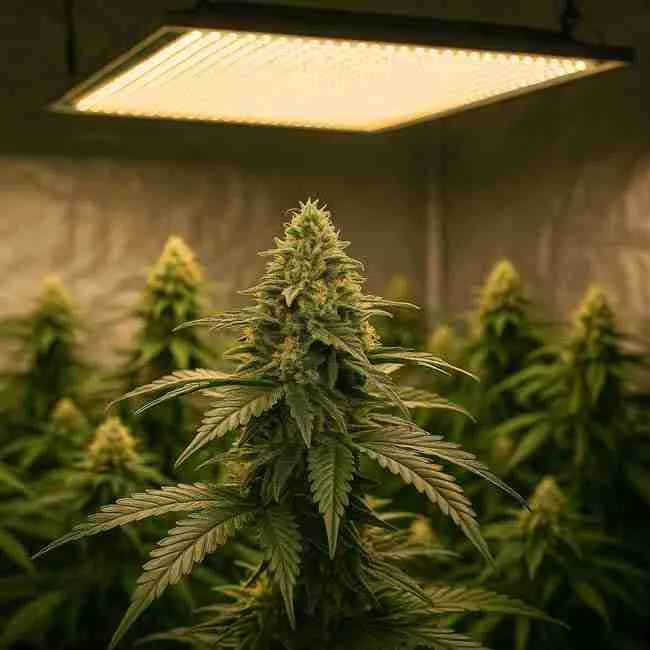
| Likely Trigger | Early Sign You’ll See | Fast Fix You Can Do Today |
|---|---|---|
| Light leak / timer glitch | Nanners near lower nodes week 2–3 | Patch every leak; confirm timer; blackout the room tonight |
| Heat spike (32–35°C) | Leaves canoe, pistils curl; occasional nanner | Drop temps; raise lights; increase intake/exhaust |
| EC/pH whiplash | Clawing, burnt tips, lockout look | Flush/refresh to stable EC; reset pH, resume moderate feed |
| Rootbound stress | Slow growth, quick dry-downs, wilt cycles | Transplant or optimize irrigation/oxygen; add root zone airflow |
| Late heavy defol | Random nanners near stripped sites | Stop heavy pruning; only light leaf tucks hereon |
| Pests (mites/thrips) | Stippling, webbing, deformed tips | Immediate IPM (legal/approved) and leaf-by-leaf inspection |
What to do if you find a nanner (or a few)

- Lights off or dim? Even better. If lights are on, just be gentle and quick.
- Mist the area very lightly with water. Moisture deactivates airborne pollen.
- Pluck the nanner with tweezers. Grab at the base; avoid squeezing it into the bud.
- Inspect the whole plant. Check neighboring nodes and nearby plants.
- Decide the severity.
- Single/few nanners: pluck and monitor daily.
- Multiple sites or clusters: consider removing that plant or quarantining.
- Sanitation: wash hands/tools; avoid brushing across other buds.
- Stabilize environment: fix the root cause today (light leak, heat, feed).
If you spot full pollen sacs
- Bag and remove the affected branch or plant before sacs open.
- If sacs already opened, mist surrounding area and consider partial harvest if you’re near finish.
Seeded bud reality check (so you don’t panic)
- One small nanner ≠ thousands of seeds. Worst case is usually patchy seeds in nearby tops.
- Timeline matters. Pollen early in bloom can set more seed; late rodelization often sets a few.
- Quality impact: seeds steal some resources; buds can still smoke fine after proper cleaning, but trimming is slower.
Feminized vs regular: pros, cons, and the real feminized seeds herm risk
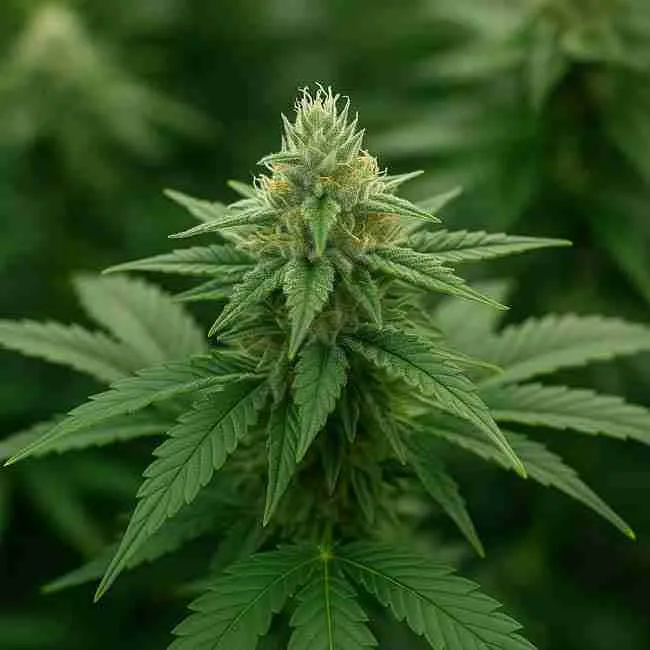
Pros of feminized seeds
- Almost always female: no wasted space culling males.
- Faster, simpler planning: perfect for small tents and limited plant counts.
- Huge modern variety: top shelf genetics often arrive as fems first.
Cons of feminized seeds
- Line-dependent stability: if the breeder didn’t stress-test, sensitivity may show up.
- Clone-only moms from fems: if a fem line is touchy, your cuts inherit that temperament.
Pros of regular seeds
- Traditional breeding pool: often used for making new lines.
- Some claim more “robustness”: not guaranteed—depends on the breeder and family.
Cons of regular seeds
- Male culling required: space, time, and risk of missing a male.
- Intersex can still appear: regular ≠ herm-proof.
In other words: the breeder and your room matter more than the seed type. A dialed space + a well-tested fem line beats a sloppy room with any seeds, every time.
The “Herm Sweep”: a 7-minute nightly routine
- Minute 1: peek at tent seals and light leaks.
- Minute 2: quick scan of canopy tops under headlamp.
- Minute 3–4: inspect 3–5 random inner nodes per plant.
- Minute 5: glance at sticky traps and leaf undersides.
- Minute 6: feel leaf temps (back of your hand) and check fans/filters.
- Minute 7: jot a one-line note in your grow log (temp/RH highs, anything odd).
Consistency beats heroics.
“Specifications” cheat sheet to keep stress low
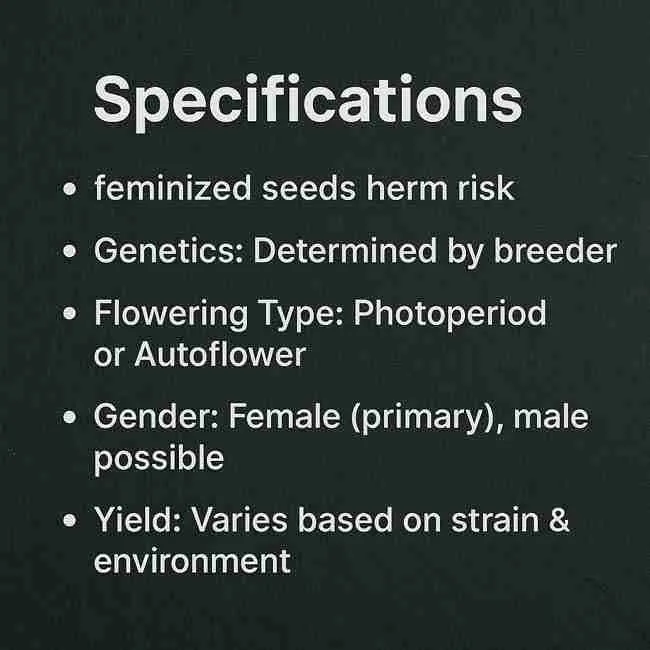
- Photoperiod: Veg 18/6 (or 20/4); Flower 12/12 only, no light leaks.
- PPFD (flower): ~600–900 early; up to ~900–1050 mid/late (strain-dependent).
- DLI (flower): 35–45 mol/m²/day (guideline, not a law).
- Temp: 24–28°C lights-on; 18–22°C lights-off (keep swings <6–8°C).
- RH: 45–55% early flower; 40–50% mid; 40–45% late.
- VPD: ~1.1–1.4 kPa in flower; don’t chase perfection—avoid extremes.
- pH: Soil 6.2–6.8; Coco/Hydro 5.8–6.2.
- EC (typical): Veg 1.0–1.6; Flower 1.4–2.0 (line-dependent).
- Airflow: Gentle, omnidirectional; no leaf-flapping gales.
- IPM: Weekly scouting; treat early, legally, and safely.
Case studies (you’ll recognize these)

Case 1: The innocent hallway nightlight
You flipped to 12/12 on Sunday. By the next Friday, you’re seeing two nanners deep in the lower nodes. After a dark-room test, you notice a hallway nightlight shining through a tiny tent pinhole. You tape the hole, pluck the nanners, and nothing else appears all run. Lesson: tiny light = big stress message to the plant.
Case 2: The heat wave surprise
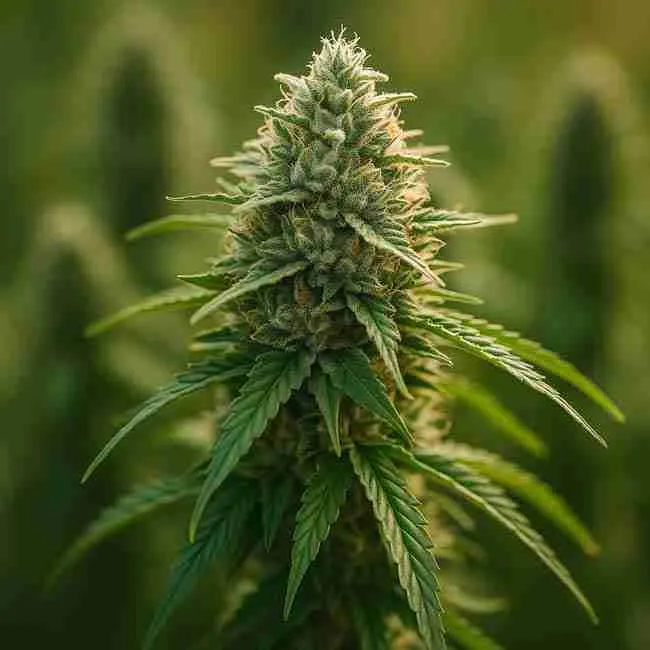
A three-day heat wave slams your room to 33–34°C midday. In week 4, you spot a few nanners across two plants from the same cultivar. You raise lights, add intake air, and drop temps to 27–28°C. No more nanners. You harvest with minimal seed presence. Lesson: stop the trigger fast, monitor daily.
Practical table: causes, signs, and prevention in one place
| Cause | What You’ll See | When It Hits | Prevention Moves |
|---|---|---|---|
| Light leaks / bad timers | Nanners at nodes, random sac clusters | Early flower (wk 2–3) | Light-proof tent, test timers, black out LEDs |
| Heat/RH swings | Canoe leaves, wispy pistils, stress nanners | Any time; worst in wk 3–5 | Stable HVAC, staged fan speeds, monitor highs |
| Nutrient/pH shocks | Burnt tips, clawing, leaf twist, lockout | After feed changes | Small EC steps, consistent pH, proper runoff |
| Rootbound stress | Fast dry pots, wilt cycles, slow gains | Flip and early bloom | Up-pot before flip, oxygenated root zone |
| Rough training / late defol | Nanners near damaged spots | Shortly after pruning | Train in veg, go gentle after flip |
| Pests/disease | Deformities, stippling, PM patches | Anytime | IPM schedule, quarantine, clean canopy |
Keep this table near your tent. It’s your map from “uh-oh” to “handled.”
FAQs using the key phrase (read this before you flip)

Do feminized seeds have a higher feminized seeds herm risk than regular?
They can, depending on the line and breeder, but not by default. High-quality feminized lines with real stress-testing show low feminized seeds herm risk in stable rooms.
What causes the feminized seeds herm risk to spike in my tent?
The top culprits: light leaks, heat spikes, big EC/pH swings, late heavy pruning, and rootbound stress. Fix those and the feminized seeds herm risk drops fast.
I found one nanner—should I chop the plant?
Usually no. Mist the area lightly, pluck it, and watch daily. If you’re seeing multiple sites across the plant or new ones keep appearing, consider removal.
Are rodelization nanners at harvest a big deal?
Usually not. They tend to appear late and seed very little. Pluck them and finish strong.
Can I safely run strong PPFD without raising feminized seeds herm risk?
Yes, if temps/VPD are dialed and the cultivar tolerates it. Over-intensity plus heat is the risky combo, not PPFD alone in a managed environment.
Will misting water deactivate pollen in a feminized seeds herm risk emergency?
Moisture makes pollen non-viable quickly. A light targeted mist before plucking nanners helps reduce seed set risk.
If a clone herms once, is it always risky?
Often yes—tendency travels with the clone. If the herm was only under severe stress you can retest, but many growers retire any plant that shows intersex in normal conditions.
How do I pick lines with the lowest feminized seeds herm risk?
Choose breeders who stress-test, publish honest notes, and are known for stable fem lines. In your room, run a small trial before scaling up.
Pros and cons recap (through the “herm” lens)
Pros (Feminized):
- Saves space and time (no males).
- Simple planning for plant counts and tents.
- Modern genetics readily available.
Cons (Feminized):
- Line quality matters more (badly selected fems are touchy).
- Intersex tendencies pass through just like in regulars.
Pros (Regular):
- Useful for breeding projects.
- Sometimes broader expression to hunt.
Cons (Regular):
- Male removal required.
- Not immune to herm traits.
If you pick a tested feminized line and run a stable room, your feminized seeds herm risk is very low.
Your action plan for the next grow
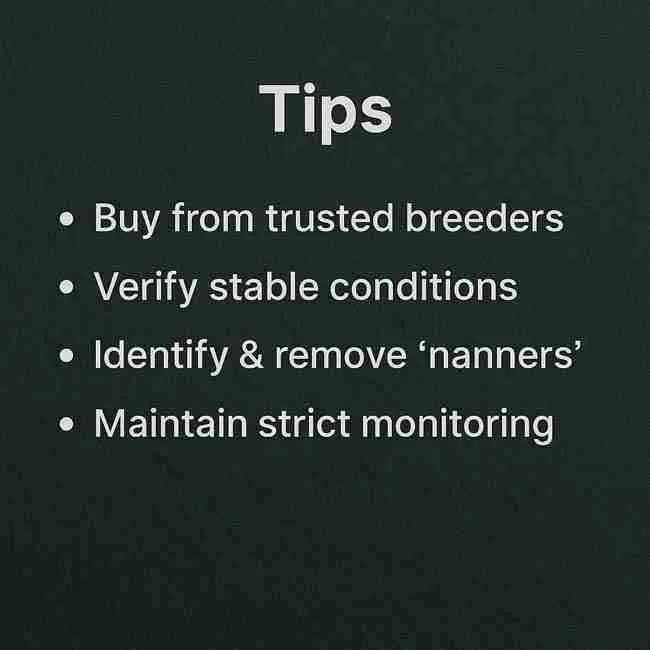
- Before flip: light-proof, timer test, transplant, baseline EC/pH.
- Weeks 1–3: no heavy defol, hold temps steady, scan nodes every other day.
- Weeks 4–6: avoid big feed jumps, keep RH reasonable, scan colas.
- Any nanner: mist, pluck, log, fix the root cause the same day.
- Endgame: expect occasional rodelization, pluck and finish.
- Post-harvest: evaluate the line’s behavior in your room; keep only winners.
Grow calm, not scared. You’ve got this.