Heat-Tolerant and Fast-Finishing Cannabis Strains for Warmer Summers

It’s the middle of July in southern Ontario or the Fraser Valley, and another heat wave rolls in. The thermometer climbs past 32°C for days on end. Your usual go-to strains start looking stressed. Leaves claw upward, edges crisp, and growth slows right when you need it most. You’ve put in the work, but the plants just aren’t rolling with the punches like they used to.
That’s exactly why more and more Canadian growers are switching to heat tolerant cannabis strains and fast finishing cannabis seeds. Our summers are getting longer and hotter thanks to our changing climate, and the old genetics simply don’t cut it anymore. The good news? You don’t have to fight nature every year. You can work with it.
In this guide, you’ll discover exactly which heat resistant cannabis varieties thrive when temperatures spike, which fast finishing cannabis seeds let you harvest before the really rough weather hits, and how to grow them like a pro in real Canadian conditions. Whether you’re running a small backyard setup, a tent in the basement, or a bigger outdoor plot, these choices and techniques will help you bring in bigger, better, and more reliable harvests even when the weather turns against you.
Why Heat Tolerant Cannabis Strains and Fast Finishing Cannabis Seeds Matter More Than Ever
Canadian summers used to be pretty predictable. Now you get surprise heat waves in June, sticky humid stretches in August, and then sudden cool wet spells in September. Traditional indica-heavy strains from cooler climates often stall, hermie, or lose potency when the mercury climbs. Sativa and hybrid genetics that originally came from hot, sunny regions handle the stress far better.
Heat tolerant cannabis strains usually come from African, Mexican, Thai, or Afghan landrace stock. These plants evolved with better natural cooling systems. They transpire more efficiently, hold their structure under intense light, and keep producing resin even when most plants shut down. Pair that with fast finishing cannabis seeds — especially quick photo-periods and hardy autoflowers — and you give yourself a huge advantage. You finish before the worst humidity or early frosts arrive.
On top of that, choosing climate resilient cannabis now future-proofs your garden. You spend less time babying stressed plants and more time actually enjoying the process. Your yields stay consistent year after year instead of swinging wildly with the weather. That peace of mind is worth its weight in top-shelf buds.
Understanding Heat Stress and How It Hits Your Cannabis Plants
Heat doesn’t just make your plants uncomfortable. It actually changes how they function. When temperatures stay above 28–30°C for long periods, photosynthesis slows down. The plant closes its stomata to save water, which means it takes in less CO₂ and produces less energy. Growth stalls. In extreme cases, you get nutrient lockout because roots can’t take up what they need at high temps.
Common Signs Your Plants Are Struggling in the Heat
You’ll usually spot problems first in the leaves. Look for:
- Upward clawing or canoeing (leaves curl into a tight “V” shape)
- Yellowing or crispy edges, especially on older fan leaves
- Wilting even when the soil feels moist
- Foxtailing on buds (they stretch into loose, airy spikes instead of dense colas)
- Slowed vertical growth and smaller new leaves
- In severe cases, hermaphroditism or sudden nutrient deficiencies that don’t respond to feeding
The tricky part is that some of these signs overlap with other issues. That’s why experienced growers always check temperature and humidity together with what the leaves are telling them.
How Heat Actually Affects Your Final Harvest
Hot weather doesn’t just slow things down. It can reduce overall yield by 20–40% in sensitive strains. THC and terpene production often drops because the plant is in survival mode instead of production mode. Buds can turn out lighter and less aromatic. Mold risk actually goes up in humid heat because dense indica buds trap moisture. That’s why airy, heat-tolerant sativa-leaning structures give you a real edge.
The Best Heat Tolerant and Fast Finishing Cannabis Strains for Warmer Canadian Summers
Here’s where the rubber meets the road. These varieties consistently perform when the weather turns hot. I’ve grouped them so you can quickly see what fits your style — whether you want pure speed, maximum resilience, or a balance of both.
Standout Heat Tolerant Cannabis Strains
Durban Poison (and its autoflower versions) Pure African sativa genetics that laugh at heat and humidity. Tall, vigorous, and naturally mold-resistant thanks to airy bud structure. Flowering time around 9–10 weeks for the photo version. The auto finishes in roughly 10–11 weeks from seed. Expect energetic, clear-headed effects with sweet anise and earthy terps. Great for outdoor in Ontario or BC.
Sour Diesel Classic East Coast sativa-dom that handles blazing sun and heat better than most. Strong fuel aroma, potent effects, and solid yields even when temperatures climb. Flowering 10–12 weeks. Not the absolute fastest, but its resilience makes up for it.
Critical Mass and similar fast indica-leaning finishers These pack on weight quickly and finish in 7–8 weeks. They handle moderate heat well when you keep airflow strong. Dense buds mean you must watch humidity closely in hot, sticky weather.
Amnesia Haze and Haze-dominant hybrids Longer flowering but excellent heat tolerance from their tropical roots. The trade-off is worth it if you have the space and patience. Big yields and that classic hazy, uplifting high.
Mazar and Afghan-leaning indicas Surprisingly tough in dry heat. Short, bushy, and forgiving. They don’t stretch much, which helps in smaller tents or when you need to keep plants discreet.
Fast Finishing Cannabis Seeds That Shine in Heat

Autoflowers have become a game-changer for Canadian growers dealing with unpredictable summers. You can pop them in June and harvest by late August or early September, completely sidestepping the worst of the late-summer humidity and early fall rains. Look for autos bred from the strains above — Auto Durban Poison, Auto Mazar, Auto Power Plant, and similar hardy crosses.
Quick photo-period options like Cinderella 99 (7–8 weeks) or Early Skunk types also let you finish before problems compound.
Quick Comparison Table of Top Performers
| Strain | Type | Flowering Time | Heat Tolerance | Best For | Yield Potential | THC Range | Standout Trait |
|---|---|---|---|---|---|---|---|
| Durban Poison | Sativa | 9–10 weeks | Excellent | Outdoor & hot humid | High | 15–25% | Mold resistance & vigor |
| Auto Durban Poison | Autoflower | 10–11 weeks total | Excellent | Short seasons & beginners | Medium-High | 15–22% | Speed + resilience combo |
| Sour Diesel | Sativa-dom | 10–12 weeks | Very Good | Sunny outdoor spots | High | 18–26% | Potency in heat |
| Critical Mass | Indica-dom | 7–8 weeks | Good | Faster finishes | Very High | 18–24% | Big colas when airflow is strong |
| Mazar / Auto Mazar | Indica | 8–9 weeks | Very Good | Dry heat & containers | High | 15–22% | Compact & forgiving |
| Amnesia Haze | Sativa-dom | 10–12 weeks | Excellent | Long warm seasons | High | 20–25% | Classic hazy effects |
How to Grow Heat Tolerant Cannabis Strains Successfully in Canadian Conditions
Picking the right seeds is only half the battle. How you grow them makes the difference between “pretty good” and “wow, these came through the heat wave like champs.”
Soil, Pots, and Site Selection
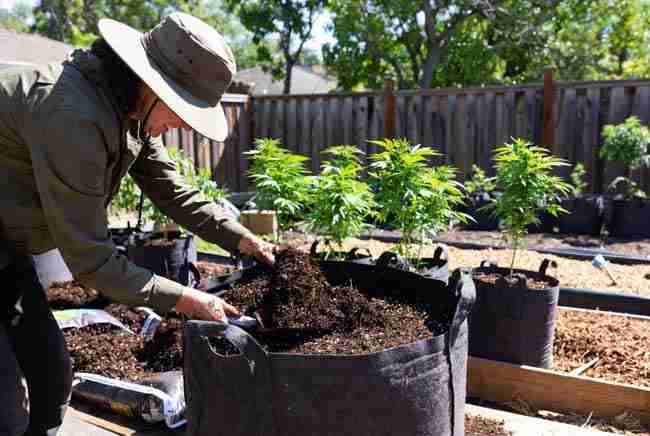
Use well-draining soil with plenty of perlite or pumice. In fabric pots or smart pots, roots stay cooler because air prunes and the fabric breathes. Go bigger than you think — at least 5–10 gallon containers for photos, 3–5 gallon for autos — so roots have room to handle stress.
Mulch the top of the soil with straw, wood chips, or even dried leaves. This keeps the root zone cooler and reduces how often you need to water. For outdoor spots, choose a location with morning sun and afternoon shade if possible, or use 30–40% shade cloth on the worst heat wave days.
Watering and Feeding Strategies That Actually Work in Heat
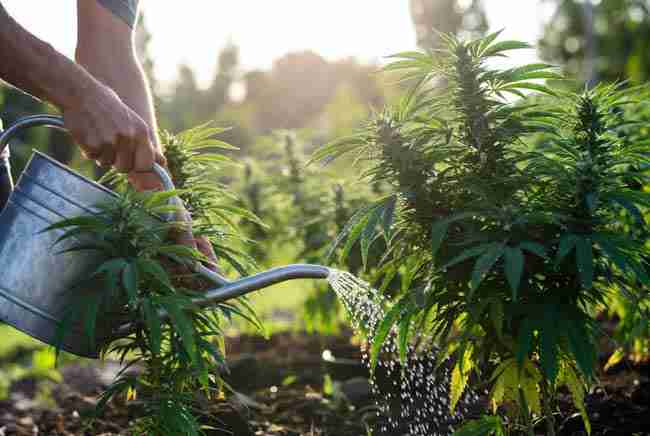
Water early in the morning or late in the evening. Never in the middle of a scorching afternoon. Give enough so water runs out the bottom, then let the top few centimeters dry before the next watering. In extreme heat you may need to water daily, but always check the soil first instead of following a strict schedule.
Add silica to your feeding routine from early veg onward. It strengthens cell walls so plants handle heat and wind better. Keep cal-mag levels solid because heat increases uptake. In flower, ease off nitrogen and lean toward bloom boosters with extra potassium and phosphorus. These help the plant finish strong even when temperatures are high.
Training, Airflow, and Cooling Tricks
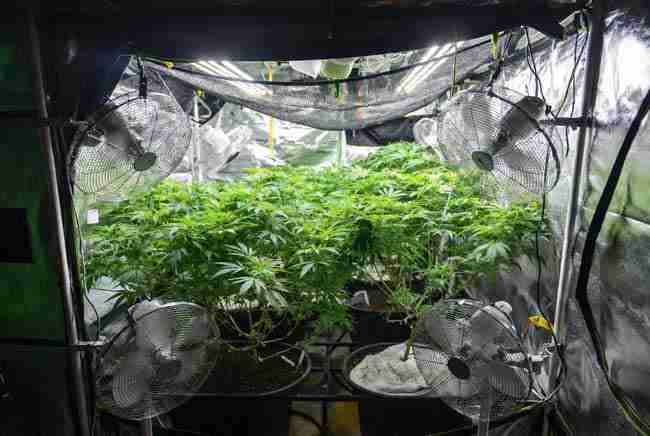
Low stress training (LST) and SCROG work beautifully with heat tolerant strains because they create an even canopy that doesn’t trap hot air. Defoliate carefully — remove only the big fan leaves that shade lower buds, and do it in the evening when it’s cooler.
For indoor or tent grows, multiple oscillating fans are non-negotiable. You want air moving across every leaf. Exhaust heat out of the tent and bring in cooler air from another room or use an intake fan with a carbon filter. If your lights are putting off too much heat, consider dimming them slightly or raising them during peak afternoon hours.
Outdoor growers can use shade cloth, temporary hoop houses with ventilation, or even misting systems on the very hottest days. Just don’t create a humidity trap.
Common Mistakes Canadian Growers Make in Hot Weather (And How to Avoid Them)
One of the biggest errors is treating heat like any other problem and just throwing more nutrients at it. That usually makes things worse. Another classic mistake is poor airflow. Dense canopies and still air in 30°C+ weather is basically an open invitation for mold and stress.
Many growers also pick the wrong container size or soil that holds too much water. In heat, soggy roots cook fast. And finally, some wait too long to harvest because they’re chasing maximum size. With fast finishing cannabis seeds, finishing on time often beats chasing every last gram.
Pro Tips to Squeeze Even More Out of Your Heat Tolerant Cannabis Strains
- Start seeds or clones a little earlier in spring so plants are well established before the first real heat wave.
- Use beneficial microbes and mycorrhizae. Healthy root systems handle stress dramatically better.
- Foliar feed with calmag or silica early in the day if you notice early stress signs.
- Keep a simple log of daily highs and what your plants look like. You’ll quickly spot patterns and know exactly when to intervene.
- Don’t be afraid to harvest a little early if a brutal heat wave or humidity spike is forecast. Slightly less ripe beats ruined buds every single time.
Frequently Asked Questions About Heat Tolerant Cannabis Strains and Hot Weather Growing
What exactly makes one cannabis strain more heat tolerant than another?
Genetics from hot climates usually have adaptations like narrower leaves, better transpiration rates, and stronger vascular systems. They simply don’t panic when temperatures rise the way northern indica genetics do.
Are autoflowers better than photos for hot Canadian summers?
Often yes, especially if you want speed and predictability. Autos finish fast and don’t care about light leaks or changing day length. However, some photo heat tolerant cannabis strains still out-yield autos if you have the time and space.
How hot is too hot for cannabis plants?
Most strains start showing stress above 28–30°C for extended periods. Above 35°C you’re in danger territory unless you have excellent airflow, proper watering, and heat-tolerant genetics working in your favor.
Can I grow heat tolerant strains indoors in a hot room or attic?
Absolutely, but you’ll need strong ventilation and possibly air conditioning or portable AC units during peak summer. The same genetics that handle outdoor heat will still appreciate you keeping the environment in the ideal 24–28°C range.
Do heat tolerant strains produce as much as regular strains?
Many of them actually produce more in hot conditions because they don’t stall. In perfect cool weather some traditional strains might edge them out, but when summer turns brutal, the resilient varieties usually win on consistency and total yield.
Should I still worry about mold with these strains?
Yes, especially in humid parts of Canada. Even the airiest sativa structures can rot if you have zero airflow and constant high humidity at night. Good training, defoliation, and fans remain essential.
Final Thoughts — Your Garden Can Thrive Even When Summers Get Hotter
You don’t have to accept mediocre results or constant stress just because Canadian summers are changing. By choosing heat tolerant cannabis strains and fast finishing cannabis seeds, and by growing them with smart techniques that beat the heat, you set yourself up for success year after year.
Start with one or two of the varieties we talked about this season. Pay attention to how they respond compared to what you’ve grown before. You’ll probably be surprised at how much more forgiving and productive they are when the temperature climbs.
The future of growing in Canada belongs to growers who adapt. Heat tolerant cannabis strains and climate resilient cannabis varieties aren’t just nice to have anymore — they’re quickly becoming the smart, practical choice for anyone who wants reliable harvests without fighting the weather every single day.
Now get out there, pick your seeds, and show this summer who’s boss.