Growing Cannabis with Gaia Green


Growing Cannabis with Gaia Green is two bags and a month between scoops. All Purpose 4-4-4 is the growth bag. Power Bloom 2-8-4 is the flower bag. You stir the growth bag through new soil before a plant ever sits in it. Later you scratch a lighter amount into the surface and water it in. The meal is slow. A leaf that looks hungry this afternoon will not eat a scoop you poured an hour ago. Plants get burnt when the mix-through amount is used as a top dress, or when both bags go on the soil at a full scoop the same day. Use the rate printed for a pot. Read the new growth. Wait.
A steady run on these bags looks boring, which is the point. A peat mix with perlite and worm castings. The charge stirred through the pot the plant will live in. A monthly scratch, not a bottle at every watering. A handful of castings over the meal so it does not sit as dust. Plain water in between, in a range a peat pot can use. What an organic meal is, and why it is not a salt that hits the root today, is organic fertilizer. Whether you built a short pantry or a bed that feeds itself is dirt versus living soil.
Charge the pot before you sow
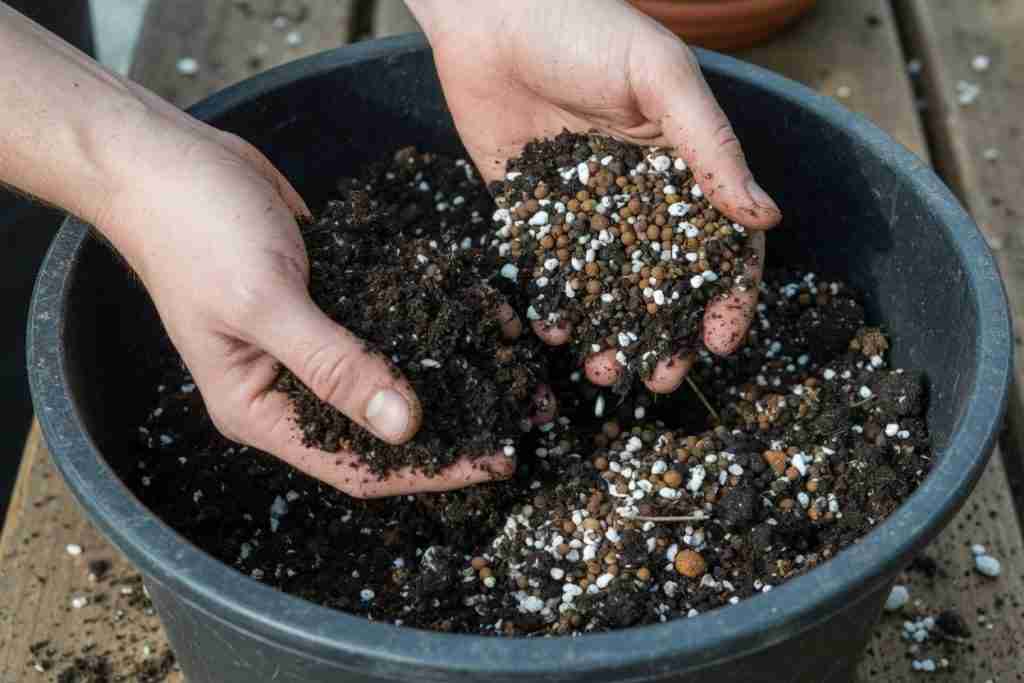
You are stocking a pantry, not rescuing a yellow leaf. Start with a light peat mix, or a similar soilless bag, plus perlite so the pot does not stay a sponge, plus worm castings, plus the all-purpose meal stirred through the whole volume. That is the home version of this method. You will still water it and top it up. It is not a no-till bed that carries a plant for a season on its own. The bed version lives on the no-till living soil page. If you would rather open one bag and skip the tub, the living-soil blend on the same shelf is that choice. You then top dress into it. You do not also stir a full charge of all purpose through a mix that was already built.

Read the bag in your hand before you trust a sheet from a forum. The rate printed for pots has been three tablespoons of all purpose mixed through each gallon of new medium, and one tablespoon per gallon scratched into the surface once a month. A tablespoon here is a level kitchen spoon, not a heaped coffee scoop and not a palmful. Count the gallons you actually put in the pot. A fabric pot sold as five gallons often holds less once the soil settles. Write that number on the side. Every later scratch uses that number, at the lighter rate.
Three tablespoons through a gallon is the charge, because it is spread through the whole volume. One tablespoon on the surface is the monthly meal, because it sits where the roots and the biology can reach it without a second full charge piled on top. People pass around a sheet that tells you to top dress at three tablespoons per gallon every few weeks, sometimes with both bags added together. That sheet is a hard push. The person who wrote it often says so, and then a beginner copies the heavy number. Tips burn. New growth claws. The bag already printed the lighter number for a pot that has a plant in it. Start there. You can scratch a little more next month if the plant is pale and the pot is actually drying. You cannot un-burn a tip you crisped this week.
Castings are the biology and the dust cover, not a second fertilizer program. A cup of worm castings in each gallon of the peat mix is enough for a first pot. That darkens the mix and gives the meals something to break them down. Filling the pot halfway with castings keeps it wet and makes the meal impossible to judge. Water the finished mix and let it sit a few days if you have the days. Dry granules do very little until they are moist and microbes are on them. A dusting of mycorrhizae on the roots when you transplant is a separate step, and the how-to is mycorrhizal fungi. A mixed pouch is its own product class on the microbial inoculants page. Do not turn this pot into that essay. One dusting at the move is plenty. Another scoop of powder next week does not make more roots.
A sprout stays in a milder cup
A seed does not need a fully charged pot in week one. The first leaves live on what is inside the shell. A mild plug, or a small cup of the same peat with little or no meal, carries the plant to real leaves. Then you set that plug into the charged pot. How to lift it without tearing the root is the transplant guide. The fragile weeks themselves are the seedling stage. If you sow straight into the charged mix because a garden label says a seed-starting premix is fine, keep the seed in a small pocket of plain moist peat. Do not drop it into a hole packed with pure meal.
An autoflower will not pause if a move from cup to pot sets it back. Sow an auto into the finish pot. Keep the charge in that pot at the modest end of the mix rate, and keep a small pocket of uncharged peat where the seed sits. The reason the clock does not refund a stalled week is how autoflower seeds work. Once it is growing, the feed differences versus a photoperiod are fertilizing autoflowering plants. Do not run a four-week veg calendar on a plant that is already showing pistils. Its first monthly scratch may already need to lean toward the bloom bag.
Growing Cannabis with Gaia Green
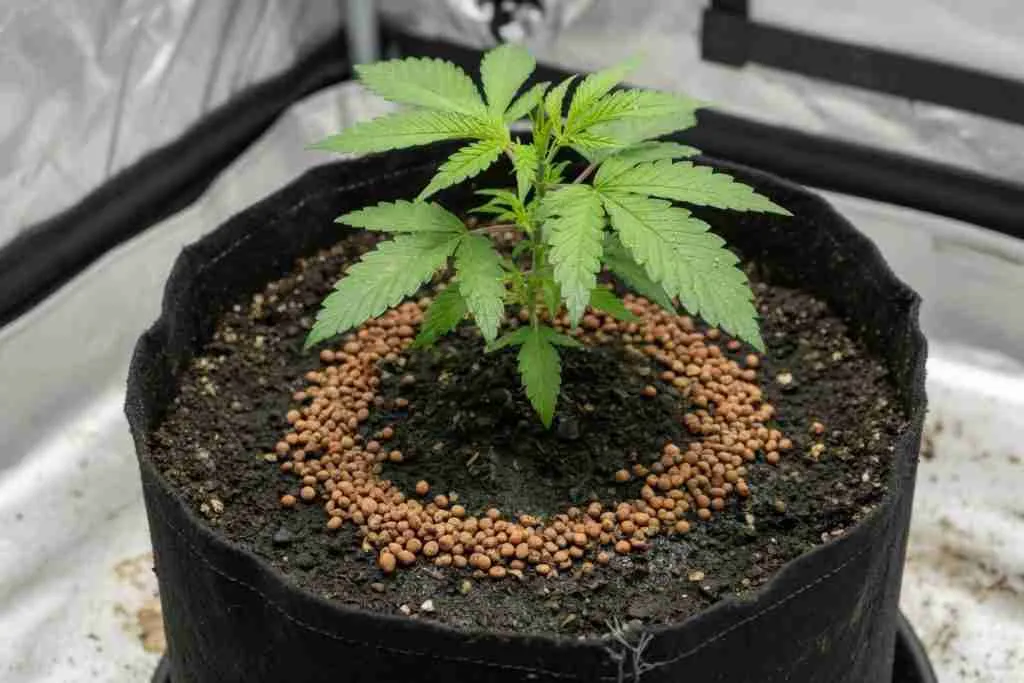
Once the plant is in the charged pot and making new leaves, you mostly water. The charge you mixed is the food for that first stretch. The next meal is the top dress: about one tablespoon of all purpose for each gallon of medium in the pot, once a month. Scratch it into the top inch. Water it in slowly. A handful of castings over the meal keeps the granules from blowing off the fan and gives the surface microbes a place to work. That monthly scratch is the light rate. It is not a second copy of the three-tablespoon mix. If the pot you measured holds four gallons, the scratch is about four level tablespoons, not four heaped ones and not twelve.
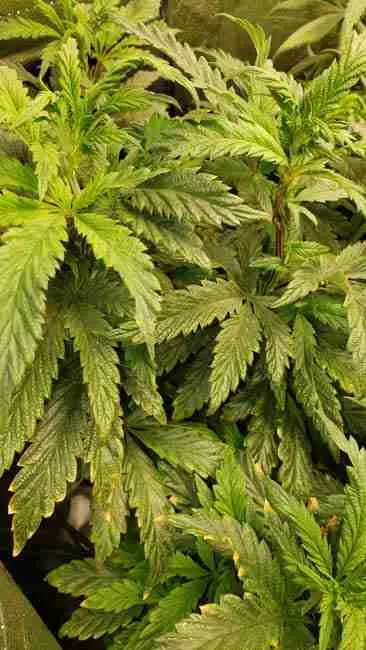
Veg wants the growth bag. The bloom bag is lower in nitrogen on purpose. A plant still stacking leaves will stall if you switch early because a calendar said flower is near. Stay on all purpose until you are actually about to flip a photoperiod, or until an auto shows pistils. The long chapter of leaf and stem, for the plant whose timer you control, is the vegetative stage. The three numbers on the bag are a rough map, not a recipe for a bottle. Four, four, and four means a balanced meal. The plant does not eat the three at the same speed. How to read that map on an organic bag, without turning this page into a mineral essay, stays on the organic fertilizer page you already have.
Nothing visible happens the day after a scratch, and that is the method working. The granules have to moisten, and microbes have to break them down, and the roots have to take the result up. If you judge the scoop tomorrow morning and add another because the color did not change, you will stack two months of food into one week. Mark the date on the pot. The next scratch is about four weeks later, unless the new growth fades early and the pot is drying on a normal rhythm. Even then you bring the date forward a few days. You do not double the spoon.
Water is the job between scoops. The surface has to stay moist enough that the biology keeps working. A crust that goes bone dry for a week does not release a top dress, and a pot that never dries cannot breathe. Lift it. Heavy means wait. Light, with a dry top, means drink. The full method is how to water. In a peat mix the water you pour still has to sit where the roots can use it. The band for that medium is pH for growing cannabis. Do not chase the number and change the scoop on the same day. You will not know which one the plant answered.
Light and air still decide whether the food becomes growth. A dim corner and a perfect scoop make a stretchy plant with pale gaps between nodes. Match the lamp to the floor of the tent, and give the leaves a little movement. The box around that lamp is the grow tent, and the rest of the room is the indoor growers guide. Fix the dim lamp before you decide the bag is weak. A meal cannot replace photons.
Scratch the meal in and wait
The scratch is a fingertip or a small fork in the top of the soil, around the stem, not a stick driven down through the roots. You are placing the meal where water will carry it. You are not tilling the pot. Torn roots plus a fresh meal is how a healthy plant sulks for a week and then gets blamed on the brand. Water slowly after, so the granules stay put. You want the surface moist. You do not want a river out of the bottom that carries the new meal into the tray.
This pot is not on a salt chart. You should not be pouring until runoff every single watering just to prove the soil is clean. A little drainage now and then tells you the bottom is not a hidden swamp. A weekly flood to clear the medium is a different system, and it lives on flushing. In this pot that flood mostly wastes the meal you just paid for and starves the biology you are waiting on. If you also run a bottled nutrient line beside these bags, pick one system. The bottle and the granule do not know about each other. Together they are how the tips burn while you are sure you followed both labels.
Shift to the bloom bag

The flower bag is Power Bloom, 2-8-4. The potash number matches the growth bag. Nitrogen is lower. Phosphorus is higher. It is not a potassium booster, and it is not a reason to buy a second bloom bottle. What the plant uses phosphorus for, and the ceiling once it already has enough, is the phosphorus page. You are here for when the bag in your hand changes.

Time the change with the plant, not with a date you circled in hope. On a photoperiod, the scratch about a week before you flip can be a blend: part all purpose, part power bloom, and the total is still about one tablespoon per gallon. It is not one tablespoon of each. Stacking a full scoop of both bags doubles the meal and doubles the potash that people think they are only adding a little of. After that changeover, the monthly scratch is the bloom bag alone. On an auto, make the shift when you see the first pistils, not when a photoperiod chart says the eighth week. The two clocks are photoperiod or autoflower. The stretch, the dark period, and the feed ideas that belong to a flipped timer stay on the flowering stage. Here you are only changing which bag you scratch.
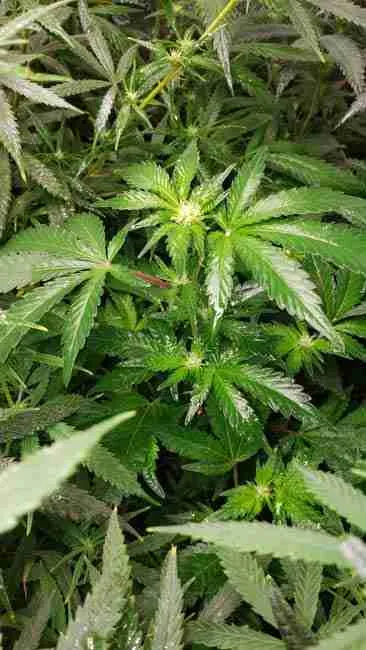
A fast plant may only need that one bloom scratch, then plain water while the flowers finish. A long plant can take another light scratch midway through flower, still at the monthly rate, and then you stop. Stop with weeks left. A fresh meal the week you cut does not become weight in the jar. It sits in the pot while you are hanging branches. If the flowers are already stacking and the leaves are a decent green, the pantry is full enough. Another scoop because a video added one on day thirty is how you get harsh tips and no extra flower.
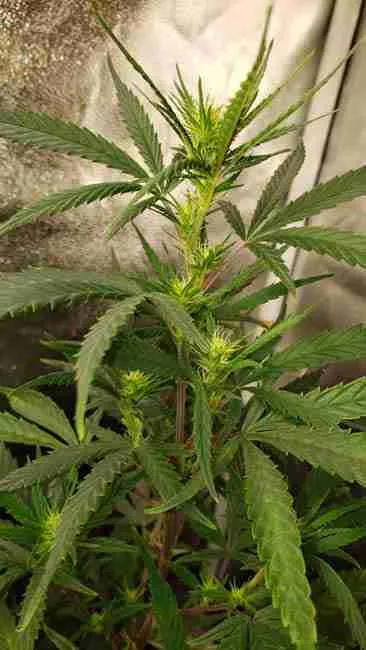
Outdoor plants on this meal follow the sun, not a flip. The same two rates apply, counted off the gallons in the pot. Rain will wash a fresh scratch if you lay it down the hour before a storm. Scratch when you can water it in yourself and the next day looks dry. A plant against a warm wall still eats on the volume of the pot, not on how tall it got. If the outdoor season is short, do not plan three bloom scratches you will not have weeks for. One changeover and one mid-flower scratch is a full outdoor plan for a lot of plants.
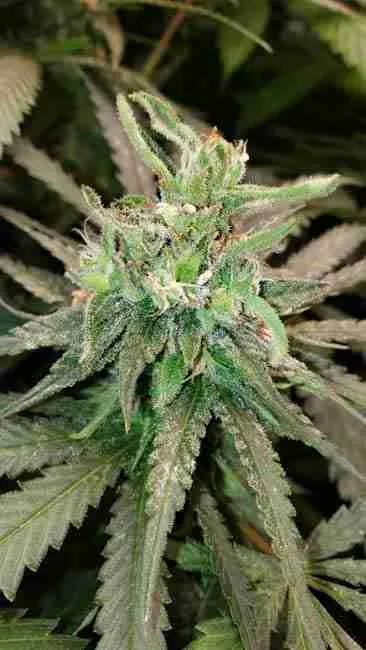
Stop before the week you cut
The last scratch should already be in the soil while the flowers are still building. Then you water, you watch the resin, and you leave the bag shut. There is no ripening scoop. Lower leaves can yellow in mid and late flower while the tops stay fed. That is the plant moving food it already stored. It is not an order for more bloom meal. Adding a heavy scratch because the bottom fans faded is how people overfeed a plant that was doing the job.
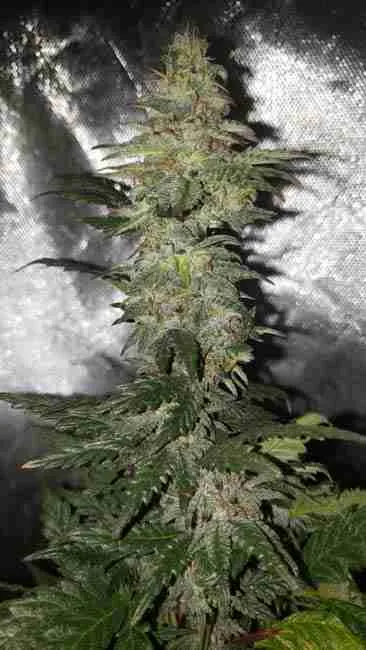
Read the glands on the calyx when you are close, not the date on the packet and not the color of a sugar leaf. Clear is early. Cloudy is the window most people wanted. If you are still scratching meals, you are not in that window yet. Give the last scratch time to become the plant, then give the cut time to dry. A hot fast dry wastes the flower you spent the month feeding. The jar is the harvest. The wet cola on the scale is still mostly water.
Read the leaves before the next scoop
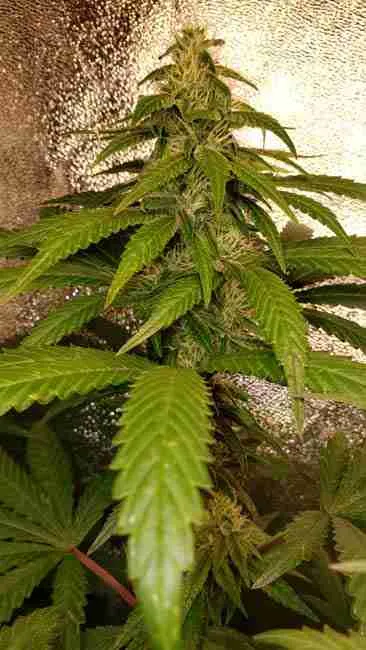
The new tip is the report. Even green, still reaching, pot drying on a schedule you recognize: leave the plan alone. Dark, thick, and hooked down: this plant has more nitrogen than it wants. Skip the next all-purpose scratch. If you are already near flower, make the next one the bloom bag and keep it at the monthly amount, not a makeup dose. The sort for that downward hook is leaf clawing. Pale new growth a full month after a scratch, with the pot actually drying between waterings: the charge is used. That is the day for the monthly amount. It is not a rescue drench the same afternoon.
Burnt tips in the week after a heavy scratch are the dose. You used the mix rate as a top dress, or you stacked both bags, or you poured a bottle on top of a meal that had not released yet. Plain water. Wait. Do not add a calcium bottle, a spoon of Epsom, and another meal in the same week. If the leaves really do show a magnesium pattern after you have ruled the dose out, that pattern has its own page, magnesium. Kelp and the other organic meals are seaweed fertilizer. A dry granule does not go in a sprayer. Dust on a fan leaf is not foliar feeding. It is a mess, and in flower it sits on the cola you plan to smoke.
If the whole plant fades and the pot smells sour, look at water and air before you look at the bag. Roots in a swamp cannot use a meal no matter how correct the tablespoon was. Let it dry back. One change. The color map, for the day a leaf really does not match a simple overfeed, is nutrient deficiency. On this method the usual miss is too much meal too close together, or a top dress that never got moist, or a pH the peat could not work with. The bag is rarely empty when the tips are already burnt.
Write the scratch dates on the pot, next to the pack name and the day you sowed. Sisters from one packet do not eat at the same speed. An unlabeled tent teaches you nothing you can repeat. If one plant claws and its sister stays a normal green under the same lamp, the clawed one got a heavier pocket of meal, or it is a hungrier plant and you still do not punish the sister with a double scoop. Next run you will know whether this line wanted the monthly rate or whether you simply stacked a forum sheet on top of a full mix.
The other buckets are not the feed
The same shelf sells gypsum, basalt rock dust, bone meal, oyster shell flour, and the living soil blend. The two bags you are already using contain meals, rock dust, kelp, and shell. A second bucket is a soil fix for a problem you can name, or a way to build a bed, not a spoon you add every two weeks beside the monthly scratch. Bone meal on top of the bloom bag is more phosphorus you may already have. Gypsum is calcium and sulfur for a mix that is tight or short of those, not a flowering trick. Oyster shell is a slow calcium. If you cannot say which lack you are fixing, leave the lid on.
The living soil bag is the exception that replaces the peat tub at the start. It does not replace the decision to scratch on a calendar the plant can use, and it does not ask you to add all purpose at the mix rate on day one. Pick the built bag or the tub you mix yourself. Running both at full strength is the same mistake as stacking the two fertilizer bags. One pantry. Then time.
In Canada the cap is four plants per household, not per adult. Quebec prohibits recreational home growing. Manitoba has allowed indoor growing only since 1 May 2025, and the age there is 19. A seedling counts. A second set of cups still counts. The jar you keep is marijuana you fed on a slow meal, and the weed that finishes clean is usually a plant that got the monthly scratch and then time.