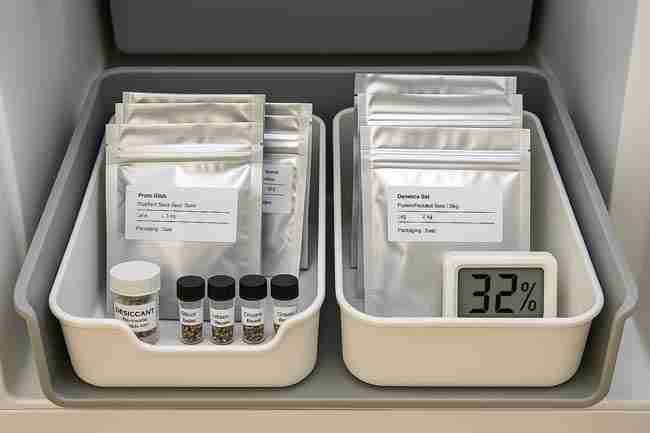
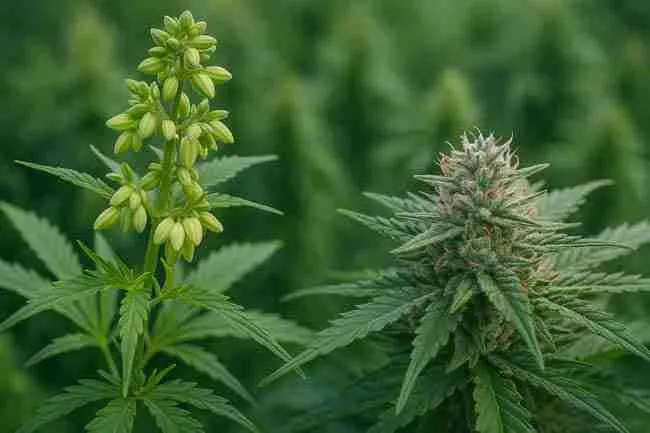
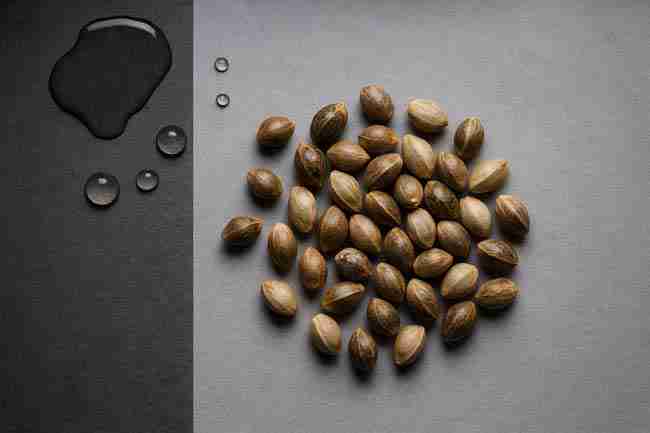
Growing Cannabis Seeds in the True North


Growing cannabis seeds in the true north is a frost job before it is a strain job. The envelope can say True North Seedbank, Green Avenger, or any other Canadian catalog you typed into Google. The plant does not read the logo. It reads night temperature, day length, and how many weeks you have between the last spring frost and the first fall freeze. If you get those three right, a five-pack of marijuana seed will finish. If you get them wrong, a famous name still dies on a September night.
You have two legal starts for a home weed plant: a clone, or a seed. Clones skip sexing and copy a plant someone already liked. Seeds mail in an envelope, grow a taproot clones never make, and they are the start most people in Canada actually use. High-quality seed can make a strong crop. Weak seed wastes the short season you already paid for with latitude. Before you pop anything, check that growing cannabis is legal where you live, then buy a pack that can finish in your window. Many searchers still look up True North Seedbank. Buy cannabis seeds in Canada from a packer that ships from this country if you want that same northern job without pretending the catalog is the climate.

Green Avenger packs named feminized lines at about four dollars CAD a seed, and a mixed feminized pack closer to a dollar a seed. That is the shop, not a promise that every seed on earth will crack. You still germinate in the dark, keep the towel damp, and plant the taproot down. The walkthrough below is the one ranking pages in 2026 keep repeating for Canada: start indoors, harden off, move out after frost, pick autos when the season is short, and stay inside the four-plant household cap. Shop the current list in the cannabis seeds store.
What True North Means When You Grow From Seed
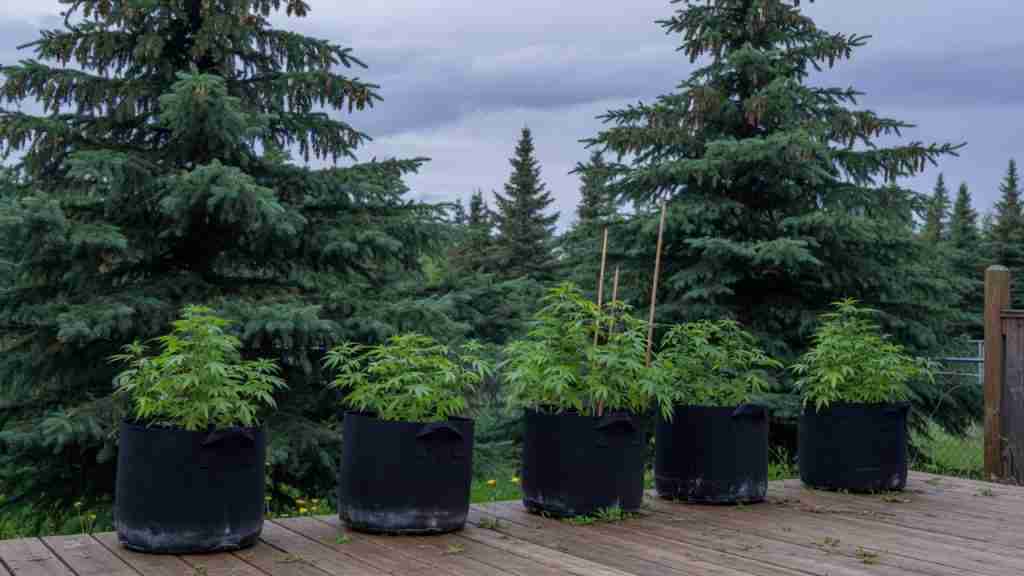
True north, on this page, is the Canadian outdoor clock plus the indoor tent that saves it. Coastal British Columbia gets a long, wet season. Southern Ontario gets a usable May-to-October stretch if you start inside. The Prairies, northern Ontario, Atlantic Canada, and the territories get a short, bright summer that ends in a hurry. Ranking guides in 2026 all say the same thing in different words: last frost sets the transplant, first frost sets the harvest, and genetics that finish late are a bet against September.
You do not grow a California photoperiod the same way you grow a Prairie auto. A plant that needs eight weeks of flower after the nights lengthen will still be white-haired when the grass is already silver. Autos flower on age. Photoperiods flower when nights get long enough. That difference is the whole outdoor argument in Canada. Indoor tents skip the argument because you set the clock. Outdoor decks do not. Work the season you have, then pick seed that matches it. Outdoor technique lives on growing cannabis outdoors. Finish dates and outdoor seed types live on best cannabis seeds for outdoor growing.
Hardiness zones tell you winter lows. They do not tell you the May night that still hits minus two. Look up your town’s average last spring frost and first fall frost, then add a buffer. Cannabis seedlings stall under 10 °C at night even when the forecast says “no frost.” Soil in a black fabric pot warms faster than garden ground, which is why containers are the default for a four-plant household. You can drag a pot under a roof. You cannot drag a garden bed.
Four Plants, Quebec, and Manitoba Indoor-Only
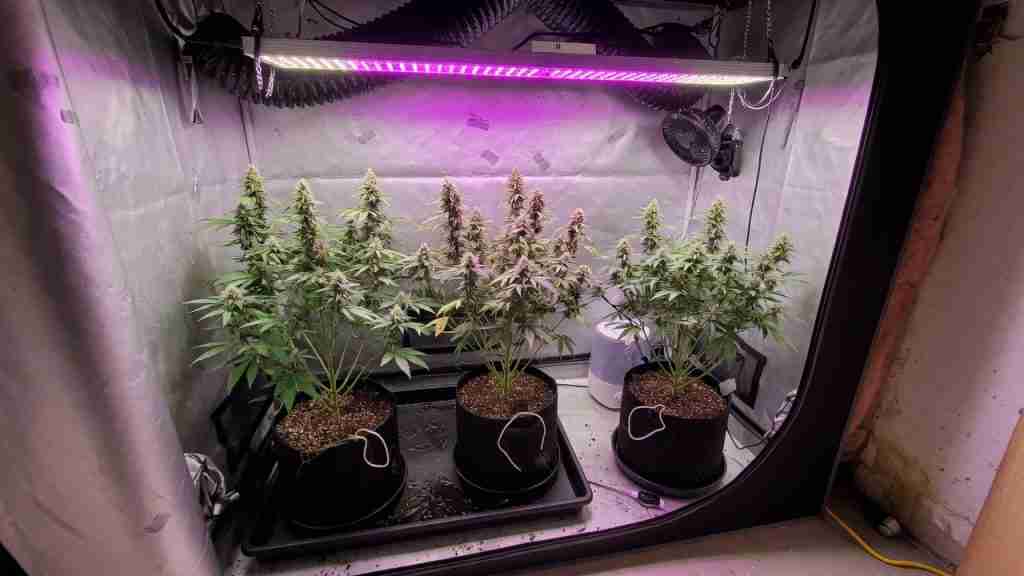
Federal recreational law caps you at four cannabis plants per household, not four per adult. Cannabis Act section 12 is the rule. If two adults live in the house, you still get four plants, not eight. Seedlings that have left the paper towel count. A closet full of cups is not a free extra garden. Quebec still prohibits recreational cultivation, including planting marijuana seed, and the legal age there is 21. Manitoba, since 1 May 2025, allows up to four plants indoors only, locked away from anyone under 19, at one residence. Outdoor weed in Manitoba is not the recreational product.
ACMPR registrations still exist for people who need more plants than the recreational cap. The certificate has to be in hand before the extra plants, and only at the named site. The shop sells seed. It does not issue registrations. If you are in Quebec without a medical path, you are reading a germination article, not a backyard permit. If you are in Manitoba, plan a tent. If you are anywhere else in Canada with recreational grow rights, four plants is the box you design around. A 5-pack covers that household with a spare seed for a failed germ. That is the math. It is not a license to run a sixth plant “just in case.”
Why Grow Cannabis From Seeds Instead of Clones
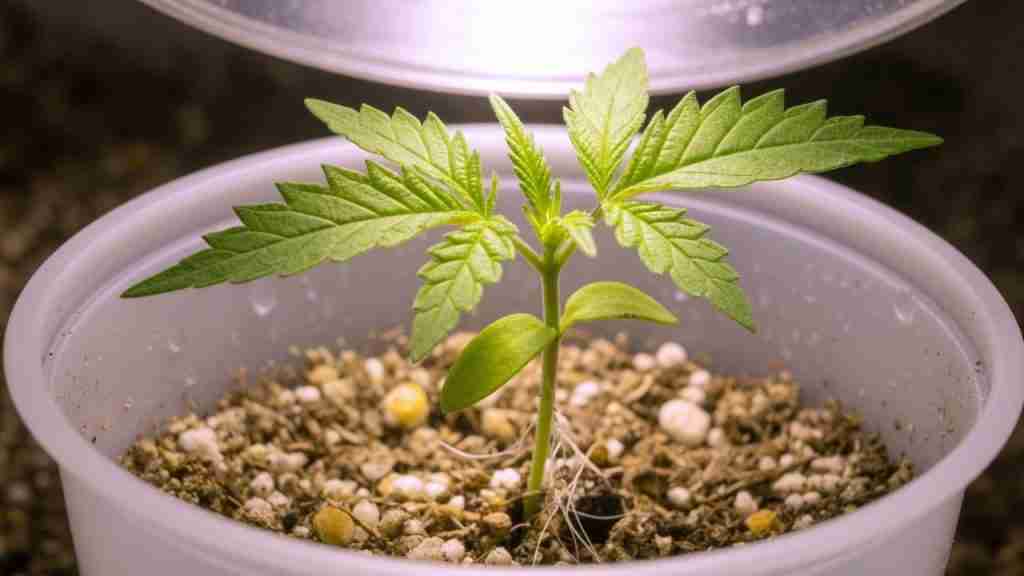
Seeds are easier to get. Clones need a cut, a wet cube, and someone who already has a mother. Seeds ride in the mail. For most home growers that is the whole decision. The plant side of it is the taproot. A seed-grown marijuana plant drives a primary root down. A clone never grows that taproot. It grows a fibrous copy of whatever roots the cut had. In a fabric pot on a windy Prairie deck, that taproot is useful. In a hydro bucket it matters less. You are probably in soil or coco in a 3–7 gallon pot, so start from seed.
Seed also gives you options clones do not. You can germinate in April on a kitchen plate, veg under a cheap LED, and still hit the outdoor window. You can run autos in a short season. You can keep a photoperiod in a tent all winter. Clones of a long-flower sativa will not finish in Saskatoon just because the cut was pretty. Matching the seed type to the frost date is the job. Clone technique, if you later want it, is on how to clone cannabis.
Feminized seed removes most of the male problem. Regular seed is for breeding, not for a first outdoor run you cannot afford to sex late. Start feminized unless you have a reason to keep males. Then germinate indoors. Outdoor soil in May is still a cold, wet grave for a dry seed.
Frost Windows Across Canada
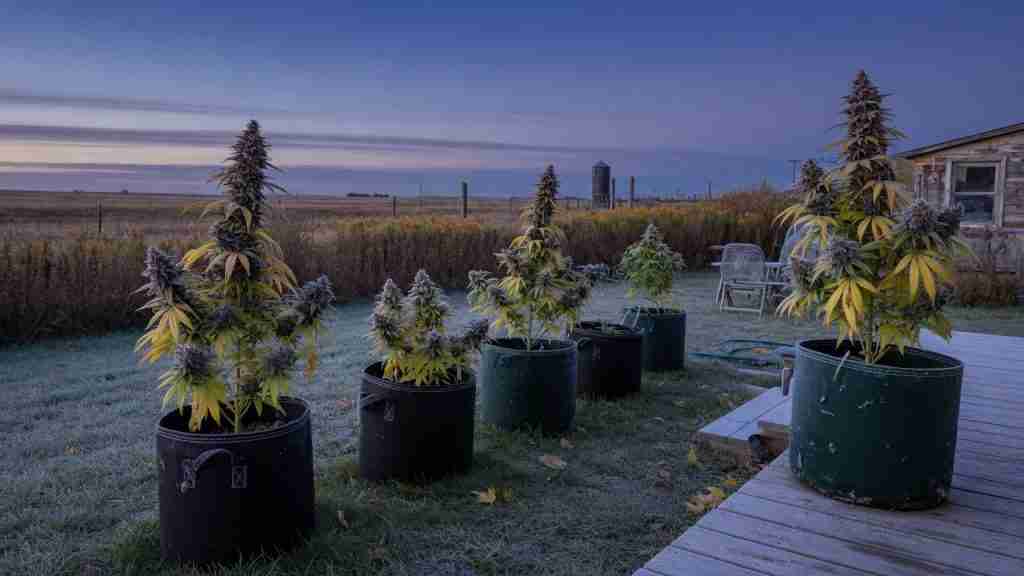
Last frost is the earliest night you should trust a seedling outside. First frost is the night that ends the argument. Between those two dates you have the season. Typical averages, not a warranty for your backyard: coastal B.C. last frost late March to mid-April, first frost late October into November. Interior B.C. last frost early to mid-May. Southern Ontario last frost late April to mid-May, first frost early to mid-October. Ottawa and the Shield run colder than Toronto. Quebec last frost often mid-May. Prairies last frost mid-to-late May, first frost mid-to-late September. Atlantic Canada last frost mid-to-late May, first frost late September into October. Yukon, NWT, and Nunavut last frost late May into June, with fall cold in late August or September.
Those windows are why ranking pages tell Prairie and northern growers to run autos, and why coastal B.C. can still finish a photoperiod if mold does not get it first. Night temperature is the transplant gate, not the calendar app. Wait until nights hold around 10 °C. A 12 °C afternoon with a 3 °C night still stalls a seedling. Fabric pots on a south wall pick up heat. A low spot by a fence collects frost. If you only remember one outdoor number, remember 10 °C at night for the move, and your town’s average first frost for the chop. Zone maps help, and the long version is on the North America growing zone guide.
Count backward from transplant to pick a germ date. Photos for a late-May move often start indoors 4–8 weeks earlier, so late March into April. Autos hate sitting in a cup for two months. Start autos about 1–3 weeks before the outdoor move, or germinate them after last frost and still finish in 70–100 days. A second auto run is how some northern growers get more than one harvest. That play is on more than one cannabis harvest in northern climates.
Victoria Day Is a Marker, Not a Law
Victoria Day, the Monday before May 25, is the weekend a lot of southern Ontario gardeners move tomatoes. Cannabis growers copied it. It is a useful marker in Toronto, Hamilton, and Niagara if the nights have already warmed. It is early for Calgary, Edmonton, Halifax, and anything north of the Shield. It is late for coastal B.C. Do not treat the long weekend as a national plant-out. Treat it as a reminder to check the 10-day forecast and the soil temperature in the pot. If a cold snap is coming, wait. A week of extra indoor veg beats a dead plant on May 22.
Autoflower Seeds for Short Northern Seasons
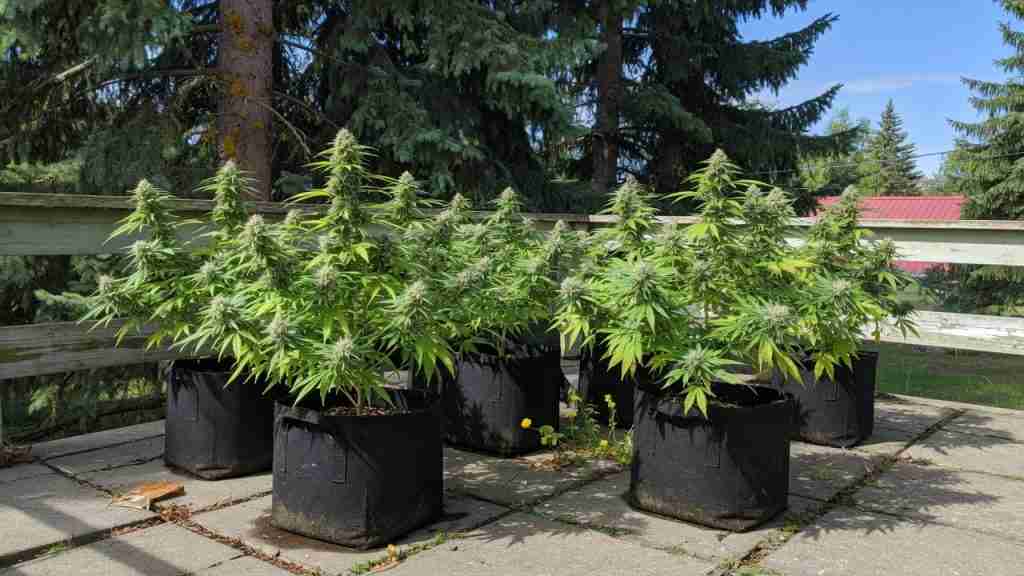
Autos flower on age. Long June days do not keep them in veg, and they do not wait for August nights. Most finish in about 70–100 days from sprout, some faster, some slower. That is why they dominate Prairie, northern Ontario, Atlantic, and territorial outdoor lists. You plant after last frost, or you start two weeks early indoors, and you cut before September tries to kill the cola. Midsummer light in the north is a gift for autos. They use every hour. Photoperiods up there often will not flip until the season is already dying.
Keep autos in the final pot early. They do not have spare weeks for transplant shock. A cup for the first 10–14 days, then the 3–5 gallon fabric they will finish in, is plenty for a four-plant patio. Do not top an auto the week it shows pistils. Low-stress tie-downs are enough. Feed lighter than a big photoperiod. Overpotting a seedling auto in cold soil is how you get a 20 cm plant with one sad bud. If your frost-free stretch is under four months, autos are the seed type, not a side option.
Photoperiod Seeds When You Have the Weeks
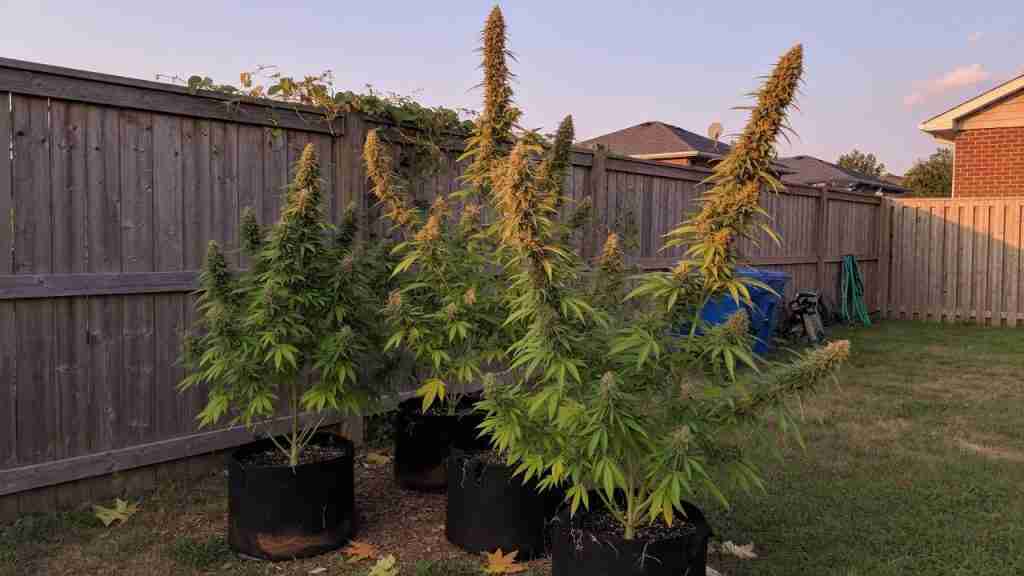
Photoperiods veg while days are long and flip when nights stretch. In much of Canada that flip is late August into September. An “8-week flower” pack still needs those eight weeks after the flip. If nights get long the last week of August and frost hits October 5, you have five to six weeks, not eight. Southern Ontario, interior B.C., and parts of Atlantic Canada can finish a fast photoperiod. Coastal B.C. has the weeks and the rain. Fast, mold-aware outdoor lines beat a long sativa that wants November.
Canadian Sunshine is the house outdoor seed here: East Coast work on a Sensi Star cut, bred for a Canadian season, listed around 7–8 weeks of flower. Use it where you have the weeks. Use an auto where you do not. Indoor photoperiods are a different tool. You flip them when the plant fills the tent, not when the sun says so. How to run that clock is on how to control flowering with photoperiod seeds. Outdoor, the sun is the timer, and frost is the stopwatch.
Germinate Cannabis Seeds Indoors First
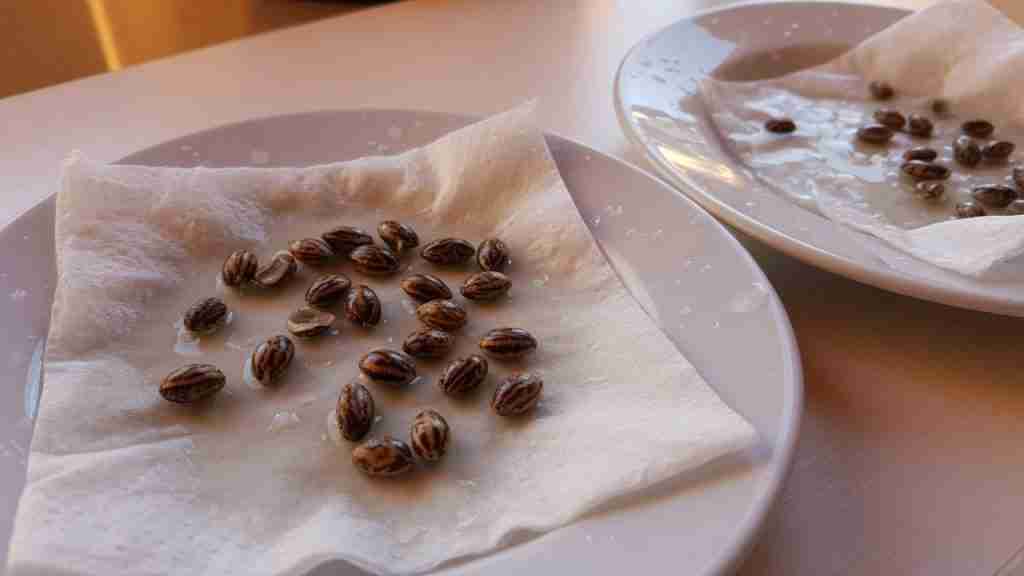
Dropping a dry seed in cold May dirt is how you wait two weeks and then buy another pack. Germinate indoors. You need water, warmth, and air. That is the whole list. Distilled or dechlorinated water, paper towels, and two plates will do it. A heat mat helps a cold apartment. A sunny window is a bad germ chamber because it cooks the towel by noon and chills it at night. Keep the plate in a cupboard at about 21–26 °C, which is 70–85 °F in the old backbone of this article. Check once a day. Do not drown the seed. The long germ walkthrough is cannabis seed germination.
Viable seed often cracks in 24–72 hours in a warm towel. Three to ten days is a normal window. Past two weeks you are usually holding a dead seed, not a stubborn one. Fresh fridge-stored seed often skips a long soak. Old, hard seed can take a 12–24 hour drink first, then the towel. Past 24 hours in a glass the embryo wants oxygen. Named packs are tested to a paper-towel floor on the reviews page. Your plate still has to be damp, dark, and warm.
Paper Towel, Distilled Water, and the Taproot
Take four paper towels and two plates. Soak the towels with distilled water and wring them so they are damp, not dripping. Lay two towels on a plate. Space the seeds about an inch apart. Cover with the other two towels. Invert the second plate over the first so the stack is dark. Put the plates in a cupboard. If the towel dries, a few drops of water, not a flood. Kitchen paper that turns to mash is a bad towel. Use a brand that still looks like a sheet when wet.
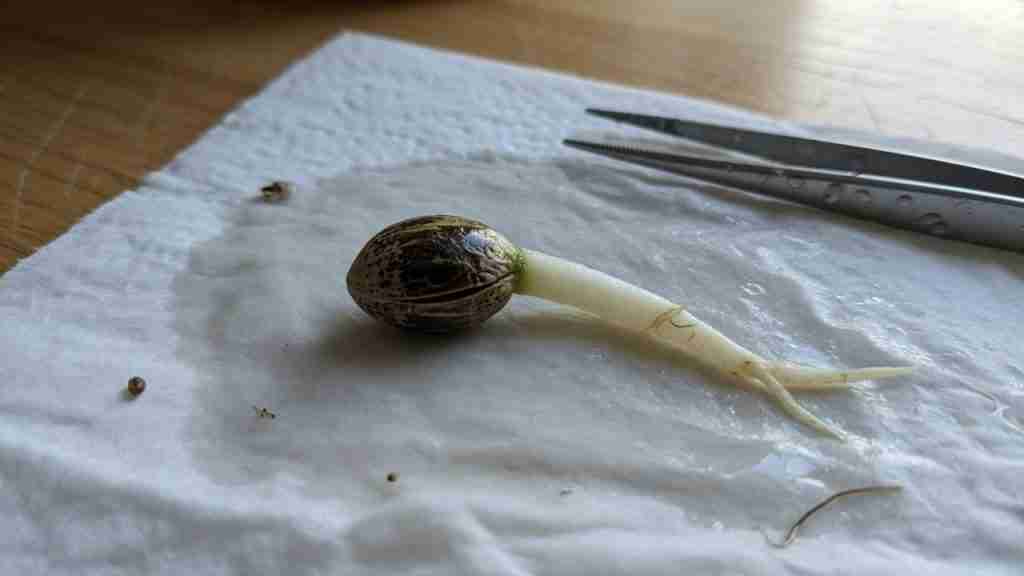
When the taproot is a few millimetres to about a centimetre, plant it. A long white worm on the towel means you waited. Long roots snap when you peel them off the paper. Lift the top towel, look, close it. Do not pinch the sprout with your fingers. Wash your hands. Use tweezers. Root tip down, shell up, about 5–10 mm of mix over the seed. Direct-to-cube skips the towel if you hate handling roots. Autos often prefer that. Photoperiods tolerate the towel plus a careful move. Label the plate if two packs are running. Tangled roots from a clump of ten seeds is how you break one.
Move the Sprout Into a Cup, Not a Giant Pot
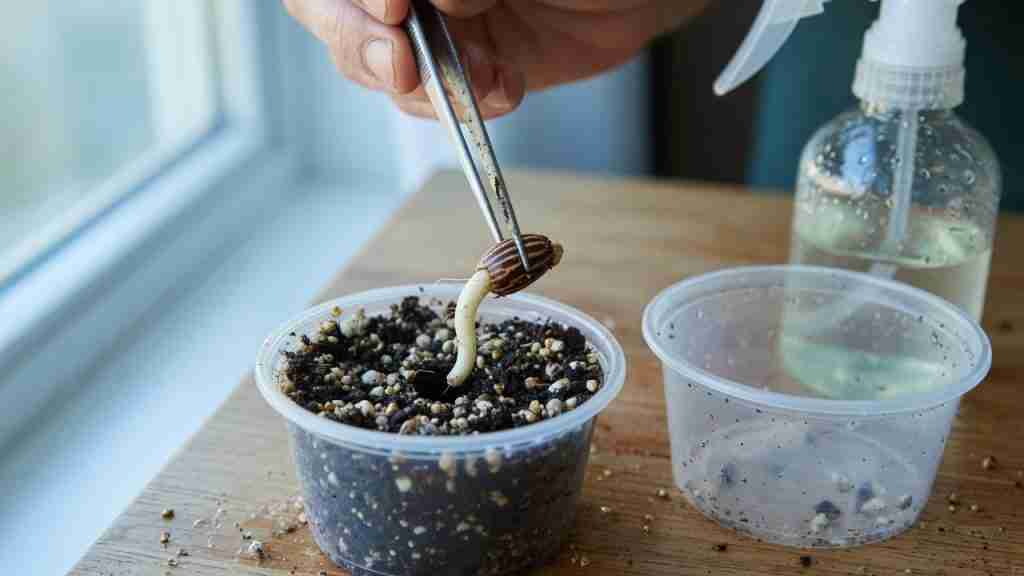
A one-gallon pot is already big for a seed that cracked this morning. A three-gallon pot of cold, wet mix is how you drown a taproot. Start in a cup or a small nursery pot of light seed-starting mix. Pre-moisten the mix. Poke a hole. Tweezers, taproot down. Cover lightly. Spray the surface. Do not pour a jug on it. Put the cup under a mild LED on 18/6. That is eighteen hours of light and six of dark, the veg clock this article has used since 2021. Keep the mix warm. A seedling in a swamp of peat will damp off before it ever sees a deck.
True leaves mean you can think about a bigger pot. Cotyledons only means wait. Up-pot to a 1–3 gallon when the cup is rooted, then to the finish pot if you are going outdoor. Autos skip the extra shuffle when you can. Photoperiods can take it. Container sizes, saucers, and why fabric dries faster than plastic are on growing cannabis in containers. The seedling week-by-week is the seedling stage of growth.
Harden Off Before You Move Marijuana Outside
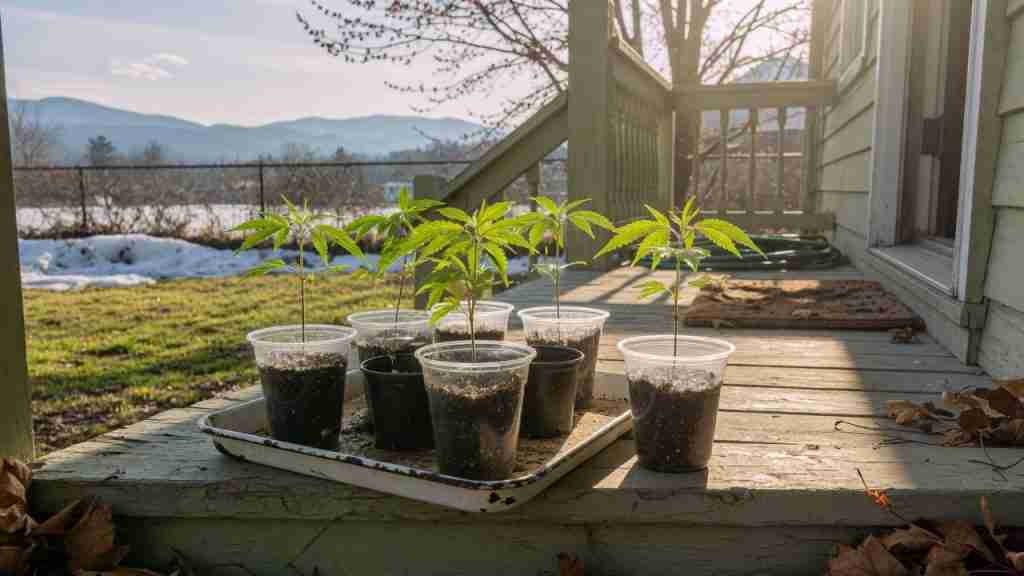
Indoor LEDs are not May sun. A seedling that lived in a closet will bleach, wilt, or stall if you drop it on a south deck at noon. Harden off for 7–14 days. First days: an hour or two of morning light, then back inside. Add time each day. Keep them out of hard wind at first. Bring them in at night until nights hold. Leftover snow in the yard is a hint you are early, even if the afternoon feels friendly. A cold frame or an unheated porch is a useful halfway house in Atlantic Canada and on the Prairies.
Once they live outside, watch the forecast like it owes you money. One night below 0 °C can end a young plant. Frost cloth, a cardboard box, or dragging the pot into the garage beats a speech about toughness. After last frost, the next killer is wind drying a small cup, then June heat in a black pot with no water. Check twice a day at first. Spray, then water heavier as the plant drinks. How much water, and when, is on water cannabis plants.
Pick the outdoor site for sun. A north wall under a spruce is a slow plant. A south or west deck with a railing is the four-plant setup most Canadian balconies actually have. Dump saucers after rain so the taproot is not sitting in a puddle.
Growing Cannabis Seeds Indoors in a True North Tent
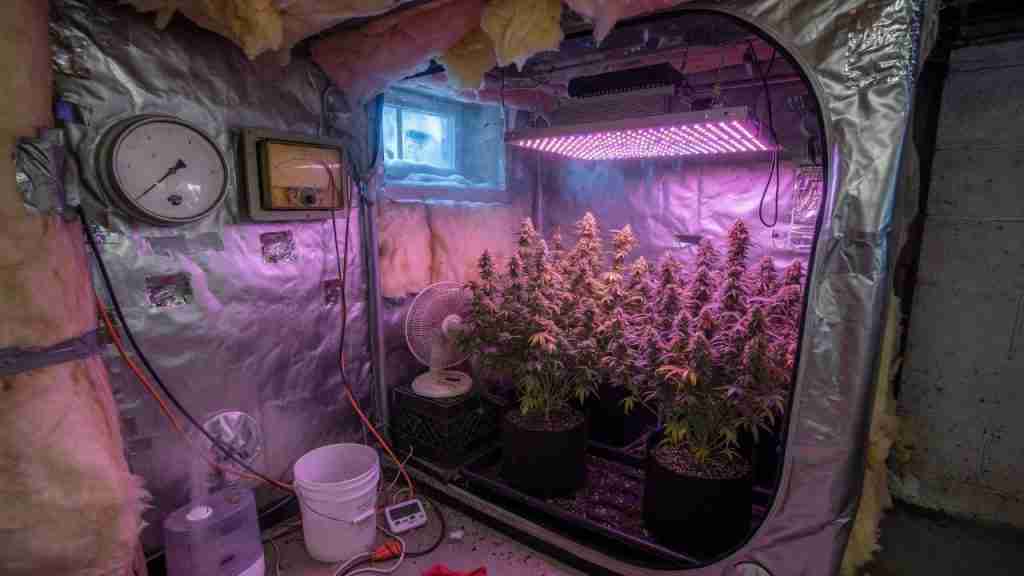
A basement tent is how you ignore September. It is also the only recreational outdoor-alternative in Manitoba, and the practical answer in Quebec if you have a legal medical path. Four plants in a 4×4 or a tight 3×3 is a real Canadian room. Veg 18/6. Flower 12/12 for photoperiods. Autos can stay on 18/6 or 20/4 the whole run. LED is the indoor light this article told you to use in 2021, and it is still the right call. You do not need a 2026 gadget review. You need enough light to keep internodes short, enough exhaust to dump heat, and a thermometer you actually look at.
Indoor seed grows fail on three boring things: wet mix in a giant pot, lights too far in week one, and flipping a photoperiod before the plant fills the space. Keep the cup close enough that the seedling does not stretch into a wet noodle, then raise the bar as the canopy climbs. 24–26 °C lights-on is a working veg range. A little cooler in flower helps density. Winter basements are dry. A small humidifier beats crispy leaf edges. Summer basements are wet. Dehumidify in late flower or you grow bud rot in a legal four-plant tent. The indoor walkthrough is the indoor cannabis growers guide.
You can veg indoors and finish outside: bank four to eight weeks of growth, harden off, then use the long June light. You can also veg outside and finish in a garage if September turns ugly. Dragging a fabric pot is the point of containers. Count on a thermometer. Guessing is how true-north grows die at 3 a.m.
Specs for a Northern Seed Grow
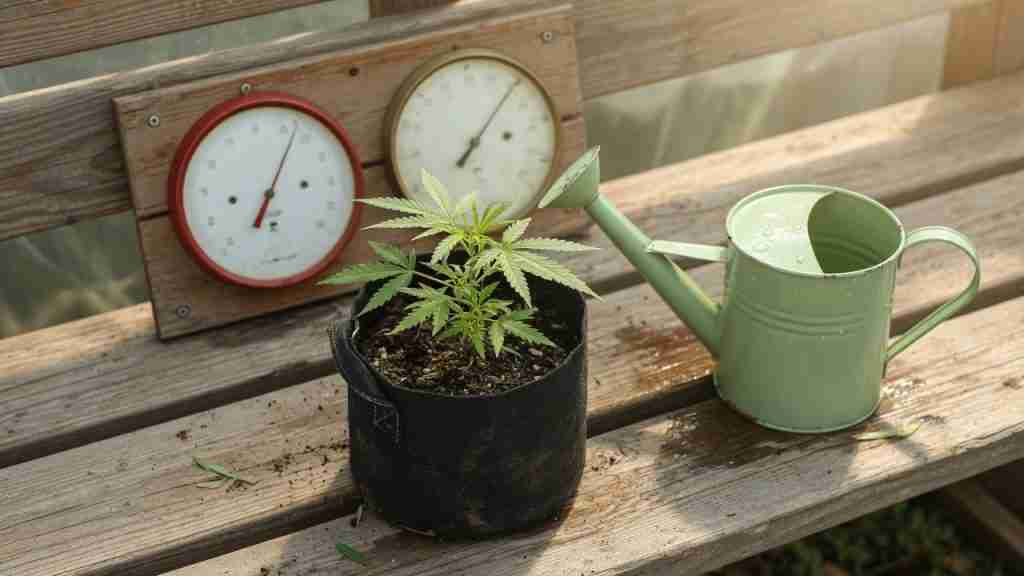
Germ temperature: about 21–26 °C, 70–85 °F. Towel: damp, not soaked. Spacing: about an inch. Dark until the taproot shows. Planting depth: 5–10 mm, taproot down, tweezers. First container: a cup, then 1–3 gallon, then a 3–7 gallon fabric for outdoor finish if the plant needs it. Autos often finish in 3–5 gallon. Light in veg: 18/6. Indoor flower for photos: 12/12. Outdoor transplant: nights near 10 °C after last frost. Hardening: 7–14 days. Recreational plant cap: four per household. Quebec: no recreational cultivation. Manitoba: indoor-only since 1 May 2025. Autos: about 70–100 days seed to chop. Photoperiod outdoor: only where weeks after the flip beat first frost. Named fems: about $4 CAD a seed. Mixed fem pack: about $1 CAD a seed. Pack and ship from Eastern Canada; weekday pack is typically 24–72 hours after payment, then Canada Post.
Water: spray at first, then water when the pot is light. Humidity: higher for seedlings, lower in late flower. Feed: skip bottled nutrients until true leaves, then start mild. Soil in a cup should be a seed-starting mix, not hot outdoor garden dirt.
Pros and Cons of Growing Cannabis Seeds in the True North
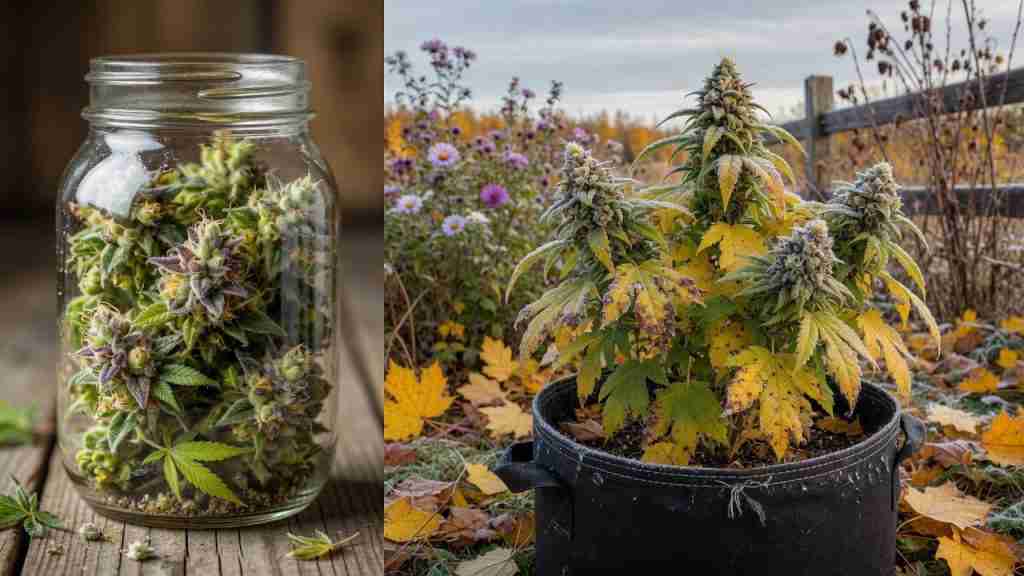
The northern climate is honest. You get long summer days, cheap outdoor light, and a hard stop in fall. Seed is the start that fits a mailbox and a four-plant law. The same climate will take a late photoperiod, a wet September, and a plant you put out on Victoria Day in Edmonton. Read both sides before you spend the pack.
Pros
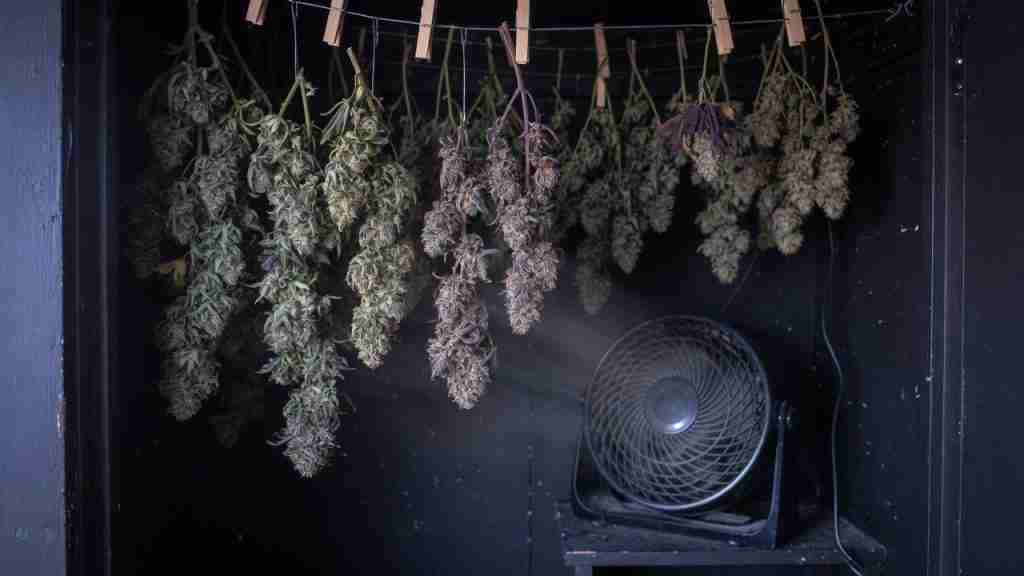
A seed-grown taproot handles fabric pots and wind better than a lazy clone. You can mail seed, store it in a fridge, and germinate on a plate when the forecast finally turns. Autos let Prairie and territorial growers finish before frost. Indoor tents let you grow through January. Four legal plants, done well, fill jars for a household. Midsummer light at latitude is strong. Fast outdoor lines and autos turn that light into a harvest instead of a frost photo.
Cons
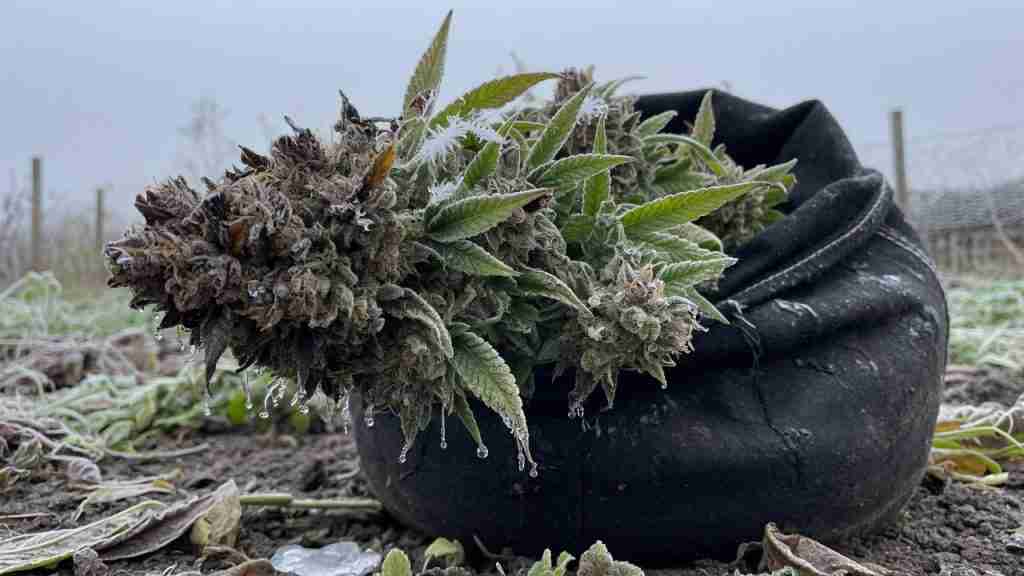
The season is short in most of the country. First frost in September is normal on the Prairies. Photoperiods that need a long flower lose. Mold in a wet coastal fall is the other loss. Seedlings hate cold nights. Direct-sow in May is a common failure. Autos punish extra transplants and heavy topping. Four plants is the cap, so a male in a regular pack is an expensive education. Quebec recreational growers cannot plant. Manitoba recreational growers cannot use the yard. A late start indoors does not add weeks to October. You either finish early or you chop immature. There is no patriotic exception for a cola with ice on it.
Questions Growers Ask About Growing Cannabis Seeds in the True North

When do I plant cannabis seeds outdoors in Canada? After last frost, when nights hold near 10 °C. For a lot of southern Ontario that clusters around mid-to-late May. For the Prairies and much of Atlantic Canada it is late May to early June. For the territories it is June. Start the seed indoors 4–8 weeks before that date if it is a photoperiod, and 1–3 weeks before if it is an auto. Victoria Day is a southern Ontario marker, not a national law.
Should I grow autos or photoperiods? Autos if your frost-free stretch is short: Prairies, northern Ontario, Labrador, the north. Photoperiods if you have the weeks after the August flip: southern Ontario, interior B.C., and some Atlantic yards, plus any indoor tent. Coastal B.C. has the weeks and the mold. Match the seed to the stop date, not to a strain name you liked on a menu.
Can I grow four plants? Recreational federal law is four plants per household. Quebec prohibits recreational cultivation. Manitoba is indoor-only since 1 May 2025. Extra plants need a medical registration, in hand, at the named site. Seedlings count. Cups on a windowsill count.
How long does germination take? Often 1–3 days in a warm towel, commonly 3–10 days. Past two weeks, start another seed. Keep 21–26 °C, damp paper, dark, taproot down with tweezers. Do not treat a shop line as a germ guarantee. Technique is on you.
Do I start in a big pot? No. Cup first, then the pot the plant will live in. Giant wet pots rot taproots. Fabric 3–7 gallons is a working outdoor finish size for four legal plants on a deck.
Can I leave them out at night in May? Only after you have hardened them and the nights stay warm. Bring cups in if the forecast dips. Frost cloth helps. Hope does not.
Is True North Seedbank the only catalog? No. It is a name people search because it sounds like the climate. Green Avenger is a Canadian-packed alternative with a short named list, CAD prices, and the same frost rules. Questions on an order go to contact us.
If you came here because you searched growing cannabis seeds in the true north, the work is simple: germinate in the dark, raise the seedling in a cup, harden it off, and either finish before frost or finish under an LED. The catalog name on the envelope is the least interesting part of that sentence. The frost date is the interesting part. Buy the pack that can die of old age in your window, not of ice.
Stone Cold Diesel is one named feminized line on the shelf if you want a concrete pack instead of a climate lecture. Product page: Stone Cold Diesel.