


Growing Autoflowering Cannabis Hydroponically: A Beginner’s Guide


Autoflowering cannabis plants are a fantastic choice for growers who want a fast, easy, and efficient way to produce quality buds. When you combine autoflowering strains with hydroponic systems, you get a match made in heaven. The growth rate is quicker, the yields are potentially higher, and the process can be more straightforward for beginners.
But how do you grow autoflowering cannabis hydroponically? What are the key points to consider, and how can you maximize your success? Let’s dive into everything you need to know, broken down into easy-to-understand sections.
Can You Grow Autoflower Cannabis Hydroponically?

Yes, you absolutely can grow this type of cannabis! Growing autoflowering cannabis in a hydroponic system is not only possible, but it’s also highly recommended for those who want to maximize efficiency. Hydroponics allows the plants to absorb nutrients directly from the water, which can accelerate growth and boost yields.
However, there are some things you’ll need to keep in mind. Autoflowering strains are known for their short life cycle, so they don’t require as much time in the vegetative stage as photoperiod strains. This means you need to pay close attention to their needs from the very beginning.
Key Points to Consider:
- Nutrient Balance: Since hydroponics provides nutrients directly, you need to get the balance just right. Too much or too little of a particular nutrient can stunt growth or damage the plant.
- Water Quality: The quality of the water is crucial. Make sure you’re using filtered water or adding necessary minerals to ensure the plants are getting what they need.
- Light Schedule: Autoflowers don’t depend on light cycles to start flowering. However, a consistent 18/6 light schedule (18 hours of light, 6 hours of darkness) is typically ideal for hydroponic growth.
How Much Does a Hydroponic Autoflower Yield?

Yield is a big concern for any cannabis grower, and when it comes to hydroponic autoflowers, the results can be impressive. While yield can vary depending on the strain, the growing conditions, and your experience level, you can generally expect a higher yield compared to growing in soil.
Factors That Affect Yield:
- Strain Selection: Some autoflowering strains are bred to produce higher yields. Choose wisely based on your goals.
- Nutrient Management: In hydroponics, the plants have access to nutrients 24/7, which can significantly boost yield if managed correctly.
- Training Techniques: Techniques like Low-Stress Training (LST) can help increase the number of buds, leading to higher yields.
| Yield Comparison | Soil | Hydroponics |
|---|---|---|
| Average Yield (g/plant) | 50-150g | 100-300g |
It’s not uncommon for experienced growers to harvest up to 300 grams per plant using hydroponics, which is considerably higher than what you’d expect from soil-grown plants.
Can You Keep Autoflowering cannabis in Vegetables?

Now, this is an interesting question! Technically, you could grow autoflowering cannabis alongside vegetables in a hydroponic setup, but there are some caveats. Autoflowering cannabis has specific nutrient needs that may differ from typical vegetables, so you’ll need to strike a balance.
Important Considerations:
- Nutrient Compatibility: The nutrients required for cannabis, especially during flowering, can be quite different from those needed for leafy greens or tomatoes.
- Space Management: Autoflowers can be small, but they still need adequate space to thrive. Make sure your hydroponic setup allows each plant (whether cannabis or vegetables) to get enough light and air.
- Pest Control: Growing different plants together increases the risk of pests. Cannabis and vegetables may attract different types of insects, so keep an eye out and manage pests accordingly.
While it’s possible, it’s usually better to keep them separate unless you’re growing similar crops that have compatible nutrient and light requirements.
What Is the Lifespan of an Autoflower Cannabis Plant?

Autoflowering cannabis plants are known for their quick turnaround time. From seed to harvest, most autoflowers take about 8 to 12 weeks. This rapid life cycle is what makes them so appealing to many growers, especially those who are looking to harvest multiple times in a year.
Breakdown of the Life Cycle:

- Germination: The seed cracks open, and a tiny root emerges. This stage lasts 1-3 days.
- Seedling Stage: The seedling grows its first set of true leaves. This stage lasts about 1-2 weeks.
- Vegetative Stage: The plant focuses on growing leaves and roots. This stage is shorter in autoflowers, usually around 2-4 weeks.
- Flowering Stage: Buds start to form, and the plant begins to produce the cannabinoids and terpenes that give cannabis its effects. This stage lasts 4-6 weeks.
- Harvest: The plant is ready to be harvested once the buds are mature. You can tell by looking at the trichomes under a microscope—they should be milky or amber.
Because of their short lifespan, you need to be on top of your game from day one. There’s no time to correct mistakes, so preparation is key.
What Are Three Autoflowering Cannabis Plants That Are Not Recommended for Hydroponics?

While hydroponics is fantastic for many autoflowering strains, not all of them thrive in this environment. Some strains are better suited to soil or other growing methods. Here are three autoflowering strains that you might want to avoid growing hydroponically:
- Lowryder: Known for its extremely short stature, Lowryder can be tricky to grow hydroponically because it doesn’t always respond well to the intensive nutrient delivery that hydroponics provides.
- Critical Mass Autoflower: This strain is prone to mold and mildew, which can be exacerbated in a hydroponic system due to the high humidity levels often found in these setups.
- Northern Lights Autoflower: While popular, Northern Lights can be finicky in hydroponics, especially for beginners. It requires precise nutrient management and can suffer if not given the exact conditions it needs.
These strains might perform better in soil, where they can take up nutrients more naturally and where there’s less risk of root issues.
How Often Should You Water Autoflower Cannabis?

One of the perks of hydroponics is that you don’t have to worry about traditional watering. Instead, the roots are constantly in contact with water (or a nutrient solution), meaning the plant always has access to the hydration it needs.
However, if you’re using a hydroponic setup like a Deep Water Culture (DWC) or Nutrient Film Technique (NFT), you need to make sure the roots are exposed to oxygen as well. This is usually managed with air stones or a similar method to keep the water oxygenated.
Key Tips for Hydroponic Watering:
- Maintain Oxygen Levels: Ensure that your system is providing plenty of oxygen to the roots. Stagnant water can suffocate them, leading to root rot.
- Monitor pH Levels: The pH of your water should be between 5.5 and 6.5. Too high or too low, and your plants won’t be able to absorb nutrients effectively.
- Change the Water Regularly: To avoid the buildup of salts and other unwanted chemicals, change the nutrient solution in your system every 1-2 weeks.
What Is the Easiest Autoflowering Cannabis Strain to Grow Hydroponically?

When it comes to hydroponics, some strains are just easier to work with than others. If you’re new to growing cannabis or new to hydroponics, you might want to start with an easy-to-grow strain.
Top Pick: Blue Dream Auto
- Why It’s Easy: Blue Dream Auto is a resilient strain that adapts well to different growing conditions, including hydroponics. It’s not too picky about nutrients, and it can handle minor mistakes without much fuss.
- Growth Time: Expect to harvest in about 9-10 weeks.
- Yield: This strain can produce up to 300 grams per plant in a hydroponic setup, making it a great choice for beginners who still want a decent yield.
Other easy strains include White Widow Auto and Amnesia Haze Auto, both of which are known for their hardiness and good yields.
FAQ Section: Growing Autoflowering Cannabis Hydroponically
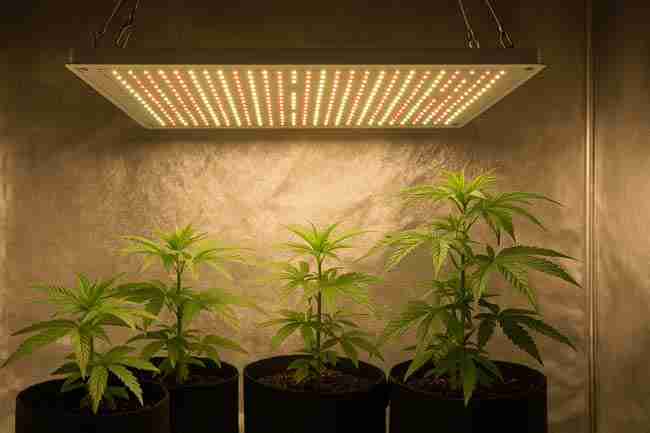
Q: Can I grow autoflowering cannabis with LED lights in a hydroponic system? A: Yes, LED lights are actually a great choice for hydroponic systems because they’re energy-efficient and provide the right spectrum of light for all growth stages.
Q: How do I control the humidity in my hydroponic setup? A: Use a hygrometer to monitor humidity levels. You can control humidity with dehumidifiers or humidifiers, depending on your needs.
Q: Is it expensive to start growing autoflowers hydroponically? A: Initial setup costs can be high, but hydroponics can save you money in the long run by reducing water usage and potentially increasing yields.
Q: What are the best nutrients for hydroponic cannabis? A: Look for hydroponic-specific nutrients with a balanced mix of nitrogen, phosphorus, and potassium. Brands like General Hydroponics and Advanced Nutrients are popular choices.
Q: How do I know when my autoflower is ready to harvest? A: Check the trichomes with a magnifying glass or microscope. They should be milky white with some turning amber when the plant is ready for harvest.
Pros and Cons of Growing Autoflowering Cannabis Hydroponically
Pros:
- Faster growth and potentially higher yields.
- Less mess and fewer pests compared to soil growing.
- Precise control over nutrient intake.
Cons:
- Higher initial setup cost.
- Requires close monitoring of pH and nutrient levels.
- Some strains are not well-suited to hydroponic systems.











When growing in hydroponics do I need to cut down the recommended dose of nutrients when growing autoflowering
Hey, nope you should be fine. Autos grow fast and flower fast so they need the same amount of nutrients in flower as photos would. Keep an eye on your plants if they look like they are lacking then add a small amount more and see how they react over a week or so.