


Greywater Recycling for Cannabis: Sustainable Irrigation Systems That Save Water and Money

You step out of a relaxing shower or finish tossing in a load of laundry, and instead of watching all that water swirl away forever, you put it to work feeding your cannabis plants. That’s the magic of greywater recycling for cannabis. It turns everyday household water into a smart, sustainable resource that cuts your bills, helps the planet, and keeps your garden thriving.
You already know water is life for cannabis, but with rising costs and environmental concerns, reusing what you’ve got makes total sense. This guide walks you through everything you need to know, step by step, so you can set up safe, effective systems whether you grow in a small indoor tent or a backyard plot. We’ll cover the full process — from legal basics and simple DIY filters using sand, biochar, and helpful bacteria to pH tweaks, the best mediums, real yield talk, and how it all fits perfectly with quality genetics from Green Avenger Seeds.
You’ll get practical lists, a handy comparison table, pros and cons, troubleshooting tips, and answers to the questions growers ask most. By the end, you’ll feel confident turning “used” water into green gold while growing healthier plants. Let’s dive in and make your grow more sustainable today!
What is Greywater and Why It’s Perfect for Your Cannabis Garden
Greywater is the gently used water from your showers, baths, bathroom sinks, and washing machines. It’s not the dirty stuff from toilets or kitchen sinks full of grease and food scraps — that’s blackwater and you should keep it separate.
When you capture and treat greywater properly, you give your cannabis plants a second life for that water. On top of that, it often carries light nutrients from soaps and detergents that your plants can actually use. Many growers notice their setups become more self-sufficient, and you slash fresh water use dramatically — sometimes by 30-50% or more depending on your household size and how much you divert.
For cannabis specifically, this approach shines because your plants love consistent moisture without constant fresh taps. However, greywater isn’t plug-and-play. It can run alkaline and carry salts or surfactants, so you filter it, balance it, and apply it wisely. The payoff? Lower bills, less waste, and a greener grow that feels good.
First off, think about the big picture. Every drop you reuse means less strain on municipal supplies and lower wastewater going out. Plus, when you pair it with living soil or quality organic mixes, the microbes in the root zone help break down whatever’s left in the water naturally.
Legal Considerations and Safety Guidelines for Greywater Use
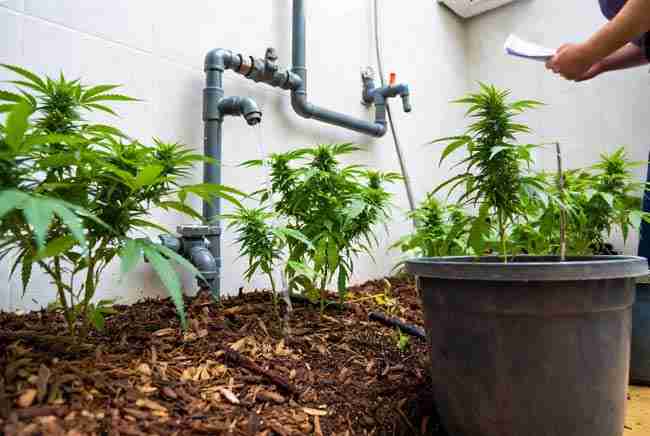
Before you start diverting water, you need to know the rules. Laws around greywater vary a lot by location, and cannabis growing adds another layer. In many places, simple systems — like a diverter valve sending shower or laundry water straight to mulched garden beds — are allowed without a permit as long as the water stays subsurface or under thick mulch and doesn’t create puddles or runoff.
More complex setups with pumps, storage tanks, or treatment often require permits or must meet certain standards for water quality. Always check your local municipality, provincial, or state rules first. In Quebec, for example, personal cannabis cultivation faces strict provincial restrictions, so this guide serves educational purposes or applies where home growing is fully legal. Never ignore regulations — fines or bigger headaches aren’t worth it.
Safety comes first too. Greywater from showers and laundry usually has low pathogen risk compared to other wastewater, but it can still contain bacteria, soap residues, or skin cells. Proper filtration and subsurface application keep things safe for your plants and you.
Never spray greywater on leaves or buds, and avoid using it on any edible parts if you grow mixed gardens. For cannabis, focus on root zone delivery. Choose plant-based, biodegradable soaps and detergents with low sodium and no boron or harsh chemicals. Test your water regularly at the start.
On top of that, keep kids and pets away from open greywater until it’s in the soil. Simple common sense plus good filtration goes a long way. Many experienced growers run small test systems first to see how their specific water behaves with their plants.
Choosing Eco-Friendly Household Products for Safe Greywater Cannabis Irrigation
The products you use at home make or break your greywater system. Harsh detergents, fabric softeners, bleach, antibacterial soaps, or anything with high sodium, boron, or chlorine can stress your cannabis or build up in soil over time.
Switch to gentle, plant-based options and you’ll give your plants a better chance. Look for labels that say biodegradable, phosphate-free or low-phosphate, and low-sodium. Castile soaps, certain eco laundry pods or liquids from brands focused on natural ingredients, and even old-school soap nuts work well for many growers.
Avoid anything labeled “antibacterial” or with strong fragrances and optical brighteners. When in doubt, do a small test batch — run one load or shower with your new product and check how your plants respond after a couple of waterings.
You’ll notice the difference quickly. Cleaner water means happier roots and fewer worries about leaf tip burn or strange buildup. Many successful greywater cannabis growers keep a simple chart noting what products they used and how the plants looked afterward.
DIY Filtration Systems Using Sand, Biochar, and Beneficial Bacteria
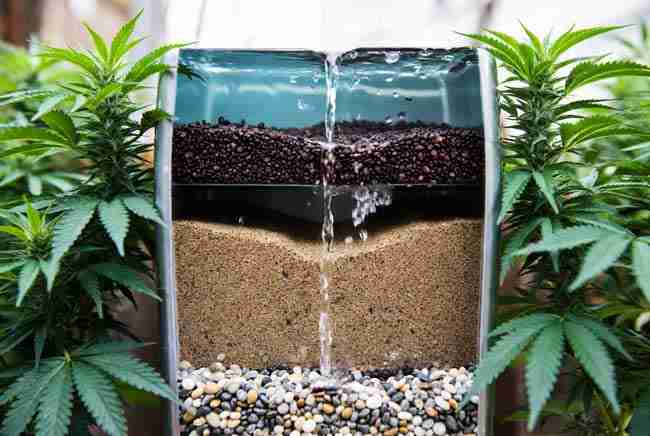
Here’s where the real fun begins. You don’t need fancy expensive gear to build an effective greywater filter for cannabis. A basic multi-stage system catches solids, removes some contaminants, and lets beneficial biology do the heavy lifting.
Simple 3-stage DIY setup many home growers love:
- Settling tank — First barrel or container catches hair, lint, and bigger particles. Water sits here so stuff drops to the bottom. Clean it out every week or two.
- Filtration layers — Second container or barrel with these layers from bottom to top: coarse gravel or stones for drainage, then coarse sand, finer sand, and a thick layer of biochar or activated charcoal on top. Biochar shines here — it absorbs odors, some chemicals, and gives tiny homes for good microbes to thrive.
- Biological polishing and storage — Let the filtered water flow into a third area or directly to your plants through mulch basins or subsurface drip. Add a handful of compost, worm castings, or a beneficial bacteria inoculant to boost the breakdown of any remaining soaps and organics.
Water flows by gravity if you stack or position barrels right, or use a small pond pump for indoor tents. Keep everything food-grade and covered to avoid mosquitoes or algae.
For best results with cannabis, run the water through the filter and then let soil biology finish the job under thick organic mulch. This keeps things simple and effective. Start small — even a couple of 5-gallon buckets or one 55-gallon drum system teaches you a ton before you scale up.
pH Adjustment and Nutrient Balancing Protocols
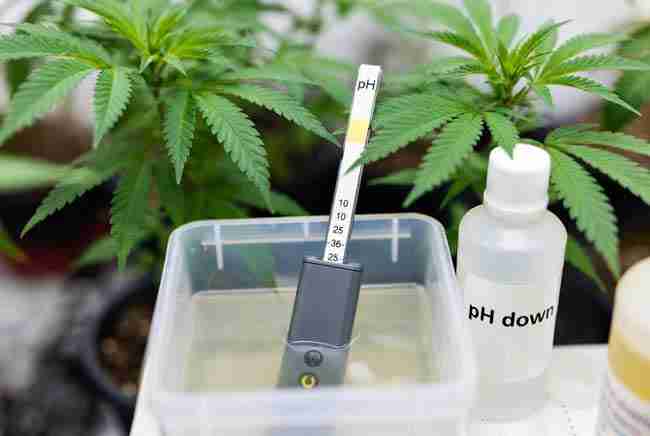
Greywater often comes out on the alkaline side — think pH 7.5 to 10 or higher from laundry detergents. Cannabis prefers soil around 6.0-7.0 and slightly lower in hydro or coco. That’s why testing and tweaking matters.
Grab an inexpensive pH meter or strips and check your greywater before and after filtering. To lower pH safely, use food-grade citric acid, lemon juice, or white vinegar in small amounts. Add a little at a time, stir or circulate, and retest. Never dump in a bunch at once.
For nutrients, greywater brings some phosphorus and other goodies but can lack balance or carry extra salts. Dilute stronger greywater with fresh or RO water (50/50 or more) especially for seedlings and early veg. Use an EC or TDS meter to keep an eye on total salts — aim low for young plants and let living soil microbes handle the rest.
In rich organic or living soil, the biology buffers a lot and helps plants access what they need. Still, do periodic soil tests or watch for classic signs like tip burn or yellowing. Flush the root zone with plain fresh water every few weeks or between cycles to prevent salt buildup. This simple habit keeps everything running smooth for the long haul.
Compatible Grow Mediums and Delivery Methods
Living soil or well-amended organic mixes work beautifully with greywater because the microbial life breaks down residues and keeps nutrients cycling. Coco coir offers great drainage and works well too, especially if you flush regularly. Heavy clay or poorly draining containers can hold onto salts, so improve structure with perlite, rice hulls, or compost.
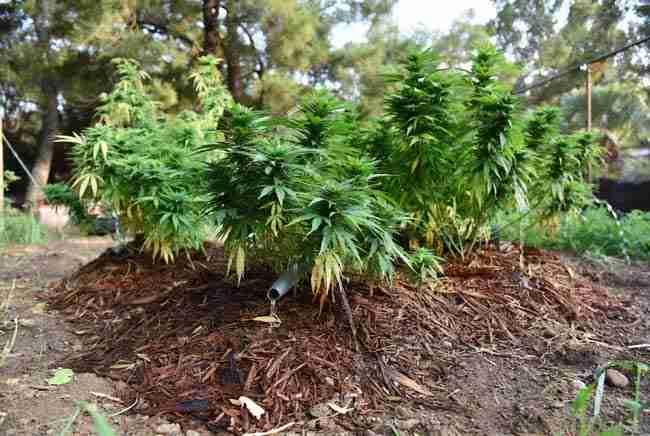
For delivery, subsurface drip or gravity-fed lines under thick mulch win every time. Water goes straight to the roots without wetting foliage or creating surface salt crusts. Mulch basins around outdoor plants or wicking-style setups also shine.
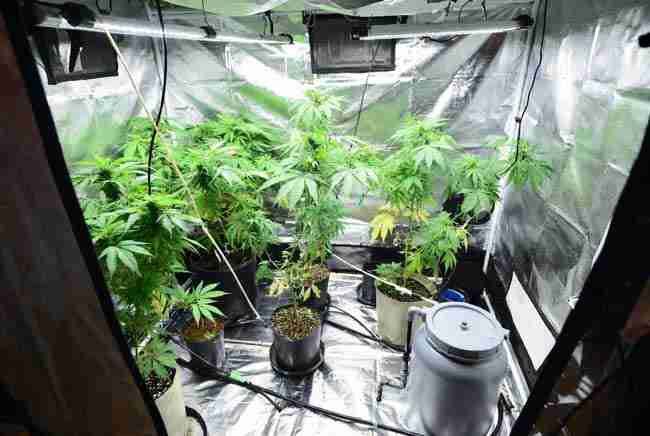
In indoor tents, you can run small contained systems with pumps and drip emitters into pots or beds. Always leave room for airflow and easy monitoring. Hand-watering filtered greywater into mulch works great for smaller grows too.
Whatever you choose, watch your plants closely the first few weeks. Adjust dilution or frequency as needed. Healthy roots in the right medium will thank you with vigorous growth.
Yield Comparisons Between Greywater and Fresh Water Grows
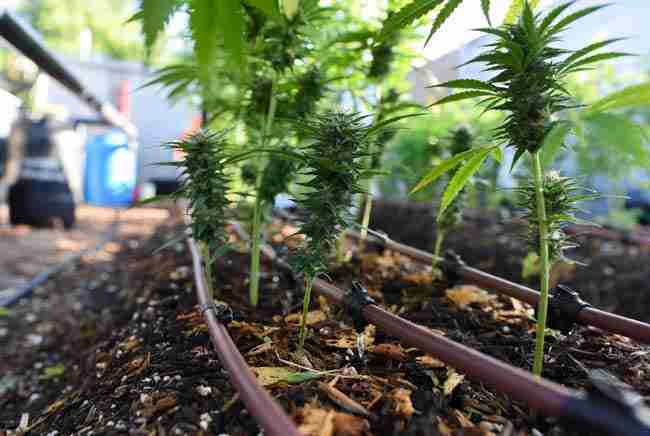
Specific side-by-side cannabis studies are limited, but real-world grower experiences and general plant research paint a positive picture. When you filter properly, balance pH, manage salts, and use living soil, yields often match or come very close to fresh water grows. Some growers even report slightly better vigor thanks to the light nutrient boost.
The key variables? Your starting water quality, how well you filter and dilute, soil health, and consistent monitoring. Salt-sensitive stages (seedlings, early flower) need extra care. With good habits, you shouldn’t see major drops in bud size, density, or potency. Many report excellent terpene profiles and resin production when plants stay happy overall.
On top of comparable yields, you gain huge wins in water savings and lower costs. One grower might save hundreds of liters per cycle while producing the same quality flower. It’s a smart trade-off once your system hums along.
Integration Advice for Indoor Tents and Outdoor Gardens with Green Avenger Seeds
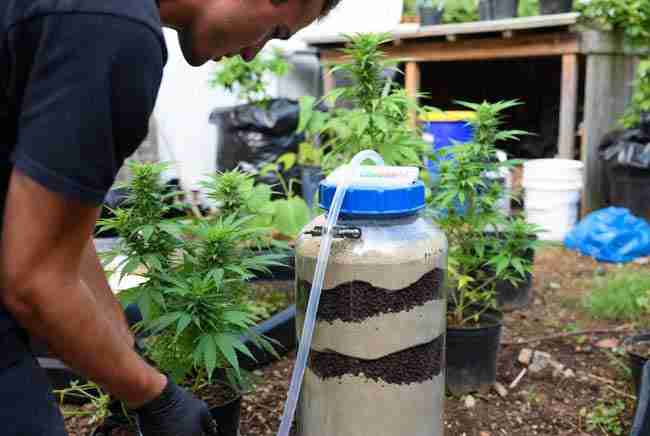
Whether you grow in a compact tent or outdoors, greywater fits right in with a thoughtful approach. Start small indoors — one or two barrels plus a simple pump and drip lines into your pots or a small bed. Keep the system contained, monitor closely, and pair it with excellent ventilation.
Outdoors, larger mulch basins or swales fed by laundry or shower diverters make maintenance easy. Gravity does a lot of the work, and thick mulch plus soil life handle the rest.
Green Avenger Seeds genetics pair wonderfully here. Their vigorous, resilient strains give you a strong starting point that handles real-world conditions well. Combine them with living soil recipes, mycorrhizal inoculants, and companion planting for a robust ecosystem that makes the most of recycled water.
Track what works in your specific setup — note strains, dilution rates, and results. Over time you’ll dial it in perfectly and enjoy lower water bills plus the satisfaction of a truly circular grow.
Pros and Cons of Greywater Recycling for Cannabis
Pros
- Big water and money savings month after month
- Adds some natural nutrients and supports microbial life
- Reduces environmental footprint and wastewater load
- Feels empowering and sustainable
- Works well with organic and living soil methods
Cons
- Requires initial setup time and learning curve
- Needs regular testing, filtering, and occasional flushing
- Risk of salt or pH issues if you skip monitoring
- Legal or permitting hurdles in some areas
- Not ideal for every medium or recirculating hydro without extra treatment
Overall, the pros win big for most dedicated home growers once the system is running smoothly.
Common Mistakes and How to Avoid Them
New growers sometimes skip testing or use the wrong soaps. Others let water sit too long (it can go smelly) or forget to flush salts periodically. Start simple, test often, and keep good notes. Don’t apply strong undiluted greywater to young seedlings. Always prioritize subsurface delivery and thick mulch.
Maintenance Schedule and Long-Term Soil Health

Check and clean settling tanks weekly. Inspect filters monthly and refresh biochar or sand layers as needed (every 6-12 months depending on use). Test pH and EC regularly at first, then as needed. Flush root zones with fresh water every 2-4 weeks or between major growth stages.
Replenish mulch and add compost or worm castings seasonally to keep soil biology humming. Healthy soil plus smart greywater use creates a resilient loop that improves over time.
Cost Savings and Environmental Wins
A basic DIY system might cost $200–800 depending on scale and whether you repurpose barrels. Payback comes fast through lower water bills — especially in areas with high rates or restrictions. Environmentally, you conserve freshwater, cut wastewater, and build healthier soil that sequesters carbon better.
FAQ About Greywater Cannabis Irrigation
Is greywater safe for cannabis plants? Yes, when you filter it properly, choose safe soaps, balance pH, and apply it to the roots under mulch. Many growers use it successfully with great results.
How do I filter greywater simply at home? Use a multi-stage barrel system with settling, sand/gravel layers, and biochar. Let soil biology do extra polishing. Gravity or a small pump moves the water.
Will it affect the taste or smell of my buds? Properly managed systems usually don’t. Focus on root-zone application and healthy soil — your terpenes and flavor should stay excellent.
Can I use greywater in hydroponics? It’s trickier due to salts and variability. Soil or coco with occasional flushing works better and safer for most home growers.
What about cold winters or indoor setups? Indoor tents work great year-round with contained systems. Outdoors in cold climates, protect lines or run smaller contained setups and rely more on fresh water in deep winter.
How much water can I really save? Depends on your household, but many divert 100+ liters per day from showers and laundry. Over a full grow cycle, the savings add up fast.
Do I need special seeds or strains? Quality resilient genetics like those from Green Avenger Seeds help, but any healthy plant in good soil responds well when you manage the water properly.
How often should I test pH and salts? Test more at the beginning until you understand your water. Then spot-check regularly and always before big changes.
Final Thoughts on Building Your Sustainable Greywater Cannabis System
You now have a complete roadmap to turn everyday water into a powerful ally for your cannabis garden. Start small, stay curious, test as you go, and enjoy the savings and satisfaction that come with smarter growing.
Greywater recycling for cannabis isn’t just about saving money — it’s about creating a more resilient, eco-friendly setup that works with nature instead of against it. Pair these techniques with top-tier seeds from Green Avenger Seeds, living soil, and attentive care, and you’ll be well on your way to abundant harvests while treading lighter on the planet.
