Geothermal and Alternative Energy Solutions for Off-Grid Cannabis Cultivation


Are you ready to take your cannabis growing game to a whole new level? You can ditch the grid and set up a self-sustaining grow room that runs on the power of the Earth and creative energy solutions. In this article, I’ll show you how to use geothermal power and alternative energy to run your grow, along with how your cannabis plants work in harmony with nature by releasing sugars and other goodies into the soil to attract beneficial microbes. You’ll find step-by-step instructions, practical lists, comparison tables, and pros and cons that will help you build an efficient and sustainable off-grid cannabis cultivation system.
I’ll walk you through how to design your grow room, mix in beneficial insects and plants, and even create the perfect habitat for microbial life. So grab your tool kit and get ready to learn some real-life examples on making Off-Grid Cannabis Cultivation work for you.
Understanding Off-Grid Cannabis Cultivation
When you decide to grow cannabis off the grid, you’re not just planting a garden; you’re embarking on a self-sustaining adventure. You use nature’s forces instead of relying on the regular power grid. Off-Grid Cannabis Cultivation means you can run your grow room using resources like geothermal energy, solar panels, wind turbines, and biomass systems. This way, you save money, reduce your carbon footprint, and create a unique ecosystem that keeps your plants healthy—all while enjoying the freedom of not being tethered to conventional energy sources.
Why Go Off-Grid?

You might wonder why so many growers choose to live off the grid. Here are a few reasons:
- Independence: You aren’t dependent on public utilities.
- Sustainability: You work with nature rather than fighting against it.
- Cost Savings: You save on energy bills over time.
- Resilience: Your setup keeps running even if the main grid goes down.
- Environmental Benefits: You reduce your overall ecological impact.
By choosing Off-Grid Cannabis Cultivation, you set up a system that is not only innovative but also respects the traditions of self-reliance and resourcefulness passed down through generations.
The Power of Geothermal Energy for Cannabis Cultivation
What Is Geothermal Energy?

Geothermal energy comes from the heat beneath the Earth’s surface. It’s like tapping into a giant battery of natural warmth that has powered our planet since the beginning of time. You can use this consistent heat to warm your grow room, ensuring that your cannabis plants stay cozy, no matter what the weather outside is doing. This energy source is clean, reliable, and has been used for centuries by people who trust in the wisdom of nature.
Using Geothermal Energy in Your Grow Room

You can set up a geothermal heat pump to use this natural heat. This system transfers the Earth’s natural warmth into your grow room, keeping your cannabis at a perfect temperature. Instead of relying on fossil fuels or expensive electrical heating, you’re letting the Earth do the hard work.
- Installation: You’ll need to drill a few holes in the ground and set up a loop system. The loops circulate a liquid that absorbs the Earth’s warmth.
- Operation: As the liquid moves through the pipes, it carries heat to your heat pump, which then evenly distributes warmth to your grow area.
- Efficiency: Since geothermal systems use the steady temperature underground, they are very efficient even during harsh weather.
Benefits of Geothermal Energy for Off-Grid Cannabis Cultivation

Using geothermal energy in your Off-Grid Cannabis Cultivation brings a host of benefits:
- Consistency: You get a constant source of warmth, which is critical for cannabis that needs a stable climate.
- Low Running Costs: Once installed, geothermal systems use minimal electricity.
- Eco-Friendly: These systems produce no harmful emissions.
- Longevity: Geothermal setups last for decades if maintained properly.
This approach is especially useful if you’re setting up a grow room in a remote or off-grid location where traditional utilities simply can’t reach.
Exploring Alternative Energy Solutions
Beyond geothermal energy, you have other alternative energy options to power your grow. These solutions can work alone or in tandem with geothermal systems to create a robust energy network.
Types of Alternative Energy: Solar, Wind, and Biomass

You have several alternative energy sources at your disposal:
- Solar Energy: Panels capture sunlight and convert it into electricity. This is one of the most popular choices due to its decreasing costs and widespread availability.
- Wind Energy: Turbines spin with the wind, generating power. Wind setups work well if you’re in a region that consistently experiences breezy weather.
- Biomass Energy: Organic matter like plant waste, wood chips, or even manure can be burned or processed to create heat or electricity.
Each of these solutions has its pros and cons, and you can mix them to match your specific energy needs.
A Quick Comparison Table
| Energy Type | Installation Cost | Maintenance | Reliability | Benefits |
|---|---|---|---|---|
| Solar | Medium | Low | High on sunny days | Renewable, low noise, scalable |
| Wind | High | Medium | Medium in calm areas | Effective in windy locations, low operating cost |
| Biomass | Low | High | Varies | Uses waste materials, reduces landfill waste |
How These Solutions Fit Your Grow Room

You can build a hybrid system that uses geothermal for heating and combines solar or wind power for electricity. For instance:
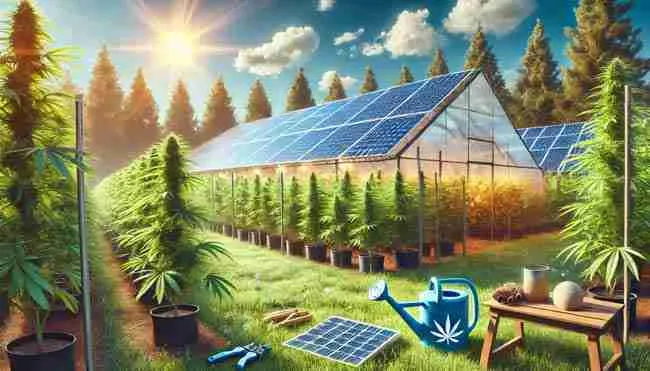
- Solar Panels: Place them on your roof or an open field nearby. They convert sunlight into electricity that can run your lights, fans, and water pumps.
- Wind Turbines: Set up a small turbine if your area gets enough wind. This helps keep your energy bills down by generating power when the sun isn’t shining.
- Biomass Systems: Use leftover plant material or organic waste from your garden to heat water or generate extra energy.
By combining these energy solutions, you create a diversified power system that keeps your cannabis grow running smoothly—even when Mother Nature throws you a curveball.
Creating a Self-Sustaining Grow Room Environment
A grow room that relies on Off-Grid Cannabis Cultivation isn’t complete without a thriving ecosystem that supports your plants. You need to incorporate beneficial insects, companion plants, and a rich population of soil microbes to make sure your cannabis flourishes.
Designing Your Grow Room

Design your grow room with sustainability in mind. Every aspect should work together to create a balanced system.
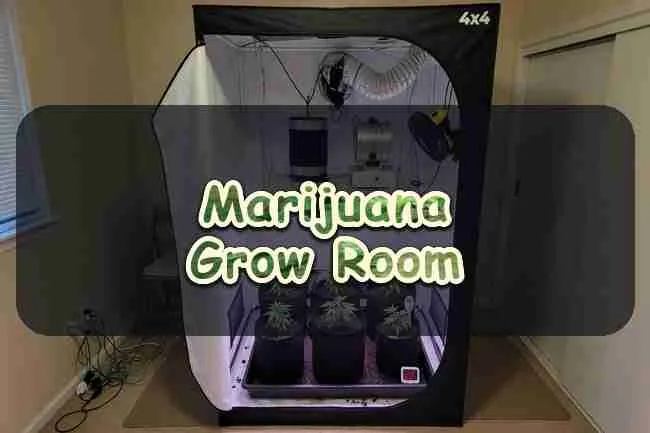
- Lighting: Use energy-efficient LED grow lights powered by your alternative energy system.
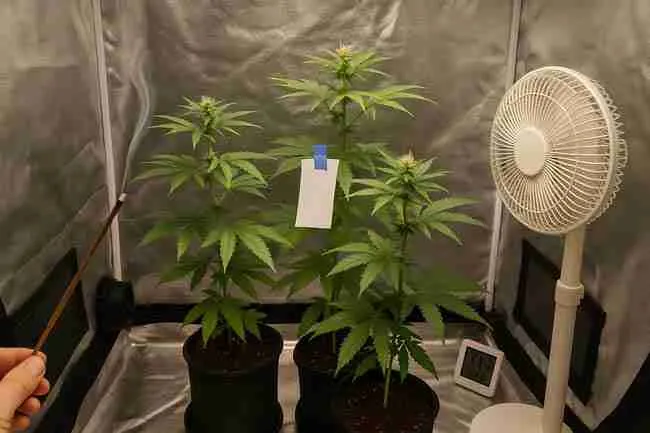
- Air Circulation: Include fans and ventilation systems that maintain airflow without draining your energy reserves.
- Irrigation: Set up a water recycling system that uses captured rainwater or greywater from household sources.
Self-Sustaining Ecosystems: Plants, Beneficial Insects & Microbes

Your grow room can be a mini-ecosystem. Consider the following aspects:
- Companion Plants: Grow herbs and other plants alongside your cannabis. They help deter pests and attract helpful insects.
- Beneficial Insects: Introduce ladybugs, predatory mites, and other beneficial bugs that naturally control pest populations.
- Microbial Life: Create an environment that supports helpful microbes in the soil. These microorganisms break down organic matter and release vital nutrients that your cannabis can absorb.
Cannabis Roots and Soil Microbes
Your cannabis plant isn’t just a passive recipient of water and nutrients—it’s an active player in its own survival. The roots secrete sugars and other compounds that draw in beneficial soil microbes. These microbes help in nutrient uptake by breaking down organic matter and making vital minerals available. Here’s how it works:
- Sugars and Compounds: The roots release chemicals that serve as food for microbes.
- Attracting Allies: Beneficial bacteria and fungi gather around the roots.
- Nutrient Uptake: The microbes break down organic matter and convert it into forms your plant can use, boosting growth and resilience.
This natural process not only gives your cannabis a better chance to thrive, but it also means you can cut down on synthetic fertilizers. The relationship between cannabis roots and soil microbes is a perfect example of nature’s genius, and you can harness this to make your grow room a self-sustaining powerhouse.
Key Steps to Build a Self-Sustaining Ecosystem

- Select the Right Soil: Start with a rich, organic soil mix that’s full of living matter.
- Introduce Microbes: Add compost, worm castings, or a commercial microbial inoculant.
- Add Companion Plants: Use plants like basil, marigold, or lavender to naturally repel pests.
- Incorporate Beneficial Insects: Release ladybugs or predatory mites to keep pests in check.
- Maintain Moisture: Ensure the soil stays evenly moist to support microbial activity.
By carefully integrating these elements, you’ll create a balanced system where every part works together like a well-oiled machine.
Building Your Off-Grid Cannabis Cultivation System
Now that you understand the basics of geothermal and alternative energy, and how to create a self-sustaining grow room, it’s time to build your Off-Grid Cannabis Cultivation system.
Step-by-Step Guide

Step 1: Plan Your Energy Needs
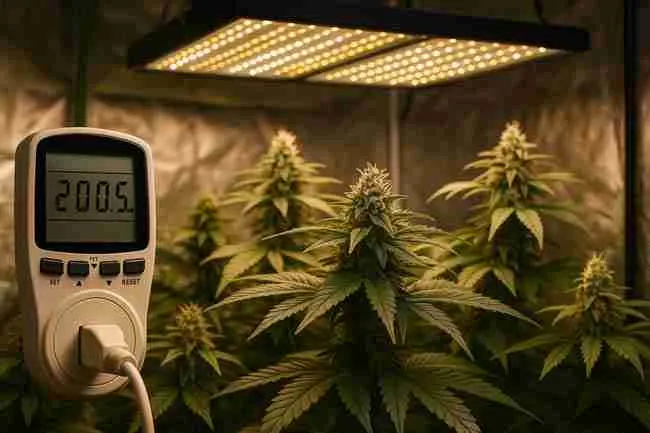
Begin by calculating how much energy your grow room will need. List all your devices such as LED lights, water pumps, ventilation fans, and control systems. Work out the total wattage and plan your energy sources accordingly.
- List of Equipment:
- Geothermal heat pump system
- Solar panels
- Wind turbine (if applicable)
- Energy storage batteries
- LED grow lights
- Irrigation system
- Air circulation fans
Step 2: Set Up the Geothermal System

- Drilling and Loop Installation: You’ll need professional help to drill and install the ground loops. This is the backbone of your geothermal heating.
- Heat Pump Installation: Install the heat pump that transfers the geothermal warmth into your grow room.
- Testing: Run tests during different times of the day to ensure consistent temperature delivery.
Step 3: Install Alternative Energy Solutions

Set up your solar panels or wind turbine based on your location. Connect these to your energy storage system to keep power available when nature’s energy is low.
- Solar Setup:
- Mount panels in full sun.
- Connect wiring from panels to a battery bank.
- Wind Setup:
- Install a small turbine in an open area.
- Use a charge controller to manage output.
Step 4: Build Your Self-Sustaining Grow Room

- Design the Layout: Plan out the grow room so that each area—lighting, irrigation, and ventilation—is optimized for energy use.
- Introduce Ecosystem Components: Fill your room with organic soil, beneficial insects, and companion plants.
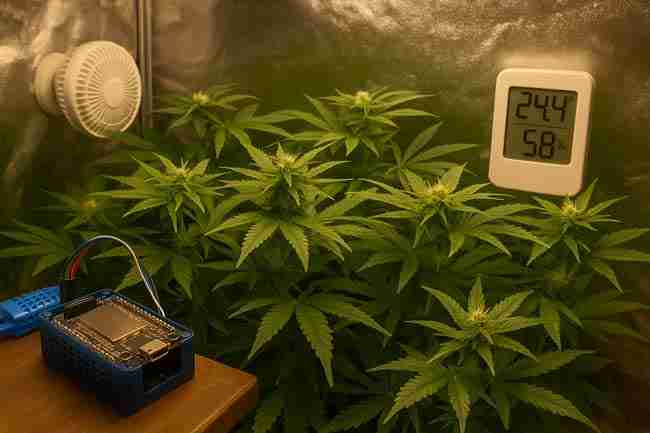
- Monitor and Adjust: Keep a close eye on the microclimate. Use sensors to monitor temperature, humidity, and soil moisture.
Equipment Specifications Table
Below is a table summarizing the common equipment you’ll need for an Off-Grid Cannabis Cultivation system along with some key specs:
| Equipment | Function | Key Specifications | Pros | Cons |
|---|---|---|---|---|
| Geothermal Heat Pump | Heating and cooling | Efficiency: 300-400%; Lifespan: 20-25 years | Consistent energy, low emissions | High installation cost |
| Solar Panels | Electricity generation | Wattage: 250-400W per panel; Efficiency: 15-20% | Renewable, scalable, low maintenance | Dependent on sunlight |
| Wind Turbine | Electricity generation | Output: 500-2000W; Suitable for windy areas | Effective in wind, low operating cost | High noise, requires constant wind |
| Battery Storage System | Energy storage | Capacity: 5-20 kWh; Cycle life: 3-8 years | Provides backup, stores excess energy | Expensive initial setup |
| LED Grow Lights | Plant lighting | Wattage: 100-600W; Spectrum: Full spectrum | Energy-efficient, long lifespan, adjustable | Upfront cost can be high |
| Irrigation & Ventilation | Water and air circulation | Automated sensors integrated; Low energy pumps | Ensures optimal moisture and airflow | Requires regular maintenance |
Following these steps and using the right tools, you’ll create a robust Off-Grid Cannabis Cultivation system that delivers both sustainability and cost savings over time.
Pros and Cons of Off-Grid Cannabis Cultivation

Switching to an off-grid system has its bright sides and some challenges. Here’s a breakdown to help you decide if this move is right for you.
Advantages
- Energy Independence: You control your power, which means no nasty surprises during outages.
- Sustainability: You’re using renewable energy, which is kinder to our planet.
- Cost Savings: Over time, your energy bills drop as you rely more on free, natural sources.
- Improved Plant Health: A self-sustaining ecosystem boosts nutrient uptake and plant resilience.
- Resilient Systems: Your grow continues to run even if the local grid fails.
Challenges
- High Upfront Costs: Installing geothermal systems and solar panels can be pricey at first.
- Technical Know-How: You need to learn about and maintain multiple energy systems.
- Location Dependent: Not all areas get the right amount of sun or wind, which can affect output.
- Maintenance: Regular checks and occasional repairs are necessary to keep everything running smoothly.
While off-grid cultivation might need a bit more planning and investment at the start, the long-term rewards are immense if you play your cards right.
FAQs: Off-Grid Cannabis Cultivation
Q1: What is Off-Grid Cannabis Cultivation?
You set up a cannabis grow system that doesn’t rely on traditional power grids. Instead, you use geothermal and alternative energy like solar or wind to keep your plants growing strong.
Q2: How do cannabis roots help improve nutrient uptake?
The roots release sugars and compounds that attract beneficial microbes in the soil. These microbes break down organic matter and provide nutrients, making your plants healthier.
Q3: Can I combine geothermal with solar or wind energy?
Absolutely! Mixing these energy sources creates a more resilient system. Geothermal keeps a stable temperature while solar and wind provide electricity.
Q4: How do I start building a self-sustaining grow room?
Begin with planning your energy needs, setting up geothermal and alternative energy systems, and then focus on creating a balanced ecosystem with soil, beneficial insects, and companion plants.
Q5: Is off-grid cultivation more expensive than traditional methods?
There is a higher upfront cost, but over time you can see savings on energy bills and improved efficiency, which often makes it worth the investment.
Q6: What are the maintenance requirements for an off-grid setup?
You’ll need to periodically check your energy systems, maintain your geothermal loops or solar panels, and ensure that your ecosystem stays balanced by replenishing beneficial microbes and insects.
Bringing It All Together

You now have a comprehensive look at how geothermal and alternative energy solutions can fuel your Off-Grid Cannabis Cultivation. From understanding the benefits of geothermal heat pumps to installing solar panels and wind turbines, every step you take builds a more resilient, self-sustaining system for your grow room. Not only do you save on energy costs, but you create a nurturing environment where your cannabis plants can tap into the natural benefits of soil microbes and beneficial insects.
Think of your grow room as a living ecosystem where every component plays a role. The energy systems ensure that your plants get the right temperature and light while the soil ecosystem makes sure your cannabis picks up every nutrient it needs. When you combine these natural processes with modern technology, you have a recipe for success that’s both innovative and timeless.
By using Off-Grid Cannabis Cultivation techniques, you can honor traditional methods of self-reliance and resourcefulness while incorporating forward-thinking innovations. You’ll enjoy a setup that allows your cannabis to flourish naturally, from the underground power of geothermal energy to the natural balance achieved by a diverse community of soil microbes and beneficial insects.
Remember, building this system takes time and some know-how, but the payoff is a resilient grow room that not only meets the needs of your plants but does so in a way that’s sustainable, cost-effective, and environmentally friendly. As you work through setting up your energy systems and creating the ideal micro-environment, you’re not just growing cannabis—you’re pioneering a path toward a greener, more independent future.
Additional Tips for Success
- Monitor Regularly: Use simple sensors to keep an eye on temperature, humidity, and soil moisture. This way, you can catch any issues early.
- Stay Informed: The technology behind renewable energy is always improving. Keep up with the latest tips and tricks to optimize your setup.
- Network with Other Growers: Sharing ideas and experiences with others can help you learn faster and troubleshoot problems.
- Document Your Journey: Keeping a log of your setups, adjustments, and harvest results can help you refine your techniques over time.
In Conclusion

You have a roadmap now to venture into the world of Off-Grid Cannabis Cultivation with geothermal and alternative energy at your side. By tapping into natural energy sources and creating a self-sustaining ecosystem, you’ll set up a system that’s not only efficient but also in tune with nature. I’ve shared how to build such a system from scratch, the role of beneficial soil microbes in enhancing plant growth, the detailed steps to install each component, and even weighed the pros and cons for a balanced perspective. It’s your turn now to put these ideas into practice and enjoy the fruits of your labor in a grow room that stands as a beacon of sustainability and innovation.