


Find My Seeds Cannabis Strain Database Guide for Growers


Imagine spending hours jumping between scattered websites, trying to piece together what a strain might actually do in your space. One page lists THC numbers. Another shows a pretty photo that may or may not match the real plant. A third mentions the breeder but skips the grow traits you need. That frustration ends when you discover Find My Seeds.
This new platform gathers strain names, lineage, effects, flavors, terpenes, cultivation details, community ratings, and real grower photos into one clean, searchable library. Growers can finally move from vague ideas to focused shortlists without the usual tab overload.
What Find My Seeds Actually Delivers

Find My Seeds functions as a large-scale cannabis genetics research tool built specifically for people who grow. The strain database currently holds more than 40,000 strain records and links them to over 2,000 breeders. Instead of forcing you to browse alphabetically, the system lets you filter by the factors that matter in real gardens.
You can search by reported effects such as relaxed, creative, or sleepy. Chemistry filters let you target higher THC, CBD-forward options, or specific terpene profiles. Grow-trait filters help you find easy plants, compact sizes, or outdoor-friendly genetics. Lineage tools show parent strains so you understand where certain traits come from.
Community ratings and user-submitted photos sit alongside the structured data. Those real-world contributions update popular profiles over time and give you a clearer picture of how a strain performs beyond lab numbers.
How the Search and Comparison Tools Work in Practice
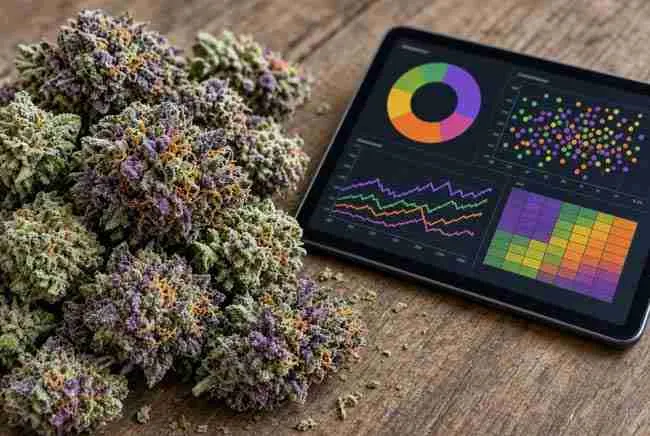
Start with a broad idea. Maybe you want something that finishes reasonably fast, stays manageable indoors, and carries a fruity aroma. Apply the filters, watch the live results shrink, and open a few profiles. From there the side-by-side comparison page becomes especially useful.
Pick any two strains and place their cannabinoid ranges, reported effects, flavors, terpenes, genetics, and grow traits next to each other. Differences that felt fuzzy suddenly become obvious. One plant may stretch more than the other. Another may carry a heavier myrcene presence that matches the experience you prefer.
This workflow turns strain hunting into structured research rather than guesswork. Many growers report that the combination of scale and clean filters saves them far more time than older databases that only listed famous commercial names.
Why Adding Your Strains and Grow Pictures Strengthens the Whole System

The platform grows stronger when real growers participate. Sharing clear photos of your plants at different stages, along with honest notes about how the strain behaved in your conditions, helps everyone. Those contributions sit separately from any imported third-party data so the community voice stays authentic.
When you add pictures of a less common phenotype or a regional selection, other cultivators gain visual context that numbers alone cannot provide. Over time the library becomes richer and more useful for the next person searching for similar genetics.
Participation is straightforward. Document your grow with good lighting, focus on the plant itself, and contribute the images and ratings through the community features. Every solid submission improves the resource for the entire growing community.
Key Advantages That Stand Out for Home Growers
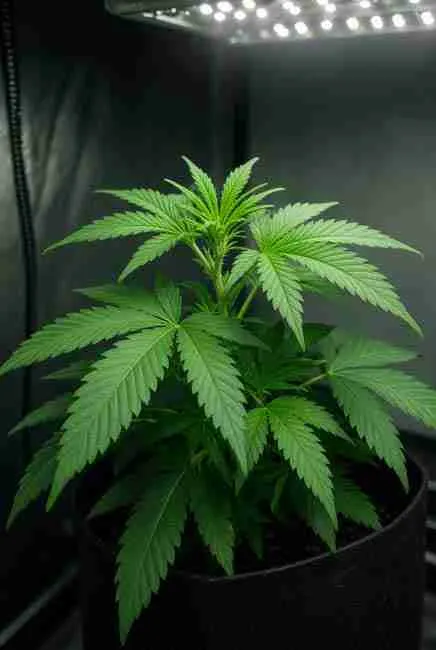
Scale matters when you dig past the usual Blue Dream or Gelato recommendations. Find My Seeds covers older cultivars, modern crosses, autoflowers, CBD-forward lines, and lesser-known breeder work. That breadth supports both beginners looking for reliable starters and experienced growers chasing specific terpene or growth patterns.
The public read-only API further expands usefulness. Developers and researchers can pull clean JSON data without sign-up barriers, opening the door for additional tools built on top of the same library.
Grow traits appear as practical signals rather than absolute guarantees. Flowering estimates, height tendencies, and difficulty ratings give useful starting points while reminding users that environment still shapes the final result.
Pros and Cons of Using Find My Seeds

Pros
- Extremely large strain and breeder coverage that exceeds many well-known public libraries.
- Powerful multi-filter search that actually narrows results by chemistry, effects, terpenes, and cultivation traits.
- Side-by-side comparison tool that highlights meaningful differences quickly.
- Community photos and ratings that add real-grow context.
- Free public API for further research and tool building.
- Clean interface that reduces the need to keep dozens of browser tabs open.
Cons
- Because the database is still expanding, some less common strains may currently show incomplete fields.
- Community contributions depend on active participation, so newer or rare strains may have fewer photos at first.
- Data reflects reported ranges and experiences rather than laboratory guarantees for every single entry.
Overall the strengths outweigh the limitations for most growers who want organized research tools instead of scattered marketing pages.
Practical Specifications of the Platform
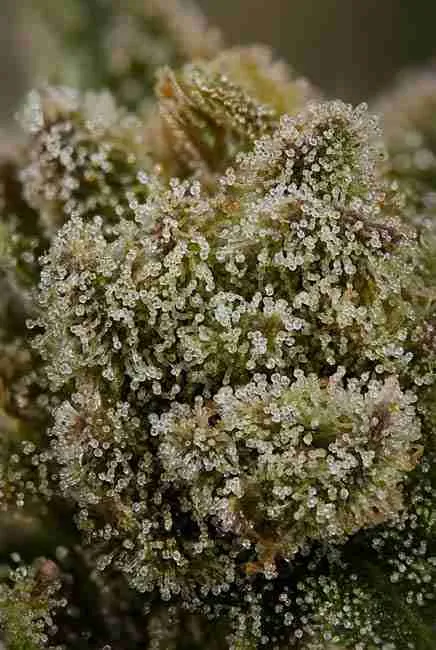
The master database contains more than 40,320 strain records carefully normalized for duplicates and alternate spellings. Over 2,098 breeders link to their respective catalogs. Filters cover strain type, THC and CBD ranges, reported effects and uses, flavors, individual terpenes, and grow difficulty.
Comparison pages display cannabinoids, effects, flavors, terpenes, genetics, and cultivation traits on one screen. Community ratings remain distinct from any third-party scores. The public API returns up to 25 clean JSON results per page with no registration required.
These specifications create a research-first environment rather than a simple product catalog.
Real-Life Situations Where the Tool Shines
Picture a grower with a 3×3 tent who needs compact, faster-finishing genetics with manageable odor. Filters quickly surface candidates, lineage tools reveal parentage, and community photos show actual plant structure under similar conditions. Another cultivator chasing high-limonene fruit flavors can compare several options side by side and decide which breeding line aligns best with past successful grows.
These everyday scenarios demonstrate why so many people now open Find My Seeds first when planning a new run. The combination of depth, filters, and community input simply works better than hopping between incomplete sources.
Final Thoughts on Making Better Genetics Choices
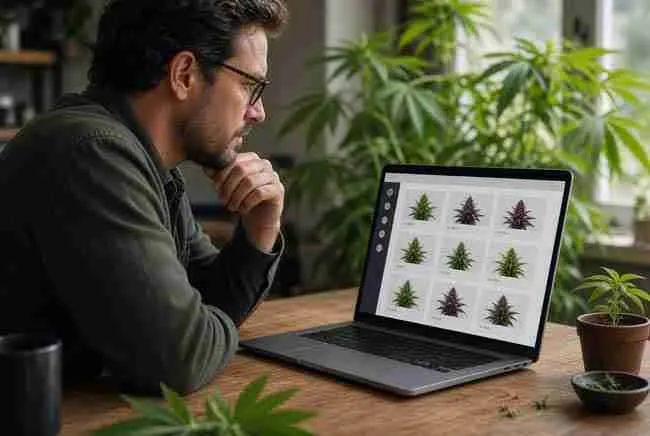
Choosing the right seeds has always been part science and part experience. Find My Seeds removes much of the unnecessary friction by placing the relevant data, lineage, grow signals, and real photos in one place. When you also contribute your own pictures and observations, the entire community benefits and the library keeps improving.
Whether you are selecting your first few packs or refining a long-term breeding project, the platform gives you clearer information faster. Spend less time hunting scattered details and more time growing plants that actually match your goals. The next time you start researching genetics, open Find My Seeds and see how much simpler the process becomes.
