Epigenetics in Cannabis: Can You Train Future Generations Through Stress?


Ever heard the phrase “what doesn’t kill you makes you stronger”? Well, guess what? It doesn’t just apply to humans; cannabis plants have their own version too! Believe it or not, cannabis can learn from stress and pass those lessons onto its offspring. But how does it happen, and what does it mean for your garden? Let’s dig in!
Can epigenetic changes be passed to future generations of cannabis?
You might be scratching your head, asking, “Epigenetics, huh? What’s that?” Don’t worry, it’s simpler than it sounds.
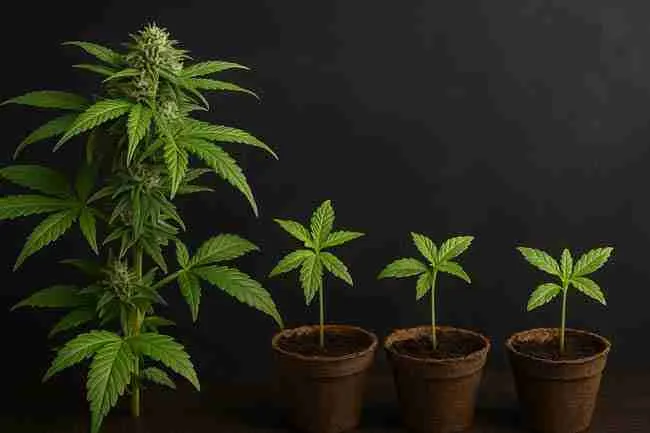
Epigenetics is basically how your cannabis plant uses tiny switches (think: on-off buttons) in its DNA to react to stress or environmental changes. The actual genetic code doesn’t change, but how those genes behave can totally shift. The cool part? These changes can be passed down to baby plants.
Imagine you had a cannabis plant struggling with drought. That plant learns to survive better without much water. Later, its seeds sprout, and surprise—they’re naturally tougher against drought too! This means, by stressing your plants carefully, you’re literally training the next generation.
Real-Life Example:
Let’s say you had a cannabis strain that initially struggled with chilly nights. After a couple generations exposed gradually to colder temperatures, their seeds began thriving better in cooler weather. Yep—epigenetics at play!
Can stress change cannabis epigenetics?

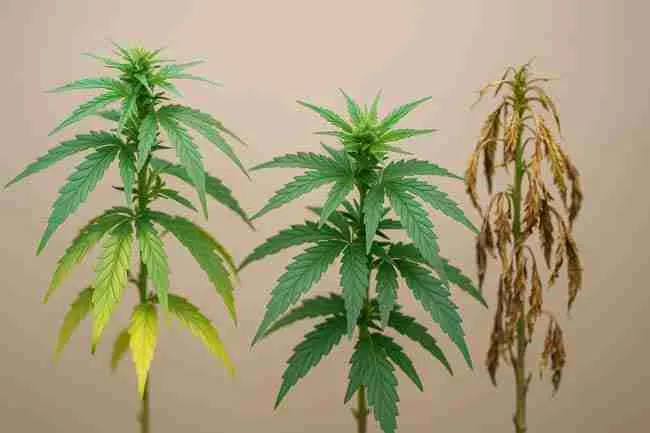
Oh boy, absolutely! But here’s the kicker—not all stress is created equal. Cannabis plants react differently depending on the type and intensity of stress. Some stressors can help your plant become stronger; others can seriously backfire.
Good Stress vs. Bad Stress
- Good stress (like mild drought or controlled low temperatures) helps plants toughen up.
- Bad stress (like severe nutrient deficiency or extreme temperatures) can weaken or even kill your plants.
Think of it this way: stress in plants works a bit like exercise for people. A little exercise (good stress) strengthens your muscles, but too much can injure you (bad stress).
What type of stress is passed on to future cannabis generations?
Alright, now we’re getting to the juicy stuff! The kind of stress that can get passed down typically includes:
- Temperature extremes: If your plants handle cold or heat well, offspring may carry this trait forward.
- Drought tolerance: Cannabis exposed to mild drought often produces seeds with better water efficiency.
- Nutrient management: Plants that thrive despite limited nutrients produce offspring that do better with fewer resources.
However, stress from disease or pests doesn’t typically pass down positively. Your plants might survive it, but their offspring won’t automatically have built-in pest resistance. That’s just bad luck!
Quick table breakdown:
| Stress Type | Passes Epigenetically? | Good or Bad? |
|---|---|---|
| Temperature Stress | Yes | Good (if moderate) |
| Drought | Yes | Good (moderate) |
| Nutrient Deficit | Yes | Good (moderate) |
| Pest Attacks | Rarely | Bad |
| Disease Exposure | Rarely | Bad |
Can epigenetic changes be reversed in cannabis?

Thankfully, yes! Epigenetic changes aren’t permanent tattoos—they’re more like temporary stickers. If your plants experience stressful conditions, but then you shift back to ideal growing environments, these epigenetic changes might fade or completely reverse.
For example, let’s say you grew cannabis that adapted to low nutrients. Once you give future generations plenty of nutrients consistently, they’ll slowly stop needing those survival traits and revert to normal.
So yes, epigenetics is flexible. If you accidentally put your plants through rough times, there’s still hope to reverse the effects later.
What 3 things can cause epigenetic cannabis changes?
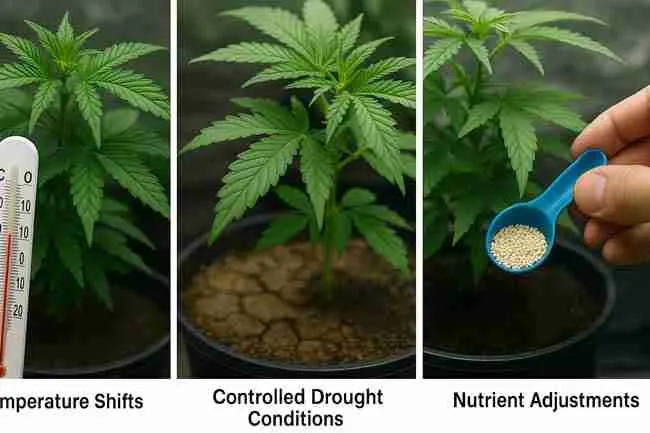
Now, let’s get practical. If you’re a grower aiming to influence your cannabis plants epigenetically, here are the top three ways:
1. Temperature Shifts
Adjusting temperatures gradually helps plants develop tolerance. Keep these shifts moderate—too extreme and you risk permanent damage.
2. Controlled Drought Conditions
Allowing soil to dry slightly between waterings teaches your cannabis plants resilience. Careful not to overdo it—constant severe drought stress can stunt growth.
3. Nutrient Adjustments
Reducing certain nutrients slightly can prompt plants to become more efficient. However, severe nutrient deficiencies will harm rather than help your plant.
Remember, moderation is the key to successful epigenetic training.
Pros and Cons of Epigenetic Manipulation in Cannabis
Pros:
- Stronger, more resilient plants: Better drought and temperature tolerance.
- Less reliance on resources: Plants adapt to thrive with less water and fewer nutrients.
- Long-term benefits: Enhanced traits pass down to future generations.
Cons:
- Risk of damage: Poorly managed stress can permanently harm or kill your plants.
- Unpredictability: It’s hard to predict exactly how plants will react to stress over multiple generations.
- Time-intensive: Changes often require multiple generations of careful cultivation.
Specifications for Ideal Epigenetic Stress Management
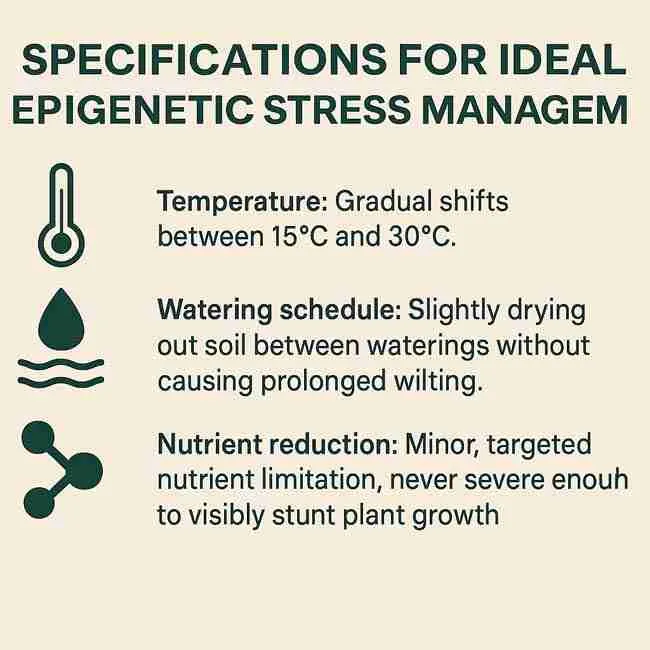
- Temperature: Gradual shifts between 15°C and 30°C.
- Watering schedule: Slightly drying out soil between waterings without causing prolonged wilting.
- Nutrient reduction: Minor, targeted nutrient limitation, never severe enough to visibly stunt plant growth.
FAQs on Epigenetics in Cannabis
Can I see epigenetic changes immediately?
Not usually. Epigenetic changes typically become visible across multiple generations.
Is epigenetic training safe for beginners?
It can be risky for total newbies, but if you go slowly, it’s manageable and rewarding.
How long does epigenetic training take?
Usually several generations (2-3 grow cycles) to notice significant improvement.
Can pests create beneficial epigenetic changes?
Rarely—mostly they harm the plant. Stick to controllable environmental stress instead.
Final Thoughts on Epigenetics in Cannabis
If you’re serious about becoming a top-notch cannabis grower, understanding epigenetics opens a fascinating new world. By thoughtfully using stress, you’re not just improving your current plants—you’re literally teaching future generations how to be stronger and healthier.
So next time your cannabis faces a little hardship, don’t panic. Remember: You’re helping your plants write their very own survival guide. Pretty cool, right?