Older Cannabis Seeds Take Longer to Break the Soil Surface

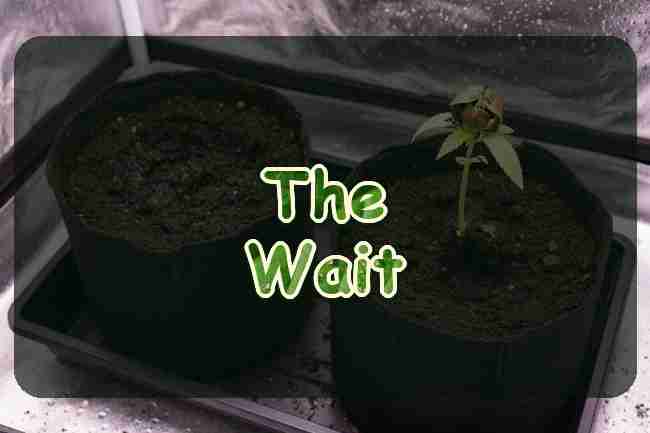
Older Cannabis Seeds Take Longer to Break the Soil Surface when the coat has hardened and the embryo is short on fuel. That is the usual pattern. It is not a law. A seed that sat cool, dark, and dry can still push up on a fresh clock. A fresh seed in a cold, wet pot can sit there and look old. The date on the pack is a hint. The pot and the cupboard decide the week you actually see a hook.
There are two clocks, and people mix them up. The first clock starts when water reaches the embryo and ends when a white root shows. The second clock starts when that seed is under a cover of mix and ends when the curved stem lifts the shell into the light. Age can slow both. A hard coat delays the drink of water. A tired embryo, once it does wake, has less push for the trip to the surface. A late hook is often those two delays stacked, not one mysterious third problem.
Write the sow date on the pot before you do anything else. A bare surface on day three means nothing if you cannot remember which day you started. Older stock needs a longer window than a seed you bought this month, and you cannot judge a window you did not mark. Also write where the seed lived: fridge jar, desk drawer, glove box, window. That note will matter more than the year when one pot is up and the other is still dirt.
Age is only half the clock
A seed does not age by the calendar alone. Heat, damp air, light, and a temperature that swings every day use up the stored fuel and toughen the coat. A two-year seed in a sealed jar in a cool dark cupboard can beat a six-month seed that lived in a hot car and then a sunny sill. Growers who say old seed is always slow are describing the drawer, not the embryo. Growers who say a five-year seed popped overnight are describing one seed that was stored like food, not a promise for the rest of the jar.
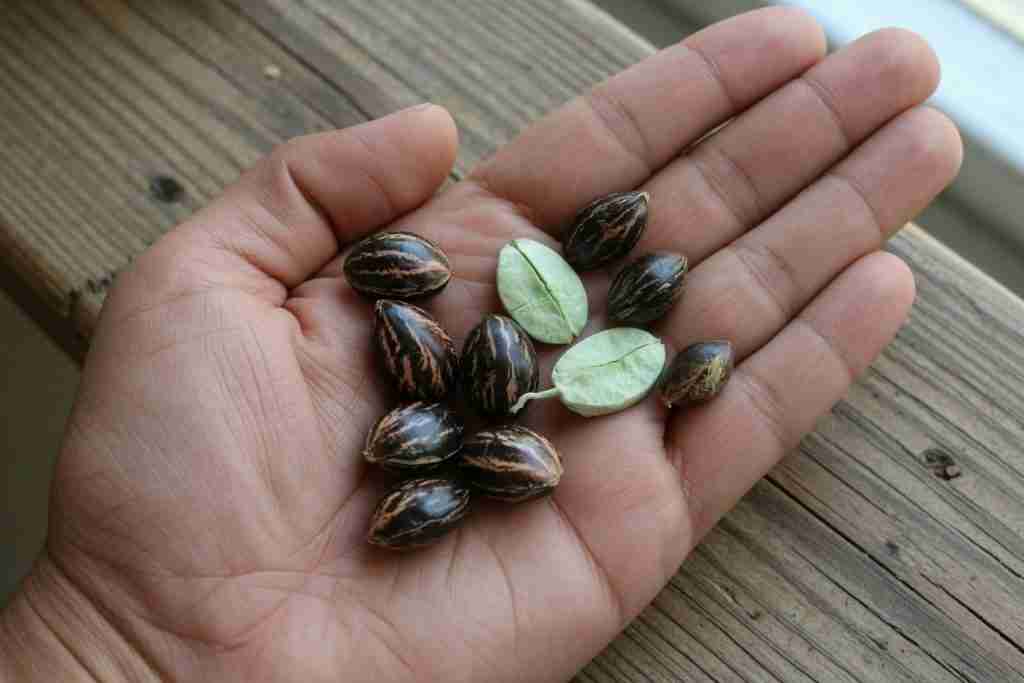
What you can see is limited. A mature seed is dark, often striped, and firm under a careful pinch. You should not crush the ones you mean to sow. A pale, green, or papery seed often never finished on the plant. That is unfinished, not merely old, and it is the weaker bet in the same jar. A dark seed can still be dead inside. Color is a screen, not a verdict. If you want the look of a seed that has actually gone stale, that sits on the stale seed page. Here the question is time to the surface, and a good-looking seed can still be slow.
Water has to get through the coat before any clock you care about can start. A fresh coat takes that drink easily. An older coat, especially one that dried hard, takes it slowly. Until water is inside, the embryo is still asleep, and the pot looks identical either way. People call that a failed seed on the second morning. Often it is a coat that has not opened yet. Oxygen has to come with the water. A seed at the bottom of a glass for days, or a seed in mud, can be wet and still stalled because there is no air. Slow is not the same as drowned.
What slow actually looks like
A fresh, well-stored seed often cracks in a few days once it is warm and damp, and the hook is through a shallow cover a day or two after you plant a short root. An older seed often sits quiet into the second week before a root shows. Some sit longer. Some never move. After a root does show, a tired embryo pushes more slowly, so the surface is late even when you planted it at the same depth as a fresh sister. The delay you notice above the soil is often the wake-up plus a weaker push, added together.
Do not use a fresh-seed calendar on a jar you have had for years. Giving up because nothing has cracked by the fourth day throws away the seeds most likely to be merely slow. A sour smell, a slime coat, or a seed that collapses under a gentle touch is finished. A firm seed that still smells like a dry seed, sitting in a warm damp place, can still be working. The towel has its own stop, and that stop lives on the starting old seeds page, along with the soak and the careful nick for a coat that will not drink. This page is what you do once the question is the soil surface, not the plate.
A float in the first hour is a poor reason to bin a seed. Air sticks to a dry coat, so a live seed can sit on the water until it drinks. A seed that sinks is not proven alive either. Density is a clue after a seed has had time to take water on, and even then it is a clue. Tossing a pack because one seed rode the surface is how people empty a jar that still had a few good embryos. If you are running a glass at all, follow the old-seed page for how long that glass should last. A seed left underwater until it is soft has a new problem, and it is not age.
Older Cannabis Seeds Take Longer to Break the Soil Surface
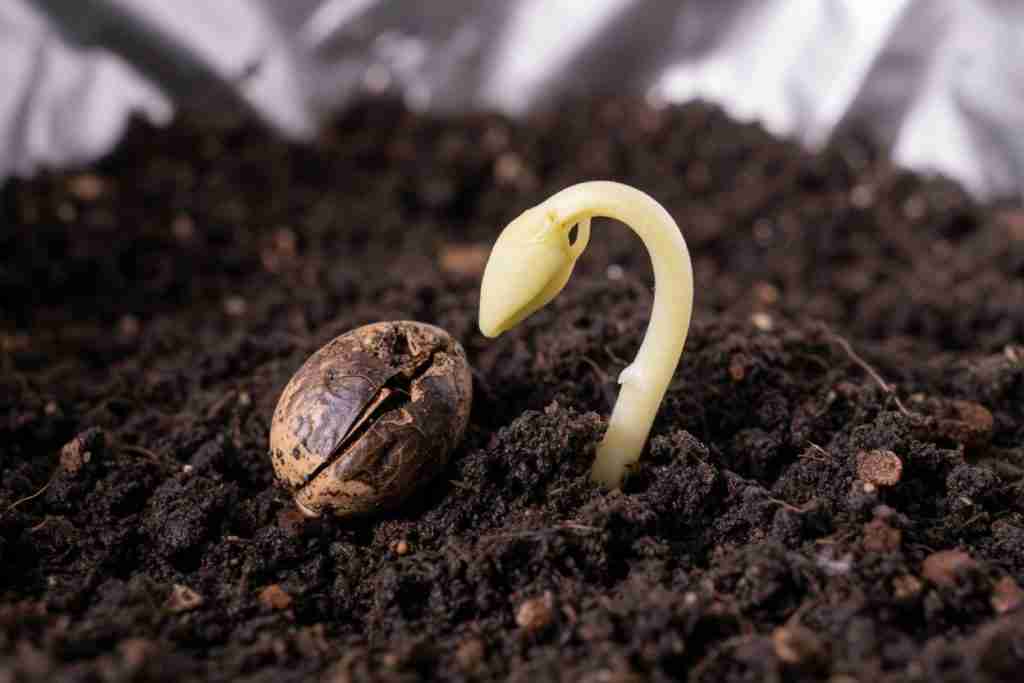
The trip through the mix is a lift. The root goes down. The stem comes up in a hook and has to raise the shell, or shed it, on the way into the light. A fresh embryo has fuel for that lift. An older embryo spent some of that fuel just waking up, and the cells that should elongate do it more slowly. You can plant both on the same afternoon, at the same depth, in the same damp mix, and the older one still breaks the surface later. That gap is the thing people mean when they say old seed is slow, even after the root has already shown.
Once a healthy tail is already in your fingers, the ordinary surface clock belongs on how long a germinated seed takes to break the surface. Read that for a seed that cracked on time. Stay here when the seed was old before it cracked, because the push after the crack is part of the same tiredness. A short white root, a few millimetres, is the right moment to cover it. A long tangled root snaps when you move it, and a snapped root looks exactly like a seed that “took forever and then died.” The wait should happen in the mix, not in a towel you keep checking until the root is a worm.
Cover an older seed shallowly. The thickness of the seed itself is enough mix on top. A deep hole spends the little fuel that is left before the hook sees light, and you will call the seed dead when it is stuck halfway. Point the root down if you can see it. If you are sowing a dry seed straight into the pot, lay it on its side and cover it lightly. Straight down into a packed hole is a long tunnel for a weak stem. The germination method page owns the towel, the glass, and the moment you move a tail. Use it. Do not invent a deeper hole because the seed is old. Deeper is the opposite of help.
Storage wrote the age
Cool, dark, dry, and steady. Those four words are the whole storage lesson. A sealed jar in a cupboard that does not bake in the afternoon beats a bag in a drawer next to a heater. Light is not food for a stored seed. A windowsill ages a jar faster than a closed box in the same room. Damp is worse than warmth alone. A seed that takes on moisture and then dries again has started the clock and then been stopped, and the embryo does not get that fuel back.
A fridge can be a good cupboard or a bad one. The jar has to be sealed before it goes in, and it should come back to room warmth before you open it, or moist air condenses on the cold seeds. Water beads on a seed are not “a head start.” They are an unplanned soak in the dark, often followed by a mold film you notice only when you finally try to sow. The door of the fridge swings through warm air all day. The back of a shelf, in a jar you labeled, is the calmer spot. A freezer is a different project. Do not move a casual jar in and out of a freezer between grows. The swing matters more than the cold.
Label the jar with the day you bought it or the day you harvested it, and the name on the pack. “Old” without a date is a story. Next spring you will not remember which sleeve lived in the car. If a pack arrives warm from a hot mailbox, let the sealed pack cool in the shade before you open it, then put it where it will stay dark. You cannot undo a week in a hot truck. You can stop the next week from being the same. A seed you mean to sow this month does not need a fridge at all. A seed you mean to keep until next year does not belong on the tent shelf under the lamp.
Sisters from one old jar do not share a clock. One can hook up on an ordinary timeline while the next sits firm for days. That split is normal for tired seed, and it is also normal when one hole was shallow and the next was a packed tunnel. Judge each pot by its own date. Do not decide the whole jar failed because the first pot is still bare, and do not decide the method is perfect because one hook showed up fast. The slow pot still gets the full window if it smells clean and the mix is only damp.
The pot can fake an old seed

A fresh seed in a bad pot is slow. An older seed in a bad pot is often finished, because it had less margin. Cold mix delays the wake-up for any seed. Mud pushes the air out, and a seed that needed a slow drink drowns instead. A dry crust on top locks the hook under a lid it cannot lift. A hole poked with a pen and pinched shut is a tunnel with no air. A lamp blasting a dry surface before anything has emerged dries the top millimetres, which is exactly where a shallow-sown seed is trying to live. Fix the pot before you blame the year on the pack.
Direct sowing hides the first clock. You will not see the crack. You only see the surface, so every delay looks like a failure to emerge. A towel shows you whether the seed woke, and then you still wait for the lift through the mix. That second wait is normal. It is longer when the embryo is tired, and it is also longer when you buried it, packed it, or let the surface bake. If you already sowed direct, do not dig the seed up on day two to “check.” You will snap a root you could not see. Leave it, and fix the moisture from the outside.
The mix should feel like a wrung cloth, dark and cool in the hand, not dripping and not dusty. If the pot is mud, stop watering and let the surface dull before you add more. If the pot is dust, water slowly until the whole pot has weight, then leave it. A clear cup over the pot keeps the surface from flashing dry, and you take the cup off once a hook is up so the stem does not stew. Darkness until that hook shows is the right light. The seed light page starts when there is a plant to light, not while you are still staring at bare mix.
Do not dig every morning
A daily excavation is how a slow seed dies. The root is a thread. Fingernails break it. Even a careful spoon, used every day, collapses the tunnel the stem was using. Mark the date. Lift the pot to learn if it is still heavy. Look at the surface for a crack, a pale hook, or the shell sitting proud of the mix. That is the whole inspection. If you need to see the seed itself, you should have used a towel, and you should look once a day, not peel the coat because you are bored.
The shell stuck on the first leaves is a separate, smaller problem, and it happens more when the surface dried just as the hook arrived. Do not grab the shell on the first hour and rip it. A drop of water on the shell, then a wait, lets it slip. If it is still clamped after the leaves have been trying to open, you can ease it with clean fingers, one side at a time. Crushing the leaves to save them from the shell loses the plant you waited for. A shell on the mix beside an open hook is already done. Leave it.
Know which wait you are in. A towel is the old-seed page, and it has a stop so you do not keep a rotten seed in a warm wet cloth forever. A seed already under mix is this page: you do not restart that towel clock by digging. If the surface smells rotten, or you see mold standing on the spot you sowed, that seed is finished and the mix around it should not be reused for the next one. A quiet, clean, damp pot inside the longer window is not an emergency. Boredom is not a reason to start over.
What to do with the seed you have
If the pack is recent and it lived in a cool cupboard, treat a slow surface as the pot first. Check depth, warmth, and whether you drowned it. One sister up and one sister still down, from the same fresh pack, is usually variation plus a small difference in the hole, not a reason to change the whole method. If the pack is years old, or it lived warm and loose, expect a slower wake and a slower lift. Start more seeds than you plan to flower, in separate pots, and be ready to stop when you have the plants you can legally keep.
Do not start a second row of pots because the first surface looks slow. In Canada the cap is four plants per household, not per adult. Quebec prohibits recreational home growing. Manitoba has allowed indoor growing only since 1 May 2025, and the age there is 19. A seedling counts. A second set of cups still counts. A seed that has not broken the surface is not a plant yet, but the moment a hook is up, it counts. Sow the extras only if you can cull or give away down to the cap before they are plants you are keeping. Leave the rest of an old jar closed.
A pale, small pair of seed leaves from an old seed can still become an ordinary plant. Do not feed it to wake it up. There is nothing to feed until those leaves are open and the next set is starting, and even then a seed that just emerged wants water and light, not a bottle. Pouring food onto a bare surface does not speed the seed under it. It salts the mix the root will have to use. Old seed sits damp for longer, which is also how damping off gets a stem. Damp, not swamp, is the whole defense while you wait. A stem that pinches brown at the soil line is finished. More water will not firm it.
One change then wait
If the surface is dust, water once and cover it so it stays damp. If the pot is mud, stop and let it air back to damp. If the seed is still inside the longer window and the pot smells clean, do nothing. Write the date of that one change. A new hook is the report. Digging, moving the pot onto a hotter mat, and starting a second glass on the same afternoon tells you nothing, because you will not know which change mattered, and you may have broken the root.
A sour seed is done. Do not soak it again in the same hole and call that patience. Take it out if you can do that in one careful look, dump the spoiled pocket of mix, and decide whether you still have a legal slot for another seed. If the window has passed and the seed you find is firm, dry, and unchanged, it never drank. That is a coat or a dead embryo, and the revival steps are the old-seed page, not another week under a crust. If you find a snapped white thread, the seed had started, and the digging is what ended it.
Quiet days are part of an older seed. The surface stays blank while water moves through a hard coat and a small stem gathers itself. A fresh pack that does the same thing is usually the pot. An old jar that does it is usually the seed plus the pot. Fix the pot once. Then leave the date alone until the window you wrote down has actually passed.
A friend will call a bare pot a marijuana failure and tell you the weed was too old to bother waiting. Ask where that seed lived, and what day it went into the pot. A cool, dry jar can still break the surface on a normal clock. A hot drawer often needs the second week, and some of those seeds never move. The pot still has to be damp, shallow, and left alone. Age explains a slow hook. It does not excuse a flooded hole or a daily dig.