DIY Organic Pest Repellents for Cannabis: Making Your Own Garlic, Chili, and Essential Oil Sprays


Growing your own cannabis can be a real blast, but pests can quickly turn your green paradise into a battleground. You deserve a smart, natural way to keep those pesky invaders at bay. I’m here to show you how to whip up your very own organic pest repellents that are not only easy to make but also work wonders on your cannabis garden. In this article, you’ll get step-by-step guidance on crafting garlic, chili, and essential oil sprays—all designed to protect your precious plants. Plus, you’ll learn why these natural repellents are a smart choice and how cannabis roots play a role in attracting beneficial soil microbes that boost nutrient uptake.
By the end of this article, you’ll know the ins and outs of making and using DIY organic pest repellents for cannabis, and you’ll be armed with all the tips and tricks to keep your cannabis plants healthy and happy.
Why Use Organic Pest Repellents for Cannabis Cultivation?

When you decide to grow cannabis, you’re taking a stand for quality, sustainability, and a healthier environment. Organic pest repellents offer several advantages that make them a no-brainer for cannabis cultivators like you.
The Natural Edge
You want to steer clear of harsh chemicals that can upset the delicate balance of your garden. Organic pest repellents are made from natural ingredients such as garlic, chili, and essential oils. These ingredients don’t leave behind toxic residues, which means your buds come out tasting clean and pure. It’s like choosing a wholesome meal over fast food!
Enhancing Soil Health
Did you know that cannabis roots release sugars and other compounds to attract beneficial soil microbes? These microbes improve nutrient uptake and keep your soil fertile. Using organic pest repellents won’t disturb this natural process; in fact, they support a thriving ecosystem in your garden. When the soil is happy, your plants thrive.
Environmental Benefits
By opting for organic methods, you reduce your chemical footprint. This is a big win for Mother Earth, and you get the satisfaction of knowing your growing practices are eco-friendly. Plus, organic sprays are safe to use around pets, wildlife, and even children if you have a garden space where everyone can enjoy nature.
Health and Safety
Handling chemical pesticides can be a real headache and may even be dangerous if not used correctly. With organic pest repellents, you’re dealing with ingredients that are much safer to handle. You can mix and apply these sprays without wearing a hazmat suit, which makes your growing process smoother and more enjoyable.
Do These Types of Repellents Actually Work?

You might be wondering if DIY organic pest repellents actually do the trick. The short answer is yes, they do—and here’s why.
How Natural Ingredients Fight Pests
Garlic, chili, and essential oils have natural properties that deter pests. For example:
- Garlic: Its strong odor repels insects and even some larger pests. It disrupts their sense of smell, making your plants less appealing.
- Chili: The capsaicin in chili peppers irritates pests, keeping them from feasting on your foliage.
- Essential Oils: Oils like peppermint, eucalyptus, and citronella have properties that confuse and repel insects.
Real-Life Success Stories
Many growers, both novice and experienced, have turned to these natural solutions with great success. I’ve seen firsthand how a well-timed spray can save an entire crop from infestation. Gardeners report fewer pest problems, healthier plants, and even a boost in overall vigor when they use these repellents consistently.
Studies and Observations
While you might not find laboratory-grade studies on every homemade recipe, the wisdom passed down from seasoned organic gardeners confirms the effectiveness of these repellents. Plus, the natural breakdown of these ingredients ensures they don’t harm beneficial insects like bees, which are essential for pollination.
Why Do These Types of Cannabis Pest Repellents Work?

Understanding why these organic pest repellents work can help you appreciate the science behind the natural ingredients.
The Chemistry Behind the Scents
Each ingredient in your DIY repellents has specific compounds that pests find offensive or irritating:
- Sulfur Compounds in Garlic: When garlic is crushed, it releases sulfur compounds that act as natural insecticides.
- Capsaicin in Chili Peppers: Capsaicin is the chemical that gives peppers their heat. It’s a powerful irritant for pests, making them avoid your plants.
- Aromatic Compounds in Essential Oils: The potent smells of essential oils overwhelm pests’ senses. They can’t stand the strong odor, so they simply stay away.
The Role of Cannabis Roots
It might surprise you, but your cannabis plants are not just passive recipients in this process. Their roots release sugars and other compounds that attract beneficial microbes. These microbes help break down organic matter, improve nutrient availability, and even ward off harmful pathogens. When you use organic pest repellents, you support this natural symbiosis rather than disrupting it.
A Perfect Partnership
By using these repellents, you create an environment where your plants can rely on their natural defenses while you add an extra layer of protection. It’s a win-win situation: the pest repellent keeps the bad guys away, and your plants can focus on growing strong and healthy.
Will Organic Pest Repellents Damage Cannabis Plants?

A common concern among growers is whether any spray—organic or otherwise—might harm their plants. The good news is that organic pest repellents are generally very safe for cannabis plants when used correctly.
Understanding Concentrations
You need to make sure you dilute the ingredients properly. For instance, too much garlic or chili can potentially burn the leaves if the concentration is too high. Always start with a small test patch on a few leaves before applying widely.
Beneficial Effects on Plant Health
When used in moderation, these sprays can actually enhance your plant’s overall health. They stimulate your plants’ natural defense systems and work in harmony with the beneficial microbes in your soil.
Regular Maintenance
Keep an eye on your plants after you apply any spray. If you notice any minor discoloration or stress, adjust your recipe next time. The key is to find that sweet spot where pests are repelled without any harm to the plant.
How Do You Make Chilli and Garlic Insect Spray?

Let’s get down to brass tacks. Here’s a straightforward recipe to make a potent chili and garlic insect spray that works like a charm.
Ingredients You’ll Need
- 3-4 cloves of garlic
- 2-3 fresh chili peppers (you can adjust based on your heat tolerance)
- 1 quart of water
- 1 teaspoon of mild liquid soap (optional, acts as an emulsifier)
- A blender
- A strainer
- A spray bottle
Step-by-Step Instructions
- Crush the Garlic and Chilies: Peel the garlic cloves and chop the chilies into smaller pieces. This helps release all the good compounds.
- Blend: Toss the garlic and chilies into your blender with 1 quart of water. Blend until you get a smooth mixture.
- Let it Sit: Allow the mixture to sit for about 12-24 hours. This resting time helps the flavors and compounds meld together.
- Strain: Use a strainer to remove solid particles. You don’t want any chunky bits clogging your spray bottle.
- Add Soap: Stir in 1 teaspoon of mild liquid soap. This helps the mixture stick to your plant leaves better.
- Fill the Spray Bottle: Pour the mixture into a clean spray bottle, and you’re good to go.
Tips for Application
- Always spray in the early morning or late afternoon to avoid burning the leaves under intense sunlight.
- Test a small area first to ensure your plant doesn’t react negatively.
- Shake the bottle well before each use to remix the ingredients.
How to Make Garlic Spray for Pest Control?

Garlic spray is a staple for many organic growers because it’s simple yet effective. Here’s a detailed guide on how to make it.
Ingredients List
- 5-6 garlic cloves
- 1 liter of water
- 1-2 teaspoons of natural soap
- A blender and a strainer
Directions
- Prepare the Garlic: Peel and roughly chop the garlic cloves.
- Blend the Ingredients: Place the garlic into a blender with water. Blend until you have a uniform solution.
- Steep: Let the mixture sit for 12 hours. This period lets the active compounds infuse into the water.
- Strain Thoroughly: Pour the mixture through a fine strainer into a clean container.
- Add Soap: Mix in natural soap gently.
- Store and Use: Transfer the final solution into your spray bottle. Store in a cool, dark place when not in use.
Application Notes
- Use the spray every 3-4 days to keep pests away.
- Avoid using the spray during peak sunlight to prevent leaf burn.
- Reapply after a rain if you’re growing outdoors.
How Do You Make Organic Pest Spray?

Organic pest spray can be a versatile tool in your garden arsenal. Here’s another recipe that combines garlic, chili, and some additional natural ingredients for a broader spectrum of pest control.
Ingredients
- 3 garlic cloves
- 2 chili peppers
- 1 cup of neem oil (optional but effective)
- 1 quart of water
- 1 teaspoon of liquid soap
Directions
- Blend the Garlic and Chilies: As in previous recipes, blend garlic and chilies with water until smooth.
- Add Neem Oil: Stir in the neem oil. This adds an extra layer of pest protection.
- Rest and Strain: Allow the mixture to rest for 12-24 hours, then strain out solids.
- Mix with Soap: Add the liquid soap and mix well.
- Bottle Up: Pour your organic pest spray into a spray bottle for easy use.
Pros and Cons
- Pros:
- Combines multiple natural ingredients for a broad pest spectrum.
- Neem oil has antifungal and antibacterial properties.
- Easy to make and cost-effective.
- Cons:
- Must be applied regularly.
- Overuse or too high a concentration might stress delicate plants.
How Do You Make Homemade Essential Oil Insect Repellent Spray?

Essential oils are a fantastic addition to your pest control routine. They add an extra punch and are perfect for those pests that are hard to deter with garlic and chili alone.
What You Need
- Essential oils (peppermint, eucalyptus, and citronella are top picks)
- 1 liter of water
- 1 teaspoon of liquid soap
- A spray bottle
- A mixing bowl
Steps to Create Your Spray
- Choose Your Oils: Pick 3-4 drops each of peppermint, eucalyptus, and citronella essential oils.
- Mix the Ingredients: Pour 1 liter of water into a mixing bowl. Add your essential oils.
- Add Soap: Stir in the liquid soap to help the oils mix with the water.
- Transfer: Pour the solution into a spray bottle.
- Shake Before Use: Essential oils tend to separate, so give the bottle a good shake each time before applying.
Advantages of Essential Oil Sprays
- They provide a pleasant smell, unlike some harsher chemical repellents.
- They are very effective against a wide range of insects.
- They can be used in conjunction with other organic methods without causing harm to beneficial insects.
Other DIY Organic Cannabis Pest Repellents

Beyond garlic, chili, and essential oil sprays, there are other natural recipes you can try to keep pests off your cannabis. Here are a few ideas:
Neem Oil Spray
Neem oil is a time-tested natural pesticide that works wonders on a variety of pests. Dilute neem oil with water (typically 1-2 teaspoons per liter) and a bit of liquid soap. Spray it on your plants for a broad-spectrum pest defense.
Soap and Water Solution
Sometimes, a simple mixture of mild liquid soap and water is all you need. This solution works by suffocating soft-bodied insects like aphids and mites. Mix 1-2 teaspoons of soap in a liter of water and spray directly onto the pests.
Citrus Spray
Citrus peels can be soaked in water for a few days to extract natural oils. Strain the mixture and spray it on your plants. Citrus has a strong odor that many pests find unappealing.
Companion Planting
While not a spray, companion planting is a fantastic natural method. Planting herbs like basil or marigold near your cannabis can naturally deter pests, thanks to the aromatic oils they release.
What DIY Organic Pest Repellents Do You Recommend for Different Cannabis Pests?
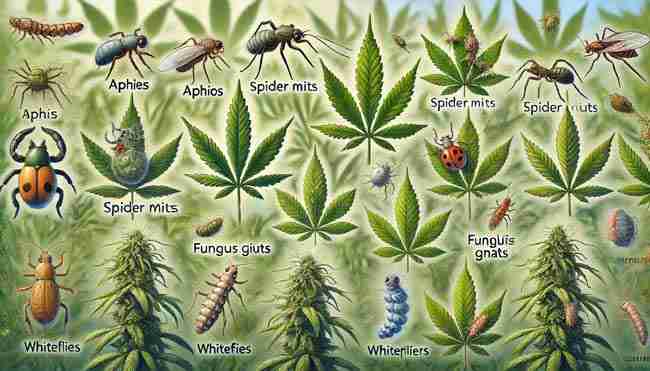
Different pests require different approaches. Here’s a handy table that outlines which DIY organic pest repellents work best for various cannabis pests.
| Pest | Recommended Repellent | Key Ingredient(s) | Pros | Cons |
|---|---|---|---|---|
| Aphids | Garlic Spray | Garlic, water, mild soap | Effective, safe for beneficial insects | Needs regular reapplication |
| Spider Mites | Chilli and Garlic Insect Spray | Garlic, chili, water, soap | Fast-acting, natural irritant | Can burn leaves if too concentrated |
| Whiteflies | Essential Oil Insect Repellent Spray | Peppermint, eucalyptus, citronella | Pleasant smell, broad-spectrum deterrent | Oils may separate, requires shaking |
| Fungus Gnats | Neem Oil Spray with Garlic | Neem oil, garlic, water, soap | Controls both pests and fungal growth | Might need to combine with other methods |
| Caterpillars | Citrus Spray & Companion Planting | Citrus extracts, companion herbs | Natural repellent, boosts plant diversity | Citrus spray may need frequent renewal |
Additional Recommendations
- For aphids and whiteflies, I recommend using garlic spray every three days during peak infestation.
- For spider mites, the chili and garlic insect spray works best when applied in the early morning or late afternoon.
- If you notice any signs of leaf burn or stress, dilute your mixture further or reduce the frequency of application.
How Cannabis Roots Improve Nutrient Uptake and Benefit from Organic Practices

Understanding how your cannabis plants naturally interact with the soil can help you make informed decisions about pest control. Here’s what you need to know:
The Magic of Root Exudates
Your cannabis roots release sugars and other compounds into the soil. These exudates attract beneficial soil microbes, including bacteria and fungi, that break down organic matter and help your plants absorb nutrients more efficiently. This process is vital for the overall health of your plants and improves their resistance to pests and diseases.
How Organic Pest Repellents Complement This Process
When you use organic pest repellents, you avoid disrupting this natural relationship. Chemical pesticides can kill off not only pests but also these helpful microbes. By sticking to organic options, you ensure that your cannabis plants get the full benefit of their root exudates, leading to stronger, healthier growth.
A Holistic Approach to Growing
You need to consider every part of your cannabis ecosystem. Using organic repellents supports a balanced environment where the soil, plants, and beneficial microbes work together. This holistic approach makes your pest control methods sustainable and effective in the long run.
Pros and Cons of DIY Organic Pest Repellents for Cannabis
Before you jump right into making your own sprays, here’s a quick rundown of the pros and cons:
Pros
- Natural and Safe: Organic ingredients reduce the risk of chemical residues on your cannabis.
- Eco-Friendly: They help protect the environment and support soil health.
- Cost-Effective: You often have many of the ingredients at home, saving you money.
- Easy to Make: Most recipes require simple steps and minimal equipment.
- Supports Beneficial Microbes: Encourages a healthy soil ecosystem that improves nutrient uptake.
Cons
- Frequent Application: Organic sprays might require more frequent use compared to synthetic pesticides.
- Variability: The strength of your repellent can vary based on ingredient quality and preparation.
- Potential Plant Stress: If the mixtures are too concentrated, they might cause minor leaf burn.
- Limited Residual Effect: They often wash off in heavy rain, meaning you need to reapply regularly.
Frequently Asked Questions About Pest Repellents for Cannabis
Q1: What are the main benefits of using organic pest repellents for cannabis?
You get a safe, natural solution that protects your plants, supports beneficial soil microbes, and doesn’t leave harmful residues on your buds. These repellents also help maintain a balanced ecosystem in your garden.
Q2: How often should I apply these organic sprays?
It depends on your local weather and pest pressure, but typically, you should reapply every 3-4 days. If you’re growing outdoors and experience rain, you might need to spray more frequently.
Q3: Can I mix different organic repellents together?
Yes, you can combine elements like garlic, chili, and essential oils. However, always do a small patch test first to ensure your plants tolerate the mixture well.
Q4: Are organic pest repellents effective against all types of pests?
They work well for a broad range of pests such as aphids, spider mites, and whiteflies. For very stubborn infestations, you might need to integrate other organic methods like neem oil or companion planting.
Q5: How do I know if my cannabis plant is benefiting from organic pest control?
Look for signs of healthy growth, vibrant leaves, and minimal pest damage. Also, healthy soil with a good microbial balance is a positive indicator that your organic practices are working.
Q6: Do these repellents affect the flavor or aroma of my cannabis?
No, when used correctly, these organic sprays won’t alter the natural flavor or aroma of your cannabis. They help keep your buds clean without leaving any chemical residues.
Final Thoughts

You now have a treasure trove of information on DIY organic pest repellents for cannabis. From garlic and chili sprays to essential oil solutions, these natural methods protect your plants while keeping your garden ecosystem balanced. Remember, growing cannabis isn’t just about fighting pests—it’s about fostering an environment where your plants can work with nature, letting their roots release sugars and other compounds to attract the beneficial microbes that boost nutrient uptake.
By taking this organic approach, you invest in the long-term health of your garden and enjoy the satisfaction of growing cannabis the natural way. Keep experimenting, adjust your recipes as needed, and watch your plants flourish. I’m confident that once you start using these methods, you’ll see a marked improvement in plant health and yield.
Quick Reference List: Essential Ingredients for DIY Organic Pest Repellents
- Garlic: Powerful odor and sulfur compounds
- Chili Peppers: Capsaicin to deter pests
- Essential Oils: Peppermint, eucalyptus, citronella for a strong, repellent aroma
- Neem Oil: Antifungal, antibacterial, and insect repellent properties
- Liquid Soap: Helps mix and adhere the solution to leaves
- Water: The base for all these solutions
Detailed Comparison Table for DIY Organic Pest Repellents for Cannabis
| Repellent Type | Key Ingredients | Ideal for | Application Frequency | Pros | Cons |
|---|---|---|---|---|---|
| Garlic Spray | Garlic, water, liquid soap | Aphids, whiteflies | Every 3-4 days | Natural, easy to make, supports beneficial microbes | May need dilution to avoid leaf burn |
| Chilli & Garlic Insect Spray | Garlic, chili, water, liquid soap | Spider mites, caterpillars | Every 3-4 days | Quick action, broad pest coverage | Can be strong; test on small area first |
| Essential Oil Insect Repellent Spray | Peppermint, eucalyptus, citronella, water | Whiteflies, aphids, general insects | Every 3-4 days | Pleasant aroma, effective, supports integrated pest management | Essential oils separate, must shake before use |
| Neem Oil & Garlic Combo | Neem oil, garlic, water, liquid soap | Fungal infections, broad spectrum pests | Every 4-5 days | Multifunctional, enhances soil health | Might require additional mixing instructions |
Specifications for DIY Organic Pest Repellents
- Mixing Ratio: Typically, 1 quart (or liter) of water per batch with the designated amount of garlic/chili.
- Resting Time: Allow mixtures to sit for 12-24 hours for optimal infusion.
- Application Method: Use a spray bottle; always apply during cooler parts of the day.
- Storage: Store mixtures in a cool, dark place; best used within a week.
- Safety Tips: Always test a small patch on your plant before wide application to avoid potential damage.
Extra Tips for Cannabis Growers
- Monitor Your Plants: Keep an eye on your plants after applying any spray. Adjust the frequency if you see signs of stress.
- Stay Consistent: Regular applications help maintain a pest-free environment.
- Weather Watch: Apply sprays during early mornings or late afternoons, and reapply after rain.
- Record Keeping: Keep a journal of your recipes, application times, and plant responses. This helps you refine your method over time.
- Balance is Key: Use organic pest repellents in conjunction with a healthy soil ecosystem to boost nutrient uptake and overall plant health.
Remember, each garden is unique. What works like a charm in one setup might need tweaks in another. Trust your instincts and adjust as you go along.
Frequently Asked Questions (FAQ)
What are the best organic ingredients for making pest repellents for cannabis?
You’ll find that garlic, chili peppers, and essential oils (like peppermint, eucalyptus, and citronella) work best. They have natural compounds that deter pests without harming beneficial insects or your plants.
Can organic pest repellents completely eliminate all pests?
Organic repellents reduce pest populations significantly, but you might still need to combine them with other methods like companion planting or neem oil sprays for persistent infestations.
How do I know if my DIY organic pest repellent is working?
Look for a reduction in pest numbers and healthier plant growth. Also, observe the soil; if your plants’ roots are attracting beneficial microbes, your ecosystem is balanced, and the repellent is likely doing its job.
Is there any risk of harming beneficial insects with these sprays?
When used correctly, these organic sprays target pests while leaving beneficial insects largely unharmed. Always avoid spraying during peak activity times for bees and other pollinators.
What should I do if my cannabis plants show signs of stress after using these sprays?
Stop application immediately, rinse the affected area with clean water, and adjust the concentration before reapplying. Always test on a small area first.
Wrapping It All Up
You now have a detailed guide on how to create and use DIY organic pest repellents for cannabis. These recipes and tips help you control pests while nurturing the natural interactions in your garden—especially the amazing way cannabis roots attract beneficial microbes through their natural sugar releases. With these methods, you’re set to protect your plants the natural way, ensuring a robust, healthy crop.
Pest control doesn’t have to be a chemical arms race. When you embrace organic methods, you work with nature, not against it. I hope you find these recipes and tips practical, engaging, and useful. Dive into your gardening project with confidence, knowing that you’ve got the know-how to keep pests at bay and your cannabis thriving.