Debunking THC Potency Myths


You’ve probably heard all sorts of tall tales about THC potency: that the higher the number on the label, the better your high; that lab tests are always spot-on; or that every bud from the same strain will hit you just the same. Well, pull up a chair, because it’s time to tackle those THC Potency Myths head-on. In this guide, you’ll learn what really drives the magic of cannabis beyond just a percentage, why those lab numbers can fool you, and how to grow for true quality, not just big numbers. By the end, you’ll be debunking myths like a pro, armed with real-world tips to maximize the potency that matters most—your enjoyment and the plant’s full potential.
Debunking Common THC Potency Myths
Myth 1: Higher THC = Better High
What People Believe
- If a bud tests at 30% THC, it must be the ultimate experience.
- Anything under 20% is “weak weed.”
The Reality
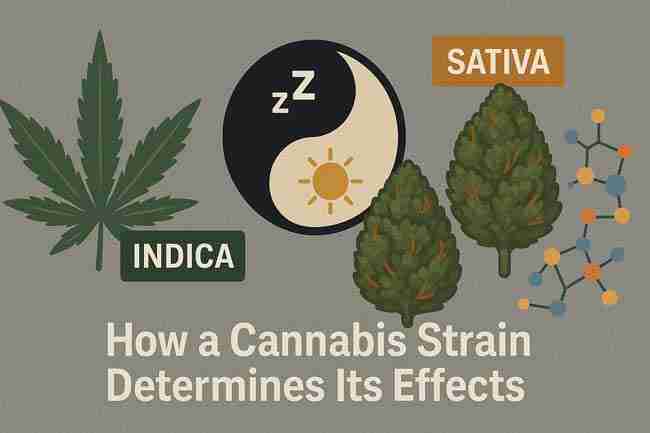
THC is just one part of the entourage. Your high comes from the mix of cannabinoids (CBD, CBG, etc.) and terpenes (myrcene, limonene, pinene) working together. A strain with 18% THC and a rich terpene profile can feel stronger than a bland 28% lab sample.
Real-Life Example
Sam once bought a 29% THC candy-like bud, then crashed from anxiety. Meanwhile, a balanced 19% OG Kush with a sweet citrus terpene blend gave her a smooth, clear high. See? Bigger isn’t always better.
Myth 2: Lab Tests Are Always Accurate
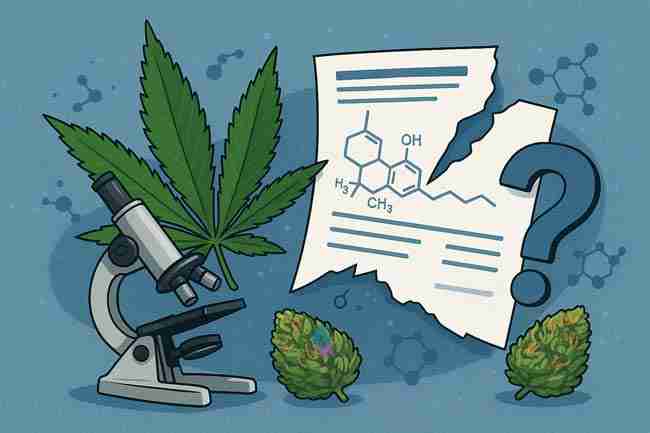
Why You Might Trust Them
- Labs use fancy chromatography equipment.
- Certificates of Analysis (COA) look official.
Where Tests Can Go Wrong
- Sampling Errors: Labs test a tiny bud sample, which might not represent the whole harvest.
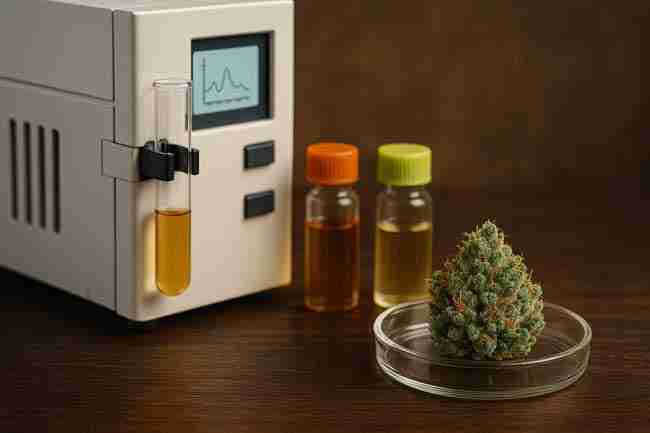
- Lab Variation: Different labs use different methods—gas chromatography vs. HPLC—and can report varying THC levels.
- Mislabeling: Some producers accidentally (or purposely) mislabel results.
Tip: Always look for batch numbers and third-party lab accreditation to reduce surprises.
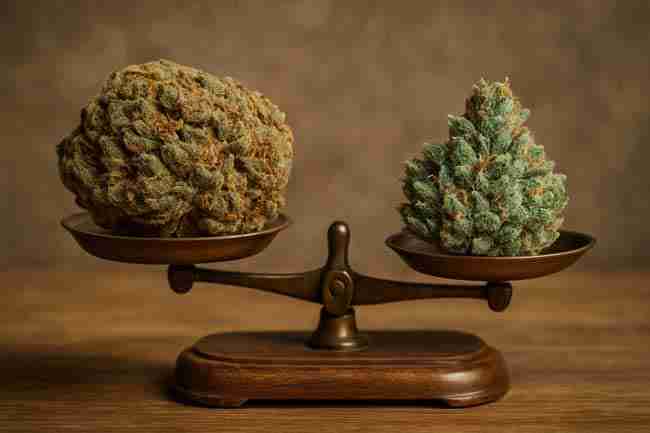
Myth 3: One Strain Means One Consistent Potency
The Oversimplification
You pick “Blue Dream,” and expect that same 20% you read about online.
The Nuance
Genetics set the ceiling, but environment decides the floor:
- Nutrients
- Light spectrum
- Temperature swings
- Harvest timing
From one grower’s top-shelf 22% Blue Dream, another might only hit 14% because of sub-par conditions.
Real Factors Affecting THC Levels
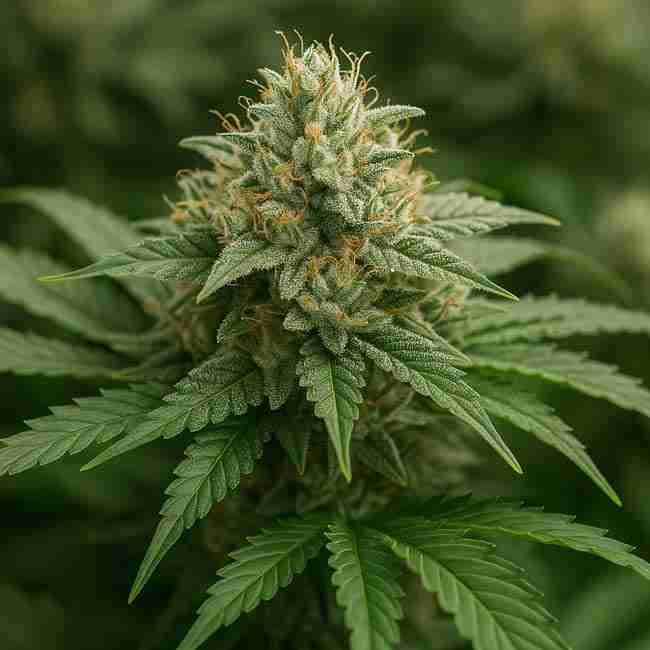
Genetics: The Blueprint
- Chemotype: Determines cannabinoid ratios.
- Phenotype Stability: How reliably a strain expresses its genetics.
- Breeder Reputation: Top breeders like Green Avenger Seeds and local legends ensure consistent chemistry.
Internal Link: For more on choosing robust genetics, check out our article on What Makes a High-Quality Marijuana Seed?.
Environment: Your Grow Room’s Role
| Factor | Impact on THC | Notes |
|---|---|---|
| Light Spectrum | High UV boosts resin | See Best Grow Light Spectrum for Trichome Production |
| Temperature Fluctuations | Stress can either spike or hamper THC | Keep day/night within 10 °F |
| Nutrient Balance | Deficiencies lower THC | Avoid N-burn in flowering stage |
Harvest Timing: The Final Countdown
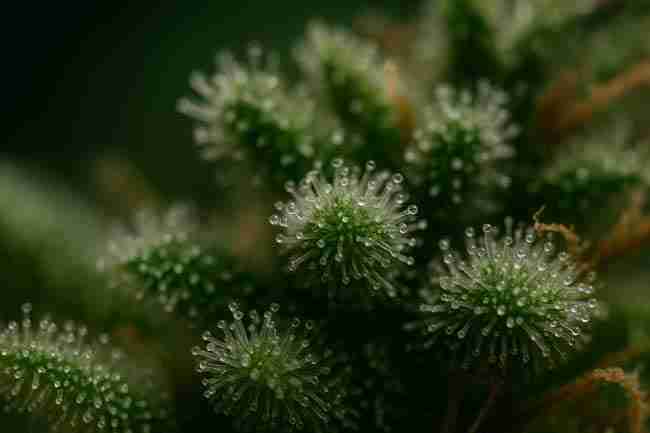
- Early Harvest: More THC-A (non-psychoactive).
- Peak Harvest: Optimal THC/C₅₉-OH/CBN ratio.
- Late Harvest: Converts THC into CBN—more sedative.
Pro Tip: Use a jeweler’s loupe to inspect trichome color: clear = too early, cloudy = peak, amber = couch-lock country.
Practical Growing Tips to Maximize True Potency
- Balanced Feeding
- Switch to bloom nutrients with lower nitrogen, higher phosphorus and potassium in flowering.
- UV-B Supplementation
- Short bursts in the last two weeks can boost resin production.
- CO₂ Enrichment
- If you’ve got a sealed grow room, bump CO₂ to 1 200–1 500 ppm—plants love it.
- Flushing Before Harvest
- A week of pure water can improve flavor and mouthfeel, making the high feel cleaner.
- Post-Harvest Drying and Curing
- Slow-dry at 60% humidity, then cure in jars, opening daily for the first week.
Pros and Cons of Focusing on THC Potency
| Pros | Cons |
|---|---|
| Easy Marketing: Big percentages sell fast | Neglects Terpenes: You miss out on flavor and nuance |
| Perceived Strength: Appeals to thrill-seekers | Anxiety Risks: Ultra-high THC can induce paranoia |
| Lab-Testable: Simple QC metric | Inconsistent: Lab numbers can be misleading |
Specifications: Measuring THC the Right Way
- Gas Chromatography (GC)
- Measures THC after decarboxylation; may inflate active THC numbers.
- High-Performance Liquid Chromatography (HPLC)
- Separates THC and THC-A; gives a clearer picture of true psychoactive potential.
- Sample Size
- Labs should test at least 10% of your harvest to ensure representativeness.
FAQ: Your THC Potency Myths Questions Answered
Q1: Can I rely on the THC percentage on dispensary labels?
A1: Labels are helpful but not gospel. Always buy from reputable brands with third-party lab COAs.
Q2: Does curing affect THC levels?
A2: Curing doesn’t increase THC but can preserve potency and improve overall experience by reducing chlorophyll and sugars.
Q3: What role do terpenes play in potency?
A3: Terpenes modulate THC’s effects. For example, myrcene can boost THC’s psychoactivity, while limonene offers an uplifting twist.
Q4: How quickly does THC degrade?
A4: In light and heat, THC converts to CBN over weeks to months. Store buds in a cool, dark place for best longevity.
Q5: Should I chase the highest THC strain?
A5: Not necessarily. Balance potency with flavor, effect, and your own tolerance for a truly rewarding grow.
Conclusion
You’ve busted the biggest THC Potency Myths, learned the real drivers of a stellar high, and armed yourself with practical tips to get the most from your next grow. Remember, it’s not just about a high number; it’s about the full entourage of cannabinoids, terpenes, and your own growing finesse. Now go forth, tweak those variables, trust your nose and taste buds more than a lab sheet, and enjoy cannabis that’s potent in every sense of the word.