Data-Driven Phenohunting for Cannabis Breeders: Modern Tools Help Select Elite Plants


Hey there, green-thumbed friend! Picture this: you pop open a fresh pack of cannabis seeds from a trusted source, tuck them into soil, and watch as twenty little seedlings stretch toward the light. Fast forward a few months, and suddenly you have a whole room full of plants that all came from the same batch yet look, smell, and grow completely differently. One stretches tall like a skyscraper while another stays short and bushy. One smells like sweet blueberries at midnight, another like pine forest after rain. That wild variety? It is the heart and soul of phenohunting cannabis, and in 2027 the smartest home breeders are no longer guessing. They are using simple spreadsheets, careful photos, and basic math to turn that chaos into gold.
Data-driven phenohunting cannabis uses simple spreadsheets and apps to track dozens of traits across hundreds of plants. As a result, home breeders achieve professional-level results faster than ever before. You no longer rely on gut feelings alone. Instead, you build a clear record that shows exactly which plant deserves to become the mother of your next generation. Whether you are chasing monster yields, mouth-watering terpenes, or rock-solid resistance to pests, this modern approach helps you find the true unicorns hiding in every seed pack.
What Exactly is Data-Driven Phenohunting Cannabis?
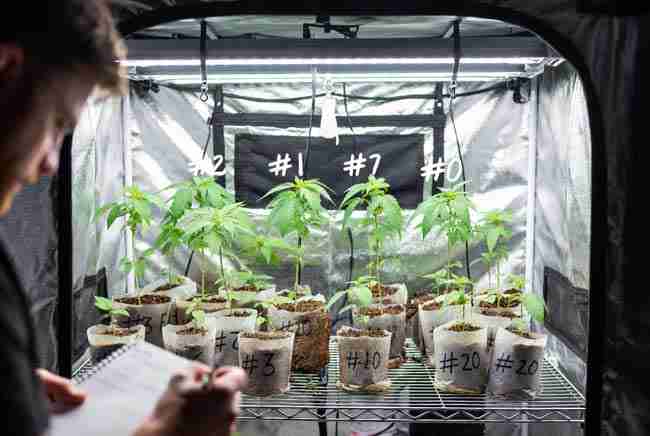
Phenohunting cannabis simply means growing out many plants from the same genetic line and then picking the single best one (or the top few) based on the traits you care about most. Traditional phenohunting relied on memory and sticky notes. You rubbed stems, squinted at buds, and hoped you remembered which plant smelled the strongest three weeks later. Data-driven phenohunting marijuana changes the game completely. You turn every observation into numbers and photos you can sort, average, and rank with total confidence.
You start small if you are new. Grab 15 to 30 cannabis seeds. Label every single one with a number on a tag and in your notebook. Grow them side by side under the exact same conditions so the only differences come from their genetics. Then you measure, photograph, and score every plant at key moments. By the time you reach harvest, you have a mountain of objective evidence instead of foggy memories. The result? You keep the plant that truly checks every box on your wish list and you toss the rest with zero regret.
Why Switch to Data-Driven Phenohunting Marijuana for Better Results

Old-school methods still work, but they leave money and quality on the table. You might love the way plant #9 smells, yet forget that it finished two weeks later than the others and produced half the weight. Data-driven phenohunting marijuana removes that blind spot. You see the full picture at a glance.
Pros of going data-driven include faster decisions, repeatable results, and the ability to spot tiny advantages that add up to huge improvements over generations. Cons include the small upfront time investment to set up your system and the need to stay consistent with measurements. Most growers find the pros win by a landslide once they try it for one full cycle.
You also gain peace of mind. When friends ask why your new strain tastes so incredible, you can pull up the spreadsheet and show them the exact scores that made you choose that keeper. That kind of proof feels pretty good.
Free Template Spreadsheets for Tracking Cannabis Phenotypes
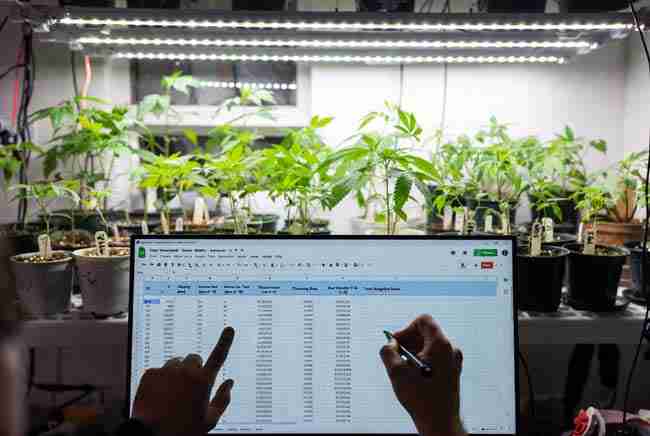
You do not need fancy software or a degree in statistics. A free Google Sheet or simple Excel file does the heavy lifting. Many home breeders start with nothing more than a basic grid and end up with professional-grade selection power.
How to Set Up Your Tracking Cannabis Phenotypes Spreadsheet
Open a new sheet and name it something fun like “My 2027 Pheno Hunt – Green Avenger Seeds Edition.” Create these main tabs: Veg Log, Flower Log, Final Rankings, and Notes. On the Veg Log tab, list every plant down the left side. Across the top, add columns for the traits you want to track. Do the same for the Flower Log tab with traits that only appear later. The Final Rankings tab pulls key numbers from both logs and calculates totals automatically.
Color-code the top three plants in bright green so they jump out every time you open the file. Add a simple formula that averages scores or adds weighted points. You will feel like a scientist in no time, and your future self will thank you when you run the same hunt next year.
Key Columns Every Home Breeder Needs
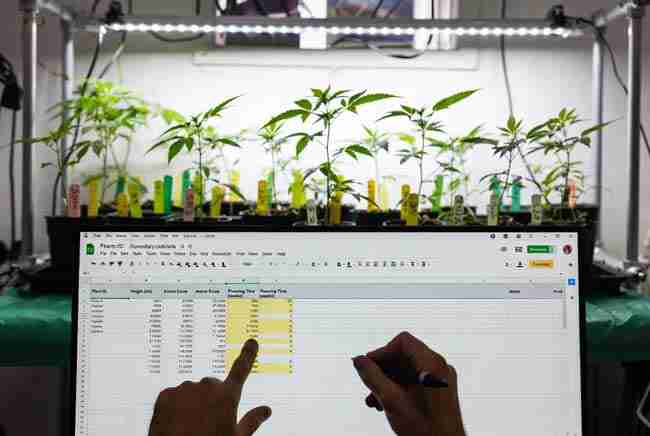
Here is a ready-to-copy list of columns that deliver serious results:
- Plant ID (simple numbers work best)
- Date of measurement
- Height in centimeters (measure from soil to tallest tip)
- Internode spacing in millimeters (average of three spots)
- Stem thickness rating (1–10 scale, thicker is usually stronger)
- Leaf color and health notes
- Aroma rub test score (1–10, do it the same time every week)
- Vigor and growth speed (1–10)
- Pest or disease resistance (1–10, note any issues)
- Flowering time in days from flip
- Bud density and structure (1–10)
- Trichome coverage estimate or photo reference
- Dry yield in grams per plant
- Overall smell intensity after cure (1–10)
- Weighted total score (your custom formula)
Print a blank copy of the sheet and keep it next to your grow tent so you never miss a weekly check-in.
Photography and Measurement Protocols During Veg and Flower
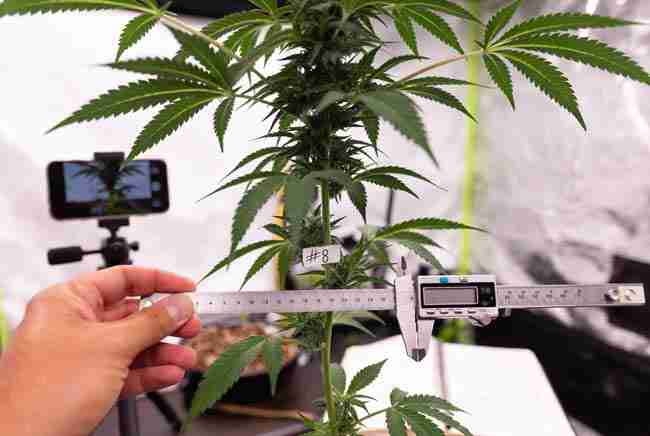
Photos and measurements turn fuzzy memories into hard facts. You do not need a $2,000 camera. Your phone works perfectly when you follow a few simple rules.
Veg Stage Photography and Measurement Protocols
Every seven days, take the same three photos of each plant: straight-on front view, side profile, and top-down canopy shot. Use a white poster board behind the plant so colors stay true. Place a ruler or measuring tape in every photo for instant scale reference. Measure height from soil line to the highest growth tip and record internode spacing on the main stem. Rub a lower fan leaf between your fingers at the same time each week and score the aroma on your 1–10 scale. Write the score and date right on the plant tag with a fine marker.
Flowering Stage Photography and Measurement Protocols
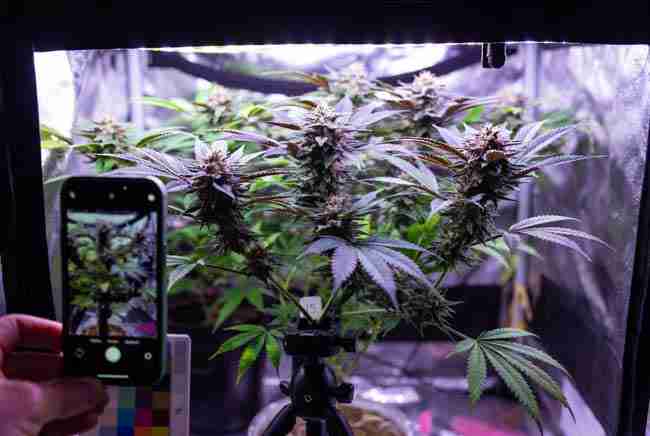
Once you flip to 12/12, switch to bi-weekly photos and add close-up shots of the developing buds. Use a cheap jeweler’s loupe or your phone macro lens to capture trichome heads. Note the exact day you first see pistils, the day the plant reaches peak smell, and any foxtailing or color changes. At harvest, weigh the wet plant, then again after a full dry and cure. Those final grams per plant become one of your most important numbers.
Statistical Methods to Rank Phenotypes Objectively

Numbers only matter when you turn them into clear rankings. You do not need fancy software. Basic addition and averaging work wonders.
Simple Scoring Systems for Objective Selection
Give every trait a score from 1 to 10. For aroma, rub the stem or a leaf at the same time each week and rate it honestly. For yield, wait until the end and weigh the dried buds. For resistance, simply note how many times you had to treat for pests compared to the group average.
Weighted Averages and Basic Stats for Elite Picks
Not every trait carries the same importance for you. Maybe you care most about potency and terpene profile. In that case, give those two traits 30 percent weight each and spread the remaining 40 percent across yield, structure, and resistance. Add up the weighted scores and sort the sheet from highest to lowest. The top plant becomes your new keeper. You can even run a quick average across all plants to see how far your winner stands above the pack.
Integrating with Green Avenger Seeds Genetics for Stable Lines

Green Avenger Seeds gives you an incredible head start because their genetics are already selected for stability and vigor. When you phenohunt their stock, you are working with plants that already lean toward excellence.
Picking the Perfect Starting Genetics from Green Avenger
Choose strains that match your goals. If you want big yields in small spaces, look for their compact indica-dominant options. If you chase unique flavors, their terpene-rich hybrids shine. Pop 25 to 40 seeds from one of their top-performing packs and treat every seedling like a potential superstar. Because the base genetics are strong, your chances of finding an elite keeper rise dramatically.
Stabilizing Your Elite Finds into New Lines
Once you have your winner, take plenty of clones and let her veg while you flower out the original. Collect pollen from a strong male sibling or reverse a female clone to create your own seeds. Backcross the keeper to the original Green Avenger parent a couple of times and you will lock in those amazing traits for future generations. Many home breeders have turned a single standout pheno into a stable line that friends beg to grow.
Legal and Ethical Considerations for Personal Breeding Projects
Before you dive in, take a moment to check your local rules. In Canada, personal growing is legal in many provinces with plant limits that vary by location. Breeding for your own use is generally fine, but selling seeds or clones without the proper licenses crosses into commercial territory. Always stay inside the law and keep excellent records.

Ethically, you become a guardian of genetics when you phenohunt. Preserve diversity by keeping more than one strong pheno alive when possible. Share your knowledge freely the way Green Avenger Seeds does with their community. Never release unstable or hermaphroditic lines that could cause headaches for other growers. Responsible phenohunting strengthens the entire cannabis world.
Inspiring Case Studies from Home Breeders Using Data-Driven Methods

One Quebec grower started with 25 Green Avenger Seeds plants and used a simple spreadsheet to track 12 traits. After one cycle, plant #17 stood out with 40 percent higher yield, intense berry aroma, and zero pest issues. He stabilized that line and now shares cuttings with friends who report the same outstanding results year after year.
Another hobbyist in Ontario ran a smaller hunt of only 12 plants but photographed every stage religiously. The data revealed that the shortest plant actually produced the densest, most resinous buds. He kept that compact pheno, crossed it with another keeper, and created a new strain perfect for his tiny apartment grow. His total yield per square foot jumped by nearly 60 percent.
These stories repeat across the community. When you let the numbers guide you instead of hope, dramatic improvements become normal.
Pro Tips and Common Pitfalls in Cannabis Pheno Selection Tools

Always clone every plant before you flip to flower. That way you never lose a keeper if something goes wrong. Keep your environment identical for every plant so genetics, not conditions, decide the winner. Re-test your top three plants in a second run before you commit to breeding with them. Small inconsistencies in watering or light can skew results.
Common mistakes include scoring aroma only once instead of weekly, forgetting to weigh final yields, and letting personal bias creep in (“I just like the way this one looks”). Your spreadsheet protects you from all three.
Frequently Asked Questions About Phenohunting Cannabis

How many seeds should I phenohunt at once?
Most home breeders find 20 to 40 seeds gives excellent odds without overwhelming your space. Start with 25 if this is your first serious hunt.
What is the single most important trait to track?
It depends on your goals, but aroma and final dry yield almost always rank in the top three for most people. Potency and resistance follow close behind.
Can I use Green Avenger Seeds for my first phenohunt?
Absolutely. Their stable, vigorous genetics make them one of the best starting points for new and experienced breeders alike.
How long does a full phenohunt take?
From seed to final selection usually runs 16 to 20 weeks depending on the strain. The data work takes only a few minutes each week once your system is set up.
Do I need lab testing for potency?
Not at the hobby growing level. Careful trichome observation plus your own smoke tests work well. When you stabilize a line you love, professional lab testing becomes worth the investment.
What if two plants tie in my rankings?
Grow both out again side by side in identical conditions and let the second run break the tie. Nature usually makes the choice clear.
How do I store my keeper clones long-term?
Keep mother plants under 18/6 light in small pots and take fresh clones every 8 to 10 weeks. Rotate mothers every 12 to 18 months to keep vigor high.
Is data-driven phenohunting worth it for small grows?
Yes! Even with just 10 plants you will make better choices and waste far less time and space on mediocre genetics.
You now have everything you need to run your own data-driven phenohunting cannabis project like a seasoned pro. Grab those seeds, fire up a simple spreadsheet, and start hunting. The elite plant you have been dreaming about is waiting inside the next pack. Go find it, track it, and make it the foundation of something truly special. Your future harvests will taste, smell, and yield better than ever. Happy hunting, and may your spreadsheets always point to gold!