Creating a Balanced Cannabis Ecosystem in Your Grow Room: Beyond Just Cannabis


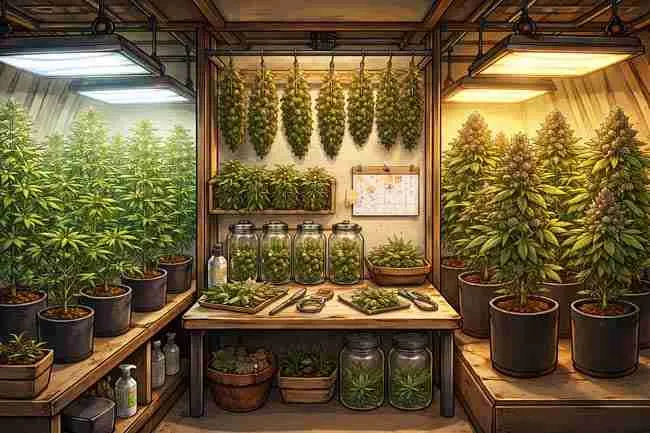
You’re about to dive into a world where growing cannabis isn’t just about water and lights—it’s about creating a lively, balanced ecosystem. In your grow room, every little detail counts, from the way your plants get their light and air to how they interact with helpful insects and microbes. I’m here to walk you through every step in a friendly, down-to-earth style. So grab a cup of something warm, settle in, and let’s get started on making your grow room not only productive but also a thriving little ecosystem.
Laying the Foundation for the Ideal Grow Room Environment

Before you jump headfirst into lighting and watering schedules, you need to lay down a rock-solid foundation. This means setting up an environment where everything works together like a well-rehearsed band.
Role of a Controlled Grow Room Environment
When you create a controlled environment, you take the guesswork out of growing. You set the stage for success by managing temperature, humidity, and airflow. Think of your grow room as a tiny world where you’re the boss. By controlling these factors, you let your cannabis plants focus on growing strong. They don’t have to worry about extreme weather or pests because you’re in charge.
- Tip: Keep a regular schedule for checking your sensors and equipment. This helps you catch any issues before they become big problems.
Importance of Stability
Stability is the name of the game. Your plants like it steady—they don’t enjoy wild swings in temperature or humidity. Just like you wouldn’t want your day to be a rollercoaster ride, your cannabis plants thrive in calm conditions.
- Key Point: A stable environment boosts nutrient uptake and makes your plants less stressed, meaning they grow better and produce more buds.
Adapting to Different Growth Phases

Your cannabis plants go through several growth phases, and each phase has its own needs. From the seedling stage to full bloom, the conditions in your grow room should change just a bit to match what your plants need at that time. For example, young plants may require higher humidity, while flowering plants might need a little extra light.
- Remember: Don’t treat all phases the same. Adjust your temperature, humidity, and light intensity as your plants grow.
Positioning Plants for Optimal Growth

Where you place your plants in the grow room matters. You want every leaf to get a fair share of light and air. Overcrowding can lead to mold and poor air circulation, which is a big no-no.
- Pro Tip: Use reflective surfaces and proper spacing to ensure every plant gets the attention it deserves.
Tools for Monitoring and Control

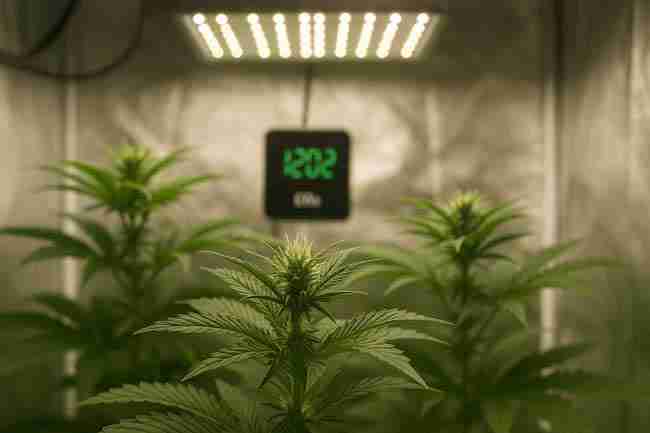
You can’t maintain a balanced ecosystem without the right tools. Equip your grow room with sensors for temperature, humidity, and CO₂ levels. Tools like pH meters and light meters help you stay on top of your game.
- Essential Tools List:
- pH Meter
- Humidity Sensor
- Temperature Gauge
- CO₂ Monitor
- Light Meter
- Timers and Controllers
These tools help you make informed decisions quickly and keep your grow room running like a well-oiled machine.
Optimizing Light in Your Grow Room Environment

Light is the lifeblood of your cannabis plants. It fuels photosynthesis, which is the process that turns light into energy for growth. Getting your lighting right isn’t rocket science, but it does take some know-how.
Achieving Proper Lighting in the Grow Room Environment
You need to give your plants just the right amount of light—no more, no less. Too much light can burn them, and too little can stunt their growth. It’s all about balance.
- Real-Life Example: I once had a friend who kept cranking the lights up thinking more light meant more buds. Instead, his plants got stressed and showed signs of burn. Once he adjusted the intensity, the plants perked right up.
Photosynthesis and Growth

Photosynthesis is a fancy word for how plants make food. In your grow room, good lighting means more energy for your plants to grow robust and healthy. Remember, every photon counts when it comes to turning sugars into growth.
- Key Fact: Cannabis roots release sugars and other compounds into the soil. These sugars attract beneficial soil microbes that help break down nutrients, making them easier for your plants to absorb.
Light Intensity and Duration

It’s not just about how bright the light is—it’s also about how long your plants get it. Cannabis plants have natural cycles that mimic the sun. You want to stick to these cycles as much as possible.
- Tip: Use timers to ensure your lights are on and off at the right times. This mimics nature and keeps your plants in their happy zone.
Light Cycles and Plant Health
When you get your light cycles right, your plants work like clockwork. During the vegetative stage, longer light periods (16 hours a day) help the plants grow big and strong. During flowering (12 hours a day), a shorter day triggers bud formation. Adjust your light cycles to match the growth phase, and you’ll see a big difference in your yield.
Choosing Lights Tailored for the Grow Room Environment

Different types of lights offer different benefits, and picking the right one is crucial. Let’s break down the common types:
LED vs. HPS vs. CMH: A Comparative Study
Here’s a handy table to compare the three main types of lights used in cannabis growing:
| Lighting Type | Pros | Cons | Specifications |
|---|---|---|---|
| LED | Energy-efficient, long-lasting, less heat | Higher upfront cost, sometimes less intensity | Full-spectrum options available, adjustable wattage |
| HPS | Great for flowering, proven performance | Generates a lot of heat, higher power usage | Strong red spectrum ideal for bud development |
| CMH | Natural sunlight spectrum, good color rendering | More expensive bulbs, less common | High color accuracy, balanced blue/red output |
This table shows you that each lighting option has its own set of benefits and drawbacks. You can choose based on your budget, space, and specific plant needs.
Spectrum and Energy Efficiency

The light spectrum is a critical factor. Full-spectrum lights mimic natural sunlight and help your plants flourish. They offer a mix of blue and red wavelengths, which are essential during different growth stages.
- Insight: Full-spectrum lights help your plants maintain a balanced growth pattern, making them a key player in your Balanced Cannabis Ecosystem.
Benefits of Full-Spectrum Lights

Using full-spectrum lights isn’t just about keeping your plants happy—it’s about giving them the best chance to thrive. These lights help with:
- Boosting photosynthesis
- Encouraging uniform growth
- Enhancing flavor and aroma compounds in the buds
In short, full-spectrum lights play a starring role in creating an environment where your cannabis plants can do their best work.
Maintaining Temperature and Humidity in the Grow Room Environment

Temperature and humidity go hand in hand when you’re trying to keep your grow room balanced. Both factors are like the yin and yang of your ecosystem.
Different Growth Stages’ Needs
Your plants change their preferences as they grow. During the seedling stage, they prefer a bit more humidity. As they mature, a slight drop in humidity helps prevent mold, while a stable temperature keeps stress at bay.
- Remember: Monitor these changes closely and adjust your settings accordingly.
Avoiding Extremes

Extremes are the enemy of a balanced ecosystem. High temperatures can dry out your plants and reduce nutrient uptake, while too much humidity can lead to mold and mildew.
- Quick Tip: Use dehumidifiers or humidifiers as needed to keep conditions just right.
Ensuring Air Circulation for a Healthy Grow Room Environment

Air circulation is crucial. Without proper airflow, you’re inviting stagnation and even mold to crash your grow room party.
Significance of Proper Ventilation in the Grow Room Environment
Good ventilation means your plants get fresh air, which helps them breathe and grow. It also prevents the buildup of excess CO₂ or humidity that could harm your plants.

- Real-Life Example: I recall a grower who neglected ventilation. His room quickly became a breeding ground for mold, and his plants suffered. Once he installed proper exhaust fans, everything turned around.
Overcoming Stagnation and Mold Issues
You don’t want your grow room to feel like a stuffy attic. Stagnant air can lead to mold, mildew, and pests. Always keep the air moving.
- Key Strategy: Regularly check for any signs of mold and adjust your fan settings to keep the air fresh.
Positioning Fans for Optimal Airflow

Fans need to be strategically placed to ensure that every nook of your grow room gets fresh air. Place them in corners, near the ceiling, and even around your plants.
- Pro Tip: Use oscillating fans to distribute air evenly without blowing too hard on any single plant.
Equipment Essentials for Optimal Airflow in the Grow Room Environment
You’ll need the right gear to keep your air moving. Here’s a quick list of equipment essentials:
- Oscillating Fans: Ensure even air distribution.
- Exhaust Fans: Remove hot, stale air.
- Intake Fans: Bring in fresh, cool air.
- Air Filters: Purify the air and keep dust out.
Choosing Efficient Fans for Cannabis Growing

When you choose fans, look for ones that operate quietly and efficiently. Fans with variable speeds give you the flexibility to adjust airflow based on your plants’ needs.
Importance of Filters in Purifying Air
Filters help remove dust, pollen, and other particles that might harm your plants. A good filter system keeps your grow room’s air clean, ensuring your plants can breathe easy and grow better.
Optimizing CO₂ Levels in Your Grow Room

CO₂ is often misunderstood. It’s not just a gas—it’s a vital part of your plants’ life cycle. In a Balanced Cannabis Ecosystem, CO₂ plays a significant role in photosynthesis and overall plant health.
What Is the Best Environment for a Grow Room?

The best environment mimics nature as closely as possible. It means balancing light, temperature, humidity, and CO₂. Your goal is to create a mini-outdoor world indoors, where everything works together in harmony.
Is CO₂ Worth It in a Grow Room?

Absolutely! Adding CO₂ can boost photosynthesis and lead to bigger, more robust plants. However, you need to be cautious. Too much CO₂ can be harmful, so always measure and control its levels.
How to Get More CO₂ in a Grow Room?

There are several ways to increase CO₂:
- CO₂ Generators: These devices release controlled amounts of CO₂.
- Dry Ice: Carefully used, dry ice can temporarily boost CO₂ levels.
- Natural Methods: Increasing plant density and using organic matter in your soil can naturally elevate CO₂.
What Happens If You Have Too Much CO₂ in Your Grow Room?

Excess CO₂ can cause plants to become stressed, leading to reduced growth or even nutrient imbalances. Always monitor levels and adjust your methods if you notice any negative signs.
Cannabis Growroom Safety Measures

Safety comes first. Running a grow room involves high-powered lights, electrical equipment, and sometimes chemicals. Here are some essential safety tips:
- Electrical Safety: Use surge protectors and ensure all wiring is secure.
- Fire Prevention: Keep flammable materials away from hot equipment.
- Chemical Safety: Store fertilizers and pesticides safely and follow label instructions.
- Personal Safety: Wear protective gear when handling chemicals and always keep a fire extinguisher nearby.
These measures not only protect you but also help maintain a stable environment for your cannabis plants.
Understanding the Role of Microbial Life and Beneficial Insects in Your Balanced Cannabis Ecosystem

Your grow room isn’t just about lights and water; it’s a living, breathing ecosystem. Cannabis roots release sugars and other compounds into the soil. These compounds are like little treats that attract beneficial microbes. These microbes break down nutrients into forms your plants can easily use, boosting growth and health.
The Magic of Microbes
- Soil Microbes: Bacteria and fungi in your soil help decompose organic matter, releasing nutrients. They work hand-in-hand with your plant roots, creating a symbiotic relationship.
- Benefits: Improved nutrient uptake, enhanced resistance to pests, and healthier root systems.
Bringing in Beneficial Insects

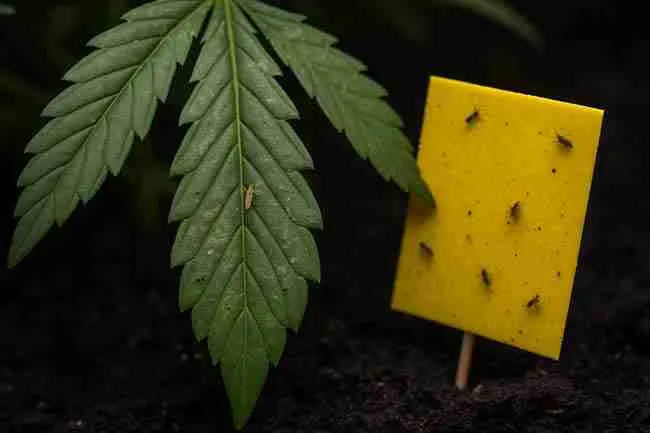
Insects aren’t always a bad thing. Certain insects, like ladybugs and predatory mites, help keep pest populations in check. They’re nature’s own pest control and play a crucial role in maintaining your Balanced Cannabis Ecosystem.
- Real-Life Tip: Introduce beneficial insects early in your grow room setup. They’ll help manage pests naturally, reducing your need for chemical pesticides.
Creating a Self-Sustaining Environment

By integrating plants, beneficial insects, and microbial life, you create a self-sustaining ecosystem. This ecosystem not only helps your cannabis plants thrive but also reduces your workload in the long run.
- Key Idea: The more natural allies you have in your grow room, the less you have to worry about issues like pests and nutrient deficiencies.
FAQ Section: Your Balanced Cannabis Ecosystem Questions Answered
Q1: What does a Balanced Cannabis Ecosystem really mean?
You’re creating a grow room where every element—from lighting and airflow to microbes and insects—works together to support healthy cannabis growth.
Q2: How do cannabis roots help improve nutrient uptake?
The roots release sugars and other compounds into the soil, which attract beneficial microbes. These microbes break down nutrients, making them more accessible to the plants.
Q3: What type of lighting should I use?
Each option—LED, HPS, or CMH—has its pros and cons. Your choice depends on your budget, room size, and specific plant needs. Check out the table above for a quick comparison.
Q4: Can I naturally boost CO₂ levels in my grow room?
Yes, you can. Methods include using CO₂ generators, dry ice (with caution), and even simply increasing organic activity in your soil.
Q5: How important is air circulation?
It’s crucial! Proper air circulation prevents mold, improves gas exchange, and keeps your plants healthy. Invest in good fans and filters to maintain a steady airflow.
Q6: Do beneficial insects really help in a grow room?
Absolutely. They control pests naturally and help maintain a balanced ecosystem, reducing the need for chemical interventions.
Pros and Cons and Specifications

When it comes to setting up your Balanced Cannabis Ecosystem, you might be wondering about the pros and cons of different systems and equipment. Here’s a quick breakdown:
Pros and Cons List for Different Lighting Options
- LED Lights
- Pros: Energy-efficient, longer lifespan, low heat output
- Cons: Higher initial cost, sometimes lower light intensity
- HPS Lights
- Pros: Excellent for flowering, proven track record
- Cons: Generates a lot of heat, uses more power
- CMH Lights
- Pros: Natural sunlight spectrum, balanced light output
- Cons: More expensive bulbs, less widely available
Equipment Specifications Table for a Grow Room Setup
| Equipment Type | Specification | Benefit | Common Brands/Models |
|---|---|---|---|
| LED Grow Lights | 300-1000 watts, full spectrum | Energy efficiency, balanced light | Mars Hydro, Spider Farmer |
| HPS Grow Lights | 400-1000 watts, high heat output | Superior for bud development | Philips, Sun System |
| Ventilation Fans | Variable speeds, low noise | Keeps air moving, prevents mold | AC Infinity, Vortex |
| CO₂ Controllers | Digital sensors, auto-adjusting | Maintains optimal CO₂ levels | Autopilot, Titan Controls |
| Sensors & Monitors | pH, humidity, temperature sensors | Provides real-time data for adjustments | Inkbird, Extech |
This table gives you a clear overview of what to look for when picking your equipment, helping you build a grow room that fits your specific needs.
Bringing It All Together in a Balanced Cannabis Ecosystem

Now that you’ve seen the nuts and bolts of each component—from lighting and ventilation to CO₂ control and beneficial microbes—it’s time to combine everything. The real magic happens when you integrate all these elements into one harmonious system.
- Step-by-Step Integration:
- Set Up Your Environment: Start with a controlled room and the right equipment.
- Install Your Lighting: Choose your lighting system and adjust the spectrum and intensity.
- Control Temperature & Humidity: Use sensors and controllers to maintain stable conditions.
- Ensure Proper Airflow: Position fans and filters to keep the air fresh.
- Boost CO₂ and Nutrients: Integrate CO₂ systems and let nature’s microbes work their magic.
- Introduce Beneficial Insects: Bring in ladybugs or predatory mites to manage pests naturally.
- Remember: Every element must work in concert. Just like an orchestra, when every part plays its role, the result is a symphony of healthy, thriving cannabis plants.
Cannabis Growroom Safety Measures
Safety is a big deal in your grow room. Don’t cut corners when it comes to protecting yourself, your equipment, and your plants.
- Electrical Safety: Always use surge protectors and ensure that your wiring is up to code.
- Fire Prevention: Keep flammable materials away from heat sources, and never overload outlets. Keep a fire extinguisher handy at all times.
- Chemical Handling: Follow instructions on fertilizers and pesticides carefully.
- General Maintenance: Regularly inspect your equipment to avoid hazards.
These safety measures ensure that your Balanced Cannabis Ecosystem remains not only productive but also secure.
Final Thoughts

Creating a Balanced Cannabis Ecosystem in your grow room isn’t a one-time task—it’s an ongoing commitment to balance, monitoring, and adjustment. You’ve got to be hands-on, making sure that every element, from light to microbes, is tuned just right. By following these steps, you set yourself up for a grow room that works like a charm. I’ve seen growers transform their spaces by integrating these natural methods and smart technologies, and I know you can do it too.
Remember, the secret lies in understanding that cannabis isn’t just a plant; it’s part of a bigger, interconnected system. When you give your plants the best environment, you’re not just growing cannabis—you’re nurturing a thriving ecosystem.
FAQ Section
Q: What does “Balanced Cannabis Ecosystem” mean?
A: It means creating a grow room where every component—light, temperature, humidity, CO₂, beneficial microbes, and insects—works together to support healthy cannabis growth.
Q: How do cannabis roots attract beneficial soil microbes?
A: The roots release sugars and compounds into the soil that serve as food for microbes. These microbes, in turn, help break down nutrients for easier uptake.
Q: Why is proper ventilation so important?
A: Without good airflow, your grow room can get stuffy, leading to mold, stagnant air, and unhealthy plant growth.
Q: Can I control CO₂ levels naturally?
A: Yes, by increasing organic matter and plant density, you can naturally boost CO₂. However, many growers also use CO₂ generators for precise control.
Q: What type of light is best for my grow room?
A: It depends on your needs and budget. LED lights offer energy efficiency, HPS lights are great for flowering, and CMH lights provide a natural spectrum.
Q: How do I ensure my grow room remains safe?
A: Regularly check your electrical systems, maintain proper ventilation, and follow all chemical safety guidelines.
Pros and Cons and Specifications Recap
To wrap it up, here’s a quick rundown of some of the main points:
- Pros:
- Energy-efficient lighting options reduce power bills.
- A well-balanced ecosystem boosts plant health and yield.
- Proper air circulation and CO₂ control lead to robust growth.
- Beneficial microbes and insects naturally reduce pest issues.
- Cons:
- Initial setup costs can be high.
- Managing multiple systems requires time and attention.
- Incorrect adjustments can lead to stress or nutrient imbalances.
- Specifications to Consider:
- Light intensity and spectrum
- Fan capacity and air filtration efficiency
- CO₂ concentration and monitoring precision
This balanced approach gives you everything you need to make smart, informed decisions in your grow room.
In a Nutshell
You now have a detailed roadmap for creating a Balanced Cannabis Ecosystem. From laying the foundation of your grow room environment to integrating advanced lighting, airflow, and natural allies like beneficial microbes and insects, every step counts. I hope you find these insights useful and practical, and that they empower you to build a grow room that not only produces high-quality cannabis but also runs as a self-sustaining, vibrant ecosystem.
Remember, keep it simple, keep it balanced, and always trust the process. Happy growing!