Coco Vs Peat Moss for Cannabis Cultivation


Growing cannabis successfully starts with picking the right growing medium. You might be scratching your head, wondering whether coco coir or peat moss suits your garden best. In this guide, I’ll walk you through every nook and cranny of the “Coco Vs Peat Moss” debate. I’ll share all the details—from how your cannabis roots release sugars to attract beneficial soil microbes to setting up a self-sustaining grow room that buzzes with life. You’ll get a down-to-earth, step-by-step rundown, with real-life examples, lists, tables, and FAQs to help you master your grow.
Introduction
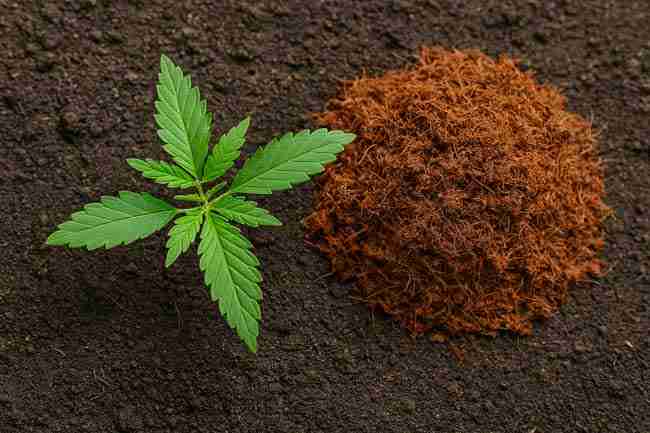
When you set up your cannabis garden, you quickly learn that soil isn’t just dirt—it’s a living, breathing medium that feeds your plants. Two popular choices are coco coir and peat moss. Both have their fans and their drawbacks, but knowing which one suits your needs can make all the difference.
I remember the first time I set up my grow room. I spent hours reading about different mediums and experimenting with mixes. I learned that cannabis roots release sugars and other compounds to attract beneficial microbes. These little helpers break down nutrients and make them easier for your plants to absorb. Imagine your grow room as a tiny ecosystem where every element plays a role. With the right medium, you create a symbiotic environment where everything works in harmony. This article will break it all down for you in simple, easy-to-understand terms—even a five-year-old could follow along!
Is peat moss or coco coir better for cannabis plants?
When you choose a medium for your cannabis garden, you ask yourself: which one gives my plants the best start? Let’s take a close look at peat moss and coco coir.
Peat moss has been around for ages. It’s a natural material formed over centuries and is known for its excellent water-holding capacity. However, peat moss is naturally acidic. That means you have to keep a keen eye on the pH levels, or your plants might not get the best nutrients.

Coco coir, on the other hand, comes from coconut husks. It’s a renewable resource and tends to have a near-neutral pH. That makes it a bit easier to work with if you want to keep your pH stable. Plus, coco coir offers good drainage and aeration, which helps prevent root rot.
Here’s a quick breakdown:
- Peat Moss
- Pros: Holds water well, widely available, natural.
- Cons: Naturally acidic, requires pH adjustment, not renewable.
- Coco Coir
- Pros: Renewable, excellent drainage, near-neutral pH, lightweight.
- Cons: May need extra nutrient supplementation, possible salt build-up if not washed properly.
You see, the answer isn’t black and white. Your choice depends on your local conditions, available resources, and the kind of management you want to put into your grow.
Is coconut coir better than peat moss for growing cannabis?
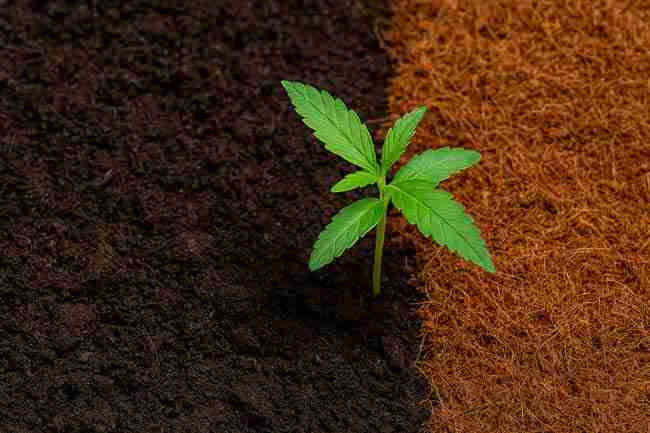
Now, you might be thinking, “Is coconut coir really better than peat moss?” Let’s dive into that.
Coconut coir has a lot going for it. Since it comes from coconut husks, it’s a by-product of the coconut industry, making it a renewable option. You won’t find peat moss in abundance because it takes centuries to form, and its extraction can harm delicate ecosystems.
Coco coir offers superior drainage and air circulation. This is crucial because your cannabis plants need oxygen at their roots. With better drainage, you reduce the risk of overwatering—a common pitfall for many growers. However, coco coir can sometimes need a bit of extra care with nutrients. It tends to be inert, meaning it doesn’t hold many nutrients on its own, so you must feed your plants accordingly.
Consider this real-life scenario: You set up your grow room using coco coir, and after a few weeks, you notice your plants are stretching and looking a bit hungry. That’s when you realize you need to adjust your nutrient regimen. It’s all part of the learning curve. Once you get the hang of it, coco coir can offer you a controlled and balanced growing environment.
Can you use coco peat soil for cannabis?
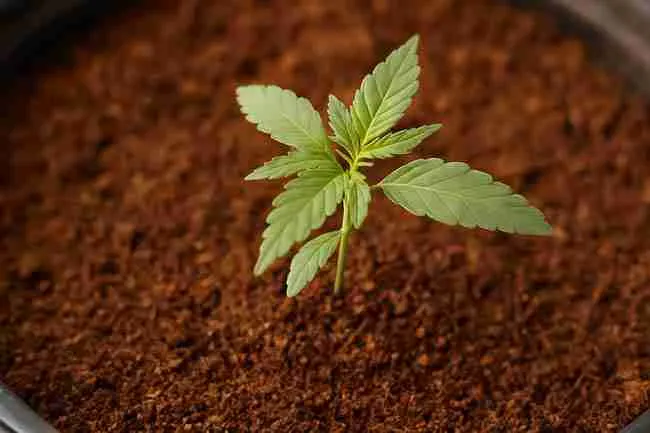
Absolutely, you can use coco peat soil for cannabis, and many growers swear by it. Coco peat, which is a compressed version of coco coir, has been pre-processed to be easier to handle and store. It has a similar structure to coco coir but often comes with extra steps in processing that remove excess salts.
However, if you choose coco peat, you must remember that it doesn’t come with built-in nutrients. You’ll need to supplement it with a good nutrient solution to get the best out of your cannabis plants. Also, mixing in some perlite can help improve aeration further.
Think of it like baking a cake. Coco peat is your flour—an essential base—but without eggs, sugar, or butter (in this case, nutrients and proper amendments), your cake (or cannabis plant) won’t turn out as expected.
What is the disadvantage of coco coir for growing cannabis?
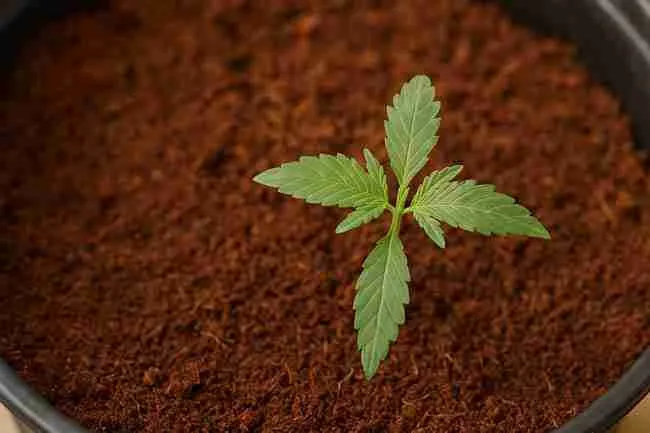
While coco coir shines in many areas, it isn’t all sunshine and rainbows. One of the main disadvantages you face with coco coir is its nutrient neutrality. Unlike rich organic soil, coco coir doesn’t hold many nutrients on its own. This means you’ll have to feed your plants more frequently, and you might need to adjust your nutrient recipes.
Another potential pitfall is salt build-up. Coco coir can sometimes retain salts from the processing or from the water you use. If you don’t flush your medium periodically, these salts can accumulate and harm your cannabis plants by affecting nutrient uptake.
In short, while coco coir offers excellent structure and drainage, you must stay on top of your feeding and flushing routines. It demands a bit more attention than some other mediums might.
Why is coco coir good for cannabis?

Despite a few drawbacks, coco coir remains a favorite among many cannabis growers. Here’s why you should consider it:
- Renewable Resource: Coco coir is an eco-friendly alternative. Since it’s derived from coconut husks, it doesn’t deplete natural peat bogs.
- Excellent Drainage: Its structure allows water to flow through easily, reducing the risk of waterlogged roots.
- Great Aeration: Your cannabis roots get the oxygen they crave, which leads to healthier, more vigorous growth.
- pH Stability: With a near-neutral pH, coco coir helps simplify your nutrient management.
- Lightweight: It’s easier to handle and transport, making it ideal for both indoor and outdoor setups.
Imagine your grow room as a finely tuned machine. Coco coir acts like a high-performance engine part, ensuring that your cannabis roots breathe and grow strong. You just have to remember to keep feeding your plants the right nutrients!
How long does it take for coconut coir to decompose?

Coconut coir decomposes at a much slower rate than many organic materials. In your grow room, you might notice that it retains its structure for years. Typically, coco coir can take anywhere from 2 to 3 years to break down significantly under the right conditions. This slow decomposition means it stays stable over multiple growing cycles, which is a big plus for many cultivators.
However, because it decomposes slowly, you might need to refresh or amend your medium periodically to ensure your cannabis plants always get the best environment possible.
Can you mix coco coir and peat moss together?

Yes, you can mix coco coir and peat moss together, and many growers do just that to capture the best of both worlds. When you blend them, you balance the high water retention and organic qualities of peat moss with the excellent drainage and aeration of coco coir.
This mix can be particularly useful if you’re looking to moderate the acidity of peat moss while still enjoying its rich structure. It gives you the flexibility to fine-tune your medium’s properties. Here’s a quick list of benefits when you mix them:
- Balanced pH Levels: The near-neutral pH of coco coir can counteract the acidity of peat moss.
- Improved Water Retention and Drainage: You get the best of both water-holding and drainage capabilities.
- Enhanced Nutrient Availability: The mix can create an environment where nutrients are available at a steady rate.
- Sustainable Approach: You use a renewable resource (coco coir) alongside a traditional medium (peat moss).
Mixing these two might just be the secret sauce for an optimal cannabis grow.
What is one advantage of using coconut coir instead of potting soil for cannabis cultivation?
One standout advantage of using coconut coir over potting soil is its superior drainage and aeration. Potting soil can sometimes compact over time, which restricts root growth and leads to waterlogged conditions. Coco coir, with its fibrous structure, ensures that water flows through freely while keeping enough moisture near the roots.
This constant flow of air and water helps your cannabis plants develop a robust root system. Healthy roots mean stronger plants, better nutrient uptake, and ultimately, a more bountiful harvest. It’s like giving your plants a breath of fresh air—literally!
What is the pH of peat moss for the best cannabis growth?
Peat moss is naturally acidic. For the best cannabis growth, you want to tweak the pH to be just right. Typically, you should aim to adjust peat moss to a pH level between 5.5 and 6.5. This range helps ensure that your cannabis plants can absorb the nutrients they need without any hitch.
If the pH is too low, your plants might suffer from nutrient lockout. You’ll need to test your medium frequently and use pH adjusters to keep things balanced. Trust me, keeping an eye on pH can save you a lot of headaches down the line!
What is the best coco mix for cannabis plants?
Finding the best coco mix for your cannabis garden involves a bit of trial and error. However, many seasoned growers suggest starting with a mix that combines coco coir, perlite, and sometimes a touch of compost or worm castings. This combination ensures you get:
- Excellent drainage: Perlite helps prevent waterlogging.
- Adequate water retention: Coco coir keeps moisture near the roots.
- Nutrient boost: Organic additives like compost or worm castings provide a slow-release nutrient source.
A typical recipe might look like this:
- 70% coco coir
- 20% perlite
- 10% organic compost or worm castings
This mix gives your cannabis plants a head start, providing both structure and nutrients while keeping the roots happy and well-aerated.
Can Cannabis plants grow in coco peat only?
Yes, cannabis plants can grow in coco peat only. However, you need to remember that coco peat doesn’t pack in many nutrients naturally. If you decide to go with coco peat alone, you must be diligent with your nutrient schedule. You’ll have to add a balanced nutrient solution regularly, monitor the pH, and flush the medium occasionally to prevent salt build-up.
It’s like cooking with a plain ingredient—you have to add spices to bring out the flavor. In this case, your nutrient mix acts as the spices that make your cannabis plants thrive.
Is coco peat good for Cannabis?
In a nutshell, yes—coco peat is good for cannabis. It offers the same benefits as coco coir, such as excellent drainage, good aeration, and a near-neutral pH. However, remember that coco peat needs a little extra help from your nutrient regimen since it doesn’t hold many nutrients on its own.
When you choose coco peat, you’re opting for a medium that can provide a stable environment for your plants while you carefully manage feeding and pH adjustments. If you stay on top of these details, your cannabis plants will reward you with vigorous growth and healthy yields.
Building a Self-Sustaining Grow Room Environment

Creating a thriving cannabis garden goes beyond choosing the right medium. You also want a self-sustaining environment that buzzes with life. Let’s break down how you can set up a grow room that works like a well-oiled machine.
Encouraging Beneficial Microbes
Your cannabis roots aren’t just there for show—they actively interact with the soil. As your roots grow, they release sugars and other compounds that act like a magnet for beneficial soil microbes. These microbes break down organic matter, help with nutrient uptake, and even protect your plants from diseases.
- Tip: Add organic amendments like worm castings to boost microbial life.
- Tip: Avoid overuse of chemical fertilizers, as they can harm these beneficial bugs.
- Tip: Use mycorrhizal fungi products to further enhance root growth.
Attracting Beneficial Insects
A healthy grow room isn’t just about microbes; beneficial insects play a crucial role too. Ladybugs, predatory mites, and lacewings can help keep pests in check, reducing the need for chemical pesticides.
- Tip: Introduce companion plants that attract these friendly insects.
- Tip: Maintain a balanced environment with proper humidity and temperature.
- Tip: Avoid over-sanitizing your grow room—some bugs are good for your garden.
Creating a Natural Ecosystem
Think of your grow room as a mini ecosystem where every player matters. Here’s a quick list of how you can set this up:
- Use a balanced medium: Mix coco coir and peat moss if needed.
- Enhance microbial life: Regularly add organic matter.
- Attract beneficial insects: Grow companion plants like basil or marigold.
- Monitor pH and nutrients: Keep the environment just right for your plants.
- Ensure good airflow: Use fans and proper spacing to prevent mold and mildew.
By paying attention to these details, you create a dynamic environment that supports robust cannabis growth.
Coco Vs Peat Moss Comparison Chart
To help you visualize the differences, here’s a handy table comparing coco coir and peat moss:
| Property | Coco Coir | Peat Moss |
|---|---|---|
| Source | Coconut husks (renewable) | Decomposed organic matter (non-renewable) |
| Water Retention | Good drainage with moderate water retention | Excellent water retention but may over-hold water |
| pH Level | Near-neutral (typically 5.5-6.8) | Naturally acidic (requires pH adjustment) |
| Nutrient Content | Low; requires nutrient supplementation | Contains some nutrients but may require balancing |
| Aeration | Excellent for root oxygenation | Can compact over time, reducing air flow |
| Environmental Impact | Eco-friendly, sustainable | Extraction can harm delicate ecosystems |
| Longevity | Stable for 2-3 years | Decomposes slowly; may need refreshing |
This table gives you a clear snapshot of how each medium stacks up. Use it as a quick reference when planning your grow room.
Top Tips for a Thriving Cannabis Grow Room

Here’s a bullet list of top tips to help you create a self-sustaining, vibrant grow room:
- Keep It Clean: Regularly clean your tools and space to prevent pest infestations.
- Monitor pH: Check your pH levels frequently, especially when mixing media.
- Feed Regularly: Use a balanced nutrient solution to complement coco-based mediums.
- Flush Periodically: Prevent salt build-up in coco coir by flushing with clean water.
- Introduce Beneficial Microbes: Add organic amendments to boost soil life.
- Encourage Insect Allies: Use companion planting to attract beneficial insects.
- Keep an Eye on Moisture: Avoid overwatering by ensuring good drainage.
- Plan Your Space: Arrange plants to maximize airflow and light exposure.
These tips will help you troubleshoot common problems and set you up for success.
Frequently Asked Questions
What makes coco coir stand out in cannabis cultivation?
Coco coir offers excellent drainage and aeration, providing a stable environment for roots while maintaining a near-neutral pH. Just remember to supplement nutrients regularly.
Do I need to adjust the pH when using peat moss?
Yes, peat moss is naturally acidic. Aim for a pH between 5.5 and 6.5 to ensure optimal nutrient uptake for your cannabis plants.
Can I create a mix using both coco coir and peat moss?
Absolutely. Mixing the two can balance water retention, drainage, and pH levels. It offers the benefits of both mediums, making your grow room more versatile.
How do beneficial microbes help my cannabis plants?
Your cannabis roots release sugars that attract microbes. These tiny helpers break down organic matter, making nutrients more available and protecting your plants from diseases.
What extra care does coco coir need?
Since coco coir is inert, you must feed your plants regularly. Also, flush the medium periodically to prevent salt build-up from nutrient solutions.
Can I grow cannabis in coco and peat only?
Yes, you can. However, you must carefully manage nutrients and pH levels because coco and peat lack natural nutrients.
Bringing It All Together
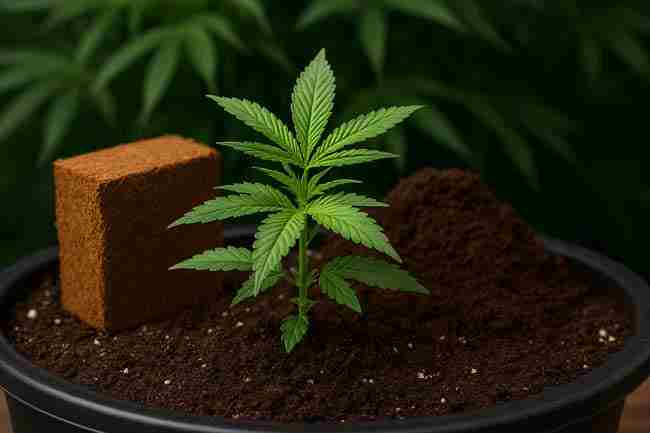
You now have a comprehensive understanding of the “Coco Vs Peat Moss” debate for cannabis cultivation. Each medium has its quirks and qualities, and your choice depends on the balance of water retention, nutrient management, and environmental impact that you want in your grow room. Remember, your cannabis roots work hard—they release sugars and compounds to attract helpful microbes that boost nutrient uptake. Nurture these interactions, and you create a thriving, self-sustaining ecosystem in your grow room.
I’ve shared my personal experiences and practical tips to help you avoid common pitfalls. Whether you choose the eco-friendly, well-draining coco coir or the nutrient-rich but acidic peat moss, your focus should remain on creating an environment that supports vibrant growth. Use the table and list above as handy references, and always keep an eye on pH, nutrient levels, and moisture. With a bit of trial and error, you’ll fine-tune your grow room into a buzzing, productive oasis.
And don’t forget—the best part of growing cannabis is the journey. Every mistake teaches you something new, and every success adds to your experience. You have the power to create an environment where your plants flourish, benefiting from nature’s own helpers—microbes, beneficial insects, and the careful balance of organic matter.
Final Thoughts

Choosing between coco coir and peat moss is not a one-size-fits-all decision. It depends on your goals, local resources, and how hands-on you want to be. You might start with a pure medium and later experiment with blends. The key is to understand each medium’s strengths and weaknesses and adjust your grow techniques accordingly.
Think of your grow room as a small world. Every element—from the substrate you choose to the beneficial insects you invite—plays a role in creating a balanced ecosystem. When you harness the natural interplay between your cannabis roots and the surrounding microbes, you set the stage for healthy growth and a bountiful harvest.
So, roll up your sleeves, get your hands in the dirt, and experiment with “Coco Vs Peat Moss” in your cannabis garden. The more you learn, the more you’ll grow—not just your plants, but your knowledge as well.