Boosting Your Cannabis CO2 Naturally


Boosting Your Cannabis CO2 naturally is a fresh-air job before it is a trick. Outdoor air already holds about 420 parts per million. A plant can live on that. What people are usually chasing is a higher number, and the cheap ways of making the gas rarely hold it. A compost bin, a fungal bag, and a jug of yeast each exhale a little. An exhaust fan that never stops throws that little bit outside.
The useful order is dull, which is why the old pages skip it. Give the tent ordinary air first. Hang a meter and read it with the lights on. If the number sits near outdoor air, you are exchanging, not enriching, and the plants are fine. If the number falls and stays down, the tent is using carbon faster than air comes in. That is the only home-grow problem a natural source sometimes fixes. It does not turn a dim tent of marijuana into heavier weed, and it does not add THC.
Pages that rank for this search split into two camps. One camp sells a target around 1,000 to 1,500 and a tank to hit it. The other camp lists yeast, bags, compost, and dry ice as if they were the same tool. They are not. Fresh air is the method that works in a normal tent. The biological tricks are small and uneven. A sealed room with a regulator is a different project, and it belongs on the sealed-room page after the light and the climate are already good. Do not start there.
Boosting Your Cannabis CO2 Starts With Fresh Air
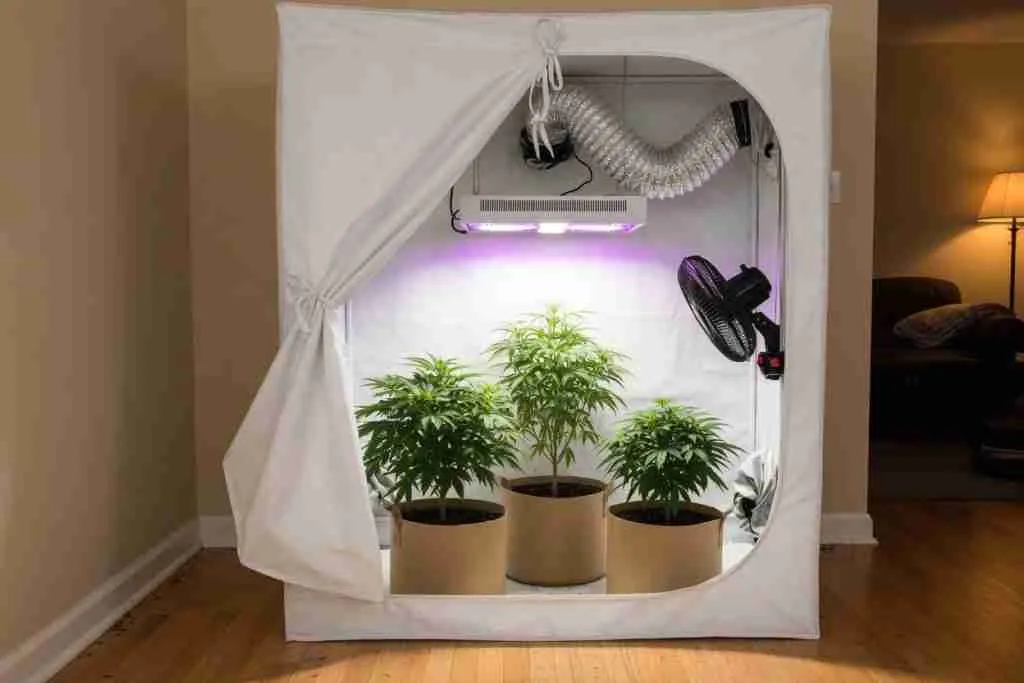
Photosynthesis is light, water, and carbon dioxide. The leaf takes carbon from the air and builds sugar. When the air around the leaf is ordinary outdoor air, a healthy plant under a sane light grows. Most home harvests happen that way. You do not have a carbon shortage until a meter says the tent has fallen below the room outside it.
The natural supply is the intake. Pull air from a lived-in part of the house, or from outdoors, and push the warm air out. People exhaling in a living room often leave that room a bit richer than the yard. That bump is real and it is free. It is also modest. It is not a plan to sit in the tent and breathe on the plants. You are the gardener, not the generator. Vent the space before you stay in it for a long stretch of work. A figure people use for a full workday is about 5,000 ppm. Plant targets sit far below that, and a bedroom is still a bedroom. Do not seal one and sleep in it.
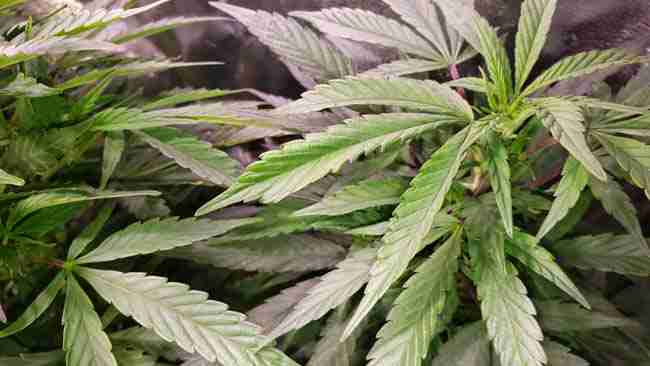
A leafy plant in veg is not asking for a bottle of gas. It is asking for a photoperiod it can use, a pot that drains, and air that moves. The veg stage guide is that job. Extra carbon on a seedling or a fresh clone is wasted. The leaves are small, the light should be gentle, and ordinary air is the whole supply they need.
In Canada the household baseline is four plants, not four per adult. Quebec still prohibits recreational home growing. Manitoba, since May 2025, allows adults 19 and older up to four plants, and only indoors. A legal tent is a small volume. That is the volume you can actually air out. Match the seed pack to the plants you are allowed to flower, not to a room you saw in a commercial video.
A Closed Tent Goes Stale
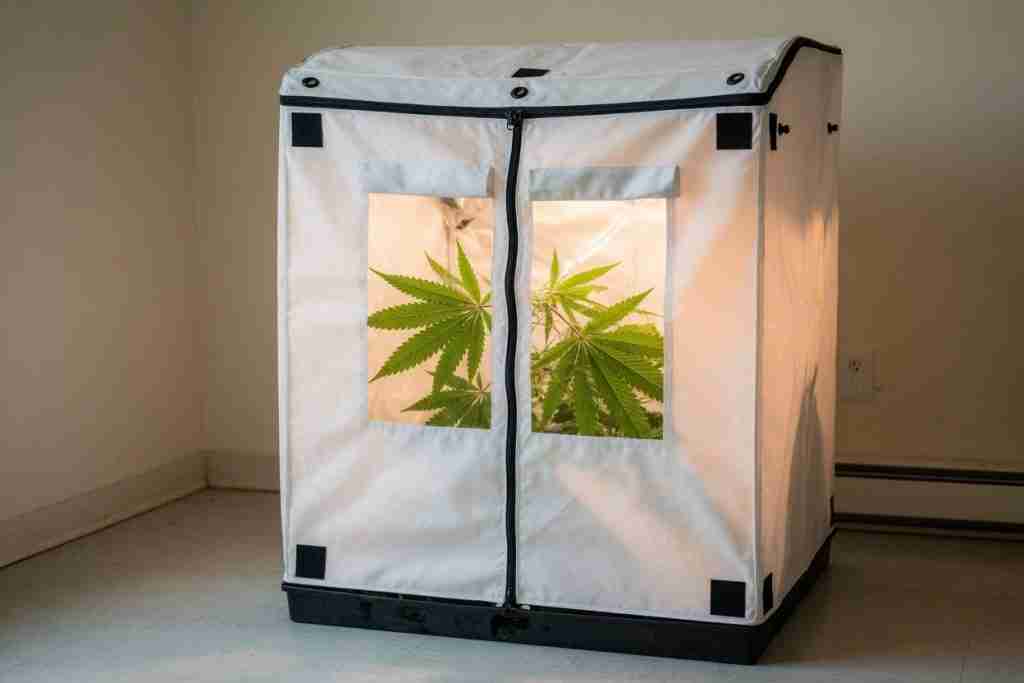
Zip the tent, leave the light on, and stop the fan, and the plants eat the carbon that was in there. On a bright canopy that drop can show up the same day. Growth does not stop at the first dip below outdoor air. It slows when the leaves are waiting on carbon the way a cook waits on a pan that never heats. The fix for most people is to open the intake again, not to add a jug.
A closed tent also traps heat and wet air. Those two will stall a plant faster than a mild carbon dip. If you shut the exhaust to “hold the CO2” and the leaves canoe, you traded a maybe for a definite. Temperature and humidity still run the day. The VPD guide is the leaf-and-air relationship. This page only decides whether you are adding gas at all.
Read a Meter or You Are Guessing
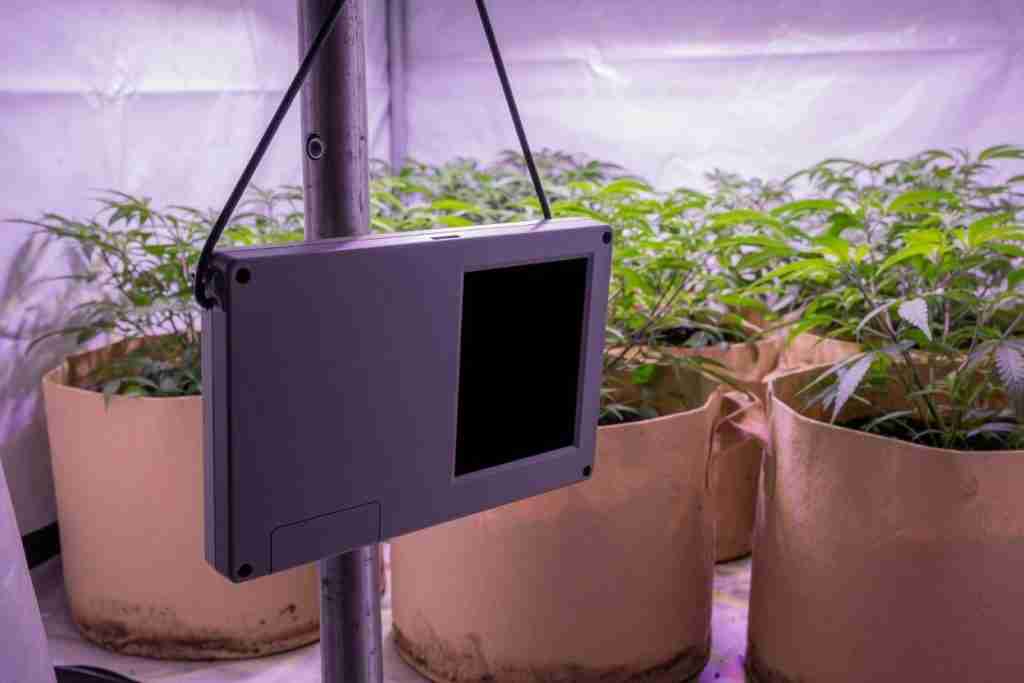
Hang the meter at canopy height, not on the floor and not in the exhaust duct. Carbon dioxide is heavier than air, so a reading at the tray can look rich while the leaves are ordinary. Read it an hour after the lights come on, and again near the end of the day. Write the number down. One glance while you are standing in the open door is the room air rushing in, not the tent at work.
A cheap meter with a real infrared sensor is enough. If you will not buy one, skip every trick below. You cannot feel 420 versus 700. You can feel a stuffy room, and that feeling is a reason to ventilate, not a target to chase. Compare the tent with the hallway. Near the hallway means fresh air is winning. Well below the hallway means the tent is stale. A number that will not sit still means the fan is cycling and you are not enriching anything.
Give the sensor the same air the leaves get. If a clip fan blows straight across it, you are reading a draft, not the canopy. Set it in the plant zone, out of the exhaust inlet, and leave it for the whole light cycle once a week. A single high spike when you opened the jug means nothing if the afternoon reading is back at the hallway. The number you care about is the one that holds while you are not standing in the door.
Compost Stays Outside the Flower Tent
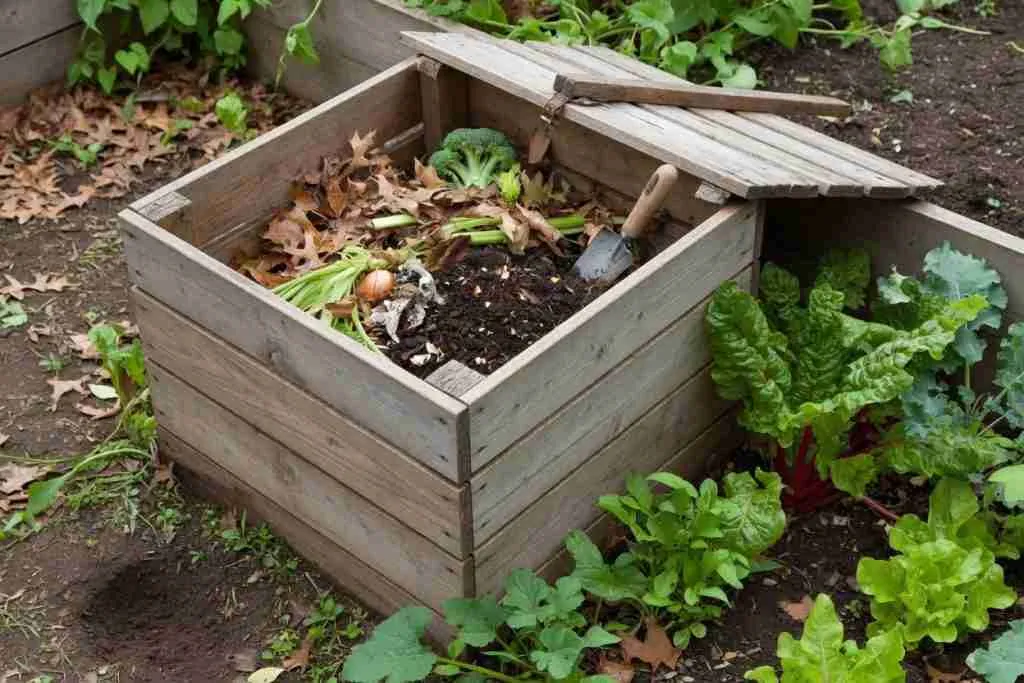
A working compost pile exhales carbon dioxide because microbes are eating the scraps. It also exhales smell, heat, moisture, and a cloud of fungus gnats if you let it. That is a soil tool, not a flower-room tool. Park the bin in the yard or a shed. The compost guide is how you turn that pile into something you can mix into a bed. This page stops at the gas.
People put a bucket of kitchen waste in the tent because a forum said decomposition feeds the plants. What they get is flies on the sugar leaves and a smell that sticks to the dry. Any carbon the bucket released is gone the first time the exhaust runs. If you are curious, set the bin near a filtered intake outdoors and read the tent meter. If the number does not rise and stay up, the bin is not your supplement. Do not move it closer to the colas to “make it count.”
A Fungal Bag Is Only a Trickle
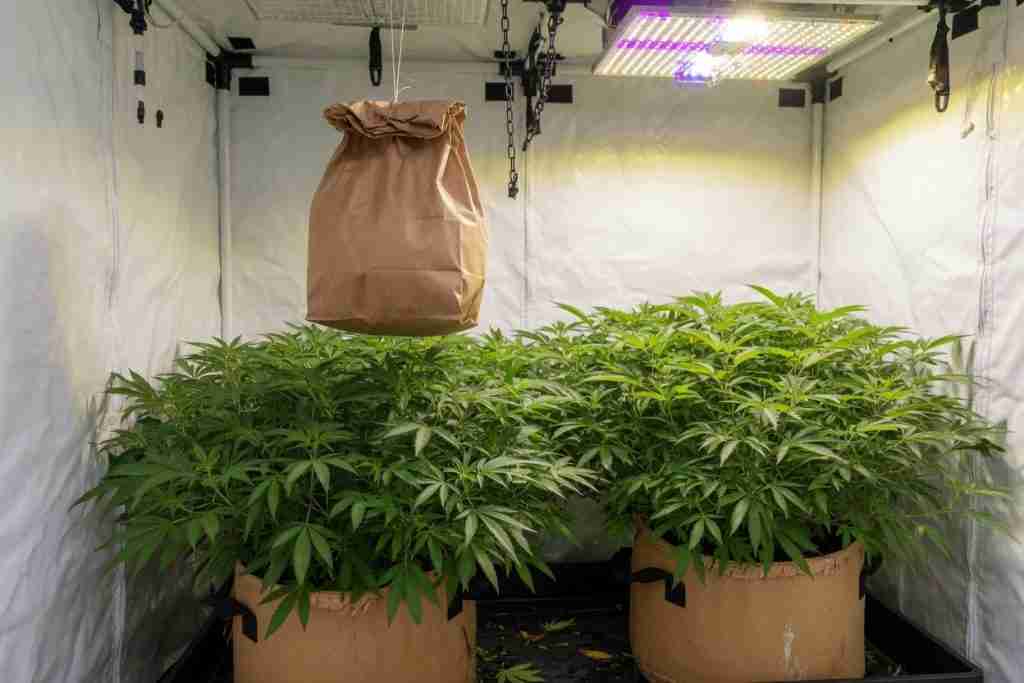
A mushroom bag is mycelium eating a block of substrate and breathing out carbon dioxide. You hang it above the canopy so the gas can sink through the leaves instead of pooling on the floor. It needs no power. It also has no dial. Output starts when the fungus is active, fades when the food is gone, and never asks you what number you wanted.
In a small closet with the exhaust off for a while, two or three bags can nudge a meter. In a tent that exchanges air all day, one bag is a decoration. Makers imply a bag “covers” a certain footprint. Cover, here, means a dribble into a space that is not being emptied. Read the meter the day you hang it and a week later. If both readings match the hallway, the bag did its biology and your fan undid it. Do not slice the bag open over the flowers when it stalls. Spent substrate sheds dust and spores you do not want on a cola.
Yeast Quits When the Sugar Is Gone
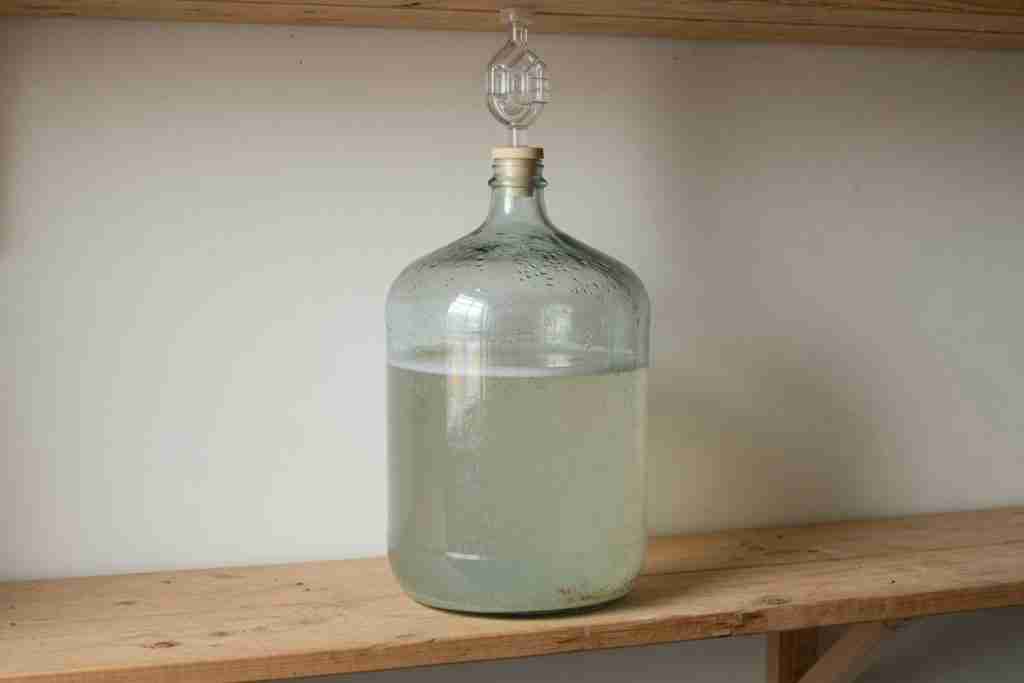
Yeast is the same idea as bread. A jug of warm water, some sugar, and a packet of baker’s yeast will bubble, and the bubbles are carbon dioxide. Use an airlock, or set the lid on loose. A clamped lid on an active jug is how glass fails. Keep the jug on a shelf outside the canopy. The smell is bread and then beer, and it brings fruit flies. A spill in the tent is sticky water on a leaf you meant to smoke.
The burst lasts days, not a flowering cycle. As the liquid gets alcoholic the yeast slows, and the bubbling stops. You can pour some off and add fresh sugar water once. By the third refill you are keeping a brew, not a garden. Put the meter in the tent before you start and an hour after the jug is bubbling hard. No movement means the tent is too big, or the fan is too honest. Stop. A bigger jug does not become a regulated system. It becomes a bigger smell.
Do not run a tube from the jug into a closed bedroom, and do not scale the jug until the room feels thick. You are trying to see whether a small biological leak even registers. If it does not register, the experiment is over. Dry ice is the impatient version of the same disappointment. A block turns into a lot of gas quickly, then it is gone, and the cold will burn bare skin. It is not a weekly plan.
The liquid is not fertilizer. Do not pour spent yeast water on the soil, into a reservoir, or over a mulch layer in the pot. It is sugary, it grows the wrong microbes on a root, and it has nothing to do with the air reading you wanted. When the bubbles stop, the jug goes down the drain and the glass gets washed. Leaving it “just in case” through flower is how a tent starts to smell like a bar.
Exhaust Throws the Extra Gas Out
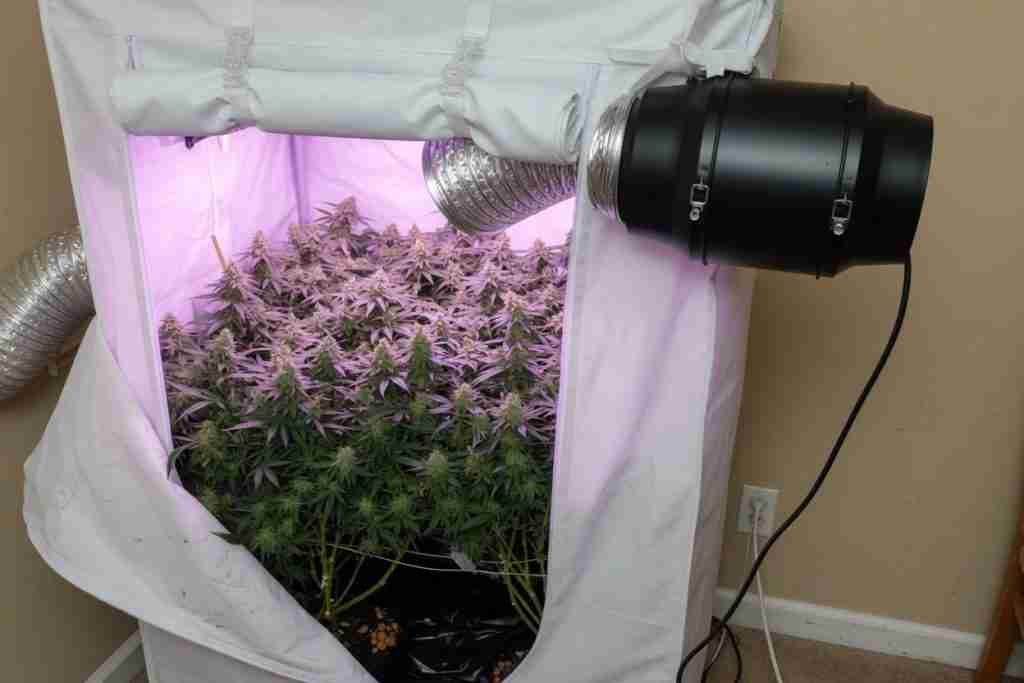
You pick one strategy. Either the tent breathes and the carbon stays near outdoor air, or you slow the air exchange and add gas you can measure. Doing both is how people buy bags and still read 420. An exhaust fan sized for heat will empty a 2×4 many times an hour. A fungal bag cannot refill that. The ventilation guide is how you size the fan for temperature. Use it. Then accept what it does to any supplement.
A circulating fan inside the tent is a different machine. It does not dump air outdoors. It stops the heavy gas from sitting on the floor and it keeps wet air off the buds. Leaves should tremble. Buds should not flap. If the only fan you own is the exhaust, leave it running and live with outdoor air. Heat and mold are more expensive than a missed supplement.
Some growers let the exhaust idle until the tent hits a temperature, then run it hard, and call the quiet minutes enrichment. Look at the meter across one of those cycles. It may rise a little while the fan sleeps and fall the moment the duct moves air. A bag or a jug almost never holds a number you picked through that swing. If heat forces the fan on for most of the day, you have already chosen fresh air. Pretending otherwise just adds smell.
A 6 by 6 room makes the arithmetic worse. The same jug or the same bag is now a smaller share of a bigger volume, and the fan that cools that room moves still more air. Natural sources do not “fill” a room that size. They fail more quietly because the meter barely twitches. If you want a number you chose, you need a sealed or nearly sealed room, a sensor, and a source you can turn off. That setup, including where the gain flattens, is the sealed-room CO2 guide. Do not copy its targets onto a bucket.
Strong Light Is What Makes Extra Gas Useful

Carbon only pays when the leaf is already getting more light than it can use at ordinary air. Under a modest lamp the limit is photons, not gas. Adding carbon is like opening a second bag of flour when the oven is off. The growers who see a difference are running a strong canopy, often around 900 micromoles and up, with the room warm enough that the leaves are still working. Think high 20s Celsius, about 79 to 84 F, and only while the plants are drinking. If the leaves are canoeing, you are hot, not carbon-poor.
The lighting guide is how you judge the fixture you actually hung. A phone lux app will not tell you. If you cannot say whether the canopy is strong, spend the next dollar on the light or on hanging the one you have at the right height. A bag of fungus will not repair a dim corner. The indoor grow guide is the rest of the room: pot, intake, and the hours on the timer.
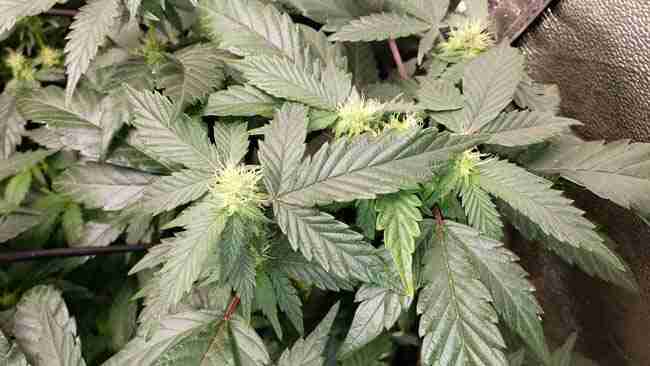
Early flower is the first time a bright canopy might use a richer supply, and only if you measured a stale tent or you moved to a sealed setup on purpose. The sites in these weeks are building. They still need the light more than they need a trick. A pale, crowded top is a light and feeding question. Look at how even the canopy is before you look for a jug.
Leave the Gas Off in the Dark
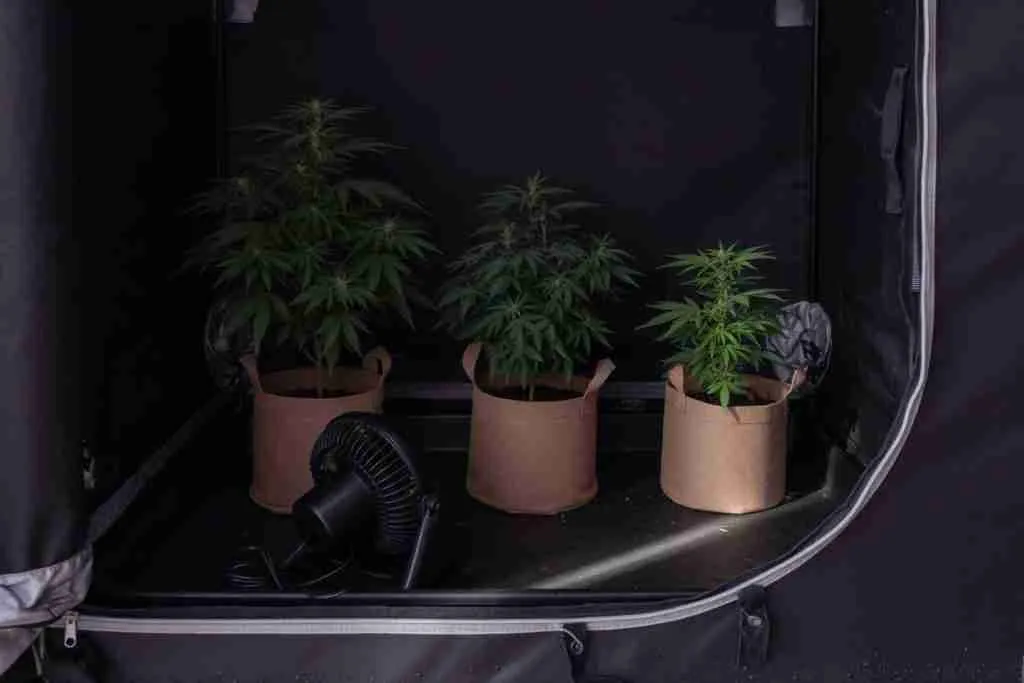
Plants do not photosynthesize with the lamp off. At night they respire. They release a little carbon dioxide and use a little sugar. Adding more gas in the dark does not build a cola. It wastes whatever you added, and in a sealed room it leaves you walking into a stale box at lights-on. If you ever move to a controlled system, it turns on after the lights and it turns off before they do. A bag you cannot switch off is one reason bags and flower tents argue with each other.
Run any real supplement in late veg or early flower, and only on a plant that is already healthy. Stop when the flowers are ripening rather than stacking new mass. The last weeks are humidity, airflow, and harvest timing. The flowering guide owns that clock. Carbon dioxide does not replace it, and it does not make a weak cultivar potent.
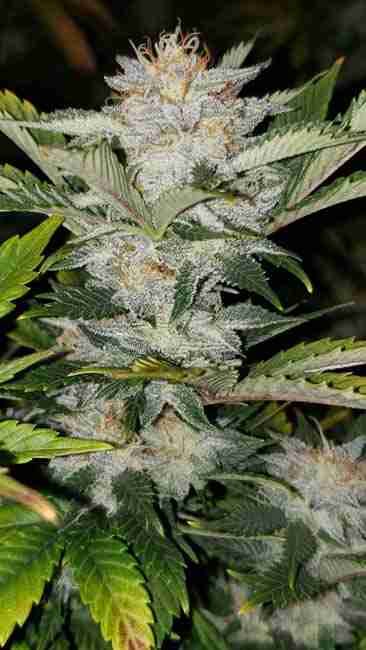
A finished cola is light, days, and dry-down. Density and potency are not the same thing. Some sealed rooms with a strong lamp finish heavier. Plenty of dense flowers happen on ordinary air. None of that is a promise that a mushroom bag raises THC. The quality bud guide is what the smoke actually depends on after the cut.
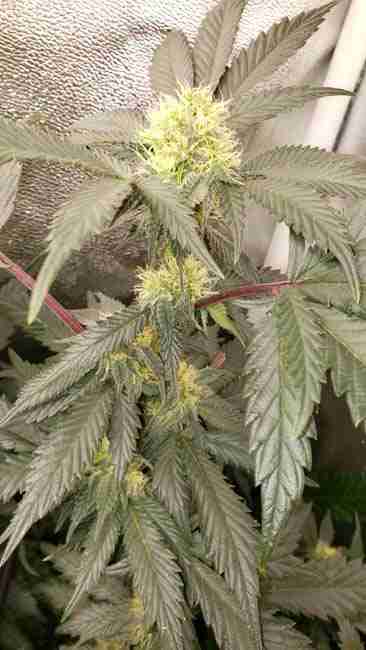
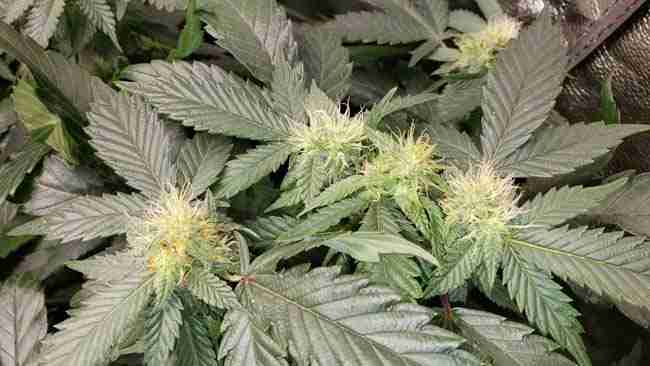
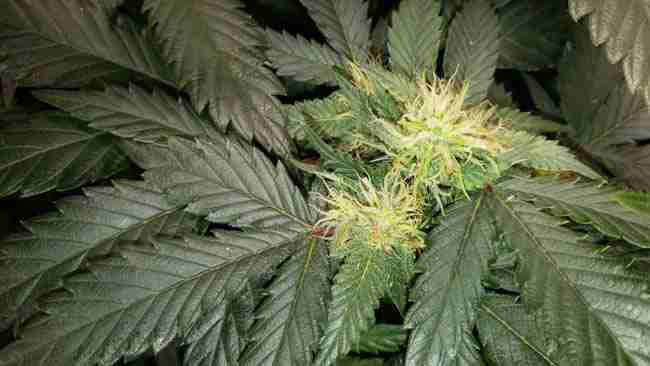
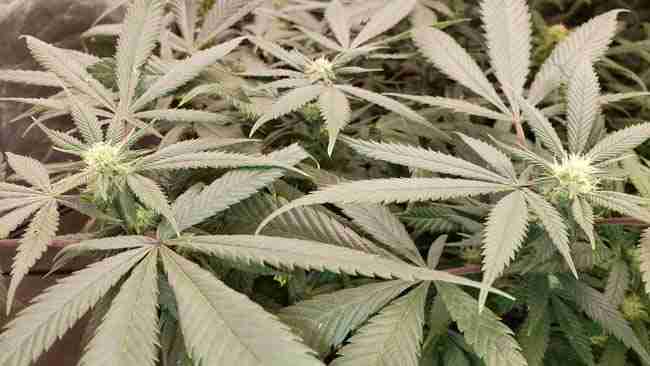
White pistils and a stack of early sites mean the plant is in the window where light and air matter every day. They do not mean you owed her a higher ppm last night. If those sites look loose, read the meter and the light before you read a product page. Loose flower is often shade, wet air, or a lamp that is too far. Gas you cannot measure will not tighten it.
A Faded Fan Leaf Is a Different Problem
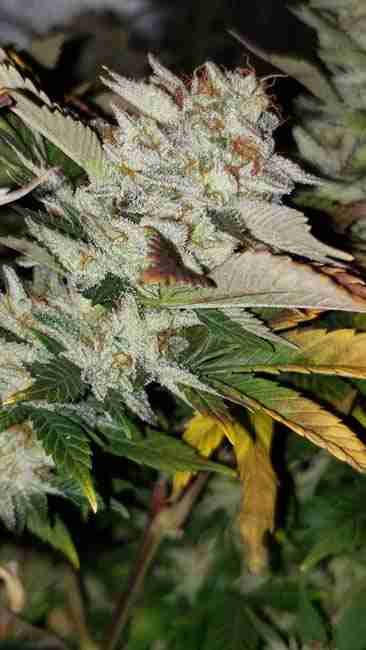
Yellow fans late in flower are usually the plant moving what it stored, or a feeding and pH issue that started earlier. They are not a carbon-dioxide deficiency. Pouring gas at a fading leaf does not turn it green. The deficiency guide is the chart for spots, claws, and pale new growth. Use it. A thirsty plant, a hot plant, or a plant with pests gets fresh air and a fix, not a sealed box.
Same rule if you just transplanted or the roots are sitting in soup. Carbon in the air does not repair a root that cannot drink. Get the pot drying on a normal rhythm, get the leaf temperature out of the danger zone, and only then look at the meter again. People add gas on the worst week of the run because the calendar said “flower.” The plant needed a quieter room.
Do not raise the reading to push a plant through a deficiency. A pale new leaf is food, pH, or roots. More carbon on a plant that cannot use the light it already has just makes a stale tent around a sick plant. Fix the cause, hold ordinary air for a few quiet days, and only then decide whether the meter is even interesting. Most runs never need the second decision.
Skip the Fizz and the Houseplant Story
Baking soda and vinegar fizz for a minute and then the carbon dioxide is gone. The room is back where it started before you have walked to the tent. It is a classroom demo, not a supplement. Skip it. A fuel burner is the opposite problem: a flame can make a lot of carbon dioxide, and it also makes heat, water, and, when the burn is dirty, carbon monoxide. That does not belong in a home tent. This page will not walk through a burner. If you ever run combustion, it is a sealed-room decision with alarms, not a natural hack.
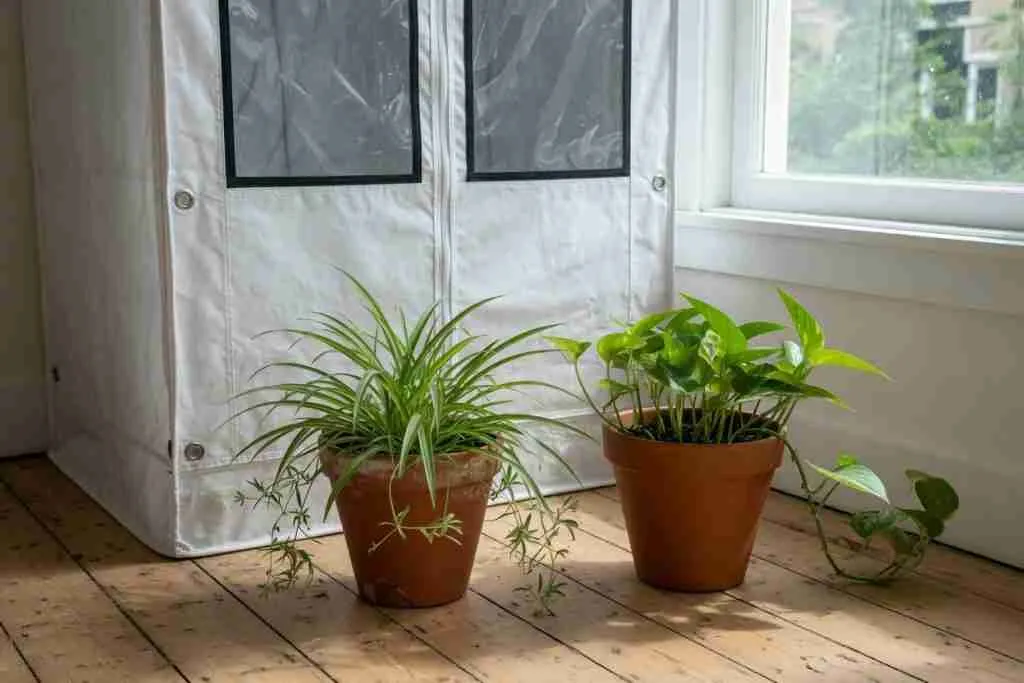
Houseplants do not feed the canopy. While your lamp is on, they are using carbon dioxide too. At night they release a little, which is the shift when the cannabis is not building sugar. A spider plant beside the tent is a houseplant. It is not a second generator. Filling the tent with extra green does not raise the reading at the cola in any way you can steer.
So the practice is short. Exchange air until the meter matches the room. If you try a bag or a jug, read the meter and quit when it does not move. Keep compost and fermenting liquid out of the flowers. Leave the gas off in the dark. Fix light, heat, and roots before you chase a higher number. When those are already right and you still want a setpoint you can hold, leave the buckets and open the sealed-room guide. The natural part was never a secret recipe. It was fresh air, and a refusal to pretend a trickle is a system.