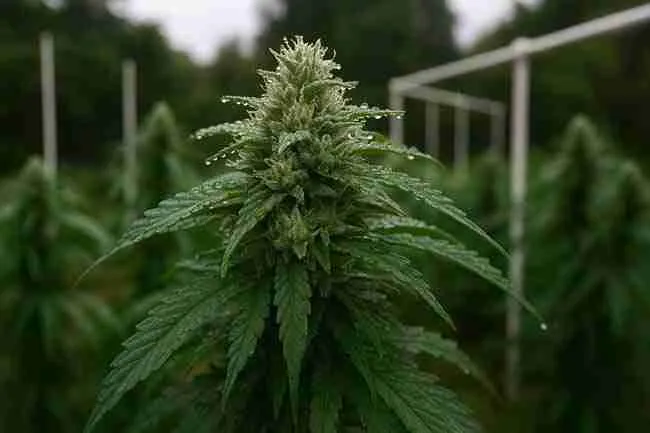
Climate-Resilient Cannabis Growing Techniques for Extreme Weather


If you’ve spent any time with your hands in the dirt lately, you already know Canadian weather is becoming more unpredictable. However, proactive techniques can protect gardens from drought, heat waves, and heavy rain. Moreover, this topic resonates strongly with outdoor and greenhouse growers across the country.
One week you’re sweating through a brutal heat wave that turns your leaves crispy at the edges. The next, a surprise thunderstorm dumps enough water to float a small boat and leaves your roots sitting in soup. It happens more and more. The good news? You don’t have to just cross your fingers and hope. You can stack the deck in your favor with smart, simple moves that help your plants roll with the punches.
Furthermore, the post will detail specific strategies for each type of extreme weather event. In addition, readers will learn about soil amendments, shading systems, and water management that increase resilience. Consequently, they will feel more confident facing whatever the season brings.
One effective approach involves choosing appropriate genetics and modifying microclimates around plants. Additionally, the article will include seasonal checklists tailored to Canada and the United States and similar regions. Above all, it encourages starting every season with reliable cannabis seeds from Green Avenger Seeds.
Let’s roll up our sleeves and dig into exactly how to do this, step by practical step.
What the Article Will Cover
You’re going to walk away with real tools you can use this season and every season after. We’ll break down how to pick genetics that actually laugh at bad weather instead of wilting at the first sign of trouble. You’ll learn how to turn your soil into a living sponge that holds just the right amount of water whether it’s bone dry or pouring buckets. We’ll cover shading tricks, microclimate tweaks, and water systems that work when the forecast goes sideways.
You’ll also get seasonal checklists made for northern growers in Canada and the northern US — places where the growing window can feel like a game of beat-the-clock. By the end, you’ll know exactly what to do when a heat wave hits, how to keep roots breathing during a flood, and why a little planning in spring saves you from panic in July and August.
Choosing Tough Genetics for Resilient Cannabis Cultivation

Everything starts with the seed. You can have the best soil and the fanciest shade cloth, but if your plants are delicate divas, extreme weather will still knock them around. Think of genetics like picking the right teammate for a tough job. You want plants that are naturally tough, fast, and forgiving.
Fast-Flowering Strains for Short Canadian Seasons and Cold Snaps
Canada’s growing season is short and full of surprises. Frost can sneak in early or linger late. That’s why fast genetics are your best friend. Autoflowering varieties often finish in 8–10 weeks from seed, which means you can start later or harvest before the first hard frost hits. Look for autos with Northern Lights, Critical Mass, or Early Maroc influence. These handle cooler nights and finish before the real cold arrives.
Photoperiod strains that finish early (by early to mid-September in most Canadian zones) also work great. Mold resistance matters too — humid days after rain can turn into bud rot fast if your plants are prone to it. Fast flowering + mold resistance = way less stress for you.
Pros of fast genetics: Shorter time exposed to bad weather, often more forgiving for beginners, good for guerrilla or small-space grows. Cons: Sometimes smaller yields than long-season sativas, and you have less time to train or correct mistakes.
Heat and Drought Hardy Varieties from Hot Climates
For heat waves and dry spells, look to genetics with African, Afghan, Hawaiian, or Moroccan roots. These landrace-influenced plants often have built-in tolerance for hot days and lower water needs. Modern hybrids that blend these traits with Canadian-friendly finishing times are gold.
When you shop at Green Avenger Seeds, pay attention to descriptions that mention “heat tolerant,” “drought resistant,” or “outdoor hardy.” Starting with vigorous seeds gives you plants that bounce back faster when the weather throws a curveball.
Building Resilient Soil for Extreme Weather Cannabis Gardens
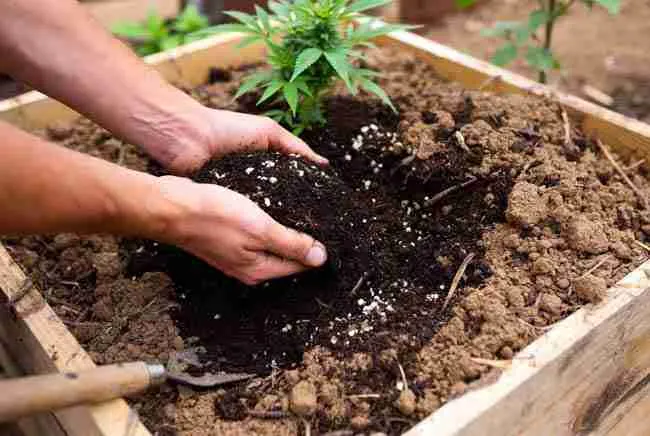
Your soil is the foundation. Healthy, living soil acts like a buffer. It holds water during drought and drains excess during heavy rain. Poor soil turns every weather extreme into a crisis.
Key Soil Amendments That Make a Difference
Start with compost or worm castings. These add organic matter that holds moisture like a sponge (up to 20 times its weight in water) while still letting air reach the roots. Perlite or pumice improves drainage and aeration — super important in heavy rain so roots don’t suffocate or rot. A simple mix many growers love: 50-60% quality soil or coco, 20-30% compost or castings, and 10-20% perlite.
Raised beds or containers give you more control. They warm up faster in spring and drain better in wet weather. If your native soil is heavy clay, add gypsum and extra perlite to break it up.
Pros of organic amendments: Improve soil life over time, release nutrients slowly, help with both drought and flood. Cons: Need to reapply or top-dress each season, can be heavier to move around.
Test your drainage the easy way. Dig a hole about 30 cm deep, fill it with water, and time how long it takes to empty. If it’s still full after a few hours, you need more drainage help before the next big rain.
Mulching Magic for Moisture Retention and Protection
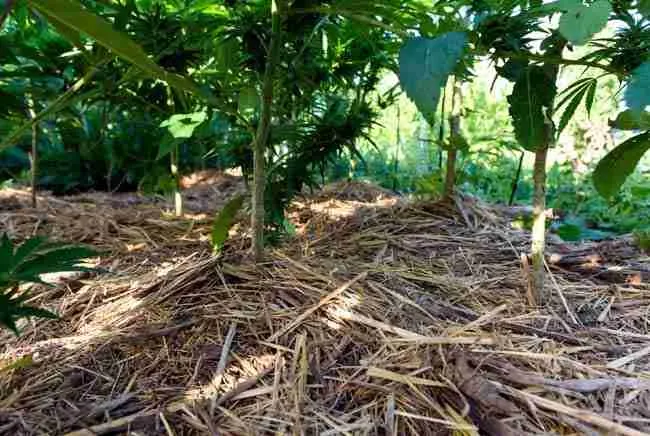
Mulch is one of the cheapest, easiest wins you can add to any garden. It’s like putting a cozy blanket on your soil.
Apply 5–10 cm (2–4 inches) of organic mulch around your plants once the soil has warmed up. Straw, shredded leaves, or wood chips work great. As it breaks down it feeds the soil life too.
Pros: Cuts evaporation so you water less in drought, keeps soil cooler in heat waves, prevents erosion and splashing during heavy rain, suppresses weeds, moderates soil temperature swings. Cons: Can attract slugs or earwigs in very wet years (use copper tape or beer traps if needed), fresh wood chips can temporarily tie up nitrogen (use aged material or add extra compost), needs refreshing once or twice a season.
Pro tip: Keep mulch a couple centimeters away from the main stem so it doesn’t stay soggy right against the plant and invite rot.
Water Management Strategies That Handle Droughts and Floods Alike
Water is where most growers either win or lose when weather goes wild.
Drip Systems and Rainwater Collection Specs

Drip irrigation or soaker hoses deliver water right to the root zone with almost zero waste. You can run them on a timer or by hand. In drought, water deeply but less often — this trains roots to grow down instead of staying shallow. A good rule: when the top 5 cm of soil feels dry, give a thorough soak.
Rain barrels or totes are perfect for Canada’s unpredictable rains. Collect what falls during the wet spells and save it for the dry ones. Add a screen to keep mosquitoes out and a first-flush diverter if you can.
Pros of drip + collection: Saves time and water, consistent moisture, works great with mulch and living soil. Cons: Upfront cost for parts, needs occasional maintenance to prevent clogs, frozen lines in winter (easy to disconnect and store).
In heavy rain, make sure your beds have an escape route for excess water. Slightly mounded rows or beds with a gentle slope toward a drainage ditch or French drain can save a crop when the skies open up.
Shading and Microclimate Hacks to Survive Heat Waves

When temperatures climb above 30°C for days on end, even tough plants can struggle. Leaves may curl, growth slows, and terpenes can burn off.
Using Shade Cloth and Smart Plant Placement
A 30–50% shade cloth over hoops or a simple frame works wonders during the worst heat. Put it up in the afternoon when the sun is strongest and take it down or roll it back when things cool. It drops leaf temperature without cutting too much light for growth.
Create microclimates too. Plant near a north-facing wall or fence for afternoon shade. Use taller companion plants or trellising to give lower branches some natural cover. Windbreaks on the prevailing wind side also help reduce stress.
Quick heat stress checklist: Wilting that doesn’t recover overnight, yellow or brown crispy leaf edges, flowers that look bleached. Fix it fast with shade, extra water in the evening, and a light foliar feed of calmag or seaweed if needed.
Defending Against Heavy Rains, Winds, and Unpredictable Storms
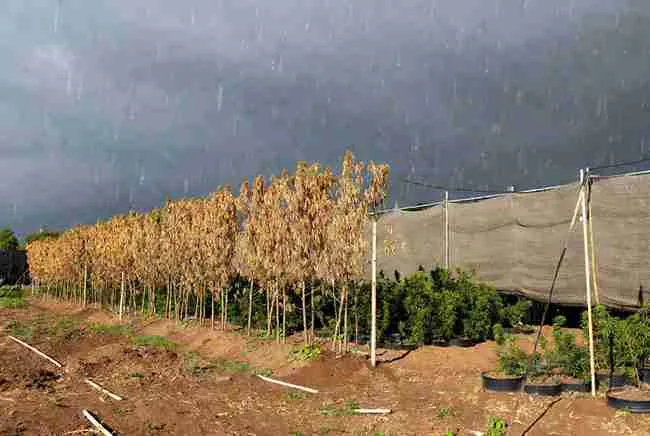
Heavy rain and wind can flatten plants, wash away soil, and bring disease.
Stakes or soft ties keep tall plants upright. A simple windbreak — a hedge, burlap screen on posts, or even a temporary fence — breaks the force of gusts. For hail (which is becoming more common), keep lightweight row cover or old sheets handy to toss over plants quickly.
Good drainage is non-negotiable. If water pools, fix it before the next storm. Raised beds, adding perlite or sand to heavy soil, and avoiding low spots all help.
Seasonal Checklists for Canada and Similar US Regions

A little planning beats a lot of panic.
Spring Preparation Checklist
- Test and amend soil while it’s still workable.
- Start seeds indoors or in a cold frame 4–6 weeks before last frost date.
- Build or refresh raised beds and apply first layer of mulch after soil warms.
- Set up rain barrels and irrigation lines before you need them.
- Know your first and last frost dates for your specific zone.
Summer Action Plan During Extreme Events
- Check soil moisture daily during heat waves or dry spells.
- Deploy shade cloth when forecast hits 30°C+ for multiple days.
- Water deeply in the evening or early morning.
- Scout for pests and disease more often — stressed plants are easier targets.
- Have row cover or tarps ready for sudden storms or hail.
Fall Harvest and Wrap-Up
- Watch the forecast for early frost and be ready to cover or harvest.
- Reduce watering as plants finish to improve flavor and avoid mold.
- Clean up debris to reduce overwintering pests.
- Top-dress beds with compost for next season’s soil life.
These same ideas work across the northern US — think Minnesota, Maine, or the Pacific Northwest — where seasons are short and weather can flip fast.
Real Grower Stories, Pros, Cons, and Pro Tips
A buddy growing in Ontario last year mulched heavy, used drip, and had shade cloth ready. When a mid-July heat wave hit 35°C, his plants stayed perky while his neighbor’s (no mulch, hand-watered sporadically) went crispy. Same year, a sudden August downpour flooded parts of the garden. The raised beds and extra perlite in the mix saved the day — roots stayed breathing.
Common pitfalls to avoid: Overwatering before a rain (roots hate sitting wet), choosing slow genetics for short seasons, skipping mulch because “it looks messy,” and ignoring drainage until it’s too late.
Start every season with reliable cannabis seeds from Green Avenger Seeds. Strong genetics plus these climate-smart techniques give you the best shot at a great harvest no matter what the sky decides to do.
You’ve got this. Get out there, make your garden tougher than the weather, and enjoy the results.