


Chitosan for Cannabis: Natural Biostimulant That Boosts Plant Immunity and Resin Production

You want bigger, stickier buds that fight off pests and diseases like champs while pumping out more resin and terpenes. That’s exactly what chitosan cannabis treatments can deliver when you use them right. This natural biostimulant turns your cannabis plants into tough, high-yielding machines without harsh chemicals. You’ll see healthier plants, stronger immunity, and that extra sparkle in your trichomes. Let’s dive deep into how chitosan works its magic in your garden so you can get the most from every grow.
What Is Chitosan and Why Growers Love It for Cannabis
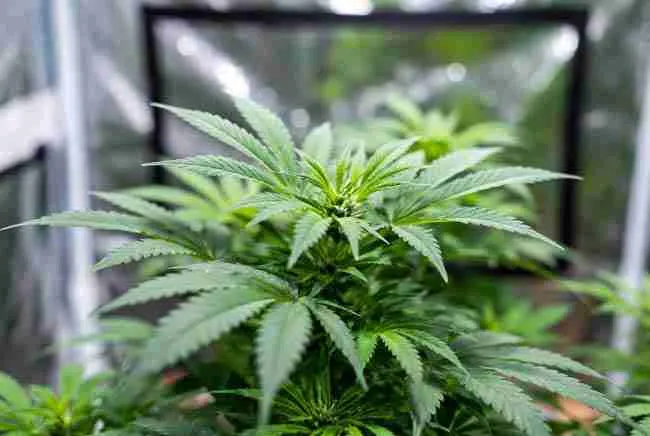
Chitosan comes from chitin, the tough stuff in shrimp shells and fungal cell walls. You process it into a deacetylated form that plants love as a signal. When you apply chitosan cannabis products, your plants think an invader is coming, so they crank up their natural defenses. It’s like giving your cannabis a workout that builds muscle and resilience. Growers who try chitosan biostimulant cannabis report fewer problems with mold, bugs, and stress, plus better resin production. You get all this in an organic, biodegradable way that fits perfectly into any natural grow setup. No wonder it’s becoming a go-to for home growers and pros alike who want clean, potent harvests.
The Science Behind Chitosan as a Natural Polymer and How It Activates Plant Immune Systems
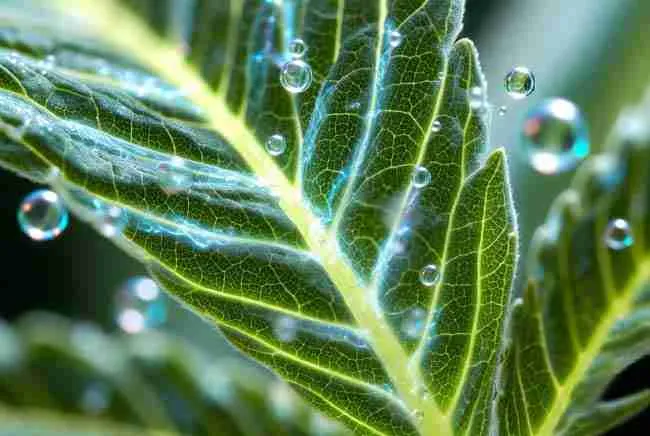
Picture chitosan as a long chain of sugar molecules. It mimics bits of fungal cell walls that plants evolved to spot. When your cannabis roots or leaves touch chitosan, the plant triggers systemic acquired resistance, or SAR for short. Defense enzymes like chitinase and peroxidase jump into action. Studies on Cannabis sativa show chitosan boosts these enzymes three to five times in root tissues. Pathogenesis-related genes turn on, and proteins flood the system. You see higher levels of salicylic acid, jasmonic acid, and abscisic acid – hormones that tell the plant to hunker down and protect itself.
However, this isn’t just about fighting. The same response ramps up secondary metabolites. Trichomes multiply, resin thickens, and terpenes get richer. In hemp trials, foliar sprays increased total phenolics by 36 to 69 percent, alpha-tocopherol by 45 to 75 percent, and antioxidant activity by 12 to 28 percent. Your cannabis plants end up with thicker cell walls, better stress tolerance, and that frosty look you chase. You also get less transpiration, so plants sip water more efficiently during heat waves or dry spells. It’s a natural immune booster cannabis plants that works at the cellular level without slowing growth when you dose it right.
How Chitosan Works as a Chitosan Biostimulant Cannabis Booster in Your Grow
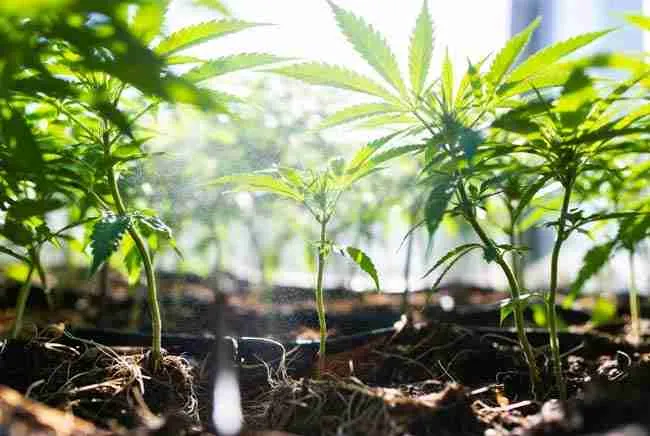
You apply chitosan and your plants go into defense mode right away. Roots secrete more protective proteins into the soil or hydro reservoir. Leaves build up callose and other barriers. Pests and pathogens meet a tougher opponent. Meanwhile, the plant redirects energy into resin glands because it thinks it needs extra armor. That’s why chitosan yield enhancement cannabis shines in the flowering stage. You’ll notice denser buds and stronger aromas because the entourage effect gets a natural lift.
Moreover, chitosan pairs beautifully with beneficial microbes. It doesn’t kill good bacteria like some synthetics do. Instead, it encourages a healthy rhizosphere while discouraging bad guys. You can run it in soil, coco, or hydro without drama. Just remember to keep pH between 5.5 and 6.5 so the solution stays stable and your plants absorb it fast.
Precise Mixing Ratios and Application Schedules for Chitosan Foliar Spray Marijuana and Root Drench
Getting the mix right makes all the difference between great results and wasted effort. You always start low and watch your plants. For chitosan foliar spray marijuana, most growers use 50 to 200 parts per million of high-quality oligosaccharide. That’s roughly 0.2 to 0.8 grams per liter of water, or about 0.75 to 3 grams per gallon. Dissolve the powder in a tiny bit of white vinegar or citric acid first – just 5 to 10 milliliters per gram – then add to your spray water. Adjust pH to 5.8–6.2. Spray fine mist on leaves and buds right before lights go out so it dries slowly overnight.
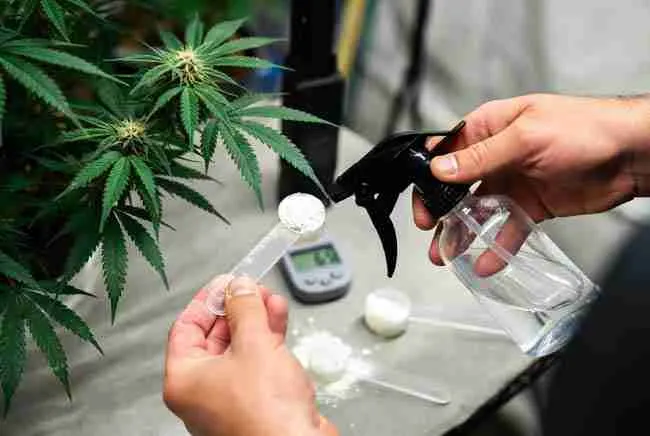
You can hit plants every three to seven days during early flower. Many run two foliar sprays one week apart right at the flip, then switch to root drench. For chitosan root drench application, bump it to 200–500 ppm or 1 to 2 grams per liter (4 to 8 grams per gallon) depending on your medium. In soil or coco you drench the root zone thoroughly every 10 to 14 days. In hydro or DWC you add it to the reservoir at 1 to 2 milliliters per liter of commercial liquid concentrate if you use one.
Here’s a handy table so you never guess:
| Growth Stage | Method | Mixing Ratio | Frequency | Notes |
|---|---|---|---|---|
| Seedling / Early Veg | Foliar spray | 50–100 ppm | Once at transplant | Light mist, avoid runoff |
| Late Veg | Foliar or light drench | 100–200 ppm | Every 10–14 days | Builds base immunity |
| Early Flower (Week 1–3) | Foliar first two apps | 150–250 ppm | Twice, 7 days apart | Triggers resin boost |
| Mid to Late Flower | Root drench | 200–400 ppm | Every 10–14 days | Stop 2 weeks before harvest |
| Hydro / DWC | Reservoir add | 0.5–1.25 ml/L concentrate | Weekly with water change | Monitor EC closely |
You see how the schedule shifts as plants mature. Always test a single plant first if you’re new to chitosan cannabis.
Step-by-Step Guide to Preparing and Applying Chitosan Root Drench Application

You grab your food-grade chitosan powder. Measure exactly. Add a splash of vinegar to break it down – it won’t dissolve in plain water otherwise. Stir until clear, then top up with pH’d water. For a five-gallon bucket you might use 20 to 40 grams total for a strong drench. Pour slowly around the base so it soaks deep without flooding. In hydro you add the solution and recirculate for 24 hours before a fresh change. You’ll feel the difference in root health within days because the plant pumps out extra protective compounds.
Seeing the Magic: Before and After Results on Pest Resistance, Trichome Density, and Overall Vigor
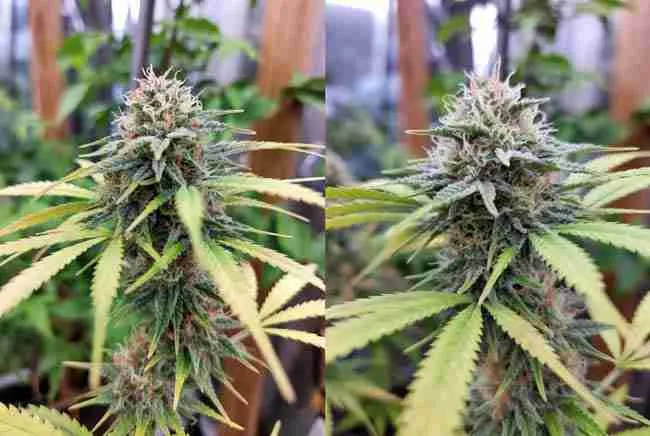
Before chitosan your plants might look okay but struggle with spider mites or powdery mildew. After a few applications you watch pests back off because the leaves taste bad to them and the plant fights back harder. Trichome density jumps – those crystal-covered buds look like they got dusted with sugar. Growers report 20 to 40 percent more visible resin heads in side-by-side tests. Vigor improves too. Leaves stay greener longer, stems thicken, and plants handle heat or cold swings like pros.
For instance, one grower switched to chitosan cannabis in week two of flower and harvested buds that cured with richer terpene profiles and better bag appeal. Yield went up because fewer branches got attacked by mold. You get that same edge when you stay consistent.
Comparing Chitosan with Other Organic Boosters Such as Silica or Kelp
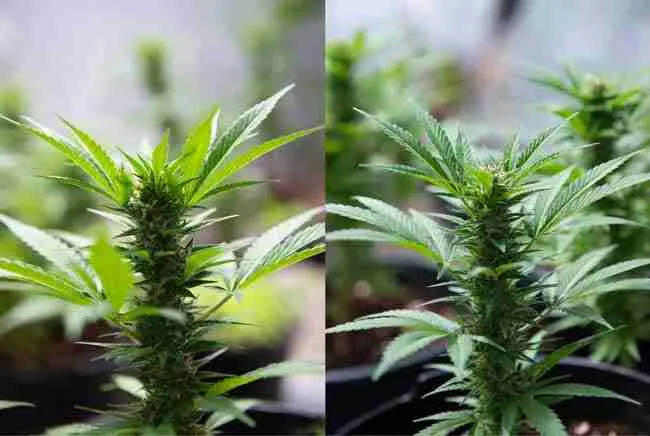
Chitosan stands out because it triggers an immune response instead of just feeding the plant. Silica builds tough cell walls so bugs have a harder time chewing, but it doesn’t boost resin the same way. Kelp delivers hormones and trace minerals that push vegetative growth and help with stress, yet it lacks the defense-gene activation you get from chitosan biostimulant cannabis.
You can stack them all. Run silica throughout for structure, kelp in veg for growth, and chitosan in flower for that final resin push. The combo gives you the best of everything without overlap problems. However, chitosan shines when you want flavor and potency over raw size.
Pros and Cons of Using Chitosan for Cannabis Growers
Pros
- Natural immune booster cannabis plants that cuts chemical use
- Increases trichomes, terpenes, and overall resin production
- Improves pest and disease resistance without killing beneficials
- Reduces water loss so plants handle drought and heat better
- Works in soil, coco, or hydro with easy application
- Boosts antioxidant levels for healthier, longer-lasting buds
- Cheap once you buy powder in bulk
Cons
- High doses can slow root growth in hydro setups
- Powder needs acid to dissolve properly or you waste it
- Overuse late in flower might leave a slight residue taste
- Results vary by strain and environment – test small
- Not a miracle fix if your base nutrients or lights are off
You weigh these and most growers decide the pros win big when they dial in the dose.
Storage Guidelines and Sourcing Tips for Food-Grade Chitosan
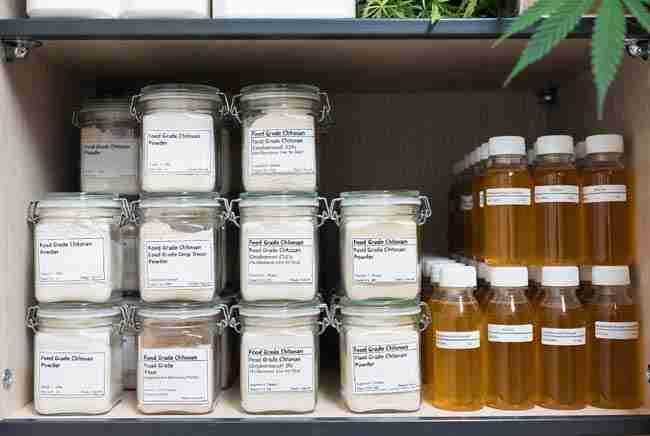
Buy food-grade or agriculture-grade chitosan oligosaccharide powder from trusted suppliers. Look for 90 percent or higher deacetylation so it works fast. Store it in a cool, dry cupboard inside an airtight container. Moisture turns it clumpy and useless. A one-pound bag lasts many grows when you use it sparingly. You can find liquid concentrates too if mixing powder feels like too much work, but powder gives you the best value.
Which Green Avenger Seeds Varieties Respond Best to Chitosan Treatments
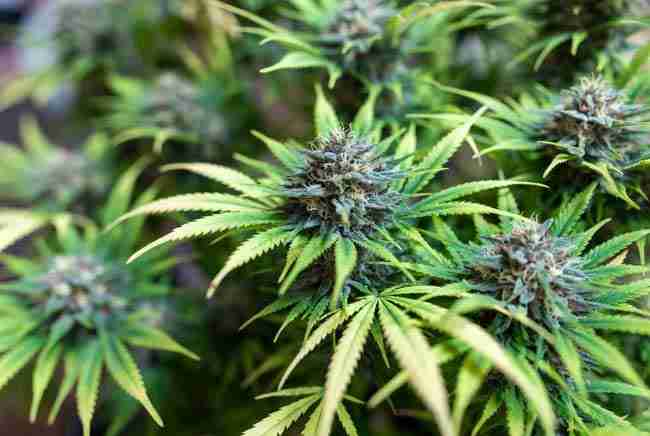
Green Avenger Seeds grows some real winners that light up with chitosan cannabis. Their Blueberry strain packs heavy resin already, so the immune boost pushes trichomes even thicker and terps sweeter. Indica-dominant lines love the extra vigor and pest protection during long flower times. Autoflowering varieties shine because you get quick cycles and multiple harvests per season with stronger plants. High-THC hybrids and resin-heavy selections like their top indica picks or fruity crosses respond especially well. You’ll harvest frostier buds and bigger yields when you pair these genetics with your chitosan schedule.
Integrating Chitosan into Your Overall Cannabis Growing Routine for Maximum Results
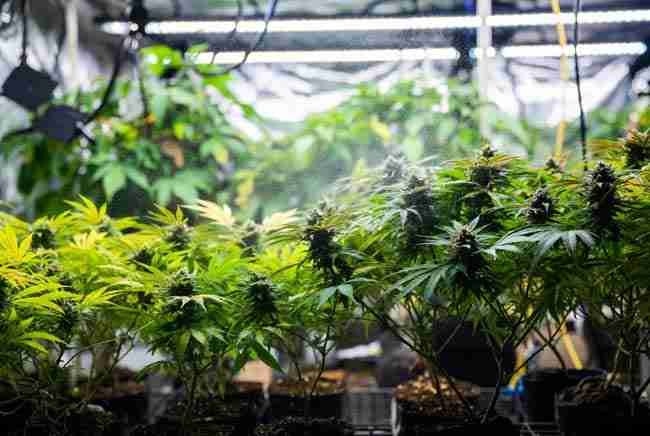
You don’t need to overhaul everything. Add chitosan foliar spray marijuana at key moments and watch synergy happen. Pair it with molasses for microbes, compost teas for biology, and your favorite organic nutes. It fits IPM programs perfectly because it strengthens plants instead of killing bugs outright. You still scout, prune, and ventilate, but now your plants have backup. In outdoor gardens you spray before rain to head off mold. Indoors you use it to push CO2-enriched rooms even harder. The key is consistency and observation – your plants will tell you what they need.
Common Mistakes Growers Make and How to Avoid Them
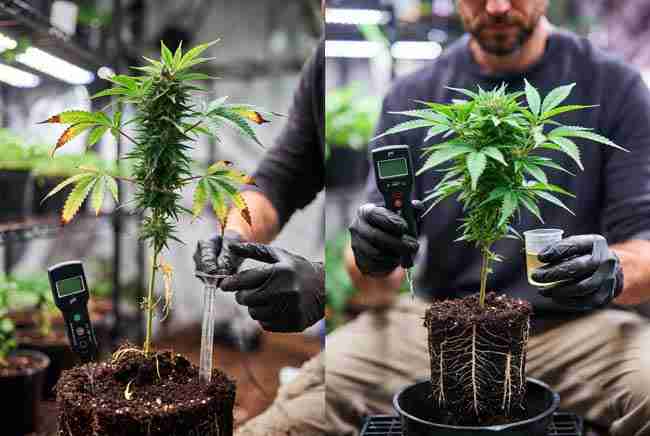
Many new users crank the dose too high and see stunted roots or burned tips. Always start at half strength. Some forget to pH the spray and wonder why nothing happens. Others spray in bright light and get leaf spot. You avoid these by following the table, testing pH, and spraying at lights-out. Never use it right before harvest if you worry about taste. Stop two weeks early and you stay safe.
FAQ About Chitosan Cannabis
What exactly is chitosan cannabis and how does it help my plants?
Chitosan cannabis is a natural sugar polymer that acts like a biostimulant. It wakes up your plant’s immune system so you get stronger immunity, more resin, and better yields.
How do I mix and use chitosan foliar spray marijuana safely?
Dissolve 0.2–0.8 grams per liter in a bit of vinegar, pH to 5.8–6.2, and mist leaves lightly every 3–7 days in early flower. Spray before lights off for best uptake.
Can I use chitosan root drench application in hydroponics?
Yes, just add the proper ppm to your reservoir weekly. Start low at 100–200 ppm so roots stay happy while you enjoy the defense boost.
Does chitosan biostimulant cannabis really increase trichomes and resin?
Absolutely. The plant’s defense response ramps up trichome production and secondary metabolites, giving you stickier, more flavorful buds.
Is chitosan a natural immune booster cannabis plants can use organically?
It sure is. Derived from natural sources and biodegradable, it fits every organic grow without residue worries when you stop early.
Will chitosan yield enhancement cannabis work for beginners?
You bet. Follow the simple ratios and schedule and you’ll see tougher plants and better harvests even on your first try.
How should I store food-grade chitosan between grows?
Keep it sealed in a cool, dry place. It lasts years when moisture stays out.
Which Green Avenger Seeds strains pair best with chitosan?
Resin-heavy ones like Blueberry, strong indicas, and autoflowers respond amazingly because they already lean toward heavy trichome production.

You now hold everything you need to unlock the power of chitosan for cannabis in your own garden. Grab some food-grade powder, follow the guidelines, and watch your plants thank you with bigger, frostier, more resilient buds.
