Cannabis Stress Responses: What Happens When Plants Are Stressed?


Hey there! If you’re trying to learn how your cannabis plants handle a rough day, you’ve come to the right place. In this guide, you’ll get a down-to-earth, easy-to-read look at Cannabis Stress Responses—what they are, how your plants show them, and what you can do to help. So, grab a comfy seat, and let’s dive into the nitty-gritty of cannabis stress in language so simple even a five-year-old could follow along!
Introduction to Cannabis Stress Responses
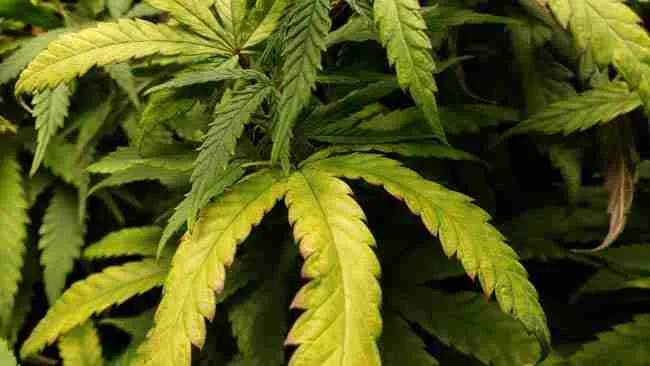
Imagine your cannabis plant is like a little superhero. Just like superheroes have their own ways to fight off villains, your plant has a bunch of clever tricks to deal with stress. Whether it’s too much heat, not enough light, or other pesky problems, your plant has built-in responses to keep it going. These responses, called Cannabis Stress Responses, are the plant’s way of saying, “Hey, something’s not right here!” In this article, you’ll learn how these responses work, what signs to look out for, and how to help your plants bounce back.
How do cannabis plants respond to stress?
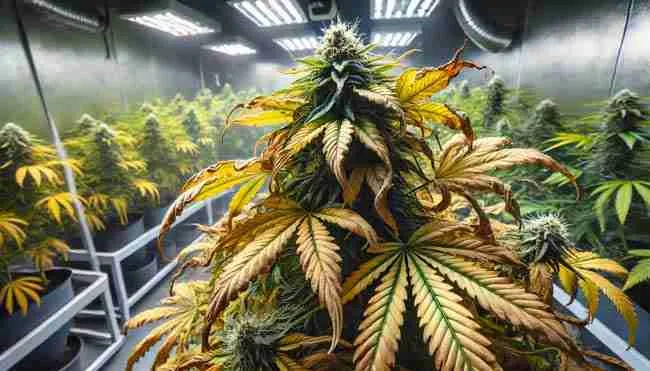
When your cannabis plants are stressed, they don’t shout out loud. Instead, they make subtle changes in their look and behavior. Here’s what happens:
Physical Responses
When stress hits, you might notice these physical signs:
- Leaf discoloration: Leaves might start to look yellow or brown.
- Wilting: The plant might droop, just like you do when you’re really tired.
- Stunted growth: It might not grow as fast as it normally does.
- Leaf curling: Leaves could curl or twist in odd ways.
These changes are like the plant’s way of frowning when something’s off.
Chemical Responses
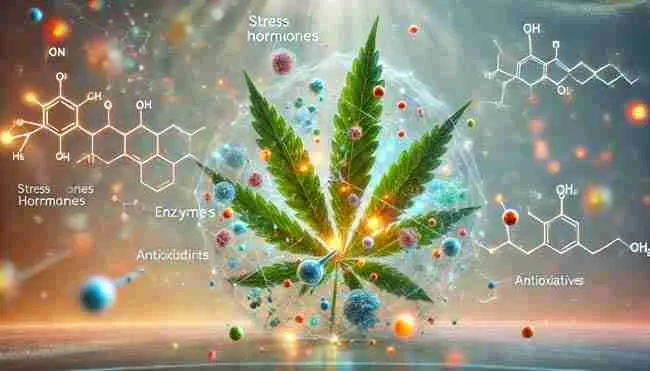
Inside your plant, lots of tiny helpers get to work when it’s stressed:
- Stress hormones: The plant makes more hormones (like abscisic acid) to help it deal with stress.
- Enzyme action: Special enzymes work to repair damage and protect cells.
- Antioxidants: These little warriors fight off harmful effects, just like a superhero’s sidekick.
Environmental Triggers
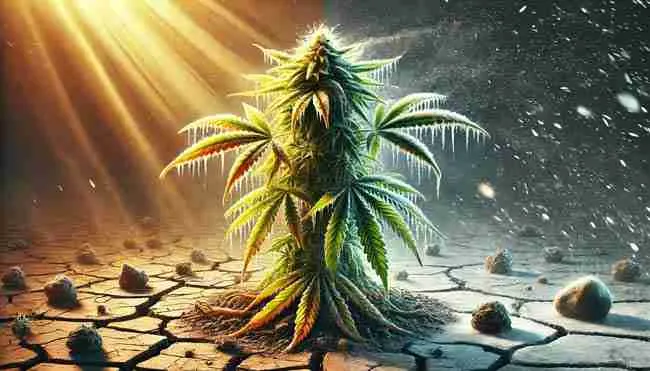
Stress usually happens because of something in the environment. These triggers include:
- Extreme temperatures: Too much heat or cold can upset the plant.
- Water issues: Both too little and too much water can cause stress.
- Light problems: Either too bright or too dim can stress your plant.
- Nutrient imbalances: Missing or extra nutrients make it hard for the plant to grow properly.
When these things happen, your cannabis plant uses its Cannabis Stress Responses to try to survive and adjust.
What happens to cannabis plants when they are stressed?
When your cannabis plant is feeling the pressure, several things can go on at the same time. Here’s a closer look at what happens:
Changes in Growth
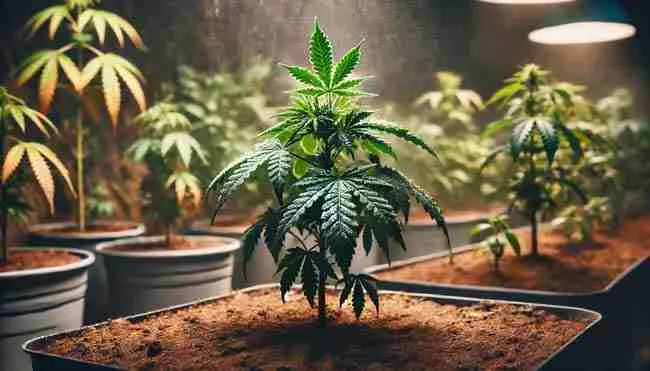
- Slower growth: The plant might not grow as quickly, saving energy to fix itself.
- Fewer leaves: It could produce fewer leaves, which means less area to capture sunlight.
- Shorter stems: The plant may look a bit squat instead of tall and strong.
Nutrient Uptake Issues
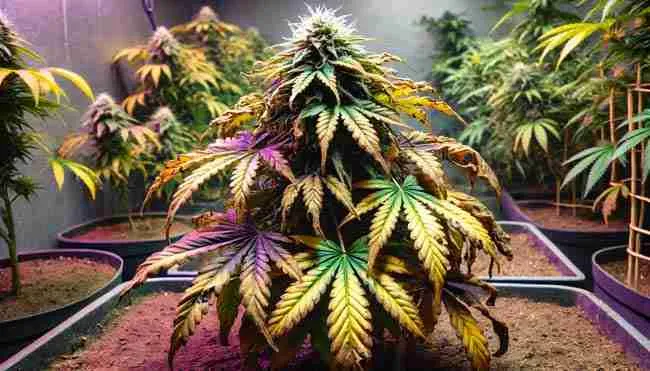
Stressed plants sometimes have trouble taking in the nutrients they need. Think of it like trying to sip a milkshake through a tiny straw—everything gets slowed down! When a plant can’t get its full share of nutrients, it may:
- Look unhealthy.
- Produce smaller, less vibrant buds.
- Have a weaker immune system against pests.
Internal Stress Signals
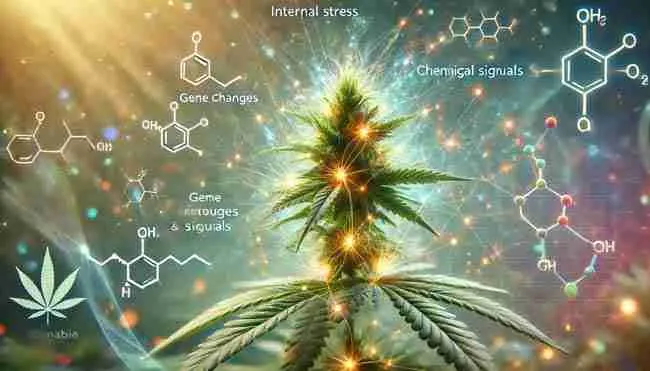
Inside the plant, stress sends out lots of signals:
- Gene changes: Some genes that help the plant fight stress are turned on, while others that support growth might take a break.
- Chemical signals: These help the plant decide where to put its energy—either on growing or on protecting itself.
All these changes are part of the magical process of Cannabis Stress Responses that help your plant adapt to its tough times.
How do cannabis plants respond to stress? (Biochemical Perspective)
Now, let’s dig a bit deeper into what’s happening inside your plant at the biochemical level. It may sound a bit science-y, but I’ll keep it simple!
The Role of Stress Hormones
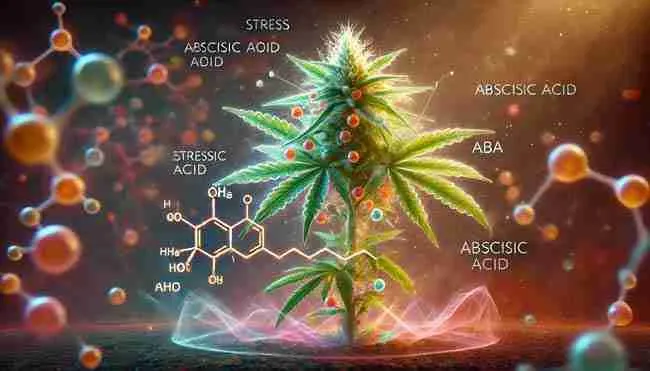
When things get tough, your plant releases stress hormones like abscisic acid (ABA). Think of ABA as the plant’s emergency alarm. When it rings, the plant knows it must act quickly to protect itself. This hormone helps:
- Slow down growth.
- Close tiny leaf openings (stomata) to conserve water.
- Activate other stress-fighting chemicals.
Antioxidant Action
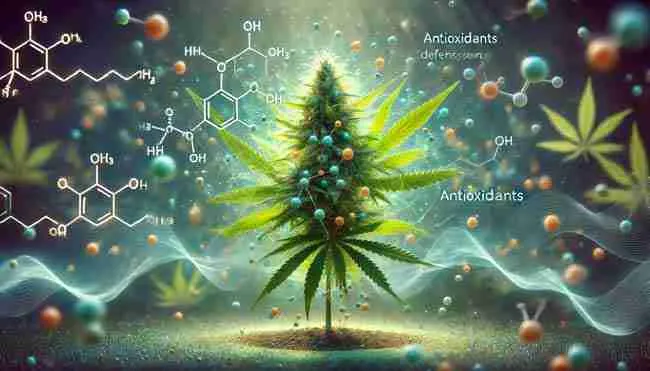
Stress can lead to the buildup of harmful molecules called free radicals. To fight these off, your plant ramps up its antioxidant production. These antioxidants:
- Protect the plant cells.
- Help repair damage.
- Keep the plant’s metabolism humming along.
Gene Expression Changes
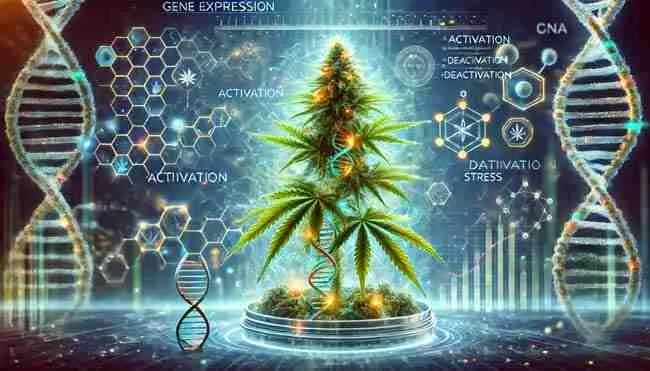
Under stress, some of the plant’s genes switch on or off:
- On: Genes that help protect cells or repair damage.
- Off: Genes that usually help the plant grow fast.
It’s a bit like a sports team changing its strategy mid-game when the other team suddenly scores. This intricate process is a key part of Cannabis Stress Responses.
What does heat stress do to cannabis plants?

Heat is one of the toughest challenges your cannabis plant can face. Let’s talk about what happens when the temperature climbs too high.
Immediate Reactions to Heat

When the sun blazes or the grow room gets too hot, your plant does a few quick things:
- Stomata close: These are tiny holes on the leaves that let in air. Closing them helps save water.
- Heat shock proteins are produced: These special proteins protect the plant’s cells from getting hurt by too much heat.
Longer-Term Effects of Heat
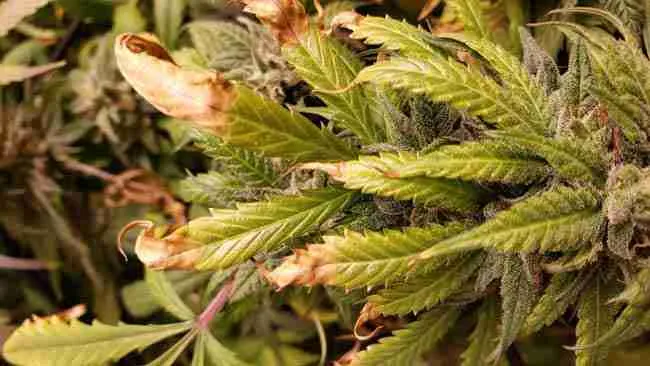
If the heat sticks around, the problems can get worse:
- Leaf burn: The edges of the leaves might start to look crispy and burnt.
- Reduced photosynthesis: The plant’s ability to make food from sunlight takes a hit.
- Excessive water loss: Even if the stomata are closed, the plant might still lose too much water.
When these problems happen, it’s a sign that your plant’s Cannabis Stress Responses are working overtime, trying to save the day.
Table: Common Symptoms of Heat Stress in Cannabis Plants
| Symptom | Description | Impact on Plant |
|---|---|---|
| Leaf discoloration | Leaves turn yellow or brown | Indicates nutrient and water loss |
| Wilting | Leaves droop or bend down | Shows low water content |
| Leaf burn | Crispy, burnt edges on leaves | Damages photosynthesis |
| Stunted growth | Overall slower growth | Leads to lower yields |
This handy table helps you quickly check if heat stress might be the culprit.
Will cannabis plants recover from heat stress?
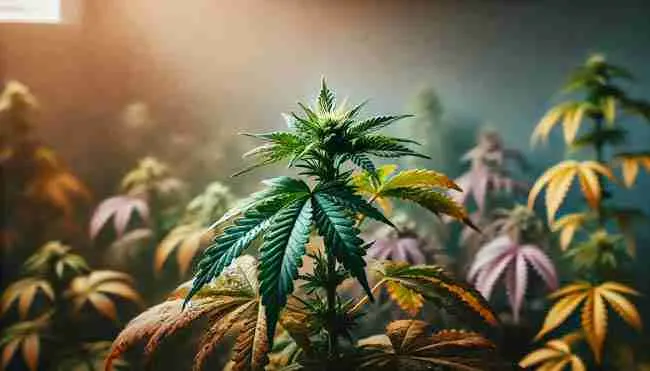
Now you might be wondering: if my plant gets too hot, can it get better? The answer is, sometimes yes—but it depends on a few things.
Factors Influencing Recovery
Your plant’s recovery from heat stress depends on:
- How bad the damage is: If it’s just a little heat, recovery can be fast. Severe damage might take longer.
- How quickly you act: The sooner you cool things down, the better the chance for recovery.
- The plant’s overall health: A plant that’s already strong and healthy can bounce back more easily.
Pros and Cons of Heat Stress Recovery

Let’s break it down:
Pros:
- Resilience: Some plants can bounce back with a bit of help.
- Adaptability: Mild stress can sometimes toughen up the plant over time (a phenomenon called hormesis).
Cons:
- Risk of permanent damage: If the heat is too severe, some damage might never be fixed.
- Energy diversion: The plant might use all its energy on recovery instead of growing big and strong.
Tips to Help Recovery
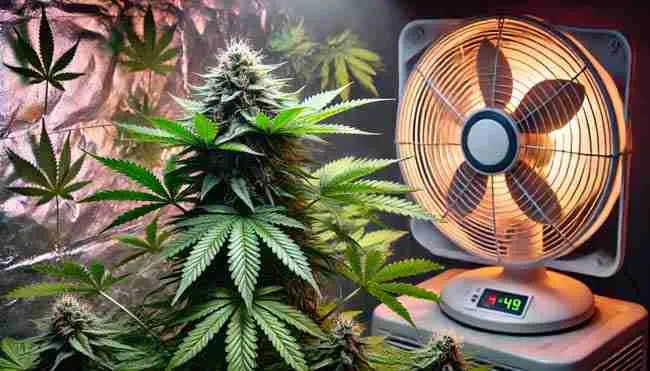
Here’s a list of things you can do to help your cannabis plants recover from heat stress:
- Cool the environment: Lower the temperature in your grow room or move the plants to a cooler spot.
- Increase watering: Make sure your plant gets enough water, but be careful not to overdo it.
- Improve ventilation: Use fans or open windows to let fresh air in.
- Monitor closely: Keep an eye on the plant to see how it’s recovering.
By taking these steps, you’re giving your plant the best shot at bouncing back.
What does a stressed cannabis plant look like?
Sometimes, your plant will give you clear signs that it’s feeling stressed. Knowing these signs can help you act fast.
Visual Signs of Stress
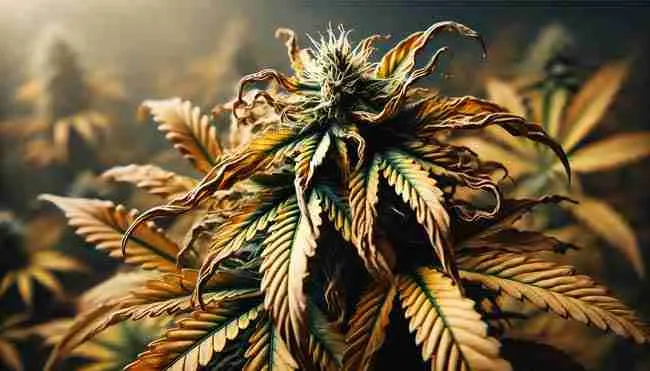
Here are some things you might notice:
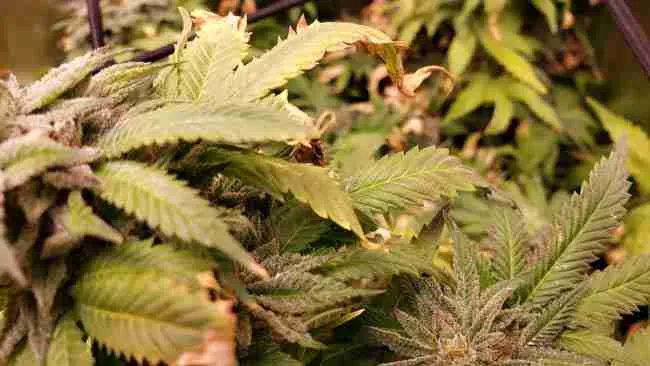
- Yellowing leaves: This is one of the most common signals.
- Crispy or burnt edges: Especially on the top leaves, which usually get the most light.
- Drooping or wilting: Even when the soil is moist, the plant might look droopy.
- Curled or twisted leaves: This is another sign that the plant is trying to cope with too much stress.
Behavioral Signs
Not everything is visible on the outside. Sometimes, your plant’s behavior can hint at stress:
- Slow growth: The plant may not be growing as fast as usual.
- Delayed flowering: It might take longer than expected to start flowering.
- Unusual scent: Occasionally, a stressed plant might emit a different smell, indicating internal changes.
All these signs are part of its Cannabis Stress Responses—its way of communicating that it needs some help.
How long does it take for cannabis to recover from heat stress?
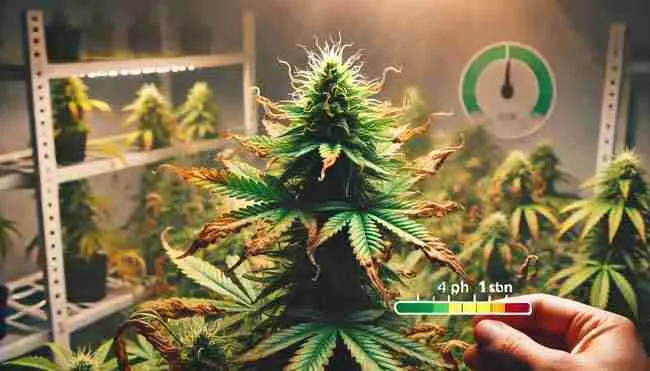
The recovery time for your cannabis plants can vary a lot. It’s a bit like waiting for a friend to feel better after a cold—you just have to be patient and take good care of them.
Recovery Time Factors
Several factors can affect how long recovery takes:
- Extent of damage: Mild heat stress might see recovery in just a week or two, while severe damage might need a month or even longer.
- Environment: A cool, stable environment speeds up the healing process.
- Plant variety: Some strains are naturally tougher and recover faster.
- Care routine: The better your watering, feeding, and light management, the quicker the recovery.
Stages of Recovery

Think of recovery in three stages:
- Initial relief: The plant stops being stressed once conditions improve.
- Repair mode: It starts fixing the damaged parts.
- New growth: Fresh, healthy growth replaces the old, damaged parts.
Table: Estimated Recovery Times Based on Heat Stress Severity
| Heat Stress Severity | Estimated Recovery Time | Comments |
|---|---|---|
| Mild | 1-2 weeks | Quick recovery with proper care |
| Moderate | 2-4 weeks | Extra nutrients and monitoring needed |
| Severe | 4-8 weeks or more | Recovery is slow; some damage may be permanent |
These estimates can help you set your expectations while you care for your plants.
Does stress make cannabis plants stronger?
You’ve probably heard that a little stress can sometimes make things stronger, and that’s partly true for cannabis plants. This idea is called hormesis, where a bit of stress can help build resilience. However, it’s a bit of a double-edged sword.
Benefits of Mild Stress
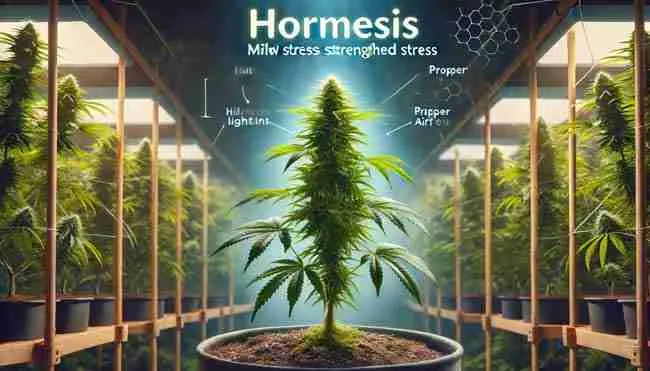
Mild stress can sometimes help your plants:
- Stronger roots: A little challenge can encourage the roots to grow deeper and stronger.
- Increased cannabinoid production: Some growers notice that a bit of stress can actually boost the chemicals that make your buds special.
- Better adaptation: The plant learns to cope with changes, making it more adaptable over time.
Risks of Excessive Stress
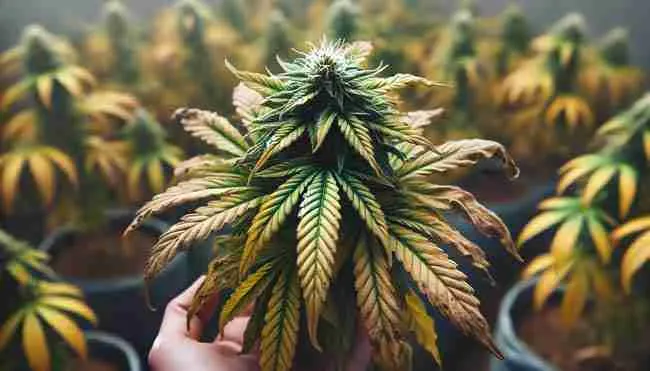
But too much stress can be harmful:
- Permanent damage: Severe stress might cause long-lasting damage that reduces yield.
- Weak growth: The plant may use its energy on surviving rather than thriving.
- Pest vulnerability: A stressed plant is more likely to fall prey to pests and diseases.
Pros and Cons Summary
Pros of Mild Stress:
- Can encourage stronger roots.
- May boost cannabinoid production.
- Helps the plant adapt to environmental changes.
Cons of Excessive Stress:
- Risk of permanent damage.
- Slowed or stunted growth.
- Increased susceptibility to pests and diseases.
It’s all about balance. A little stress might give your plants a fighting chance, but too much will only hold them back.
Can cannabis plants recover from light stress?

Light is like food for your cannabis plants. When the light isn’t just right, your plant shows signs of stress, and it’s up to you to fix it.
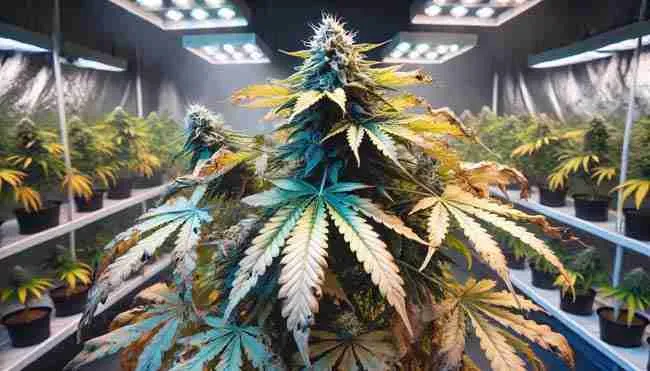
Overexposure to Light
When your plant gets too much light, it might:
- Get light burn: The leaves can look bleached or burnt.
- Grow slower: Excessive light can overwhelm the plant, making it hard for it to grow normally.
- Reduce photosynthesis: Even though light is needed for food-making, too much can actually hinder this process.
Underexposure to Light
If your plant doesn’t get enough light, it might:
- Stretch out too much: The plant may grow lanky as it reaches for more light.
- Have lower yields: Less light means less energy for producing buds.
- Look weak: Overall, the plant might appear frail and underdeveloped.
Recovery from Light Stress
The good news is, your cannabis plants can recover from light stress if you catch it in time:
- Adjust the distance: Keep your light source at the right distance from the plants.
- Use timers: Ensure the plant gets a consistent light schedule.
- Monitor and adjust: Check the plant regularly and tweak your lighting as needed.
Other Important Cannabis Stress Factors
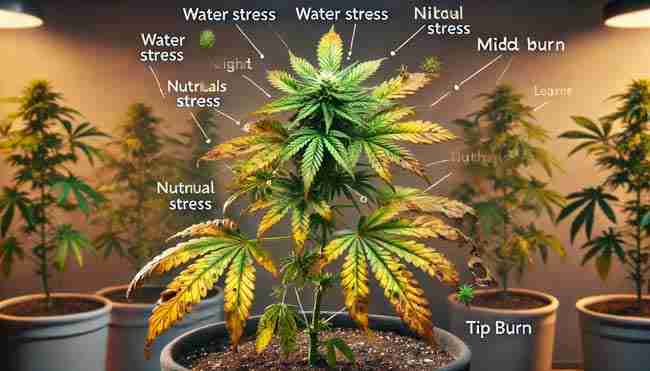
While heat and light are big players, they’re not the only things that can stress your cannabis plants. Here are some other factors to keep in mind:
Water Stress
Water is crucial. But both too little and too much water can stress your plant:
- Underwatering: Leads to dry soil, wilting, and brown spots on leaves.
- Overwatering: Can cause root rot and a soggy, unhappy plant.
Nutrient Stress
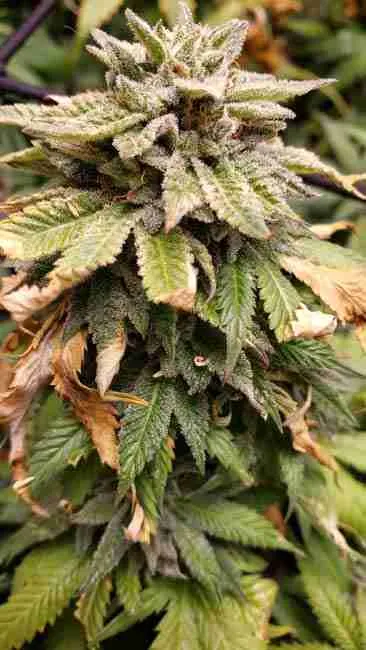
Just like you need a balanced diet, your plant needs the right nutrients:
- Nutrient deficiency: Leaves might turn yellow, and growth will slow down.
- Nutrient burn: Too many nutrients can burn the leaf tips, causing them to turn brown.
Pest and Disease Stress
Bugs and diseases are unwelcome guests in your grow room:
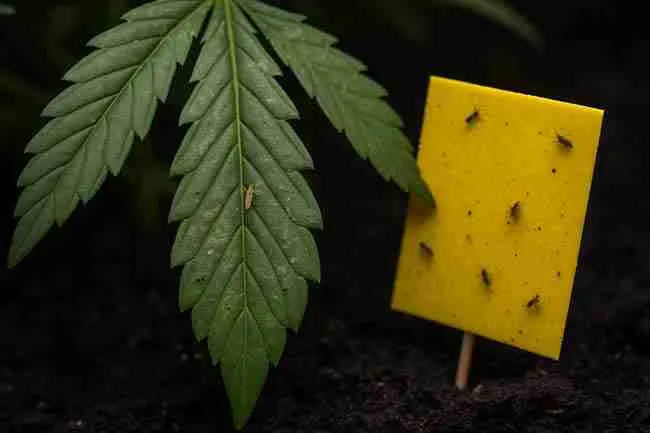
- Pest attacks: Look for small holes in leaves or tiny critters on the plant.
- Fungal infections: These can appear as spots or mildew, especially in damp conditions.
List: Key Factors Contributing to Cannabis Stress
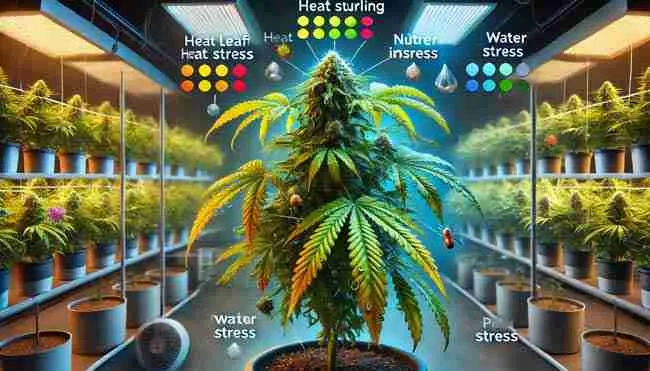
- Heat (temperature extremes)
- Light exposure (too much or too little)
- Water availability (overwatering or underwatering)
- Nutrient balance (deficiency or excess)
- Pests and diseases (insects, fungi, etc.)
- Environmental conditions (humidity, airflow, etc.)
Understanding these factors will help you create a better environment for your cannabis plants.
Specifications for Managing Cannabis Stress Responses
Here’s a quick guide to managing the stress levels in your cannabis garden:
- Temperature: Aim for 68–77°F (20–25°C) during the day.
- Lighting: Position lights so the plants get enough without being overexposed.
- Watering: Water when the top inch of soil is dry—avoid waterlogging.
- Nutrients: Use a balanced fertilizer tailored for cannabis.
- Ventilation: Ensure good airflow with fans or open windows.
- Monitoring: Regularly inspect your plants for early signs of stress.
These specs can help you maintain a healthy environment and let your cannabis plants use their natural Cannabis Stress Responses to bounce back from any minor issues.
FAQ – Frequently Asked Questions about Cannabis Stress Responses
Q1: What are Cannabis Stress Responses?
A: They’re the ways your cannabis plants react to stress—like changes in growth, color, and internal chemistry—to survive tough conditions.
Q2: How can I tell if my cannabis plant is stressed?
A: Look for yellowing leaves, wilting, leaf curling, and slow growth. Also, pay attention to any changes in how the plant behaves.
Q3: What can I do if my plant is suffering from heat stress?
A: Cool the environment, water properly, improve ventilation, and monitor your plant. Acting quickly helps the plant recover.
Q4: Can a little stress be good for my cannabis plants?
A: Yes, mild stress can sometimes make plants stronger by encouraging deeper roots and boosting cannabinoid production. But too much stress is harmful.
Q5: How long does it take for a plant to recover from heat stress?
A: Recovery time depends on the severity—mild stress may clear up in 1-2 weeks, while severe stress can take 4-8 weeks or more.
Q6: What are the signs of light stress in cannabis plants?
A: Overexposure can cause light burn (bleached or burnt leaves), while underexposure may cause the plant to stretch and have lower yields.
Q7: Can cannabis plants recover from pest or nutrient stress?
A: Yes, with prompt intervention such as proper watering, nutrient balancing, and pest control, your plants can recover.
Wrapping It All Up
Understanding Cannabis Stress Responses is like having a secret manual for your grow room. Your cannabis plants are smart—they adapt, send signals, and try to fix themselves when things get tough. By learning the signs of stress, whether from heat, light, water, or nutrients, you can step in early and help your plants bounce back.
Every grower faces challenges, but with a little care and attention, your cannabis plants can overcome even the roughest days. Remember, balance is key: a bit of stress can build resilience, but too much will slow growth and lower yields. Keep this guide handy, and soon you’ll be spotting the signs and knowing exactly what to do.
Pros and Cons of Managing Cannabis Stress
Pros:
- Improved Plant Health: Early detection and proper care can keep your plants robust.
- Better Yields: Healthy, unstressed plants produce bigger, better buds.
- Increased Resilience: Mild stress can sometimes make plants stronger.
- Enhanced Growing Knowledge: Understanding stress helps you become a more confident grower.
Cons:
- Time-Intensive: Regular monitoring and adjustments require extra effort.
- Risk of Overcorrection: Too much intervention might cause other issues.
- Potential Costs: Upgrading equipment for proper lighting or ventilation can add up.
- Misdiagnosis: It can be tricky to pinpoint the exact cause of stress, which might lead to incorrect fixes.
Final Thoughts
Your journey to mastering Cannabis Stress Responses starts with understanding the little clues your plants give you every day. By learning how to read these signs—from the color of the leaves to the pace of growth—you’ll be well on your way to keeping your cannabis garden healthy and thriving.
Think of each challenge as a chance to learn more about your plants. Whether you’re dealing with a hot day, too bright a light, or water issues, taking prompt action can mean the difference between a stressed plant and a happy, resilient one. Keep your eyes open, stay patient, and soon you’ll be the go-to expert on managing cannabis stress!