Cannabis Strain Customization: How to Crossbreed Cannabis and Develop Your Own Strains


Welcome! In this guide, you’re about to learn all about crossbreed cannabis and how you can develop your very own cannabis strain. We’re gonna keep things super simple—almost like explaining it to a five-year-old—yet dive deep into the process, sharing useful tips, real-life examples, and plenty of practical advice for anyone keen to grow cannabis. So, buckle up, and let’s get started on this exciting journey into the world of cannabis strain customization!
Introduction to Crossbreed Cannabis

When you decide to crossbreed cannabis, you’re stepping into a world where nature meets creativity. Think of it as mixing two yummy ice-cream flavors to create a whole new taste! It might sound tricky at first, but don’t worry—you’ll soon see that with a little patience and the right know-how, you can create a strain that suits your taste, growth environment, and even medicinal needs.
The idea is to take two or more cannabis plants, each with its own traits, and mix their genes to get a hybrid plant that has the best parts of each parent. Whether you’re after a strain with a sweeter smell, stronger effects, or a higher yield, crossbreeding gives you the power to customize your crop. However, like any fun experiment, it comes with challenges that you’ll need to understand and manage.
Throughout this article, we’ll answer some key questions, such as:

- How to crossbreed strains?
- How are cannabis plants crossed?
- How are cannabis hybrids made?
- How do they breed cannabis?
- Can a male cannabis plant turn hermaphrodite?
We’ll also sprinkle in some tips and tricks, highlight common mistakes to avoid, and even offer a few FAQs to clear up any lingering doubts. So, let’s get right into it for all you need breeders out there!
How to Crossbreed Strains?

Crossbreeding cannabis isn’t rocket science, but it does need some care and attention. The process is a bit like following a recipe—you need the right ingredients and a clear method. Here’s how you can start:
Step-by-Step Process
- Choose Your Parent Plants
- Pick two or more cannabis strains that have the qualities you like. For instance, one might have a high yield while the other has a unique aroma.
- Look for plants that are healthy and vigorous. Health is key in ensuring that the new strain grows strong.
- Prepare Your Environment
- Make sure your growing area has the right light, temperature, and humidity.
- Keep your tools and workspace clean to prevent any unwanted surprises like mold or pests.
- Collect and Use Pollen
- Male plants produce pollen, and this is what you need for crossbreeding. Gently collect pollen from the male plant when it’s ready.
- Apply this pollen to the female plant carefully. You might use a small brush or simply let the pollen fall naturally.
- Label and Isolate
- Always label your plants and the crosses you’re making. This helps you track which traits come from which parent.
- Isolate the pollinated female to avoid accidental pollination from stray pollen.
- Wait and Observe
- Once pollination happens, let the plant develop seeds.
- Observe the seeds as they mature, and when they’re ready, you can grow them to see what traits appear in the new generation.
Why Crossbreed Cannabis?

Crossbreeding is all about customization. You might be looking to create a strain that:
- Offers your own unique combination of flavors or aromas.
- Is more resistant to pests and diseases that may effect your local area.
- Produces higher yields or has specific medicinal benefits custom to your needs.
However, the process can be unpredictable. Sometimes you might get an amazing plant, and sometimes you may need a few tries. It’s a journey of trial and error, but every experiment brings you closer to mastering the art of crossbreed cannabis. An example of this might be once you cross two plants you may end up with one that has the THC percentage that you like to see in your crop which another plant from the same crossbreed may only have a small amount of THC percentage.
A Handy List of Essential Tips:

- Be Patient: Breeding for growth and development take time.
- Keep Records: Note every detail from plant selection to environmental conditions.
- Stay Clean: A tidy cannabis breeding setup means fewer problems.
- Experiment: Don’t be afraid to try new plant combinations.
- Learn: Every new cannabis plant teaches you something new.
How Are Cannabis Plants Crossed?

Understanding how cannabis plants cross is essential for any grower who wants to experiment with new strains. Let’s break down the process in plain English.
The Pollination Process
At its simplest, crossing cannabis plants involves transferring pollen from a male plant to a female plant. This is how plants reproduce in nature. When the pollen from the male meets the ovule of the female, fertilization happens, and seeds are formed. These seeds carry genetic information from both parents, making them the starting point for a new hybrid strain.
Key Points in Pollination:
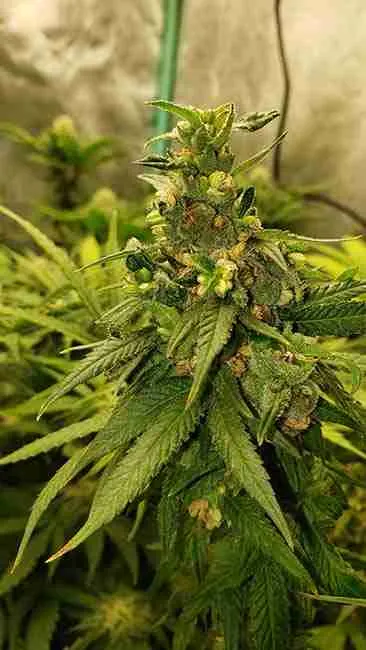
- Timing is Crucial: Male plants release pollen for only a short period. You need to catch them at just the right moment.
- Control is Important: In controlled breeding, you make sure that only the desired pollen reaches the female plant.
- Environmental Factors: Temperature and humidity can affect pollen viability. If it’s too damp or too dry, pollen might not work well.
Techniques for Successful Crossbreeding

There are a few techniques to help ensure successful crossing:
Manual Pollination
- Method: Use a small brush or your finger to transfer pollen from the male to the female.
- Advantage: Gives you full control over which plants are crossed.
- Downside: Requires precision and careful timing.
Isolation Chambers
- Method: Place your chosen female plant in a small enclosure after applying pollen.
- Advantage: Prevents unwanted pollen from contaminating your work.
- Downside: Needs extra space and monitoring.
Natural Wind Pollination
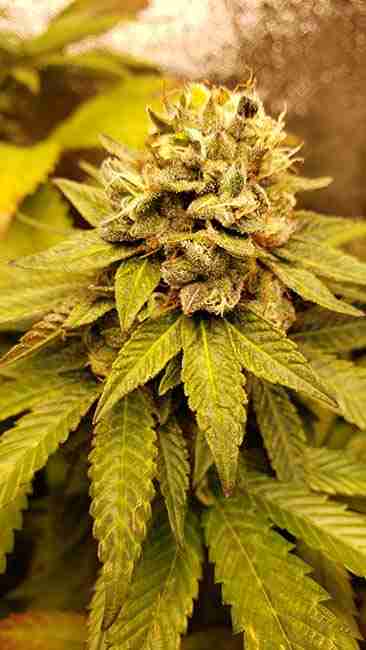
- Method: Let the wind do the work.
- Advantage: Mimics nature, which can sometimes yield unexpected, robust results.
- Downside: Harder to control and can lead to less predictable outcomes.
A Comparison Table of Cross-Pollination Methods
| Method | Time Required | Cost Level | Ease of Use | Expected Outcome |
|---|---|---|---|---|
| Manual Pollination | Moderate | Low | Intermediate | More control over traits |
| Isolation Chambers | High | Moderate | Easy | Prevents accidental pollination |
| Natural Wind Pollination | Variable | Low | Hard | Unpredictable, varied traits |
Each method has its ups and downs. The choice of technique depends on your experience level, the tools you have, and the kind of strain you want to develop. Remember, the goal is to crossbreed cannabis in a way that meets your specific needs.
How Are Cannabis Hybrids Made?

Now that you understand the basics of crossing, let’s talk about making hybrids. A hybrid is a plant that comes from the crossbreeding of two different strains. It often carries characteristics from both parents and sometimes even develops entirely new traits.
The Role of Genetics in Hybrid Creation
When you crossbreed cannabis, the genes of the parent plants mix like colors on an artist’s palette. Here’s what happens:
- Genetic Combination: Each parent plant contributes half of its genetic material. The new plant may inherit a strong smell from one parent and high yield from the other.
- Trait Expression: Not every gene shows up in every generation. Some traits might be hidden or only appear under certain conditions.
- Stability: The first few generations might be unstable. It often takes several rounds of breeding to stabilize the desired traits.
Real-Life Example:
Imagine you have one plant with a delicious citrus aroma and another that grows big, tasty buds. When you crossbreed them, you might get a plant that has both the citrus aroma and large buds. However, sometimes you may get a mix that leans more towards one trait than the other, and you’ll need to keep selecting the best plants until you get the perfect balance.
Steps in Developing a Hybrid Strain

1. Select the Right Parents
- Traits to Look For: Identify the best qualities in each strain—like flavor, growth speed, resistance to pests, or yield.
- Health Check: Make sure both plants are free from diseases and stress.
2. Cross-Pollinate with Precision
- Follow the steps mentioned earlier to ensure controlled pollination.
- Use tools like isolation chambers or manual brushes for accuracy.
3. Grow and Evaluate the Seeds
- Observation: Once the seeds grow, watch for the expression of desired traits.
- Selection: Choose the plants that best display the qualities you’re after.
4. Stabilize Your Hybrid
- Backcrossing: Repeatedly cross the hybrid with one of its parent strains to stabilize the traits.
- Self-Pollination: In some cases, letting the hybrid self-pollinate can help reinforce its genetic makeup.
A Useful List of Factors to Consider When Making Hybrids:

- Genetic Diversity: More diverse parents can lead to unpredictable but exciting results.
- Environment: Grow conditions can affect how traits are expressed.
- Time: Stabilizing a strain can take several growing cycles.
- Record-Keeping: Detailed notes help you remember what worked and what didn’t.
By understanding the role of genetics and following a systematic approach, you can master the art of creating robust and unique hybrids through crossbreed cannabis techniques.
How Do They Breed Cannabis?
Breeding cannabis is both an art and a science. You’re not just mixing plants; you’re also combining history, environment, and careful observation. Let’s dive into the nitty-gritty of cannabis breeding.
Selective Breeding Techniques

When you breed cannabis, you start with a large variety of plants and select the ones that show the traits you want. Here’s how you do it:
The Process:
- Observation: Watch your plants closely. Look at their growth patterns, bud quality, aroma, and overall health.
- Selection: Pick the plants that are the best examples of what you want to see in your future strains.
- Controlled Crosses: Use techniques like manual pollination or isolation to cross the chosen plants.
- Testing: Grow the seeds and test their traits in various environments to see if they hold up.
Selective breeding takes time, but it’s a rewarding process because you end up with plants that are custom-made for your goals.
Backcrossing and Stabilization of Traits

Sometimes, after your initial crosses, you might find that the traits are not stable. This is where backcrossing comes into play. Backcrossing involves breeding a hybrid with one of its parent strains over several generations. This helps to lock in certain desirable traits.
What Backcrossing Does:
- Stabilizes Genetics: It reinforces traits that are not showing up consistently.
- Improves Predictability: Over time, your plants become more uniform, and you can be more confident in their performance.
- Fine-Tunes the Strain: You can focus on enhancing one specific trait while keeping the others intact.
Maintaining the Best Features

It’s like keeping the best parts of a favorite recipe while trying out new ingredients. Here’s how to maintain those prized features:
- Regular Evaluation: Continually check your plants’ growth and yield.
- Documentation: Write down every change you make and every outcome you observe.
- Controlled Environment: Ensure that your growing conditions are optimal and consistent.
- Trial and Error: Sometimes, a little experimentation can lead to unexpected success.
A List of Breeding Methods You Can Use:
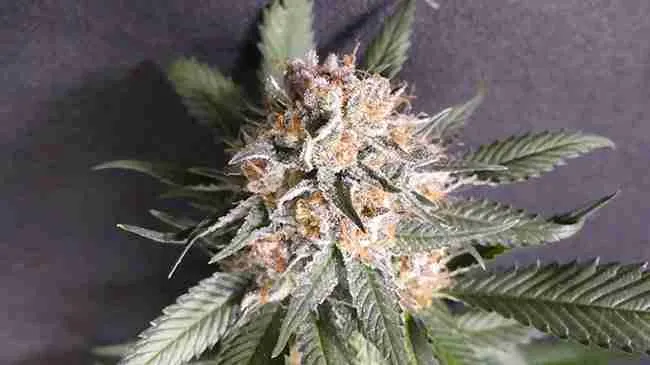
- Selective Breeding: Picking the best from a group.
- Hybridization: Crossing two different strains for unique traits.
- Backcrossing: Reinforcing desired traits by crossing with a parent.
- Self-Pollination: Encouraging a plant to breed with itself to stabilize its genetics.
By following these techniques, you’ll get better and better at crossbreed cannabis until you’re practically an expert!
Can a Male Cannabis Plant Turn Hermaphrodite?
This is a question that puzzles many growers, especially when you’re deep into the process of crossbreeding cannabis. In simple terms, yes—a male cannabis plant can turn hermaphrodite under certain conditions. But what does that mean, and why does it happen?
Understanding Cannabis Plant Biology

Cannabis plants have their own way of deciding how they’ll reproduce. Typically, a plant is either male or female. Male plants produce pollen, while females produce buds that can eventually form seeds when pollinated. However, under stress or unusual conditions, a plant might develop both male and female parts. This is known as hermaphroditism.
What Causes Hermaphroditism?
- Stress Factors: Environmental stress like light leaks, irregular light cycles, or extreme temperatures.
- Genetic Predisposition: Some strains are naturally more prone to turning hermaphrodite.
- Physical Damage: Injury to a plant can trigger a survival mechanism that causes it to develop both reproductive organs.
Signs and Prevention of Hermaphroditism

You need to keep a close eye on your plants. Here’s how you can tell if a plant is turning hermaphrodite and what to do about it:
Signs:
- Extra Structures: Look for the appearance of small pollen sacs among the buds.
- Mixed Organs: Notice if a normally female plant starts developing male characteristics.
- Unusual Growth Patterns: Any deviation from the normal shape of your plants can be a red flag.
Prevention Tips:
- Stable Environment: Keep temperature, humidity, and light consistent.
- Reduce Stress: Avoid overwatering or underwatering, and be gentle when handling your plants.
- Regular Inspection: Check your plants frequently, so you can catch early signs of hermaphroditism.
- Immediate Action: If you spot a hermaphrodite, isolate it to prevent accidental pollination of your prized females.
Understanding these signs helps you keep your breeding program on track. After all, when you’re trying to crossbreed cannabis, you want to ensure that your female plants remain true to form and don’t unexpectedly start pollinating themselves.
Tips and Tricks for Successful Crossbreed Cannabis

Now that you know the basics, here are some friendly tips to boost your success in crossbreeding cannabis:
- Keep It Simple: Start with a few parent plants. It’s better to master a simple cross than to mix too many variables at once.
- Document Everything: Write down dates, plant details, environmental conditions, and any changes you observe.
- Be Consistent: Your growing environment should be as stable as possible. Consistency is key in developing stable strains.
- Learn from Each Cycle: Each growing cycle is a lesson. Even if a cross doesn’t turn out as expected, you’ll know what to do better next time.
- Stay Patient: Great things take time. Don’t rush the process—each stage of growth is important.
These tips will help you navigate the sometimes bumpy road of crossbreed cannabis and ensure you end up with a strain that’s all your own.
Common Mistakes to Avoid When Crossbreeding Cannabis

Even seasoned growers can stumble. Here are some common pitfalls and how to steer clear of them:
- Rushing the Process
- It might be tempting to force a quick result, but nature has its own pace. Patience is your best friend.
- Poor Record-Keeping
- Without good notes, you might lose track of which cross produced which traits. Always jot down your steps.
- Ignoring Environmental Control
- Even small fluctuations in light, temperature, or humidity can throw off your breeding efforts.
- Overcrowding Plants
- Crowded conditions lead to competition and stress. Give your plants room to grow and breathe.
- Neglecting Plant Health
- A sick plant won’t breed well. Keep an eye on nutrition, water, and pest control.
Avoiding these mistakes will go a long way in ensuring your experiments in crossbreed cannabis lead to fruitful and predictable outcomes.
Maintaining Genetic Stability in Your Strain

After you’ve successfully crossbred your cannabis, your work isn’t done yet. Maintaining genetic stability is crucial to ensure that your strain remains consistent over time.
Steps to Ensure Stability
Regular Backcrossing
- Purpose: To reinforce the traits you love.
- Method: Periodically cross your hybrid back to one of the parent strains.
- Outcome: Over successive generations, the traits become more stable and predictable.
Controlled Growing Conditions
- Consistency: Keep your light, temperature, and nutrient levels as constant as possible.
- Monitoring: Regularly check for any changes or stress signals in your plants.
- Documentation: Continue recording your environmental conditions alongside plant performance.
Selecting the Best Offspring

- Observation: In every new generation, pick only the best performers.
- Elimination: Remove any plants that don’t show the desired traits.
- Repetition: Repeat the process over several generations until your strain stabilizes.
By following these steps, you ensure that the efforts you put into crossbreed cannabis yield a strain that remains true to its genetics—generation after generation.
FAQ: Crossbreed Cannabis
Here are some frequently asked questions to clear up any doubts you might have about crossbreeding cannabis:
Q1: What is Crossbreed Cannabis?
A: Crossbreed cannabis refers to the process of mixing the genetics of two or more cannabis strains to create a new hybrid. This process allows you to combine the best traits from each parent plant.
Q2: How long does it take to develop a new strain?
A: The process can vary. Initial crosses might be observed within one growing cycle (about 3–4 months), but stabilizing a strain for consistent traits may take several generations over years.
Q3: What are the best practices for crossbreed cannabis?
A: Some best practices include maintaining controlled growing conditions, keeping detailed records, selecting healthy parent plants, and using methods like manual pollination or isolation chambers to ensure precise breeding.
Q4: Can a male cannabis plant turn hermaphrodite?
A: Yes, under stress or specific genetic conditions, a male plant—or even a female plant—can develop hermaphroditic traits. This is why stable conditions and regular monitoring are so important.
Q5: What should I do if I notice hermaphroditism in my plants?
A: If you spot signs of hermaphroditism, isolate the affected plant immediately to prevent it from pollinating nearby females. Adjust your growing conditions to reduce stress, and review your handling practices.
Q6: How do I know if my crossbreed is successful?
A: Success can be measured by the consistency of desired traits in your offspring. Look for improvements in aroma, yield, resistance to pests, or whatever specific trait you’re targeting. Consistent performance across several generations is a good sign of a stable strain.
These FAQs should help you navigate the common concerns when trying to crossbreed cannabis. Remember, every plant and growing situation is unique, so use these answers as a guide and adapt them to your own experience.
Pros and Cons of Cannabis Strain Customization
When you’re on the path to creating your own cannabis strain, it’s a good idea to weigh the benefits and drawbacks. Here’s a quick rundown:
Pros
- Customization: You can develop a strain tailored to your specific needs—be it flavor, yield, or medicinal properties.
- Innovation: Experimenting with different genetics can lead to exciting and unexpected results.
- Improved Resistance: Crossbreeding can result in plants that are more resistant to pests and diseases.
- Increased Yield: With careful selection, you can develop strains that produce more buds.
Cons
- Time-Consuming: Stabilizing a strain may take several growing cycles.
- Unpredictability: Genetic mixing can sometimes yield unexpected traits that aren’t always desirable.
- Resource Intensive: It requires space, time, and careful record-keeping.
- Risk of Hermaphroditism: Under stress, even well-bred plants might develop unwanted traits like hermaphroditism.
A Quick Comparison Table
| Aspect | Pros | Cons |
|---|---|---|
| Customization | Tailored traits | May require many generations |
| Innovation | Unique, new strain possibilities | Unpredictable outcomes |
| Resistance & Yield | Improved plant health and output | Requires extra attention to detail |
| Process | Satisfying and creative | Can be time and resource heavy |
Taking these points into account helps you plan and prepare better for your crossbreed cannabis journey.
Specifications for Crossbreed Cannabis
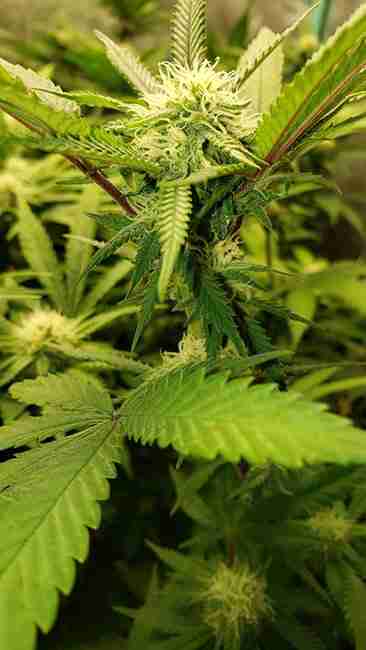
If you’re serious about developing your own strain, you’ll need to consider some specific factors that affect the success of your breeding efforts. Here are some key specifications and considerations:
Nutrient Requirements
- Balanced Nutrition: Provide a balanced mix of nitrogen, phosphorus, and potassium.
- Micronutrients: Don’t forget essential vitamins and minerals that help with plant resilience.
- Organic vs. Synthetic: Decide if you prefer organic nutrients or are comfortable with synthetic alternatives.
Environmental Conditions
- Light: Cannabis thrives under strong, consistent light. Whether you use LED or HPS lights, keep them at the right distance.
- Temperature: Maintain a stable temperature range—usually between 68°F to 77°F (20°C to 25°C) during the day.
- Humidity: Keep humidity in check to avoid mold and mildew, especially during flowering.
Growth Cycle
- Vegetative Stage: A longer vegetative stage might allow for more robust growth before crossing.
- Flowering Stage: Monitor for any stress signs during the flowering stage; this is when hermaphroditism is most likely to occur.
- Cycle Timing: Knowing the right time to collect pollen and isolate plants is essential.
Genetic Markers
- Trait Tracking: Use genetic markers (if possible) or detailed record-keeping to track which traits come from which parent.
- Stability Testing: Continuously test the stability of traits over multiple generations.
By keeping these specifications in mind, you can optimize your environment and techniques for crossbreed cannabis, ensuring your custom strain has the best chance to thrive.
Wrapping It All Up

Crossbreeding cannabis is a rewarding journey, full of experimentation, learning, and creative expression. You now have a roadmap—from choosing parent plants to understanding the pollination process, developing hybrids, and even tackling the tricky issue of hermaphroditism. With the tips, lists, tables, and FAQs provided, you’re well-equipped to start creating your own unique cannabis strains.
Remember, every plant you grow is a lesson. There may be bumps along the way, but with persistence, careful observation, and a passion for innovation, you’ll soon be reaping the rewards of your very own crossbreed cannabis creations.
Happy breeding, and may your garden flourish with the perfect blend of nature and nurture!