Cannabis Seed Glossary: From Aleurone to Zygote


You’re holding a tiny powerhouse. Inside every cannabis seed, there’s a living plan waiting for water, warmth, and your green-thumb care. This cannabis seed glossary is your plain-English, A–Z guide to all the seed words you’ll bump into while growing—so you can read labels, fix problems fast, and talk like a pro without the jargon headache.
You’ll find crisp definitions, real grower tips, specs you can actually use, pros and cons where they matter, and quick cross-references so you always know what to do next. Let’s pop the hood on that seed.
How to use this cannabis seed glossary

- Skim the A–Z when you see a new word on a seed pack or forum.
- Tap “Why it matters” under each term to connect the word to what you do in the tent or garden.
- Follow the grower tips to avoid common oopsies with germination, storage, and handling.
- Bookmark this cannabis seed glossary so it’s your always-on cheat sheet.
Quick grower specifications (print-worthy)
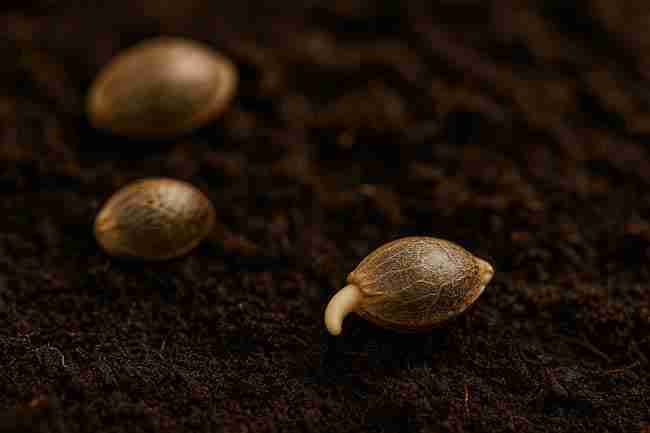
Here’s a fast “spec sheet” you can rely on when you’re germinating, storing, or troubleshooting cannabis seeds.
At-a-glance specs
- Ideal germination temperature: 21–26 °C (70–79 °F)
- Germination RH (around seed): 70–90% (enclosed method)
- Seed starting pH (water/medium): 5.8–6.5
- Soak time (optional): 12–18 hours max
- Sprout target window: 24–96 hours (some older seeds: up to 10–14 days)
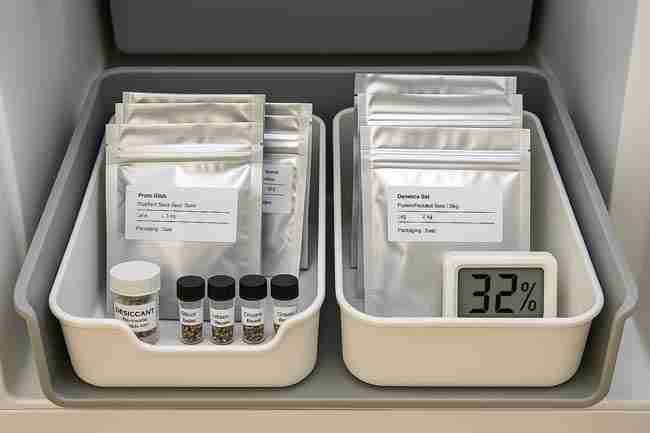
- Storage temperature: 4–8 °C (39–46 °F), dark, stable
- Storage humidity target (seed moisture): low; container RH ~20–35% with desiccant
- Best container: airtight jar or mylar with silica gel, labeled and dated
- Handle rule: dry hands, gentle pressure—no squeezing those shells
Seed anatomy & function (quick table)

| Part / Term | Where you’ll see it | What it does | Grower tip |
|---|---|---|---|
| Pericarp | The “shell” you see (it’s actually fruit skin on an achene) | Protects the true seed inside | Don’t crush it; crack = lower viability |
| Testa (seed coat) | Under the pericarp | Shield for the embryo and endosperm | Avoid aggressive scarification on fresh seeds |
| Micropyle | Tiny pore at one end | Water entry; radicle exits here | Point this “eye” slightly down when sowing |
| Embryo | Inside the seed | Baby plant (radicle + cotyledons + plumule) | Keep temps steady to trigger healthy growth |
| Endosperm (thin in cannabis) | Inside with embryo | Starter food reserves | Old seeds with depleted reserves germinate slower |
| Radicle | First root emerging | Anchors and drinks water | Plant shallow; don’t let it dry or kink |
Use this table when you’re trying to figure out which part did what—and whether you just helped or hurt it.
A–Z cannabis seed glossary (from Aleurone to Zygote)
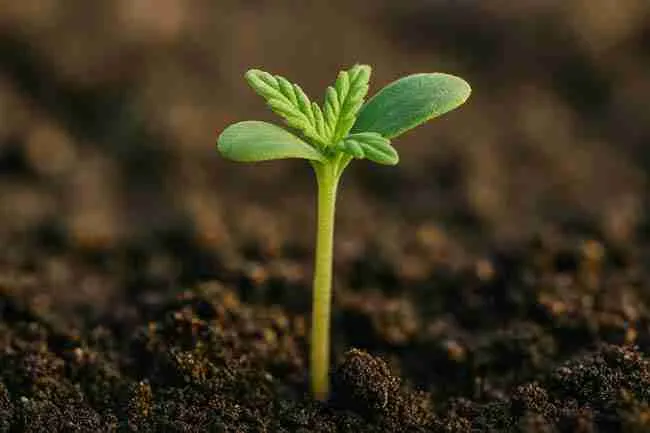
This cannabis seed glossary packs quick definitions, why each term matters, and practical tips you can use today.
A — Aleurone
What it is: Protein-rich storage cells associated with the endosperm in many seeds. In cannabis (a dicot and an achene “seed”), endosperm is thin, and protein bodies help feed the embryo during early germination.
Why it matters: The seed’s “packed lunch” powers the radicle before roots find nutrients.
Grower tip: Old or heat-stressed seeds sometimes lack enough stored energy. Use gentle warmth (24 °C) and avoid over-soaking so reserves aren’t wasted before the radicle anchors.
B — Bract
What it is: A leaf-like structure that holds the flower and later surrounds the developing achene (the “seed”).
Why it matters: When you’re pollinating, you’re targeting flowers tucked inside bracts; healthy bracts = protected seeds.
Grower tip: Keep airflow strong late bloom so bracts don’t trap moisture around maturing seeds.
C — Calyx
What it is: The sepals forming a protective cup around the flower; with bracts, it shelters the ovule that becomes the seed.
Why it matters: You’ll spot swollen calyces when seeds are developing.
Grower tip: Don’t pinch “swollen calyces” assuming they’re seeds; many are just plump and seedless.
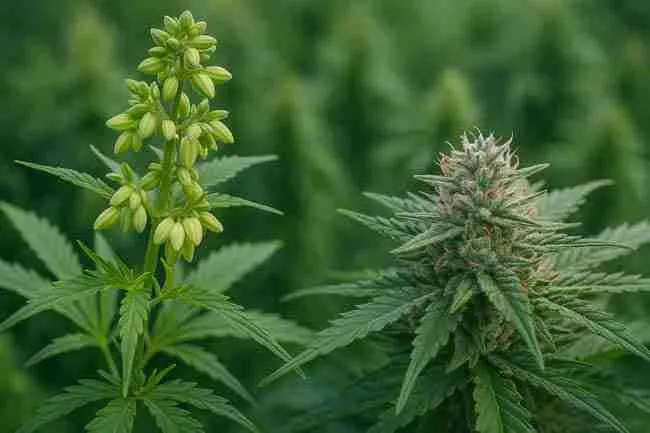
D — Dioecious
What it is: Species with separate male and female plants. Cannabis is naturally dioecious.
Why it matters: Sex matters for seed work. Males make pollen; females make the seeds.
Grower tip: Learn preflowers early so you can control pollination windows.
E — Embryo
What it is: The tiny plant inside the seed: radicle (root), cotyledons (seed leaves), and plumule (shoot).
Why it matters: The embryo is the star of germination; protect it from crushing, soaking too long, or heat extremes.
Grower tip: If a seed hull sticks to cotyledons, moisten, wait, and gently ease it off with tweezers—not force.
F — Feminized seed

What it is: Seeds bred to produce mostly female plants (XX genetics), typically by inducing pollen on a female.
Why it matters: You save space and time—more flowers, fewer males.
Grower tip: Feminized is awesome for small grows. Still scout for nanners under stress.
G — Gibberellin (GA₃)
What it is: A plant hormone that can stimulate germination and break stubborn dormancy.
Why it matters: For very old seeds, a very dilute GA₃ solution can help trigger a radicle.
Grower tip: Use sparingly (light ppm). Overuse can lead to weak, leggy seedlings. Most fresh cannabis seeds don’t need GA₃.
H — Hilum
What it is: The seed’s former attachment scar (seed’s “belly button”).
Why it matters: Near the hilum is the micropyle where water enters first.
Grower tip: If you pre-soak, orient hilum/micropyle down when planting to help the radicle find the path of least resistance.
I — Imbibition
What it is: The first step of germination: dry seed absorbs water and swells.
Why it matters: Too little water = stalled; too much = suffocation and rot.
Grower tip: Paper-towel method should be moist, not sopping. You’re going for a wrung-out-sponge feel.
J — Jiffy pellet
What it is: Peat/coco starter plug that expands with water—handy for seedlings.
Why it matters: Cleaner handling and easy transplanting.
Grower tip: Don’t over-soak the pellet; expand, then squeeze gently to “damp,” not dripping.
K — Karrikin
What it is: Smoke-derived compounds that trigger germination in some species.
Why it matters: Cool plant science, but cannabis doesn’t need smoke to germinate.
Grower tip: If someone swears by “smoked seeds,” remember: clean water, warmth, and oxygen beat gimmicks.
L — Lignin
What it is: A rigid polymer found in seed coats; adds toughness.
Why it matters: Tough coats protect the embryo but can slow water entry in very old or over-dried seeds.
Grower tip: For antique seeds, very light edge-nick (scarification) can help—stop if you see pale tissue.
M — Micropyle
What it is: Tiny pore in the seed coat where water enters and the radicle exits.
Why it matters: It’s the “doorway” for germination.
Grower tip: When sowing directly in soil, a shallow hole and the micropyle slightly down gives the radicle a head start.
N — Nucellus
What it is: Maternal tissue in the ovule; supports the embryo sac before fertilization.
Why it matters: Healthy maternal tissue → healthy seed development.
Grower tip: For seed production, keep mothers well-fed with balanced Ca/Mg and steady light to support proper seed fill.
O — Orthodox seed
What it is: Seeds that tolerate drying and cool storage (versus “recalcitrant,” which don’t). Cannabis behaves as an orthodox seed.
Why it matters: You can dry, cool, and store cannabis seeds for years with minimal viability loss.
Grower tip: Dry to safe levels and store with desiccant; avoid frequent warm-cold cycling.
P — Pericarp
What it is: The fruit wall of an achene (that’s what we call the whole “seed” you hold). It’s fused to the seed coat.
Why it matters: This outer layer takes the bumps.
Grower tip: If you ever “file” a very old seed, you’re thinning pericarp/testa—go slow and stay superficial.
Q — Quiescence
What it is: A reversible, resting state when the seed is dry and inactive.
Why it matters: Quiescent seeds aren’t dead; they’re just paused until moisture and warmth arrive.
Grower tip: If a viable seed hasn’t popped, check temp and oxygen. Cold, soggy towels create false “it’s dead” moments.
R — Radicle
What it is: The first root that emerges.
Why it matters: If the radicle dries or kinks, the seedling stalls.
Grower tip: Move sprouted seeds into medium as soon as you see 0.5–1 cm (¼–⅜ in) of radicle—don’t let it knit into paper towel fibers.
S — Scarification
What it is: Light scratching/nicking of the seed coat to help water in.
Why it matters: Useful for very old or super-hard seeds only.
Grower tip: Most fresh cannabis seeds do not need scarification. If you try it, use a fine emery board and stop early.
T — Testa (seed coat)
What it is: Protective coat of the seed beneath the pericarp.
Why it matters: Testa integrity helps long storage life.
Grower tip: Don’t squeeze seeds to “check hardness.” That’s embryo-squish territory.
U — Ungerminated
What it is: A seed that hasn’t sprouted yet, but may still be viable.
Why it matters: Ungerminated ≠ dead. Conditions might be off.
Grower tip: Re-assess: 24 °C warmth, fresh oxygen, clean moisture, and patience up to 10–14 days for older seeds.
V — Viability
What it is: The seed’s ability to germinate and become a healthy seedling.
Why it matters: High viability = high success rates.
Grower tip: Test a small batch before sowing your whole stash. Store the rest sealed and cool to preserve viability.
W — Water activity (aw)
What it is: How “available” water is in a container or environment (0–1.0 scale).
Why it matters: Low aw in storage prevents mold and slows aging.
Grower tip: Silica gel packs inside airtight jars keep aw low; swap or recharge desiccant every few months.
X — Xenia
What it is: Direct effect of pollen genetics on seed/fruit traits (seen in some crops).
Why it matters: In breeding conversations, you’ll hear xenia, but for growing, you’ll mainly care that pollen source matters.
Grower tip: Isolate breeding projects so only the pollen you want gets in.
Y — Yield potential (seed-based)
What it is: How the seed’s genetics and vigor influence eventual plant productivity.
Why it matters: Good seed handling protects vigor so genetics can shine.
Grower tip: Start strong: steady temps, gentle light, and no heavy feeding until true leaves show.
Z — Zygote
What it is: The very first cell formed when pollen (male) fertilizes the ovule (female).
Why it matters: Every seed begins as a zygote. If you’re breeding, zygote formation is the bullseye moment.
Grower tip: Time pollination for fresh, receptive stigmas and viable pollen; keep humidity moderate to safeguard fertilization.
Pros & cons you’ll actually use

You asked for real-world helps, so here are clear trade-offs you’ll face.
Seed types
Regular seeds
- Pros: Full genetic diversity; essential for breeding; strong vigor.
- Cons: Males must be identified and removed; space/time cost.
Feminized seeds
- Pros: Nearly all females; efficient in small tents; predictable.
- Cons: Stress can trigger intersex in weak conditions; fewer male genetics for breeding.
- Pros: Fast lifecycle; light schedule flexibility (18/6 start to finish); compact.
- Cons: Less training time; stress early = fixed yield loss; fewer clone options.
Germination methods

Paper towel in bag/container
- Pros: Easy to monitor; fast imbibition.
- Cons: Roots can tangle in fibers; risk of drowning if too wet.
Direct-to-soil or coco
- Pros: No transplant shock; radicle grows undisturbed.
- Cons: You can’t watch progress; overwatering soil can stall sprouts.
Starter cubes / plugs (rockwool, peat, coco)
- Pros: Clean handling; tidy transplants.
- Cons: Rockwool needs pH prep; pellets can get waterlogged if you over-soak.
Tables you can use during grow day
Storage setup checklist (action table)
| Step | Action | Why it helps | What to avoid |
|---|---|---|---|
| 1 | Dry seeds to safe levels | Reduces metabolic aging | Heat drying (damages embryo) |
| 2 | Add desiccant to jar | Lowers water activity (aw) | Using rice (weak desiccant) |
| 3 | Seal airtight container | Blocks moisture/oxygen swings | Frequent opening and “peeking” |
| 4 | Cool, dark shelf or fridge | Slows aging reactions | Freezer without dry-down & vacuum sealing |
| 5 | Label & date | Tracks viability over time | Mystery jars and mixed lots |
Quick troubleshoot list

- Seed swelled but didn’t crack → too cold or too wet; warm to 24 °C and re-oxygenate.
- Helmet head (hull stuck) → add a humidity dome and a drop of water; wait, then ease off.
- Taproot curled upward → sowed too deep or seed flipped; re-sow shallow with micropyle slightly down.
- Mold threads in towel → swap to fresh, just-damp towel; sanitize container; less water.
“Specifications” for germination that protect vigor

- Temperature stability: Aim for a ±1–2 °C swing across day and night for consistent enzyme activity.
- Light: Seeds don’t need strong light to pop, but once cotyledons show, give gentle PPFD ~150–250 to prevent stretch.
- EC: Start at 0.2–0.4 mS/cm (mostly water + a touch of Ca/Mg if your water is soft).
- Water quality: Low chlorine/chloramine water helps; let tap water sit 24 h or use a carbon filter.
- Oxygen: Avoid flooded towels or soggy soil. Roots breathe.
- Handling: Touch the seed coat, not the radicle. If you must move a sprout, hold the shell gently.
A practical list of seed-handling do’s and don’ts

Do
- Date every pack and jar.
- Keep backup desiccant packs on hand.
- Warm cold-stored seeds to room temp (sealed) before opening to avoid condensation.
- Plant shallow—about 1–2x seed thickness deep.
- Use this cannabis seed glossary to decode weird labels.
Don’t
- Squeeze seeds to “test hardness.”
- Boil seeds with heat mats; monitor with a thermometer.
- Drown seeds in cups for days; soaking is a short pre-wet, not the whole show.
- Peel cotyledons dry; always re-hydrate first.
- Mix seed lots in one jar—you’ll lose track of viability.
FAQ (built from real grower questions)

What’s the micropyle and why should I care?
It’s the tiny pore where water enters and the radicle exits. Point it slightly downward when sowing so the root doesn’t U-turn.
Are cannabis seeds “orthodox” or “recalcitrant”?
Cannabis behaves like an orthodox seed: it tolerates drying and cool storage, which is great news for long-term seed banks.
How long do properly stored seeds last?
Handled well (dry + cool + dark + airtight), many growers see good germination 3–5 years, with some viable even longer. Test a few seeds each year.
Do I need to scarify cannabis seeds?
For fresh, quality seed—no. Light scarification is only for very old, stubborn seeds, and even then it’s easy to go too far.
Is a 24-hour soak required?
Optional. A 12–18 hour soak softens the coat. After that, move to a moist (not wet) environment with oxygen. Don’t soak for days.
Why do some seeds pop in 24 hours and some take a week?
Age, storage history, shell hardness, temperature, and water quality all matter. Old seeds can need 7–14 days with dialed-in warmth and moisture.
What’s the difference between pericarp and testa?
Pericarp = the fruit’s outer wall (achene “shell”). Testa = the seed’s own coat under the pericarp. They’re fused, which is why the “shell” looks single-layer.
Does GA₃ (gibberellin) guarantee germination?
No. It can help wake stubborn or aged seeds, but poor storage damage can be irreversible. Use very dilute solutions only.
Bonus: Side-by-side method comparison (quick reference)
| Method | Best for | Watch-outs | When to choose it |
|---|---|---|---|
| Paper towel in bag | Monitoring progress | Over-wet towels = low oxygen; roots tangle | You want a visual “go/no-go” |
| Direct-to-soil/coco | Minimal handling | Overwatering stalls sprouts | You prefer simple and low-stress starts |
| Starter cubes/plugs | Clean transplants | Prep pH (rockwool), avoid sogginess | You want tidy, scalable starts |
Real-world story snap (because it sticks)

You soak three older seeds overnight—no more. Next morning, you plant each in a small hole, micropyle slightly down. The tent sits at a steady 24 °C, you mist the top layer and cover with a clear dome for gentle humidity. Day two, one radicle peeks; you move it carefully, holding the shell, into its home. Day three, “helmet head” on seed #2—no panic. You fog the hull, wait 30 minutes, and tease it off. Day four, seed #3 says “fashionably late,” but warmth plus patience pays off. Three sprouts, zero drama—because you knew your cannabis seed glossary cold.
The last thing you check before you press “germinate”
- Temp steady? 21–26 °C
- Water clean and not drowning the seed?
- Micropyle roughly down, shallow depth?
- Oxygen and light airflow (not a swamp)?
- Storage jar back in the cool, dry dark?
If yes, you’re golden.