


Cannabis Seed Germination: Paper Towel, Water Glass, and Autos

Cannabis seed germination is the short window when a dry seed drinks, cracks, and pushes a white taproot. That is the whole job. Warmth, moisture, air, and darkness. If you skip one, the seed sits. If you drown it, it rots. The old page on this URL already had the right pieces: paper towel, a glass of water, rockwool, heat mats, planting depth, and damping off. This rewrite keeps that backbone and teaches the methods people actually search: the paper towel seed germination method, germinate seeds in a water glass, and germinating autoflower seeds in paper towel versus going straight into the final pot.
You do not need a kit. You need clean water, a warm dark spot, and the nerve to leave the seed alone. Fresh seed from a real pack pops in a day or two. Old seed takes longer. Autos use the same biology as photoperiods. The difference is the clock after they sprout. Handle an auto taproot like glass, or skip the towel and drop it in the pot it will finish in. This page is how to do all of that without killing a $12 bean on the kitchen counter.
What Cannabis Seed Germination Actually Is

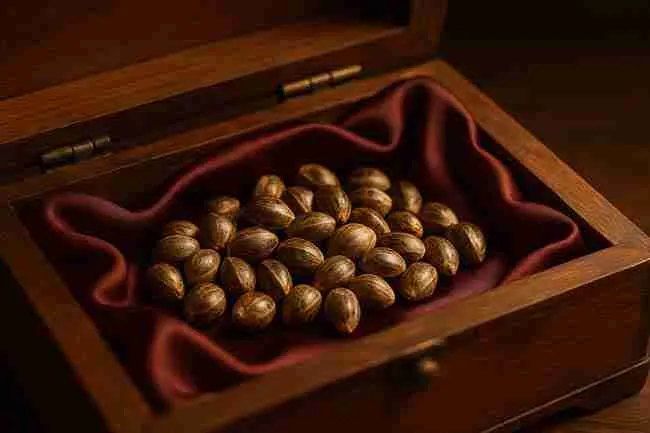
A ripe seed is a packed lunch. Dark, hard, often tiger-striped. Pale green or white beans are immature. They rarely have enough fuel to push a root. Good seed: what good cannabis seeds look like. Buy from a catalog that stores them cold and dark: cannabis seeds store.
Water wakes the embryo. The shell splits. The radicle, the taproot, comes out first. That root always wants down. The hook and the cotyledons come later, after you plant it. Germination is done when you have a live white tip, not when you see a leaf. Leaves are the seedling stage: seedling stage of growth.
What a cannabis seed taproot is
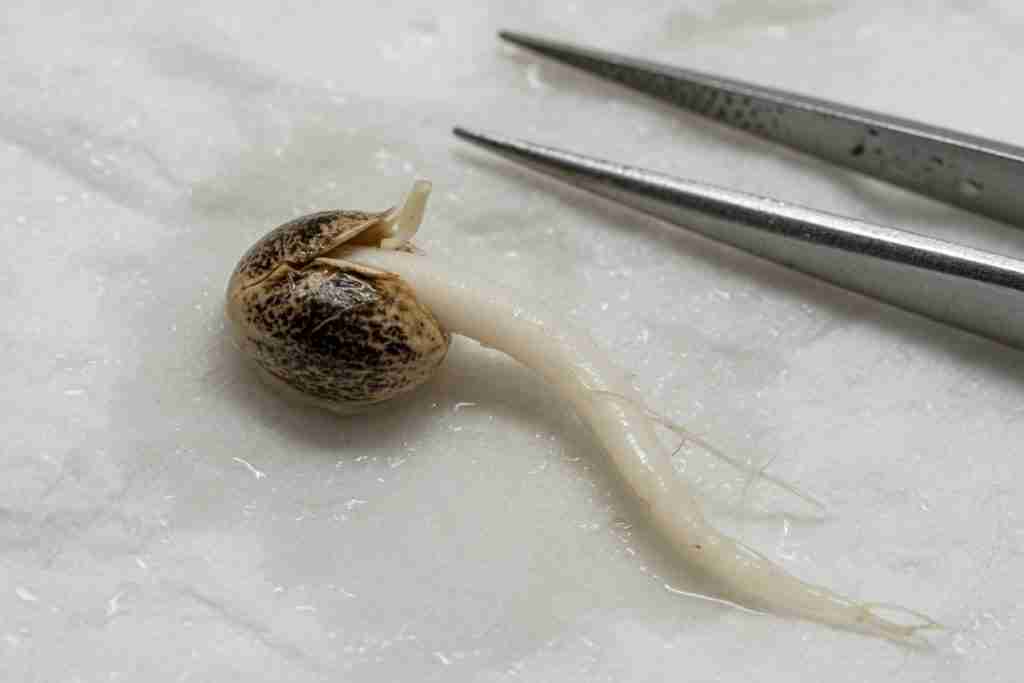
The taproot is the first white spike out of the crack. It is brittle. Touch it and you can snap the plant’s future in half. Plant when it is about 3–10 mm, a quarter inch to a half inch. Longer looks impressive and then folds when you pick the seed up. Handle the shell with tweezers. Root points down in the hole. Gravity will try to fix a crooked drop. A smashed tip will not.
What to Do When Your Cannabis Seeds Arrive
Do not rip the pack open under a shop light and toss them in wet dirt the same hour if the room is 60°F. Let the pack sit at room temp if it came from a cold truck. Store extras in the dark, dry, and cool. Heat and humidity in a kitchen drawer kill viability. How packs die in storage: seed storage mistakes. Old beans need extra patience: starting old cannabis seeds.
Have the medium ready before the taproot shows. A seed that cracks at 2 a.m. with no cup mixed is how people leave a root on a towel until it is two inches long and then break it. Mix a light seed starting soil, or soak rockwool and pH it, the day you start the soak.
Pick a Method: Water Glass, Paper Towel, or Straight Into Medium
There is no one winner. Paper towel gives you eyes on the root. Water glass softens a hard shell. Direct sow never touches the tip. Plugs and rockwool sit between those. Fresh feminized photoperiods: paper towel is the usual teacher. Hard, old, or thick-shelled seed: 12–24 hours in a glass, then towel or soil. Autos: same germ biology. After they pop, many growers skip transplant and drop them in the finish pot. That is not because autos “cannot” use a towel. It is because the auto clock does not wait while you recover from a bent root.
- Paper towel: see the root, high success if the towel stays damp not wet. Risk is the move.
- Water glass: simple, good pre-soak. Do not leave them swimming for days once the root is out. Oxygen gets scarce.
- Direct soil or final pot: no handling. You wait blind. Beginners overwater because “nothing happened.”
- Rockwool / Rapid Rooter: hydro and coco people. pH the cube. Do not squeeze it like a sponge over the seed.
Germinate Seeds in a Water Glass
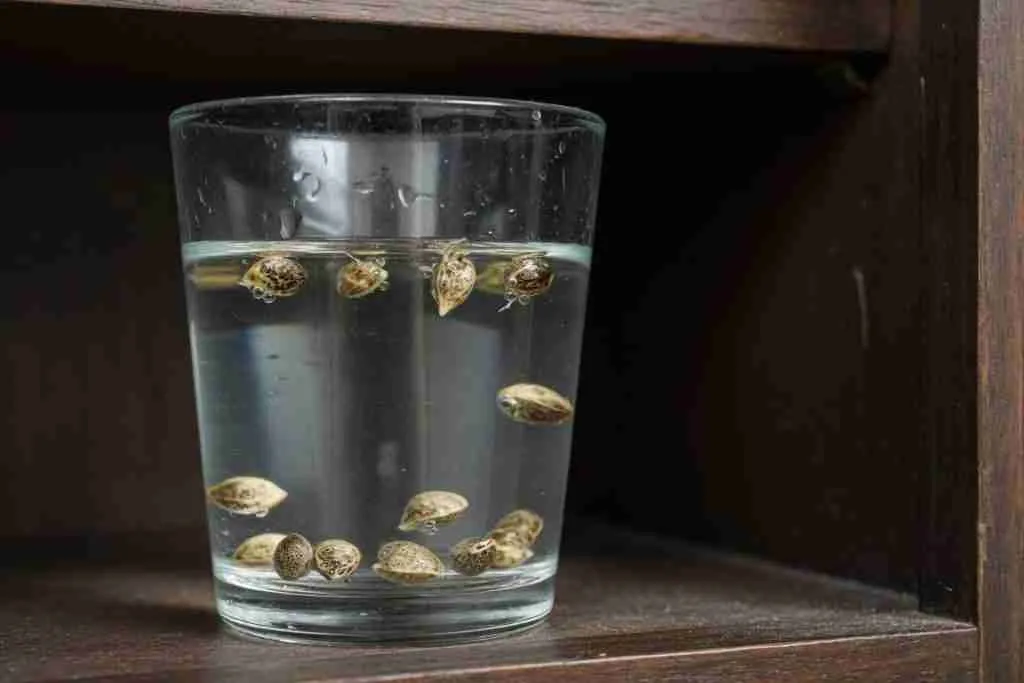
Fill a clean glass with room-temperature water. About 70–75°F (21–24°C). Tap is fine if it is not softened salt or swimming in chlorine. Bottled or left-out tap is safer if your city water is harsh. pH around 6.0–6.5 is nice. It does not have to be lab perfect. Drop the seeds in. Put the glass in the dark. A cupboard is enough.
Most seeds float at first. That is air in the shell, not a death sentence. Many sink after a few hours as they drink. A seed that still floats at 24 hours can still pop. The old “floaters are duds” line is oversold. Pale, cracked, or crushed seeds are duds. Dark floaters get 24 hours, then move to a towel if they have not cracked.
How long to soak
12–24 hours is the useful window. You are hydrating the shell, not drowning the embryo. Past 24–36 hours with no crack, the seed is using oxygen in still water. That is when people get slime and a sour smell. If a taproot is already out in the glass, plant it. Do not wait for a two-inch root in a cup. There is no air down there for a long root.
This method shines on older seed and hard shells. The soak is the wake-up. Then paper towel or a hole in mix. Combined soak-plus-towel is what a lot of growers actually run: glass overnight, towel until the tip shows, then medium. That is not two methods fighting. It is one sequence. Extra tricks for stubborn beans: boosting cannabis seed germination.
Change the water if it goes cloudy. That is bacteria. A film on the surface is the same warning. Dump, rinse the glass, fresh water, seeds back in if they have not cracked. If they have a root already, plant. Do not “refresh” a rooted seed in a new cup for another night. A glass on a sunny windowsill is also wrong. Light plus algae plus heat. Dark cupboard. Label the glass if you have two strains. Mixing packs in one mug is how you grow the wrong plant for eight weeks.
Softened tap water (the kind that tastes salty or the dishwasher needs less soap) is a bad soak. The sodium does not help an embryo. If you only have that, use bottled spring or distilled. Distilled has no minerals, which is fine for 24 hours. You are not feeding. You are hydrating. After they are in soil, you can worry about Cal-Mag. Not in the mug.
Paper Towel Seed Germination Method
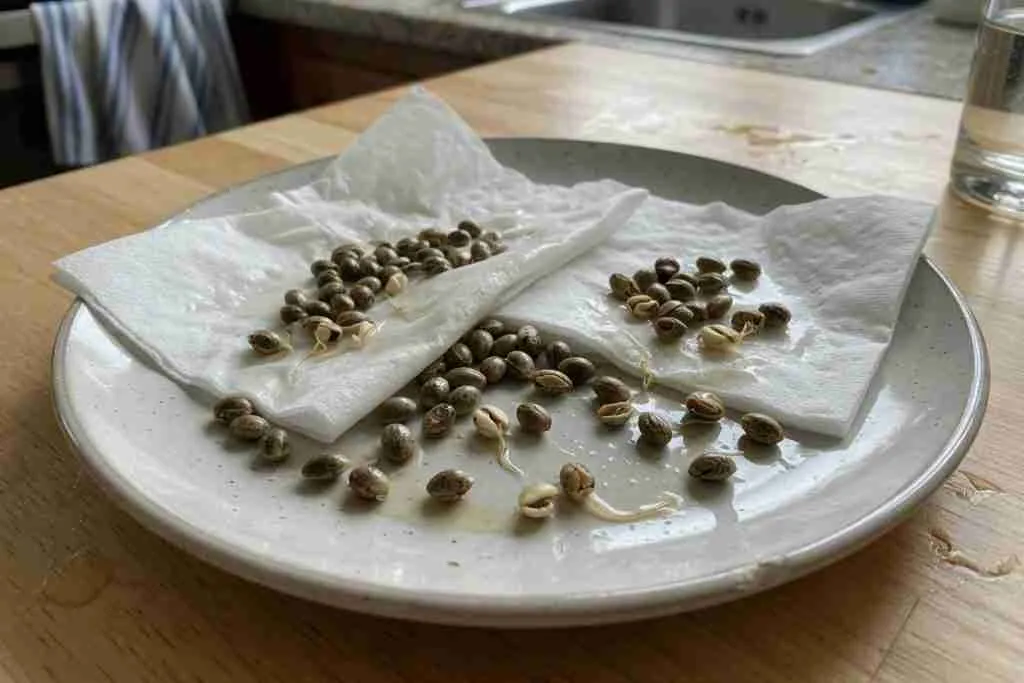
This is the classic because you can see the root before you commit the hole. Plain white paper towel. No print, no perfume. Two plates, a clean container, or a bag left slightly open. Distilled or clean tap. Spray bottle helps.
Step by step
- Wet the towel. Squeeze it. Damp, not dripping. If you tilt a plate and water runs, it is too wet. That is how seeds mold.
- Lay one layer on a plate. Space seeds an inch apart, off the edges.
- Cover with a second damp layer. Press gently so the paper touches the seed. Air still has to move. Do not make a wet brick.
- Cover with the second plate or slide into a bag. Dark. Warm. About 73–80°F (23–27°C). Top of a fridge, a cupboard, a seedling mat on low under the plate not cooking it.
- Check every 12 hours. Remoisten if the paper is going pale dry. Do not unfold it ten times a day. Light and cold air stall them.
- When the taproot is 3–10 mm, plant. Root down. Shell in the fingers or tweezers. Do not pinch the white tip.
Fresh seed often cracks in 24–48 hours. 72 hours is still normal. Some old seeds take five to seven days. Keep the paper alive that whole time. A dry towel on hour 30 kills a seed that would have popped at hour 40.
Cannabis seeds not germinating in paper towel
If nothing happens in 24 hours, wait. The old page said put them back and give another 24, then keep going. That is right. Do not throw a $10 pack at 36 hours. Check moisture and heat first. A 65°F bathroom counter is why “the towel method failed.” Move them to 75°F. If the towel is bone dry, you cooked them with neglect. If it is swampy and smells, you drowned them. New towel, less water, same seeds if they are not slimy.
A buddy of mine sealed a dripping towel in a zip bag on a heat mat set for clones. Day two it was a petri dish. Yikes. Squeeze the towel. Leave a corner of the bag open if you are in a humid house. In a dry house, close it more. The paper should feel like a wrung-out dishcloth, not a sponge in a puddle.
Printed paper towels can bleed ink. Scented ones carry whatever they spray in the factory. Cheap one-ply falls apart and the root grows through the fibers. Then you tear the root pulling the paper off. Use a decent two-ply white sheet, or a coffee filter if that is what is clean. Coffee filters do not lint as much. Two plates face to face work better than a sealed bag for a lot of kitchens because a little air still moves. In Arizona in July, the plates dry out. Use the bag.
If the taproot grows into the paper, do not rip. Wet the paper until it lets go. Cut around the root if you have to and plant paper and all if it is a tiny scrap of fiber. A long root that dried on the towel for an hour while you hunted a cup is often done. Keep the medium ready. That is the whole point of the method: you see the moment, you plant the moment.
Germinating Autoflower Seeds in Paper Towel
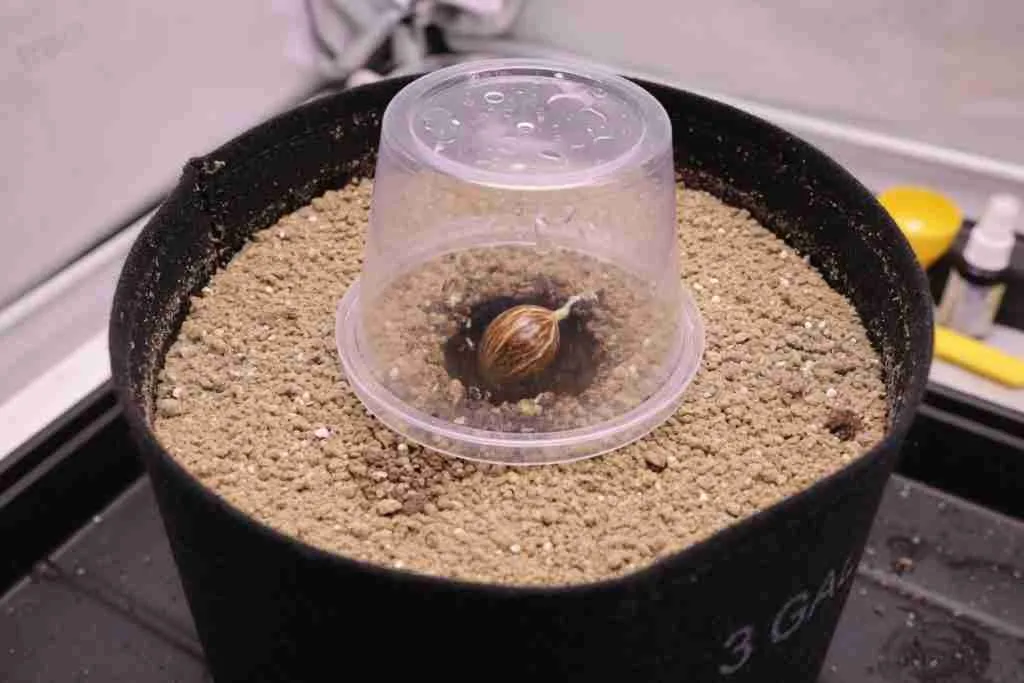
Autoflower seeds germinate the same way. Same temperature. Same damp paper. Same 24–72 hours for a vigorous bean. The fight on forums is not “will a towel pop an auto.” It will. The fight is transplant stress. Autos flower by age. They do not wait in veg while you fix a snapped tip. One rough move can stall a plant that had three weeks to build a bush and now wants to flower on a six-inch stick.
If you use paper towel on autos, transfer the second the root is 0.5–1 cm. Straight into the pot it will finish in, usually 3–5 gallons of light mix, not a solo cup you will rip in ten days. Hole about half an inch. Root down. Cover light. Mist. Dome optional. Do not tease the root into a spiral. Do not bury it an inch and a half “to be safe.”
If you do not want that risk, skip the towel. Soak 12 hours, then plant the seed in the final pot, pointed end down, quarter to half inch deep. You wait 5–7 days to see a sprout. That wait makes people water. Don’t. The surface stays barely moist. A clear cup over the hole holds humidity without flooding. Paper towel is still useful if you have six autos and want to know which two beans are dead before you occupy six big pots. Just move them early and once.
Photoperiods forgive a solo cup and a later up-pot. You can veg until the plant is ready. Autos do not get that meeting. Flower starts on a calendar in the plant, not when you flip a timer. A stunted auto from a bent taproot still flowers. It just flowers small. That is why some growers say “never towel an auto.” The honest version is: towel if you need to test the pack, then one careful drop into the finish pot with a short root. Or never towel, and accept that one in ten might be a dud occupying dirt for a week. Photoperiods: photoperiod cannabis seeds explained.
Do not start an auto in a Rapid Rooter, then jam that cube into a five-gallon a week later unless you know how to bury the cube without a gap. Air pocket under a cube plus an auto is a stall. If you run coco or hydro, a cube into the final system on day one is fine. Soil growers: mix in the pot, seed in the middle, leave it.
Direct Soil and Other Mediums
Seed starting soil
Light mix. Air in it. Not garden dirt. Not hot potting soil full of feed. The seed has its lunch. Extra salt burns a baby. Moist, not wet. Finger in the top half inch. If it sticks like mud, wait. Depth: no more than one inch, half an inch is plenty. The seed uses its own energy to push out. Too deep and it dies underground. That is a common way cannabis seeds die shortly after germination. Mediums: best medium to grow cannabis.
Rockwool cubes

Hydro and coco people live here. Soak the cube in pH’d water around 5.5–6.0 until it is wet through, then let it drain. It should be heavy and damp, not a dripping brick you wring over the seed. Drop the seed in the pre-cut hole, taproot down if it already sprouted, or pointed end down if dry. Pinch the hole closed gently. Keep the cube warm. Do not sit it in a tray of standing water. That is damping off in a yellow square.
Heat mats
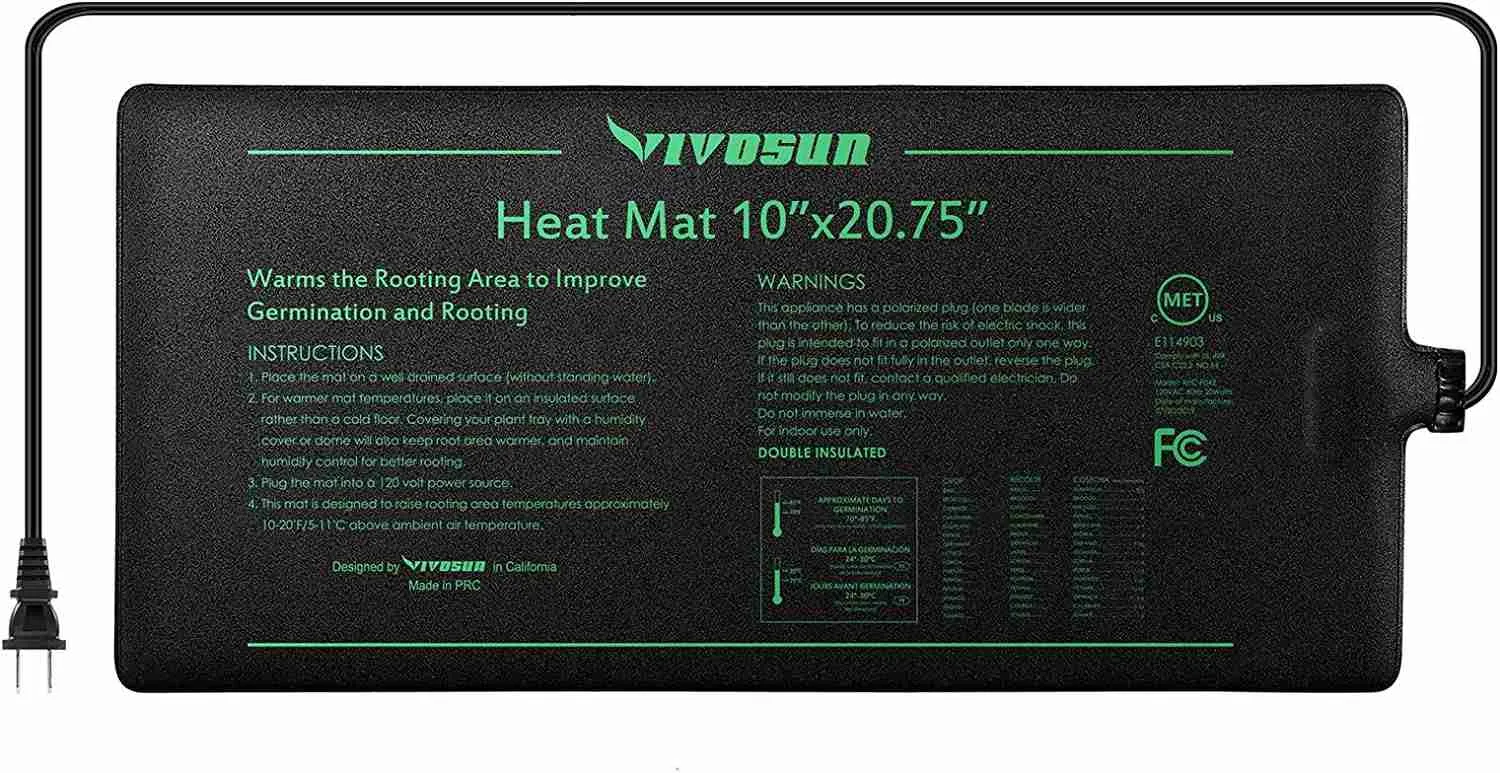
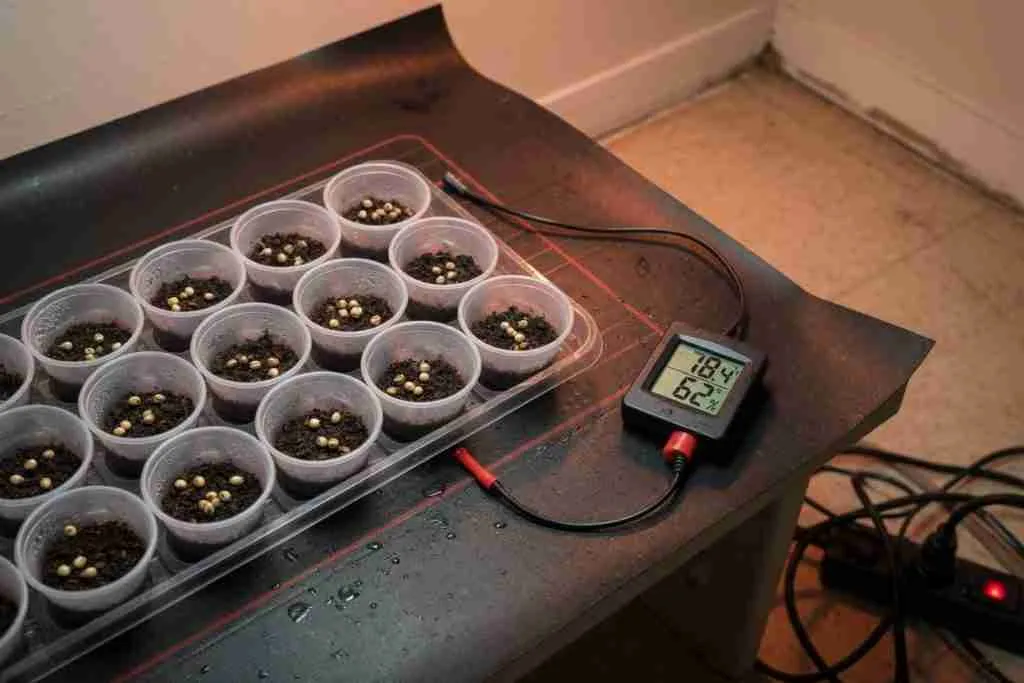
A mat is for a cold house. Target the seed zone around 75–78°F, not 90. A thermostat probe in the medium beats guessing. You can set a plate of towels or a glass on the mat. You can set cups on it. Dark still matters. The mat is not a grow light. Once the seedling is up, too much bottom heat plus wet mix cooks roots. Use it to germinate, then back off.
How Deep to Plant, and How You Set the Root
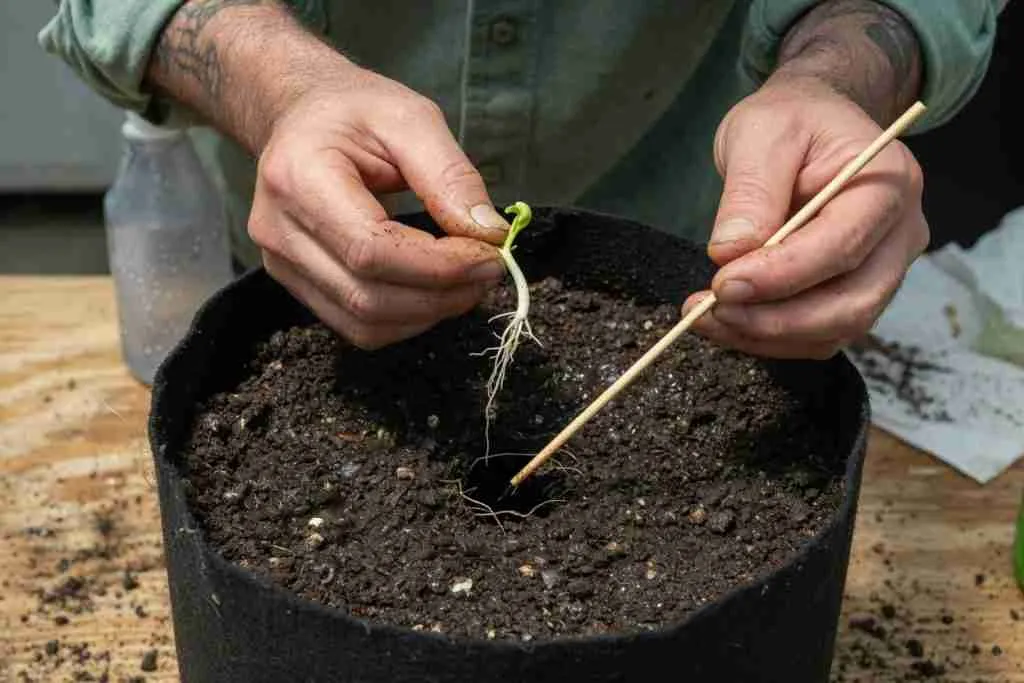
No more than one inch. Half an inch is the usual. Cover so the seed is dark and the mix contacts it. Do not tamp like you are paving a driveway. Water around it, not a blast that washes the seed to the side of the cup. Root down. If you cannot tell which way the root points, lay the seed on its side in a shallow hole. The root will find down. A seed planted two inches deep in cold wet peat is a funeral.
How Long Germination Takes
Fresh seed, warm and damp: taproot in 24–48 hours on a towel, often by 72. Planted, it can break the surface in under a day after that because the engine already started. Direct in mix: 2–7 days to see a sprout, commonly 3–4 for good seed. Autos on a towel: often 36–48 hours if they are vigorous. Autos in soil: 5–7 days to break dirt is normal. Do not dig them up on day three to “check.” You break the hook.
How long germinated seeds take to break the surface
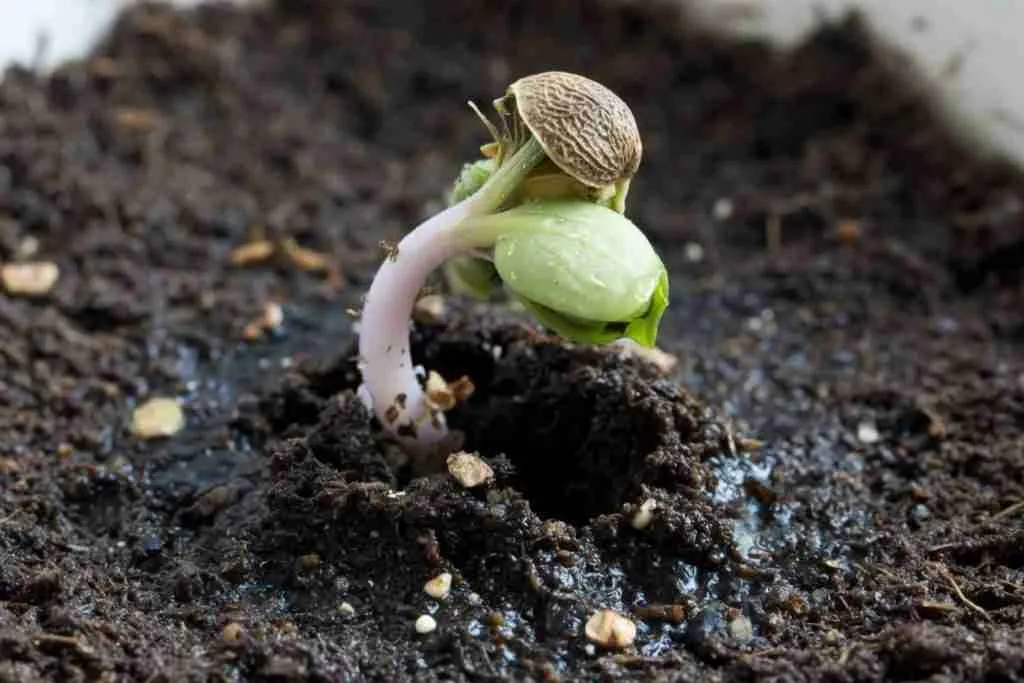
Paper towel then plant: often 12–24 hours to see the loop. Direct sow: two to four days is typical, a week is not a failure if the mix is cool. Keep the surface barely moist. A humidity dome or a cut bottle helps. Once you see green, give light. Dim LED, not a 600W lamp at four inches. How much light cannabis seeds need and grow lighting for cannabis.
Fastest germination
Warm, fresh, pre-soak 12 hours, then a damp towel in the dark. That is the speed run. It is not a contest. A root that appears in 18 hours and then sits in a swamp is worse than a root that appears in 60 hours and goes straight into mix. Old seed is slow. Scarify or a longer soak if the shell is a rock. Do not sandpaper a fresh feminized bean “for luck.”
Temperature, Humidity, and Light
Best germ range on the old page still holds: about 73–81°F (23–27°C), steady. Below 68°F they stall. Above 86°F they cook or rot. Swinging 15 degrees from day to night is worse than a steady 74. Humidity stays high around the seed. That is why the bag and the dome exist. Once the seedling is up, you still want moist air, not a closed wet tomb. Environment: best growing environment.
Do cannabis seeds need light to germinate? No. They want dark until they are in the medium. Light on a towel dries it and confuses the job. After they break the surface they need a gentle lamp. First week: healthy seedlings first week. Day by day: cannabis seedlings day by day.
Why Cannabis Seeds Fail to Germinate
Bad seed. Bad storage. Too wet. Too cold. Too hot. Too much air on a dry towel. Planted too deep. Taproot broken. Mold on the shell. You cannot bottle-feed a dead embryo. Pale, cracked, or five-year-old desk drawer beans are the usual story. Fresh dark seed in a 75°F damp towel is boringly reliable.
Give a quiet seed time. 48 hours is not a verdict. 7 days on a wet towel with no crack, and the seed is likely dead. A seed that cracked but never pushed a root, or pushed a brown stub, is dead. Do not keep a rotten bean next to live ones. One moldy seed will share. When you give up, open it if you want the lesson: empty shell, brown mush, or a dry unused embryo. Then start a new one. Hoarding a corpse in the towel does not honor the pack.
Planting into hot soil (bag says “feeds for 3 months”) is a quiet killer. The seed pops, then the salt burns the tip. Use a light starter or mix your flower soil with extra perlite and no extra bottle for the first week. Coco should be pre-buffered and just damp. A dry coco puck will suck water out of the seed. Hydrate coco first. Always.
Mold, pests, and hydrogen peroxide
Warm plus wet plus dirty paper is a fungus farm. Use a new towel. Clean glass. Do not cough on it. If you see fuzz, that seed is done. A dilute 3% hydrogen peroxide soak (about 1 part peroxide to 6–10 parts water, 12 hours, not a bath for two days) can knock surface mold and add a bit of oxygen. It is a tool for old or suspect seed, not a daily vitamin. Straight peroxide on a towel will burn. The old page’s peroxide photo was a pH bottle. Measure if you care. Do not invent a chemistry set.
Nutrients, B1, boosters, gibberellic acid
The seed has food. You do not feed a dry bean a bloom bottle. Light water. Maybe a drop of kelp or a commercial seed soak if you like rituals. B1 and “boosters” will not raise a dead seed. Gibberellic acid is a last-ditch for stubborn old stock, a pinch in the soak, not a spray on fresh $15 feminized seed. Most failures are moisture and heat. Fix those before you shop enzymes. Yellow seedlings after they are up is a different page: cannabis seedling yellowing.
Germinated but Not Growing: Damping Off

The seedling comes up, then folds at the soil line like it was pinched. That is damping off. Wet, stale air, cold mix, dirty cube. The stem cannot hold. It dies in a day. You do not water it back to life. Next round: drier surface, more air, warmer, sterile plug. Full write-up: damping off in cannabis seedlings. If the whole plant is collapsing later, that is cannabis plants are dying, not germ.

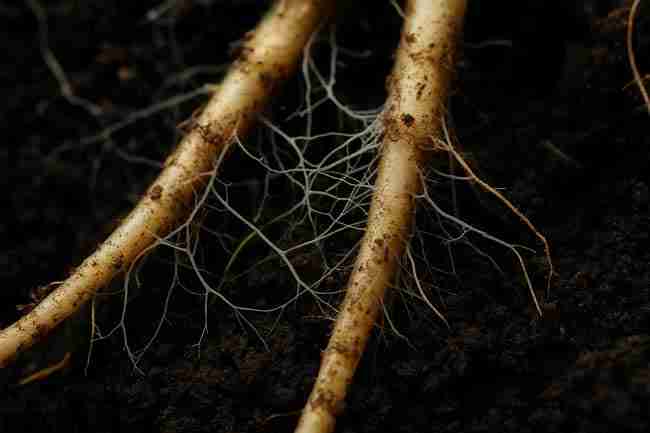
Healthy start looks like white roots, a stiff stem, and cotyledons that open. Not a wet yellow thread. Roots: healthy cannabis roots.
Cannabis Seeds Germinated. Now What

Light on, gentle. Water when the mix lightens, not on a calendar. Do not fertilize day one. Label the cup. Photoperiods can live in a small pot and move up. Autos prefer the pot they will finish in. Do not peel the seed cap off the cotyledons unless it has been stuck dry for a day. A drop of water on the cap usually frees it. Ripping it rips the leaves. Watering after they are up: water cannabis plants.
The first 72 hours above ground are still germination’s hangover. The taproot is hunting. The stem is thin. A fan on high will dry the mix and flop the seedling. A closed dome in a hot tent will cook it. Crack the dome once you see green. Aim a gentle LED from farther than you think. Stretch means the lamp is weak or far. A flat, pale, crispy top means it is too close. Cotyledons only is day one. First true serrated leaves mean you are in seedling, not germ. Then follow the seedling guides, not this page.
A germination kit is a tray, a dome, sometimes a mat. It is not magic. It is humidity control in a box. If you buy one, still squeeze the medium. Still watch heat. The kit does not water itself. If you already have plates and a towel, you already have a kit. Spend the money on seeds and a dimmable light.
Germination Time Chart
- Soak in glass: 12–24 hours, then move. Do not camp for three days after the root shows.
- Paper towel, fresh seed: taproot 24–72 hours. Plant at 3–10 mm.
- Paper towel, old seed: 3–7 days. Keep it damp. Do not quit at 36 hours.
- Direct soil, fresh: sprout in 3–7 days. Do not excavate.
- Autos on towel: often 36–48 hours if vigorous, then immediately to the finish pot.
- Break surface after a towel plant: often under 24 hours. After direct sow: 2–4 days typical.
Quick answers
What is the best paper towel seed germination method? Damp not wet towels, seeds an inch apart, dark, 73–80°F, check twice a day, plant when the taproot is a quarter to half inch. That is the method.
How do I germinate seeds in a water glass? Room-temp clean water, dark, 12–24 hours. Sinkers are hydrated. Floaters can still be good. Plant or move to a towel when they crack. Do not raise a long root in the glass.
Can I germinate autoflower seeds in a paper towel? Yes. Same towel method. Move them the moment the root is short, into the pot they will finish in. Or skip the towel and sow in that pot after a short soak so you never touch the tip.
Do I need light? Not until they break the surface. Then a dim LED. Darkness for the towel and the glass.
How deep? About half an inch. Never more than an inch.
They floated. Are they dead? Not automatically. Give them 24 hours. Judge the shell and the calendar, not the first float.
A Simple Order That Actually Works
If you want one path instead of a menu, use this. It covers photoperiods and autos. It uses the water glass and the paper towel without turning either into a religion.
- Day 0, morning: mix cups or the finish pot. Water the mix so it is even, not a swamp. Label.
- Day 0, night: seeds in a glass of room-temp water, dark cupboard, 12–18 hours.
- Day 1: sink or not, move to a squeezed-damp towel between plates, 75°F, dark. Check at lights-out.
- When the taproot is a few millimeters: hole in the mix, root down, half inch, cover, mist, optional cup dome. Autos go in the pot they finish in. Photoperiods can use a small cup.
- Leave it. Peek once a day. Do not water until the surface actually needs it.
- Green loop: crack the dome, dim LED on, still no bottles.
That sequence is soak, towel, plant. You get hydration for hard shells, eyes on the root, then dirt. If you hate handling roots, delete the towel step and plant after the soak. If you hate waiting blind, keep the towel and move fast. Both are cannabis seed germination. Neither needs gibberellic acid on a fresh pack.
Write the date on the cup. Write the strain. Eight weeks later you will not remember which towel was which. If two seeds go in one towel, space them and plant the first that pops without waiting for the slow one to catch up. The slow one can wait another day on a fresh damp corner. The fast one should not sit in the open air while you negotiate with its sibling.
If the room is 64°F, none of this is fair. Get a mat or a warmer room. If the room is 90°F, skip the bag, watch the towel like a hawk, and do not put the plate on a black dashboard. Heat plus wet is rot. Heat plus dry is a raisin. The seed wants spring, not a sauna and not a basement.
Last thing. A germination fail is usually the grower or the storage, not a curse. Buy seed that was kept properly, start it warm and barely damp, plant a short white root pointing down, and give it a day of peace. That is the whole craft. The rest of the garden is later.
Troubleshooting Checklist
- Nothing at 24 hours: wait. Check that the towel is still damp and the spot is actually 73°F plus. A phone thermometer on the plate lies less than your guess.
- Nothing at 5 days, seed still hard: likely dead or too old. Try a fresh 12-hour soak on a new bean. Do not scarify a whole pack out of spite.
- Seed cracked, no root, slime: too wet. That one is done. New towel, less water.
- Root is two inches and stringy: you waited. Plant it anyway, very carefully, in a deeper hole so you do not fold it. Next time plant at half an inch of root.
- Planted, nothing for a week: mix too deep, too wet, or too cold. Do not dig unless you are willing to lose it. Feel the cup. If it is a brick, let it dry a day.
- Sprout then flop: damping off. Air, drier surface, do not reuse that cube.
- Cap stuck on the leaves: one drop of water. Wait. Do not tweeze the leaves off.
Humidity domes: useful until they are not. On a cold dry week they save a mix from crusting. On a wet week they make a terrarium for fungus. If the walls of the cup are raining, crack it. If the mix is pale and the seed is sitting in dust, close it and mist the towel or the surface, not the seed. A dome is not a substitute for a warm room. It only holds what moisture you already have.
You will see people online add carbon, aloe, honey, willow, chamomile tea. Honey in a towel is sugar for mold. Aloe is mostly water. Chamomile is a mild anti-fungal some gardeners like. None of it beats a clean towel and the right temperature. If your germ rate on fresh seed from a real bank is under half, look at your process before you look at potions. If the rate is nine out of ten, stop tinkering.
Pointed end down is a habit worth having when you can see the root. The root comes from the crack; you point that crack into the hole. In the towel, orientation does not matter. Gravity and the embryo sort it out. In the hole, a seed on its side still works. A seed you jam in upside down with a long root folded like a U is the one that stalls. Be gentle. That is the skill, not a protractor.
Keep pets and kids off the plate. A cat walking across a towel is a failed run with extra hair. Keep the plate where you will actually check it, not in a spare room you forget until Friday. Germination is two days of attention, not a set-and-forget oven. After they are in dirt, leave them alone. That switch — hover on the towel, then hands off in the cup — is what most new growers get backwards.






I really appreciate your guide, I have grown in my garden and a few trees so experience is already there. This highlights some of the nuances for getting started, plus I’m already growing willow trees.