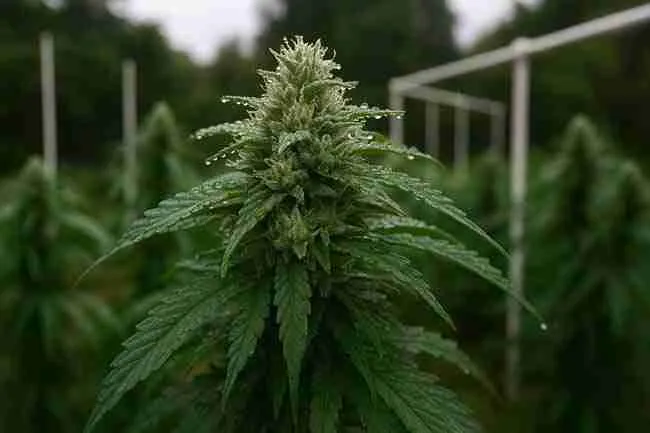
Cannabis Root Oxygenation & Gas Exchange (Rhizosphere Aeration)


Hey, you know that feeling when you’re tending your cannabis garden, everything looks green and lush up top, but somehow the yields just aren’t hitting the mark? It’s like throwing a party where the guests show up but the vibe falls flat. Well, buckle up, because we’re diving into the underground world of cannabis root oxygenation. This isn’t some fancy buzzword—it’s the secret sauce that can turn your average grow into a blockbuster harvest. Picture this: your plants’ roots are like the engine of a high-performance car. They need fuel, sure, but without enough oxygen zipping through the rhizosphere—that fancy term for the soil zone around the roots—they’re just sputtering along. Get this right, and you’ll see healthier plants, bigger buds, and fewer headaches from pests or diseases. We’re talking real, actionable tips here for you, the grower who’s ready to level up.
You’ve probably heard folks rave about CO2 for the leaves, but down below, it’s all about oxygen for cannabis roots. Without proper root zone aeration cannabis-style, your plants can’t absorb nutrients efficiently, and that’s a recipe for disaster. However, don’t sweat it—we’ll break it down step by step, with stories from real grows gone wrong (and right), plus pros, cons, and specs to keep things practical. Let’s get your roots breathing easy.
Why Oxygen Matters for Your Cannabis Roots

First off, let’s chat about the basics. Your cannabis plants are like athletes—they need to breathe to perform. Up top, leaves suck in carbon dioxide for photosynthesis, spitting out oxygen as a byproduct. But flip the script underground: roots crave oxygen to turn sugars into energy. This process, called respiration, happens day and night, powering everything from nutrient uptake to fighting off invaders. Without enough oxygen for cannabis roots, it’s like trying to run a marathon with a stuffy nose—everything slows down.
Imagine you’re a newbie grower, excited about your first hydro setup. You mix up the nutrients, set the lights, but forget about aeration. Weeks in, leaves yellow, growth stalls. Turns out, low dissolved oxygen (DO) levels in the water starved the roots. Studies show cannabis thrives at 20-30 parts per million (ppm) of DO in the root zone, but tap water often clocks in at just 8 ppm. Bump that up, and bam—faster root growth, more fine hairs for better absorption, and yields that make you grin.
However, too much of a good thing? Nah, not really with oxygen—it’s hard to overdo it. But balance is key. Warmer water holds less DO, so keep your root zone at 62-66°F (about 17-19°C) for peak performance. Go over 75°F, and root rot creeps in, courtesy of anaerobic bacteria that hate oxygen but love soggy conditions. Specs-wise, aim for 90% saturation; anything below 40-45 ppm, and benefits plateau. Pros: Healthier plants, disease resistance. Cons: Requires monitoring tools like DO meters, which can cost $50-200.
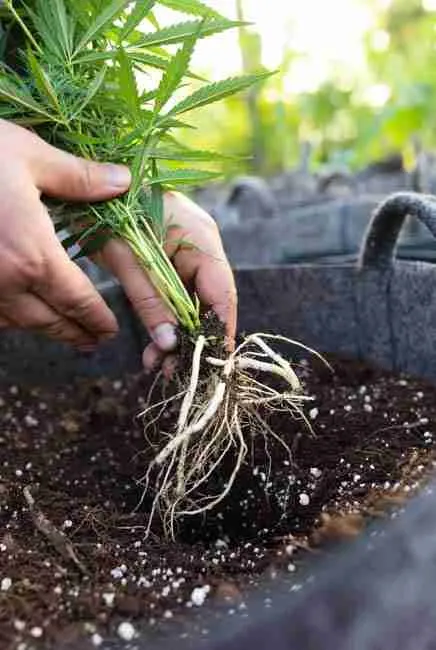
Listen, roots don’t just sit there looking pretty—they’re hustling 24/7. They respire like crazy, burning sugars for energy to grab water, nutrients, everything. No oxygen? Respiration crashes, nutrient lockout hits, and suddenly your “perfect” feed schedule looks like a crime scene.
Real talk from the trenches: One grower I know ran a killer hydro setup but skimped on aeration. Roots went anaerobic overnight—slimy, brown, stinky. Plants drooped like they’d partied too hard. Fix? Cranked air stones, DO jumped, and he pulled 30% more weight. Crazy, right?
Quick specs to live by: In hydro or DWC, chase 6-8 ppm dissolved oxygen minimum—ideally 7+ ppm to keep things popping. Soil or coco? Focus on air pockets—aim for 10-20% air-filled porosity so roots never gasp. Warmer root zones kill DO fast: Keep ’em 62-68°F. Hit 75°F+ and oxygen crashes while root rot parties. Pros: Faster growth, bulletproof plants. Cons: Skimp here and you’re silently bleeding yield.
Soil Biology, Microbes, and Structure

Alright, let’s shift gears to the foundation—your soil. Think of it as the neighborhood where your roots hang out. Good soil biology isn’t just dirt; it’s a bustling community of microbes, fungi, and tiny critters working overtime. Beneficial bacteria like Bacillus subtilis break down organic matter, releasing nutrients slowly so your plants don’t get a shock. Fungi, especially mycorrhizae, form partnerships with roots, extending their reach like extra arms grabbing phosphorus from hard-to-reach spots.
Structure matters big time too. Compacted soil is like a crowded elevator—no room to move. You want loose, crumbly texture for easy root penetration. Add compost or worm castings to boost microbe populations; these guys improve drainage and hold moisture without turning into mud. For instance, a grower in Colorado once switched to living soil teeming with microbes and saw pests drop off because the good bugs outcompeted the bad ones.
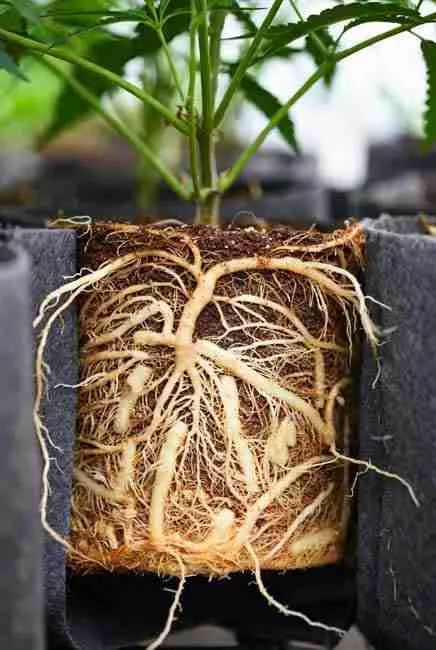
Colloquially speaking, if your soil’s as hard as a rock, your plants will struggle like a fish out of water. Mix in coco coir for better structure—it’s pH neutral and holds water well. Pros: Natural pest control, sustained nutrient release. Cons: Takes time to build microbe colonies; over-fertilizing can kill them off. Specifications: Aim for 20-30% organic matter in your mix, pH 6.0-7.0 for optimal microbe activity. And hey, avoid tilling too much—it disrupts the fungal networks.
How Oxygen Starvation Kills Yields Silently

Oh boy, this one’s a sneaky killer. Oxygen starvation, or hypoxia, sneaks up on you like a thief in the night. It starts subtle: wilting leaves, slow growth, maybe some yellowing that you blame on nutrients. But down below, roots are suffocating. Without enough oxygen, they can’t respire properly, so energy production tanks. Nutrients pile up unused, pH swings wild, and anaerobic bacteria move in, turning roots slimy and brown.
Take this real-life tale: A buddy of mine in California overwatered his soil pots, thinking more H2O meant happier plants. Wrong! Water filled the air pockets, cutting off gas exchange. Yields dropped 20%, buds were fluffy and weak. Research backs it: Low DO reduces transpiration by 12%, stunting everything. However, flip it—proper cannabis root oxygenation boosts root mass by 30%, leading to fatter buds.
Signs to watch: Brown, mushy roots; foul smell from the medium; stunted plants despite perfect lights. Pros of fixing it: Massive yield jumps, resilient plants. Cons: Ignoring it leads to total crop loss. Specs: Monitor with a soil probe; keep air porosity at 10-20% in soil mixes.
This one’s brutal because it whispers. Leaves yellow? “Eh, maybe nute burn.” Growth stalls? “Lights too close.” Nah—roots are starving down there. Low cannabis root oxygenation means less energy, weaker uptake, pathogens move in. Anaerobic bacteria throw a toxic rave, roots rot, whole plant tanks.
Story time: Buddy overwatered soil pots thinking “more love = better.” Water drowned air pockets—DO tanked. Buds came out airy and weak, yield down 25%. He fixed it by switching to fabric pots and lighter watering. Plants bounced back like nothing happened.
Watch for: Droopy leaves even when soil’s damp, funky smells, mushy brown roots. Early fix? Aerate hard—poke holes, add perlite, bubble your res. Turnaround can save a crop mid-flower.
Spotting the Early Warnings
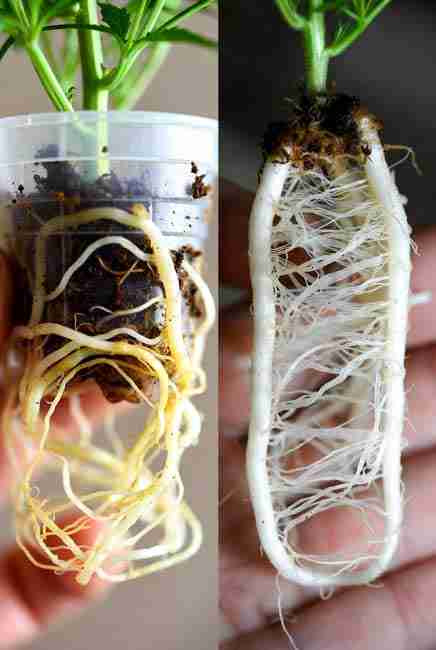
Don’t wait for disaster. Early on, leaves droop even when soil’s moist—roots can’t pull water without oxygen. Nutrient lockout hits next, mimicking deficiencies. Interjection: Yikes, that’s frustrating!
Turning It Around Quick
Aerate immediately—poke holes in soil or add air stones in hydro. Story time: One grower injected oxygenated water and saved his crop mid-flower.
Air Pruning vs Anaerobic Roots
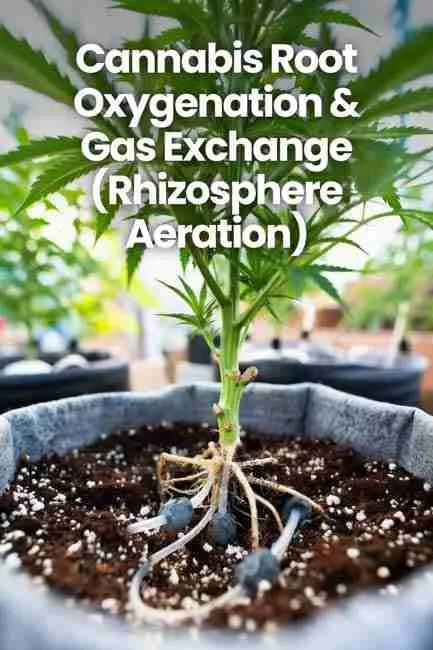
Here’s where things get fun—air pruning is your roots’ best friend, while anaerobic roots are the villain in this story. Air pruning happens when roots hit air-exposed edges, like in fabric pots. They stop growing outward and branch inward, creating a dense, fibrous mass. No more circling, root-bound messes. Versus anaerobic roots: These form in low-oxygen zones, turning slimy and inefficient. They invite root rot, killing yields silently.
Pros of air pruning: 70% more oxygenation than plastic pots, faster growth, higher potency. Cons: Pots dry out quicker, so water more often. Specs: Use 5-7 gallon fabric pots for autos, 10-15 for photos.
Anaerobic roots? Avoid like the plague. They thrive in stagnant water, reducing nutrient uptake by 50%. Example: A hydro grower forgot his air pump—roots went anaerobic overnight, crop trashed.
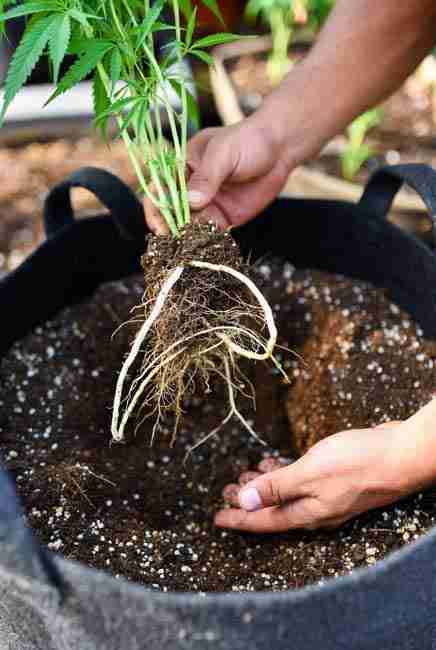
Air pruning is pure magic. Roots hit the pot’s edge, sense air, and go “whoa, stop!”—they branch inward like crazy, building a dense, fibrous jungle instead of circling like lost puppies.
Plastic pots? Roots spiral, get root-bound, choke themselves. Fabric pots? Air sneaks through the sides—roots air-prune naturally. Result: 50-70% better oxygenation, way more feeder roots, insane nutrient grab.
Pros of fabric: Healthier roots, no circling, reusable. Cons: Dry out faster (water every 1-2 days depending on size). Go 5-7 gal for autos, 10-15 for photos. Plastic’s easier for lazy watering, but roots suffer long-term.
Anaerobic roots? Slime city. Low O2 invites rot—yields crash. Avoid by never letting media stay soggy.
Pros and Cons Table: Air Pruning Methods
| Method | Pros | Cons | Specifications |
|---|---|---|---|
| Fabric Pots | Dense roots, better aeration | Dry faster | 70/30 coir-perlite mix, 5-15 gal sizes |
| Air Pots | Extreme pruning, easy transplant | Costly ($10-20 each) | Plastic with holes, ideal for outdoors |
| Smart Pots | Affordable, reusable | Less durable | Fabric, add perlite for 20% aeration |
Quick Pros & Cons Table: Pots That Make or Break Aeration
| Pot Type | Pros | Cons | Best For |
|---|---|---|---|
| Fabric (Smart Pots) | Killer air pruning, dense roots, epic oxygenation | Dries quick, needs saucers | Soil/coco, most growers |
| Plastic | Cheap, holds moisture longer | Roots circle, poor aeration | Short-term or hydro lids |
| Air Pots | Extreme pruning via side holes | Pricier, can crack | Aggressive root growers |
Fabric Pots, Air Stones, Perlite Ratios, Raised Beds
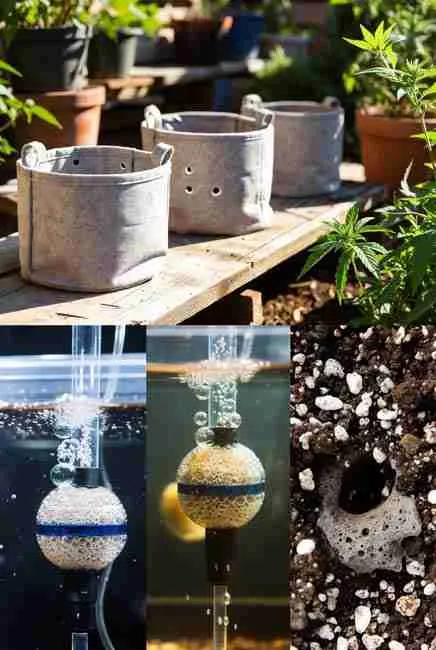
Time to gear up! Fabric pots are game-changers for cannabis root oxygenation. Their breathable sides let air in, pruning roots naturally. You get a root ball that’s all business—no tangles. Pros: Cheap ($5-15), portable. Cons: Need saucers to catch runoff.
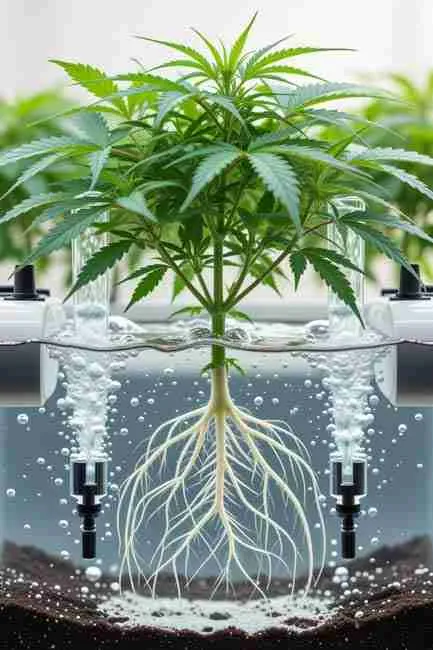
Air stones? Essential in hydro. They bubble oxygen into reservoirs, keeping DO at 20-30 ppm. Hook one to a pump—run 24/7. Story: A DWC setup without stones led to rot; adding them doubled root growth.
Perlite ratios: Mix 30-50% perlite in soil for killer aeration. It creates air pockets, preventing compaction. Pros: Lightweight, improves drainage. Cons: Dusty, can float in hydro.
Raised beds shine outdoors. Elevate soil 12-18 inches for better gas exchange. Add compost for microbes. Pros: Warmer roots in spring, less bending over. Cons: Initial build cost ($50-100). Specs: 4×8 feet, 50/50 soil-compost mix.
Extra Tips for Hydro Growers
In hydro, chillers keep temps low, holding more DO. Aim for 18-25 ppm.
Boosting Dissolved Oxygen Like a Pro
Dissolved oxygen is your ace in the hole. Infuse water with O2 generators or pumps—roots absorb nutrients 30% faster. Pros: Prevents pathogens. Cons: Equipment upkeep.
Temperature’s Role
Keep 62-66°F; above 86°F, DO drops to 7.5 ppm. Use chillers.
Beneficial Microbes and Oxygen Harmony
Microbes love oxygenated zones—add them via teas. They enhance structure without messing with O2.
Beneficial bacteria and fungi outcompete the bad guys. They colonize roots, eat pathogens, and boost uptake.
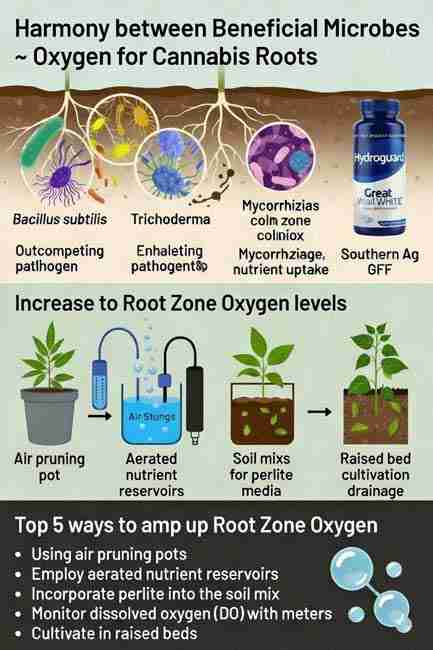
Top players: Bacillus subtilis/amyloliquefaciens (in Hydroguard, Great White, or cheaper alternatives like Southern Ag Garden Friendly Fungicide—way more concentrated, costs less long-term). Trichoderma species—aggressive against Pythium. Mycorrhizae—extend roots and improve health.
Dose early and often—start in clones/seedlings. In hydro, add to res; in soil, drench or mix in. Pros: Natural defense, better nutes. Cons: Some products pricey—shop smart or brew compost teas.
Quick list of microbe boosters:
- Hydroguard/Botanicare style (Bacillus focus).
- Great White or similar mycorrhizae blends.
- Trichoderma products.
- Southern Ag GFF (budget king for Bacillus).
- Root Builder or Hygrozyme-style enzyme + microbe combos.
List: Top 5 Ways to Amp Up Root Oxygen

- Use air-pruning pots for natural branching.
- Aerate reservoirs with stones and pumps.
- Mix perlite for porous media.
- Build raised beds for drainage.
- Monitor DO with meters—adjust as needed.
- Bubble everything: Air stones + powerful pump.
- Oxygenate feed water: Stir vigorously or use O2 generators.
- Temps matter: Cooler = more DO (don’t fry roots at 80°F+).
- Avoid overfeed: High EC crowds out oxygen.
- Monitor: Cheap DO meter ($50) tells no lies.
Common Pitfalls and How to Dodge Them
Overwatering? Classic blunder. Let soil dry between feeds. Low oxygen rooms? Some growers drop O2 to 12% for yields, but it’s risky—stick to standard.
The Root Rot Basics: Why It Happens & What It Looks Like
Root rot (mostly Pythium or similar fungi/bacteria) loves warm, wet, low-oxygen spots. Overwatering, poor drainage, hot root zones—these are the invites it craves. Once it starts, roots turn brown, mushy, slimy, and smell foul. Above ground? Plants wilt even when “wet,” leaves yellow from the bottom up, growth stalls, and everything looks sad.
But prevention flips the script. Nail these, and you dodge the bullet entirely.
Root rot prevention boils down to this: Oxygen + drainage + beneficials + smart watering = bulletproof roots. Skip one, and you’re rolling dice. Dial them in, and your plants stay white, fat, and happy underground—translating to monster harvests up top.
(And yeah, tie this straight back to oxygenation—it’s the foundation of beating root rot every time.)
Prevention Power Move #1: Nail Your Watering Game (The #1 Killer Fix)
Overwatering is enemy number one—hands down. Roots need wet-dry cycles to breathe. Constant soggy soil = anaerobic disaster.
- Soil/coco grows: Lift the pot. Heavy? Wait. Top inch dry? Water. Lift again after—light means go time. Use the “finger test” or a moisture meter if you’re paranoid.
- Hydro/DWC: Change res water every 7-10 days. No stagnant soup.
- Pro tip: Lift pots daily. It’s free and tells you everything.
Let that medium dry out between feeds—it oxygenates roots naturally and starves bad bugs. Pros: Simple, zero cost. Cons: Newbies overdo it at first—practice on a few plants.
Prevention Power Move #2: Oxygenate Like Crazy (Tie It Back to Root Oxygenation)
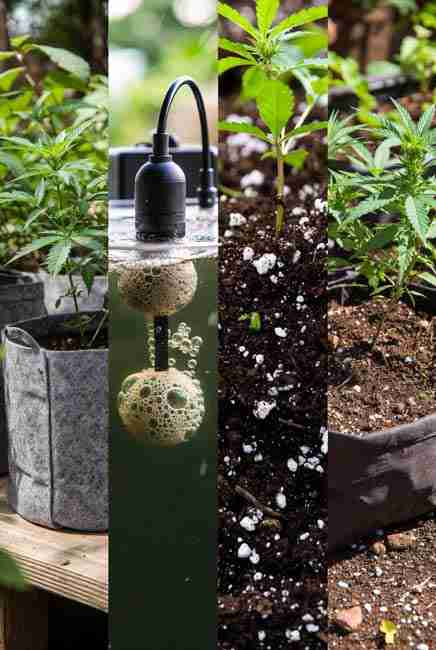
Remember our last chat on cannabis root oxygenation? This is where it shines for prevention.
- Fabric pots or air pots: Air prunes roots and lets sides breathe—huge win.
- Perlite boost: Mix 20-30% perlite (or coco + perlite combo) for air pockets. Don’t skimp—25% sweet spot.
- Hydro setups: Air stones + strong pump 24/7. Bubble aggressively. Add more stones if needed.
- Raised beds/outdoors: Elevate for drainage and airflow underneath.
Cooler root zones hold more dissolved oxygen—keep hydro res 65-70°F (18-21°C). Above 72°F? Pythium paradise. Use a chiller if summers get brutal.
Prevention Power Move #4: Keep It Clean & Temps in Check
- Sanitize everything between runs: H2O2 (3%), bleach scrub, hot soapy water.
- No light leaks in res—covers or black paint. Algae loves light and feeds bad bugs.
- pH sweet spot: 5.8-6.5 hydro, 6.0-7.0 soil. Pathogens hate balanced zones.
- Start clean: Healthy seeds/clones from trusted spots. No bringing in junk.
Outdoors? Rotate spots, avoid low/wet areas, use raised beds.
Quick Pros & Cons Table: Top Prevention Tools
| Technique | Pros | Cons | Best For |
|---|---|---|---|
| Proper Wet-Dry Cycle | Free, natural oxygenation, starves rot | Easy to over/under water at first | Soil/coco growers |
| High Aeration Media (Perlite 25%) | Cheap, massive air pockets, fast drainage | Can dry out quicker | All mediums |
| Beneficial Microbes | Outcompetes pathogens, boosts roots | Costs $, need consistent use | Hydro + soil |
| Air Stones/Pumps | Sky-high DO, cheap long-term | Pump noise, power use | Hydro/DWC |
| Fabric Pots | Air pruning + side breathing | Faster dry-out, need frequent checks | Soil/coco |
| Res Chilling (65-70°F) | Holds max oxygen, slows pathogens | Equipment cost | Warm climates/hydro |
Extra Punchy Tips to Lock It Down
- Hydrogen peroxide (5-10 ml/gal) as a quick shock if you spot early slime—kills bad stuff without nuking goods.
- Avoid overcrowding—good airflow above helps overall vigor.
- Monitor root zone temp obsessively—thermometer in medium or res.
- Start small: Test one prevention tweak per grow to see what clicks for your setup.
Got a specific setup (soil, hydro, outdoors)? Hit me with details and I’ll tweak these for you. Keep those roots breathing easy! 🌱🚀
FAQ
What is cannabis root oxygenation and why does it matter?
Cannabis root oxygenation means getting enough oxygen to your plant’s roots for respiration and nutrient uptake. Without it, yields tank—think 20% losses.
How can I improve oxygen for cannabis roots in soil?
Mix in perlite or use fabric pots. Avoid overwatering to keep air pockets open.
What’s the ideal DO level for root zone aeration cannabis?
Aim for 20-30 ppm. Below that, roots struggle; test with a meter.
Can too much oxygen harm my cannabis plants?
Rarely—over-aeration might agitate roots, but benefits outweigh risks. Stick to 1 liter air per 4 liters solution.
How does temperature affect cannabis root oxygenation?
Warmer water holds less oxygen. Keep 62-66°F to max DO and prevent rot.
What’s air pruning and how does it help?
It’s when roots self-prune at air-exposed edges, creating denser systems for better aeration.
There you have it—your roadmap to killer cannabis root oxygenation. Implement these, and watch your garden thrive. Remember, healthy roots mean happy harvests. Keep growing!