Cannabis Plant Surgery: How to Save a Plant in Crisis


If you’ve spent even a bit of time growing cannabis, sooner or later you’ll run into trouble—big trouble. Maybe your plant’s wilting like a week-old salad, or leaves are turning colors that nature never intended. Hey, don’t panic just yet! Cannabis plant surgery isn’t as scary as it sounds. It’s actually your best friend when your plants hit rock bottom. This guide will walk you through everything you need to know about saving your cannabis plants from crisis.
Can You Revive a Dying Cannabis Plant?
Absolutely! Cannabis plants might look fragile, but they’re tough cookies. Even when things look bleak, there’s often a way back from the brink. The trick? Knowing when and how to step in with the right surgical methods.
Here’s the lowdown: if your cannabis plant isn’t completely dry, brittle, or entirely rotten, you’ve still got a chance to revive it.
Can a Cannabis Plant Repair Itself?
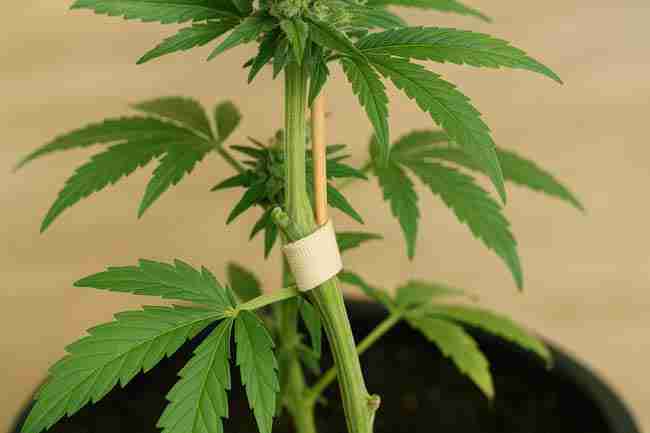
Good news: cannabis plants can definitely repair themselves—to a point. If you’ve accidentally snapped a branch, for example, your plant can heal that wound with some help. Think of cannabis like your own body: small cuts heal easily, but big injuries need stitches or a cast. Same deal with your cannabis plants!
To give your plant a helping hand, use tape or splints to reconnect broken branches. In about a week, you’ll see signs of healing.
Quick Tips for Repairing Broken Cannabis Branches:
- Act fast: The quicker you tape it, the better your chances.
- Use soft materials: Cloth tape or plant tape is gentle and doesn’t hurt the plant.
- Keep it stable: Use a splint if needed.
Is There a Way to Bring a Plant Back to Life?
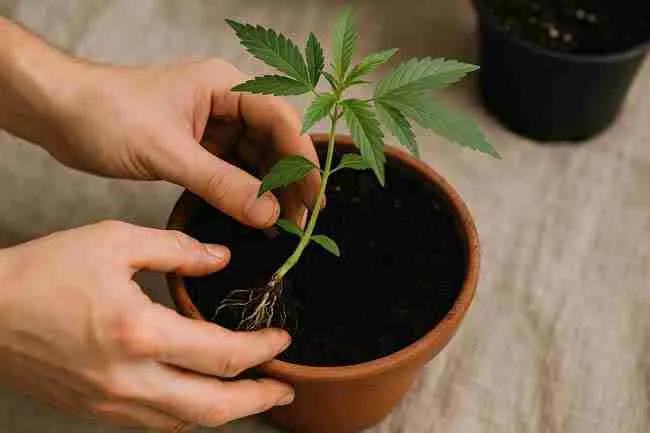
You bet there is! Cannabis plant surgery often involves more than just patching broken branches. Reviving a plant that’s near death usually means addressing root problems, nutrient issues, or pest invasions. Let’s break these down.
Root Problems and Their Fixes (Plant Surgery 101):
- Root rot: Caused by overwatering. Cut away the rotten roots, let the soil dry, and repot.
- Compacted roots: If roots circle tightly at the pot’s bottom, carefully trim them and repot into fresh, looser soil.
Nutrient Issues Surgery:
- Flush the plant: If your plant is overfed and turning yellow or brown, flush it with plain water to reset nutrient levels.
- Feed gently: Once flushed, feed lightly and gradually increase nutrients again.
Can Cannabis Plants Recover?
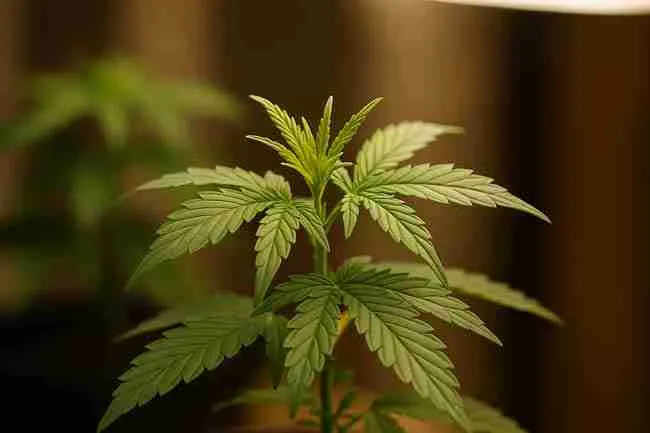
Heck yeah! Cannabis plants recover beautifully if you give them proper care after surgery. This recovery usually involves pruning damaged leaves, adjusting water and nutrient levels, and giving your plant a comfy environment to bounce back.
Post-Surgery Care Tips:
- Water sparingly: Let soil dry slightly between waterings.
- Avoid direct sun: After surgery, give your plants indirect or softer lighting for a couple of days.
- Keep humidity high: Use a humidifier or mist lightly to help leaves stay moist as they recover.
How Do You Tell if a Cannabis Plant Can Be Revived?
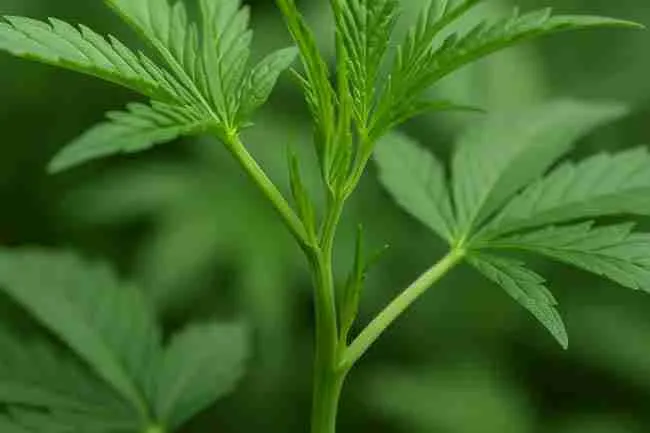
Not every plant will make a comeback. But how do you tell if your cannabis plant has hope? Look for these signs:
- Green or flexible stems: Means your plant is still fighting.
- New growth: Tiny green shoots or leaves emerging show promise.
- Firm roots: Healthy, white or light-colored roots indicate potential recovery.
If these signs are absent, your plant might be beyond rescue.
What Does a Dying Cannabis Plant Look Like?

When your plant’s in trouble, you’ll notice some clear signals. Here’s a quick list:
- Wilting leaves
- Yellow or brown spots
- Crisp, dry edges
- Drooping stems
- Mold or fungus spots
Seeing these symptoms? It’s time to act.
Should I Cut Off Dying Cannabis Leaves?
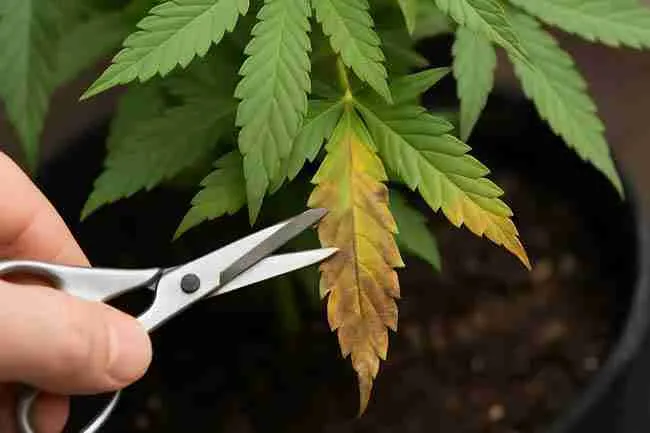
Definitely. Pruning is essential cannabis plant surgery. Dead or dying leaves drain energy and attract pests. By removing them, you help your plant direct nutrients to healthy areas.
Quick Pruning Tips:
- Use clean scissors to avoid infections.
- Cut at the stem base near the main branch.
- Don’t remove more than 30% of leaves at once.
What Do Overwatered Cannabis Plants Look Like?

Overwatering—one of the most common reasons plants need surgery. Overwatered cannabis plants look sadder than a kid who dropped his ice cream. Symptoms include:
- Droopy, heavy-looking leaves.
- Yellowing, especially on lower leaves.
- Soft, mushy roots (root rot).
What to Do:
- Stop watering immediately.
- Let the soil dry out thoroughly.
- Consider repotting with better drainage if severe.
Cannabis Plant Surgery: The Tools You Need (Quick Checklist)
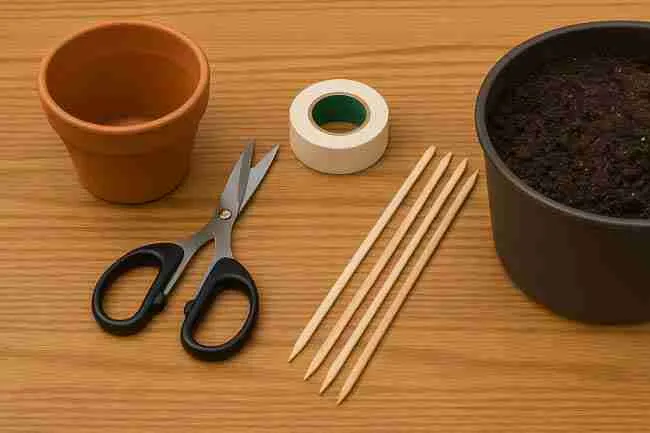
Here’s what you’ll need handy to perform cannabis plant surgery:
- Clean, sharp scissors or pruning shears
- Soft plant tape or cloth strips
- Splints (sticks, pencils, or small dowels)
- Fresh, well-draining soil
- Clean pots with drainage holes
Essential Cannabis Plant Surgery Tools:
| Tool | Use |
|---|---|
| Sharp scissors | Trimming leaves and roots |
| Plant tape | Fixing broken branches |
| Splints | Supporting injured stems |
| Fresh soil | Repotting after surgery |
| Pots | Better drainage |
Pros and Cons of Cannabis Plant Surgery
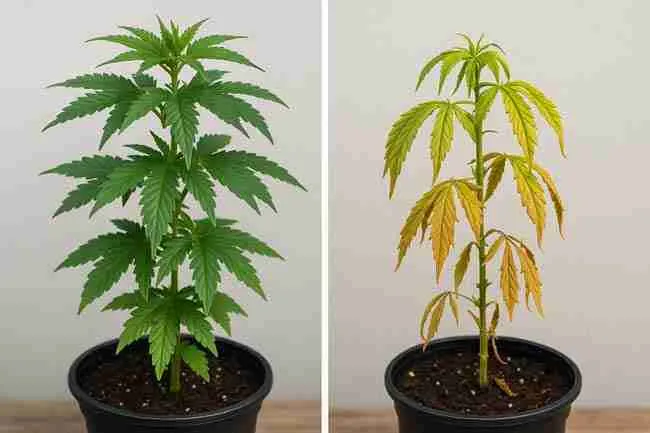
Pros:
- Can save your plants from death
- Helps plants recover faster
- Improves overall yield and health
Cons:
- Risk of further injury if done improperly
- Can be stressful for plants
- May not always work for severely damaged plants
Frequently Asked Questions (FAQs)

How long does cannabis plant surgery take?
Typically, surgery takes 15 to 30 minutes, depending on the issue.
Can I use regular tape for broken cannabis branches?
You can, but plant-specific or cloth tape is better because it breathes and doesn’t damage plant tissue.
What if the plant’s roots are entirely black or mushy?
If roots are totally mushy, it’s tough luck. Better start fresh with new plants.
Is cannabis plant surgery suitable for beginners?
Absolutely! It’s easy once you know how. Just take your time and follow the steps carefully.
Real-Life Example: Saving My Favorite Cannabis Plant

A few years ago, my beloved Blueberry cannabis plant started drooping and turning yellow. It looked like a total goner. However, I performed a quick cannabis plant surgery, trimmed some rotten roots, repotted it in fresh soil, and babied it for a week. Miraculously, it bounced back and ended up being one of my best plants ever. So trust me, surgery works wonders when done right!
Wrapping Up Cannabis Plant Surgery

Cannabis plant surgery might sound intimidating, but it’s a vital skill if you’re serious about cannabis growing. By spotting problems early and taking quick action, you’ll save plants and significantly boost your growing confidence. Now get out there, fix those plants, and become the cannabis surgeon your garden needs!