Cannabis Landrace Strains: What They Are and How to Grow Them

Cannabis landrace strains are the regional plants that modern hybrids were built from. Not a lab cross. A population that spent many generations in one place — mountains, tropics, or a short northern summer — until climate, pests, and farmers shaped what survived. If you want to know why Hindu Kush is squat and Thai is a 14-week spear, you start here. Not with a dessert name on a menu.
This page keeps the original teaching: landrace versus hybrid, where they come from, indica versus sativa versus ruderalis, THC, why growers chase uniformity, and which names you can still find. Ranking pages now also hammer heirloom versus landrace, long flower times, and indoor height. That is the grower stuff. You will know what a landrace is, what it is not, and whether you should plant one in a tent this season.
What Are Cannabis Landrace Strains?

A landrace is a cannabis population adapted to one geographic region over many generations. Climate, day length, soil, altitude, and local selection did the work. Farmers kept plants that finished, made hash, or survived drought. They did not fly in a Colombian to cross with an Afghan every season. That is the difference from a modern hybrid: the gene pool stayed local long enough to look and behave like a type.
They are not “millions of years old strains.” Cannabis as a plant is old. Named landraces are regional populations, usually talked about in centuries. Chinese medical writing used cannabis thousands of years ago. Hindu traditions on the subcontinent used it too. By the 18th century those lines had been carried worldwide for fibre and medicine. The photo above is the look: a field of similar plants, not one clone in a 2×2. Variation inside a pack is normal. That is the point, and the headache.
Three things define a landrace in practice. Geography: you can point at a range, a valley, or a coast. Time: many open-pollinated generations in that place. Isolation: not a constant drip of Dutch hybrid pollen. Lose any one of those and you still might have a useful line. You just should not call it a village field from 1971.
Landrace vs Modern Hybrids
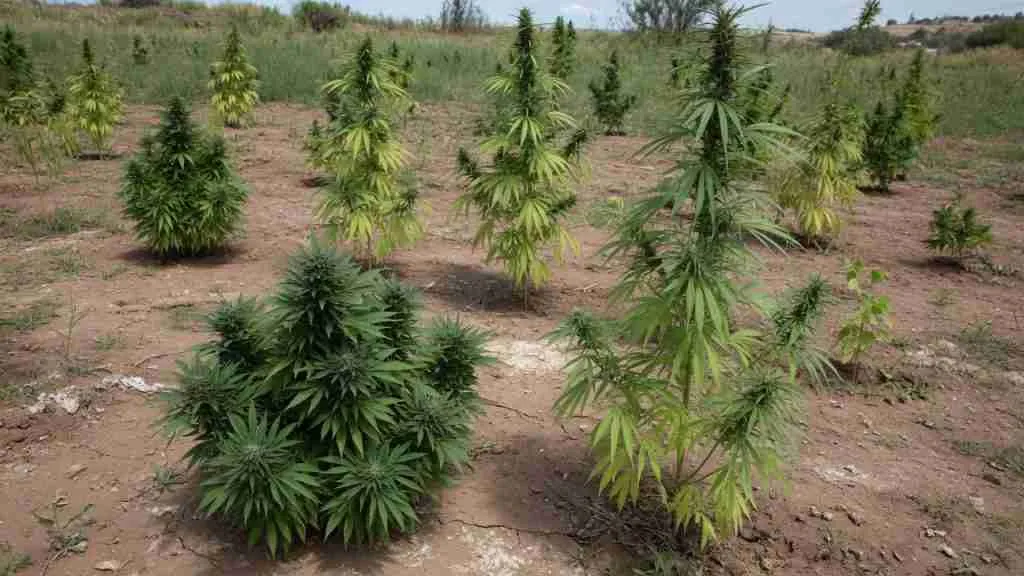
Simplest terms from the original page still hold: landraces were shaped to survive where they grew. Today’s catalog strains are mostly hybrids. Humans took landrace lines and crossed them for THC, CBD, bag appeal, short flower, and indoor manners. Skunk, Haze, Northern Lights, White Widow — those are landrace recipes, not wild plants. Afghan resin plus tropical sativa incense is half the 1980s catalog.
A hybrid pack is supposed to be consistent. A landrace pack is a population. Thirty seeds might give you three loud plants and twenty-seven that are milder, taller, or slower. That is not a bad seed. That is how open-pollinated regional cannabis behaves. If you need every plant to hit 22 percent THC, buy a worked hybrid. If you want traits to hunt, landrace F2s are the toolbox: cataloging cannabis phenotypes.
Look at a mixed field and you see why commercial growers walked away. One plant is a bush. The next is a spear. Finish dates wander by two weeks. That variation is how a region survived drought one year and mold the next. It is also why four plants in a tent can feel like four different strains. Hybrids exist because people got tired of hunting every pack for the one keeper. That is not evil. It is a different job than preserving a regional gene pool.
Landrace vs heirloom
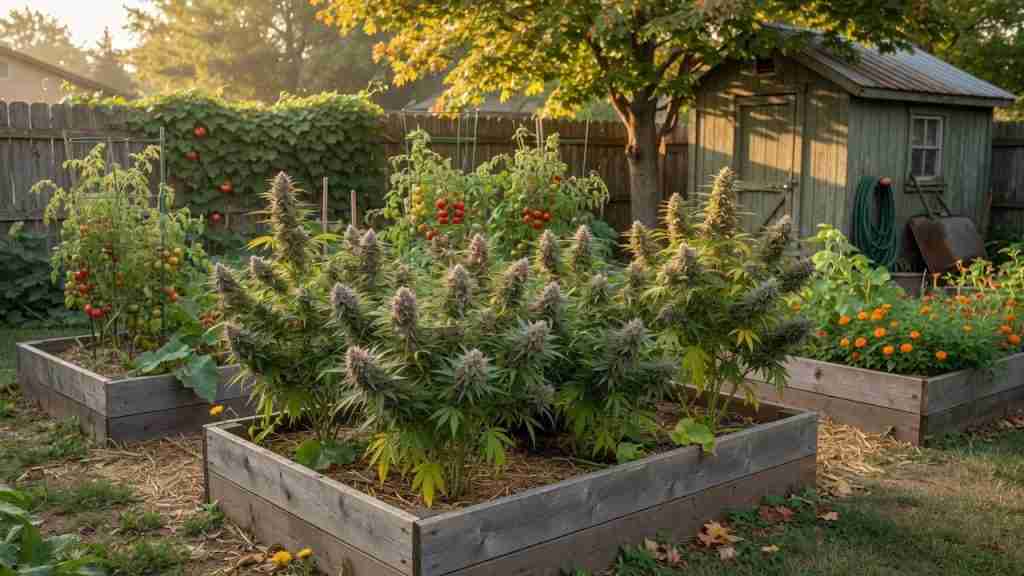
People mix these up. A landrace still belongs to its home region. An heirloom started as a landrace, then got grown somewhere else and kept relatively uncrossed. Maui Wowie grown in Hawaii for decades is heirloom talk. Hindu Kush still described as a Hindu Kush mountain population is landrace talk. Same family tree, different passport stamp. The backyard bed above is the heirloom story: the plant left home, then a family or a scene kept it from being crossed into dessert hybrids. Longer version: heirloom cannabis strains.
IBL (inbred line) is a third word. A collector takes a regional accession, grows it in Spain or Canada for ten generations, and selects. Useful. Not a village field. Read the description. If it says “collected in 2018, open pollinated, variable,” that is closer to landrace. If it says feminized, 8-week flower, 25 percent THC, candy terps — that is a hybrid wearing a place-name.
Where Do Landrace Strains Come From?
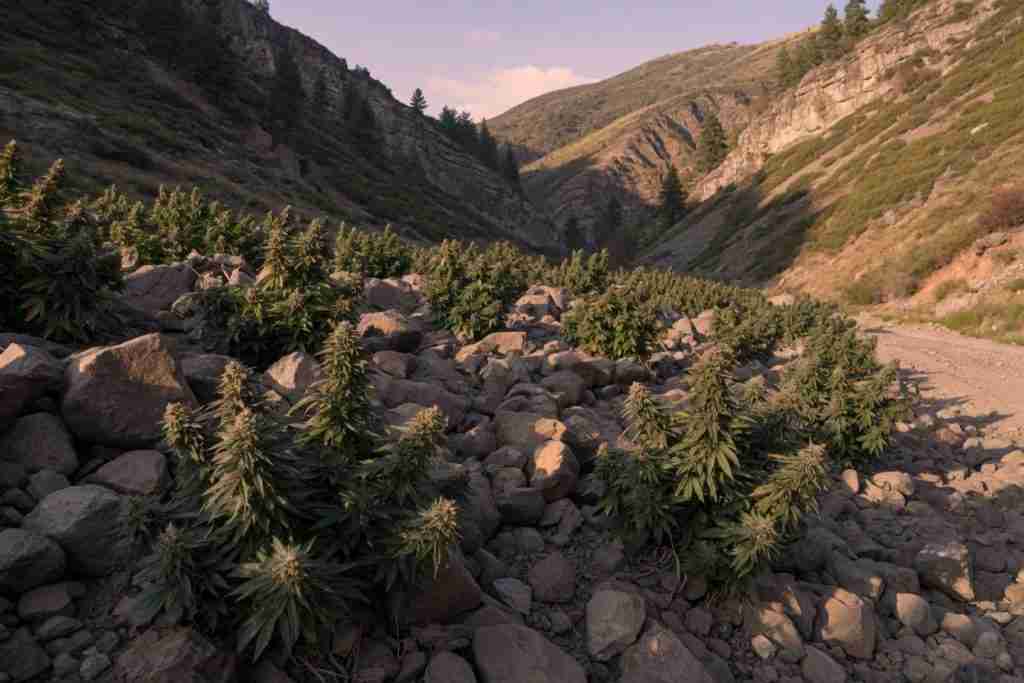
The first well-known populations sit in Asia. Broad-leaf, resin-heavy plants from the Himalayan foothills — today’s Afghanistan/Pakistan border — are the indica story. Short summers. Cold nights. Farmers wanted plants that finished before frost and made hash. That is why Hindu Kush and Afghan types are squat, dense, and indoor-friendly compared with equatorial spears.
Tropics made tall, long-flowering plants. Mountains made short, fast, resinous plants. Equator made spears that use a long season. Siberia made a weedy plant that flowers on age, not 12/12. That is geography doing the breeding. Climate matching still matters when you plant them: strains for hot and cold climates and growing cannabis outdoors.
Africa, Mexico, Colombia, Jamaica, Thailand, Malawi, Lebanon, Morocco — each region kept a type because the season, the hash market, or the export trade rewarded it. Durban’s faster equatorial sativa is not an accident. Neither is Moroccan hash plant staying short on dry hills. If you ignore that and plant Thai at 50°N in May, frost will grade your homework.
How the seed actually moved
People carried seed. Traders, sailors, migrant workers, soldiers, hippies with a sock full of Thai. By the 18th century cannabis was already worldwide as hemp and medicine. The 1960s–70s export wave is what named the famous flower types for Western catalogs: Acapulco Gold, Colombian Gold, Panama Red, Thai Stick. Those names stuck because the jars were good, not because a lab registered a cultivar. Then indoor breeding in North America and Holland crossed the best of those imports. That is the fork: landrace stays a place. Hybrid becomes a brand.
Do We Still Have Landrace Strains Today?
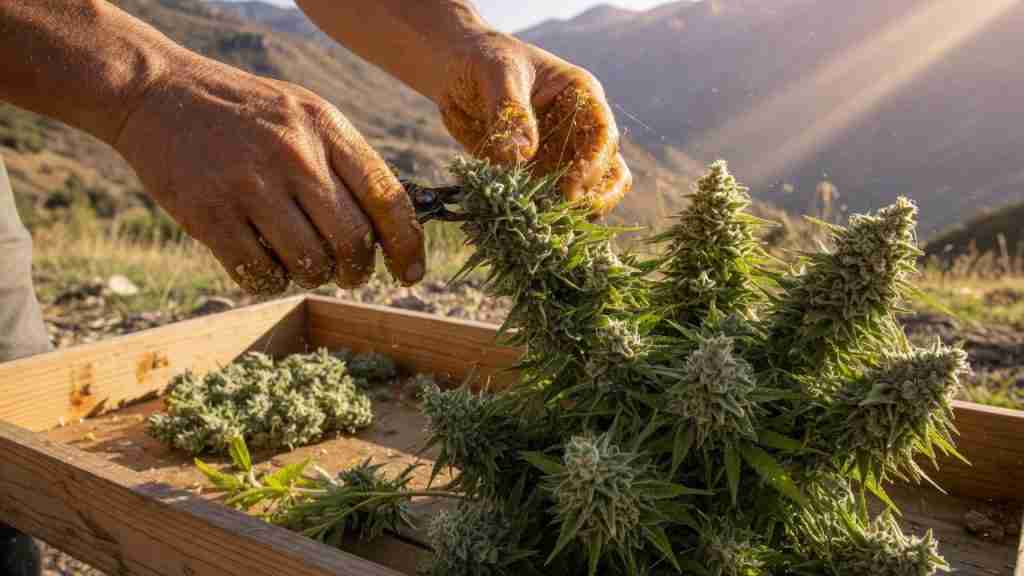
Yes, and they are getting harder to find uncrossed. Tourism, prohibition, modern seed, and hybrid pollen mess with old fields. What you buy as “Thai” or “Afghan” is often a preserved line, a selected IBL, or an heirloom grown far from home. That can still be valuable. It is not the same as walking a Hindu Kush village in 1971.
True regional populations still exist where people never imported Dutch hybrids, and where hash or local flower still pays. Collectors and a few seedbanks keep working lines. Conservation projects treat accessions like livestock breeds: document the place, keep both sexes, do not dump hybrid pollen on the plot. Treat seed-bank “landrace” as a starting population, not a museum specimen. Hunt. Keep notes. Do not expect clone-only uniformity.
If you grow one, you are part of that. Let a hybrid male rip in the same yard as your Afghan females and you just wrote a new hybrid, whether you meant to or not. Isolation is not optional if the word landrace still matters to you.
Indica vs Sativa Landrace Strains
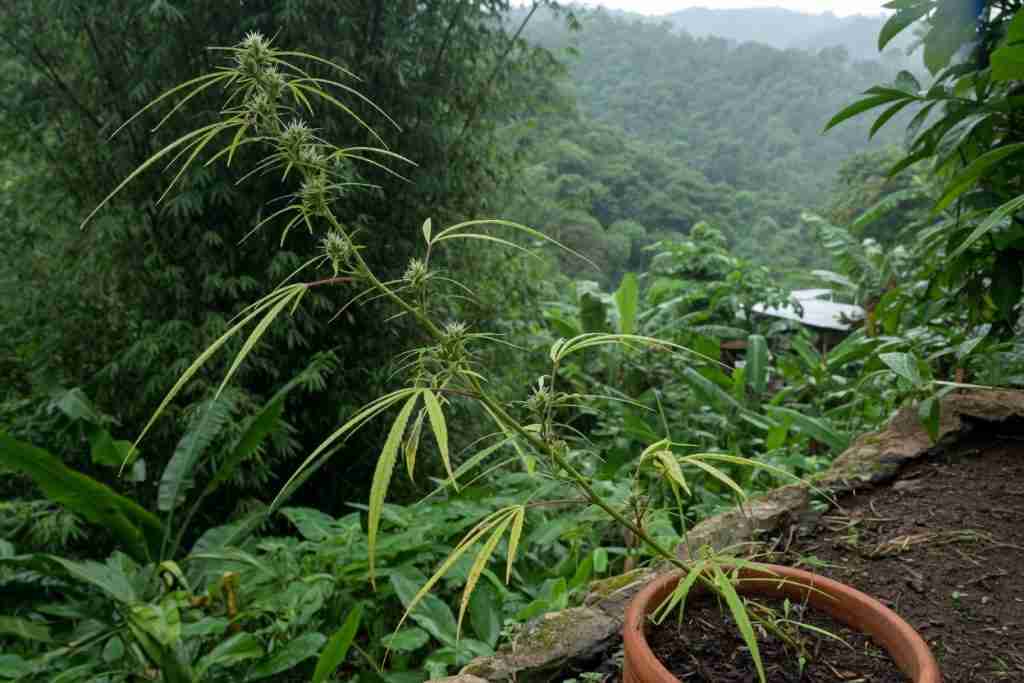
Sativa landraces came from warmer, often equatorial places: Thailand, Malawi, Colombia, Mexico, Jamaica, parts of Africa. Longer summers. They stretch. Flower can run 12–18 weeks. Buds are airier, which helps in humidity. Indoors they will eat your ceiling unless you veg short and train: low-stress training cannabis. Labels are shortcuts. Real fields still throw mixed leaf shapes. Use the clock and the stretch, not a website icon. Broader leaf talk: cannabis indica vs sativa.
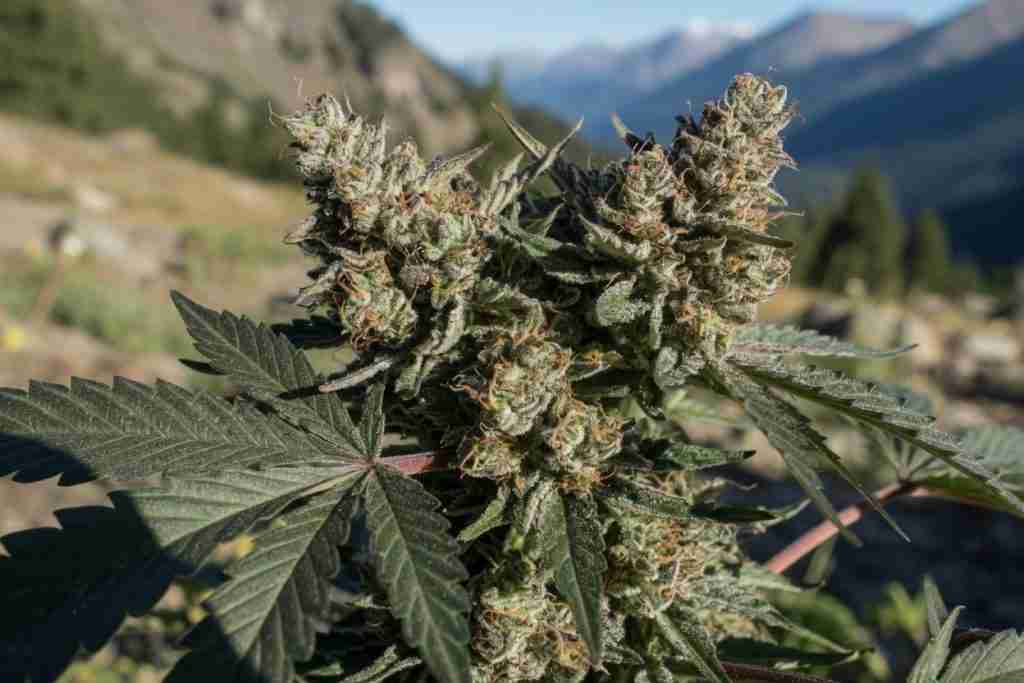
Indica landraces came from cooler, shorter-season mountains in Central Asia. Hindu Kush, Afghan, Mazar, Lashkar Gah. Broad leaves, tight internodes, 7–9 week flower, heavy resin for hash. They are the indoor-friendly landraces. That does not mean “no stretch.” It means you can finish one in a tent without a 16-week calendar. Dense buds still rot if you skip air. Mountain nights are why they color and finish when your tropical sativa is just getting started.
| Mountain indica landrace | Tropical sativa landrace | |
|---|---|---|
| Shape | Short, bushy | Tall, spear colas |
| Flower | ~7–9 weeks | ~12–18 weeks |
| Buds | Dense, resinous | Airier, high calyx |
| Indoor | Easier | Need height control |
| Examples | Afghan, Hindu Kush | Thai, Colombian Gold, Durban |
Durban is the exception people actually finish indoors: equatorial story, often 8–10 weeks, airy spears, mold-resistant reputation. That is why it shows up in humid-climate lists. Thai and old Colombian will still ask for a greenhouse or a 7-foot tent and a patient winter. If this is your first landrace run, start with mountain indicas. You will learn the hunt without fighting a 16-week stretch.
What Are Cannabis Ruderalis Landrace Strains?
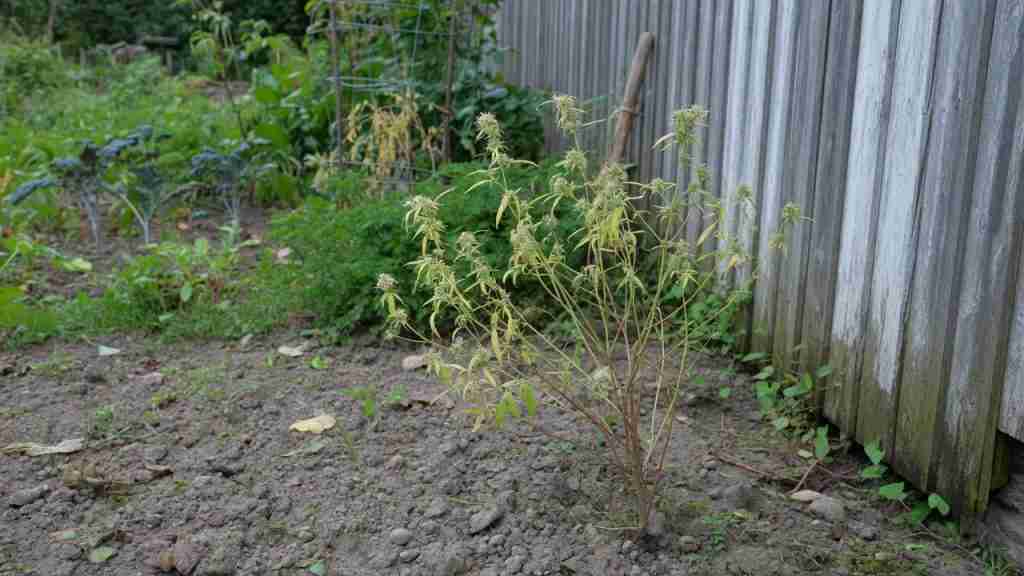
Ruderalis was described in 1924 by the Russian botanist D.E. Janischewsky around the Volga, with wild plants in southern Siberia and other parts of Russia. Weedy. Low THC. It flowers by age, not by a 12-hour night. That autoflower trigger is why short-season plants finish before frost. Breeders crossed it into photoperiod lines to make modern autos. The landrace itself is not a yield champion. The trait is gold.
Do not grow a museum ruderalis expecting dessert jars. Grow it if you want the day-neutral gene or a hardy outdoor weed that does not wait for August nights. Photoperiod vs auto: photoperiod cannabis seeds explained. Letting nature select locally: wild-sown cannabis. If the pack says “Hindu Kush Auto,” you are buying a hybrid that borrowed the name and the ruderalis clock. Fine plant. Different category.
Were Landrace Strains as High in THC as Modern Strains?
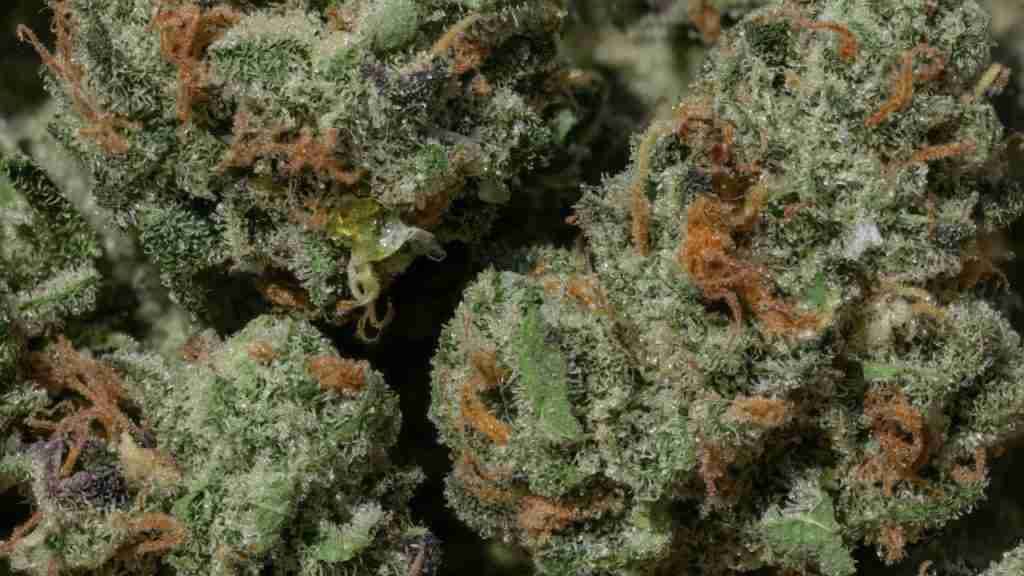
It depends which plant in the field you picked. Hybridization made high THC more consistent, not invented from nothing. You needed high-THC landrace parents to build Skunk and Haze. So yes, some landrace plants were as strong as today’s jars. The difference is the hit rate. Grow 30 landrace seeds and you might get three at 20 percent-plus and a pile at 2–10. Grow 30 modern hybrid seeds and more of them land in the high band. That is what “cannabis is stronger now” usually means: selection and uniformity, not a new molecule from space.
Trichomes are still trichomes. Afghan hash plants were selected for resin, not Instagram density. Tropical sativas were selected for a long, clear head and a finish that matched the rains. CBD-rich plants existed in some fibre and feral lines. Hybrids stacked the loud parents and culled the rest. The resin in the photo is the raw material. Breeding just made it show up in more of the pack.
Why Growers Want Less Variety
Commercial growing wants the same height, the same finish date, the same smell. Terpenes — gas, lemon, pine, berry — sell when they repeat. Landraces give you a population. That is a gift if you are breeding. It is a tax if you have four plants and a job. One plant ready week 8 and one still white-pistilled in week 11 wrecks a single harvest day. One plant that smells like incense and one that smells like hay wrecks a single jar. Hybrids exist to stop that.
You can want both. Run hybrids when you need the same plant four times. Run landrace when you are hunting a local line or you actually like the old shapes. Do not pretend a 10-seed landrace pack will behave like a clone. It will not. Plan the plant count around that: how many cannabis seeds.
Landraces Are the Building Blocks
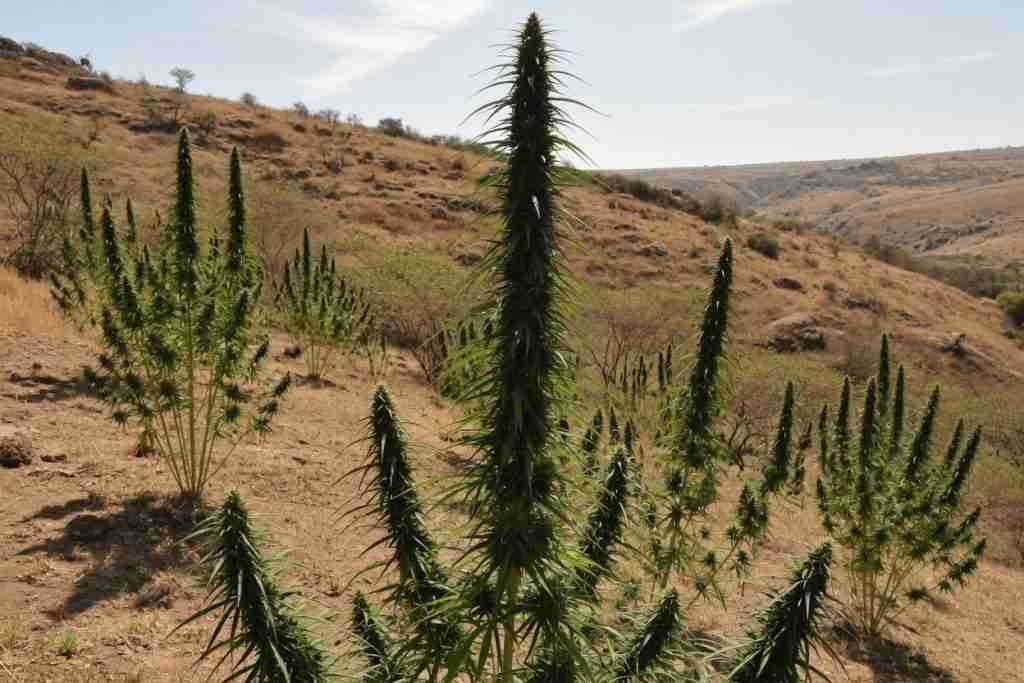
To breed high-THC hybrids you start with high-THC landrace parents. Keep the loud offspring. Cull the rest. Repeat. Northern Lights is Afghan plus Thai in the usual story. Haze is a pile of tropical sativas. Many kushes are Hindu Kush or Afghan behind a new name. When media says cannabis got stronger, remember the high-THC had to come from somewhere. Hybridization just made it show up in more of the pack.
If you start from seed today you are still rolling dice, just loaded dice: cannabis seeds. Lose the landrace parents and you lose traits hybrids already buried — odd terpenes, mold resistance, day-neutral flowering, finish dates that match a real outdoor season. That is why collectors still chase accessions. Not nostalgia. Insurance.
Landrace Names You Can Still Find
Harder, not extinct. Treat these as regional types. Seed-bank versions vary. Lamb’s Bread is Jamaican, not Mexican — the original page had that wrong.
Mountain indica types
- Pure Afghan / Afghani — Afghanistan. Short, resinous, 7–9 weeks, hash plant. Indoor-friendly first landrace.
- Hindu Kush — Afghanistan/Pakistan mountains. Broad leaf, cold-capable, the kush in a thousand names.
- Lashkar Gah / Mazar types — Afghan hash regions. Dense, earthy, not dessert terps.
Tropical and equatorial sativa types
- Thai — Thailand. Very long flower, Haze ancestor, ceiling-eater indoors. Chocolate Thai is a related export-era name.
- Colombian Gold — Santa Marta, Colombia. Classic 1970s sativa. Spears, not golf balls.
- Panama Red — Panama. Tall sativa, long stretch, red pistils in the stories.
- Acapulco Gold — Mexico. Golden sativa, long flower, heat lover.
- Durban Poison — South Africa. Faster equatorial sativa, often 8–10 weeks, anise/terpinolene talk, the one people actually finish in a tent.
- Malawi Gold — Malawi. Long flower, strong equatorial sativa. Greenhouse plant, not a 5-foot tent plant.
- Lamb’s Bread — Jamaica. Uplifting sativa, Rastafari-associated, not a Mexican line.
Acapulco Gold wants heat and a long season. Afghan wants a finish before mountain frost — indoors that reads as a short flower. Thai is the Haze parent for a reason: incense, stretch, patience. Colombian Gold was the 1970s gold standard sativa. Durban is the equatorial name that often behaves indoors. None of these are guaranteed clone-only cuts. They are types. Your pack will argue with the blog post. That is landrace growing.
If a seller lists “Hindu Kush” as an auto, you are buying a hybrid that used Kush in the recipe. Fine plant, different category. Keep the words straight or you will plan the wrong tent. Filter names in the Find My Seeds guide if you want a worked hybrid instead of a hunt.
Can You Grow Landraces Indoors?
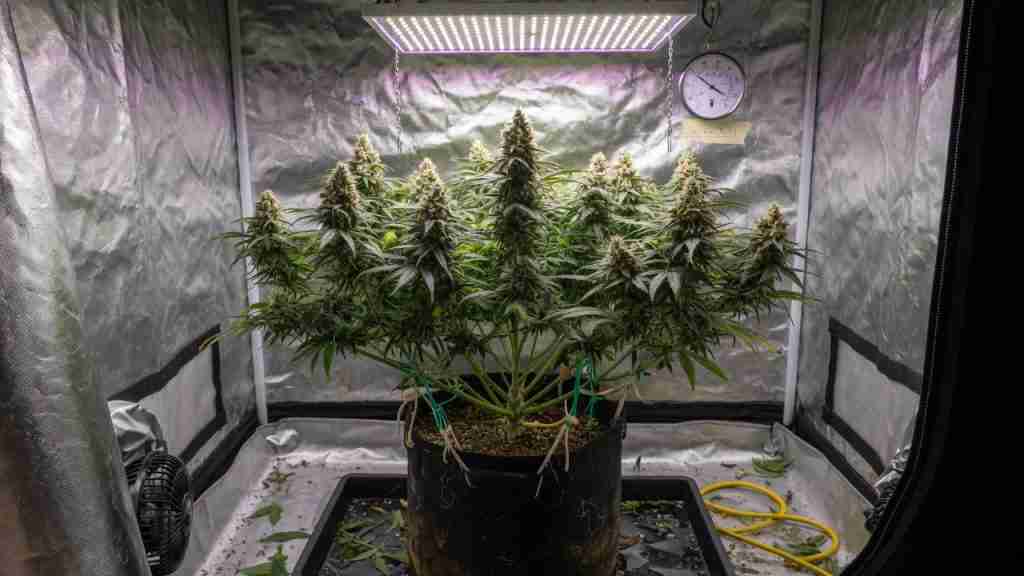
Afghan and Hindu Kush types, yes, if you can veg and flower a photoperiod. Thai, Malawi, old Colombian: veg short, LST hard, expect 14-plus weeks of flower and a stretch that laughs at a 5-foot tent. Durban is the tropical-leaning name people actually finish indoors. Start with mountain indicas if this is your first landrace run. Flower times: cannabis flowering stage. Veg structure: vegetative stage.
Do not treat a landrace like a dessert hybrid. Feed milder. Give more root and more air. Tropical sativas hate dense buds and still air. Mountain indicas hate being flowered at 18 hours. They are photoperiod plants unless you bought an auto hybrid that only borrowed the name. Worked indoor example: 4×4, 5-foot interior. Hindu Kush or Afghan-type regulars, four seeds, keep two females. Veg five weeks, LST, flip. Done in a calendar you can live with. Save the Thai for a greenhouse or a 7-foot tent.
Light, water, and soil still follow the same physics as any photoperiod. Landrace is not a magic underfeed. It is a plant that was not selected for bottled 3-part charts. Start at half the hybrid dose. Watch the tips. Water when the pot is light: how to water cannabis plants. Soil that already has food: organic marijuana fertilizer.
A Practical Grow Plan by Type
Mountain indica landrace
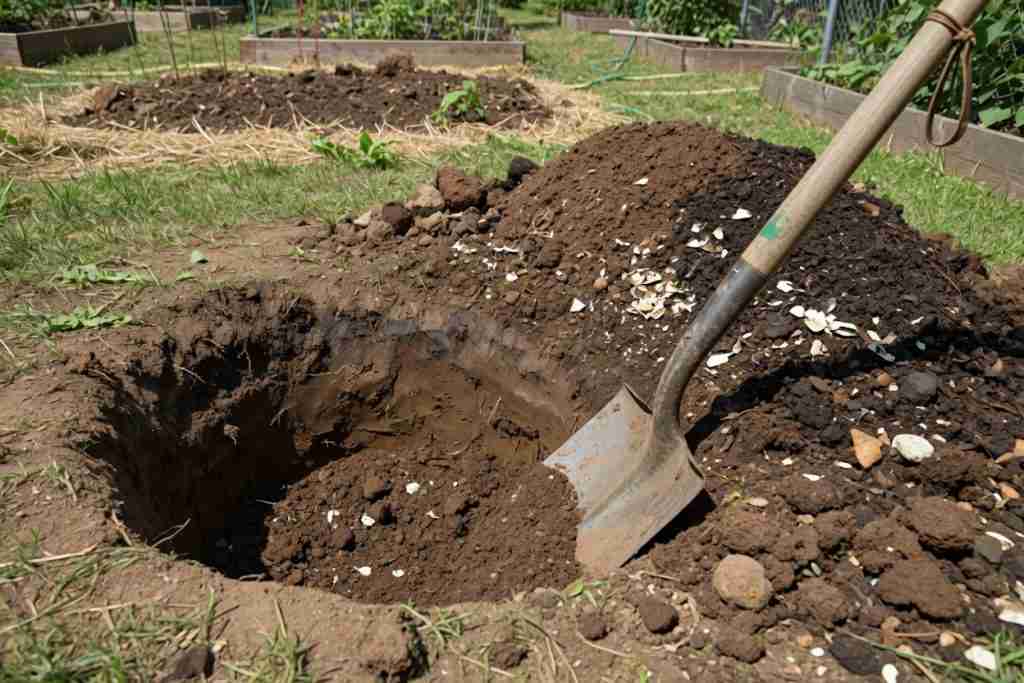
Veg until the pot is full, not until it hits the light. Flip on 12/12. Expect 7–9 weeks. Keep nights cool if you can. They were built for that. Dense buds mean you still need air in flower or you get rot like any modern kush. Outdoors, plant after last frost in a hole with compost, not a teacup. They handle cool better than Thai. They do not handle swamp humidity in a closed greenhouse. Strip inner fluff. Keep air moving: climate-resilient growing.
Tropical sativa landrace
Veg short. LST from node 3–4. Flip earlier than your hybrid habit. Then wait. Week 12 is not a failure. Week 16 happens. If your tent is 5 feet, this is the wrong plant unless you like supercropping every other day. Outdoors they want a long, warm season and they want to finish in dry weather. Start seedlings early indoors: seedling stage and seedlings day by day. A late start at 45°N is how you harvest popcorn in October rain. Fast finishers for heat: heat-tolerant strains if your season is the wrong one for Thai.
Ruderalis and autos
You are not growing a museum ruderalis for jars. You are using the day-neutral trait. Treat it like an auto: final pot, no long veg, no topping unless you know the line. 18 hours or 20 is fine. Do not flip to 12/12 “because cannabis flowers in the dark.” That is photoperiod logic. The clock is age. Stress still stunts an auto. Landrace-leaning autos are still hybrids. Plan them as autos.
Breeding With Landrace Strains
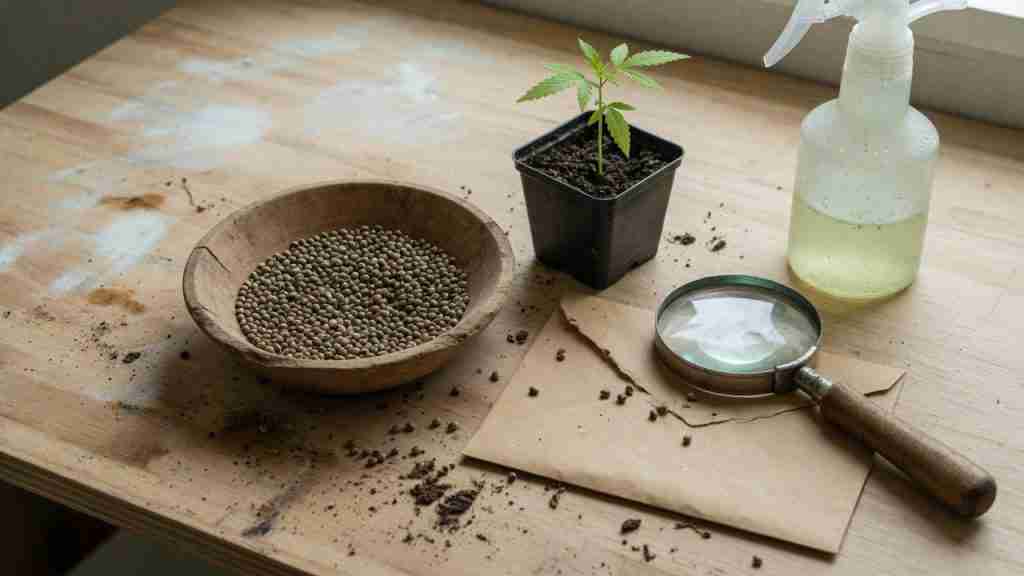
If you want to breed, landrace and open-pollinated lines are the right start because F2s throw traits hybrids buried. Height, resin, finish date, odd terpenes. Grow more seeds than you think. Keep the ones that match your climate. Cull the rest. That is how landraces were made in the first place, minus the airplane. Regular seeds, both sexes, a notebook. Feminized hybrid packs hide the variation you came for: feminized cannabis seeds are the other job.
Worked example. You pop 20 Hindu Kush-type seeds outdoors at 45°N. Twelve finish before frost. Four are mold magnets. Two are keepers: early, resinous, not giants. Those two are your local line if you pollinate them. That is breeding. It is not a strain name on a menu. Write height, days to flower, mold, smell, and whether you would grow it again. Next year grow the seed from the keepers, not the whole original pack.
Isolation is the whole game
One male from a dessert hybrid will pollinate every landrace female in pollen range. Bags, a separate tent, or a different week. Do not “just let them all go.” You will spend three years undoing one lazy August. Keep the male you actually want. Kill or isolate the rest as soon as sacs show. Store seed cool, dark, and dry. Label the year and the parents. Unlabeled landrace seed is a story you will forget by spring.
What “Landrace Seed” on a Site Usually Means
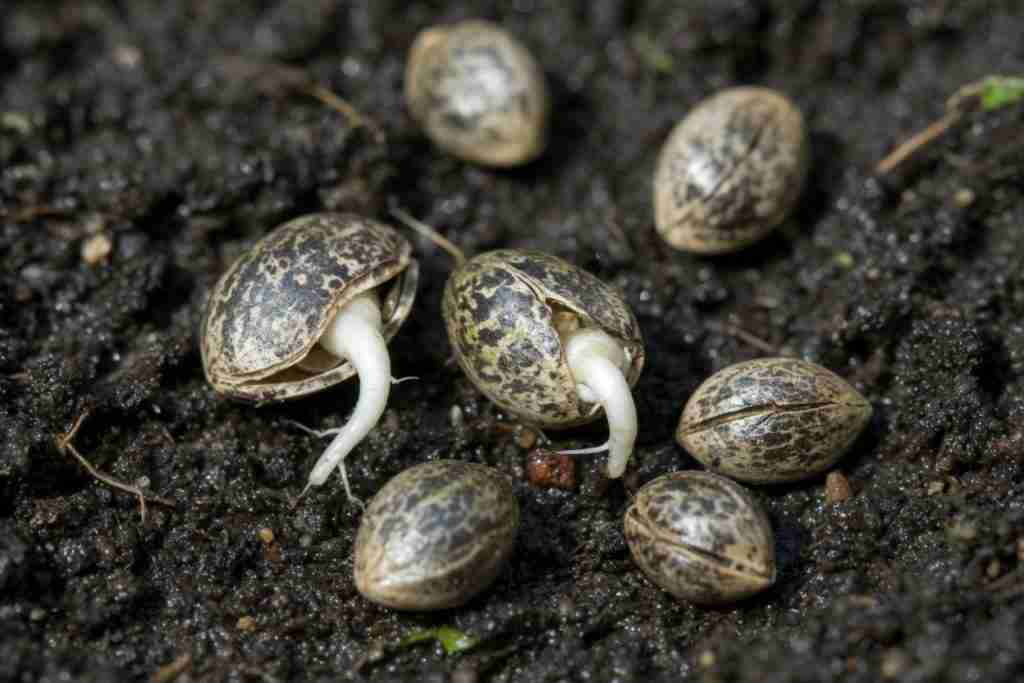
Sometimes it is an inbred line from collected seed. Sometimes it is an heirloom grown in Europe for 20 years. Sometimes it is a hybrid wearing a place-name. Read the description. If it says feminized, 8-week flower, 25 percent THC, dessert terps — that is not a village field. If it says regular, 16 weeks, variable height, “expresses as a population” — closer. Pay for honesty, not a flag on the pack.
Germination still works like any other seed. Speckled shells, a taproot, a pot. The difference shows up after week three, when one plant is a bush and one is already reaching for the ceiling. That is the population talking. Do not cull the odd one on day ten unless it is sick. Take notes through flower. The keeper is often not the prettiest seedling.
Mistakes That Waste a Season
- Popping two Thai seeds in a 2×2 and wondering why they eat the LEDs.
- Expecting every plant in the pack to smell the same.
- Flowering a photoperiod landrace on 18 hours because “autos exist.”
- Feeding a full hybrid bottle chart to a plant that evolved on rain and dust.
- Calling a 2020 dessert cross a landrace because the name has a country in it.
- Letting hybrid pollen hit the only real landrace females you will get this decade.
- Harvesting a 14-week sativa at week 8 because the calendar app said “kush.”
Match the plant to the room and the season. Mountain indica in a tent. Tropical sativa in a tall greenhouse or a long outdoor summer. Autos when frost is early. Hybrids when you need four identical jars. Landrace when you want the old shapes and you are willing to hunt. That is the whole decision.
FAQs
What is a cannabis landrace strain? A regional population adapted over many generations in one place, not a modern polyhybrid.
Are landraces pure sativa or indica? Those labels are shortcuts for growth habit. Real fields still vary. Ruderalis is the autoflowering wild type from the north.
What is the difference between landrace and heirloom? Landrace still belongs to its home region. Heirloom left home and was kept relatively uncrossed somewhere else. Maui Wowie is the usual heirloom example. Hindu Kush as a mountain population is landrace talk.
Are they weaker than hybrids? Not always. They are less uniform. Some plants are as strong as anything on a shelf. The pack average is the gamble.
Can I grow Thai indoors? You can. You will veg short, train, and wait a long flower. Most home tents are happier with Afghan or Hindu Kush types.
Is Durban Poison a landrace? It started as a South African regional line. What you buy now is usually a selected, sometimes slightly hybridized, version of that story. Still closer to the source than a dessert cross named after candy.
Should I buy feminized landrace seed? If the pack is feminized and 8 weeks, you are probably buying a hybrid. Real population work wants regulars, both sexes, and a notebook.
Cannabis landrace strains are geography in seed form. Grow them if you want the old shapes and a hunt. Grow hybrids if you need the same plant four times. Both jobs start with honest seed, not a cartoon map.