Cannabis Cultivation at High Altitudes: Overcoming Unique Growing Challenges

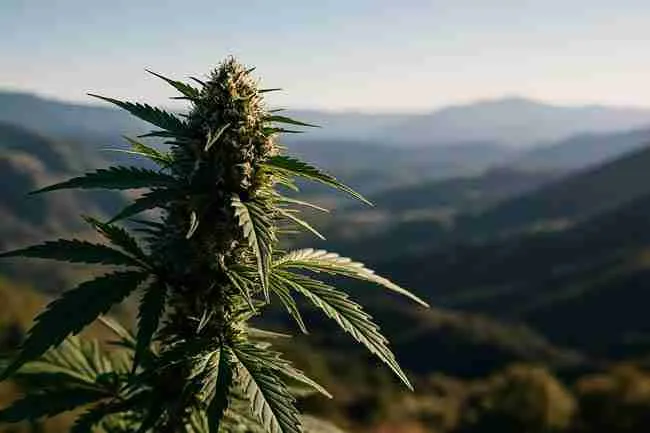
Growing cannabis at high altitudes can be a roller coaster ride, but you can turn those challenges into real advantages if you know what you’re doing. I’m here to walk you through everything you need to know. You’ll learn how altitude shapes the way your cannabis plants grow, how they naturally adapt, and even how to build a grow room that sustains itself with plants, beneficial insects, and a busy microbial community right under your nose. Let’s get into it, step by step!
How does altitude affect cannabis?

When you grow cannabis in high-altitude regions, you’re stepping into a whole new ballgame compared to cultivating at sea level. The air is thinner, the sun is fiercer, and the environment can be as unpredictable as a box of chocolates. Here’s how altitude changes the game for your plants:
Key Factors Affected by Altitude
- Air Pressure & Oxygen Levels:
You might notice that at higher elevations, the air pressure drops. Cannabis plants rely on a steady supply of oxygen to fuel their growth, and lower oxygen can slow things down. However, the plants get used to it over time. - Sunlight Intensity & UV Radiation:
At higher altitudes, you’re hit with more direct sunlight and higher UV levels. The sun’s rays become more potent, which can boost trichome production—a natural sunscreen for your plants—but might also stress them out if they’re not acclimated. - Temperature Fluctuations:
The difference between day and night temperatures is more extreme high up. You could see warm, sunny days and then sudden, chilly nights. This swing can influence flowering times and overall plant vigor. - CO₂ Concentration:
The concentration of carbon dioxide drops as you go higher. Since CO₂ fuels photosynthesis, lower levels can slow down growth unless you compensate in your grow room in places such as Colorado. - Humidity & Moisture Levels:
The air often becomes drier at higher altitudes, causing moisture levels in the soil and leaves to drop. This dry condition can help reduce some common mold problems, but it also means you need to watch for signs of dehydration.
What This Means for You
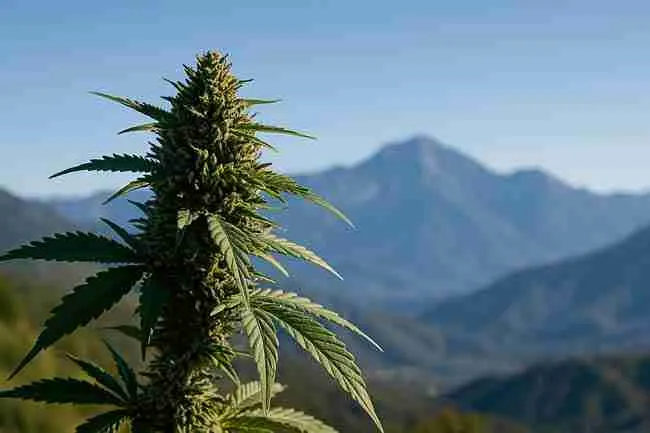
You need to pay close attention to how your cannabis responds. Adjusting your watering schedule, paying extra care to nutrient mixes, and perhaps even using supplementary CO₂ can all be part of the solution. By keeping an eye on these factors, you’ll learn what each plant needs to thrive despite the challenges high altitude brings.
Does high altitude affect cannabis growth?
You bet it does! The effects of altitude on cannabis growth are both obvious and subtle. When you grow cannabis at high altitudes, you could see changes in how quickly your plant grows, how it flowers, and even in the potency of its compounds.
Growth and Flowering
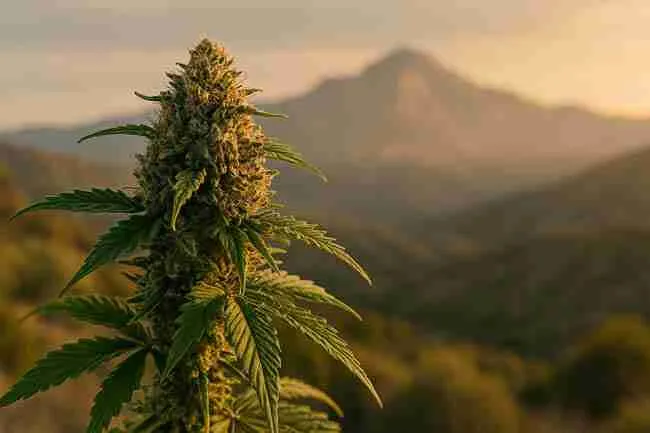
At higher altitudes, the growth process might slow down because of the cooler, thinner air. The reduced CO₂ levels mean that photosynthesis takes a bit of a back seat, so you might see delayed flowering. However, those same conditions can encourage your plants to produce more trichomes, which are those little crystals that contain THC and other cannabinoids.
Environmental Stresses
You face a mixed bag of benefits and challenges:
- Benefits:
- Increased trichome production due to higher UV light
- Reduced risk of pests that thrive in moister conditions
- Unique flavor and aroma profiles that come from growing under extreme conditions

- Challenges:
- Slower growth speed due to reduced oxygen and CO₂
- The need for extra nutrients to help the plant adjust
- More dramatic temperature swings that might stress your plant
Practical Tips for You

- Supplement Lighting:
When natural sunlight is too harsh, consider using supplemental lighting that mimics the ideal balance of UV and visible light. - Control Your Environment:
You might not be able to change the weather, but if you grow indoors, you can create a mini high-altitude environment that’s supportive rather than stressful. Adjust temperature and humidity levels to strike the perfect balance. - Experiment and Record:
Every plant is unique, so document how your cannabis performs. Make small tweaks and see what makes a difference. Real-life examples have taught me that keeping a journal of plant responses helps in fine-tuning your strategy.
How do cannabis plants adapt to high altitude?
It might seem like nature plays tricks on you, but cannabis plants actually have some clever ways of dealing with high altitude. They lean on their roots and their relationships with the tiny critters living in the soil to survive and even thrive in tougher conditions.
Root Exudates and Beneficial Soil Microbes

Your cannabis roots don’t just sit there—they actively release sugars and other compounds into the soil. This process, called root exudation, brings in a crew of beneficial soil microbes that help your plant absorb nutrients more efficiently. Think of it like inviting helpful neighbors over to lend a hand when you’re renovating your home.
- Sugars and Compounds:
The sugars serve as an attractive snack for soil microbes like mycorrhizal fungi and certain bacteria. These microbes live around the plant roots and form a symbiotic relationship. In return for the treats, they help break down soil nutrients into forms that the cannabis plant can easily take up. - Enhanced Nutrient Uptake:
The microbes work their magic by breaking down minerals and making phosphorus, nitrogen, and other crucial nutrients accessible to your plant. This is especially important at high altitudes where the plant might be struggling to get what it needs from the thinning air and challenging soil conditions.
Table: Beneficial Microorganisms and Their Roles
| Beneficial Microbe | Function | Benefit to Cannabis |
|---|---|---|
| Mycorrhizal Fungi | Increases root surface area | Enhances nutrient and water uptake |
| Bacillus subtilis | Breaks down organic matter | Provides growth-promoting substances, boosts disease resistance |
| Trichoderma spp. | Acts as a biocontrol agent | Fights off soil pathogens and improves plant health |
| Pseudomonas fluorescens | Solubilizes phosphorus | Increases phosphorus availability for growth |
Self-Sustaining Grow Room Tips

You can harness this natural system in your indoor grow operation too! I design my grow rooms to mimic nature’s balance. Here’s how you create your own mini ecosystem:
- Introduce Organic Matter:
Use compost or worm castings to feed both the plant and the microbes. - Choose the Right Soil:
Use soil that’s full of organic life. I always avoid sterile mixes; instead, I let nature do its thing. - Add Beneficial Insects:
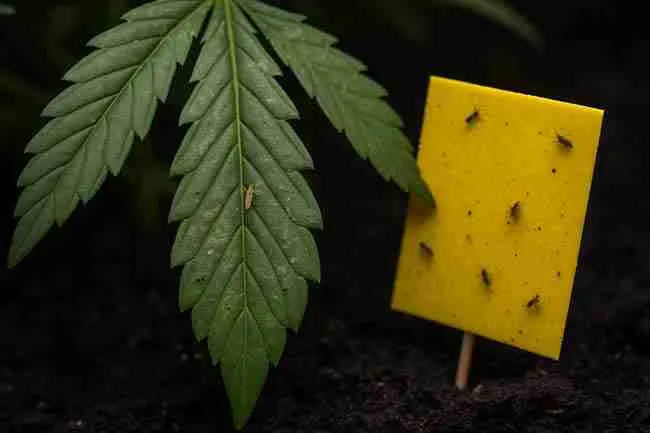
Ladybugs, predatory mites, and even certain parasitic wasps help keep pest populations low. - Manage Environmental Conditions:
Keep the temperature and humidity in check so that your beneficial microbes and insects feel right at home.
Through these steps, you create a self-sustaining environment that minimizes the need for chemical interventions and boosts overall plant resilience.
What effect does altitude have on cannabis vegetation?

When you grow cannabis at high altitudes, you see visible changes in the vegetation—changes that tell the story of adaptation and survival. The plant’s structure, leaf size, and color might all shift to adapt to the thin air and intense sunlight.
Visual and Physiological Changes
- Sturdy, Compact Growth:
Cannabis grown in high altitudes tends to develop a more compact structure. You might notice shorter internodes and thicker leaves. This helps reduce water loss and protects against the sun’s UV rays. - Increased Trichome Production:
The extra UV exposure makes the plant boost its trichome production, which in turn increases the potency of the cannabinoids. Trichomes act as a shield against the harsh environment, much like a suit of armor for the plant. - Leaf Color and Texture:
Leaves might adopt a darker, richer green or even show hints of purple. This change comes from the plant’s effort to shield itself from ultraviolet damage. The leaves also become tougher to handle the drier conditions common at high altitudes.
Real-Life Story Time
Imagine you’re hiking through a mountain range and you come across wild cannabis. You might see plants that look a bit rugged—stunted in size but with leaves that glisten under the bright mountain sun. That’s nature’s way of keeping the plant safe and effective in using every bit of available light and moisture.
Practical Tips for Vegetation Management
- Training Your Plants:
I always train my high-altitude cannabis plants by gently tying them down. This helps manage their compact growth form and exposes more of their canopy to the right amount of light. - Nutrient Boosts:
Because the soil might have fewer resources at higher altitudes, feed your plants with organic supplements to give them that extra kick. - Monitor for Stress:
Keep an eye out for any signs of stress like curled leaves or discolored patches. Adjusting watering schedules and nutrient mixes can keep your plants in top shape.
What is cannabis cryptic virus?

While it might sound like something out of a sci-fi flick, the cannabis cryptic virus is a real phenomenon that you should know about. It doesn’t always show symptoms, hence the term “cryptic,” but knowing about it can help you avoid potential pitfalls in your high-altitude cannabis cultivation.
Understanding the Cannabis Cryptic Virus
- The Basics:
Cannabis cryptic virus (CCV) is a type of virus that infects cannabis plants without always causing obvious symptoms. You might not notice it at first, but it can affect the overall health and yield if left unchecked. - Potential Impact:
The virus might stunt growth or interfere with nutrient absorption. In some cases, it can make the plant more susceptible to other stress factors, especially in challenging high-altitude conditions. - Transmission Routes:
The virus spreads through contaminated tools, close contact between plants, or even by certain insects if you’re not careful. The best way to manage it is by maintaining a clean growing area and always quarantining new plants until you’re sure they’re virus-free.
List: Signs to Look Out For

- Unexplained stunted growth
- Slight discoloration or mottling on leaves
- Reduced vigor or yield over time
- Occasional leaf malformation
What to Do if You Suspect an Infection

If you suspect that your plant might be infected with a cryptic virus, take immediate action:
- Isolate the affected plant.
- Sterilize all your gardening tools.
- Inspect neighboring plants closely.
- Consider a gentle foliar spray with organic antiviral compounds (like certain neem oil formulations).
- Increase the presence of beneficial microbes to help counter the imbalance.
While the cannabis cryptic virus might not be the most obvious enemy, awareness is key to keeping your high-altitude garden healthy and thriving.
Creating a Self-Sustaining Grow Room Environment

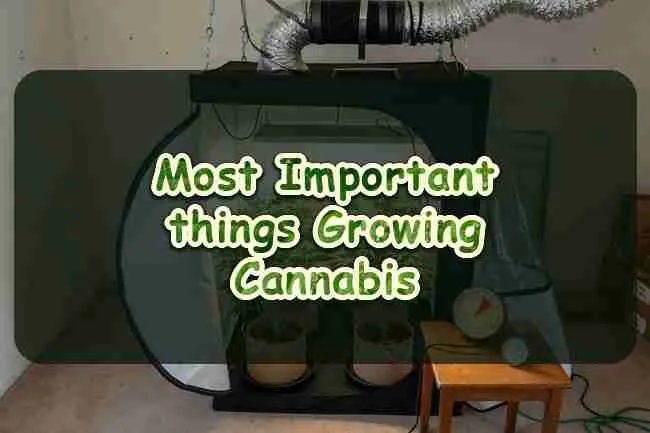
One of the coolest tricks you can use in cannabis cultivation at high altitudes is setting up a self-sustaining grow room. You create an environment where plants, insects, and microbes work together like a well-oiled machine. You won’t have to worry about constant intervention because nature does the heavy lifting.
Essential Components of a Self-Sustaining Grow Room
1. Balanced Light & Temperature
- Lighting:
Use a mix of natural and supplemental lighting. I suggest using full-spectrum LEDs that mimic the sun without overdoing it. - Temperature Control:
Install heaters or air conditioners as needed. The goal is to keep the room comfy for your plants year-round.
2. Proper Humidity & Air Circulation

- Humidity Levels:
Keep humidity in the range that suits your cannabis strain. High altitudes can be drier, so you might need a humidifier in winter and a dehumidifier in summer. - Air Flow:
Use oscillating fans to create gentle breezes that help your plants build strength and prevent stagnant, moldy pockets.
3. Integrated Pest Management (IPM)

- Beneficial Insects:
Introduce ladybugs, predatory mites, and lacewings to keep pests at bay. - Natural Insecticides:
Stock up on organic insect repellents like neem oil. These help control pests while keeping the environment natural.
4. Nutrient-Rich Soil & Microbial Life

- Organic Matter:
Use compost or worm castings to enrich your soil. This organic matter feeds the microbial life that your plant roots call on. - Microbial Inoculants:
Add beneficial bacteria and fungi to the soil. This builds a robust, self-sustaining nutrient cycle in your grow room.
Table: Grow Room Environment Specifications
| Parameter | Recommended Range | Notes |
|---|---|---|
| Temperature | 70°F to 80°F (21°C to 27°C) | Adjust for seasonal changes; avoid dramatic swings |
| Humidity | 40% to 60% | Use humidifiers or dehumidifiers as needed |
| Light Exposure | 12-18 hours (depending on stage) | Mimic natural day/night cycles with LED lighting |
| Air Flow | Continuous gentle circulation | Use fans to prevent hotspots and mold growth |
| CO₂ Supplementation | 400-800 ppm when applicable | Boost during peak growth for extra photosynthesis |
By setting up your grow room with these essentials in mind, you create a mini ecosystem where every component supports the other. This balanced approach means you spend less time worrying about external changes and more time enjoying healthy, thriving cannabis.
Pros and Cons of Cannabis Cultivation at High Altitudes

Every method has its ups and downs, and high-altitude cannabis cultivation is no exception. Let’s break it down in a way that you can really use when deciding whether to go for it.
Pros
- Enhanced Trichome Production:
The extra UV light can boost trichome and cannabinoid production, giving you a more potent product. - Natural Disease Resistance:
The drier conditions can naturally reduce the spread of mold and other moisture-loving pests. - Unique Flavors and Aromas:
Stress from the altitude can push your plants to produce distinctive flavor profiles and aromatic compounds. - Pest Pressure:
High altitudes sometimes mean fewer pests, so you might not have to worry as much about infestations.
Cons

- Slower Growth Rate:
Lower oxygen and CO₂ levels mean your plants might take longer to hit maturity. - Temperature Extremes:
The wild swings from sunny days to cold nights can stress your plants if you don’t manage your environment properly. - Nutrient Management:
The unique soil conditions require a bit of extra attention to ensure your plants get a balanced diet. - Initial Setup Investment:
Getting your self-sustaining grow room set up might need more upfront planning and costs, though it saves you time and effort later.
Specifications to Keep in Mind
- Altitude Range:
High altitude typically means above 2,000 feet. Make sure you know your specific range so you can tweak your strategy. - Strain Selection:
Some strains handle high altitude better than others. Look for those known for robustness in tough conditions. - Soil pH and Nutrient Content:
Measure your soil’s pH and amend it with natural, organic additives to suit cannabis. A pH between 6.0 and 7.0 usually works best.
FAQs on Cannabis Cultivation at High Altitudes
Here are some common questions that you might have along the way, complete with straightforward answers to help you navigate through the journey.
Q1: How does high altitude change the overall cannabis growth cycle?
A: High altitude slows down the growth cycle somewhat due to thinner air, lower CO₂, and temperature extremes. However, plants often compensate by producing more trichomes, which can be a silver lining.
Q2: Can I use regular soil for high-altitude cultivation?
A: Regular soil might work, but you’ll have to enrich it with organic matter and beneficial microbes to support nutrient uptake. Customizing your soil mix to match your altitude-specific needs gives the best results.
Q3: How do I manage the stress of temperature swings in my grow room?
A: By installing proper heating, cooling, and humidity management systems, you can create a stable environment. Monitoring and adjusting these factors regularly ensures your plants don’t suffer from sudden changes.
Q4: What role do beneficial insects play in a high-altitude grow room?
A: Beneficial insects help control pests naturally and maintain a balanced ecosystem. They work together with the microbial life to keep your plants healthy without relying on harsh chemicals.
Q5: How do I detect the cannabis cryptic virus in my plants?
A: Look for subtle signs like slightly stunted growth or minor discoloration in leaves. Regular inspections and maintaining a clean environment can help in early detection and control.
Final Thoughts on Cannabis Cultivation at High Altitudes

You have a real opportunity to harness nature’s challenges and turn them into advantages by understanding every facet of high-altitude cannabis cultivation. I’ve shared a detailed walkthrough—from the impact of altitude on plant physiology and growth patterns to designing your self-sustaining grow room and managing potential virus risks. This guide gives you a toolkit to adapt your practices, boost your yield, and create that perfect equilibrium of nature and nurture.
I encourage you to experiment, stay observant, and always be ready to tweak your practices. Each grow season teaches you something new, so even if you face setbacks, use them as stepping stones to refine your technique. With persistence and a keen eye for detail, you can master the art of high-altitude cannabis cultivation and produce crops that pack a potent punch.
Remember, the journey might be a bit bumpy, but the rewards are totally worth it. Enjoy the process, trust in nature’s wisdom, and soon you’ll see how every challenge becomes an opportunity for growth.
Additional Tips for Success
Here’s a quick list of extra tips you can use to make your high-altitude cannabis cultivation even more successful:
- Plan Ahead:
Research your specific altitude and local climate conditions before planting. - Stay Updated:
Monitor the latest research and techniques in cannabis cultivation. New methods and organic products can make your life easier. - Embrace Nature:
Let your plants interact naturally with beneficial insects and microbes. The more you work with nature, the more it works for you. - Invest in Quality Tools:
Get reliable climate controllers and nutrient testing kits. A little upfront investment can save you from big headaches later on. - Join a Community:
Sometimes, the best tips come from fellow growers who’ve faced similar challenges. Look online or in local groups for advice and shared experiences.
Pros and Cons Recap: Quick Reference List

- Pros:
- Enhanced trichome and cannabinoid production
- Natural resistance to moisture-based diseases
- Distinct, high-quality flavor profiles
- Lower pest pressure in drier conditions
- Cons:
- Slower overall growth rate
- Greater vulnerability to temperature swings
- Increased need for nutrient and soil management
- Higher initial setup costs for controlled environments
Detailed Specifications for High-Altitude Growing
Here’s a more detailed table to serve as your go-to guide for setting up your high-altitude cultivation system:
| Aspect | Optimal Range/Value | Details/Recommendations |
|---|---|---|
| Altitude | 2,000+ feet | Adjust practices based on specific altitude conditions |
| Temperature | 70°F – 80°F (day) / 55°F – 65°F (night) | Use heaters and coolers to manage day/night fluctuations |
| Humidity | 40% – 60% | Use humidifiers in dry conditions; dehumidifiers in high-moisture periods |
| CO₂ Levels | 400-800 ppm (with supplementation if needed) | Adjust with controlled release systems in indoor grow rooms |
| Soil pH | 6.0 – 7.0 | Maintain a stable pH with organic amendments |
| Nutrient Schedule | Organic nutrient applications bi-weekly | Use microbial inoculants and nutrient boosters tailored for altitude |
FAQs: Your Quick Access Guide
- How does the increased UV light at high altitude affect potency?
You get a boost in trichome and cannabinoid production, which increases the potency of your buds. - What types of beneficial insects should I introduce in my grow room?
Try ladybugs, predatory mites, and lacewings. They help control pests and keep the ecological balance. - Can I grow cannabis outdoors at high altitudes successfully?
Sure, but you need to adapt to more extreme temperature swings and thinner soil nutrients. Indoor cultivation lets you control these factors better. - How do I tell if my soil microbes are doing their job?
Healthy, green, robust growth in your plants usually signals that your soil is thriving with beneficial microbial life. - What are my best choices for organic nutrient sources?
Use compost, worm castings, and organic microbial inoculants to keep the nutrient cycle healthy and balanced.
Final Words

You now have a toolbox brimming with strategies to tackle the challenges of cannabis cultivation at high altitudes head-on. I’ve laid out every detail—from understanding environmental factors and plant responses to creating a holistic, self-sustaining indoor system. Trust your instincts, keep learning from every season, and let each challenge push you toward mastering the art of growing cannabis where the air is thin and the sun burns brighter.
Take these insights, tailor them to your specific situation, and remember: nature’s tough, but with a little grit and a lot of care, you can make your high-altitude cannabis crop flourish like never before.