Cannabis Biodiversity: How Preserving Genetics Benefits Future Growing

Introduction to Cannabis Biodiversity and Genetics
Cannabis plants, scientifically known as Cannabis sativa L., have been grown and used by humans for thousands of years. These plants are primarily cultivated for two purposes: industrial hemp for fiber and seeds, and medicinal cannabis for its cannabinoid content. Over time, cannabis has developed a rich genetic diversity, making it a fascinating yet challenging plant to grow and improve. The importance of preserving cannabis genetics goes beyond just growing for today’s needs—it holds the key to better and more efficient cultivation in the future.
By preserving cannabis biodiversity, growers and breeders can maintain a wide array of traits, from cannabinoid profiles to resistance against pests and diseases. This article will dive deep into why preserving cannabis genetics is crucial and how it benefits future cannabis growth, especially for those interested in cultivating cannabis plants for either medicinal or industrial purposes.
Why Preserving Cannabis Genetics Matters

Ensuring Stability and Variety
Cannabis plants come in many shapes, sizes, and cannabinoid profiles. These variations are crucial for growers because different strains serve different purposes. Some strains have high levels of THC (tetrahydrocannabinol), which gives the plant its psychoactive effects, while others are rich in CBD (cannabidiol), known for its medical benefits. If we don’t actively preserve these genetics, we risk losing valuable strains.
Imagine trying to grow your favorite strain, only to discover that it’s no longer available because its genetics weren’t preserved. Without genetic diversity, cannabis cultivation would become monotonous, and breeders wouldn’t have the ability to create new and improved strains. Preserving genetics ensures that the diverse needs of cannabis users, whether medicinal or recreational, can be met.
Breeding New and Improved Strains
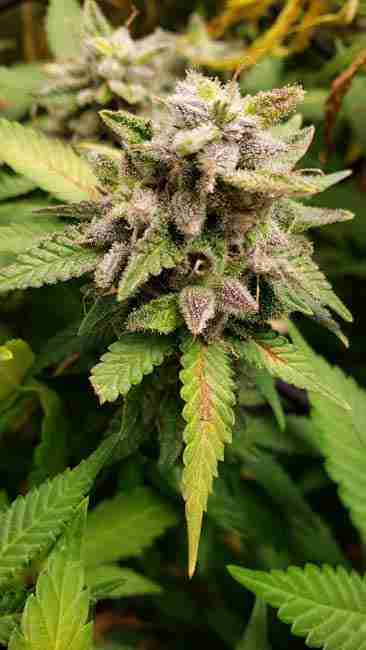
One of the most exciting aspects of cannabis cultivation is the ability to create new strains. Breeders often cross different plants to develop hybrids that combine the best traits from both parent plants. However, without a robust genetic library, creating new strains becomes nearly impossible.
By preserving cannabis biodiversity, breeders can mix and match traits to create strains with specific cannabinoid profiles, terpene content, and resistance to diseases. For example, a breeder might want to develop a strain high in both THC and CBD, or one that can thrive in extreme climates. With a wide genetic pool, the possibilities are endless.
Resistance to Pests and Diseases
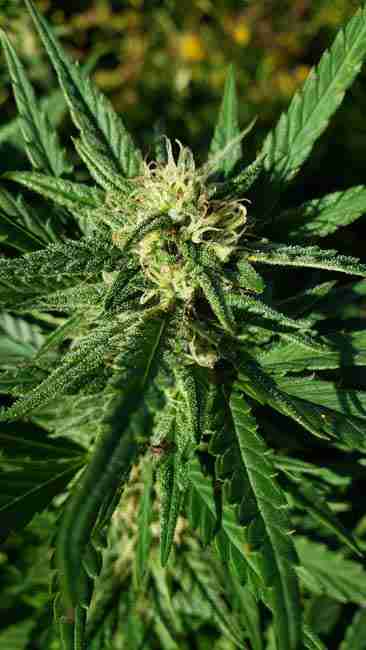
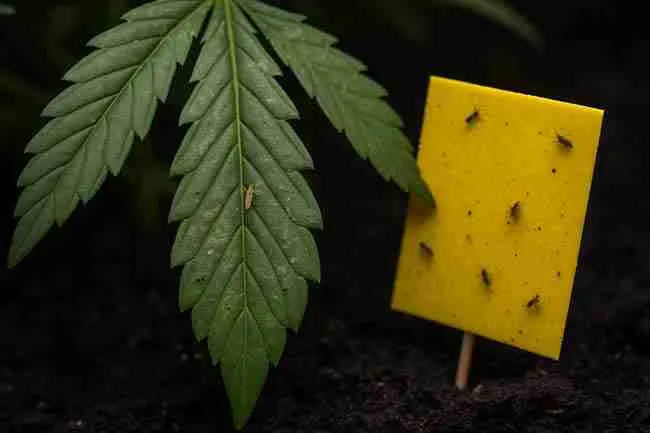
Cannabis plants are vulnerable to various pests and diseases, such as powdery mildew, spider mites, and gray mold. Some strains are naturally more resistant to these threats than others due to their genetic makeup. Preserving cannabis genetics means keeping strains that have built-in defenses, which can be crucial for maintaining healthy crops.
Without biodiversity, if a new pest or disease emerges, it could wipe out entire crops. Having a diverse genetic pool allows growers to select plants that are resistant to specific pests or diseases, ensuring the survival and success of future cannabis plants.
How Cannabis Biodiversity Benefits Future Growth
Adaptability to Changing Environments
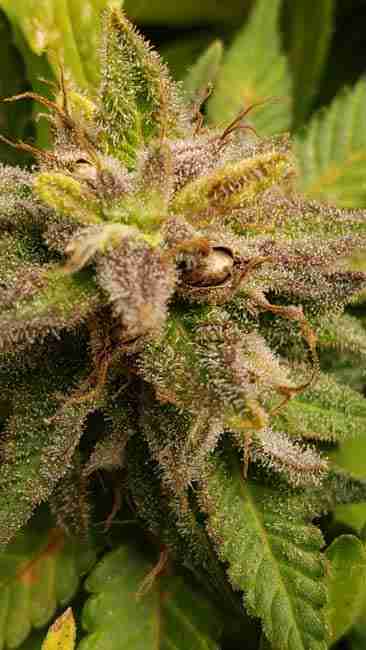
Climate change is affecting agriculture worldwide, and cannabis cultivation is no exception. By preserving cannabis genetics, growers can ensure that future plants have the adaptability needed to thrive in changing environments. Some strains are more tolerant of drought, while others can withstand colder temperatures.
For example, cannabis grown in Nova Scotia, Canada, where we are based, faces unique challenges compared to plants grown in warmer climates like California. Preserving the genetics of plants that have adapted to these specific environments means future growers can cultivate strains suited to their local conditions, without worrying about extreme weather patterns.
Increased Cannabinoid and Terpene Profiles
Cannabis plants produce a range of cannabinoids and terpenes, which contribute to their medicinal and recreational benefits. THC and CBD are the most well-known cannabinoids, but there are over 100 others, including CBN (cannabinol) and CBG (cannabigerol). Terpenes, like myrcene and limonene, give cannabis its distinct aroma and flavor.
Preserving cannabis genetics ensures that future generations of plants can continue producing a diverse range of cannabinoids and terpenes. This is important not just for recreational users, but for medical patients who rely on specific strains for their health conditions. For instance, some patients require high-CBD strains to manage epilepsy, while others may need strains rich in terpenes for anxiety relief.
Supporting Sustainable Cultivation Practices
Cannabis cultivation can have a significant environmental impact, especially when grown indoors with artificial lights and climate control systems. However, by preserving genetics, growers can cultivate strains that require less water, fewer nutrients, or are better suited for outdoor growing.
Sustainable cannabis farming becomes much easier when you have access to a wide variety of strains that are naturally hardy and resilient. For instance, strains with strong root systems may require less irrigation, while those that are resistant to pests won’t need as many pesticides. This not only benefits the environment but also reduces costs for growers.
The Science Behind Cannabis Breeding

Traditional Breeding vs. Genome Editing
Breeding cannabis is an intricate process, especially because cannabis is a dioecious plant, meaning it has separate male and female plants. This makes traditional breeding more time-consuming and expensive, as growers must control which plants cross-pollinate. However, newer breeding techniques, such as genome editing, have the potential to revolutionize cannabis breeding.
With genome editing tools like CRISPR, breeders can target specific genes responsible for traits like cannabinoid production or disease resistance. This allows for more precise and faster breeding, without altering the plant’s overall genetic makeup. However, these techniques require a deep understanding of the plant’s genetic structure, which is why preserving cannabis biodiversity is so essential. Without a wide genetic base to work from, even advanced techniques like genome editing would be limited.
Pros and Cons of Preserving Cannabis Genetics
| Pros | Cons |
|---|---|
| Ensures a diverse range of strains | Requires resources and space to maintain |
| Helps in breeding new, improved strains | Can be time-consuming to catalog genetics |
| Provides resistance to pests and diseases | Some strains may not be immediately useful |
| Allows adaptation to environmental changes | Genetic preservation isn’t foolproof |
| Supports sustainable cultivation practices | Costs for long-term preservation efforts |
Practical Tips for Growers to Preserve Cannabis Genetics

Save Seeds
One of the easiest ways to preserve cannabis genetics is by saving seeds from your plants. This allows you to grow the same strain again in the future or share it with others. Make sure to label and store seeds properly in a cool, dark place to ensure their viability.
Cloning
Cloning is another method of preserving genetics. By taking cuttings from a mother plant, you can ensure that the genetic makeup remains unchanged. Cloning is especially useful for maintaining the cannabinoid and terpene profiles of specific strains.
Collaborate with Other Growers
Working with other growers to share and preserve genetics can help ensure the survival of rare or unique strains. By pooling resources and knowledge, you can maintain a diverse genetic library that benefits everyone in the cannabis community.
FAQs about Cannabis Genetics

What are the benefits of preserving cannabis genetics?
Preserving cannabis genetics ensures diversity, helps breeders develop new strains, and provides resistance to pests and diseases.
Can I preserve cannabis genetics by cloning?
Yes, cloning is an effective way to preserve the genetics of a particular plant. This ensures that the cannabinoid and terpene profiles remain consistent.
How does cannabis biodiversity help with pest resistance?
Some cannabis strains are naturally more resistant to pests and diseases. Preserving biodiversity allows growers to cultivate these resilient strains and reduce crop loss.
Why is cannabis breeding so challenging?
Cannabis is a dioecious plant, meaning it has separate male and female plants, making traditional breeding time-consuming. Additionally, maintaining the plant’s cannabinoid profile while introducing new traits is difficult.
Conclusion
Preserving cannabis genetics is essential for the future of cannabis cultivation. By maintaining a diverse genetic pool, growers can ensure the availability of unique strains, breed new varieties, and adapt to changing environmental conditions. Whether you’re a home grower or a large-scale cultivator, understanding and preserving cannabis biodiversity will help ensure the plant’s success for generations to come.