Cannabis and Organic Certification: What Growers Need to Know

Cannabis and organic certification is an audit of a named farm, not a compost bag and a good intention. If you grow marijuana with worm castings and no salt bottles, you are growing with organic methods. You are not certified. The certificate is a scoped file: operator, sites, crops, certifying body, and an expiry date. Compost in the pot does not print USDA Organic on the jar.
Search in 2026 still mixes three jobs into one phrase. One job is the seed you plant. One job is the soil and feed you use. One job is the claim you put on a jar, a website, or a wholesale invoice. The seed job lives on certified organic cannabis seeds. The bag list lives on organic growing amendments and on growing cannabis with Gaia Green. This page is the claim. What a grower can and cannot wear after the harvest.
Recreational cultivation in Canada is four live plants per household, Cannabis Act s.12. A seedling counts. A clone counts. Quebec still prohibits recreational cultivation. Manitoba has been indoor-only since 1 May 2025. Age is 19 in most provinces, 18 in Alberta, 21 in Quebec. A lease and a city bylaw still sit on top. The household year lives on cannabis cultivation in Canada. Spare seed sits in a 5-pack, about four dollars CAD a named seed, about a dollar a mix seed: why a 5-pack is the default order. Four plants can be grown with compost. Four plants do not get a certificate.
Cannabis and organic certification is an audit, not a soil bag
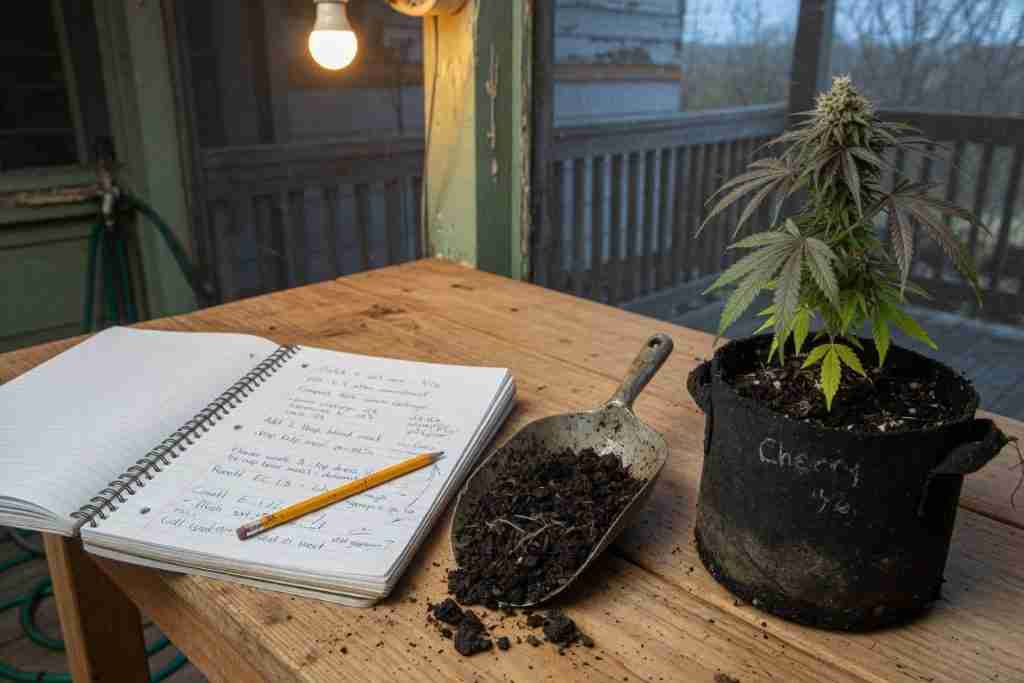
Organic programs certify an operation. They do not certify a feeling. A certifying agent walks your land or your rooms, reads the Organic System Plan, checks invoices against the input list, and samples if the standard says to sample. You pay for that visit and for the paper that follows. The paper names you, or the company, and it names the sites that were in scope. A second room you forgot to list is not certified because the first room was.
That is why a compost pile and a fabric pot are not a seal. They are methods. Methods are how you grow. A claim is what you print. USDA Organic is a federal word with a federal owner. Private stickers, state cannabis programs, and Canadian third-party cannabis certificates sit in other boxes. Mixing the boxes is how growers get warning letters.
The certificate names the operator, the site, and the crop year
Read a real certificate once. It is dull on purpose. Operator name. Physical sites. Crops or products in scope. The certifying body. The standard used. An issue date and an expiry. Indoor cannabis in containers is a different scope than outdoor beds. A hemp field under the Domestic Hemp Production Program is a different crop than marijuana flower sold in a licensed dispensary. If the crop line says hemp, it does not cover your THC room.
Expiry is not decoration. You recertify. Land that was in transition last year may be in a different status this year. A site you added in March is not automatically on the May certificate. When a buyer asks for the file, they want the current page, not a photo of a sticker from two seasons ago. Keep the PDF where you can find it. Keep the site list matching the rooms you actually run.
Methods in the pot are not claims on the jar
You can feed living soil, top-dress meal, and skip salt bottles. That is a grow style. How to mix and reuse that soil lives on organic cannabis soil and on the best soil for growing cannabis seeds. Worm castings have their own ratios on worm castings for cannabis. Compost piles have theirs on composting for cannabis growers. None of those pages print a federal seal on your jar.
A claim is a word a regulator owns. In the United States, USDA owns “organic” for food and for crops in the National Organic Program. Marijuana is not in that program. California owns a separate word, OCal, for licensed cannabis that meets a comparable-to-organic standard. Private programs own their own names: Clean Green, Certified Kind, Sun+Earth, Dragonfly Earth Medicine. They do not own “organic.” If you print the federal word on a marijuana jar, you are borrowing a word the farm never earned.
Four plants do not get certified
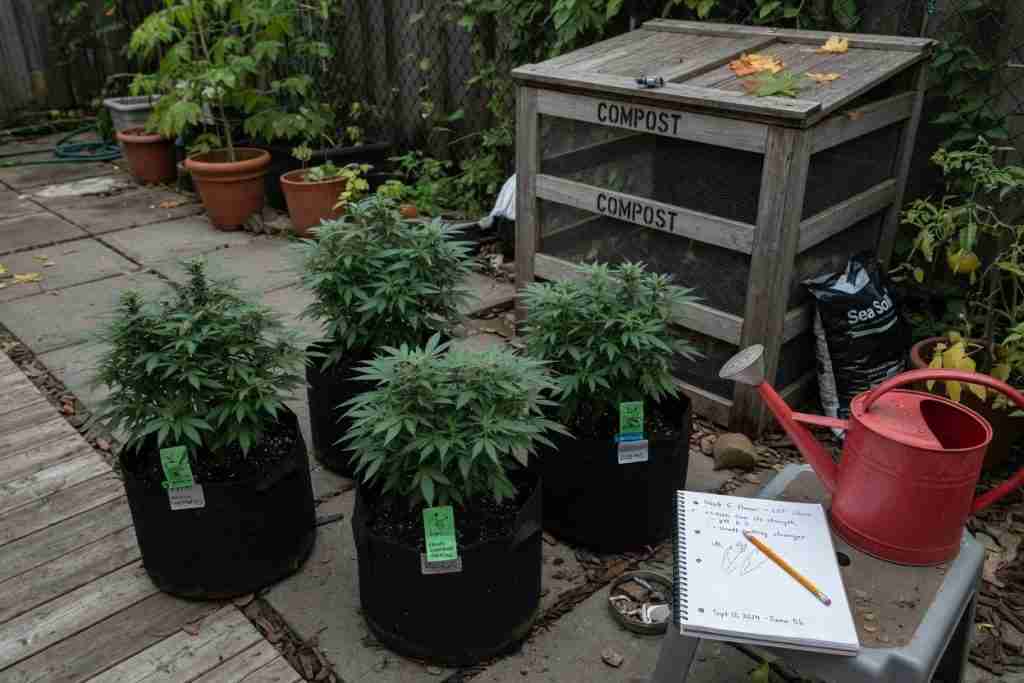
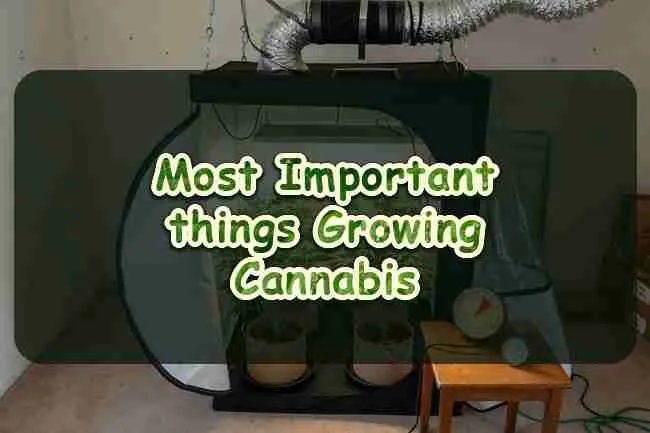
Home grow is a legal count, not a commercial audit. Four live plants is the Canadian recreational cap. Extra seed in a cupboard is not a fifth plant. The tent lives on the indoor cannabis growers guide and on grow tents for cannabis. You can keep a notebook, you can buy meals instead of salt, and you can refuse a spray that would fail a residue test. You still do not get a number from USDA, CFIA, or CDFA. Certifiers write certificates for licensed operators with a site list and a crop the program covers. A closet is not that operator.
That is the honest line for a backyard. Grow clean because you smoke it, because neighbors exist, and because runoff from a salt bottle is a mess you do not need. Skip the application. The fee, the Organic System Plan, and the inspector day are built for a business that will print a claim. Your four plants do not print a claim.
USDA organic: hemp can wear it, marijuana cannot
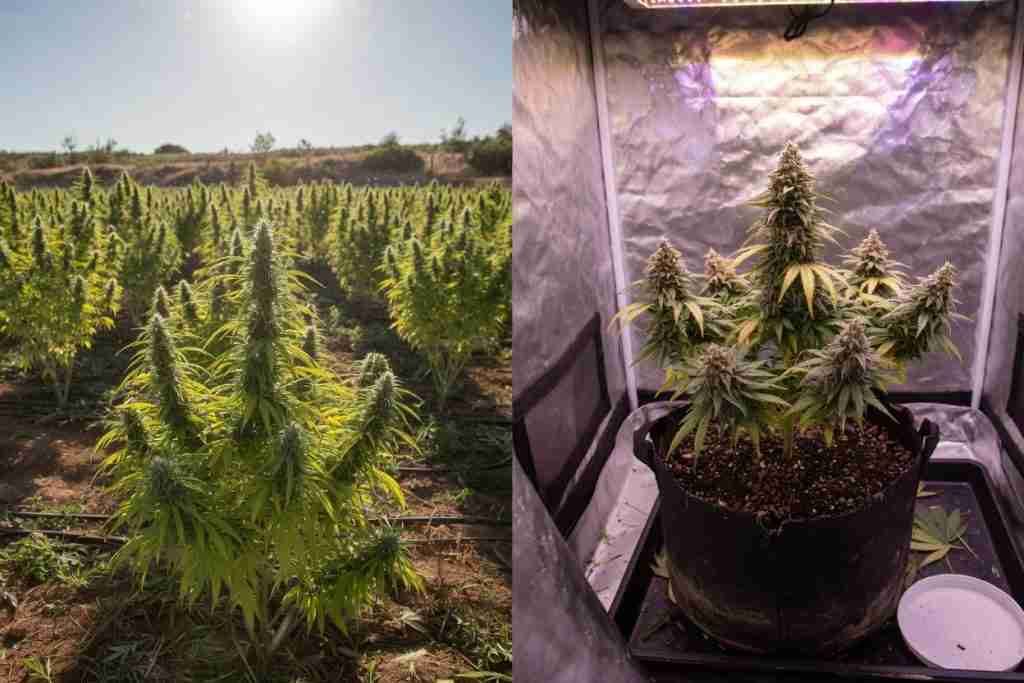
The National Organic Program certifies crops that federal law treats as agricultural products in commerce. Industrial hemp, grown under the USDA Domestic Hemp Production Program, can enter that system if the land, the inputs, and the handling meet NOP rules. Marijuana remains a Schedule I controlled substance at the federal level. NOP does not issue organic certificates for a crop the federal government still treats as illegal to grow.
Hemp and marijuana are the same genus. The legal split is THC, licensing, and which agency will talk to you. How the plants differ in the field lives on differences between cannabis and hemp. Genetics and breeding live on genetically modified cannabis only as a reminder: organic programs also care whether the seed was excluded methods. The seed object itself lives on what are cannabis seeds. This page only needs the label consequence. A USDA Organic hemp flower is possible. A USDA Organic marijuana flower is not.
What the National Organic Program actually certifies
NOP certifies an organic system: land history, prohibited-substance buffers, allowed inputs, and a handling chain that keeps the crop from mixing with a conventional lot. Outdoor land usually needs three years free of prohibited substances before the harvest can wear the seal. Indoor and container production has its own NOP questions about whether a mineral soil with organic matter is present. A certifying agent accredited by USDA does the inspection. USDA does not send a staffer to your farm for every visit. The agent issues the certificate under NOP.
If you grow hemp for grain, fiber, or floral material, and you want that seal, you hire an accredited agent, you write the plan, and you wait out the land clock. If you grow marijuana for a state market, you do not apply to NOP for that flower. There is no form that turns a Schedule I crop into USDA Organic. State legalization does not rewrite NOP. A licensed California room does not inherit a federal seal because the state issued a cannabis license.
OMRI lists inputs, not the harvest
The Organic Materials Review Institute publishes lists of products that may be used in organic production. A fertilizer, a wetting agent, or a pest material can be OMRI Listed. That listing is about the bottle, the bag, or the concentrate. It is not a certificate for the plant that ate it. You can pour an OMRI-listed input on marijuana and the flower is still not USDA Organic, because the crop is ineligible. You can also pour an OMRI-listed input on hemp and still fail NOP if the land is in transition, the site is missing from the certificate, or another input on the bench is prohibited.
California has a separate input track, OIM, for materials used in organic production in that state. It is still an input program. Do not treat a green logo on a meal bag as a harvest seal. How those meals actually feed cannabis, without turning this page into a recipe, lives on organic marijuana fertilizer. Salt bottles, the other side of the aisle, live on synthetic cannabis fertilizers. The inspector will ask for invoices either way. A bag with no lot number and no receipt is a hole in the file.
Canada: CFIA food, Cannabis Act cannabis
Canada splits the same plant across two statutes. The Canada Organic Regime sits under the Canadian Food Inspection Agency and the Safe Food for Canadians Act. It is a food and feed system. Recreational and medical cannabis sit under the Cannabis Act and Health Canada licensing. CFIA does not treat cannabis as a food in that organic regime. The Canada Organic logo, the one shoppers know from oats and apples, does not go on a jar of recreational weed.
That is the sentence licensed producers keep missing in marketing copy. “Grown organically” is a method claim. The Canada Organic logo is a regulated mark. You do not get the mark because the soil looks alive. You get the mark when CFIA’s system covers the product and a conformity verification body issues against that system. Cannabis is the wrong product for that mark. Ordering seed into Canada is a different file: buy cannabis seeds in Canada, cannabis seeds from Canada, and shipping.
No Canada Organic logo on recreational weed
If a Canadian jar, bag, or website shows the official Canada Organic logo on THC flower, treat it as a problem, not a selling point. The logo is reserved for products in the federal organic regime. Cannabis flower is not in that regime. A producer can still keep a clean input list, run living soil, and refuse prohibited sprays. They can talk about those methods in plain language if their regulator allows the wording. They cannot borrow the food logo to do the talking.
Home growers in Canada have even less of a path. You are not a licensed processor. You are not applying to CFIA. Four plants in a tent are a household grow. Grow clean for the same reasons you would grow clean tomatoes. Skip the logo.
Third-party cannabis certificates for licensed producers
Because the federal food logo is closed, some Canadian conformity bodies run internal cannabis programs modeled on the Canada Organic Standards. Names you will see in the trade include PACS, FVOPA, and Pro-Cert. They are not CFIA issuing the Canada Organic logo on weed. They are private or industry programs that inspect a licensed producer against a written standard, then issue their own certificate if the producer passes. Ask the body you hire what scope they currently issue. Programs open, pause, and rewrite. A 2023 brochure is not a 2026 certificate.
PACS, as one working example, has treated indoor cannabis as a container crop under the COS container rules, and outdoor as a land crop with a transition clock. Other bodies write similar splits. The Health Canada licence still comes first. Several of these programs withhold the cannabis certificate until the producer is licensed. If you are shopping a licensed lot, read the body name, the site list, and the expiry. Then ask whether the word “organic” is even allowed on that label in that province.
Land history, indoor containers, and the 36-month clock
Outdoor organic systems care what hit the soil before you planted. A common land clock is 36 months free of prohibited substances before the harvest can be claimed. Some programs also run a 12-month transition on top of the paperwork. The exact months live in the standard you hired. If last year’s farmer sprayed a prohibited herbicide in June, compost in July does not restart the clock. Bare land with no history is a gap the certifier has to close, not a clean slate.
Indoor rooms often sit in the container-crop chapter instead of the field chapter. The mix in the pot, the inputs you drench, and whether the containers contact treated ground all matter. A floor drain that dumps salt waste into the same pad as the “organic” beds is the kind of mixing an inspector notices. No-till living beds have their own how-to on no-till living soil cannabis growing. Korean natural farming has its own on KNF for cannabis. Those are methods. The clock and the container rules are the audit.
California OCal is comparable-to-organic, not USDA
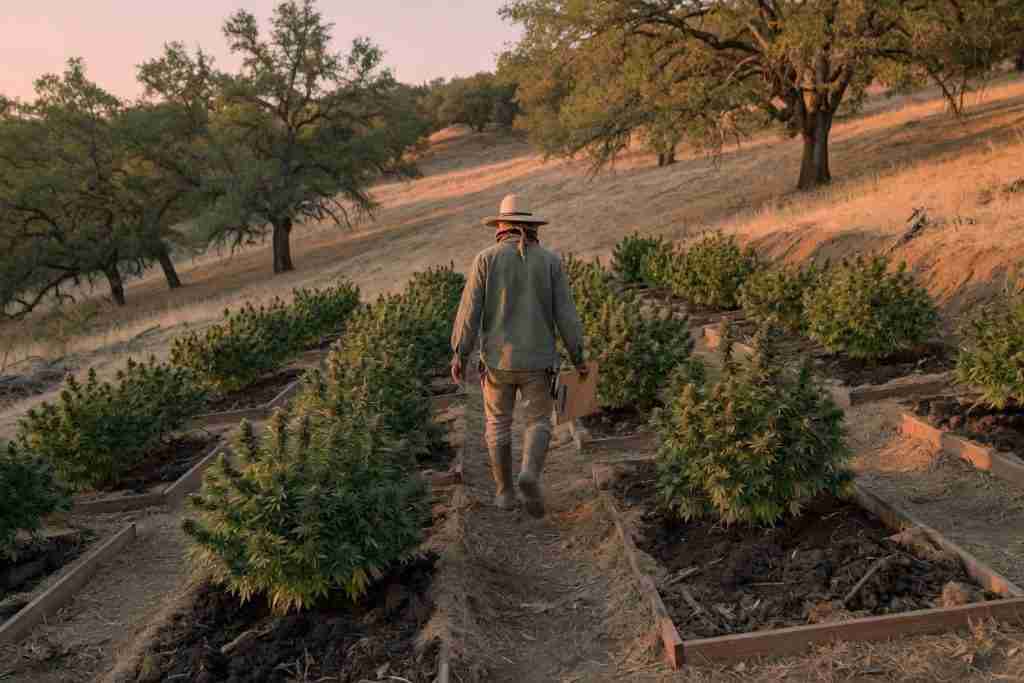
California built a state program because USDA will not certify marijuana and the state still wanted a comparable-to-organic track for licensed cannabis. CDFA runs OCal. A licensed cultivator hires an OCal certifying agent, writes a plan, and takes the inspection. CCOF is one body that certifies OCal. CDFA has kept a list of agents and has continued to take agent applications. The program is real. It is not NOP. An OCal certificate does not become USDA Organic if you drive the jars out of state.
Licensed California cannabis only
OCal is for businesses already inside California’s licensed cannabis system. A home grower in a garage in Oakland does not apply. A licensed farm in Humboldt can. A hemp farm that already holds NOP is a different crop and a different certificate. Do not staple an OCal sticker to a hemp lot, and do not staple a USDA hemp certificate to a marijuana jar. The agencies are not interchangeable even when the leaves look the same from the road.
If you sell in California and you want the comparable-to-organic claim, you start with your cannabis license, then the agent, then the plan. You do not start with a compost selfie. The agent will want land history or container records, input invoices, and a map of the sites. Neighboring conventional sprays still matter if drift is a risk. Buffer rows are not a slogan. They are a measured strip the inspector can walk.
The word organic stays off the jar
California’s Department of Cannabis Control advertising rules, including DCC 17408, keep the word “organic” off cannabis goods unless federal NOP actually authorizes cannabis, which it does not. Licensed sellers use OCal, not “organic,” on the package. That is the trap in retail copy. A farm can be OCal certified and still get cited for printing organic on the label. The comparable-to-organic work is the farm file. The print on the jar is the word the state allows.
If you write menus, wholesale sheets, or a farm page for a California licence, use the program name. OCal. Comparable to organic, if your counsel signs off on that phrase. Skip “USDA Organic.” Skip a leaf logo that looks like the federal seal.
Private seals fill the gap and still cannot say organic
Outside California’s OCal, and outside NOP hemp, the United States still has private cannabis seals. They grew up because growers wanted a third party to walk the farm and buyers wanted more than a compost story. The oldest names in that lane are Clean Green, Certified Kind, Sun+Earth, and Dragonfly Earth Medicine. Each has its own standard, its own inspector pool, and its own logo. None of them is USDA. None of them lets you print the word organic on a marijuana package just because you paid for the audit.
Clean Green, Certified Kind, Sun+Earth, Dragonfly
Clean Green Certified is the name you see most on older West Coast jars. Certified Kind, Sun+Earth, and Dragonfly Earth Medicine each run their own checklist. Treat them as separate products. A farm can hold one and fail another. A sticker from 2019 does not prove this year’s crop. Ask for the current certificate, the sites, and the crop year, the same way you would for OCal or NOP hemp.
These programs still look at inputs, pest tools, and whether the farm can show what went in the soil. They may also look at water, waste, and labor, depending on the standard. They are not a substitute for a state cannabis licence. They sit on top of the licence. A private seal on an unlicensed grow is marketing, not a shield.
A sticker is not a federal seal
USDA owns the word organic in federal marketing. Private cannabis programs know that. Their own style guides tell members not to say organic on the package. You will still see websites that say “organic certified cannabis” under a Clean Green photo. That copy is the farm talking, not the federal program talking. If you are the grower, print the program’s real name. If you are the buyer, ask which body, which sites, and which year. A hologram on a jar is only as good as the PDF behind it.
The same caution applies to seed packs. A pretty leaf on a packet is not a farm certificate. How to read a real seed shop versus a pretty website lives on how to tell a real seed bank from a pretty website. Organic versus conventional seed, as a pack question, lives on organic vs non-organic cannabis seeds. This shop sells genetics. Named packs are not USDA Organic marijuana, and they do not wear the Canada Organic logo. The grow you run after the pack arrives is your grow.
What a grower actually has to keep
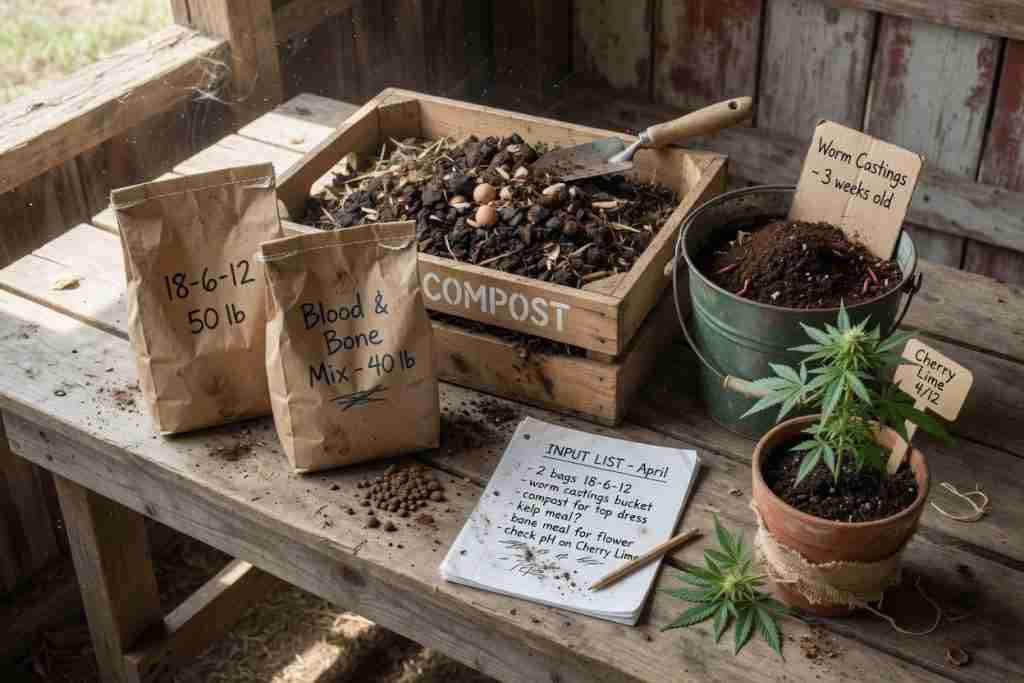
If you are going to hire a certifier, the work starts a year before the visit, sometimes three. You write an Organic System Plan or the cannabis equivalent that body uses. You list every input you might use, not the ones you used on a good week. You map the sites. You keep purchase records. You keep a spray and drench log even when the drench is compost tea. An inspector who finds a bottle under the bench that is not on the list has found a problem, even if you swear you never opened it.
Inputs, land history, and a system plan
Inputs are the easy place to fail. A “natural” bottle can still be prohibited. A worm-casting tea can be allowed and still fail if you spiked it with a salt bloom booster. Heavy metals in cheap amendments are a crop problem and a file problem; that lane lives on how to avoid heavy metals in cannabis. Pest tools belong on the same list. Integrated pest management, as a method, lives on IPM for cannabis. The certifier wants the product name, the manufacturer, and whether that product is allowed in the standard you hired.
Land history is the slow place to fail. Three years of prohibited substances is a long memory. Leases need the previous operator’s spray records or a certifier-accepted affidavit. A new indoor mix is faster than a field, and it still needs invoices for every bale, bag, and inoculant. Water source matters if the standard says it matters. pH and watering as grow skills live on pH for growing cannabis and how to water cannabis plants. Those skills keep the plant alive. The invoices keep the certificate alive.
Hydroponics and salt bottles usually fail the soil test
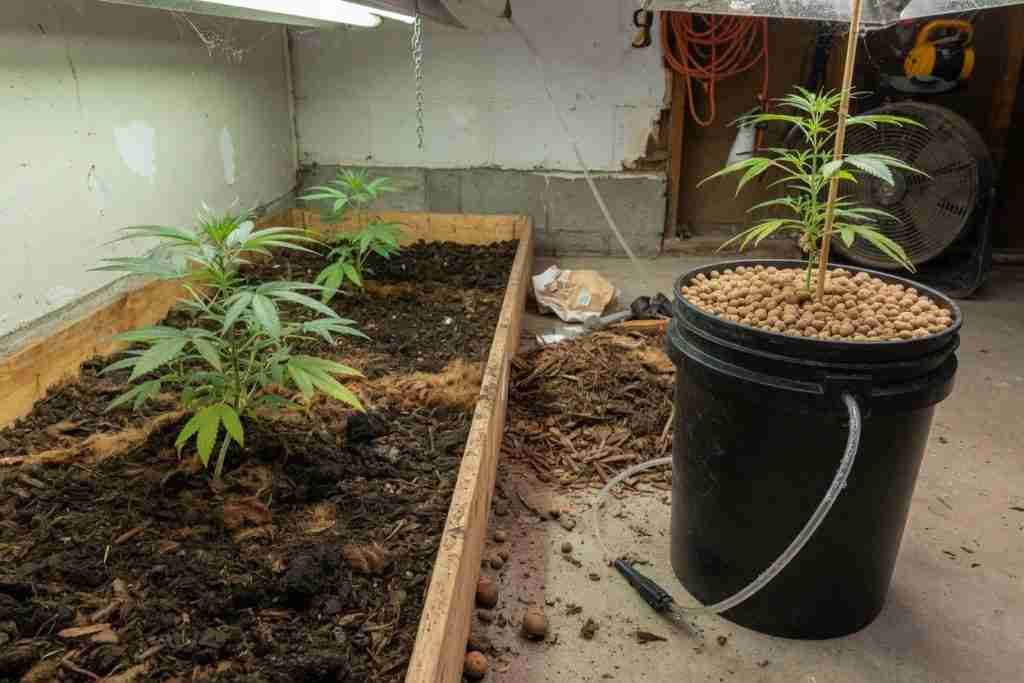
Most organic crop standards are soil-based. They want a mineral fraction and organic matter, and they want biology in that mix. Hydroponics and aeroponics feed a solution with no soil. That is why a DWC bucket, a rockwool slab, and a mist chamber usually fail the organic soil test even when every bottle on the shelf is OMRI Listed. Medium choice as a grow decision lives on best medium to grow cannabis and on soil vs hydroponic cannabis. Hydro as a method lives on the hydroponic cannabis growers guide. Those pages will grow you a plant. They will not get you NOP, OCal, or a COS-based cannabis certificate if the standard requires soil.
Salt nutrient lines fail for a simpler reason: they are synthetic fertilizers. Even in soil. A bottled 3-1-2 that burns tips in week two is the opposite of an allowed input in an organic plan. You can grow excellent weed in coco and salt. Plenty of licensed rooms do. Call it what it is. Do not staple an organic claim to a feed chart that starts with a reservoir and a calibrated bottle. Flushing that system at the end lives on flushing cannabis. Flushing is not certification.
Home growers: grow clean, skip the application
If you are in a legal household grow, the useful work is the methods. Mix a soil you can reuse. Keep the salt bottles off the bench if that is the flavor you want. Write down what you used so next season is not a guess. Types of packs, if you are still choosing seed, live on types of cannabis seeds. A strain search lives on Find My Seeds. How to grow weed from that pack lives on growing weed. Cultivation notes in one pile live on the cannabis cultivation blog.
Can I call my homegrown organic?
You can tell a friend you grew in compost and meals. You cannot put USDA Organic, Canada Organic, or OCal on a jar from a closet. Those marks are for operations that applied, paid, and passed. Calling four plants “certified organic marijuana” is the claim this page is trying to save you from. Grow it clean. Smoke it. Do not invent a seal.
Does an OMRI bottle make the bud organic?
No. OMRI is the input. The harvest is a different file, and marijuana is not in NOP. An OMRI-listed meal in a legal hemp field, on certified land, with a current NOP certificate, is part of an organic system. The same meal in a THC tent is still just a meal.
Can hemp flower be USDA Organic?
Yes, if it is hemp under the Domestic Hemp Production Program, the land and handling are in NOP, and the certifying agent keeps the certificate current. That flower is hemp. It is not a back door for marijuana. Crossing the THC line changes the crop and kills the federal organic path.
Can a hydro room get organic certification?
Usually no, not under soil-based organic standards. If the standard requires mineral soil and organic matter, a bucket of solution fails. Some cannabis-specific programs write their own indoor rules. Read those rules before you build a room you intend to certify. Do not assume OMRI bottles in a reservoir will carry the day.
If you came here from a pack of seed, plant it in a mix you trust and keep the claims honest. Green Avenger named packs are genetics, not a USDA file and not a CFIA logo. The farm certificate, if you ever need one, is a later, slower, licensed job. The notebook on the bench is the part you can start tonight.