Buying Cannabis Seeds: How Much You Should Spend


The question is not “what is a cannabis seed worth.” The question is how much you should spend so the rest of the grow is not wasted. A tent, a lamp, and three months of your time will dwarf the pack price. Cheap mystery beans that stall in week two are the expensive ones. So are $30 hype seeds if you only have a windowsill. Buying cannabis seeds is not supposed to feel like a casino. It is a supply run. You need enough females to fill the space, a spare for the one that does not pop, and genetics that match the room you actually have.
This page is how to buy cannabis seeds with a number in mind: what packs actually cost in 2026, what changes the price, fem vs auto vs regular, how many seeds a tent really needs, and three worked budgets. The old “$10 to $20 a seed and hope” line from 2023 still shows up in search. It is a range, not a plan. You will leave with a plan.

What Affects the Price of Cannabis Seeds
Strain name is the first lever people see. A hyped dessert cut with a waiting list costs more than a workhorse that has been around since your first grow forum. That is not always quality. Sometimes it is marketing. Girl Scout Cookies still commands a premium in some catalogues because the name sells. A stable Widow or OG line from a shop that actually germinates can outperform it in the same tent.
Quality is the second lever, and it is not the sticker. Quality is a germ rate you can count, sex that matches the label, and plants that look like the description instead of a random bagseed lottery. Expensive can still be junk. Cheap can still be a keeper. The test is the breeder’s track, the pack date, and whether they replace duds. More on why some packs really do cost more to make: why some cannabis seeds are expensive. The flip side, why the old hundreds-per-pack era is mostly gone: high priced cannabis seeds.
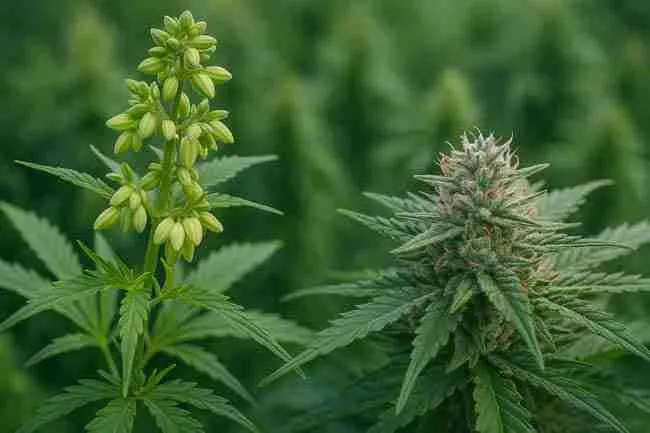
Type is the third lever. Feminized photoperiods cost more than regulars because someone paid to reverse a female and then culled the mistakes. Autos sit in the middle to high depending on who bred them. CBD lines are often cheaper per seed because demand is narrower. Limited drops, S1s, and boutique breeders sit at the top because the batch is small.
Pack size is the fourth. One seed at a boutique shop can be $15–$25. The same line in a 10 or 15 pack often lands under $7 a seed. That is not a trick. Filling, testing, and shipping a single is almost as much work as a five. Buy the pack that matches how many plants you can actually run, not the pack that looks like a souvenir.
Location still moves the number. In legal markets you pay for a storefront, tax, and a clerk. Online from a seedbank you pay for breeding, testing, and a padded envelope. In places where growing is still a grey area, risk used to be baked into the price. That tax is smaller than it was in 2015, which is why you no longer need to spend a week’s wages on five beans. Shop the genetics, not the fear.
What Cannabis Seeds Cost Right Now

Search results in 2026 keep repeating the same band: most decent seeds land between about $6 and $20 each. $10–$15 is a common “good genetics, known breeder” number on US sites. Under $5 exists, usually in bulk, mix packs, or clearance. $20–$30 is limited, new, or a brand that sells the logo. $50 a seed is a flex, not a germ rate.
That is the internet. Here is a shop floor that matches it without the hype tax. On Green Avenger’s seed store, named feminized photoperiods such as White Widow and Purple Mints start at $20 for three seeds. That is about $6.70 a seed before you step up to a 5, 10, or 15 pack, where the per-seed number drops. A 15-seed favor pack of three strains is $45, which is $3 a seed. Unlabeled feminized mix is in the dollar-seed neighborhood if you do not need a name on the bag. Line-item comparisons against other banks live here: seedbank prices comparison.
| What you are buying | Typical 2026 range | What that money is for |
|---|---|---|
| Unlabeled mix / bulk fem | About $1–$4 a seed | Practice, outdoor rows, no name required |
| Named fem 3-pack | About $15–$25 a pack ($5–$8 a seed) | A real cultivar, small tent |
| Named fem 10–15 pack | About $3–$8 a seed | Backups, a small hunt, cheaper per plant |
| Autos from known breeders | About $6–$16 a seed | Speed, not a cheaper photoperiod |
| Regulars for breeding | Often cheaper per seed than fems | Males, pollen, keepers |
| Limited / hype drops | $20–$40+ a seed | Scarcity and a story |
Pack size is where the real discount lives
A $20 three-pack is $6.67 a seed. If the 15-pack of the same line is $60, you are at $4 a seed. You did not get worse genetics. You stopped paying for extra cartons. Do not buy 15 if you have a 2×2 and a full-time job. Do buy 5 if you want two plants and three backups, because germination is not 100% and neither is your first watering. A fair germ rate on a good pack is 80–95%. Plan a spare.
Worked math. You want four females in a 4×4. Feminized, 90% germ, you still drown one seedling. Buy 6–8 seeds of one line, or a 5-pack plus a 3-pack of a second line if you want a backup cultivar. That is $20–$40 in this shop, not $160. If you buy eight singles at $18 from a boutique cart, you spent $144 to fill the same tent. The plants will not know.
Which Type of Cannabis Seeds to Buy
The best seed is the one that matches the room and the job. High THC for a recreational jar. CBD if you are making oil and do not want to get flattened. Autos if the tent cannot do 18/6 then 12/12, or you want a harvest in 70–90 days. Regulars if you want pollen or you like hunting. Beginners who just want flower: feminized photoperiods, one or two proven names, in a pack that leaves you a spare. A starter map: how to find cannabis seeds for beginners.
Feminized photoperiods
These are the default indoor buy. Almost every seed is female. You flip to 12/12 when the plant is the size you want. You can top, LST, and ScrOG without the clock punching you in week three. That control is why they cost more than regulars and why they are still the right spend for most home tents. Why fems exist, without the brochure: why choose feminized cannabis seeds.
Autoflowers
Autos flower by age. They are not a cheaper photoperiod. Good autos from serious breeders often cost as much as fem photoperiods because the breeding is harder, not easier. You pay for speed and for a plant that does not care that you cannot black out a bedroom. You do not pay less so you can abuse them. Light training only. No late topping. If that is your life, buy autos on purpose: growing autoflowering cannabis. If you can run 18/6 and a flip, photoperiods usually give you more flower per watt for the same seed money. If you cannot, paying $8 an auto and harvesting in 75 days is cheaper than paying $7 a photo and never flipping because the hallway light leaks. Match the seed type to the room, then look at the pack price.
Regular seeds
Half male, half female on a good day. You pop extras, sex them, and kill or isolate the boys unless you want pollen. That sounds wasteful until you want to breed, keep a mother, or hunt a unique keeper. Regulars are often cheaper per seed. They are not cheaper per jar of flower if you only have four pots and two of them are male. Worth it when the job is genetics. Not worth it when the job is a first harvest. Deep dive: how to grow regular cannabis seeds.
CBD and specialty lines
CBD packs are often the bargain bin of a catalogue because fewer people grow them. If that is what you actually smoke or extract, they are not a compromise. They are the correct SKU. Do not buy a 28% THC dessert cut “to make oil” and then complain it is too loud. Match the chemotype to the use, then look at price.
Are Regular Cannabis Seeds Worth It?
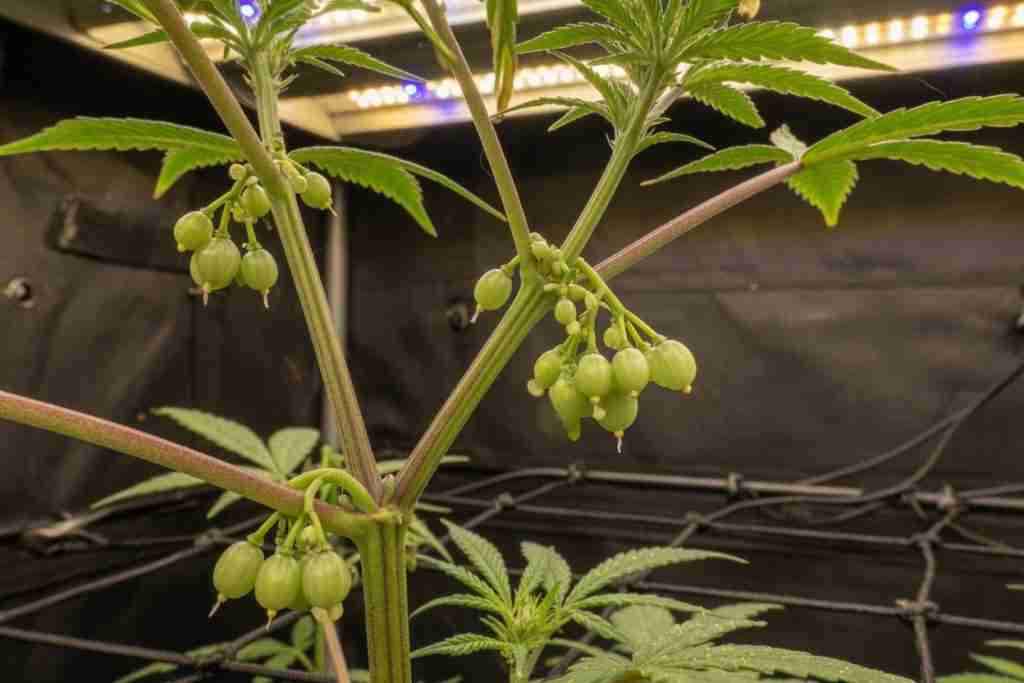
Yes, if you have a reason to look at a male. Breeding, reversing, pollen chucking, restoring a line, or you simply like the variation that comes from a real cross. Regulars also skip the extra stress of feminization, which some old-school growers still prefer for stability. No, if you have four pots, one tent, and you need four jars. Then a male is a hole in the canopy you paid to feed for a month.
Practical rule. If you run regulars for flower, buy at least twice the females you need. Ten regulars for four keepers is not crazy. Budget the extras. If that doubles the seed bill past what fems would have cost, buy fems. Regulars are a tool, not a personality.
What High-Quality Cannabis Seeds Actually Cost
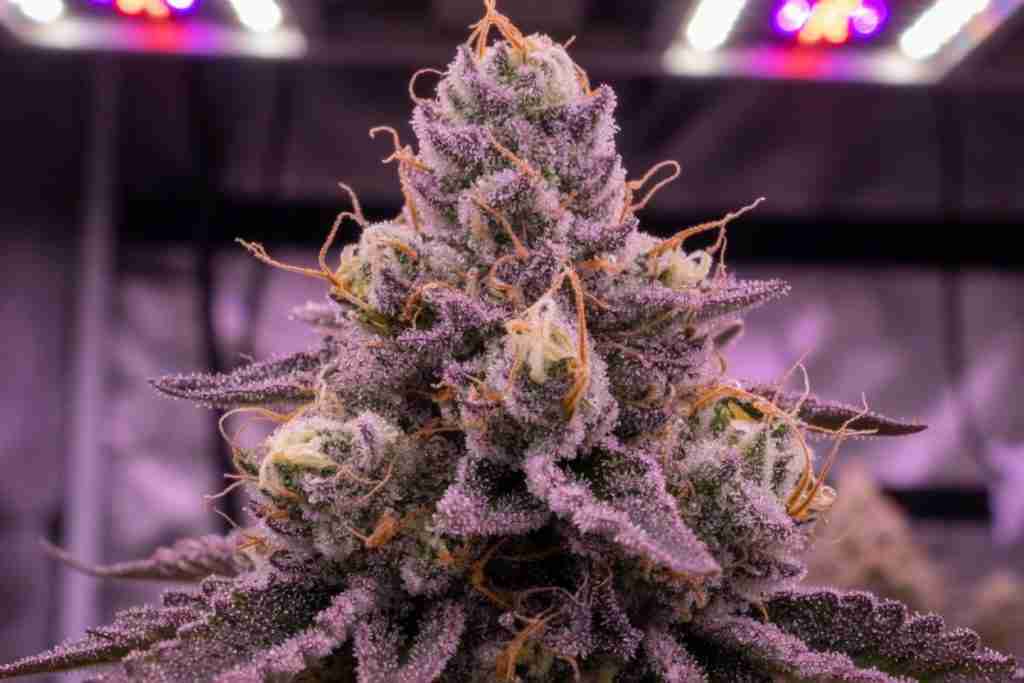
Good seeds can be a few dollars each in a mix pack or a bit over $100 for a large named pack. The original “few dollars to over $100 a pack” line still holds. What changed is you should not treat $20 a seed as a quality floor. Plenty of $4–$8 seeds from a bank that tests germ will beat a $25 seed with no pack date and a cartoon mascot.
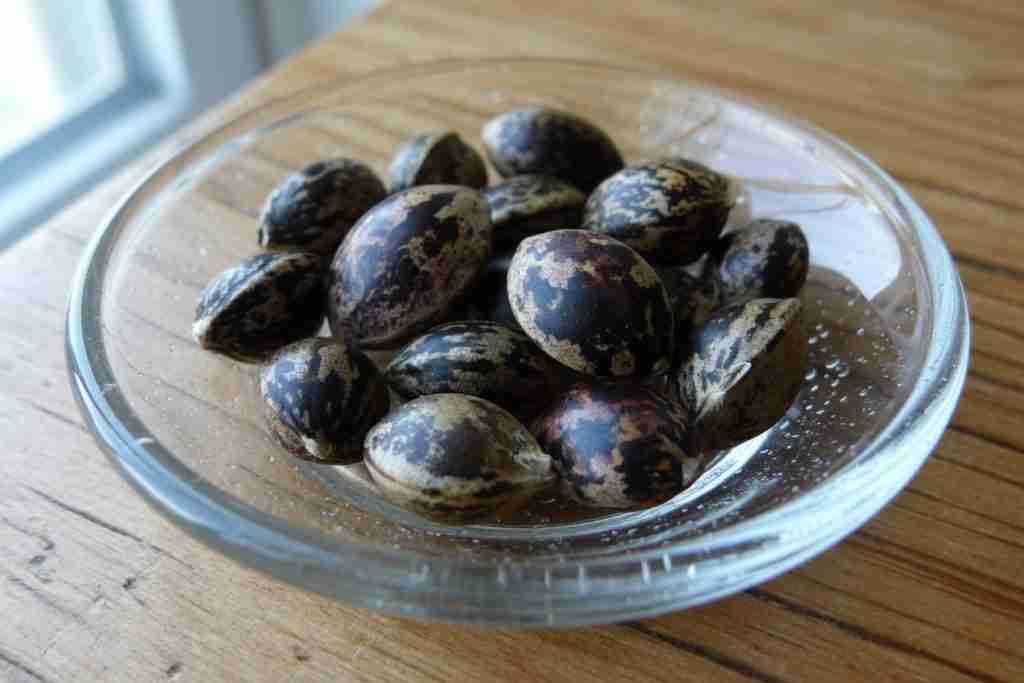
A high-quality seed is hard, dark, dry, and pops. The checklist breeders actually use is here: what makes a high-quality marijuana seed. You cannot see stability in a photo of a bag. You see it in the plants matching each other, in the sex being what you paid for, and in a replacement policy that is not a scavenger hunt.
If a pack is $8 a seed and the bank has years of grows behind it, that is a normal price, not a red flag. If a pack is $8 a seed and the site was registered last month, that is a red flag. Price without a reputation is just a number. Reputation without a germ policy is a poster.
Seeds or Clones
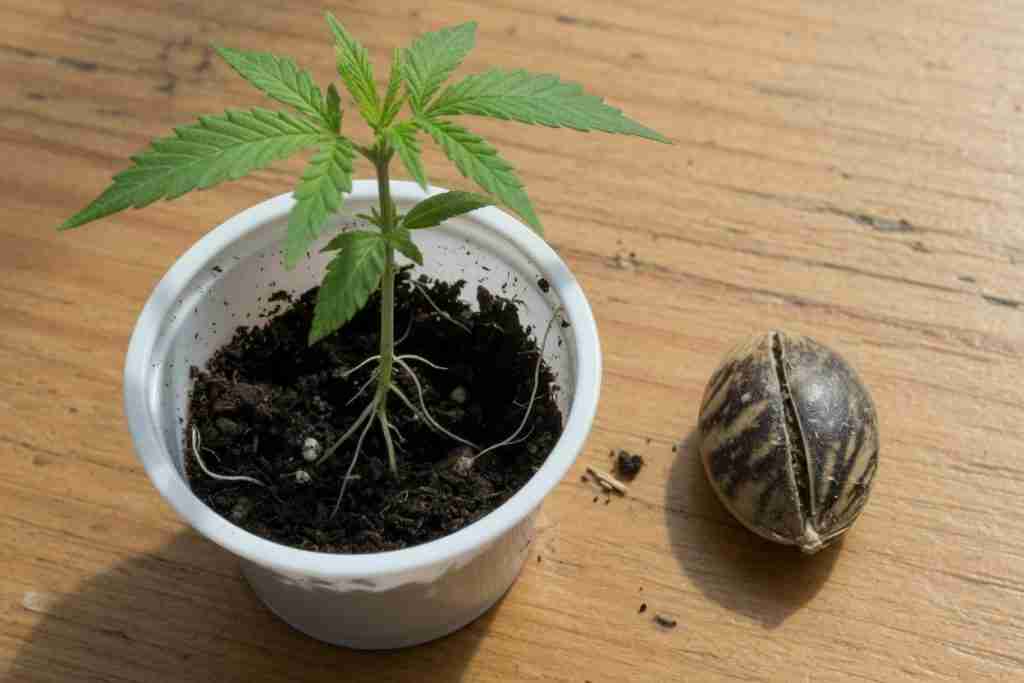
Seeds travel, store, and start clean if the bank is clean. They make a taproot. They let you hunt. They cost a few dollars to a few tens of dollars and they do not bring someone else’s mites unless you were sloppy with the mail. Clones are a known cut. They skip sexing. They also skip the seedling month. They can carry powdery mildew, hop latent viroid, and whatever lived in the last room. For a home grower who does not have a trusted cut, seeds are the better spend. Full comparison: cannabis seeds vs clones.
If a clone is $20 and a seed pack that makes four females is $20, the clone is only cheaper if it is healthy and it is the cut you actually wanted. One sick clone can cost the whole tent. One dead seed costs another seed.
The Real Drawbacks of Feminized Seeds
Fems can herm under stress: light leaks, heat spikes, drought, a brutal defoliation. That is the trade for not popping males. It is not a reason to skip fems. It is a reason to keep the room honest. Light-tight tent. Sane temperatures. Do not torture a plant and then blame the pack. The nanners you get from a 90°F week-6 tent are on you, not on the $7 seed.
Fems also make terrible fathers if you want to breed the old way. You can reverse them. That is extra work and extra stress. If breeding is the job, buy regulars. If flower is the job, buy fems and stop looking for a downside that only shows up when the environment is already wrong. Room basics: best growing environment for cannabis.
Ordering Seeds from Canada or Another Country
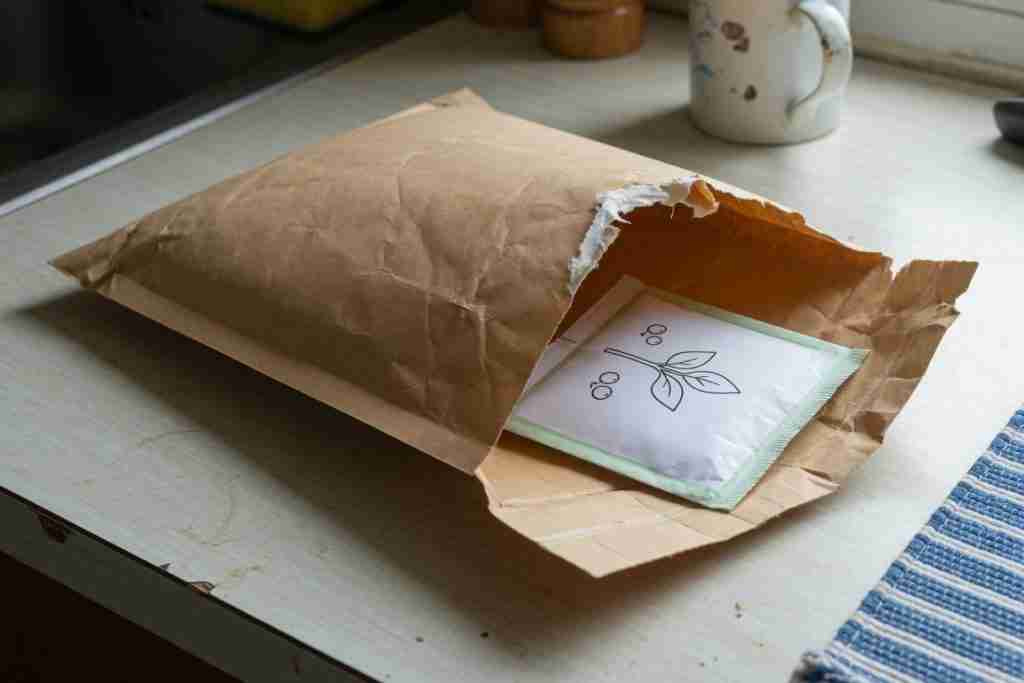
Yes, people order cannabis seeds across borders every day. Seedbanks, online shops, and some local stores all sell them. Green Avenger ships as a Canadian operation into the US and across Canada. How that looks on your end depends on your address, not on a motivational paragraph. Read the current shipping page on the order, not a 2023 blog comment. Country hubs: buy cannabis seeds in Canada and buy cannabis seeds in the United States.
What you should actually check before you pay. Stealth packaging. A tracking number. A germ or reship policy in writing. Whether they replace a pack that never shows. Wholesale is a different cart if you are filling a store, not a closet: wholesale cannabis seeds. Do not cheap out on shipping to save $4 and then lose a $45 pack in a hot mailbox for four days. Heat kills seeds faster than a customs story does.
How Many Seeds to Plant
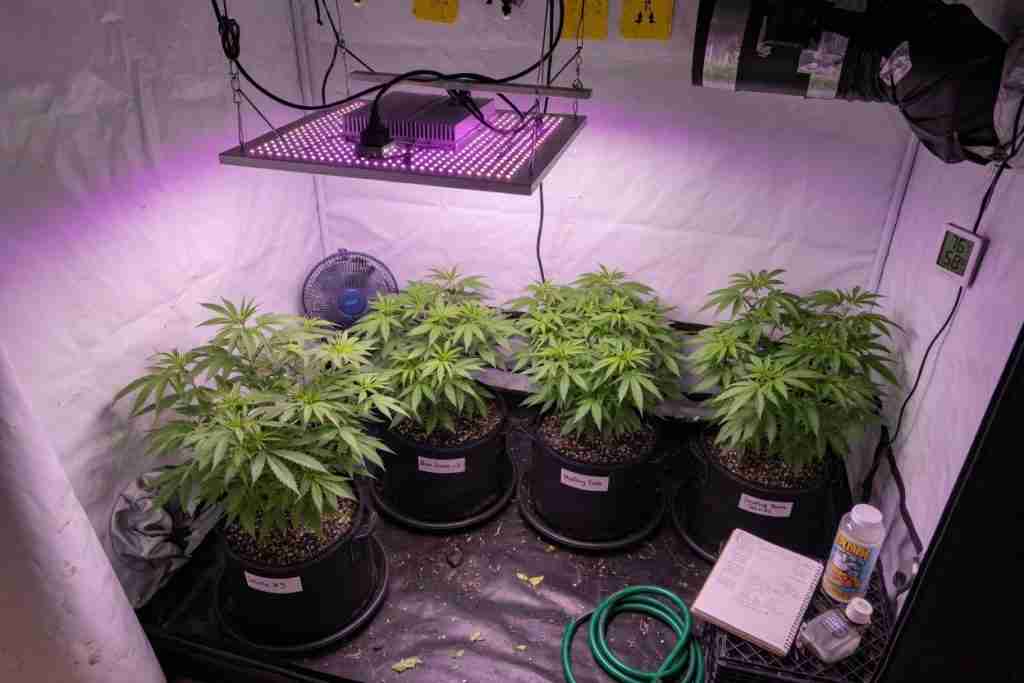
You do not plant four seeds to get one plant. You plant one seed per pot you intend to finish, plus extras for germ and for the plant you will drown. A beginner with a 2×2: two plants finished, buy 3–5 fem seeds. A 4×4: four plants, buy 6–8. A first outdoor bed with four holes: buy 6–10 depending on whether they are fem or regular. Beginners who buy one seed “to see” often buy a second pack two weeks later at overnight shipping prices. That is how a $7 seed becomes a $40 lesson.
Space decides the plant count, not the seed count. A 2×2 with a 150W LED does not want eight photoperiods. It wants two. Extra seeds go in the fridge, not in the same tray. How those plants grow after they pop: seedling stage, then veg, then flower. Light and water will cost more than the extras you left in the jar.
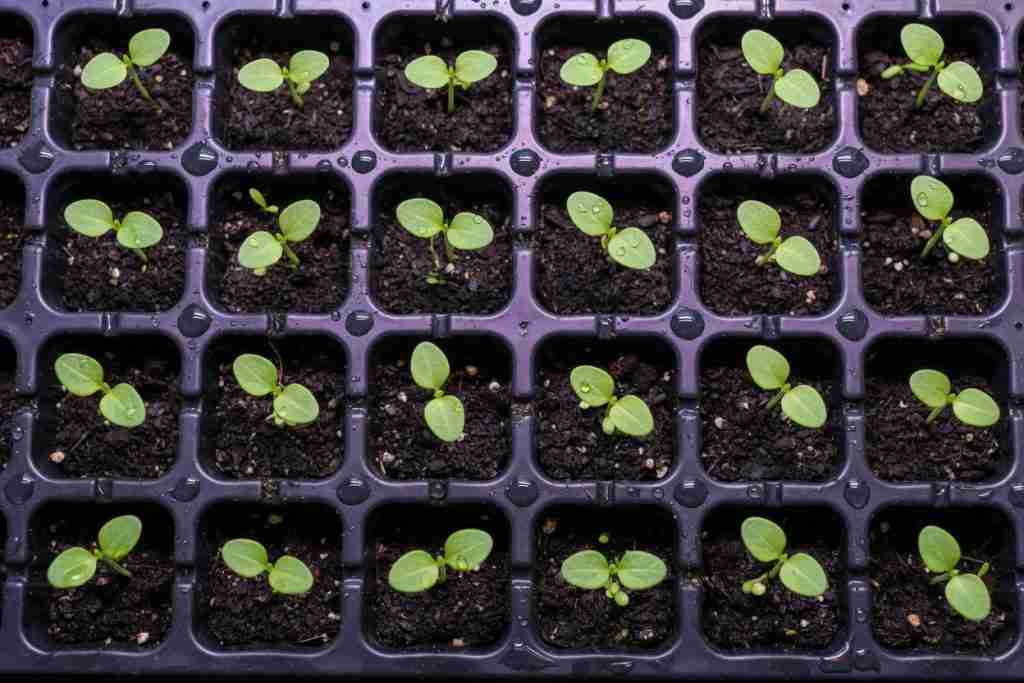
Germination is its own skill. Paper towel, plug, or straight into a moist starter. Warm, not soaked. The how-to: cannabis seed germination. If half a cheap mix fails, that was the mix. If half a named pack from a known bank fails, ask them. That policy is part of what you paid for.
How to spend after a bad germ. Photograph the pack, the date, and the seeds that did nothing. Do not throw them out until the bank answers. Do not immediately buy a more expensive pack from a different site in a panic. One failed 3-pack is $20 and a week. Two panic reorders plus overnight shipping is $80 and the same week. If the bank reships, your spend is still the original $20. That is what a germ policy is worth. A $5 pack with no policy and a 40% pop is $12.50 per living plant before you even count the time.
How Long Seeds Last, and What Storage Is Worth
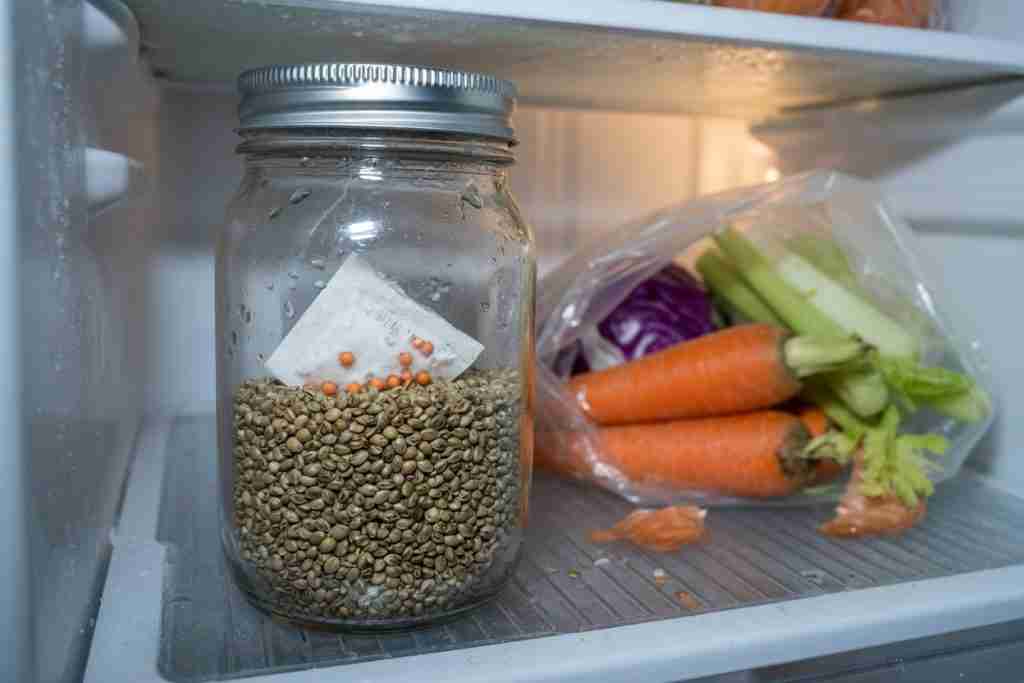
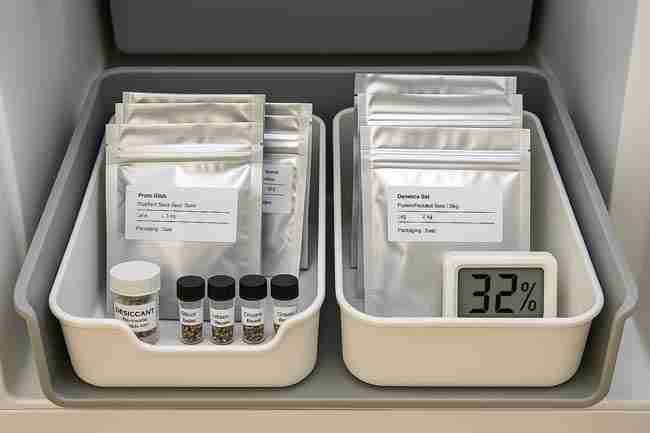
Properly stored, cannabis seeds last years. Cool, dark, dry, airtight. A fridge in a sealed jar with a desiccant is the home default. A freezer is for unopened, already-dry packs you will not open every week. A glovebox in July is a disposal method. Germination drops as they age. Fresh packs near 100%. Three years in a decent fridge still often 80% if you were not sloppy. Ten years is a story some keepers tell, not a plan for a first tent.
Do not buy a five-year stash of 200 seeds because they were on sale unless you will rotate them. Buy what you will pop in 12–24 months, store that right, and refill. The storage playbook: store cannabis seeds and the longer stash rotation guide. A $3 seed that dies in a humid closet was not a bargain.
How Much You Should Spend
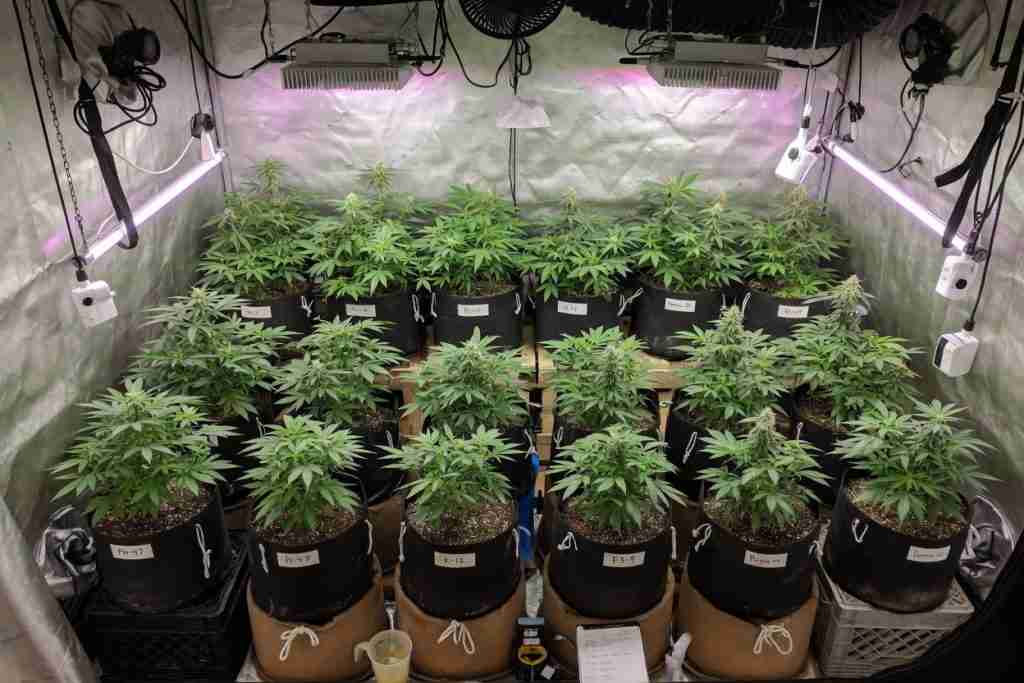
It depends on the job. That was true in 2023 and it is true now. The useful version is three numbers, not a shrug.
First indoor tent, you want flower
Spend about $20–$60 on seeds. That is one named 3-pack plus a spare, or a 15-seed favor pack if you want three cultivars to learn on. Feminized. Not regulars. Not a $120 limited drop. Put the rest of the money into the lamp and the exhaust. A $40 seed bill and a $200 light will beat a $200 seed bill and a blurple from a marketplace listing. Tent context: grow tent for cannabis seeds.
Outdoor, a few holes in the yard
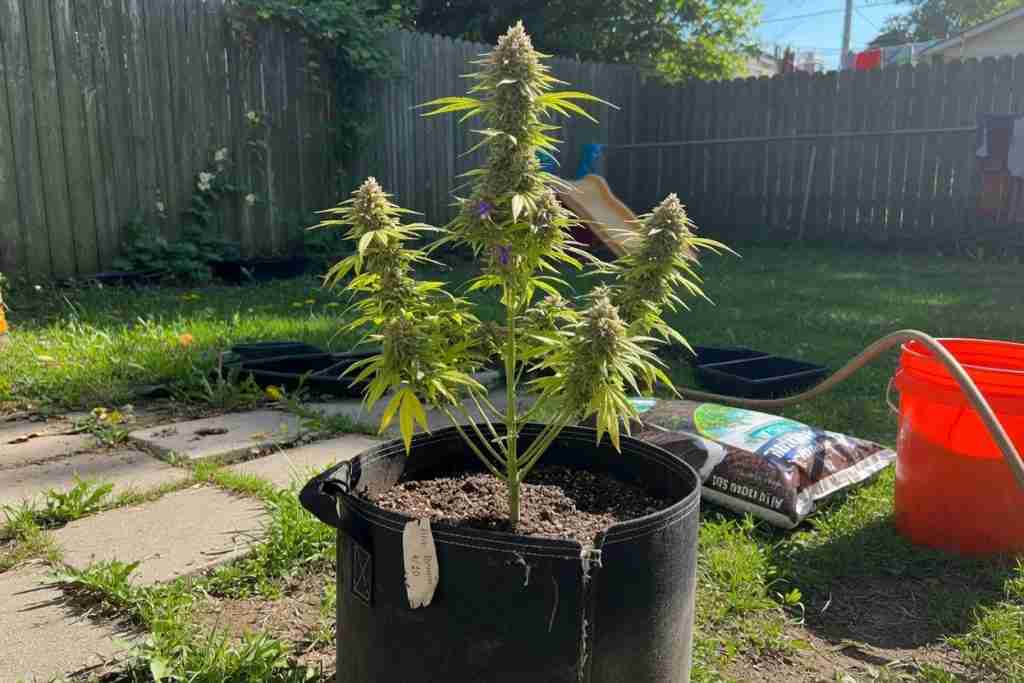
Spend $20–$80. Mix packs and favor packs earn their keep outdoors because one plant can be a pound if the sun cooperates. You can afford to learn. Named fems still make sense if you care about the jar. Soil and water still matter more than the extra $4 a seed: organic marijuana fertilizer and watering.
You want a keeper, not just a harvest
Spend $80–$200 and pop a 10 or 15 pack of one line you actually like, or two 5-packs. That is a hunt. You will throw most of them. The seed bill is the cheap part. The expensive part is running 10 plants to find one mother. If you cannot run 10, you are not hunting. You are shopping. Buy a 3-pack of something proven and be happy.
The $10–$20 per seed average, translated
The old article said expect $10–$20 a seed. That is still what singles and small boutique packs cost. It is not what you should aim to pay if a 5 or 15 pack exists. On this site a named 3-pack at $20 is already under $7 a seed. A favor pack is $3. A mix is about a dollar. Paying $18 a seed for a common Widow because the other site had a nicer banner is how you fund someone else’s ads. Paying $18 a seed for a tiny limited reverse you cannot find elsewhere can be rational. Know which one you are doing.
The Seed Bill Versus the Rest of the Grow
A modest 4×4 still wants a tent, a real LED, exhaust, pots, soil, and power. Call that $400–$700 the first time if you are not scavenging. Seeds at $40 are 6–10% of the year-one pile. Year two, seeds and nutes and electricity are the recurring bill. If you go through an ounce a month at dispensary prices, a couple of outdoor plants or two indoor runs can make the seed pack look like rounding error. That is why “spend a little more on genetics” is good advice only after the lamp is not a toy. Yield is still mostly light, environment, and not drowning the plant: increasing yields.
True cost per harvest, seed only. $20 for three fems, two finish, 8 ounces between them in a decent 4×4. Seed cost is $2.50 an ounce. Buy the same genetics as three $22 singles, $66, and you are at $8 an ounce before the first gallon of water. The smoke does not get 3x better. The cart did.
What a First Year Actually Costs
Put the seed bill next to the rest so the $20 pack stops looking huge. Indoor first year, used-but-real gear: tent $100, LED $200, exhaust and filter $80, pots and soil $60, meter and odds $40. That is $480 before a seed. Two runs a year, electricity maybe $40–$80 a run depending on watts and your rate. Nutes another $40–$80 if you are not living soil. Seeds at $40–$60 a year. The seeds are the smallest line if you shop like a grower. They become the biggest line if you buy eight hype 3-packs you never pop.
Outdoor first year: soil, pots or a bed, maybe fence, water, and seeds. A $45 favor pack and a bag of soil can be the whole plant bill. The harvest from one healthy outdoor plant can bury a $20 three-pack. That is why outdoor is where mix packs earn their keep. Indoor is where the lamp is the tax, so do not “save” on the lamp to afford more cultivars.
Dispensary math, if you want it. An ounce a month at $150–$250 is $1,800–$3,000 a year. Two indoor runs that put 8–16 ounces in jars, even ugly first-run ounces, already beat that if the room works. The seed pack is not what makes home grow cheap. The fact that you are not paying retail by the eighth is. Spend the seed money so the eighth is worth smoking.
Cheap Seed Traps
Under $3 a seed from a nameless shop with stock photos of colas that never grew there. “Free 50-seed bonus” that is white, cracked, and dead. Resellers who relabel. Sites that only take gift cards. Packs with no date and no strain. Those are not bargains. Mix packs from a real bank are bargains if you accept unknown names. There is a difference.
The other trap is overpaying for a name you will not run well. A $25 sativa that wants 14 weeks in a 2×2 with a weak light is a donation. Buy what finishes in your climate and your tent. Landrace tourism is a hobby with its own budget: landrace strains. Breeders worth reading about: best cannabis seed breeders.
Order-form mistakes that cost real money: paying for overnight on a $20 pack; buying regulars for a four-pot flower tent; skipping the fridge and storing seeds in a kitchen window; popping all fifteen favor-pack seeds in one 2×2; and treating a mix bag like a named cultivar when you promised someone a specific smoke. None of those are genetics problems. They are spend problems. Fix the order, then blame the seed if it still fails.
Three Checkouts, Written Out
Numbers beat slogans. These are carts you can actually build on this site today, using the $20 three-packs, the $45 favor pack, and the mix. Prices move on sale days. The shape of the math does not.
Checkout A: $20, one named pack
You add White Widow, three seeds, $20. You pop two, fridge one. You run a 2×2. If both pop, you have a spare for the plant you overwater. If one is a dud, you still have a plant. Seed cost per finished plant is $10 if both live, $20 if one lives. That is a sane first order. It is not a hunt. Do not also add a limited $60 pack “because it was in the banner.” The banner is not your tent.
Checkout B: $45, the favor pack
Fifteen seeds, three strains, five each, $45. That is $3 a seed. You can run four in a 4×4, keep two strains in the fridge, and still have extras for the next cycle. Per finished plant, if four finish, you spent $11.25 each and you still own eleven seeds. That is how a “cheap” order is supposed to look. You gave up choosing the exact three names. You gained a year of backups. If names matter, skip this and buy two 5-packs of lines you picked. If names do not matter yet, this is the better spend.
Checkout C: $65, mix plus one name
Twenty-five unlabeled fems for about $35, plus a $20 Widow three-pack, plus shipping in the ballpark of a tenner depending on where you live. Outdoor four holes get the mix. The named pack is the jar you care about. You will not remember the mix names because there are none. That is the point of a dollar-seed bag. Practice, numbers, sun. Spend the named money on the plant you will brag about.
What you should not check out. Eight different $20 three-packs because they all looked pretty. That is $160, sixteen cultivars, and a tent that can hold four plants. You will run four and forget twelve in a drawer. Buy depth in one or two lines, not a museum.
How to Read a Seed Product Page
Ignore the lifestyle photo for a minute. Look at pack sizes. 3, 5, 10, 15 is the usual ladder here. Divide the pack price by the count. Write that per-seed number down. Then look at flowering time, indoor versus outdoor, and whether it is auto or photo. A 12-week flower in a cold climate is a different buy than a 7-week auto. If the page does not say fem, auto, or regular, do not guess.
Sale prices lie if you only look at the strikethrough. A pack “was $60, now $20” for three seeds is still $6.67 a seed, which is normal, not a once-in-a-lifetime event. A pack “was $87.50, now $25” for 25 CBD seeds is a real cut. Read the variation. 3-seed at $20 is not the same as 15-seed at $20. The dropdown is the price.
Freebies are fine. They are not a reason to order a line you will not run. A free extra pack of something you will pop next cycle is value. A free extra pack that sits until it dies is clutter. Count freebies in the fridge plan, not in the yield estimate.
Shipping, Currency, and the Rest of the Spend
The seed price is not the last number on the invoice. Shipping, duty if it applies, and the currency toggle all change what you actually paid. This shop shows CAD, USD, EUR, GBP. A $20 USD three-pack is not $20 CAD. If you live in Canada, check the toggle before you screenshot a deal for a friend in Ohio. If you live in the US, do the reverse. The per-seed math only works in one currency at a time.
Shipping on a $20 order can be a large percent of the bill. Shipping on a $60 order is a smaller percent. That is another reason packs beat singles. Two $20 orders with two shipping fees is how people “save money” and spend more. Combine the restock. One padded envelope. One tracking number. Get the pack out of the mailbox the day it lands. A week on a porch in August is a germ test you will fail.
When to Buy More, When to Run What You Have
Buy more when the jar is empty of anything you actually want to pop in the next two runs. Buy more when you changed tents and need a cultivar that finishes faster. Buy more when a hunt failed and you still want that line. Do not buy more because a drop email arrived while you still have eleven unopened fems of last year’s dessert cut. Those eleven are the budget. Pop them.
A simple restock rule. After a run, count viable seeds left. If you cannot fill the tent plus two spares from what is in the fridge, order. If you can, do not. Sales will come back. Dead fridge seeds will not. Rotate oldest first. Label the pack with the month you opened it. Future you is tired and will mix Widow with the mix bag if you do not write on the envelope.
A Shopping List That Matches the Tent
2×2, first run. One named 3-pack of a sturdy indica-leaning fem, $20. Optional 3-pack of a second name if you want a backup, another $20. Total $20–$40. Two plants. Fridge the extras.
4×4, you know how to water. One 15-seed favor pack at $45, or two named 5-packs. Four plants in the tent, extras in the jar. Total about $40–$80.
Outdoor four holes. Favor pack or a 25-seed mix if names do not matter, $35–$45, plus one named 3-pack you actually want to smoke. Total about $55–$65. You can lose two to bugs and still fill the freezer.
That is how much you should spend. Not a week’s pay. Not a single lucky bean. Enough good feminized seeds to fill the space you have, with a spare for the one that does not pop. Quality still matters. Price per seed drops when you stop buying like a collector and start buying like a grower.
If you remember nothing else: the lamp and the room decide the harvest. The seed decides whether that harvest tastes like the name on the pack. Spend enough on the seed to trust the name. Spend more on the room. Do not spend $18 a seed on four cultivars you cannot run. Do not spend $1 a seed on a pack with no germ policy if this is the only run you get this year. $20–$60 covers almost every first tent. $45 in a favor pack covers a year of backups for a lot of people. That is how much you should spend on buying cannabis seeds in 2026: enough proven fems to fill the space, plus a spare, and not a penny more until the last pack in the fridge is gone. When you are ready, the cart is the cannabis seed shop.