Buckle Up: You’re About to Master Chitinases for Cannabis Cultivation


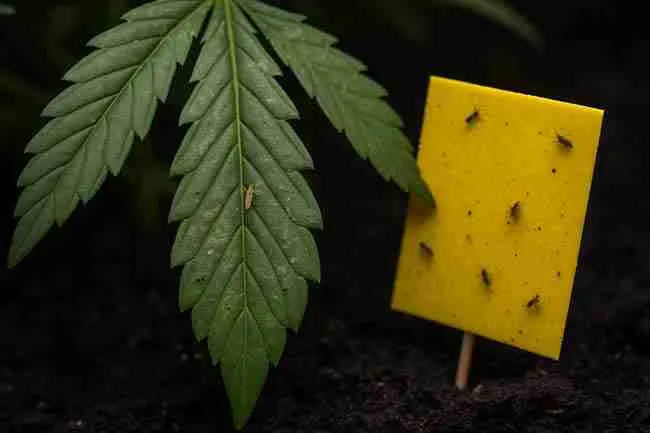
Picture this: your prized cannabis plants are chilling in their pots when—bam—fungus gnats decide to throw a buffet party at your roots. Annoying, right? However, you’ve got a secret weapon up your sleeve: chitinases. These mighty enzymes chew through the bugs’ armor like a hot knife through butter. Sit tight, friend, because by the end of this deep‑dive you’ll handle chitinases like a seasoned grow wizard.
What on Earth Is a Chitinase, Anyway?

Meet Chitin—Nature’s Crunchy Shield
- Chitin is the hard, shell‑like stuff that makes insects “crunch” when you squish ’em.
- It’s also in fungal cell walls and even lobster shells—yum for seafood, yikes for your buds.
Chitinase 101—The Enzyme With the Skeleton Key
Chitinases are specialized enzymes that snip chitin into tiny bits. Once those protective shells crack, pests and pathogenic fungi can’t keep it together. Your plants stay safe, and the bad guys crumble.
Why You Should Care: Perks of Chitinases for Cannabis Cultivation

Natural Pest Control
Forget harsh chemicals. A good chitinase program lets you:
- Trash root‑eating fungus gnats.
- Spoil larvae parties before they even start.
- Knock down powdery mildew by weakening fungal walls.
Root Booster & Stress Shield
- Split chitin fragments (called chitooligosaccharides) trigger your plant’s built‑in immune alarms.
- That “primed” immunity means stronger, bushier roots and thicker stems—hello, monster yields!
Soil Party for Microbes
Beneficial bacteria feast on chitin leftovers, pumping out vitamins, hormones, and extra enzymes. In short, chitinases turn your soil into a probiotic playground.
The Science Behind the Magic
Chitinase Signals Kick‑Start Plant Defense Networks
Systemic Acquired Resistance (SAR)
Chitin fragments travel like little postal workers, ringing doorbells all over the plant. They wake up salicylic‑acid pathways that brace distant leaves for incoming attacks—kinda like arming an alarm system house‑wide.
Induced Systemic Resistance (ISR)
Meanwhile, friendly root microbes that chow down on chitin pump out hormones that nudge the jasmonic‑acid/ethylene pathways. Boom—two independent defense armies on call 24/7.
Why This Matters for You
With both SAR and ISR humming, you can dial back expensive pesticide cocktails. Your buds stay cleaner, pass lab testing easier, and fetch a higher price.
Where to Get Your Hands on Chitinase

Commercial Formulations
| Product Type | Typical Concentration | Handy Features | Price Range |
|---|---|---|---|
| Liquid enzyme concentrate | 50,000 U/mL | Ready‑to‑mix, fast‑acting | $$ |
| Powdered insect frass | 10 % chitin | Doubles as slow‑release N | $ |
| Pure crab‑shell meal | 12 % chitin | Adds calcium plus chitin | $–$$ |
DIY Sources (Cheap & Cheery)
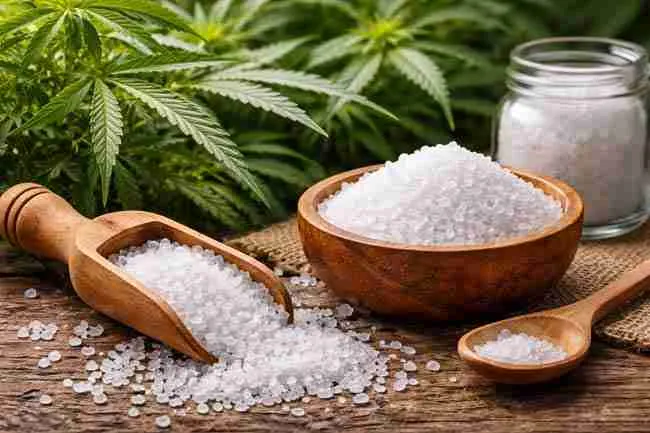
- Crustacean meal tea: Steep ground crab or shrimp shells 24 hours in aerated water.
- Fungus‑growing compost: Let friendly Trichoderma fungi pump out native chitinases.
- Black soldier fly frass: Insects do the work; you scoop the gold.
Recipe: Crab Shell Brew
- Toss 1 cup finely ground crab shell into 5 gal warm water.
- Add 2 tbsp molasses to feed the microbes.
- Aerate with an aquarium bubbler 24 hrs.
- Strain and drench the soil at transplant—voilà, enzyme soup!
How to Apply Chitinases for Cannabis Cultivation

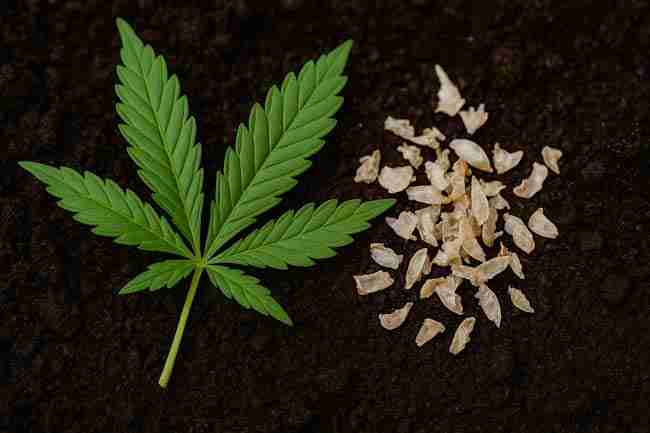
Seed Soaks
A 6‑hour soak in a diluted enzyme solution (see table below) wakes seeds up and jump‑starts root immunity.
Soil Drenches
- Target early veg—roots are hungry for helpers.
- Re‑apply every two weeks until week 4 of flower.
Foliar Sprays
- Mix at half the soil rate.
- Spray under leaves—gnats and mildew first lurk there.
- Always spray lights‑off to dodge leaf burn.
Timing & Dosage Quick‑Glance
| Growth Stage | Dilution (mL/L) | Method | Frequency | Notes |
|---|---|---|---|---|
| Seed soak | 2 mL | Soak | One time | Max 6 hrs |
| Seedling | 2 mL | Root drench | Weekly | Low EC |
| Early veg | 4 mL | Root drench | Bi‑weekly | Pair w/ microbes |
| Pre‑flower | 4 mL | Foliar | Once | Lights‑off |
| Late flower | 0 mL | — | None | Avoid altering terps |
Pros and Cons at a Glance

Pros
- Organic pest knock‑out
- Beefier roots and stems
- Boosts microbial life
- Cuts down on chemical sprays
- Cheap DIY options
Cons
- Over‑application can stunt seedlings
- Pure enzyme concentrates are pricey
- High pH kills enzyme activity—watch your water!
- Results aren’t instant—give it a couple of cycles
Story Time: Beating Fungus Gnats in Grandma’s Closet Grow

You walk into Grandma’s tiny 2′×4′ grow closet. Clouds of fungus gnats rise like black snowflakes. Instead of screaming, you brew a crustacean tea, drench the soil, and release a squad of Hypoaspis mites. One week later, gnats are gone, roots shine pearly white, and Grandma’s face lights up brighter than her LED growing bulb. Chitinase saved the day—high‑five for Grandma!
Application Across Different Grow Systems

Hydroponics & Aeroponics
- Use enzyme bath reservoirs at 0.5–1 mL/L.
- Keep solution temperatures below 25 °C—heat degrades enzymes.
- Swap out every 48 hrs to prevent bio‑film build‑up.
Coco Coir & Soilless Mixes
- Chitin fragments encourage coco‑dwelling microbes that fix nitrogen.
- Aim for slightly higher doses (5 mL/L) because coco drains fast.
Living Soil Beds
- Combine with cover‑crop mow‑downs. The shredded stems supply extra sugars that turbo‑charge enzyme‑loving microbes.
Compatibility With Nutrient Lines (Table Cheat‑Sheet)

| Nutrient Brand | Enzyme Friendly? | Ideal Mixing Order | Heads‑Up Note |
|---|---|---|---|
| General Hydroponics | ✅ | Water → Enzyme → Cal‑Mag → Base Nutrients | Don’t exceed EC 2.0 |
| Advanced Nutrients | ✅ | Water → Enzyme → Base Nutrients → Additives | Keep pH perfect 6.2 |
| Jacks 321 | ✅ | Water → Enzyme → Part A → Part B → Epsom | Boost magnesium +10 % |
| Organics (KIS, Build‑A‑Soil) | ✅ | Water → Enzyme tea → Fermented plant juice | Avoid EM‑1 same day |
| Salt‑Heavy Lines | ⚠️ | Water → Nutrients → Enzyme (after cool‑down) | High salt may denature enzymes |
Safety First: Handling & Storage

- Gloves on, buddy! Pure enzyme powders can irritate skin.
- Cool and dark: Keep bottles between 4–10 °C. Room temps slash potency 40 % in two months.
- No metal spoons: Enzymes chew through metal ions—use plastic or wood.
Crunching Numbers: Cost–Benefit Snapshot

| Item | Cost per Application (4 × 4 tent) | Expected ROI | Comment |
|---|---|---|---|
| Commercial concentrate | $2.40 | 1.5 × yield | Payback in one harvest |
| DIY crab‑shell brew | $0.60 | 1.3 × yield | Smells fishy—ventilate |
| No enzyme (control) | $0.00 | Baseline | 20 % more pest damage; 10 % lower yields |
A single $30 bottle covers six tents for two cycles—cheaper than replacing ruined buds and beats buying chemical sprays.
Regulatory & Certification Nuggets

- OMRI & CDFA: Many liquid concentrates carry listings—double‑check labels if you’re aiming for organic certification.
- EPA 25(b) Exemption: Chitinase products from insect frass usually fall under “minimum risk pesticides,” letting small farms skip heavy paperwork.
- Canadian LPs: Health Canada allows chitinase foliar up to week 6 of flower—always log your treatments.
Advanced Integrated Pest Management (IPM) Playbook

- Scouting First – Sticky traps under canopy, count gnats daily.
- Enzyme Drench – Hit soil with chitinase tea on detection threshold 1 gnat per trap.
- Biological Reinforcements – Release Steinernema feltiae nematodes.
- Physical Barriers – Top‑dress with 1 cm sand—gnats can’t break through.
- Record & Repeat – Log everything in your grow journal for OSO‑friendly data snippets later.
Troubleshooting Quick Fixes

- Leaves Curl After Spray – Diluted too strong. Rinse with plain pH‑balanced water.
- Slime in Reservoir – Lower water temps; add a small air stone.
- No Pest Reduction – Check product expiry; enzymes degrade quietly.
- Stunted Seedlings – Reduce soil dose by half and add kelp extract to buffer stress.
Extra FAQs (Because You Asked!)
Q: Can I run chitinase with hydrogen peroxide flushing?
A: Nope! Peroxide nukes enzymes instantly. Finish your enzyme program first, then flush.
Q: Does chitinase interfere with lab pesticide tests?
A: It’s classed as a natural protein, not a synthetic pesticide. Labs won’t flag it.
Q: How long before harvest should I stop foliar sprays?
A: Cease all foliar chitinase applications by week 6 of flower to keep trichomes pristine.
Q: Can I freeze unused crab‑shell meal?
A: Sure thing! Freezing keeps chitin fresh and mold‑free for up to 12 months.
Q: Will adding chitinase change my water‑only living soil recipe?
A: It actually completes it. You’re feeding the micro‑herd a buffet they adore.
Ready, Set, Grow!

Grab some crustacean meal, keep that pH sweet, and watch pests scramble while your plants flex like green bodybuilders. Chitinases for cannabis cultivation aren’t hype—they’re your ticket to stress‑free grows and bumper harvests. Happy growing, champ!