Biochar and Cannabis: Supercharging Your Soil Structure

(Grab a mug of compost tea and kick back—by the end of this story-style guide, you’ll feel downright giddy about mixing black, crunchy biochar into your next soil batch.)
What is biochar?
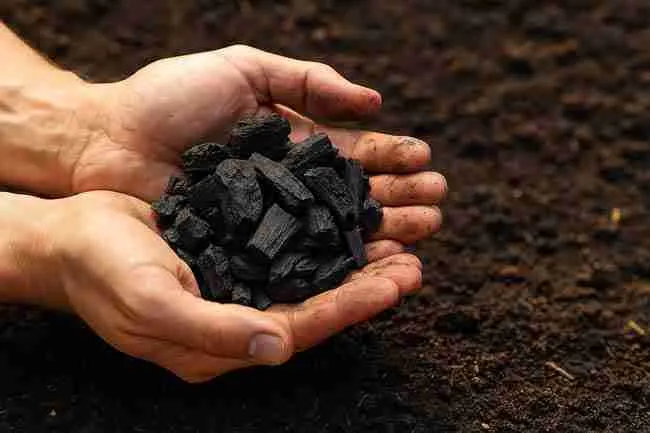
Picture a campfire left to smolder with barely any oxygen. The wood doesn’t turn to fluffy ash—nope, it becomes jet-black, carbon-rich “char.” Grind that char into little sponge-like bits, and ta-daa, you’ve got biochar. It’s basically ancient charcoal made on purpose for farms and gardens. Folks 2,000 years ago in the Amazon added similar “terra preta” to jungle soils, and the dark earth is still crazy fertile today.
Key traits you’ll love:
- Micro-sized hotel: Millions of tiny pores give microbes, fungi, and nutrients free room and board.
- Long-lasting: Biochar hangs around for hundreds—sometimes thousands—of years without breaking down.
- pH buffer: Most batches hover near neutral to slightly alkaline, calming sour soils.
Quick tip: You can DIY biochar in a rocket stove, kiln, or simple barrel pit. Just starve the fire of air till the feedstock chars, then douse and crunch. Wear gloves—your hands will look like chimney sweeps.
How is carbon sequestration related to biochar?
Hold onto your sunhat—this part’s science meets superhero comic. Plants grab CO₂ from the sky and lock it into their bodies as carbon. When you cook leftover plant matter into biochar, you “freeze” that captured carbon instead of letting it escape back into the atmosphere as CO₂ or methane.
- Equation in plain speak:
Plant trash + low-oxygen burn → stable carbon bricks (biochar) → buried in soil for centuries. - Why growers cheer: Every time you blend biochar into a bed, you’re shrinking your garden’s carbon footprint—like planting invisible trees underground.
Real-life example: One cubic yard of pine-chip biochar can stash roughly 600 kg of CO₂. That’s equal to canceling the emissions from driving a gas car about 1,500 miles. Ka-pow!
Does biochar improve soil structure?

You bet your root zone it does. Soil structure is simply how sand, silt, clay, and organic matter clump together and leave airy gaps for water and air. Biochar works like a Lego brick mixed with a sponge:
| Soil Challenge | How Biochar Jumps In | End Result |
|---|---|---|
| Clay compaction | Pores crack clay plates apart | Fluffier texture; roots wiggle freely |
| Sandy drought | Sponge-like pore walls soak water | Moisture hangs around days longer |
| Nutrient leaching | Electric charges on char hold cations | Fertilizer stays put instead of washing away |
| Low microbe count | Rough surfaces become micro condos | Exploding fungal & bacterial diversity |
Translation: your soil shifts from “stubborn lump” to “breathable brownie.”
Is biochar good for cannabis soil?

Oh, absolutely—your Biochar and Cannabis romance starts here. Cannabis roots crave oxygen, balanced moisture, and a steady buffet of nutrients. Biochar checks all three boxes:
- Air flow: Those internal tunnels pump O₂ to fast-growing root tips.
- Moisture memory: The pores act like mini-water tanks, preventing both wilt and water-logging.
- Nutrient magnet: Cation exchange capacity (CEC) can jump by 50-100 %, meaning calcium, potassium, and magnesium cling where roots can sip.
Grower tale: I once potted two clones side-by-side—one in standard coco-perlite, the other in coco-perlite + 15 % biochar. Guess which plant wilted slower during a hot July weekend when I forgot to water? Yup, the char-rich girl strutted on unfazed. Lesson learned.
Can you add too much biochar to soil?

Sadly, yes. More isn’t always merrier. Fresh biochar is like a hungry teenager—it’ll gobble calcium and nitrogen until it’s “charged” (pre-soaked). Dumping heaps of raw char can:
- Stall seedlings (nutrient lock-up)
- Spike pH above 7.5 in already alkaline beds
- Dry out soil if blended higher than 30 % by volume
Safe dosage game plan:
- Charge first. Soak biochar for a week in compost tea, fish emulsion, or worm leachate.
- Blend 5–15 % by container volume for indoor pots.
- Top-dress ½ inch per season for outdoor beds and let rains push it downward.
Rule of thumb: Start light, observe how your ladies react, then scale up little by little.
Will adding biochar to soil alone increase the soil’s nutrient content?

Nope. Biochar is mostly carbon and a sprinkle of trace minerals. Think of it as a storage locker, not the groceries themselves. If you charge biochar with nutrient-rich liquids or mix it with compost, it becomes a slow-release buffet. Alone, it’s an empty fridge.
Easy charging recipe (per gallon biochar):
- 1 cup kelp meal
- 1 cup worm castings
- 2 tbsp molasses
- Enough dechlorinated water to submerge
Stir daily for seven days. After that soak, your char smells earthy—never smoky—and teems with microbes. Now it’s cannabeast fuel.
What are the disadvantages of biochar in soil?

Let’s keep it honest—every hero has quirks:
Cons list (don’t worry, solutions follow):
- Nutrient lock-up (initial). Fix? Pre-charge.
- Alkaline drift. If your water already sits at pH 8, monitor runoff and buffer with peat or organic acids.
- Dust hazard. Fine powder irritates lungs. Always wet char before mixing or wear a respirator.
- Sourcing dilemma. Poorly made biochar can contain creosote or heavy metals. Buy from reputable kiln operators or DIY with clean wood chips.
However, weigh those hiccups against the long-term perks—healthier soil, bigger buds, happier planet—and biochar still shines.
What is the best soil composition for cannabis?
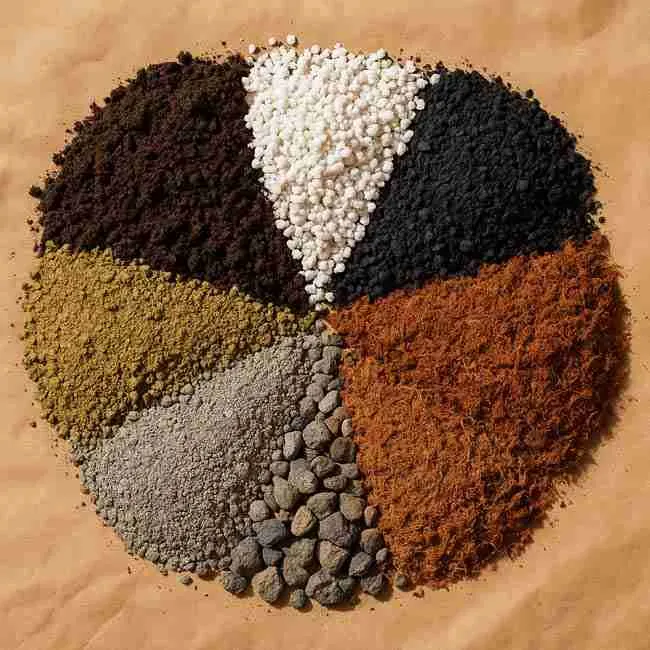
There’s no single magic formula, yet seasoned growers keep circling back to a “living super-soil” profile:
| Component | Ideal % by Volume | Reason for Cannabis Bliss |
|---|---|---|
| High-quality compost | 30 | Supplies slow-release NPK + microbes |
| Aeration (perlite/pumice) | 20 | Oxygen tunnels for roots |
| Peat moss or coco coir | 25 | Water-holding backbone |
| Biochar | 10–15 | Boosts CEC & microbial habitat |
| Worm castings | 5 | Extra enzymes & growth hormones |
| Basalt rock dust | 2 | Micronutrient sprinkle |
| Neem meal / crab meal | 3 | Natural pest deterrent & N boost |
| Mycorrhizal inoculant | Dusting | Fungal freeway into root cells |
Blend until homogenous and let it “cook” for two weeks so microbes party before transplanting your seedlings.
Practical tips for working with Biochar and Cannabis

Step-by-step charging schedule:
- Crush: Aim for rice to pea size for potting mixes; larger chunks for garden beds.
- Moisten: Spray until the dust settles—no black clouds in your lung fields, thank you.
- Nutrient soak: Use the soak recipe above or any actively aerated compost tea (AACT).
- Rest: Let the slurry sit five to fourteen days, stirring daily to oxygenate.
- Blend: Mix into soil or layer as a top-dress under mulch.
- Observe & tweak: Watch leaf color, runoff EC, and watering intervals. Adjust char percentage next cycle if roots beg for more air or hold too much moisture.
Charging shortcuts:
- On-the-fly: Sprinkle dry biochar into the bottom of transplant holes, then water in with fish hydrolysate—works fine when time’s tight.
- Biochar compost: Layer char between green scraps in your compost pile. By the time the pile matures, every pore drips with nutrients.
Pros and cons snapshot
Pros:
- Cuts watering frequency (hello weekend trips)
- Locks carbon underground—eco karma points
- Increases bud terpene expression via balanced minerals
- Reduces fertilizer bills (nutrients stick around)
- Buffers pH swings
Cons:
- Needs pre-charging time
- Can raise pH too high for certain cultivars
- Dusty to handle
- Quality varies by feedstock
Stick that cheat-sheet on your grow room fridge for quick reference.
FAQ – Rapid-fire answers about Biochar and Cannabis
Q: How much biochar per gallon of soil for seedlings?
A: Start with 5 % by volume. You can climb to 10 % when plants hit veg and roots get thirstier for air.
Q: Can I reuse biochar when I recycle potting mix?
A: Yup. Just refresh with a new compost tea soak before re-amending the soil. Biochar itself barely breaks down.
Q: Does biochar replace perlite?
A: Not entirely. Biochar boosts biology and CEC; perlite adds pure aeration. Many growers run 10 % char + 20 % perlite for the best of both.
Q: Will biochar interfere with synthetic nutrients?
A: It can adsorb salts if you flood the medium. Just monitor EC runoff and feed slightly lighter—biochar keeps leftovers on tap.
Q: Is bamboo biochar different from hardwood biochar?
A: Mostly pore size and silica content. Bamboo chars faster and holds more potassium; hardwood char offers larger pores. Both rock in cannabis soil if charged first.
Q: Can biochar reduce cannabis odor outdoors?
A: Indirectly. Healthier soil fosters balanced nutrient uptake, which can temper overly pungent stress terpenes—but don’t ditch your carbon filter just yet.
Q: How long before I’ll notice results?
A: Within one growth cycle you’ll likely see improved drought resistance and nutrient efficiency. Terpene and cannabinoid bumps often show by harvest two or three.
Final storyteller nugget

Imagine every pinch of Biochar and Cannabis soil mix as a microscopic city. Fungi build highways, bacteria run diners, and plant roots slide through like rock stars on tour buses. The more vibrant that underground city, the fatter and stickier your buds can get. By respecting biochar’s quirks—pre-charging, balanced ratios, proper pH—you invite centuries-old Amazonian wisdom into your modern grow tent. So grab that bag of black gold, charge it like a phone, and watch your soil structure shift from meh to marvelous. Happy growing!