


Best High-CBD Strains for Anxiety, Pain, and Sleep (With Real Grow Tips)


Understanding High-CBD Strains and Why They Matter
You ever feel that knot in your chest when worry hits hard, or those aches that keep you tossing at night? High-CBD strains can feel like a quiet friend who shows up without making a big scene. They pack plenty of cannabidiol while keeping THC super low, so you stay clear-headed. Folks growing their own love them because the plants give real help for everyday struggles without the heavy head change that high-THC stuff sometimes brings.
Think about it like this. Your body already has an endocannabinoid system that keeps mood, pain signals, and sleep in check. CBD works with that system gently. When you grow these plants at home, you control every step and end up with flower that matches what your body needs.
What Counts as a High-CBD Strain
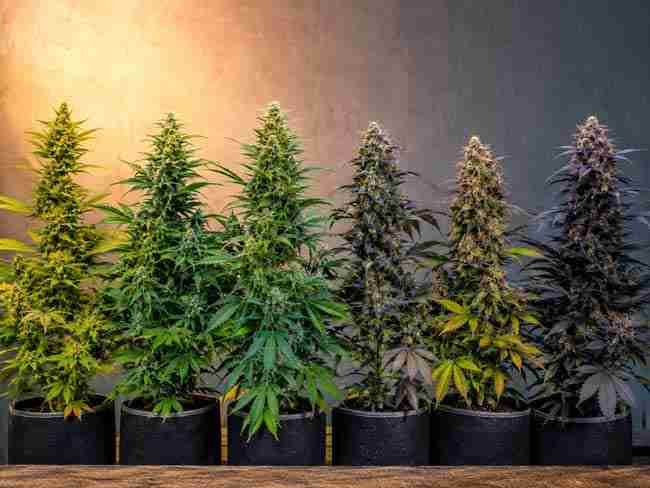
A high-CBD strain usually shows at least 8 to 10 percent CBD and under 1 percent THC in most cases. Some push past 15 or even 20 percent CBD. The ratio often sits at 10:1 or higher CBD to THC. That keeps any high almost nonexistent.
You might see numbers like 20:1 on a lab report. That means for every bit of THC there’s twenty times more CBD. Strains that stay under the legal hemp limit of 0.3 percent THC work great if you’re in a place that follows those rules. Always check a recent test if you can, because growing conditions can nudge the numbers a little.
How CBD Works for Anxiety, Pain, and Sleep
CBD talks to receptors that calm racing thoughts. It can dial down the fight-or-flight feeling that anxiety loves to stir up. For pain, it helps ease inflammation and the way your nerves send “ouch” messages. When sleep gets hard, CBD often settles the body first, then the mind follows.
Picture a long day of work stress. Your shoulders stay tight and your brain won’t shut off. A few puffs or a homemade tea from high-CBD flower can loosen that grip. Many growers say the effect feels steady rather than sudden, which makes it easier to use during the day or right before bed.
The Importance of Terpene Profiles
Terpenes are the smelly oils that give each plant its unique scent and extra kick. Myrcene often shows up in calming strains and can make the body feel heavier and more ready for rest. Pinene keeps the mind a bit sharper. Caryophyllene works with CBD to soothe inflammation. Linalool reminds you of lavender and helps quiet nerves.
When you choose seeds, look past just the CBD number. A strain rich in myrcene and caryophyllene often shines for evening wind-down. One higher in pinene or limonene can feel better while you still need to stay on your feet. Growing your own lets you notice how the smell changes as the plant matures, and that smell tells you a lot about the final effect.
Best High-CBD Strains for Anxiety
Anxiety hits different for everyone. Some days it’s a low hum of worry. Other days it feels like a wave. These three strains show up again and again when people want calm without losing focus.
AC/DC
AC/DC sits near the top of most lists for pure calm. It’s a phenotype of Cannatonic that breeders selected for sky-high CBD and almost no THC.
Specs and Typical Effects
Expect 14 to 20 percent CBD and under 1 percent THC, often landing around a 20:1 ratio. Dominant terpenes include myrcene, pinene, and caryophyllene. The scent leans earthy with a touch of pine and light sweetness. Effects stay clear and steady. Most people feel tension melt from the shoulders and mind without any fog. It’s a solid daytime pick when you still need to get things done.
Real Grow Tips for AC/DC
Start with verified clones or trusted seeds if possible, because seed-grown plants can sometimes shift the ratio. Flowering runs about 9 to 10 weeks. Plants stay medium height, usually under four feet indoors if you top them early. Keep temperatures between 68 and 80 degrees Fahrenheit. Drop humidity below 50 percent in late flower so the dense buds don’t invite mold. Feed lightly once flowering starts and watch nitrogen. Too much can slow things down. Low-stress training spreads the canopy and boosts light to every bud site. Yields sit in the moderate range, around 350 to 450 grams per square meter under good lights. Outdoor plants like warm, sunny spots and finish by early October in most climates.
Harlequin
Harlequin brings a gentle lift along with the calm. It’s sativa-leaning and has been a go-to for years.
Specs and Typical Effects
CBD usually lands between 8 and 16 percent while THC sits around 4 to 7 percent, giving a roughly 5:2 or 5:1 ratio. Terpenes favor myrcene, pinene, and caryophyllene. The aroma mixes earthy notes with a hint of mango or wood. Effects feel clear-headed and a little uplifting. Many use it for social jitters or mild daytime pain while still staying productive.
Real Grow Tips for Harlequin
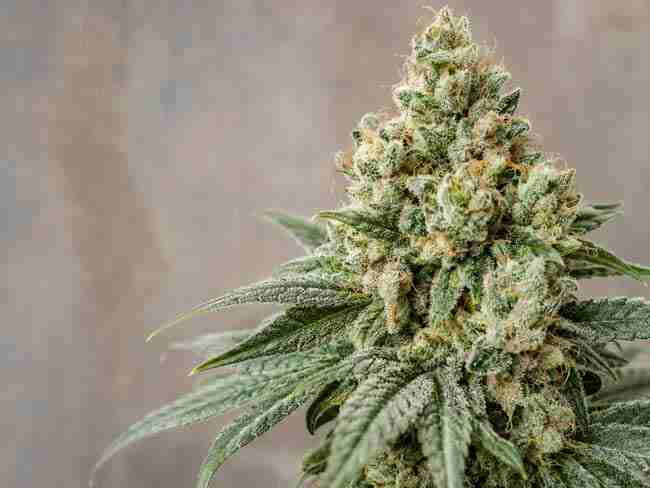
This one stays pretty forgiving. Flowering finishes in 8 to 9 weeks. Plants stretch a bit but respond well to topping and low-stress training. Keep daytime temps in the mid-70s and humidity around 45 to 55 percent in flower. Moderate feeding works best. Don’t push nutrients hard or the leaves can burn. Indoor yields often reach 400 to 500 grams per square meter. Outdoor plants enjoy full sun and finish mid to late September. Watch for pests early because the open structure can invite them if airflow is weak.
Ringo’s Gift
Named after a pioneer who pushed CBD breeding forward, Ringo’s Gift delivers deep calm with almost zero high.
Specs and Typical Effects
CBD ranges from 13 to 20 percent or higher, THC stays near 1 percent or less, and ratios can hit 24:1. Terpenes center on myrcene, pinene, and caryophyllene. The scent carries pine, citrus, and a light spice. Effects start in the head and settle into the body, easing anxiety and preparing you for rest without knocking you out.
Real Grow Tips for Ringo’s Gift
Flowering takes 8 to 10 weeks. Plants grow medium to tall and like steady conditions. Keep temperatures 70 to 78 degrees and humidity under 50 percent late in flower. This strain handles training well, so use a screen of green if space is tight. Moderate nutrients keep the plants happy. Yields average 350 to 450 grams per square meter indoors. Outdoor plants can stretch past six feet and produce solid harvests if given good soil and sun. Prune lower branches early for better airflow.
Best High-CBD Strains for Pain Relief

Pain that hangs around day after day wears a person down. These strains focus on the body side of relief while still keeping the mind steady.
Cannatonic
Cannatonic earned the nickname CBD Queen for a reason. It opened the door for many of the high-CBD plants we grow today.
Specs and Typical Effects
CBD can range from 6 to 17 percent and THC from 5 to 7 percent, with ratios from 1:1 up to 5:1 depending on the cut. Terpenes lean myrcene, limonene, and pinene. The smell mixes citrus, earth, and a soft berry note. Effects bring solid body relaxation and a mild lift that helps with muscle tension and everyday aches.
Real Grow Tips for Cannatonic
Expect 9 to 10 weeks of flowering. Plants stay medium height and branch well. Temperatures between 70 and 80 degrees work best. Drop humidity as buds swell to avoid mold. This strain likes balanced feeding but can show tip burn if you go heavy. Top once or twice and train the branches outward. Indoor yields sit around 400 grams per square meter. Outdoor plants finish in early to mid-October and prefer a Mediterranean-style climate.
Sour Tsunami
Sour Tsunami was one of the first strains bred on purpose for high CBD. It still holds a strong spot for pain.
Specs and Typical Effects
CBD often hits 10 to 13 percent or higher while THC stays near 1 percent, giving ratios around 10:1 or better. Terpenes include myrcene and others that support a citrus-diesel aroma. Effects focus on physical ease and reduced inflammation. Many growers use it for all-day management of aches without feeling spaced out.
Real Grow Tips for Sour Tsunami
Flowering runs 9 to 10 weeks. Plants show solid vigor and handle training nicely. Keep the room 72 to 78 degrees and humidity 40 to 50 percent in late flower. Steady, moderate nutrients prevent stress. Good airflow is key because the buds can pack on density. Yields are respectable both indoors and out. Outdoor harvests usually come in late September to early October.
Critical Mass CBD
This version of the classic Critical Mass keeps the heavy yields but balances the cannabinoids for gentler relief.
Specs and Typical Effects
CBD typically sits between 8 and 15 percent with THC around 5 to 7 percent, often near a 1:1 or 2:1 ratio. Terpenes favor myrcene, caryophyllene, and limonene. The scent is earthy, sweet, and a bit woody. Effects bring strong body relaxation that helps with deeper aches and can ease you toward sleep.
Real Grow Tips for Critical Mass CBD
Flowering finishes fast, often in 7 to 9 weeks. Plants stay compact and bushy but produce very dense buds, so support the branches with stakes or a net. Keep humidity low in flower, under 45 percent late, or mold can sneak in. Temperatures 68 to 78 degrees work well. This one is beginner-friendly and feeds moderately. Indoor yields can reach 500 to 600 grams per square meter. Outdoor plants love warm, dry conditions and finish early October.
Best High-CBD Strains for Sleep Support

When the day finally ends and sleep still won’t come, these strains help the body and mind settle.
Remedy
Remedy lives up to its name for many people who need quiet without any buzz.
Specs and Typical Effects
CBD ranges from 12 to 16 percent with THC under 1 percent, often a 15:1 ratio or higher. Terpenes center on myrcene, pinene, and caryophyllene. The aroma mixes citrus, wood, and light honey. Effects feel calm, clear, and body-focused. It eases tension and helps the mind stop racing so sleep can arrive more easily.
Real Grow Tips for Remedy
Flowering takes 7 to 9 weeks. Plants stay short and bushy, perfect for small tents. Keep temperatures 72 to 78 degrees and humidity dropping to 45 percent or lower late in flower. Light feeding and low-stress training keep the canopy even. Indoor yields average 350 to 500 grams per square meter. Outdoor plants finish late September to early October and prefer temperate weather.
Special Sauce
Special Sauce leans sedating in a gentle way and has become a favorite for evening use.
Specs and Typical Effects
CBD often lands between 15 and 18 percent, sometimes higher, with THC under 0.3 to 1 percent. Myrcene dominates the terpene profile, backed by pinene and caryophyllene. The scent carries berry, earth, and soft vanilla notes. Effects bring deep physical calm and a quiet mind that makes drifting off easier.
Real Grow Tips for Special Sauce
Flowering finishes in 8 to 9 weeks. Plants stay manageable and respond well to topping. Temperatures in the mid-70s and humidity under 50 percent in late flower keep things healthy. Moderate nutrients work best. Yields can reach 400 to 550 grams per square meter indoors. Outdoor plants produce solid harvests when given full sun and good soil.
Suver Haze
Suver Haze is a reliable hemp-style cultivar that many commercial growers trust for consistent CBD.
Specs and Typical Effects
CBD commonly tests 18 to 20 percent or more with THC under 0.3 percent. Terpenes include myrcene, bisabolol, and caryophyllene. The aroma is earthy and slightly floral. Effects focus on easing stress and tension while supporting restful evenings.
Real Grow Tips for Suver Haze
This one is sturdy and high-yielding. Flowering runs about 8 to 9 weeks. Plants can get tall outdoors, so plan space or train them. Keep temperatures 70 to 80 degrees and humidity controlled. It handles a range of feeds but prefers steady conditions. Indoor yields often hit 450 to 550 grams per square meter. Outdoor plants can produce a kilo or more per plant in good soil and full sun.
Practical Grow Tips That Apply Across High-CBD Strains
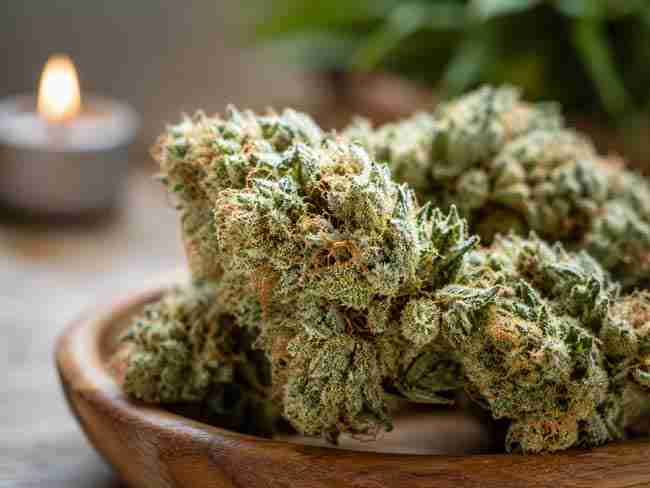
Growing high-CBD plants follows many of the same rules as regular cannabis, yet a few tweaks help you lock in the best CBD numbers.
Seed Selection and Germination Notes
Pick feminized seeds from a reputable source that shares recent lab tests. Look for strains known for stable CBD expression. Soak seeds in clean water for 12 to 24 hours, then place them between damp paper towels until the taproot shows. Plant the root down about half an inch deep in light soil or starter plugs. Keep the medium moist but not soaked and temperatures around 75 degrees. Most seeds pop within a few days.
Lighting, Temperature, and Humidity Preferences
High-CBD plants like solid light. Aim for 18 hours of light in veg and 12 hours in flower. LED lights work great and stay cooler. Keep daytime temperatures 70 to 80 degrees and nights a few degrees cooler. Humidity starts higher in veg, around 60 percent, then drops to 40 to 50 percent in flower so buds stay mold-free. Good airflow from oscillating fans prevents stagnant air.
Nutrient and Watering Adjustments
Start with a balanced veg formula, then switch to a bloom mix that is lower in nitrogen once flowers appear. High-CBD plants often dislike heavy feeding, so begin light and increase only if the leaves stay healthy green. Water when the top inch of soil feels dry. Always check the runoff pH and keep it between 6.0 and 6.5 in soil or 5.8 to 6.2 in coco. Overwatering is a common beginner mistake that slows growth and invites root issues.
Harvest Timing to Maximize CBD Content
Watch the trichomes with a small magnifier. Harvest when most look cloudy with only a few turning amber. Waiting too long can lower CBD a bit in some strains. Flush with plain water for the last week or two if you use bottled nutrients. Dry the buds slowly in a dark room at 60 degrees and 60 percent humidity for 10 to 14 days. Then cure in jars, burping them daily at first. A good cure keeps the terpenes and makes the final flower smoother.
Pros and Cons of Growing High-CBD Strains at Home

Advantages for Home Growers
You control the whole process from seed to jar. That means no mystery additives and exact knowledge of what you’re using. Many high-CBD strains stay compact and finish reasonably fast. Yields can be solid once you dial in the environment. The flower stays functional for daytime or nighttime without the strong high that some people prefer to avoid. Growing your own also saves money over time compared with buying finished product.
Common Challenges and How to Handle Them
Phenotype variation can show up in seed-grown plants, so starting with verified genetics helps. Dense buds on some strains need strong airflow and lower humidity late in flower to stop mold. Nutrient sensitivity means you must watch the leaves closely and feed lighter than you might with high-THC plants. Finding stable genetics can take a little research, yet once you have a good source the rest falls into place. Patience during the dry and cure pays off with better flavor and effect.
Matching the Right Strain to Your Needs

Daytime vs Evening Use
For daytime, lean toward AC/DC, Harlequin, or Ringo’s Gift. They keep the mind clear while easing anxiety or mild pain. For evening and sleep, Remedy, Special Sauce, or Suver Haze bring more body calm and quiet the thoughts that keep you awake. Critical Mass CBD and Cannatonic sit in the middle and work for either time depending on how much you use.
Beginner vs Experienced Grower Considerations
Beginners often do well with Critical Mass CBD, Remedy, or Special Sauce. These stay shorter, finish a bit faster, and forgive small mistakes. Experienced growers can handle AC/DC or Ringo’s Gift, which reward careful training and environment control with excellent CBD levels. Start simple, take notes on what each plant likes, and you’ll gain confidence fast.
Frequently Asked Questions
How much CBD do I need for anxiety or sleep?
Most people start low and go slow. A small amount of flower can deliver 10 to 25 milligrams of CBD. Adjust from there based on how you feel.
Can I grow these outdoors?
Yes, as long as your climate gives enough warm days and you watch for mold in humid areas. Many of these strains finish by early to mid-October.
Do high-CBD strains smell strong?
They still produce aroma, yet many stay milder than high-THC plants. Good carbon filters handle indoor grows easily.
Will the plants stay under legal THC limits?
With stable genetics and proper harvest timing, most of these stay well under 0.3 percent THC. Always test if you need official confirmation.
How long until I can harvest?
From seed, plan on 3 to 4 months total for most of these strains when grown indoors.
Growing high-CBD strains gives you a personal supply of calm, comfort, and better rest. Start with one or two that match your main need, follow the basic environment rules, and pay attention to what the plants tell you. Before long you’ll have jars of flower that help you through anxious days, sore evenings, and nights when sleep feels just out of reach. The process itself becomes part of the relief once you see those frosty buds forming under your own lights.
