Best Cannabis Seeds for Outdoor Growing: Climate, Finish, and Mold


The best cannabis seeds for outdoor growing are the ones that finish before your frost and stay standing in your weather. Ranking lists in 2026 still name Northern Lights, Durban Poison, and a pile of autos. Those names are types, not a shopping cart. A 12-week haze that wants November is a bad seed in Halifax even if it is famous. A dense cookie cut that won indoor cups is a bad seed in a wet September. Match the finish date to the yard. Then pick flavour.

This page replaces the old “top 10 famous strains” list. Climate first. Photoperiod vs auto. Feminized so you are not vegging males on a four-plant cap. Mold. Height. Then the outdoor lines we actually sell, starting with Canadian Sunshine. How-to grow is the outdoor guide: growing cannabis outdoors. How to pick any pack: how to pick cannabis seeds. Store: cannabis seeds store. Outdoor shelf: outdoor cannabis seeds.
Finish Date Beats a Famous Name
Look up your average first frost. Count back the flowering weeks on the pack, plus a week of weather. Photoperiods outside do not start that clock on your timer. They veg while days are long and flip when nights stretch, often late August into September in the north. A “8-week flower” photo still needs those 8 weeks after the flip. If nights get long in the last week of August and frost hits October 5, you have about five to six weeks, not eight. That pack will be half-ripe hay.
Packs lie in two directions. Indoor flower time assumes a clean 12/12 flip the day you want. Outdoor harvest month on a Dutch or Spanish site assumes a European latitude, not yours. “Early October” in the Netherlands is not early October in Edmonton. Read both numbers. Then walk your own frost date. A greenhouse with a heater is a different clock. A patio under a porch light is a different clock. The seed did not change. The night did.
Direct-sow after frost only if the soil is warm and you can live with a slower start. Most northern photos get 4–6 weeks inside so they hit the ground as a plant, not a snack for slugs. Autos hate that delay if you keep them in a cup too long. The seed type decides the start, not a generic “outdoor” calendar.
Zone and date math: planting cannabis outdoors in North America. Microclimates (a south wall, a frost pocket): how microclimates affect outdoor cannabis. First crop: planning your first cannabis crop.
Photoperiod vs Auto Outdoors
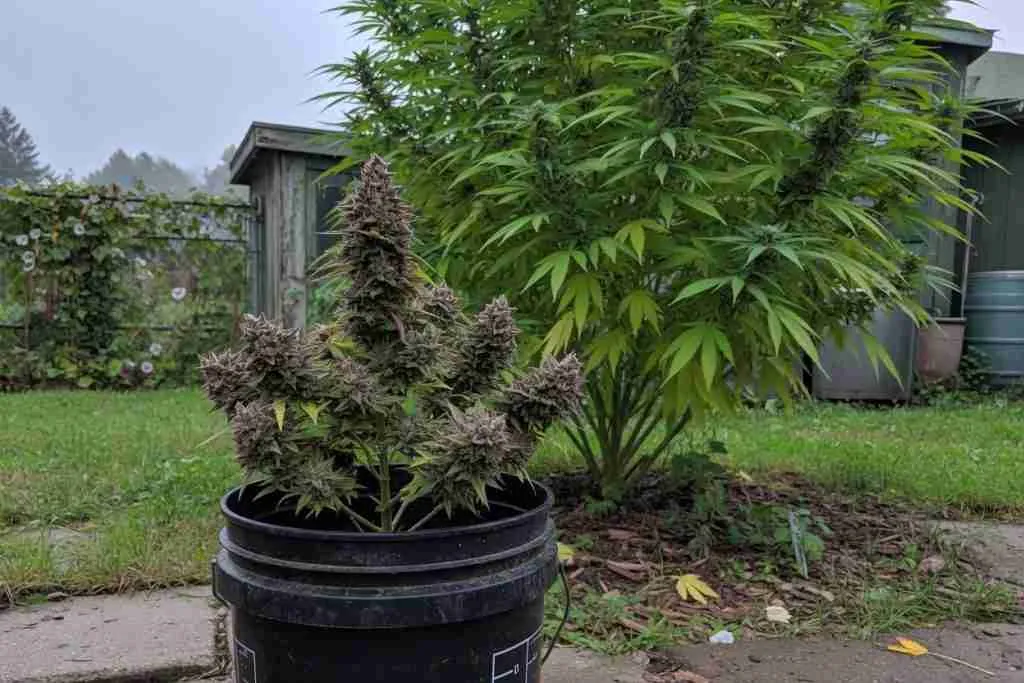
Photoperiods get huge if the summer is long. They also finish in the wettest weeks. Streetlights and porch floods can stop them flipping. Autos flower on age, often 9–11 weeks from sprout, sometimes 7–9 on the fast ones. They stay shorter. Yield is usually less than a full-term photo in the ground. They are the outdoor seed when frost comes early, when you start late, or when you want a second round. Ruderalis is the clock: ruderalis cannabis seeds. Autos: grow autoflowering cannabis plants. Photos: photoperiod cannabis seeds explained.
Two outdoor harvests in the north is an auto trick, not a photo trick. Start one auto indoors in April, out after frost, cut in July. Drop the second auto in the same pot or hole. You need two warm months, not a California fantasy. A photoperiod you cut in July will re-veg or die. Do not mix the clocks in one tent later either — this page is dirt, but the same rule holds. Big autos still want a finish pot from day one. Pinching and topping late steal days they will not get back.
Fast photos vs long sativas
Fast or “early” photoperiods are the middle path. Seven to eight weeks of flower after the flip, harvest late September to early October in much of Canada and the northern US. That is the Frisian Dew / Holland’s Hope / Early Skunk job on ranking pages. Long sativas (old haze, some Durban phenos that drag) want October into November. Fine in California. A gamble on the Atlantic. Do not buy “sativa” as a personality. Buy a finish week.
Feminized So You Don’t Waste Four Plants
Canada’s household cap is four plants. Regular seed is about half male. Two males is two wasted legal slots and a pollen cloud if you miss the sacs. Feminized packs are the outdoor default if you want flower. Regulars if you want to breed. Autos are usually feminized too. ~99% female is not 100%. A nanner in week six on a stressed plant is still a nanner. Why fems: why choose feminized cannabis seeds. Regulars: when to choose regular cannabis seeds. How many: how many cannabis seeds.
Clones outdoors skip the taproot. In the ground a seed-grown plant hunts water. A clone is a bag of laterals. In a pot it matters less. For a field or a dry yard, start from seed. Take cuts off the keeper after you know it finished. Do not fill next year with a clone that hermed in the rain this year.
Climate First
Indica vs sativa is a rough height and finish hint, not a weather forecast. Indica-leaning plants stay shorter and often finish faster. Sativa-leaning plants stretch and often want more weeks. Hybrids are most of what you will actually grow. Type primer: indica vs sativa vs hybrid and cannabis indica vs sativa.
Short, wet, northern
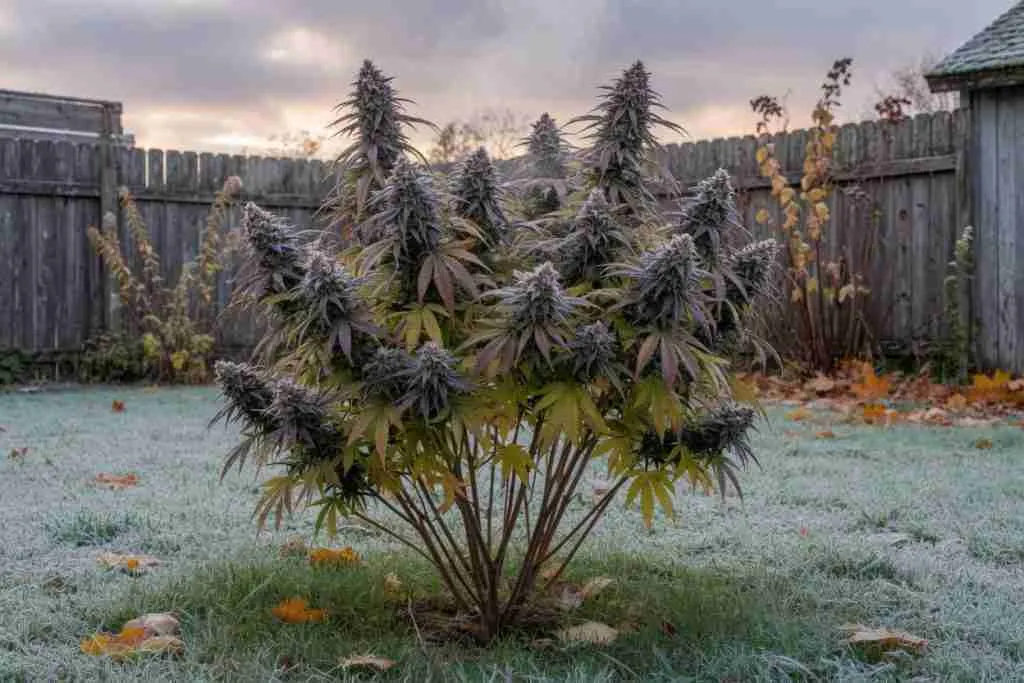
Atlantic Canada, the Prairies, New England, the Upper Midwest, northern Europe. Frost before mid-October is common. Fall is wet. You want a fast photo that was bred outdoors in a similar climate, or an auto you can start after last frost and cut in 70–85 days. Mold resistance is not a slogan. It is open structure, a finish before the monsoon, and a grower who still opens the plant. Second harvest in a short season: more than one harvest in northern climates. Canada shop: buy cannabis seeds in Canada.
Altitude is its own climate. Cool nights, intense UV, a short season. Ranking pages point at alpine-bred lines for a reason. A lowland indoor cookie will bleach and stall. If you grow above the treeline of a normal garden — Rockies, interior BC, high Appalachians — pick a plant that already lived in cold nights, not a California menu name. Wind will snap a tall sativa. Stake it or pick a bush.
Temperate
Longer summer, still a real fall. You can run a photoperiod that finishes early October and get the weight. Autos still work for a patio or a late start. This is the widest seed list. Do not waste it on a 12-week indoor dessert cut unless you have a greenhouse and a dry October.
Southern Ontario, much of the US east of the dry line, coastal BC interiors that actually get a summer: you have options. That is where people blow it by shopping THC percent. A 28% indoor cut that finishes November is still a 0% harvest if it ices. A 20% outdoor-bred plant in jars beats a dead celebrity.
Hot and dry
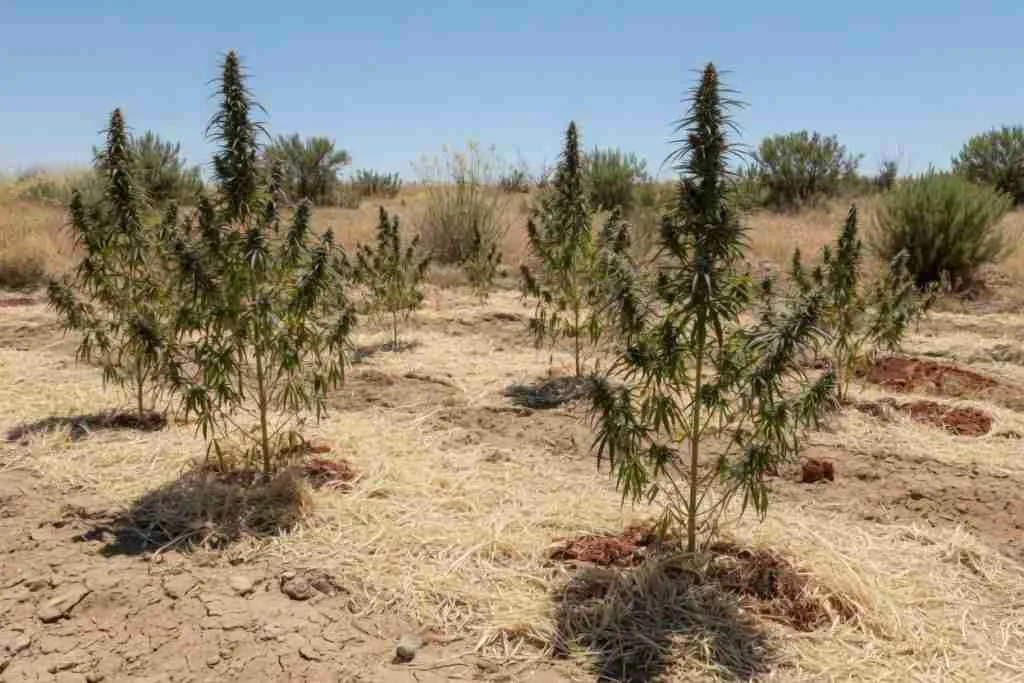
Southwest, interior valleys, Mediterranean. Sun is not the problem. Water and heat are. Landrace-leaning sativas and Afghan types that evolved with drought handle this better than a fat indoor indica that wants 55% humidity. Mulch. Big pots or the ground. Afternoon shade can be a gift. You can run longer flowering packs here if the frost is late. You still should not plant a swamp-bred Dutch outdoor in a desert and expect the same plant.
Humid and rainy
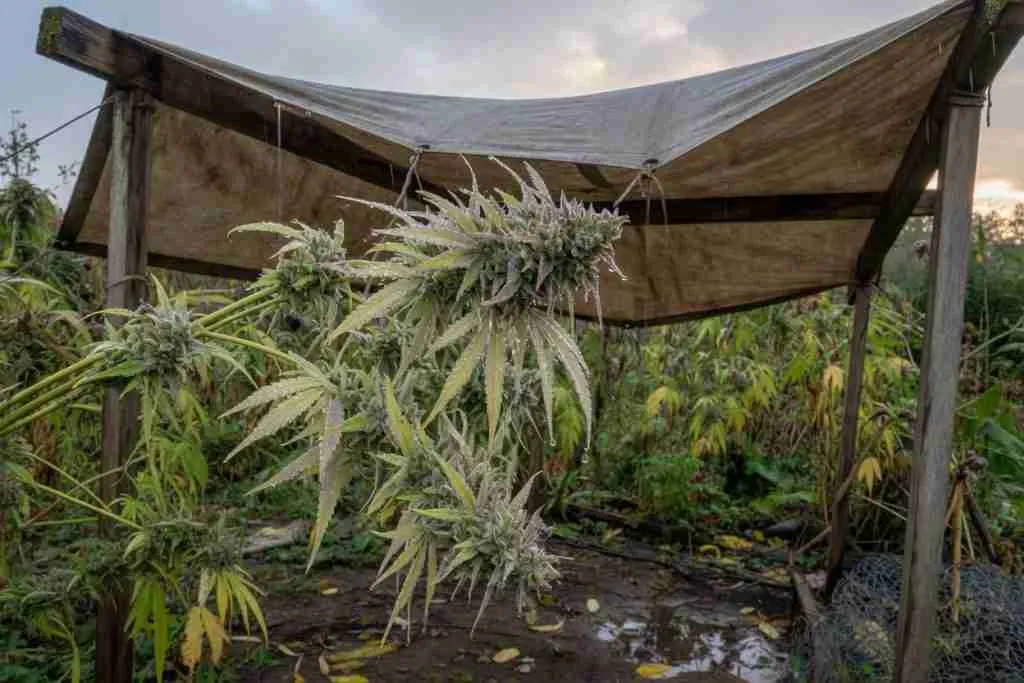
Coastal BC, PNW, UK, late-summer Atlantic. Bud rot kills more outdoor crops than frost. Ranking pages keep naming Frisian Dew, Durban Poison, Critical Mass, Holland’s Hope for this. The trait you want is a finish before the worst rain and flowers that are not golf balls of trapped water. A tarp with open sides beats a sealed plastic coffin. Rain shelters: rain shelters that don’t trap humidity. Pests and fungi: fungi and pests in outdoor cannabis.
Height and Stealth
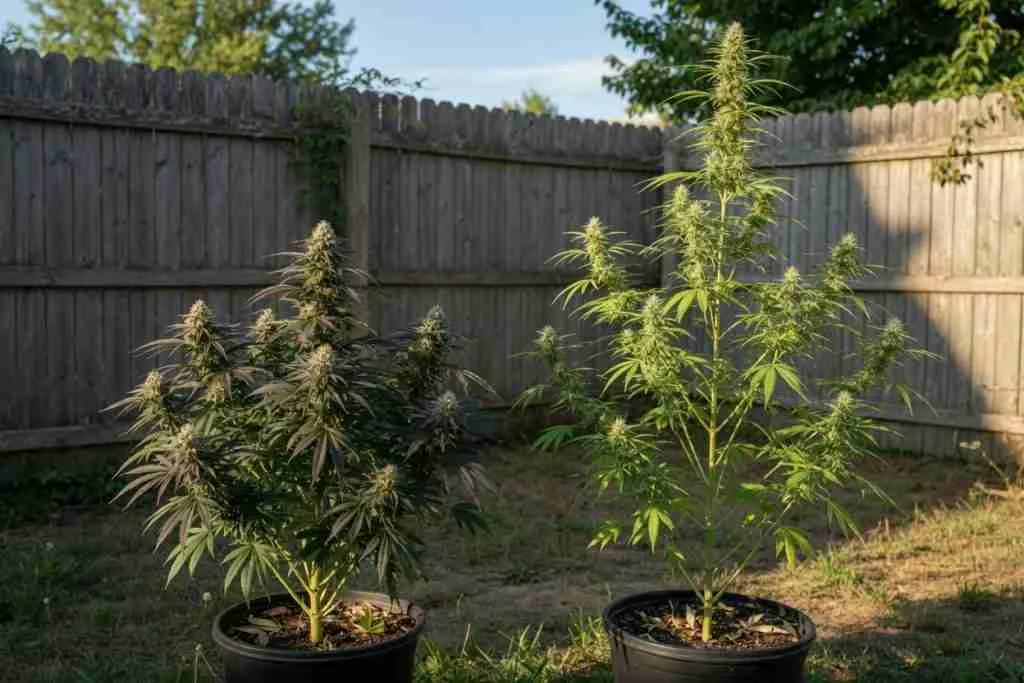
Northern Lights-type plants stay short and bushy. Useful behind a fence. Durban- and haze-type plants become trees. A balcony wants an auto or a compact indica hybrid. A field can take a sativa. LST still works outdoors: low stress training cannabis. Pots vs ground: growing cannabis in containers. Four bushes in the ground can bury a tent: how much from one plant.
Pot size is a seed choice too. An auto in 3–5 gallons is a plant. A photoperiod in 5 gallons is a daily watering chore in July and a small root ball. Fifteen gallons is a start for a photo. Thirty to fifty, or the ground, is a real outdoor bush. Do not buy a tree seed and a 2-gallon fabric bag. The seed will try. The bag will win, and you will water twice a day.
Mold: Dense Cookies vs Airy Spears
Indoor hype cuts were selected under dehumidifiers. Tight Gelato, GSC, and cookie flowers look great in a jar and rot in a week of fog. Airy sativa spears dry after rain. You lose some bag appeal. You keep the harvest. If you insist on a dense modern hybrid outdoors, you need airflow, a rain plan, and a finish that is not late October. Do not skip defoliation in September just because “organic outdoor” sounds romantic. Flower stage: flowering stage.
Botrytis starts inside the cola, not on the leaf you Instagram. Squeeze a dense top after a rain. If it stays wet in the core, that seed was a mismatch. Open the plant so sun and wind hit the stem. A rain-proof roof with open sides beats wrapping the whole bush in plastic. Plastic is a sauna. The seed cannot outrun a sauna.
What We Grow Outdoors

Canadian Sunshine is the house outdoor seed. East Coast work on a Sensi Star cut, seven generations for a Canadian season. The pack lists 7–8 weeks of flower, 22–24% THC, outdoor, indoor, greenhouse. It can run into late October with fewer mold problems than a dense indoor dessert cut — not zero mold. It often colours up purple in the cold. That is the plant we tell northern growers to start with if they want a photoperiod, not a strain they saw on a menu.
What that breeding actually bought you: a plant that still puts on flower when nights drop, and colas that are not as airtight as a modern indoor cookie. You still strip inner junk in September. You still throw a tarp over a three-day rain. You still pull a cola that went brown inside. “Mold reducing” is a head start, not a force field. Growers who ran it outdoors keep coming back because it finishes. Flavour is a daily-driver, not a gas-station dessert. If you want a louder jar, that is Punch or a second cultivar after you have a keeper yard.
Canadian Punch
Canadian Punch is Canadian Sunshine crossed with Purple Punch. Same outdoor idea with more of the punch flavour. If Sunshine is the workhorse, Punch is the one you run when you already know the yard and want a different jar. Still a northern-season plant. Still not a 12-week haze.
Pineapple Express
Pineapple Express is on the old list because we sell it and because it is a hybrid people actually finish. Tropical smell, not a landrace. Give it sun and a season that is not a frost in September. In a short wet yard, Sunshine or an auto is the safer first pack. Feminized shelf: feminized cannabis seeds.
Classic Types Ranking Pages Keep Naming

Use these as a map, not a promise that every pack with the name behaves the same. Breeders differ. Phenotypes differ.
- Northern Lights type — short, fast, cooler nights, a stealth plant. History: history of Northern Lights.
- Durban Poison type — heat, dry, surprisingly early for a sativa, looser flowers in humidity.
- Early Skunk / Holland’s Hope / Frisian Dew types — bred for grey northern summers and wet falls.
- Afghan / Hindu Kush types — drought, resin, compact. Hard outdoor plants if the season is not a swamp.
- Blue Dream type — vigorous hybrid, wants a real summer, can get tall. History: history of Blue Dream.
- Auto NL / Quick One types — 7–9 weeks from seed when the frost window is ugly.
OG Kush, Sour Diesel, Jack Herer, AK-47, and GSC were on the old page as “perfect for outdoor.” Some phenos finish. Many were indoor selections. Diesel and Jack want height and weeks. GSC wants density you will baby in the rain. If you run them outside, treat them as a long-season or greenhouse plant, not a beginner Atlantic pack.
What a Good Outdoor Seed Looks Like
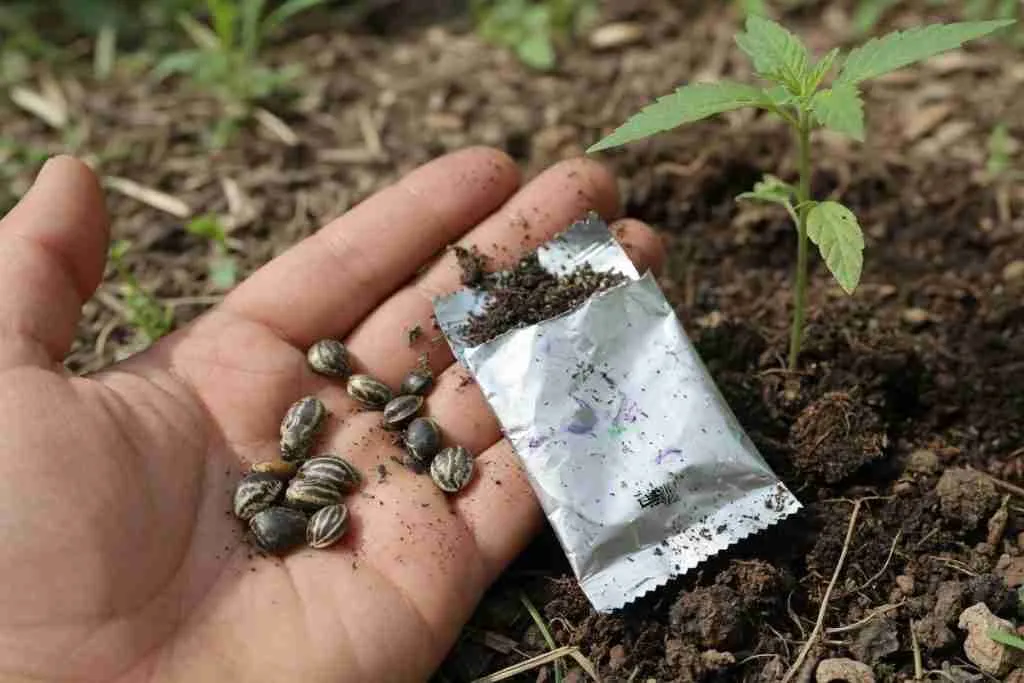
Dark, firm, tiger-striped. Not pale, not cracked, not a bagseed you found in a joint. A pack stored cold from a bank that still answers email beats a mystery envelope. Looks: what good cannabis seeds look like. Germ: cannabis seed germination. Seedling: seedling stage. Best start: 15 steps for the best start.
When a Hype Cut Is a Bad Outdoor Seed
- Flower time longer than the weeks between your flip and your frost.
- Golf-ball indoor density in a wet climate.
- A 9-foot sativa on a balcony.
- Regulars on a four-plant legal cap if you only want smoke.
- Autos you transplant three times.
- A photoperiod under a streetlight.
- Bagseed from a hermed indoor crop.
Those are how people “buy the best seeds” and harvest nothing. A cheap outdoor-bred fem that finishes is a better seed than a $20 hype bean that dies in week six of flower. Breeders: best cannabis seed breeders.
When to Start, How Many

Photos: start indoors 4–6 weeks before last frost, harden off, plant when nights hold around 10 °C. Autos: same frost rule, then they are on a stopwatch. Do not put an auto in a cup for a month. Finish pot from the start, 3–5 gallons is enough, more if you want a bigger auto. Large autos: how to grow large autoflowers. Veg: vegetative stage.
Four plants is a lot of flower if they finish. Four 12-week sativas in a short season is four sticks. Pop an extra seed in a cup if you do not trust the pack, then cull. Do not fill the legal cap with plants you will not walk to in September.
A Worked Pick for Four Plants
Northern wet yard, four legal plants. Two Canadian Sunshine photoperiods in the ground or 20–30 gallon pots. Two autos in 5-gallon buckets, started the same week you transplant the photos, so you have an early jar if September is a write-off. Tarp ready. No streetlight on the photos. If you only have a balcony: four compact autos, not four Jacks.
Prairie yard with a hard September: skip the photos unless you have a hoop. Four fast autos, two start dates two weeks apart so they are not all due the same weekend. Interior BC with a dry fall: two Sunshine, one Punch, one longer hybrid if you know your frost. Hot dry south: Durban-type or Afghan-type photos, mulch, water, forget the Dutch “wet climate” outdoor lines. The seed follows the weather. You do not argue with it.
Long dry fall: you can swap an auto for a longer hybrid if you want weight. Yield tricks still apply: increase cannabis yields. Free-leaning outdoor: growing cannabis for free. Budget indoor if you have no sun: grow cannabis on a budget.
FAQs
What are the best cannabis seeds for outdoor growing? The pack that finishes in your frost window, stays legal-height for your spot, and does not rot in your September. For us in the north, that is often Canadian Sunshine or a fast auto.
Autos or photoperiods outside? Short or wet season: autos or fast photos. Long dry season: photoperiods for size. Streetlights: autos, or move the photo.
Do I need feminized seeds outdoors? If you want flower and you have a plant cap, yes. Regulars if you will sex them and you want pollen.
When do outdoor plants flower? Photos when nights get long. Autos on age from sprout. Flower: flowering stage.
Can I grow Blue Dream or OG Kush outside? In a long season, sometimes. In a short wet one, they are a late, dense problem. Pick the climate first.
When do I harvest? Trichomes, not a calendar app. Pull before a hard freeze. Harvest: harvest and cure.
Indoor vs outdoor seed? There is no separate species. There are plants selected indoors and plants selected in a field. Buy the second if the plant will live in a field. Indoor guide: indoor cannabis growers guide. Environment: best growing environment.
Skip the Menu, Buy the Season

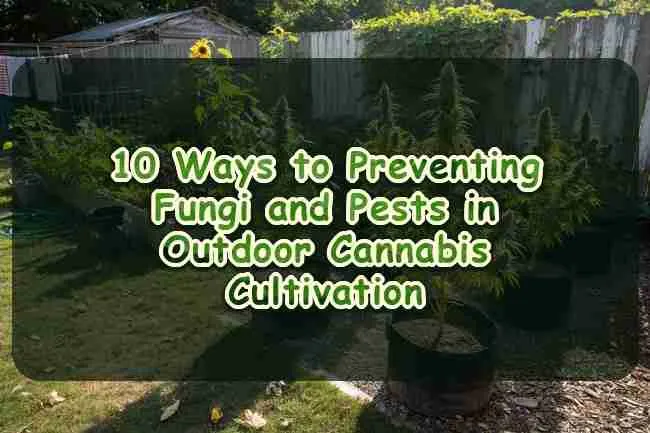
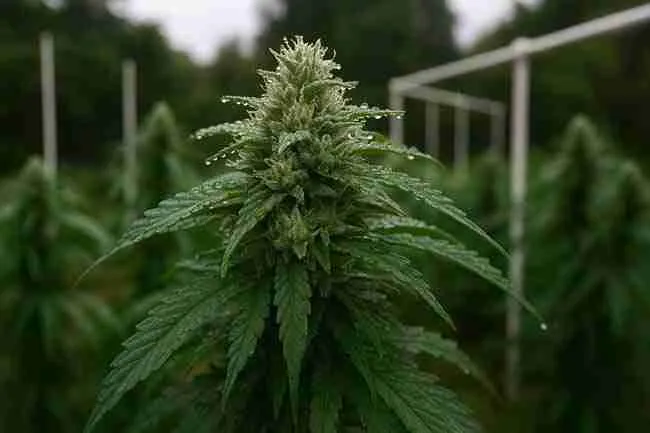
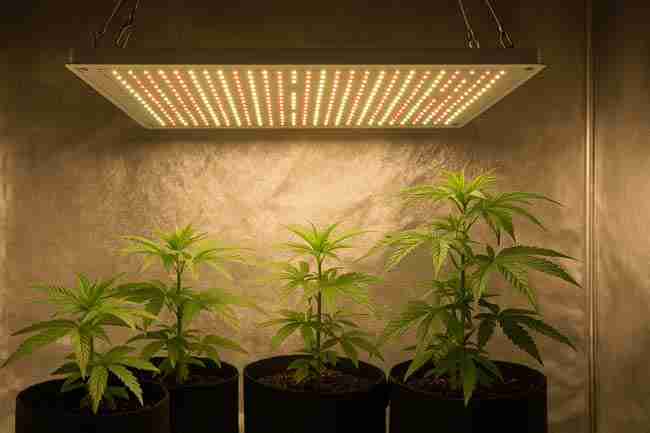
The old article listed Blue Dream, OG Kush, Sour Diesel, Northern Lights, GSC, Jack Herer, AK-47, Pineapple Express, and Durban as if they were all equally “perfect outdoors.” Some of those types belong in a field. Some belong in a tent. The original garden photos on this page are what a plant looks like when the seed matches the hole. Start there. Water: water cannabis plants. Then cut it when it is done, not when a blog says October 15.
A greenhouse is the cheat code if you have one: sun, less rain on the colas, still a real season. It does not turn a 14-week haze into a Prairie plant unless you heat it. Cheap poly with no vent is bud rot with extra steps. Roll-up sides or it is worse than the yard.
Shop the outdoor list: outdoor cannabis seeds. Canadian Sunshine if you are in a northern season: Canadian Sunshine. How-to in the dirt: growing cannabis outdoors.