Benefits of Growing with Organic Cannabis Seeds (Taste, Soil Health & More)

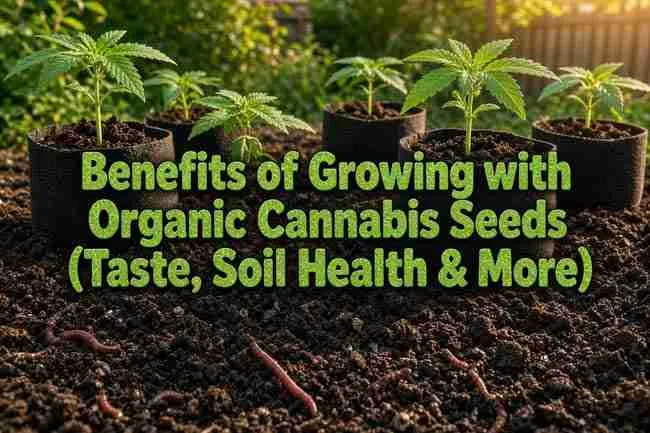
Growing organic cannabis seeds is not a fancy hobby label. It is a simple way to start a plant that already learned how to live in real soil. You skip the salt-heavy bottles. You feed the dirt. Then the dirt feeds the plant. That one switch changes taste, smoke feel, and the ground you use next year.
Picture this. You tear open a pack on a Saturday morning. The seeds look like tiny river stones. You tuck one into a pot of dark, crumbly mix. Two weeks later the room smells like a forest after rain, not like a hardware store. That is the whole point of growing organic cannabis. The seed is the first link. The soil is the rest of the chain.
This guide is for you if you want better flavor, cleaner buds, and soil that gets richer instead of dumped in a bag. You will see how organic feminized seeds, organic indica seeds, Type 3 cannabis seeds, and even CBG cannabis seeds Canada shoppers hunt for all fit the same plan. You will also get specs, pros and cons, and a step-by-step you can follow with a five-dollar pot.
Why the Seed You Start With Changes the Whole Grow
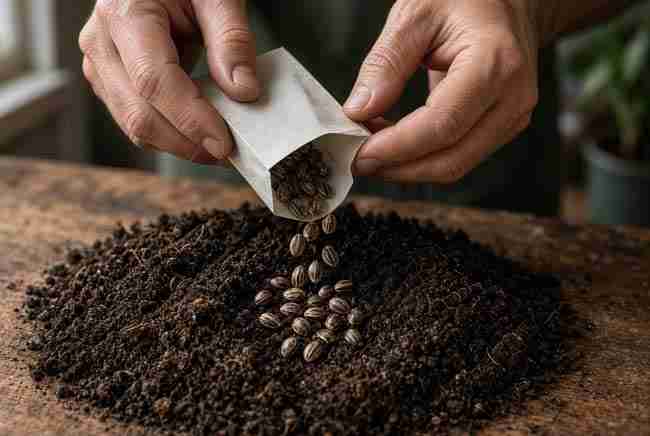
A seed is a lunchbox. Inside sits a baby plant plus the food it needs for the first few days. When breeders raise parent plants with compost, worms, and living beds, that lunchbox comes from a plant that never leaned on bottled salts. You still need good light and water. However, the starting point is calmer. The seedling is less likely to freak out when the mix is mild.
People on growing organic cannabis seeds reddit threads say the same thing in plain words. The seed does not magically make gourmet bud. The system does. Still, starting with organic seeds for planting keeps the story honest from day one. You are not dragging last year’s spray program into this year’s pot.
What “organic” actually means on a seed pack
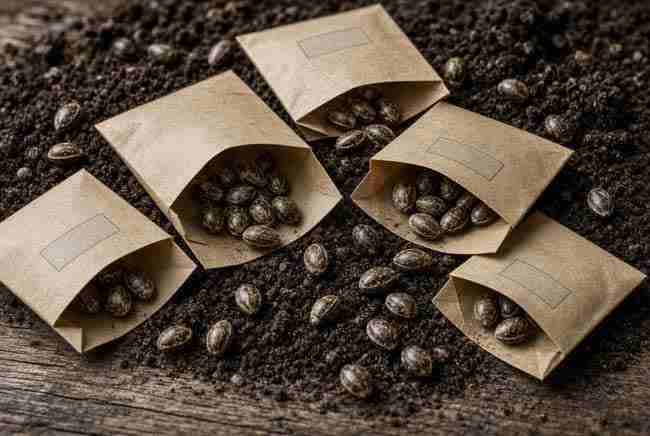
Canada does not hand out USDA Organic stickers for high-THC flower. So take pack claims with a grain of salt. A grow organic seed company worth your money will tell you how the moms were fed. Look for living soil, compost teas, no synthetic pesticides, and parent plants that finished without a chemical flush.
Organic here means the crop seeds for organic farming idea applied to cannabis. Parents grew in soil that was fed, not force-fed. Pests were handled with bugs, neem, and airflow. Seeds were dried cool and packed clean. That is the bar. A pretty logo is not the bar.
If a listing just says “natural” and nothing else, ask. You want a grower who can talk soil, not slogans.
Organic feminized seeds vs regular stock
Organic feminized seeds save you space. Almost every plant will flower as a female. That is handy in a 2×2 tent or a balcony with two pots. Regular seeds can throw males. Males are great if you want to breed. They are a pain if you only want jars.
For growing organic cannabis seeds for beginners, feminized photoperiods or hardy autos are the easy lane. You still watch for stress. Heat, light leaks, and bone-dry pots can push a female to throw a banana. Organic growing helps because the plant is not already stressed by salt burn. It is not a force field, though. Keep the room steady.
Regular organic lines still have a job. Hobby breeders use them. Outdoor growers who like wild vigor use them. If you are learning how to grow seed and you only have four holes, grab feminized first.
Organic indica seeds, Type 3 lines, and CBG options
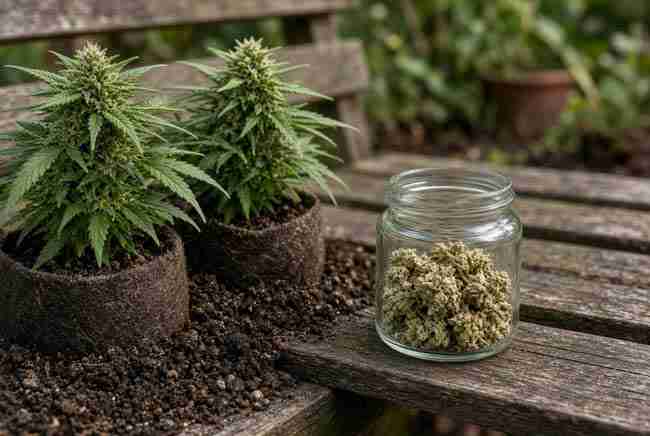
Organic indica seeds tend to stay shorter. That helps in pots, closets, and windy Maritime yards. They often finish faster outdoors, which matters when September turns wet. You still pick a strain that matches your season. A 12-week sativa is a gamble in Nova Scotia. A stout indica hybrid is not.
Type 3 cannabis seeds are the high-CBD, low-THC crowd. Folks grow them for a softer effect and a cleaner daytime jar. They love living soil the same way high-THC plants do. Flavor still comes from terpenes, not from the THC number on a lab sheet.
CBG cannabis seeds Canada searches keep climbing. CBG is an early cousin in the plant’s chemistry. The flowers can smell peppery, tea-like, or grassy. Organic soil helps those quiet notes show up. If you chase rare chemotypes, do not drown them in hot bottled bloom juice. Let the bed work.
Triploid cannabis seeds are a newer label. Breeders make plants with extra chromosome sets so the flowers stay seedless even if a male nearby dumps pollen. Think of seedless watermelon. They can be useful outdoors. They are not magic organic seeds. Treat them like any other seed. Good soil still wins.
Taste and Smell You Can Actually Notice
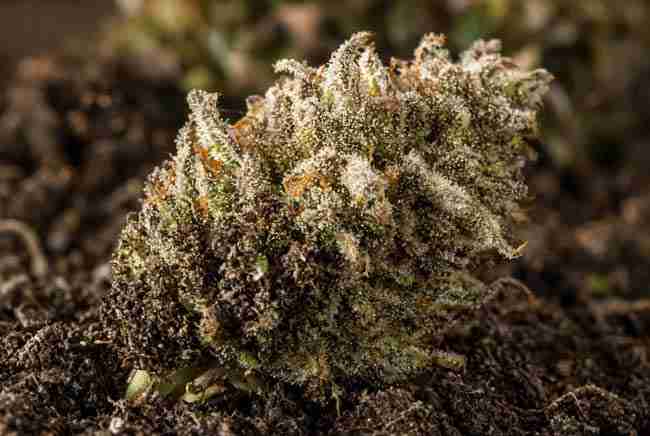
Ask ten old growers why they switched. Nine will talk about the jar, not the spreadsheet. Growing organic cannabis often gives buds that smell like the strain name promised. Berry smells like berry. Gas smells like a shop rag. Pine smells like a walk in the woods. Salt-grown flower can still be strong. It can also taste flat, like the plant shouted one note and quit.
Terpenes are the scent oils. The plant makes them when it is comfortable and well fed by a living mix. Microbes in the soil trade minerals for sugars. That slow buffet seems to help the plant finish its flavor work. You cannot bottle that feeling with a single “terp booster” and call it a day.
How living soil builds terpenes
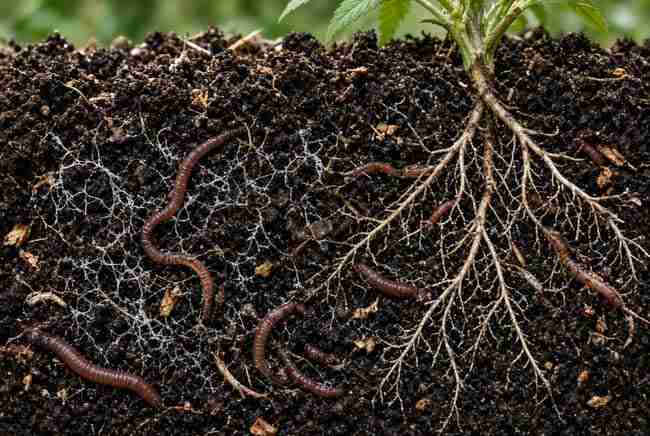
Living soil is dirt with a city under it. Bacteria, fungi, little worms, and protozoa chew compost into plant food. Mycorrhizae wrap the roots like extra fingers. Those extra fingers pull phosphorus and water. The plant pays them in sugar. Nobody in that city works for a salt bottle.
When the city is healthy, the plant does not panic. Panic makes harsh, grassy smoke. Calm plants stack resin and keep the lighter floral notes. That is why people say organic buds taste “deeper.” You are tasting more of the recipe, not just the loudest ingredient.
A simple way to help: add a thin mulch of leaves or straw. Keep the soil damp, not soggy. Water with plain water most days. Once in a while, add a mild compost tea or a splash of unsulphured molasses to feed the microbes, not the leaves.
Why organic buds often smoke smoother
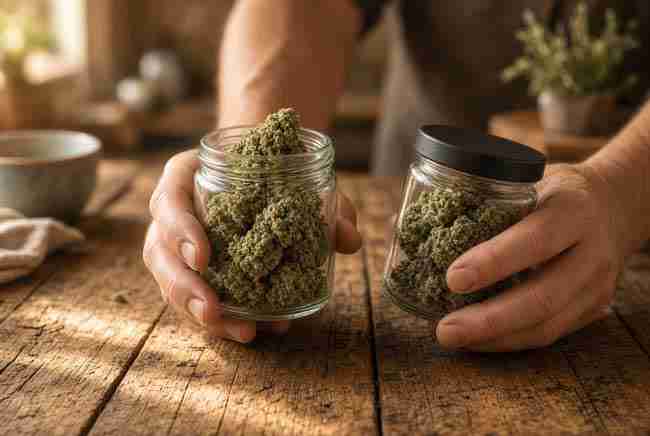
Harsh smoke has a few usual suspects. Leftover fertilizer salts. Fast dry. Bad cure. Sprays that never left the flower. Organic growing knocks two of those off the list. You are not packing the plant with leftover nitrogen in week eight. You also skip a heavy flush circus because the soil was never a salt lick.
You still have to dry slow. Hang in the dark. Aim for about 60°F and 60% humidity if you can. Then jar the buds and burp them. Organic flower can still taste like hay if you rush the closet. The soil gives you a head start. It does not do the last mile.
Real-life example: a first-year grower in a 3×3 ran two sisters from the same pack. One pot got a cheap synthetic trio. One pot got worm castings, compost, and water. Both plants finished. The salt plant was bigger. The organic plant filled the room when the jar cracked. Guests kept asking what strain “the good one” was. Same genetics. Different dinner.
Soil Health Is the Quiet Superpower
Taste gets the headlines. Soil health pays the bills next year. Every time you dump spent peat in the trash, you throw away a workforce. Growing organic cannabis seeds indoors or outdoors lets you keep that workforce. The pot gets better. Watering gets easier. Roots run farther. You buy fewer bags.
Think of soil like a sourdough starter. You feed it. You do not sterilize it every cycle unless something went very wrong.
The soil food web in plain English
Roots leak sugar. Microbes eat sugar and lock up nutrients in their bodies. Bigger critters eat the microbes and poop out plant food right at the root tips. Worms make tunnels so air can get in. Fungi stitch crumbs of dirt into little clumps. Those clumps hold water and still leave air pockets. That is why good organic potting soil for seeds feels springy, not like mud pie.
If the web dies, you are back to babysitting bottles. If the web lives, you water and watch. That is the whole trick.
Organic potting soil for seeds and a simple starter mix
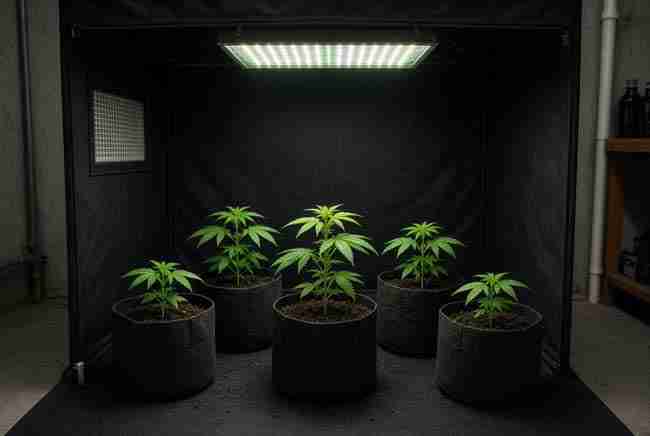
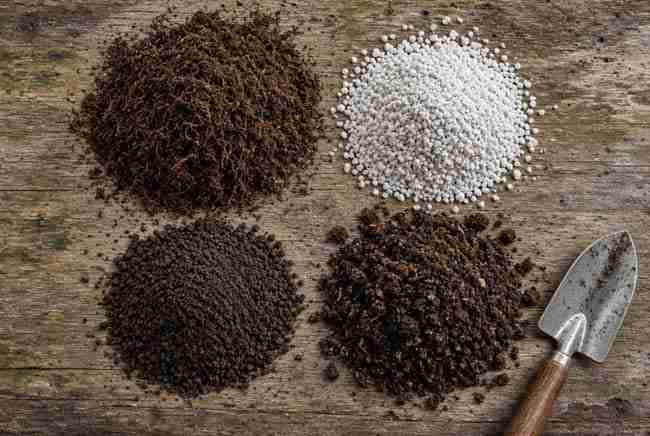
Seedlings hate hot soil. A mix built for huge flowering plants can burn a baby. So start mild. You can buy a seed starting mix organic bag, or you can blend your own seed starting soil organic style on a tarp.
A beginner mix that works in pots:
– 1 part screened compost or quality organic potting soil
– 1 part coco coir or peat that you pre-wet
– 1 part perlite or pumice for air
– A small handful of worm castings per pot, not a shovel
Keep extra meals out of the seedling cup. No handful of bloom booster. No mystery “super soil” packed around a brand-new taproot. After the third set of true leaves, you can step the plant into a richer living mix.
Specs that help when you shop a bag:
– Texture: fluffy, not sticky
– Smell: forest floor, not sour vinegar
– pH ballpark for cannabis in soil: about 6.2 to 6.8
– Drainage: water should exit the pot in seconds, not sit on top
Reusing soil instead of tossing it
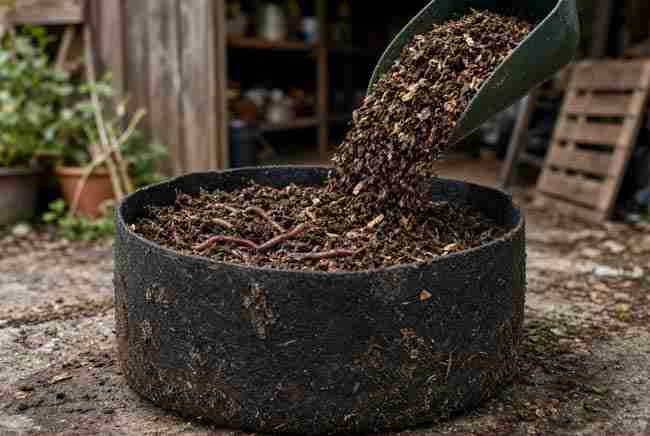
After harvest, pull the stump. Shake loose roots into a tote. Add a scoop of compost, a little worm castings, and a dusting of kelp or basalt if you have it. Water it. Cover it. Let it rest a few weeks. That is how you keep high growing organic seeds going in the same pot without buying a new bag every run.
If you had root rot or a bad bug outbreak, do not reuse that pot blindly. Solarize it or start fresh. Otherwise, reuse is the cheapest organic habit you can learn.
Growing Organic Cannabis Indoors Without Losing Your Mind
Growing organic cannabis seeds indoors is mostly about patience and airflow. The plants may look a tad slower in week two than a salt-fed cousin. Then they catch up and stay greener when you forget a feeding. That is a gift when you work shifts or travel.
Use fabric pots. They breathe. Roots air-prune instead of circling. A 3 to 5 gallon pot is plenty for an auto. A 5 to 10 gallon pot suits a photoperiod in a small tent. Easy to grow seeds in pots like this because you can move them when a heat wave hits.
Easy to grow seeds in pots
Pick genetics that already behave in containers. Compact hybrids, organic indica seeds, and many autos forgive a tight root zone. Stretchy haze types will outgrow a closet and sulk. Match the plant to the pot, not your wish list from a growing organic cannabis seeds youtube binge.
Pot tips that save runs:
– Lift the pot. Light means water. Heavy means wait.
– Water in a ring around the stem, not as a puddle on the stalk.
– Leave a little dry mulch on top so fungus gnats have fewer wet runways.
How to plant seed in a pot the gentle way
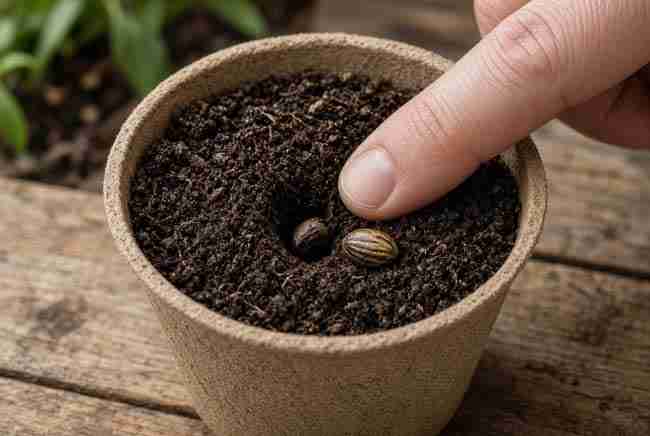
You do not need a science kit. Here is how to plant seed in a pot without drowning it.
1. Moisten the mix until it feels like a wrung-out sponge.
2. Poke a hole about as deep as the seed is long. That is roughly half an inch.
3. Set the seed on its side. Cover it. Do not tamp like you are packing snow.
4. Mist the surface. Cover the pot with a clear cup if the room is dry.
5. Warmth helps. Aim near 75°F. Cool soil sleeps.
6. When the sprout shows, pull the cup. Give gentle light right away.
That is how to make seeds grow for most packs. Paper towels work too. Direct soil skips a transplant and keeps the taproot happy. If you like the towel method, move the seed as soon as the white tip is a few millimeters. Do not wait until you have a long, fragile string.
Lights, water, and air when you feed the soil
How to grow seeds step by step indoors is boring on purpose. 18 hours of light for veg on photoperiods. Autos can take 18 or 20. Keep the light far enough that leaves do not taco. A small clip fan should flutter leaves, not shred them.
Water when the pot lightens. Organic mixes can look dry on top and still be wet below. Stick a finger in. If it is cool and damp at the second knuckle, wait. Overwatering is the number one way beginners kill a living pot.
You can grow pot from seed in a closet with one plant and one cheap light. You cannot grow pot from seed in a swamp. Air out the space. A carbon filter helps smell. Organic soil can smell earthy. Flower will still stink later. Plan for that.
Growing Organic Cannabis Outdoors in Canadian Weather
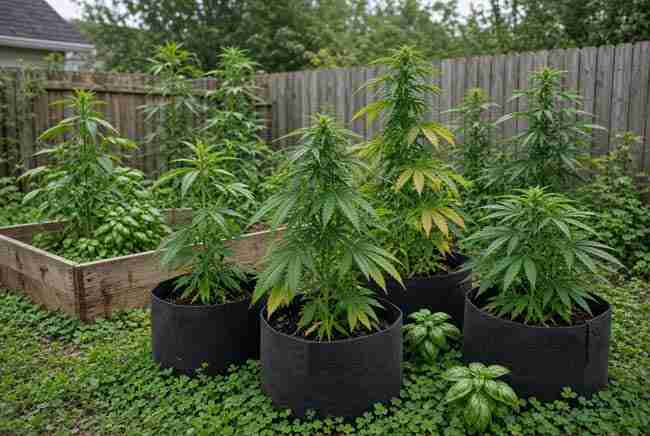
Growing organic cannabis seeds outdoors is where soil health really sings. Rain, microbes, and sun do work your tent never will. Short summers are the catch. Start seeds indoors in April or May. Harden them off. Then park the pots where they get the longest stretch of real sun.
Organic cannabis seeds Canada growers should think in weeks, not vibes. Count back from your first hard frost. Add two weeks for a slow finish. If the math is tight, pick faster genetics. A pretty 14-week flower time is a mold factory on the East Coast.
Timing, pots vs beds, and short summers
Pots warm faster in spring and you can drag them under a roof when a hurricane week shows up. Beds hold more water and grow bigger plants if your season is long enough. In a short season, a 20-gallon fabric pot of living soil is a sweet spot.
Plant after nights stay above about 10°C. Cold wet feet stall seedlings. A cold frame or a cheap hoop of plastic can buy you two weeks. That two weeks is often the difference between amber trichomes and a green, grassy chop.
Cover crops and companions that help the bed
Clover at the pot rim feeds nitrogen and hides bare dirt. Basil, marigold, and borage bring helpers. You are not making a salad. You are giving beneficial bugs a reason to hang around. Keep companions short so they do not shade the lower sites.
Mulch after the soil warms. Bare dirt bakes. Baked dirt kills the city you just built.
A Simple Step-by-Step From Seed to Soil
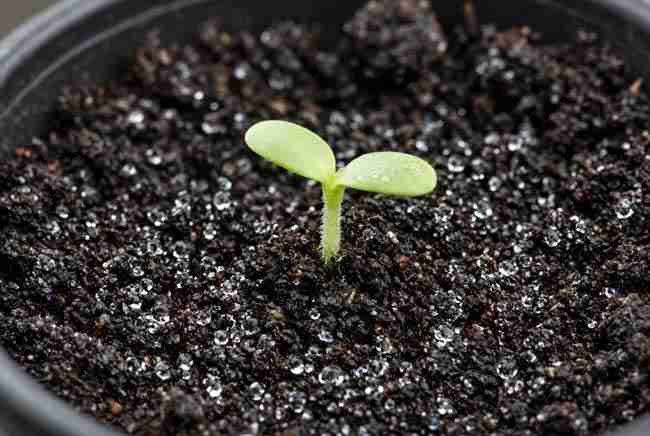
How to grow seed does not need a binder. How to successfully grow seeds needs a rhythm. Use this if you like checklists.
How to make seeds grow without fancy gear
Day 0: Soak the seed in room-temp water for 8 to 12 hours if the shell is old and hard. Skip the soak if the seed is fresh and you are planting straight into soil.
Day 1: Plant as described above. Keep warm and barely moist.
Day 2 to 5: Most healthy seeds crack. Some take a week. Do not dig them up every morning. You will snap the tip.
Day 5 to 10: Cotyledons open. Give light. Keep the mix moist, not shiny-wet.
Organic sprout seeds how to grow is the same as any seed. Water, warmth, air, darkness until they pop, then light. The organic part is the mix they land in.
How to successfully grow seeds after they sprout
Once the first serrated leaves show, stop treating the plant like glass. Give it a breeze. Let the top of the pot dry a little between waterings. Do not start a nutrient calendar. The seedling is still living off the seed and the mild mix.
Transplant when roots peek from the fabric or when the plant has three to four nodes. Move it into the living pot you already cooked. Water in. Then leave it alone for a few days. Plants sulk if you poke them every hour.
From there, growing pot from seed is just veg, flip or wait for the auto, and keep the soil alive. Top dress compost at the flip. Add a bit more in week three of flower if the leaves fade too fast. That is enough for most home pots.
Specs, Pros, and Cons Before You Buy
Buy seeds for planting organic the same way you buy tools. Check the job, the cost, and the downside. Organic cannabis seeds for sale can cost more per bean. You are paying for how the parents were raised and for smaller batch sizes. You are not automatically buying higher THC.
What to look for when packs are for sale
Growing organic cannabis seeds for sale listings should show:
– Strain type: auto, feminized photo, or regular
– Flower time in weeks
– Indoor height range
– Outdoor finish window
– A plain note on how parents were grown
Germination rates on honest packs often sit around 80 to 95 percent when storage was good. Anything claiming 100 percent forever is marketing. Store extras in a cool, dark, dry spot. A fridge in a sealed jar with a little humidity pack works for most home stashes.
If you want organic cannabis seeds Canada shoppers can actually plant this season, order early. Small organic lots sell out. Winter shipping can chill a pack. Let the envelope sit at room temp before you open it so condensation does not wet the seeds.
Triploid cannabis seeds and other newer labels
New labels show up every year. Triploid cannabis seeds aim for seedless outdoor flowers. F1 hype lines promise uniformity. Landrace talk promises old-world flavor. None of those words replace soil. A triploid in dead peat still tastes like dead peat. A humble organic indica seed in a living pot can beat it in the jar.
Read the label. Then read the grow notes. Then grow the plant you can finish.
Cost, yield, and time trade-offs
Pros:
– Richer smell and taste for many strains
– Smoother smoke when you dry and cure right
– Soil you can reuse
– Fewer salt burn disasters
– Better story for anyone who cares what went in the pot
– Friendly path for growing organic cannabis seeds for beginners
Cons:
– Plants can grow a little slower in early veg
– Peak yield can trail a perfectly dialed salt room
– Living soil can smell earthy in a small apartment
– Good compost and castings cost money up front
– Bad “organic” bottles still exist. Some are just weak salt in a green label
– Certification language is messy in cannabis, so you must vet the breeder
Ballpark specs for a first organic pot run:
– Seedling cup: 0.5 to 1 liter, mild mix
– Final pot: 3 to 10 gallons depending on plant type
– Veg light: 18/6
– Flower light: 12/12 for photos
– Soil moisture: wet-dry cycle, never swamp
– First harvest target: learn the process, not a contest weight
Common Rookie Mistakes (And Easy Fixes)
Most failed organic grows are not failed genetics. They are wet feet, hot soil, and panic feeding.
Overwatering a living mix
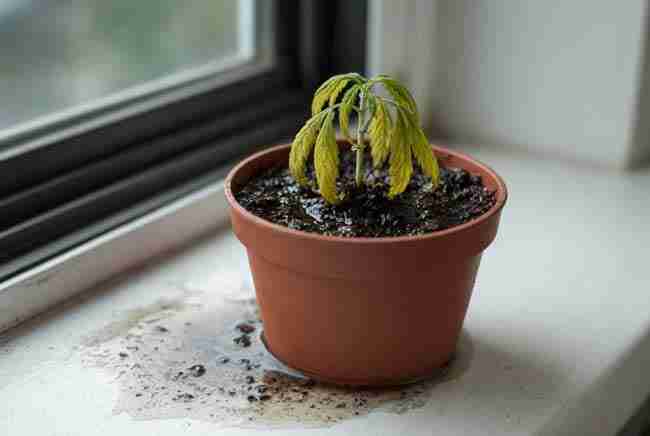
Living soil needs air. If the pot stays heavy for days, roots drown and gnats throw a party. Fix it by watering less, adding perlite next time, and raising the pot on a slat so the bottom can breathe. Yellow, droopy leaves on wet soil are a watering problem, not a “needs more nitrogen” problem.
Hot soil that burns seedlings
You bought a flowering super soil. You planted a seed in it. Tips burned on day six. That is on the mix, not the seed. Start in a mild seed starting mix organic blend. Transplant later. How to grow seeds step by step always starts gentle.
Chasing bottled “organic” junk you do not need
If the soil is cooked and alive, daily bottled feeding is extra noise. A monthly top dress beats a cabinet of syrups. Save kelp, aloe, and teas for when the plant asks. Dark green, clawed leaves mean you already overdid it.
Who This Style of Grow Is For
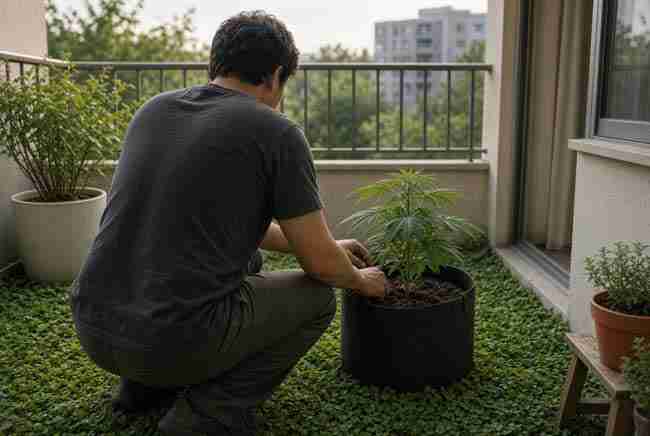
Growing organic cannabis seeds for beginners is a kind path because the pot forgives missed days. Flavor hunters like it because the jar smells like the strain. Stealth growers like fabric pots they can move. Outdoor folks like soil that handles a dry week better than peat dust.
It is less ideal if you only chase the heaviest possible wet weight in a 30-day sprint. Salt rooms can still win that race. Be honest about the goal. If the goal is a clean, tasty home harvest and dirt that does not go in the trash, organic is your lane.
Organic growing plants from seeds is the same craft as tomatoes on a porch. You buy decent seed. You give it a home. You do not drown it. You wait. Then you eat what you grew, except in this case you dry it and jar it.
So plant the seed. Feed the soil. Let the soil do the talking. The first time you crack a jar that smells like the name on the pack, you will not miss the bottle schedule you left behind.