Beneficial Yeasts for Cannabis: Enhancing Plant Health and Flavor with Saccharomyces


Most growers focus on bacteria and fungi yet overlook yeasts. However, certain beneficial yeasts can improve nutrient availability, suppress pathogens, and even influence terpene expression. Moreover, they work well in both soil and hydroponic systems. You’re about to discover a simple biological tool that can change how your cannabis plants grow and taste.
Why Beneficial Yeasts Matter for Cannabis Growers
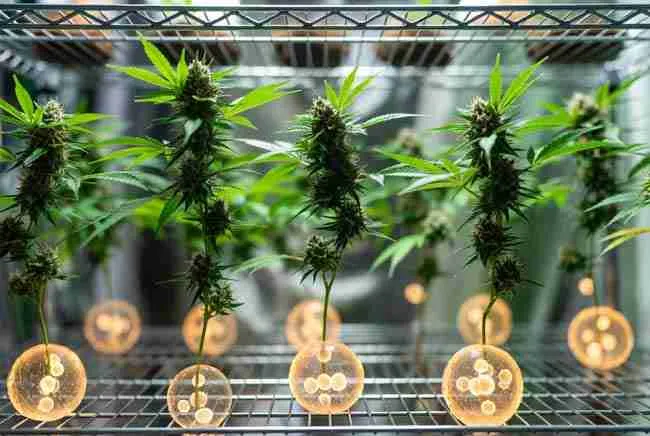
You’ve probably spent hours researching mycorrhizae or Bacillus products. Meanwhile, a whole group of helpful microbes sits on the sidelines. Beneficial yeasts, especially strains from the Saccharomyces family, quietly do heavy lifting in the root zone and on the leaves.
These single-celled fungi break down organic matter, free up locked nutrients, and create conditions that bad actors hate. When you start with strong genetics from quality sources, the boost from the right yeast becomes even clearer. Your plants take off faster, stay healthier, and often finish with richer aroma.
How Yeasts Differ from the Microbes You Already Know
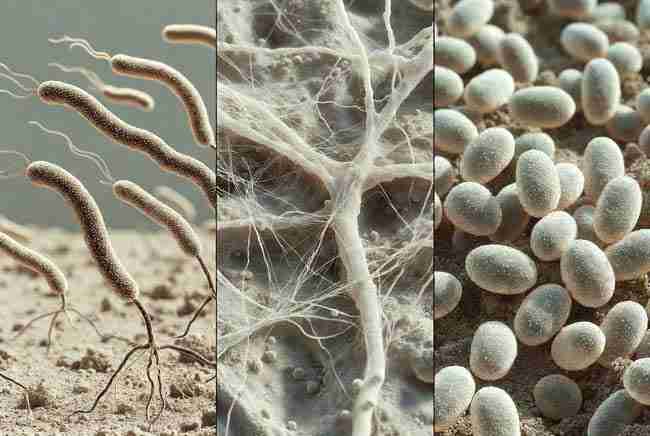
Bacteria multiply quickly and love damp conditions. Fungi form long networks that stretch through soil. Yeasts sit somewhere in between. They’re fungi, yet they stay as individual cells that can move and multiply fast when sugars appear.
Because of this lifestyle, yeasts excel at quick local jobs. They release enzymes that unlock phosphorus and potassium right where roots need them. They also produce small amounts of plant hormones and compounds that make life harder for powdery mildew and root pathogens. You get fast action without the long colonization time some fungi require.
Saccharomyces Cannabis Growing: The Star of the Show

Saccharomyces cerevisiae is the same species bakers and brewers have used for centuries. In cannabis growing it shows up as a plant growth-promoting yeast. Trials with yeast extracts from this species have delivered noticeable gains in leaf area, chlorophyll levels, root mass, and dry bud weight.
One commercial yeast protein product based on heat-shocked Saccharomyces cerevisiae produced yield increases between 14 percent and 56 percent across different strains in multi-state trials. Growers also reported better nutrient uptake of nitrogen, phosphorus, potassium, magnesium, iron, zinc, and manganese. That’s a lot of upside from a microbe you can buy at the grocery store or source as a specialized inoculant.
What Makes Saccharomyces Special for Your Plants
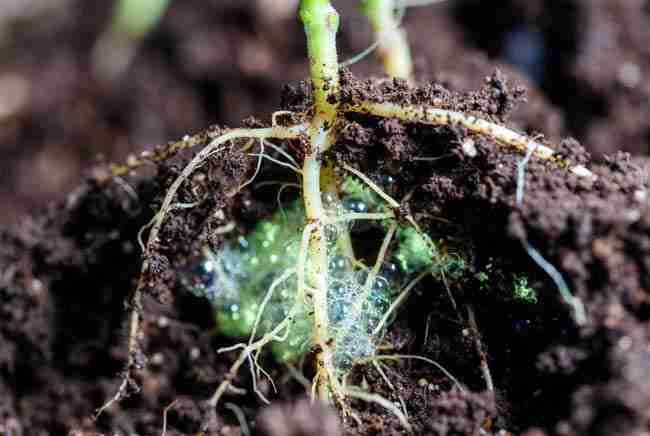
This yeast is rich in proteins, amino acids, B vitamins, and growth-regulating substances. When you introduce it, the cells and their extracts help solubilize minerals that would otherwise stay stuck in the soil. At the same time they can stimulate the plant’s own defenses. The result is stronger vegetative growth followed by denser, more aromatic flowers.
How Yeast Inoculant Cannabis Improves Nutrient Availability

Locked-up phosphorus frustrates almost every grower at some point. Beneficial yeasts secrete organic acids and enzymes that free those nutrients. Potassium release follows a similar path. Your plants simply have more available food without you dumping extra fertilizer.
You also get better root development. Auxins and cytokinins produced by the yeast encourage finer root hairs. More surface area means more water and nutrient uptake, which shows up as thicker stems and fuller canopies.
Real-World Nutrient Boost You Can Expect

When roots explore more soil and enzymes keep minerals mobile, plants waste less energy hunting for food. That leftover energy goes into building biomass and secondary compounds. Many growers notice deeper green leaves and faster recovery after transplant or mild stress once a good yeast inoculant is in the mix.
Suppressing Pathogens with Beneficial Yeasts

Space and food are limited in the rhizosphere and on leaf surfaces. Beneficial yeasts occupy that space and outcompete many pathogens. Some strains also release antifungal compounds and enzymes that damage the cell walls of harmful fungi.
This competitive exclusion works especially well against common cannabis problems when humidity rises. You still need good airflow and proper watering, yet the yeast layer adds another line of defense that chemical sprays cannot match for long-term soil health.
Building a Living Barrier Around Roots and Leaves
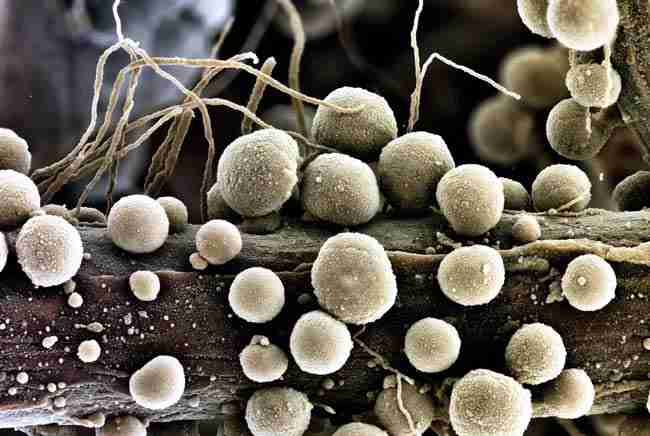
Once established, the yeast population keeps pressure on invaders. Combined with healthy bacteria and mycorrhizae, you create a balanced microbial community that is harder for disease to crack. Plants under this kind of protection often show less leaf spotting and stronger resistance during the vulnerable late flower period.
Cannabis Flavor Enhancement Yeast and Terpene Expression
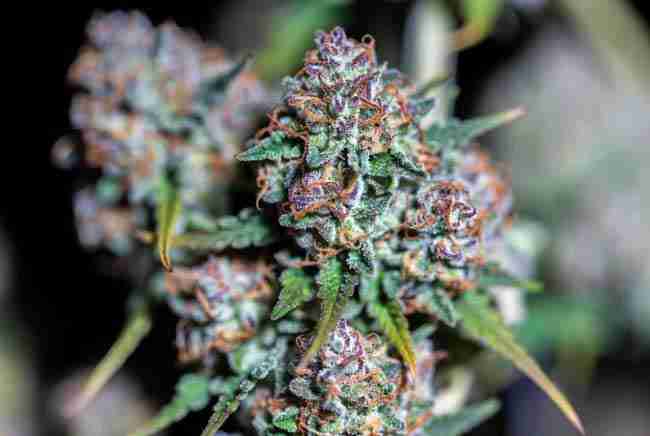
Flavor is where things get exciting. Secondary metabolites such as terpenes respond to the overall health and stress signals of the plant. When nutrients flow smoothly and mild beneficial microbial signals reach the plant, terpene production often rises.
Yeast extracts have been shown in other aromatic crops to shift aroma profiles and increase certain desirable compounds. In cannabis, growers using yeast-based products frequently report louder smells and more complex flavor after curing. The exact mechanism is still being studied, yet the pattern is consistent enough to make yeast worth testing if you chase top-shelf aroma.
Linking Plant Health to Better Smoke and Vape

Healthier plants with efficient nutrient use simply have more resources to invest in resin and terpenes. Starting from vigorous seedlings grown from reliable genetics multiplies this effect. You end up with buds that not only weigh more but also deliver the full expression the strain was bred to offer.
Practical Home Cannabis Yeast Applications

You do not need a lab to start. Simple home methods work for both soil and hydroponic systems when you keep rates modest and conditions clean.
Soil Drench Recipe for Beginners
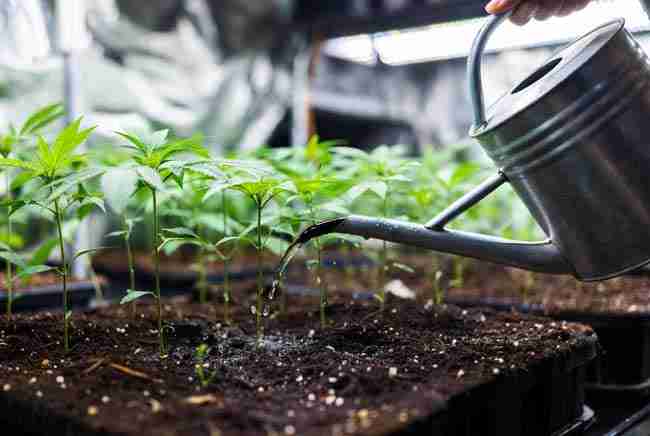
Take one teaspoon of active dry baker’s yeast or a dedicated plant yeast inoculant. Dissolve it in one liter of lukewarm water with a pinch of sugar or molasses. Let the mixture sit 20 to 30 minutes so the yeast wakes up. Dilute this further 1:10 with plain water and water your plants at the base. Apply every 10 to 14 days during vegetative growth and early flower. Always use fresh mixes and avoid leftover solutions that sit too long.
Hydroponic and Coco Considerations
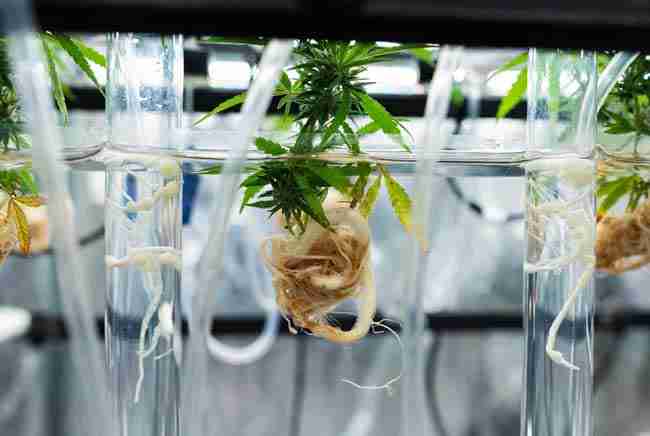
In recirculating systems keep doses very low so you do not clog filters or create biofilms. Many growers prefer yeast extracts over live cells in pure hydro. Add the diluted solution to the reservoir at half the soil rate and monitor pH closely. Beneficial yeasts still help nutrient availability and can reduce some root pathogens when oxygen levels stay high.
Beneficial Yeast Foliar Cannabis Spray Guide

Foliar application puts the yeast or its extracts directly on the leaves where they can act quickly. The goal is light coverage, never a heavy soak that leaves water sitting in the buds.
Simple Foliar Schedule and Recipe

Mix a weaker version of the soil recipe: half a teaspoon of yeast per liter of water, activated briefly, then diluted further. Spray in the evening or under lower light so the leaves dry before lights come back on or the sun rises. Apply once a week in vegetative stage and every 10 to 14 days in early flower. Stop foliar sprays once dense buds form to avoid any moisture risk.
Safety Notes Every Grower Should Follow
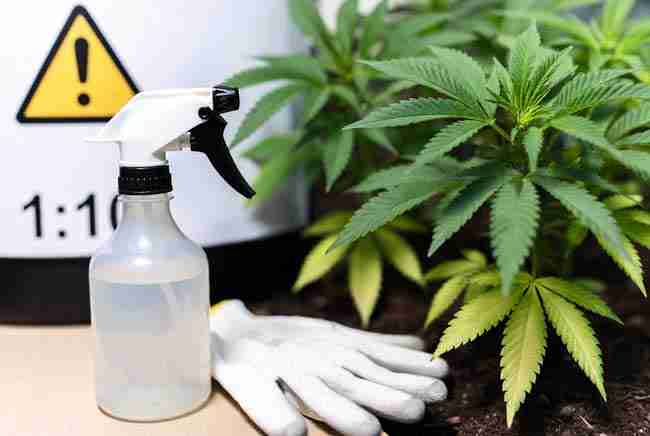
Not every yeast is helpful. Stick to Saccharomyces cerevisiae or products labeled for plant use. Keep spray equipment clean. Never apply in high heat or high humidity when leaves cannot dry quickly. Watch for any unusual leaf spotting and back off if it appears. Live yeast products have a shelf life; store them cool and dry. Over-application can create sticky residues or encourage unwanted microbes if conditions stay wet.
Pros and Cons of Using Beneficial Yeasts
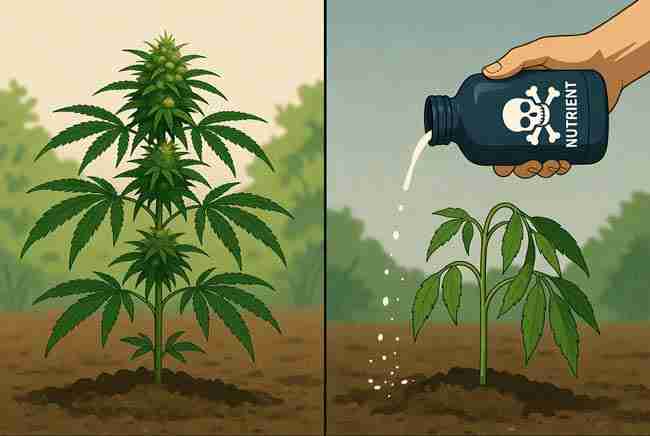
Pros:
You get improved nutrient availability without heavy chemical inputs. Pathogen pressure often drops through competition. Yields and sometimes terpene intensity rise. DIY versions cost almost nothing. The approach works in soil, coco, and carefully managed hydro. Plants started from strong genetics respond especially well.
Cons:
Results vary with strain, environment, and product quality. Live cultures need proper storage and fresh preparation. Too much yeast or poor timing can leave residues or raise humidity risks in flower. It is not a complete replacement for a full microbial program or good cultural practices. Scientific data specific to cannabis is still growing, so some benefits are extrapolated from related crops and commercial trials.
Specifications Worth Knowing
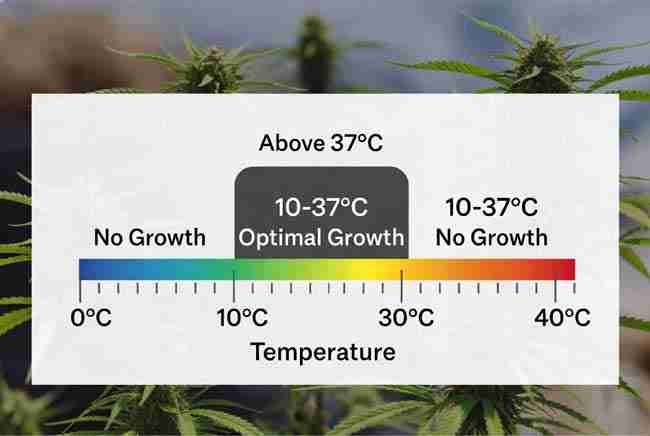
Saccharomyces cerevisiae thrives between roughly 20 and 30 degrees Celsius. It prefers slightly acidic to neutral conditions. Live cells need some oxygen and available sugars to stay active. Extracts are more stable and often preferred for foliar work. Always start with low rates and observe your plants for two weeks before increasing.
Putting It All Together with Quality Starts

The biggest gains appear when healthy plants receive the microbial support. Strong genetics give you the foundation. Beneficial yeasts then help those genetics express their full potential in nutrient use, disease resistance, and flavor.
You now have a clear path: simple soil inoculants, careful foliar sprays, and realistic expectations about what yeasts can and cannot do. Test one method on a few plants this cycle. Keep notes on growth rate, leaf color, aroma at harvest, and final dry weight. Adjust the next round based on what you see.
Many growers who add this missing piece notice the difference within a single run. The plants look more vigorous, the root zone stays cleaner, and the jars open with richer smell. That is the quiet power of beneficial yeasts for cannabis when you finally stop overlooking them.
Start simple, stay consistent, and let the microbes do the work they have always been ready to do. Your next harvest may thank you with healthier plants and better flavor than you expected.