Beneficial Nematodes for Cannabis: Natural Root Protection Against Soil Pests

You know that sinking feeling when your cannabis plants start looking a little off? Yellow leaves, stunted growth, or wilting even though you water just right. Often the trouble hides underground where root aphids or fungus gnats munch away at those precious roots. But here’s the good news – you can fight back naturally with beneficial nematodes for cannabis. These tiny heroes offer organic soil pest control cannabis without any harsh chemicals, and they work like a dream for both new growers and seasoned pros.

Picture this: you pop your seeds into fresh soil, watch those seedlings push up strong, and then bam – invisible pests start stealing nutrients right from the root zone. Instead of reaching for sprays that leave residue or mess with your organic setup, you release beneficial nematodes cannabis into the mix. They hunt down the bad guys, protect your plants, and leave everything else untouched. You end up with healthier roots, bigger buds, and peace of mind knowing you stayed chemical-free the whole way.

What Are Beneficial Nematodes and Why Your Cannabis Plants Need Them
Beneficial nematodes for cannabis are microscopic, worm-like organisms that live in the soil and act as living pest control. They are not the harmful plant-parasitic nematodes that damage roots. No way – these good ones are your allies. You introduce them on purpose because they target the larvae of common soil pests that love to attack cannabis.
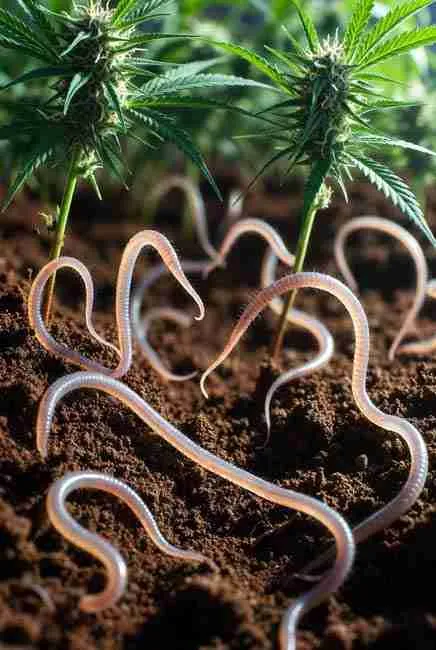
Why do your plants need them so badly? Because root pests like fungus gnats and root aphids can destroy a grow faster than you think. They weaken the root system, block nutrient uptake, and open doors for diseases. When you use beneficial nematodes cannabis as part of your routine, you stop problems before they explode. Plus, they fit perfectly into organic soil pest control cannabis setups – whether you grow in soil, coco, or living soil mixes.
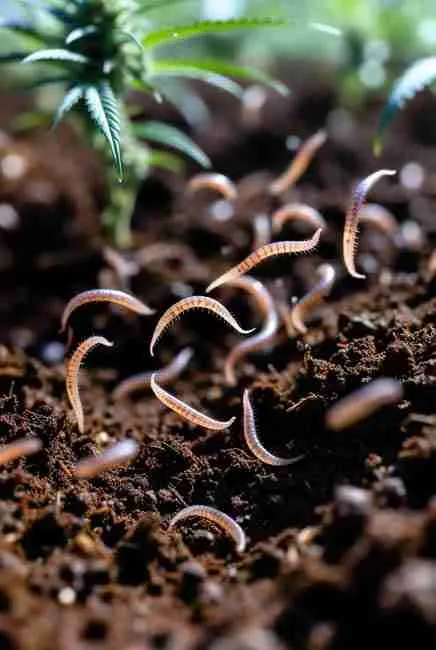
These nematodes actually improve your soil over time. They break down pest remains and help cycle nutrients back to your plants. So you get stronger cannabis with better terpene profiles and higher yields. However, you have to pick the right species and apply them correctly. That’s where the fun starts.
The Three Best Species for Cannabis Grows
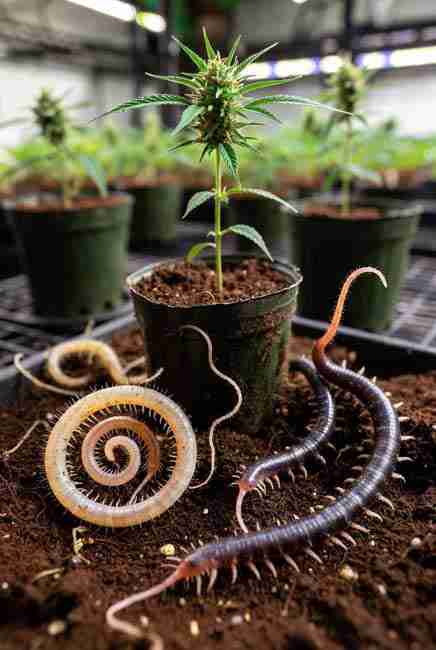
You have three superstar species that shine in cannabis cultivation. First up is Steinernema feltiae cannabis – your go-to for cooler conditions and surface-level pests. This one loves temperatures around 55 to 70 degrees Fahrenheit and hunts fungus gnats plus thrips pupae like a pro. Growers swear by steinernema feltiae cannabis because it stays active near the top of your pots where many larvae hang out.
Next comes Heterorhabditis indica marijuana. This heat-tolerant champ thrives in warmer soils up to 85 degrees Fahrenheit and dives deeper into the root zone. If you battle root aphids or pests that burrow down low, heterorhabditis indica marijuana is your best friend. It moves actively through the soil searching for hosts, making it perfect for bigger containers or outdoor beds during summer.
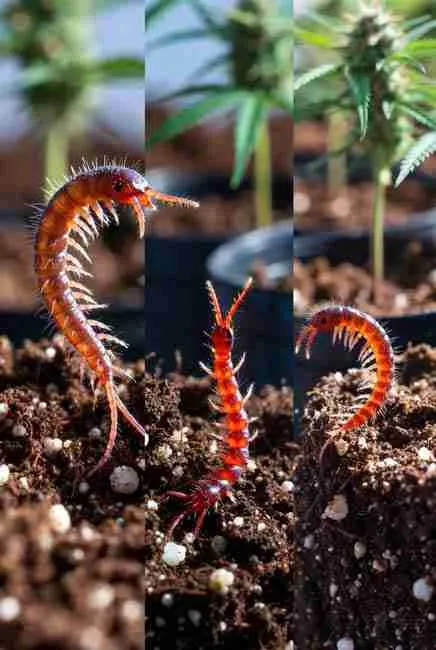
Finally, Steinernema carpocapsae rounds out the trio. It excels against shore flies, certain beetle larvae, and other surface dwellers. Many growers mix all three for total coverage, but you can start simple with just steinernema feltiae cannabis and heterorhabditis indica marijuana and still see amazing results.
Each species comes in packages containing millions of infective juveniles. You simply add water and apply. However, always check the label for exact counts because one million nematodes treat roughly 100 to 200 square feet depending on your setup.
How Beneficial Nematodes Hunt and Kill Root Pests
You might wonder how something so tiny packs such a punch. The process is straight-up fascinating and happens fast. Infective juveniles – the young stage you buy – sense heat and carbon dioxide from pest larvae. They swim through moist soil like tiny torpedoes until they reach a target.
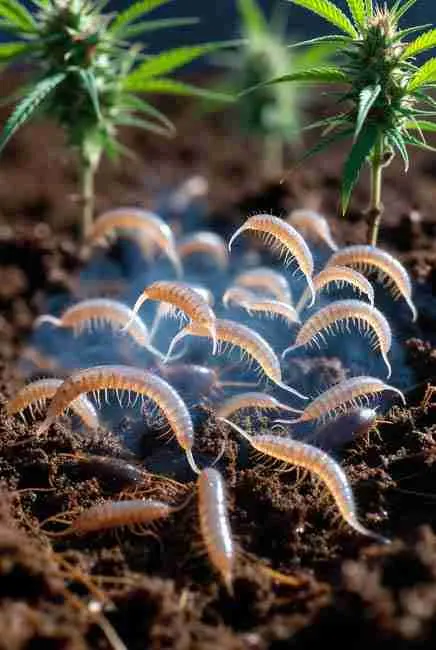
Once they find a larva, they enter through natural openings such as the mouth, anus, or breathing pores. Inside, they release symbiotic bacteria from their guts. These bacteria multiply quickly and release toxins that kill the host within 24 to 48 hours. The dead pest turns into a nutrient-rich soup. The nematodes feed, grow, and reproduce inside the body. In just a few days, thousands of new infective juveniles burst out ready to hunt more pests.
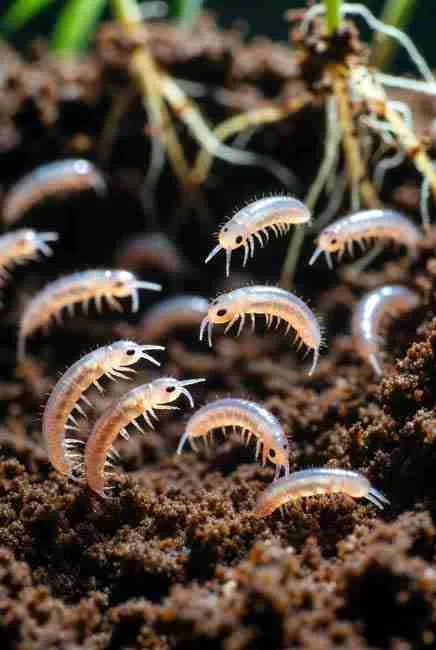
This cycle repeats as long as moisture and temperatures stay right. You get ongoing protection without lifting a finger after the first application. Moreover, the bacteria only affect insects – they never harm your cannabis plants, earthworms, or you. That’s why nematodes for root aphids cannabis work so cleanly.
The Fascinating Life Cycle Explained
Let’s walk through the full story step by step so you understand exactly what happens underground. It all starts with the packaged infective juveniles. They sit dormant until you mix them with water and apply them.
When conditions are moist and temperatures are suitable, they wake up and start cruising or ambushing. Steinernema feltiae cannabis mostly ambushes near the surface while heterorhabditis indica marijuana cruises deeper. Either way, once inside a host the bacteria take over. The pest stops feeding almost immediately and dies soon after.
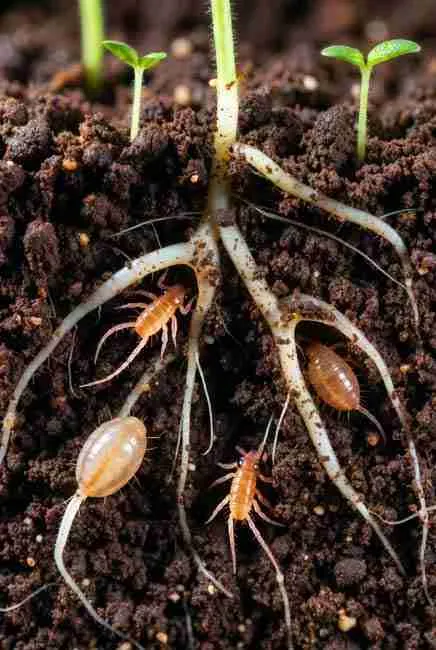
Inside the cadaver, nematodes go through several generations – eating, mating, laying eggs. When food runs low, the new juveniles develop into the infective stage, exit the body, and search for the next meal. One infected pest can produce tens of thousands of new nematodes. You bet that multiplies fast in a bad infestation.
However, if no pests are around they simply die off naturally without harming anything. That built-in safety makes them perfect for organic soil pest control cannabis.
Step-by-Step Guide to Applying Beneficial Nematodes in Your Cannabis Garden

You don’t need fancy equipment or a science degree. Here’s exactly how you do it and get results every single time.
- Order fresh nematodes from a reputable supplier and receive them in the mail.
- Store them in the fridge right away until you are ready.
- Choose a cool evening or early morning when soil is already moist.
- Mix the nematodes with water – use dechlorinated or rainwater if possible.
- Pour or spray the solution evenly over the soil surface around each plant.
- Water lightly afterward to help them sink in.
- Keep the soil moist for the next two weeks so they stay active.
- Repeat every two to four weeks as prevention or at first sign of trouble.
That’s it. You can use a watering can, hose-end sprayer, or even inject into drip lines as long as you remove fine filters first.
Preparing the Soil Drench Recipe
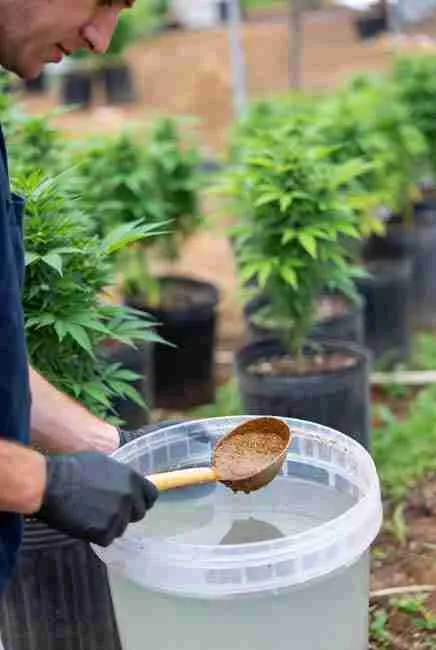
For a simple drench that works wonders, take one million nematodes and mix them into one to two gallons of water per 10 to 20 square feet. Stir gently – never shake hard because you could damage them. Let the mixture sit for a few minutes so they spread out evenly. Then apply right away because they need oxygen.
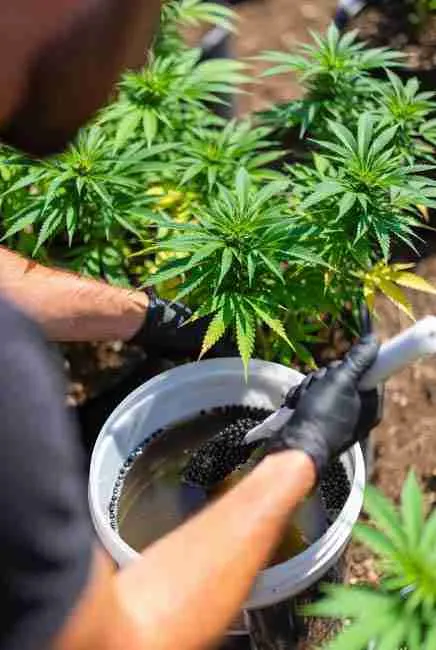
If you grow in pots, use about 100,000 to 250,000 nematodes per five-gallon container. Scale up for bigger setups. Always use cool water below 85 degrees Fahrenheit. Plus, avoid strong fertilizers or pesticides right before or after because some can kill your new helpers.
Timing Your Applications During Seedling and Vegetative Stages
Timing makes all the difference. You should start right at transplant or when seedlings hit two weeks old. That first application stops pests before they settle in. Then hit again at week four and week six during vegetative growth. This schedule keeps populations low and your plants stress-free.
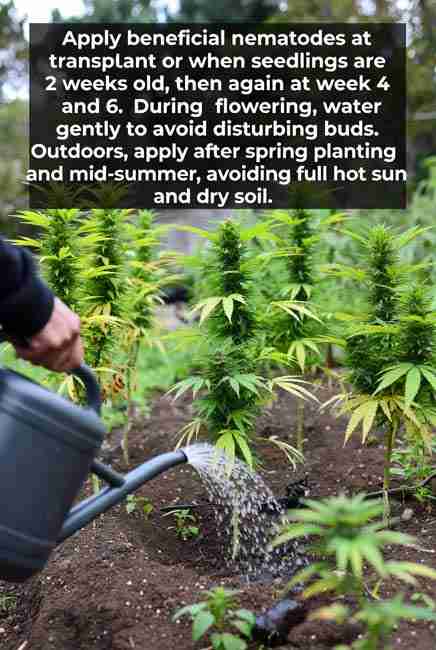
For flowering, you can still apply but be extra gentle with watering so you don’t disturb developing buds. Outdoor growers love applying beneficial nematodes cannabis just after planting in spring and again mid-summer. However, never apply in full hot sun or when soil is bone dry – they will die quickly.
Storage Tips to Keep Them Alive
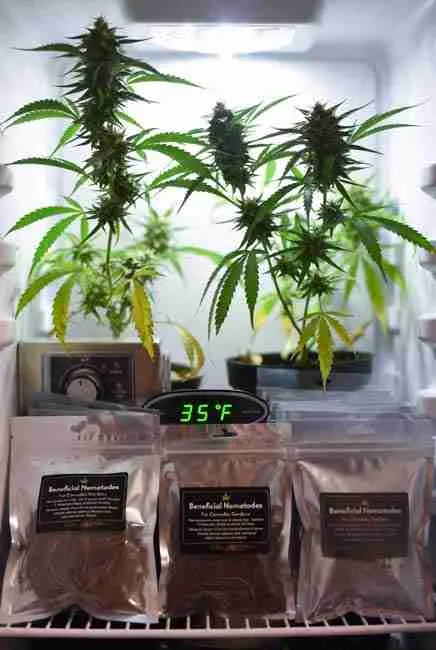
These little warriors are alive, so treat them right. Keep packages in the refrigerator at 35 to 45 degrees Fahrenheit. Use them within two to four weeks of arrival for best results. Never freeze them or leave them in a hot car. When you open the package, apply immediately after mixing.
If you have leftovers, you can store the mixed solution in the fridge for a day or two, but fresh is always better. Following these simple rules means every nematode you buy actually works in your garden.
Steinernema Feltiae vs Heterorhabditis Indica: Which One Fits Your Grow Setup?
You might ask which species wins for your exact situation. Let’s break it down clearly so you choose right every time.
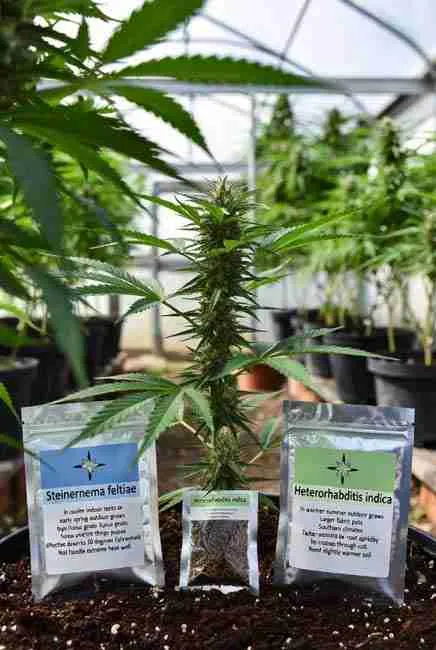
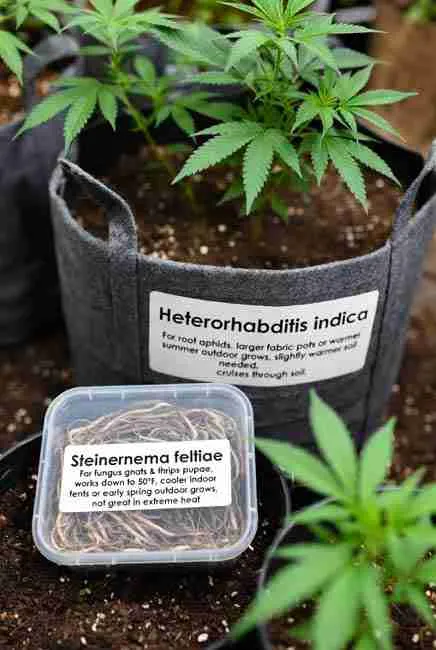
Steinernema feltiae cannabis shines in cooler indoor tents or early spring outdoor grows. It stays near the surface, targets fungus gnats like crazy, and works down to 50 degrees Fahrenheit. You get fast action against thrips pupae too. However, it does not travel as deep or handle extreme heat as well.
Heterorhabditis indica marijuana, on the other hand, loves warmer conditions and digs deeper into the root zone. Perfect for summer outdoor grows, larger fabric pots, or southern climates. It tackles root aphids cannabis especially well because it actively cruises through soil looking for hosts. Yet it needs slightly warmer soil to stay active.
Many growers use both together for complete protection. You can buy combo packs that make life easy.
Pros and Cons for Indoor and Outdoor Cannabis
Indoor growers love steinernema feltiae cannabis because tents stay cooler and humidity helps keep soil moist. Outdoor folks in hot areas prefer heterorhabditis indica marijuana for its toughness. However, both work anywhere if you manage moisture and timing.
| Feature | Steinernema feltiae cannabis | Heterorhabditis indica marijuana |
|---|---|---|
| Best temperature range | 50–70°F | 65–85°F |
| Hunting style | Ambusher – near surface | Cruiser – deeper roots |
| Top pests targeted | Fungus gnats, thrips pupae | Root aphids, deeper larvae |
| Ideal grow type | Indoor tents, cool climates | Outdoor summer, warm setups |
| Application frequency | Every 2–3 weeks | Every 3–4 weeks |
| Persistence in soil | 4–6 weeks | 4–8 weeks |
Use this table to match your setup perfectly and watch your cannabis thrive.
Real Grower Results: Protecting Yields and Reducing Plant Stress with Beneficial Nematodes Cannabis
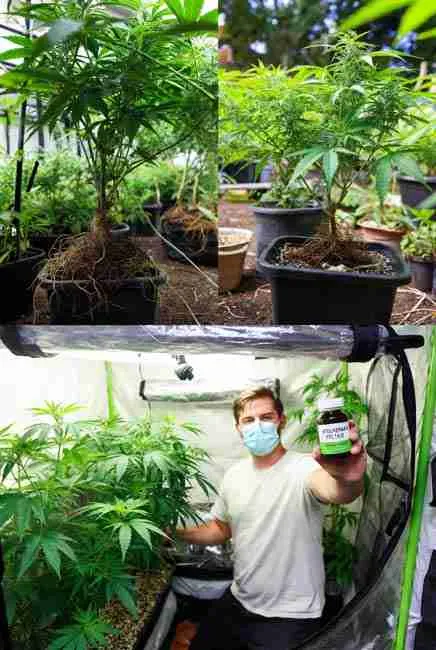
You don’t have to take my word for it – real growers see dramatic changes. One indoor hobbyist in a 4×4 tent reported fungus gnats gone after just two applications of steinernema feltiae cannabis. His plants stopped wilting, leaves turned deep green again, and he harvested 20 percent more bud weight than the previous cycle.
Outdoor cultivators fighting root aphids cannabis in humid summers tell similar stories. After switching to heterorhabditis indica marijuana, their plants developed massive root balls and resisted drought stress way better. Yields jumped because the roots could actually pull nutrients instead of fighting for survival.
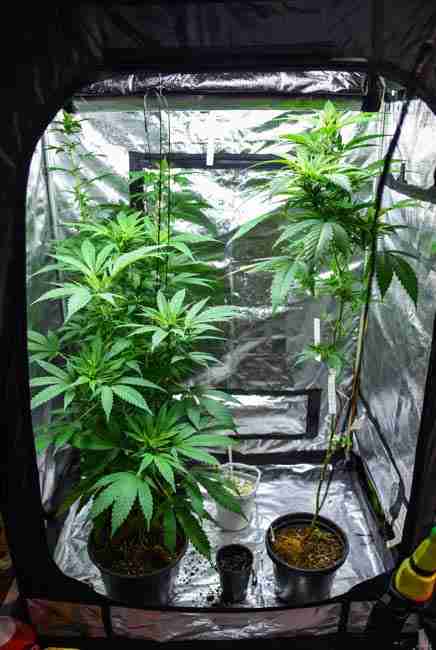
Even commercial operations report fewer overall pest problems and cleaner flower when they make beneficial nematodes part of their routine. You save money on lost plants and avoid expensive chemical fixes. Plus, your cannabis tastes cleaner and smells stronger because the plants stay happy from the roots up.
Prevention Strategies to Pair with Beneficial Nematodes for Organic Soil Pest Control Cannabis
Beneficial nematodes work even better when you pair them with smart habits. Start with clean soil and pots. Avoid overwatering because soggy conditions invite fungus gnats. Use sticky traps above soil to catch adult gnats before they lay eggs.
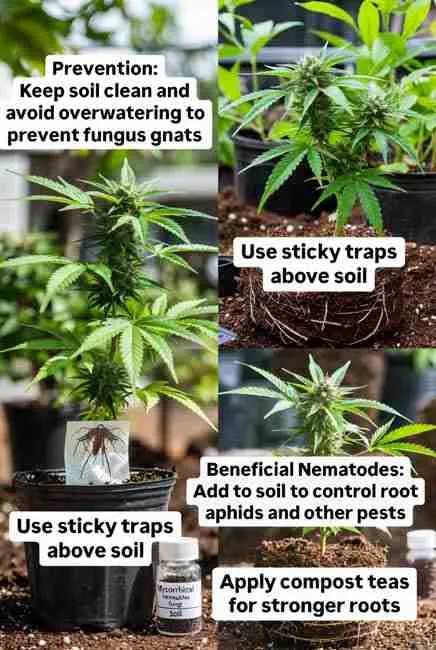
Add mycorrhizal fungi and compost teas to build strong roots that resist pests naturally. Monitor your plants weekly – lift a few leaves and check soil for tiny white larvae. When you catch issues early, one application of nematodes for root aphids cannabis often solves everything.
For outdoor grows, rotate planting spots and use companion plants like marigolds that repel certain pests. Indoors, keep grow room floors clean and quarantine new clones. When you combine these steps with beneficial nematodes cannabis, you create a fortress around your roots that pests simply cannot break.
Common Soil Pests Targeted by Beneficial Nematodes in Cannabis Grows
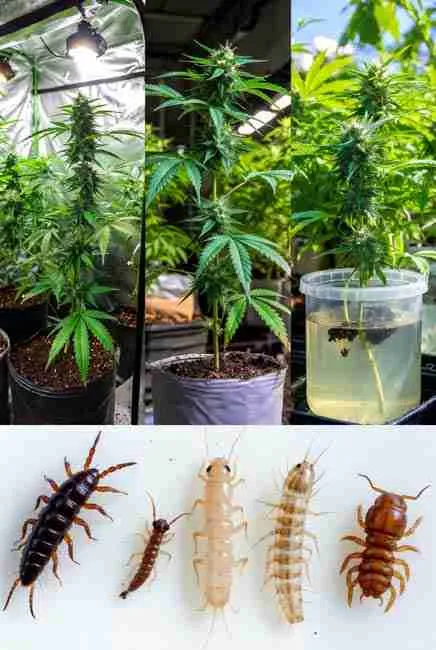
Here’s a quick list of the usual suspects you knock out:
- Fungus gnat larvae
- Root aphids
- Thrips pupae
- Shore fly larvae
- Certain beetle grubs
- Root weevils (in some regions)
Each one gets handled by the right nematode species, so you stay ahead of the game.
[Image: common-soil-pests-cannabis-nematodes.jpg]
Pros and Cons of Using Beneficial Nematodes Cannabis
Pros first – you get targeted control that leaves beneficial insects alone. No residue on your buds, so you never worry about testing or safety. They reproduce in the soil for ongoing protection. You save money long-term because you lose fewer plants. Plus, they fit every style from tiny closets to big greenhouses.
Cons? They need consistent moisture and right temperatures or they die. Results take a few days instead of instant kill like chemicals. You must reapply periodically for heavy pressure. However, for most home growers these downsides are tiny compared to the huge benefits.
Specifications and What to Look for When Buying

Look for live, fresh packages with clear expiration dates. Products should list exact species and millions of nematodes per pack. OMRI-listed options work great for strict organic grows. Choose sponge or gel formulations because they ship well and activate easily.
Check temperature requirements on the label so you match your grow room. Buy enough for at least two applications because prevention beats cure. Store properly and you get maximum bang for your buck.
FAQ About Beneficial Nematodes Cannabis

How often should I apply beneficial nematodes cannabis?
Every two to four weeks during seedling and veg stages works best for most growers. In heavy infestations you can apply every seven to ten days until pests disappear.
Can steinernema feltiae cannabis be used in hydroponic systems?
Yes, but only in media like coco or rockwool that stays moist. Drench the cubes or bags carefully and keep everything damp.
Will heterorhabditis indica marijuana kill my earthworms?
Absolutely not. These nematodes only target insect larvae and leave earthworms, bees, and pets completely safe.
Do beneficial nematodes work against root aphids cannabis?
You bet they do. Steinernema feltiae cannabis and heterorhabditis indica marijuana both attack root aphids effectively when applied early.
How long do beneficial nematodes live after application?
They stay active four to eight weeks depending on species and conditions. New generations keep working as long as moisture holds.
Can I combine beneficial nematodes with other organic sprays?
Yes – they play nicely with neem oil, Bacillus thuringiensis, and beneficial mites. Just wait a few days between different treatments.
What temperature kills beneficial nematodes cannabis?
Anything above 90 degrees Fahrenheit or below 45 degrees Fahrenheit for long periods stops them. Keep soil in the sweet spot for best results.
Are beneficial nematodes safe to use around my pets and kids?
Completely safe. They are natural organisms that only affect specific insect pests and break down harmlessly.
Wrapping It All Up

You now hold everything you need to protect your cannabis roots the natural way. Beneficial nematodes for cannabis turn the tables on soil pests and let your plants focus on growing massive buds instead of fighting underground battles. Start small, apply consistently, and watch the difference in your garden. Your next harvest will thank you with healthier plants, stronger aromas, and bigger yields – all because you chose the smart, organic path. Grab some steinernema feltiae cannabis or heterorhabditis indica marijuana today and give your roots the protection they deserve.