Alfalfa for Cannabis: Tea, Top-Dress, Meal, and Cover Crop

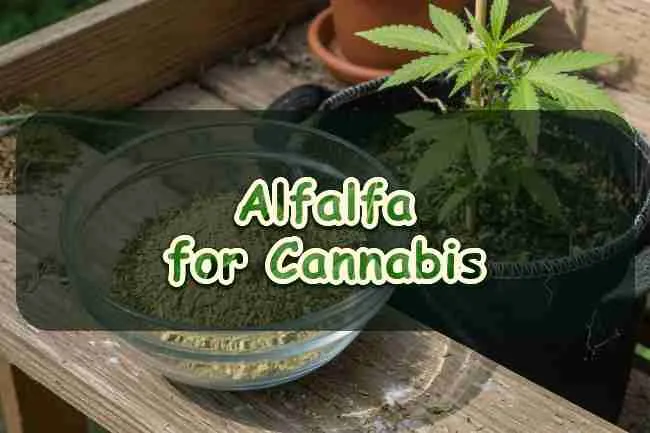
Alfalfa for cannabis is not a tea party. It is a forage legume you grind, pellet, mulch, grow, or brew so the soil life has nitrogen, minerals, and a waxy growth alcohol called triacontanol. Ranking pages in 2026 still split it the same way: meal as a top-dress, tea as a liquid, hay as mulch, living plants as a cover crop. Too much of any of those fries a pot. This page keeps the original aerated-tea method from this URL and puts honest rates next to it, because one cup of meal per gallon is a heavy brew, not a beginner default.
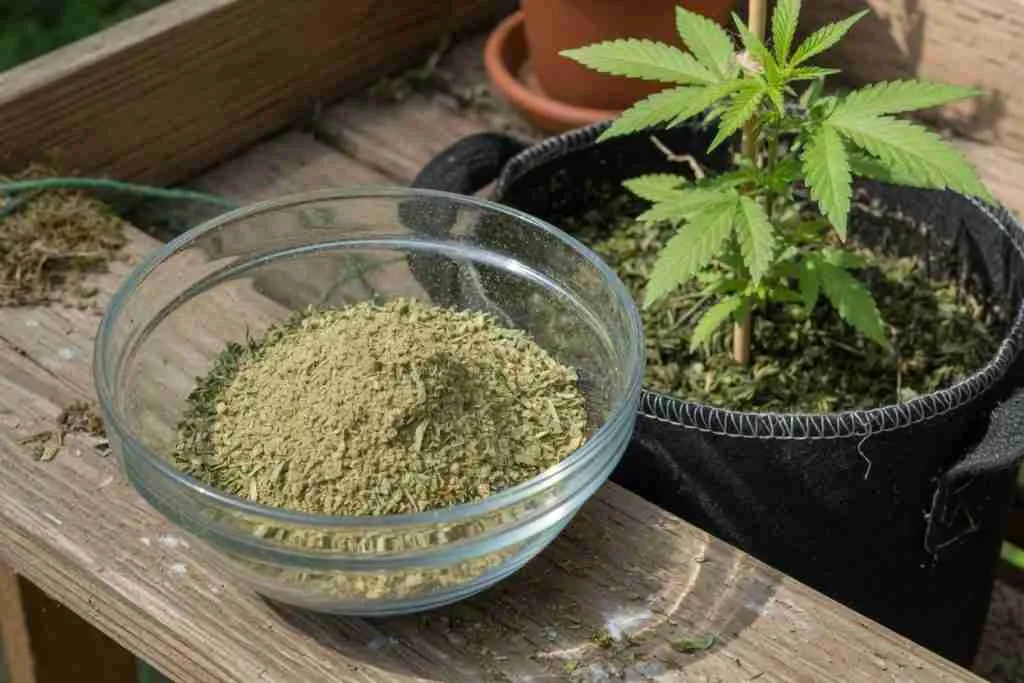
You use alfalfa because it is cheap, plant-based, and it feeds microbes that then feed the plant. You do not use it as a complete bottle. You still need a soil that can hold biology, water that is not chlorine soup, and a plant that is not already locked out. Organic feed: organic marijuana fertilizer. Amendments: organic growing amendments. Shop: cannabis seeds store.
What Alfalfa Actually Is
Medicago sativa. A perennial in the pea family. In a field it fixes nitrogen through rhizobia on its roots. In a bag of meal, that nitrogen is already in the plant tissue. The bag does not “fix” N in your pot the way a living stand does. Meal is dead forage, dried and ground. Typical analysis sits around 2–3% nitrogen, a little phosphorus, around 2–3% potassium, plus calcium, magnesium, sulfur, and a pile of micronutrients. NPK numbers vary by brand. Read the bag.
The reason cannabis growers talk about alfalfa more than grass clippings is triacontanol, a long-chain fatty alcohol in the waxy cuticle of the leaves. People call it a growth stimulant. It is not a replacement for light, water, or genetics. It is one more reason a light top-dress can look “ greener” than the same nitrogen from urea. Do not buy a $40 bottle of isolated triacontanol until you have used a $12 bag of meal without burning a plant.
Alfalfa also feeds bacteria and fungi. That is why teas foam and why a top-dress can heat a small pot. Heat plus extra nitrogen is how you cook seedlings. Soil that already has a living mix handles it. Sterile coco with no biology just sits there until something colonizes it — or until you overdo the tea and get a slimy bucket. Soil: organic cannabis soil. Mix and pots: the best soil for growing cannabis.
Meal, Pellets, Hay, and a Living Plant
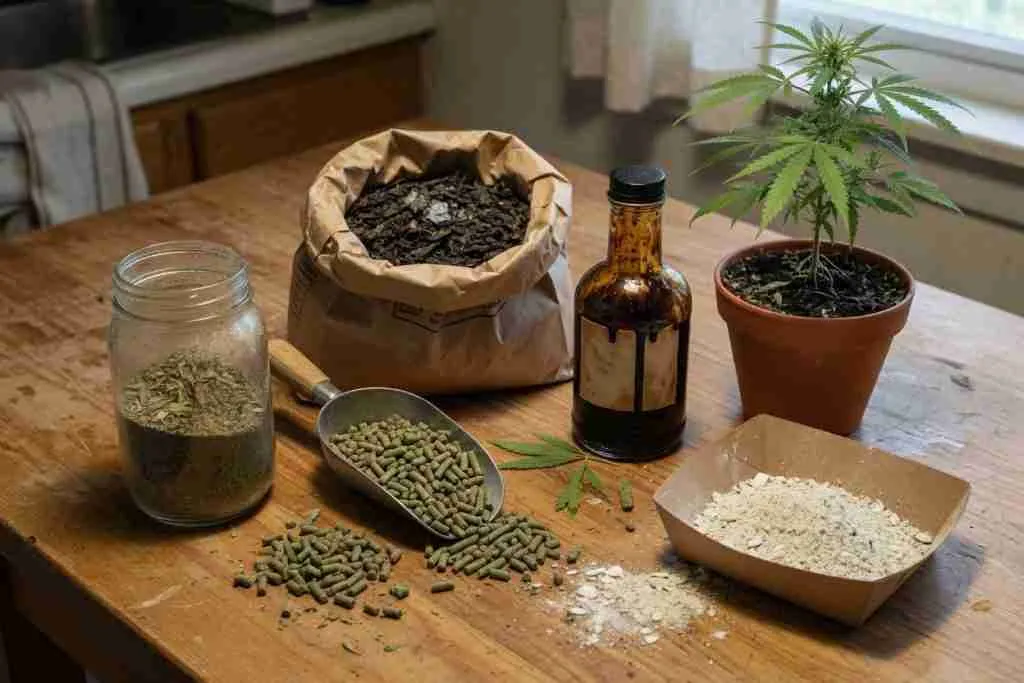
Alfalfa meal
Fine grind. Fastest to break down. Dusty — wear a mask if you are dumping a bag indoors. Best for teas and a light scratch into the top inch. It can cake if you dump a pile against the stem. Spread it. Water it in.
Pellets
Compressed meal. Cheaper at feed stores. Slower until they wet and crumble. For tea, soak pellets an hour and mash them, or just let the air stone chew them apart overnight. For top-dress, pellets are easier to measure and they do not blow off a patio. Same plant, different particle size. A tablespoon of pellets is not exactly a tablespoon of meal by weight. Start light either way.
Hay and chaff as mulch
A thin layer holds moisture and feeds the surface as it rots. One to three centimetres, not a nest. Seeded hay sprouts. Get seed-free if you can, or pull the sprouts. Conventional hay can carry herbicide residue. If you are buying a bale from a roadside, ask. Organic dairy hay is the boring, correct choice when you can find it.
Living alfalfa as a cover or companion
Deep taproot. Fixes nitrogen while it is alive. Attracts some beneficials when it flowers. It also wants to be a metre tall. In a cannabis bed you shear it. In a 10-gallon fabric pot it competes for water. Treat living alfalfa like clover: useful in the ground, cautious in a small container. Companion layout: companion planting for cannabis. Cover crops: cover crops for outdoor cannabis.
Alfalfa Tea for Cannabis
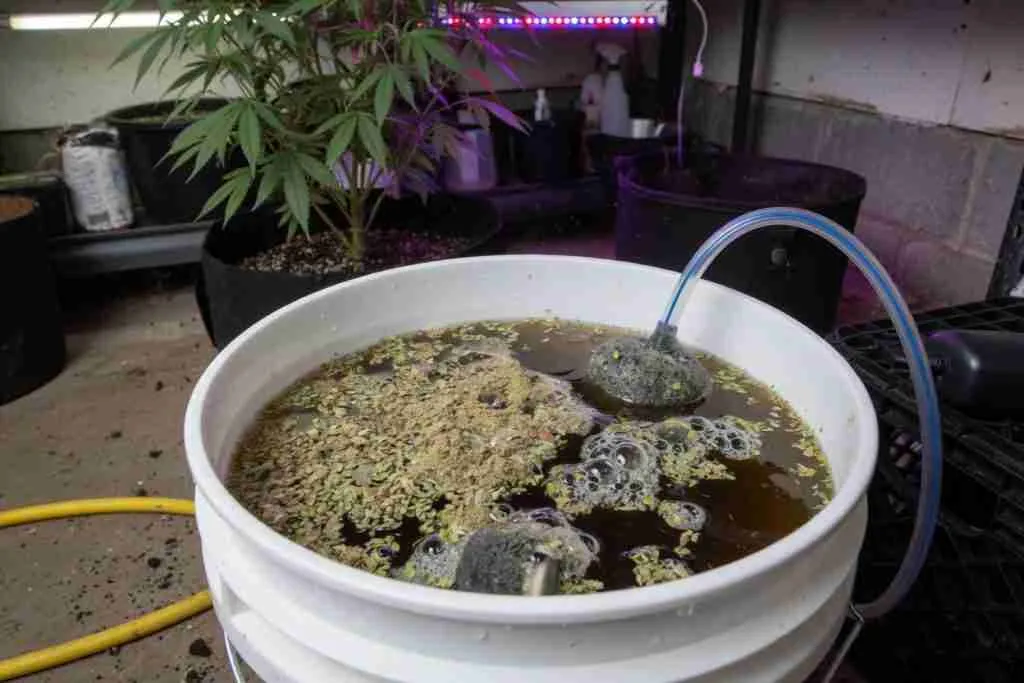
Tea is how this URL earned its keep. You soak meal in water so soluble bits and microbes move into a drench you can pour. Two styles: a simple steep (stir, wait 24–48 hours) and an aerated brew (air stone, 12–36 hours). The original method on this page is the aerated brew. Both work. Aeration keeps the bucket from going anaerobic and stinking like a drain. If your tea smells like death, dump it on the compost, not the plants.
Rates that will not cook a pot
The old copy on this page used about 1 cup of alfalfa per gallon of water. That is a concentrated aerated tea. Plenty of organic growers run closer to 1 cup of meal in 5 gallons, or ¼ to 1 cup of alfalfa plus kelp depending on plant size. Homestead growers who feed cannabis weekly still warn that alfalfa is the amendment most likely to burn if you stack tea on a heavy top-dress.
Start here unless you already know your soil can take a punch:
- Simple 5-gallon steep: 1 cup alfalfa meal, 5 gallons dechlorinated water, 24–48 hours, stir when you walk by.
- Small plant / seedling: ¼ of that tea, or skip tea and use a pinch of top-dress. Seedlings do not need a nitrogen bomb.
- Vigorous veg in a 20-gallon: full-strength 5-gallon steep, or the heavier aerated recipe below if the plant is eating and the leaves are dark, not clawed.
- Original heavy brew (this page’s old cup-per-gallon): only on established plants in living soil, and do not also top-dress a quarter-cup of meal the same week.
How to make the aerated tea
Bucket. Air pump. Air stone. That is the kit. A milk jug works for a single plant. A trash can is for a row of outdoor beds. Pet-store pumps are enough. You want bubbles moving the surface, not a jacuzzi that blows meal onto the floor.
Water: city tap sits 24 hours or you run the stone in it first so chlorine can leave. Well water is fine if it is not a heavy-metal problem. Test if you are worried: heavy metals in cannabis. Rainwater is the old-school favorite if you can collect it clean. Watering basics: how to water cannabis plants.

Start the stone. Add alfalfa. Stir. It floats. That is normal. For the original mix on this URL, the add-ins were a tablespoon of ground oyster shell per batch for calcium, a tablespoon of kelp meal for micros and a bacterial kick, and 1–2 tablespoons of unsulphured molasses as sugar for the brew. Kelp: seaweed cannabis fertilizer. Molasses: molasses for cannabis. Magnesium is its own page if the leaf is telling you that story: magnesium for growing cannabis.
Scale those tablespoons to the bucket. A tablespoon of molasses in a gallon is a lot of sugar. In 5 gallons it is a feed. Too much molasses makes a slime party and fungus gnats later. You are feeding microbes, not making dessert.
Run the stone about 24 hours. Warm rooms finish faster. Cold garages need longer. When it smells like a farm pond, not a sewer, it is ready. Use it the day it is done. Do not store aerated tea for a week. The biology crashes and then it goes anaerobic on a shelf.
How to apply the tea
Drench the root zone until you see a little runoff, or mix the tea into your normal watering can. Foliar is optional and messy. If you foliar, do it lights-off or in shade, and strain the solids so you are not painting grit on a cola. In flower, prefer a root drench. Solids left in the bucket can go on top of the soil as a light top-dress — that is the original “dump the leftovers” move. Do it thin. A sludge cake against the stem is a rot collar.
Do not pour alfalfa tea into a recirculating hydro reservoir and walk away. You just inoculated a pipe with organic soup. Soil and coco with a drain-to-waste can take a drench. Recirculating hydro wants clean bottles, not a compost tea.
Top-Dressing: The Method Most People Should Start With
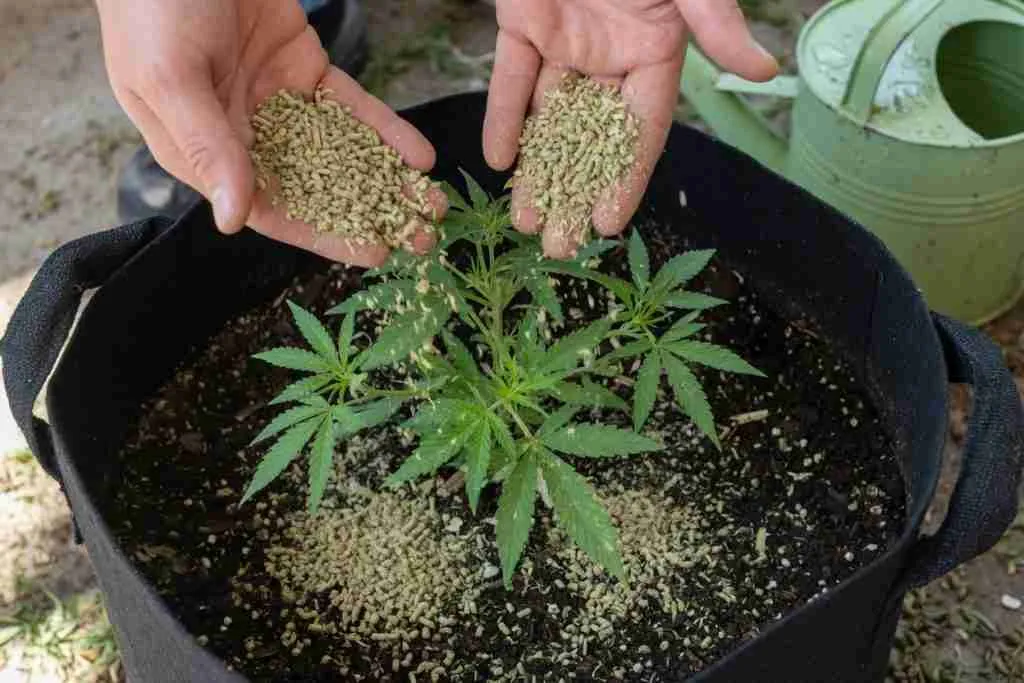
Sprinkle meal or pellets on the surface, keep it off the stem, scratch it into the top inch if you can, water it in. Every later watering pulls a little more. That is slower and safer than a hot tea if you are new.
Working rates from growers who actually feed cannabis this way:
- 5–10 gallon pot, young plant: about 1 tablespoon alfalfa meal. Pair with 1 tablespoon kelp if you have it.
- 20–25 gallon, bigger plant in veg: up to ¼ cup alfalfa and ¼ cup kelp.
- 3–4 gallon flower pot: Skunk-style growers cap alfalfa around 1 tablespoon per top-dress and they still warn you. More than that in a small pot is how you get clawed leaves.
- In-ground or a raised bed: ½ to 1 cup around a large plant, out at the drip line, not in a doughnut against the stalk. Garden-bed ballpark from general organic guides is a few pounds per 100 square feet — do not dump that into one fabric pot.
Frequency: every 10–14 days in veg if the plant is hungry, less often if the soil is already hot. In flower, many living-soil growers switch the top-dress from alfalfa to something lower-N (neem seed meal plus kelp is the usual swap) so you are not pushing leaf at the expense of the cola. Veg: cannabis vegetative stage. Flower: flowering stage.
Measure. A “handful” is how people burn pots. A tablespoon is 15 ml. A quarter cup is 60 ml. Write what you put on which pot. Next run you will know if that plant wanted more or less. Guessing every time is how alfalfa gets a bad name.
Do not run a strong tea and a heavy alfalfa top-dress in the same week. That is the “burn the candle at both ends” warning, and it is the one that shows up on ranking organic pages for a reason. Pick one delivery method until you know the soil.
Mulch and Cover Crop
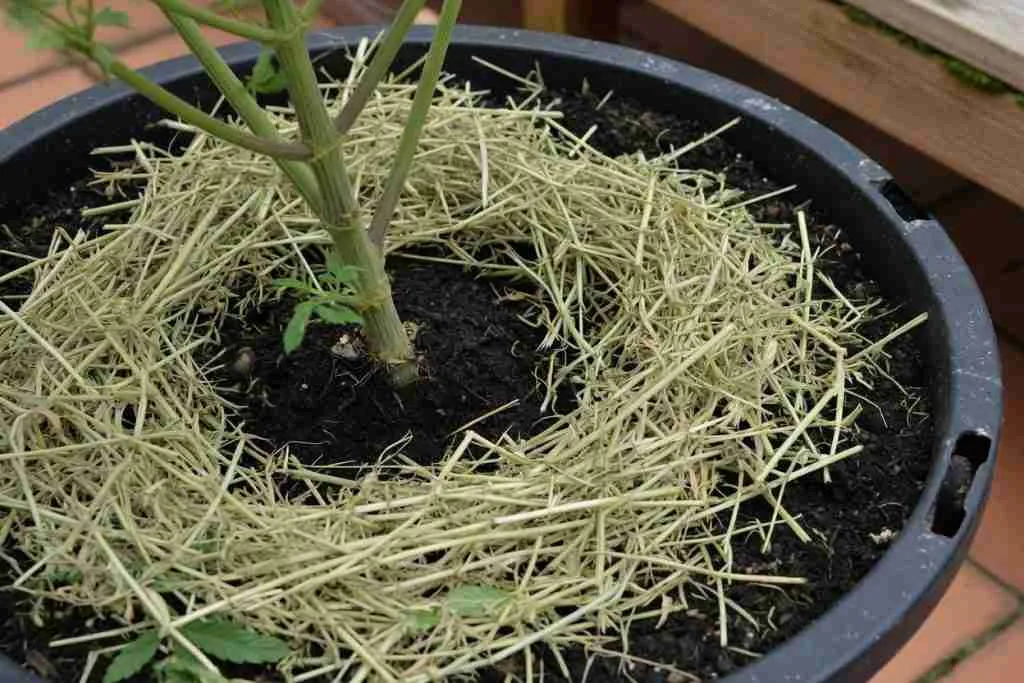
A thin hay mulch slows evaporation and feeds the top as it breaks down. Keep a gap at the stem. Indoors, a thick wet blanket is a fungus-gnat condo. Beneficials in the soil can help gnats; a wet alfalfa mat still breeds them. Indoor: indoor cannabis growers guide. Tent: grow tent. Bugs: beneficial insects in your cannabis garden.
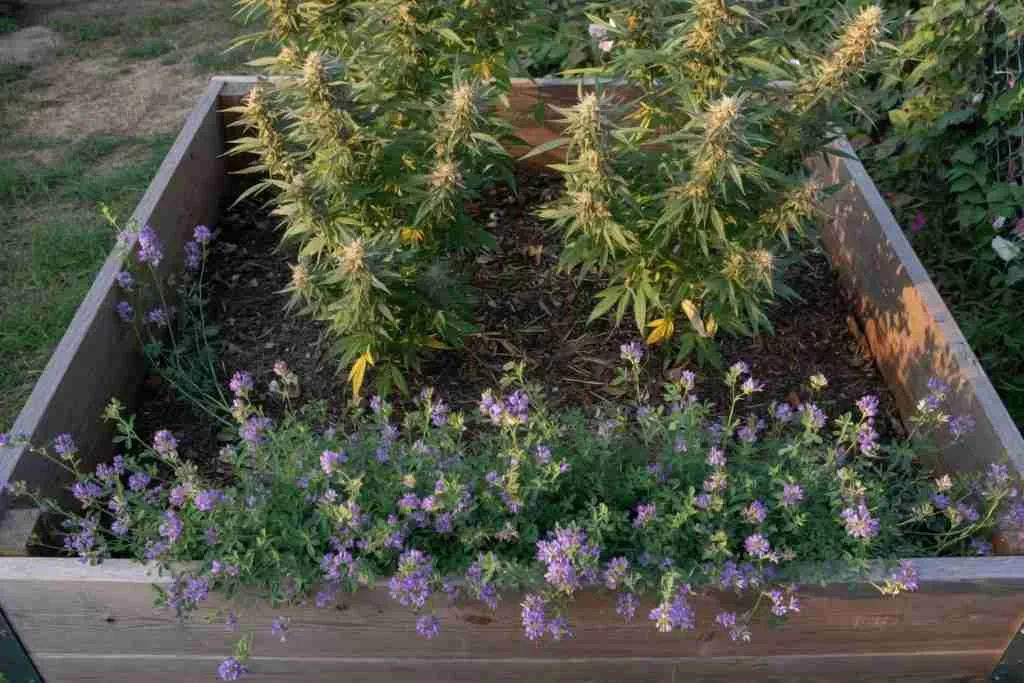
Living alfalfa in an outdoor bed is a nitrogen fixer and a miner. Shear it before it shades the cannabis. Chop-and-drop the cuttings as mulch if they are clean. Do not let it set a seed bank you will hate next year unless you want alfalfa forever. Outdoor: growing cannabis outdoors.
In a pot, a few alfalfa plants as a “cover” is a science fair, not a fertilizer program. They drink. They shade. Meal is the container tool. The living plant is the in-ground tool. If you still want a living mulch in a big no-till pot, clover stays lower. Alfalfa wants height. Shear weekly or you built a second crop. Thrips can bank in a lush cover. Walk it with a loupe the same way you walk the cannabis. A pretty purple strip that is full of thrips is not a companion. It is a reservoir.
Compost and Mix Building
A handful of meal in a compost pile is a nitrogen shot that heats the heap. That is useful. A bucket of meal in a small pile cooks it and then it goes anaerobic. Layer it. Same idea in a soil mix: a modest amount in the recipe, not a bag per pot. If you are blending a living mix, alfalfa is one amendment among many, not the whole recipe. Environment and media: environment, media, watering, pot sizes.
Finished compost that already includes alfalfa hay is a gentler way to get the same plant into the pot. You are not skipping meal forever. You are letting the pile do the first digestion so the pot does not have to. If the compost is still hot, wait. Hot compost plus a hot tea is two heat sources. The plant only has one root system.
When Alfalfa Helps, When It Hurts
Helps: pale, hungry veg in living soil; a slow start after transplant; outdoor beds you want to feed without a salt bottle; compost that will not heat. Hurts: seedlings, already-dark clawed plants, late flower when you want the plant to finish not push new leaf, hydro reservoirs, and any pot where you already top-dressed last week and forgot.
Clawed, dark, shiny leaves after a tea are nitrogen. Back off. Water plain. Do not “fix” it with more kelp and molasses. Yellowing that is not hunger can be lockout, pH, or overwatering. Diagnose before you brew another bucket: cannabis nutrient deficiency.
Yield still follows light, genetics, and a plant that kept its roots. Alfalfa is not a CO2 tank. It is food for soil. Yield: increase cannabis yields. Environment: best growing environment.
Water Chemistry: Chlorine Is Not Chloramine
The original page said let city water sit 24 hours. That used to work when the plant used chlorine gas, which leaves a bucket. A lot of cities now use chloramine. Chloramine does not gas off overnight. A 24-hour sit can still kill the brew you are trying to grow. If your tea never foams and always smells like tap, that is a clue.
Fixes that actually work: a carbon filter on the hose, a camp filter, or a tiny pinch of ascorbic acid (vitamin C) in the bucket — growers use it to knock chloramine. A long, hard aeration helps some. Rainwater and well water skip the argument if they are clean. If you do not know what your utility uses, read last year’s water report. Do not guess.
pH of the tea will wander. Living soil buffers. Coco and soilless do not. If you drench coco with a mystery 7.8 tea, you can lock the same nutrients you thought you were adding. Measure if you are in coco. Soil growers can be sloppier, not reckless. Deficiency that is really lockout: cannabis nutrient deficiency.
Buying Meal, Making Meal, Storing It
Garden-center boxes are convenient and expensive per pound. Feed stores sell 20-kilogram bags of pellets for horses. Same plant. Ask if it is untreated. Molasses-coated horse treats are not what you want. Organic certified meal costs more and is worth it if you care about spray residue in a crop you will smoke. Conventional alfalfa is a sprayed forage crop in a lot of regions.
Pellets to meal: soak, mash, dry, or just throw pellets in the tea bucket and let the stone work. A blender of dry pellets makes dust and a mess. Outdoors, toss pellets on the bed and water. They disappear in a week of rain.
Storage: meal goes rancid and it attracts mice. Sealed bucket, dry, off the floor. If it smells like paint or mold, compost it, do not brew it. A paper bag in a damp shed is how you buy gnats in January.
Indoor Teas and Fungus Gnats
Every organic drench is gnat food if the pot stays wet. Alfalfa tea is no exception. Strain solids for indoor pots if you can, let the surface dry between waterings, and do not leave a tray of tea-runoff sitting for three days. If gnats are already a house problem, skip tea until you have nematodes and a dry-back, or you will feed the larvae. Beneficials: beneficial insects in your cannabis garden.
Smell indoors is real. A 24-hour aerated bucket in a closet tent room will stink up the hallway. Brew in a garage or a balcony. Bring the finished tea in, drench, leave. Do not ferment next to the carbon filter and then wonder why the house smells like a farm.
What Ranking Pages Get Right — and the Trap
They get the jobs right: tea, top-dress, mulch, cover crop. They get triacontanol right as a reason alfalfa is more than a nitrogen number. They get the burn warning right. The trap is copying a rose-garden rate into a 3-gallon cannabis pot, or copying this page’s old 1 cup per gallon as if it were the only recipe on earth. Roses in the ground are not a seedling under an LED.
Another trap: “alfalfa is alkaline, never use it.” Meal can nudge pH up a little. Living soil eats that. Acid-loving houseplants are not cannabis. Cannabis in a buffered organic mix is not a camellia. If your mix is already sitting at 7.2 with oyster shell and wood ash, maybe skip more oyster in the tea. If it is a peat mix at 5.8, a tablespoon of oyster in 5 gallons is not a crime.
A third trap: using alfalfa as a pesticide because a companion-planting list said it repels lygus. A tea is not an insecticide. Habitat and scouting still do pest work. Companion page: companion planting for cannabis.
A Simple Plan You Can Run
New living-soil pot, veg. Mix a modest amount of meal into the soil if the recipe calls for it. After the plant is eating, top-dress 1 tablespoon alfalfa plus kelp in a 5–10 gallon. Water in. Wait two weeks. If the plant is still lime and hungry, tea at the 1 cup / 5 gallon rate. If it is dark, stop.
Outdoor bed. Top-dress the drip line in spring. Optional living strip of alfalfa you shear. Tea once a month in peak veg if the bed is tired. Do not foliar a whole row at noon.
Flower. Ease off alfalfa. One light tea in early flower if the plant looks like it still wants nitrogen is a judgment call. Mid to late flower, let the soil finish what you already put in. Pushing N late makes leafy buds and a longer dry.
The original heavy tea on this URL. Cup per gallon, oyster, kelp, molasses, 24-hour stone, dump solids as top-dress. Use it when you know the plant and the soil. Do not use it as week-one of a first grow. Seed pick still matters more than the bucket: how to pick cannabis seeds.
A Week With the Bucket
Sunday night: fill 5 gallons, start the stone, add 1 cup meal, a spoon of kelp, a spoon of molasses if the brew is for veg. Monday: stir once. Tuesday evening: smell it. Farm pond, not sewer. Strain or swirl and drench the pots that are actually dry enough to drink. Put a thin smear of solids on the surface. Wednesday–Saturday: plain water as the pots need it. Do not tea again on Thursday “because more is better.”
Watch new growth, not old yellow fans. New growth that is lime and stretching still wants light and maybe nitrogen. New growth that is dark and hooked already had enough. A loupe on the underside still beats a second brew if the real problem is mites. You cannot tea mites away.
Outdoor in a wet climate: brew less often. The bed is already rotting organic matter. Outdoor in sand that drains in an hour: the tea is how you keep microbes in the root zone between rains. Match the bucket to the dirt, not to a calendar you found on a forum.
Foliar, Castings, and Mixing With Other Organics
Foliar alfalfa is a fine mist of strained tea, lights off, veg only if you can help it. Flower foliar is how you spot a cola. If you foliar, you are after a little triacontanol on the leaf, not a mud pack. Strain through a paint-strainer bag or an old T-shirt. What is left in the shirt goes to the compost or the soil surface.
Worm castings and alfalfa get along. Castings are the biology. Alfalfa is some of the food. A pot that already has a casting-rich mix needs less tea, not more. If you top-dress both, go light on the meal. The original oyster shell in the brew is calcium slow-release. If the mix already has gypsum or extra lime, skip more shell. Stacking Ca sources is how you wander pH for no reason.
Kelp in the same tea is the usual pair: alfalfa for N and triacontanol, kelp for micros and cytokinins. Neem meal is the flower swap so you are not pouring veg nitrogen on a ripening plant. You do not need ten ingredients in one bucket. Three is already a party. Molasses is optional once the soil is alive. It is training wheels for a sterile mix.
How to Tell It Worked
Two to five days, not two hours. New growth looks like it wants to be there. Internodes do not stretch just because of tea — stretch is light. Color on new fans is the scoreboard. A plant that was pale in veg and is now an even green, without claws, is a win. A plant that was fine and is now shiny and hooked is a loss. Flush is not always required in living soil. Stop feeding. Water. Wait.
If nothing happens, the brew was dead, the pot was already full, or the plant is limited by light, water, or root room, not by alfalfa. Bigger harvests still come from the room and the seed. Tea is not a cheat code for a dim closet.
Mixing Alfalfa Into a Potting Soil
If you build mix, a modest alfalfa charge at potting is cleaner than chasing the plant later. Think a handful in a 20-litre batch, not a cup in a 4-litre pot. It needs time to start breaking down. Pot, water, wait a few days, then transplant. A seedling in a mix you just dumped hot meal into is a gamble. The meal will heat as microbes hit it.
Reused living soil that already grew a run can take a recharge: scratch meal into the top, water, let it sit a week with a cover crop or mulch, then plant. That is closer to how a field gets alfalfa — time, not a shock. Fresh peat with no biology will not “activate” a cup of meal overnight. Add castings or a bit of finished compost if the mix is dead, or the meal just sits.
Alfalfa Versus Other Organic N Sources
Blood meal is faster and harsher. Fish is smelly and fast. Feather meal is slow. Alfalfa sits in the middle: plant-based, some immediate soluble fraction in tea, the rest slow. If a plant is truly starving in veg, a gentle fish or a known liquid may show sooner than a top-dress of pellets. If you want soil life and a nudge, alfalfa is the one that also brings triacontanol and a mineral spread.
Do not stack blood, fish, and alfalfa “for extra N.” Pick one hot source. Alfalfa plus kelp is already a pair. Alfalfa plus blood is how you get a clawed tent and a story about how organic “burned” you.
Troubleshooting the Brew and the Plant
Tea never bubbles, never smells like a pond. Pump is dead, stone is clogged, or the water is still killing biology. Clean the stone in vinegar. Check the pump. Change water source.
Tea smells like vomit or rotten eggs. Anaerobic. Too much molasses, no air, too long. Dump on compost. Do not drench. Shorter brew, less sugar, more bubbles next time.
White scum on top. Often aerobic foam. Fine. If it is a thick putrid mat, you overdid organics. Dilute or dump.
Plant claws after drench. Too much N, too soon. Plain water. No more alfalfa for two weeks. Check the runoff if you are in coco.
Plant still pale. Maybe not N. Iron and pH lockout look hungry. Maybe the pot is too small. Maybe the light is weak. Another cup of meal will not fix a 100-watt board on a 4×4.
Gnats after tea. Surface stayed wet, solids sat on top, tray full. Dry back. Yellow cards. Nematodes if it is a tent. Strain next time.
Pellets still sitting on the soil a month later. Too dry on top, or they are molasses horse treats. Water the surface. Scratch them in. Buy real alfalfa pellets.
Outdoor Broadcast, Without Turning the Bed Into a Hayfield
In-ground cannabis is where alfalfa as a plant earns its keep. Sow a strip, let it root deep, cut it before it tops the crop. The cuttings are mulch. The roots are channels. You are not trying to harvest alfalfa hay. You are using a tool that farms used before they had a bottle.
Broadcast meal on a bed at a garden rate — a few pounds per 100 square feet, raked into the top — in spring before or just after transplant. Water it. That is a recharge, not a foliar. Keep it off the transplant stem. A windy day will put meal in your eyes. Mask, then water so it stays.
Lygus and beneficials show up in companion lists. Treat that as a maybe. A flowering alfalfa strip can hold insects. It can also hold pests. Walk the bed. Beneficials page: beneficial insects.
Mistakes That Waste a Bag
- 1 cup of meal in a gallon on a seedling.
- Tea and a heavy top-dress the same week.
- Pouring unstrained sludge on a cola in week seven.
- Storing aerated tea until it smells like a sewer, then using it anyway.
- A thick wet hay mulch in a tent, then wondering about gnats.
- Living alfalfa in a 5-gallon competing with the crop.
- Cheap roadside hay that was sprayed, then a mystery twist.
- Treating alfalfa as the only fertilizer in sterile coco.
- Skipping dechlorinated water and killing the brew with tap.
- Chasing triacontanol bottles before you can top-dress without clawing a leaf.
Alfalfa for cannabis is a soil food. Tea, top-dress, mulch, or a sheared cover crop. Start light. Watch the leaf. Keep the original bubbling bucket on this page as proof the brew is a farm tool, not a teapot. Then feed the plant you actually have, not the one in a painting.
A Worked 5-Gallon Batch
Bucket. Five gallons of water you trust. Air stone on. One cup alfalfa meal. One tablespoon kelp meal. One tablespoon unsulphured molasses. Optional teaspoon of oyster shell if the mix is not already lime-heavy. Stir hard. Run 24 hours at room temperature. Smell. Pond, not sewer. Swirl and drench two to four established plants in 10–20 gallon pots that actually need water. Thin the leftovers on the soil. Wash the bucket. That is the whole ritual. If those plants claw, cut the meal to half a cup next time. If they yawn, you can creep toward the old cup-per-gallon brew on this URL — on big plants, in soil, not on a solo cup.
Coco drain-to-waste: same tea, but pH the drench into your coco range and do not leave solids sitting in a saucer. Hydro recirculating: do not. Use a bottle. The tea belongs in dirt.
Safety, Dust, and Not Eating the Bag
Meal is dusty. Mask if you dump a 20-kilo sack in a closed room. It is animal feed, not a protein powder for you. Keep it away from kids who think pellets are cereal. Dogs will eat a spilled bag. Store it like feed. Wash hands. The brew can splash. It stains. None of that is a reason to skip alfalfa. It is a reason not to mix it on a white carpet.
Do not foliar a flowering room and then complain about spots on the sugar leaf. Do not leave an open bucket where a toddler can drink it. Do not assume “organic” means you can overapply. Organic nitrogen still burns.
First Grow Versus a Soil You Already Know
First grow in a bag of potting soil: one tablespoon top-dress in veg after the plant is eating. No tea until you have seen two weeks of normal growth. First grow in a bottled nutrient line: you can skip alfalfa entirely until you switch to living soil. Mixing a salt line and a hot organic tea is how you get a mystery burn and no idea which one did it.
Second or third run in the same living pot: recharge with meal, maybe a tea in peak veg, back off in flower. That is when the original heavy brew on this page starts to make sense. You know the plant. You know the pot. You are not guessing.
What This URL Used to Overpromise
The old copy promised fast growth and bigger harvests as if the bucket replaced the room. It linked a CO2 article for “bigger harvests.” CO2 is a sealed-room tool. Alfalfa is dirt food. It linked Wikipedia for triacontanol. You do not need an encyclopedia tab to top-dress a tablespoon. It used Amazon rain-barrel links. Those are gone. It said 1 cup per gallon without a burn warning. That rate stays as an advanced option, labeled as heavy. It said you can dump all the solids and they will feed for months. In a 3-gallon pot, a sludge dump is not months of gentle feed. It is a wet mat.
Keep the method. Keep the original bubbling photo. Lose the teapot illustrations. Feed the soil. Watch the leaf. That is alfalfa for cannabis.