AI Tools for Phenotype Hunting: Smarter Selection for Home Cannabis Breeders


You have spent weeks watching your seedlings stretch toward the light. Some grow tall and lanky, others stay short and bushy. A few smell like sweet berries already in veg, while others stay quiet until flower. Picking the keepers used to mean trusting your gut and scribbling notes in a notebook that you might lose. These days, though, you can let simple data and smart tools help you see the real winners hiding in plain sight.

AI and easy data logging are changing how home breeders evaluate phenotypes. Instead of guessing which plant will deliver the best potency or the most mouth-watering terps, you can now track traits across dozens of plants and let patterns reveal themselves. The result? Smarter choices, fewer disappointments, and more plants that actually deliver what you hoped for when you popped those seeds.
How AI and Simple Data Logging Change Phenotype Hunting
Picture this. You pop a pack of seeds from a trusted breeder and grow out twenty plants. At first glance, they all look pretty good. But when you start logging the same measurements every week — growth speed, leaf shape, smell strength, bud density — the story changes. One plant that looked average in week four suddenly shows the highest trichome count by week nine. Another plant that smelled amazing early on turns out to be the weakest yielder.

That is the power of moving from memory to metrics. Traditional pheno hunting relied on what you could remember or jot down on the fly. You might notice a great smell one day and forget to check it again later. Or you might pick the prettiest plant only to find out later that its buds were airy and low in potency.
Data logging changes the game because it forces you to look at the same things the same way every time. You stop relying on “it felt like the best one.” Instead, you have numbers and photos that prove it. AI tools take it one step further by spotting patterns you might miss. Some apps now suggest which plants are performing above average based on the data you enter. Others help you predict how a certain cross might turn out before you even make it.
The best part? You do not need expensive lab equipment or a degree in data science. A phone, a free spreadsheet, or a simple grow journal app is enough to get started. Once you see the hidden winners the numbers reveal, you will never go back to guessing again.
Affordable Apps and Spreadsheet Templates for Tracking Cannabis Traits
You do not need fancy software to start smart pheno hunting. Many home breeders get excellent results with tools that cost nothing or just a few dollars a month.

Grow with Jane is one of the most popular free options. It lets you create plant profiles, log watering, feeding, and observations, and add photos at every stage. The charts show you trends in growth and environment. You can tag plants with custom traits like “strong smell” or “fast veg” and later filter to see which ones scored highest.
StrainTrakker goes a bit deeper with unlimited plant tracking and AI-powered insights in the paid version. It helps you compare plants side by side and even suggests care adjustments based on your logged data.
GrowBuddy and PLNTRK are also strong choices. Both let you track multiple environments, add detailed notes, and export data if you want to analyze it further.
For many breeders, though, a simple Google Sheet or Excel template does everything they need. You can create columns for Plant ID, Strain, Week, Height, Leaf Structure, Smell Score (1-10), Bud Density, Trichome Visibility, Yield Estimate, Resistance Notes, and Overall Score. Add a photo column and you have a living record that grows with your plants.
Here is a quick comparison of popular options:
| Tool | Cost | Best For | Key Features | Limitations |
|---|---|---|---|---|
| Grow with Jane | Free / Pro | Beginners & visual trackers | Photo timelines, reminders, charts | Limited plants on free tier |
| StrainTrakker | Free / Paid | Serious data comparison | AI suggestions, side-by-side views | Some features behind paywall |
| GrowBuddy | Subscription | Detailed breeding records | Pedigree tracking, export options | Steeper learning curve |
| Google Sheets | Free | Custom data lovers | Full control, easy sharing, formulas | No built-in reminders or AI |
Pros of apps: automatic charts, reminders, and community features. Cons: some lock advanced tools behind subscriptions and you have to trust the company with your grow data. Spreadsheets win on flexibility and zero cost, but you have to build the system yourself.
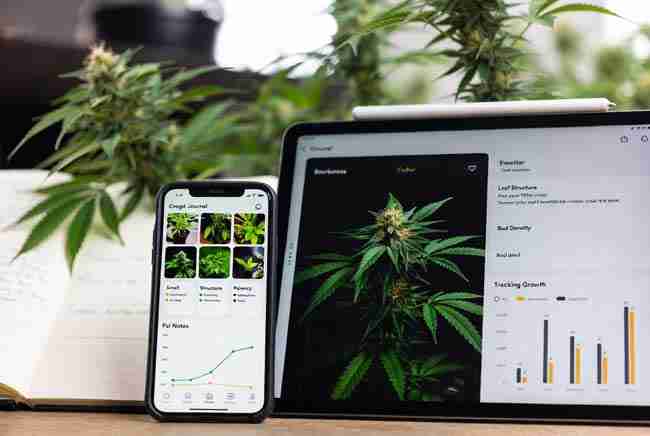
Pick what feels natural. The important thing is consistency. Log the same traits the same way every time and you will start seeing patterns that change how you select keepers.
Key Characteristics That Matter Most for Your Goals
Not every trait matters the same to every grower. What you track depends on what you want from your final product.
If potency is your main goal, you will focus on trichome density, estimated THC or CBD levels (from lab tests when possible), and how the effects feel. You might rate plants on a scale for “heady,” “body,” or “balanced.”

For flavor and aroma lovers, terpene profiles become king. You log smell strength in veg and flower, specific notes (citrus, diesel, berry, pine), and how the taste holds up after cure. A plant that smells weak in week six might surprise you with deep flavor after proper drying and curing.
Resilience and yield hunters track different things. Growth rate in veg, resistance to powdery mildew or spider mites, how well the plant handles stress like training or nutrient swings, and final dry weight per plant. These traits matter a lot if you grow in less-than-perfect conditions or want reliable harvests every time.
Here is a simple list of high-value traits to consider tracking:
- Vegetative: growth speed, internode spacing, leaf size and color, branching structure, pest resistance
- Flowering: bud density, smell intensity and profile, trichome development, flowering time, stretch amount
- Harvest & Cure: yield, trim ease, cure quality, final aroma and flavor, effects profile
- Overall: stability (how consistent the plant performs), uniqueness, keeper potential
You do not have to track everything. Start with the three or four traits that matter most to you and add more as you get comfortable. The data will quickly show you which plants are worth keeping and which ones are just average.
Practical Workflow for Smart Pheno Hunting
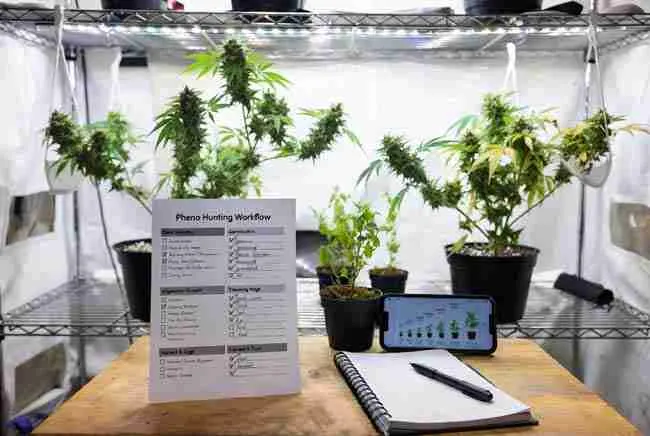
Here is a step-by-step approach that turns random observation into a repeatable system.
Start with seed selection. Choose stable, well-bred cannabis seeds from a reputable source so your starting genetics already have good potential. Pop more seeds than you plan to keep so you have real choices.
During germination and early veg, log basic info: germination speed, seedling vigor, and any early signs of unique leaf shapes or colors.
In mid-veg, start your serious tracking. Measure height weekly, note leaf structure, branching, and any pest or disease resistance. Take photos from the same angle each time so you can compare later.
When plants enter flower, increase your observations. Log smell strength and character every week. Note bud structure, how quickly trichomes develop, and any stretch or color changes. This is where many hidden winners show themselves.

At harvest, weigh each plant separately if possible. Take final photos and notes on trim ease and initial smell. After a proper cure, do a blind taste and effect test if you can. Rate the final product honestly.
Finally, review all your data together. Sort plants by your most important scores. The numbers often point to plants you might have overlooked if you only went by looks.
This workflow takes a little extra time each week, but it pays off when you end up with keepers that actually match what you wanted.
How Data Reveals Hidden Winners Visual Inspection Might Miss
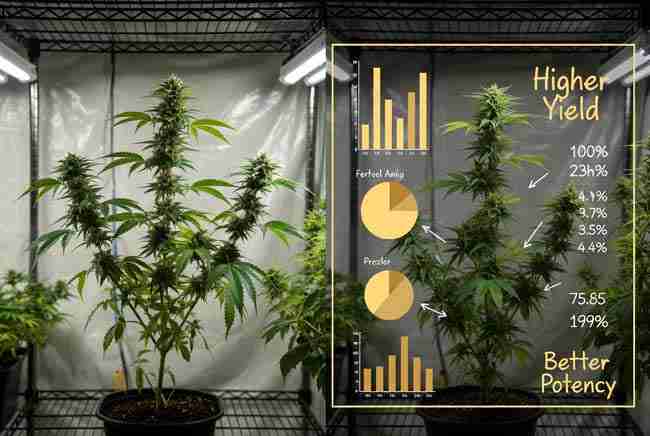
Here is a real-world style example many breeders have experienced. You grow out ten plants from the same pack. Plant #3 looks the prettiest — tight structure, dark green leaves, and it smells great early. Plant #7 looks a bit gangly and its smell is milder at first.
If you only went by looks, you would probably keep #3. But when you check the logged data, plant #7 has higher bud density scores every week, better resistance to a small spider mite outbreak, and after cure it delivers a much stronger, cleaner high with deeper terpene flavor.
The data caught what the eye missed. That gangly plant turned out to be the real keeper. Without the numbers, it might have ended up in the compost.
Another common story: a plant that stretches a lot and looks messy in veg ends up producing the highest yield and the most consistent potency across multiple grows. The data showed the pattern even when the plant did not win any beauty contests.
These hidden winners are exactly why data-driven pheno hunting is so powerful. Your eyes are great, but they can be fooled by one good day or one pretty angle. Consistent tracking gives you the full picture.
Ethical and Legal Considerations for Home Breeding in Canada
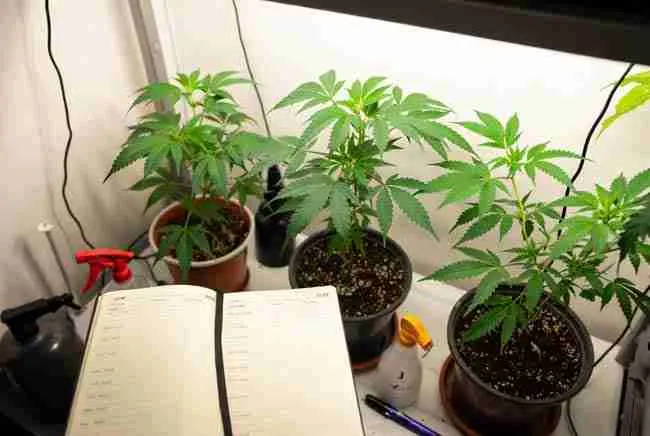
Breeding your own cannabis at home is exciting, but it comes with responsibilities. In Canada, personal cultivation is legal in many provinces with plant limits (often four plants per household, though rules vary by location). Always check your local bylaws before starting any project.
Breeding crosses for personal use is generally considered part of personal cultivation.. Keep your project private and for your own enjoyment.
Ethically, focus on stable genetics. Releasing or sharing unstable seeds can frustrate other growers and hurt the reputation of home breeding. Be honest about what you are working with and do not overhype untested crosses.
Also think about sustainability. Only keep plants you actually have space and time for. Over-breeding just for the sake of it wastes resources and can lead to weak genetics spreading if you are not careful.
The goal is to create better plants for yourself and maybe a small circle of trusted friends — not to become a commercial operation without the right paperwork.
Combining Smart Tools with Premium Genetics from Green Avenger Seeds
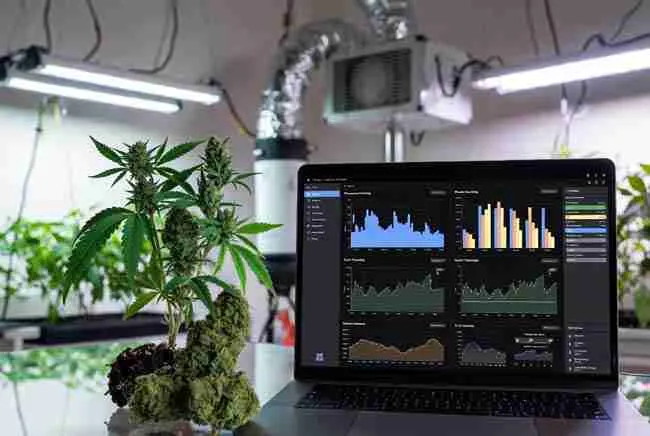
The smartest pheno hunters know that great tools work even better when you start with excellent genetics. When you pop stable, well-bred seeds, the variation you see is more meaningful and the keepers you find are more likely to perform consistently.
That is why many home breeders begin their projects with premium seeds from Green Avenger Seeds. Their stable lines give you a strong foundation so your data tracking actually highlights real improvements rather than just sorting through weak or unstable plants.
Use the apps and spreadsheets to track your run. Let the numbers guide your selections. Then keep the best phenotypes as mothers or use them in your own breeding projects. You end up with plants that are truly yours — selected with both heart and data.

Smart pheno hunting is not about replacing your love for the plants. It is about giving that love better information so the plants you keep actually deliver the experience you dreamed of when you started.
You put in the work. Now let the data help you find the real gems.