Advanced Water Recycling and Conservation Techniques for Cannabis Cultivation

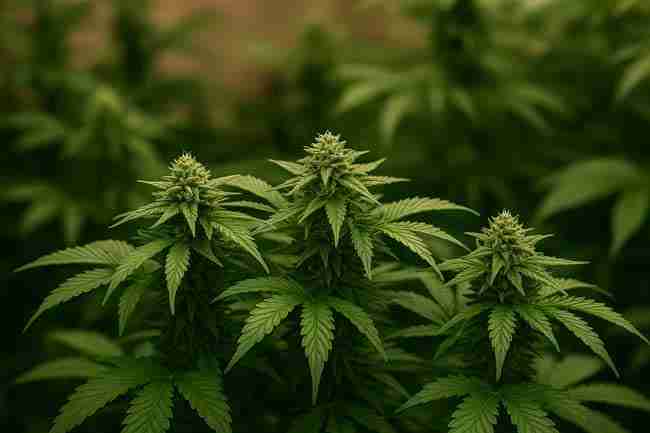
Hey there! You know that water plays a massive role in growing cannabis, right? Well, with today’s climate changes and rising costs, mastering Conservation Techniques for Cannabis isn’t just smart—it’s essential. In this article, you’ll explore advanced water recycling and conservation methods that help you save precious H₂O, boost plant health, and create a self-sustaining grow room. I’ll show you how cannabis roots release sugars and compounds to attract beneficial soil microbes, enhancing nutrient uptake and making every drop count. You’ll get real-life examples, lists, a handy comparison table, and pros and cons for each technique. Plus, I share tips on blending plants, helpful insects, and microbial life into one thriving ecosystem. By the end, you’ll have practical, punchy guidance you can put into action right away. Let’s dive in!
Why Water Conservation Matters in Cannabis Cultivation

The Impact of Waste
You might not realize it, but indoor cannabis grows can guzzle hundreds of liters of water every week. If you don’t recycle or reduce runoff, you’ll end up with wasted resources, higher utility bills, and even fines in water-restricted regions. However, by adopting Conservation Techniques for Cannabis, you slash waste and keep your operation green—both eco-friendly and cost-effective.
How Roots Help Conserve Water
When you water your plants, cannabis roots don’t just soak up liquid. They release tiny sugars and organic acids—called exudates—that lure helpful microbes in the soil. These microbes, in turn, break down nutrients and make them easier for your plants to absorb. So, by encouraging this root‑microbe teamwork, you reduce the need for extra watering and chemical inputs.
Exudates and Microbes

- Sugars & Amino Acids: Roots exude simple sugars that feed mycorrhizal fungi.
- Microbial Colonies: Beneficial bacteria cluster around these exudates, improving nutrient uptake.
- Water Efficiency: A healthy rhizosphere needs less water, since microbes help roots explore the soil more effectively.
Key Conservation Techniques for Cannabis
Here’s where the magic happens. You’ll learn about five top Conservation Techniques for Cannabis that really work. For each, I list specs, pros, and cons so you can pick what fits your setup.
Rainwater Harvesting
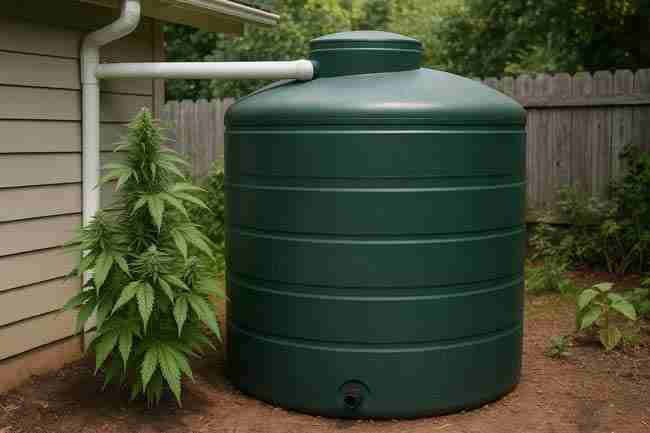
Collecting rain from your roof or greenhouse makes pure, nutrient‑free water that’s perfect for your plants.
Specifications
- Storage Capacity: 500–5,000 L barrels
- Filtration Needed: Leaf screens + fine mesh pre-filter
- pH Level: Typically 6.0–6.8 (ideal for cannabis)
- Installation Cost: $300–$1,200
Pros and Cons
Pros
- Free, clean water source
- Low maintenace filters
- Reduces reliance on municipal supply
Cons
- Depends on local rainfall
- Initial setup cost
- Risk of mosquito breeding if not covered
Recirculating Nutrient Film Technique (NFT)

This hydroponic method forms a thin, constant film of nutrient solution that flows over your root zone.
Specifications
- Flow Rate: 1 L/min per channel
- Channel Slope: 1–3% for proper flow
- Reservoir Volume: 20–100 L
- pH & EC Control: Automated sensors recommended
Pros and Cons
Pros
- Uses only 10–20% of water compared to drip
- Constant nutrient availability
- Easy to monitor pH and EC
Cons
- Vulnerable to pump failures
- Roots can dry out quickly if flow stops
- Setup complexity higher
Drip Irrigation and Ebb & Flow Systems
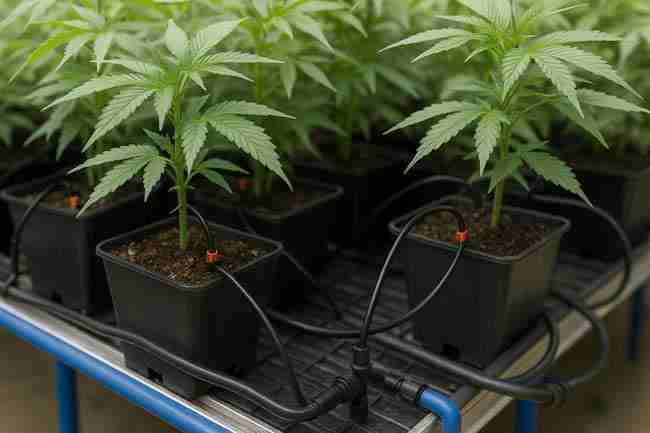
With drip, you deliver water directly to each pot; ebb & flow floods the tray and then drains it back.
Specifications
- Emitters: 1 L/hr to 4 L/hr drippers
- Cycle Frequency: 4–6 times daily for ebb & flow
- Reservoir Size: 50–200 L
- Timer Precision: ±1 minute
Pros and Cons
Pros
- Customizable flow per plant
- Simple automation with timers
- Minimal waste if drained water is reclaimed
Cons
- Tubing can clog
- Overwatering risk if timer fails
- Manual cleaning required
Greywater Recycling

You treat gently used household water (from baths, sinks, washing machines) for non-edible plant use.
Specifications
- Treatment: Biofilter + UV sterilizer
- Water Quality: BOD < 30 mg/L, TDS < 500 ppm
- Storage Tank: 100–1,000 L
- Pump: 0.5–1 HP
Pros and Cons
Pros
- Cuts municipal water bills up to 50%
- Promotes circular water use
- Environmentally responsible
Cons
- Regulatory hurdles in some areas
- Risk of contaminants if treatment fails
- Maintenance-intensive
Condensate Collection from AC Units

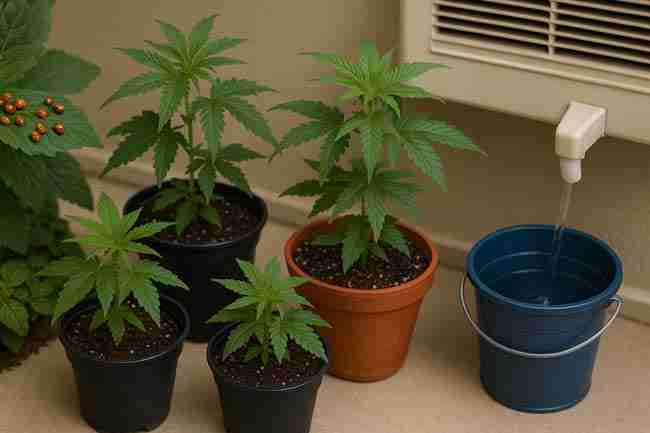
Air conditioning and dehumidifiers drip condensate that you can redirect to your reservoir.
Specifications
- Yield: 3–10 L/day per 1 kW cooling
- Collection Setup: Gravity-fed bucket or pump
- pH Level: ~6.5 (low mineral content)
Pros and Cons
Pros
- Usually “free” water
- Low mineral content ideal for hydroponics
- Very low setup cost
Cons
- Amount varies with humidity
- Seasonal limits in dry climates
- Risk of airborne contaminants
Building a Self-Sustaining Grow Room Environment
You’ve learned how to save and recycle water. Now, let’s talk about making your grow room a living, breathing ecosystem.
Integrating Beneficial Insects
Invite predator insects like ladybugs and predatory mites. They control pests naturally and reduce chemical use.
Examples
- Ladybugs: Eat aphids and whiteflies.
- Predatory Mites: Target spider mites.
- Parasitic Wasps: Go after fungus gnats.
These helpers thrive when humidity and temperature stay stable, so pair them with your water recycling setup.
Encouraging Microbial Life
Mix your soil or grow media with compost, worm castings, and mycorrhizal inoculants. This blend makes roots stronger and more efficient at using recycled water.
Soil Mix Recipe
- Base: 50% organic potting soil
- Amendment: 25% worm castings
- Structure: 15% perlite
- Microbes: 10% mycorrhizal blend
List of Conservation Techniques for Cannabis

- Rainwater harvesting
- Nutrient Film Technique (NFT)
- Drip irrigation & ebb & flow
- Greywater recycling
- AC condensate collection
- Beneficial insects integration
- Microbial soil enhancement
Comparison Table of Conservation Methods
| Technique | Water Saved (L/mo) | Cost | Ease of Setup | Maintenance |
|---|---|---|---|---|
| Rainwater Harvesting | 2,000–8,000 | $300–1,200 | Medium | Low |
| NFT Recirculation | 1,500–5,000 | $500–2,000 | High | Medium |
| Drip Irrigation & Ebb & Flow | 1,000–4,000 | $200–1,000 | Medium | Medium |
| Greywater Recycling | 3,000–10,000 | $1,000–3,000 | Low-Medium | High |
| AC Condensate Collection | 90–300 | $50–200 | Easy | Low |
Practical Tips and Real-Life Examples
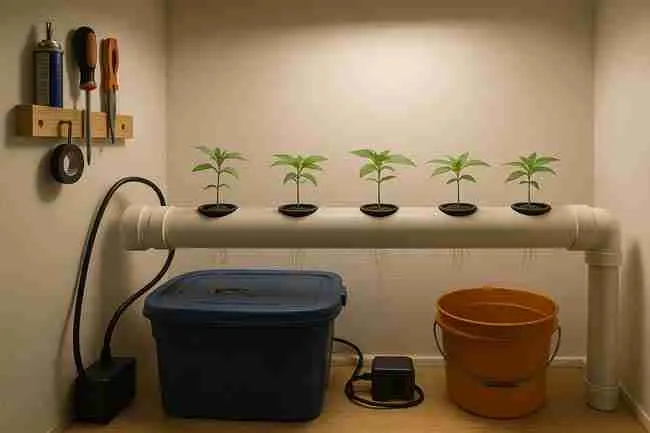
A Case Study: My First Recirculating System
Oh boy, I still remember setting up my first NFT channel in a tiny closet. I drilled 1% slope into PVC, installed a 40 L reservoir, and hooked up an aquarium pump. I watched in awe as clear nutrient film glided over roots. Sure, a power outage once spooked me, but after I added a backup battery-powered pump, I never looked back. Water use dropped 70%, and buds even looked denser! This was awesome since I was paying for water!
Small-Scale vs. Commercial Setups
- Small-Scale: Rain barrels and drip kits cost under $500. You can recycle every drop in a hobby room.
- Commercial: Greywater systems and large NFT rigs run into thousands but deliver massive savings—often paying back in a single season.
No matter your size, plan for overflow and leaks. Always include a backup reservoir or flag alert to protect your plants.
FAQs
Q1: What are the best Conservation Techniques for Cannabis in a small grow?
Rainwater harvesting, AC condensate collection, and a simple drip system usually cost under $300 and save up to 80% of your water.
Q2: How do roots release sugars to attract microbes?
Rhizodeposition sends out exudates—simple sugars and amino acids—that feed mycorrhizal fungi and helpful bacteria, boosting nutrient uptake and water efficiency.
Q3: Is greywater safe for nutrient solutions?
Yes, if treated with a biofilter and UV sterilizer. Always test for pH, TDS, and bacterial load before you add it to your reservoir.
Q4: Can I combine multiple water recycling methods?
Absolutely! You can harvest rainwater, recycle AC condensate, and use greywater all at once. Just keep each water source in separate tanks until you test and adjust pH and EC.
Conclusion

You’ve now got a toolkit full of Conservation Techniques for Cannabis to slash water waste, boost plant health, and create a truly self-sustaining grow room. From rain barrels to microbial-rich soils, each method has its specs, pros, and cons. You don’t need fancy gear—just a solid plan, some barrels or tubes, and a willingness to experiment. So go ahead, dive in, and watch your plants flourish while you save resources and money. Happy growing!